


 English
 日本語
日本語 русский
 Deutsch
Tin Bronze Bushing For Mining Equipment uses high-purity copper as the base material, and ...
Home / Products / Copper Bushing / Tin Bronze Bushing / Tin Bronze Bushing For Engineering Machinery

Ship Propulsion And Sealing Device
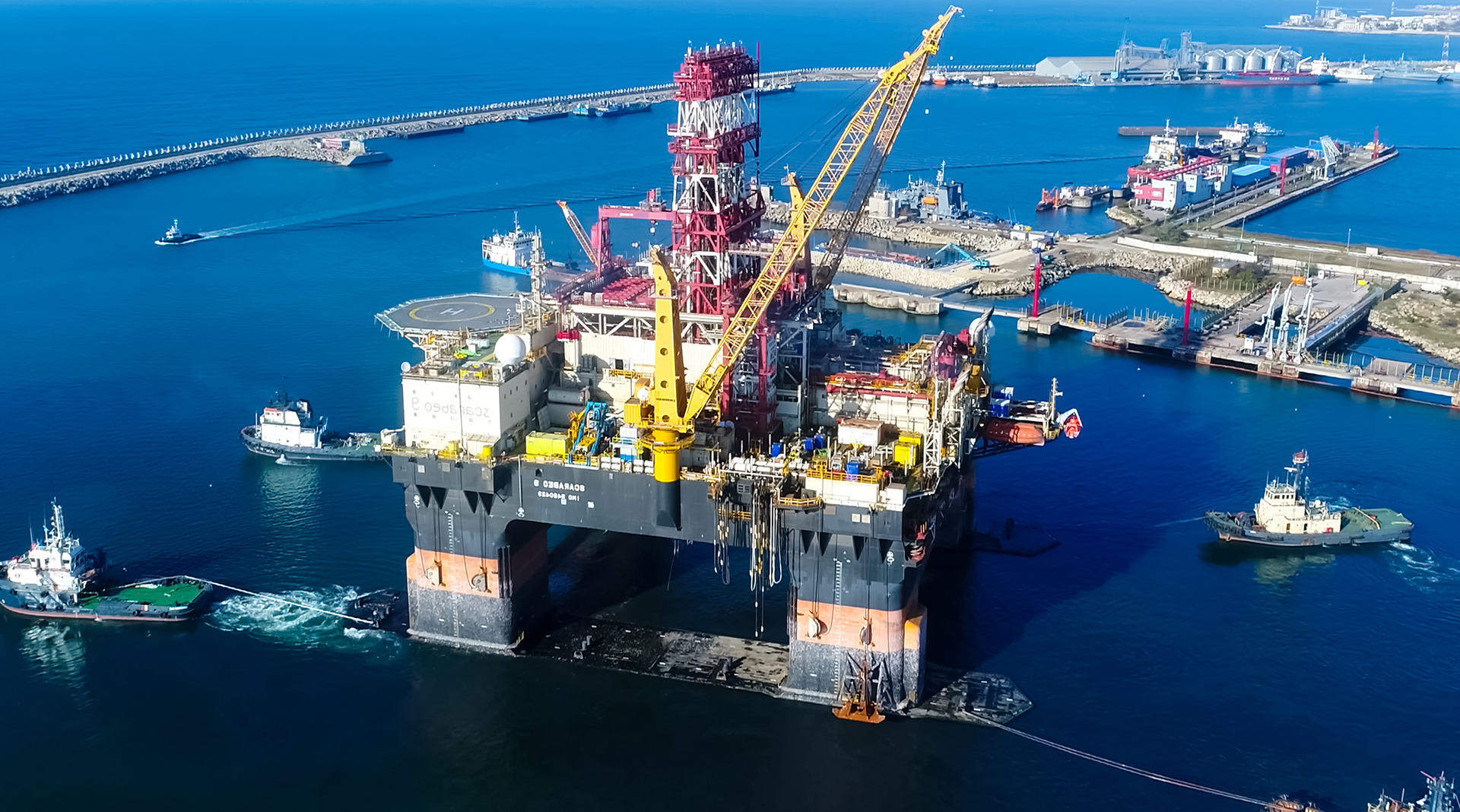
Ocean drilling and ship lock lifting equipment
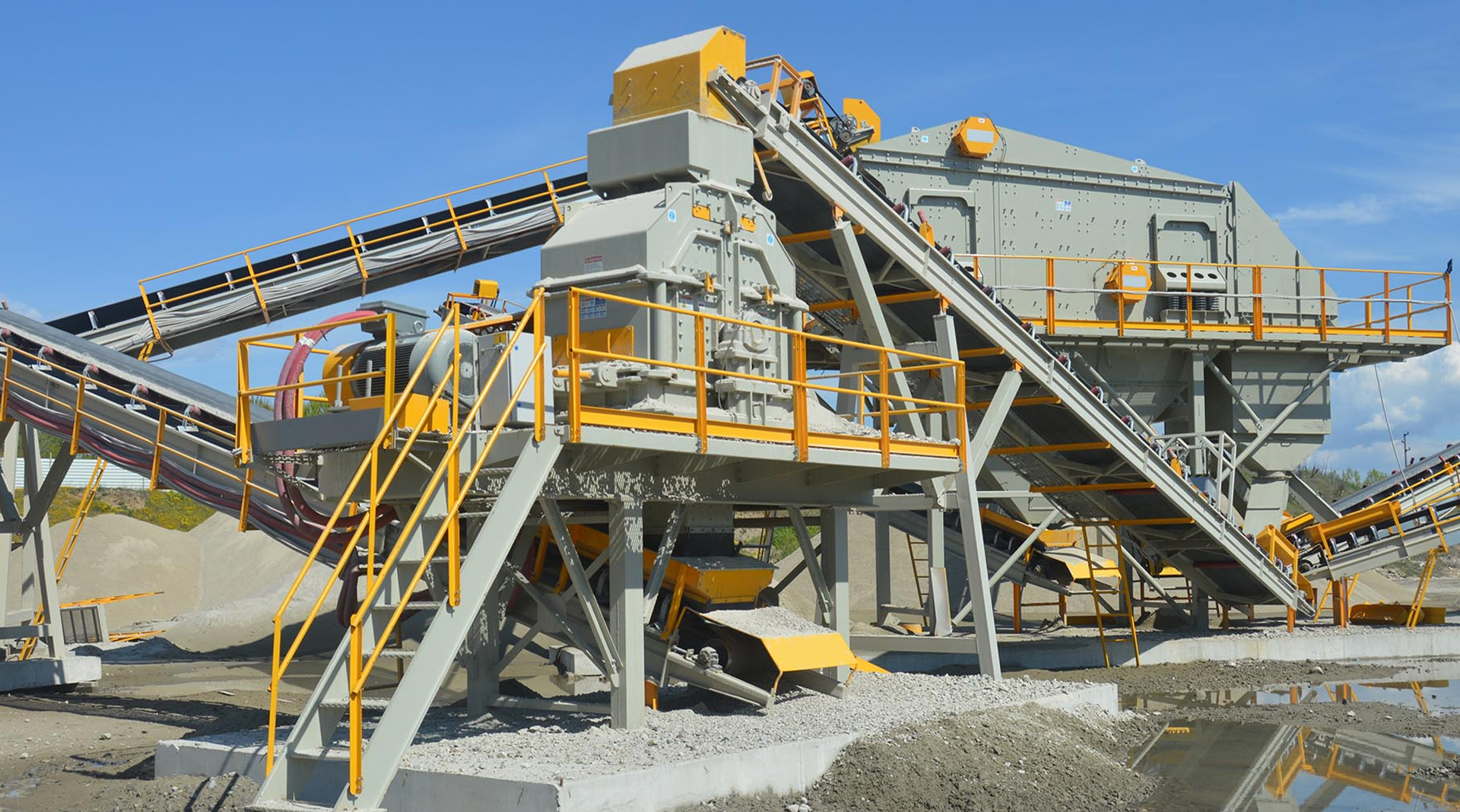
Mining equipment
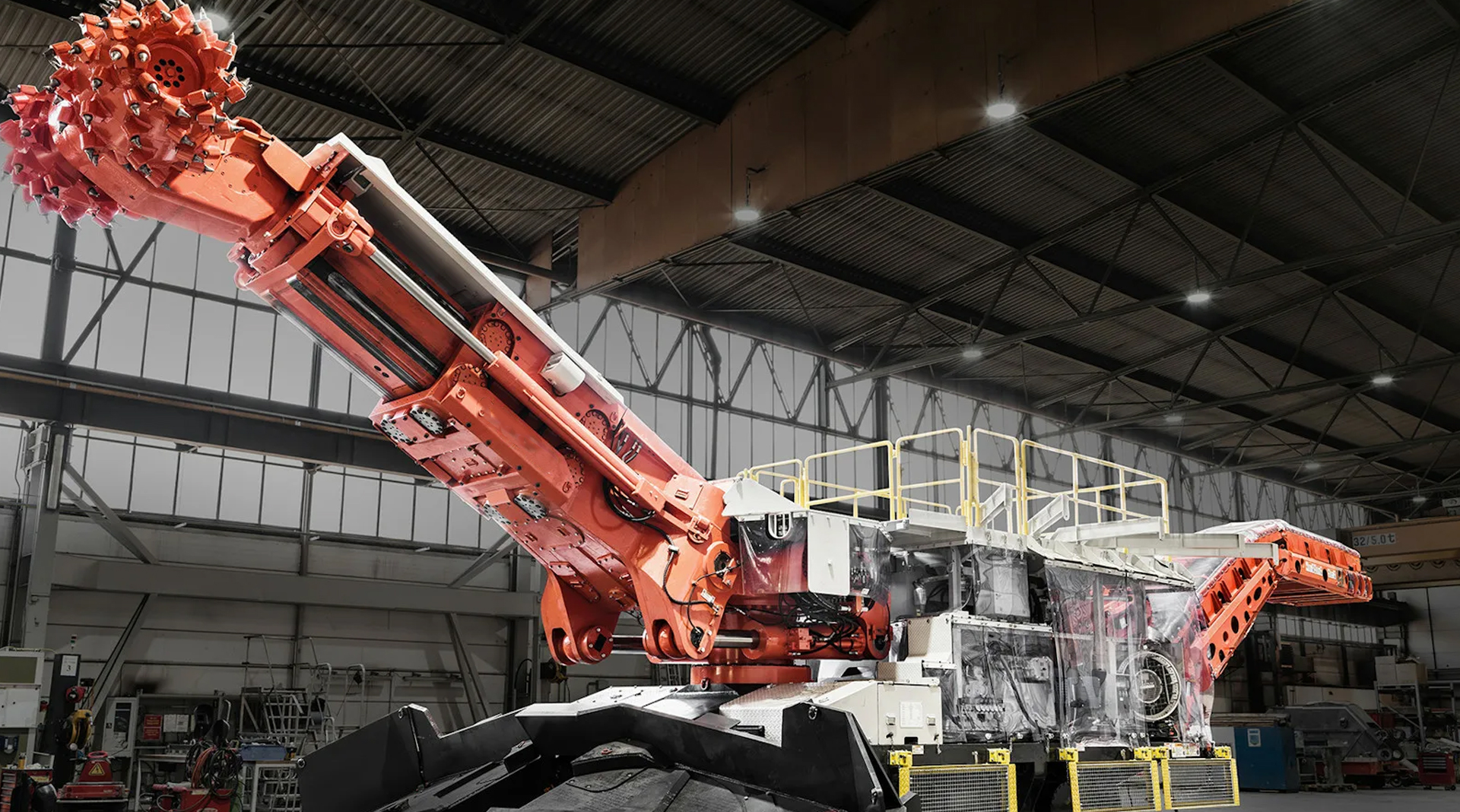
Construction machinery
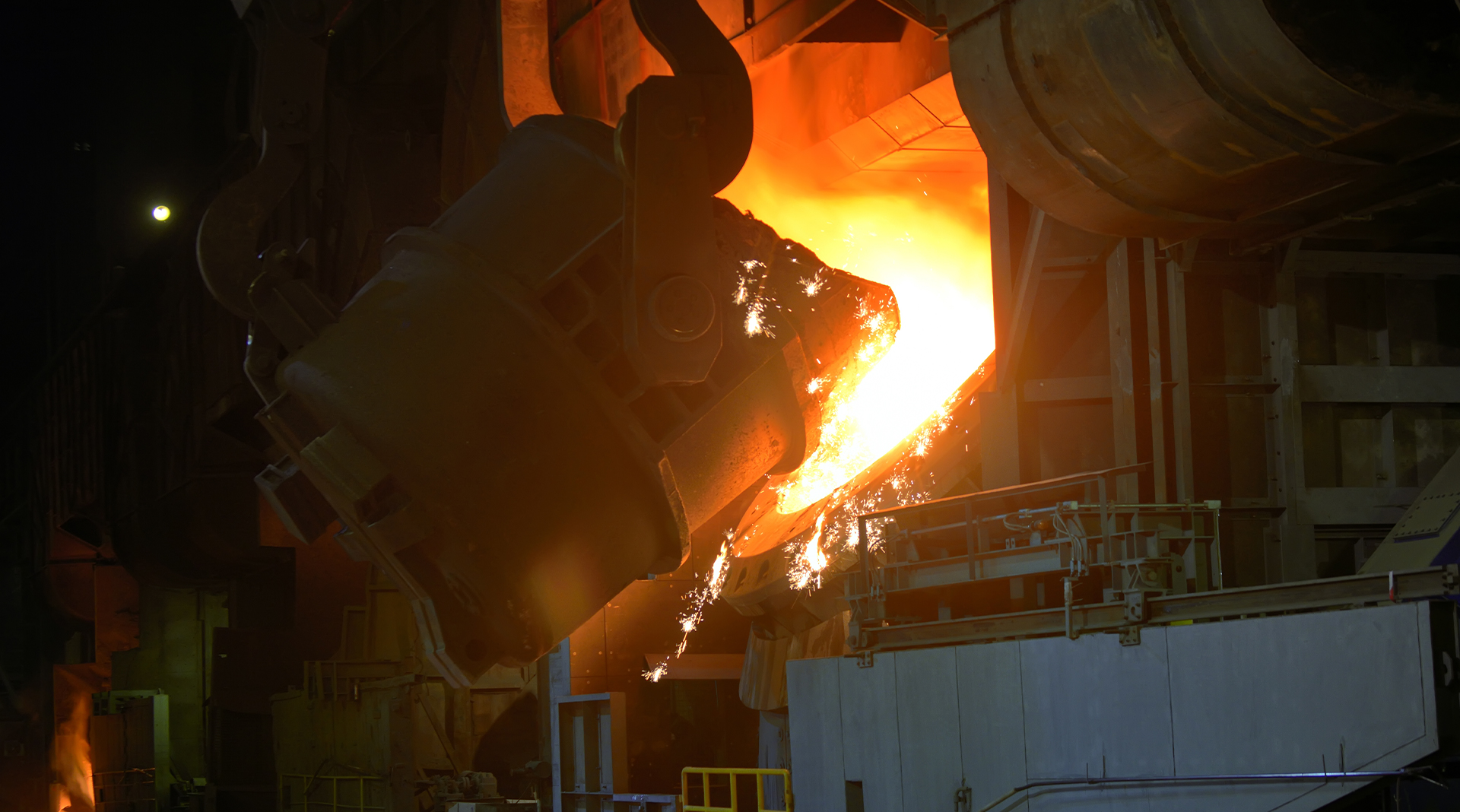
Oil and gas, metallurgical equipment
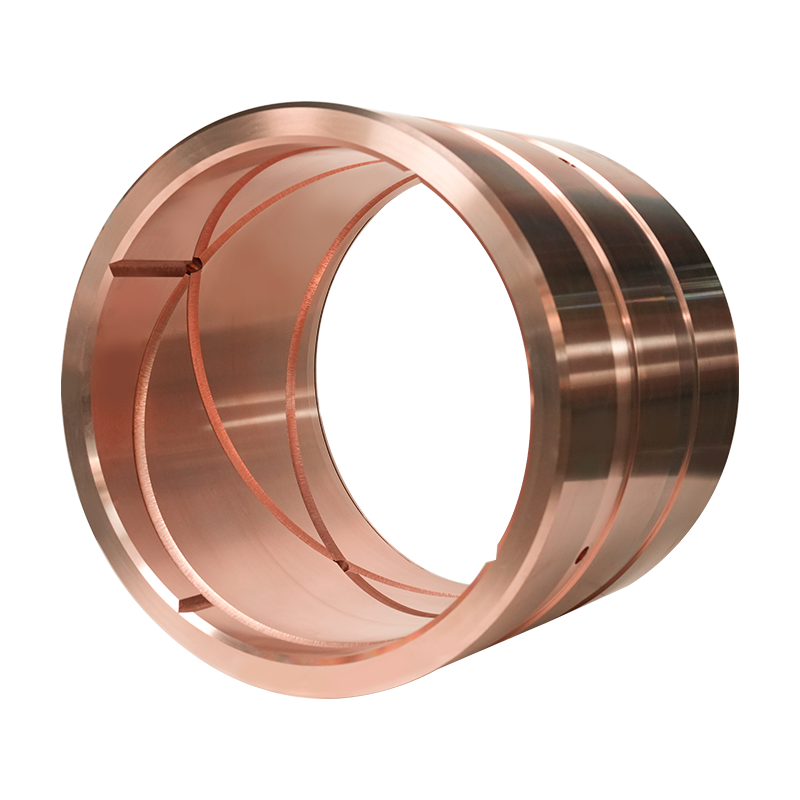
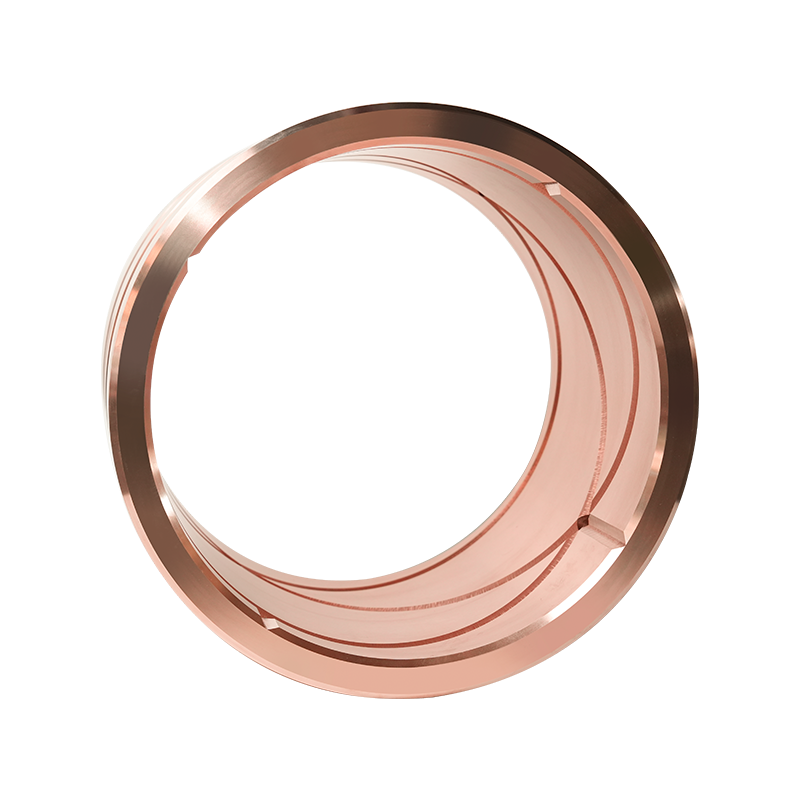
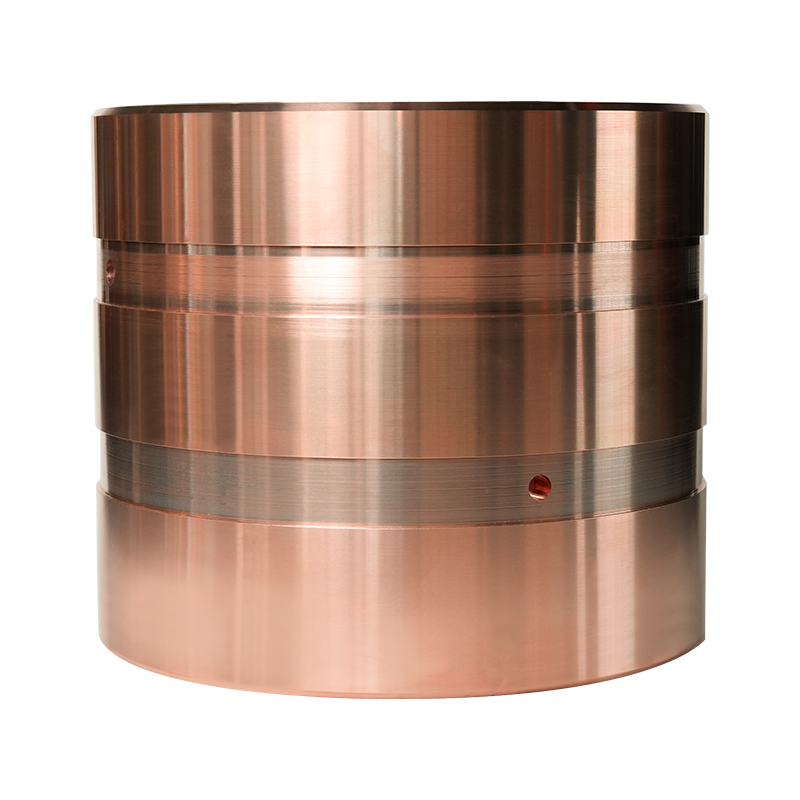
Tin Bronze Bushing For Engineering Machinery is made of high-quality high-purity copper substrate, precision-casted with alloy elements such as tin, zinc, and lead. It has wear resistance, corrosion resistance, and self-lubricating properties. Designed for high-load, high-impact, and frequent friction conditions of engineering machinery, it can significantly reduce equipment wear and extend the service life of key components. It is suitable for bearings, sleeves, and bushings of heavy equipment such as excavators, loaders, and bulldozers.
High strength and wear resistance-high tin content provides excellent wear resistance, adapts to the harsh environment of engineering machinery such as mud, sand, and dust, and reduces the loss caused by friction.
Self-lubricating and anti-friction-the lead element in the alloy can form a lubricating film, reduce the friction coefficient, reduce lubrication dependence, and avoid the problem of jamming caused by dry friction.
Corrosion and fatigue resistance-excellent corrosion resistance, can resist the erosion of moisture, rain, and engineering chemical media, and extend service life. High load-bearing capacity-high-density alloy structure can withstand the strong vibration and high impact load of engineering machinery to avoid deformation or cracking.
Precision machining and adaptation - support customized size, tolerance and surface treatment according to customer needs to ensure perfect match with the equipment.
Strict quality control - use high-purity raw materials, precision casting + CNC machining to ensure dimensional accuracy and stable performance.
Ultra-long service life - compared with ordinary copper bushings, wear resistance is improved, replacement frequency is reduced, and maintenance costs are reduced.
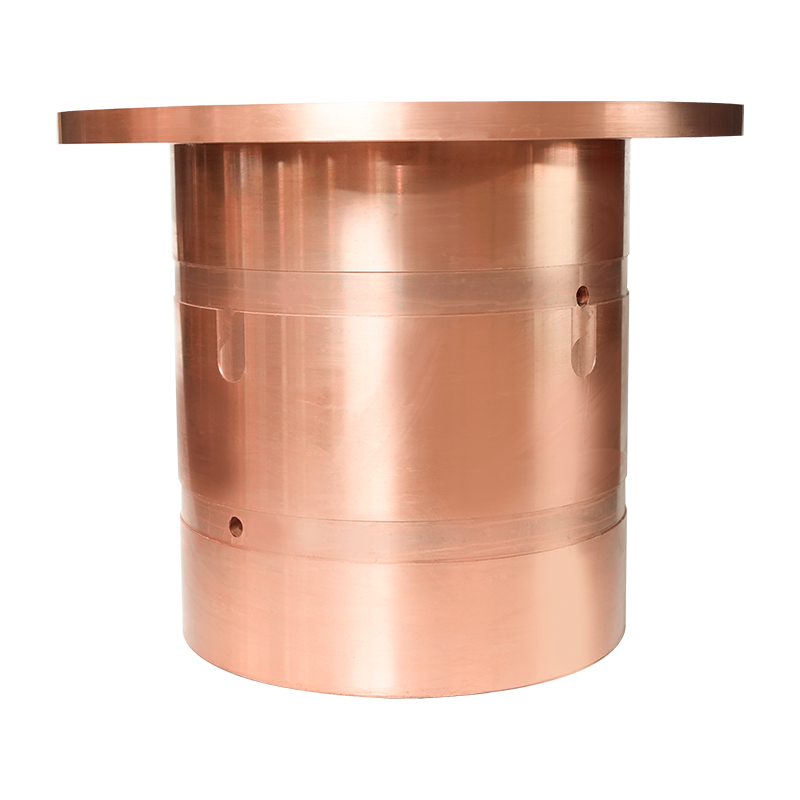
Tin Bronze Bushing For Mining Equipment uses high-purity copper as the base material, and ...
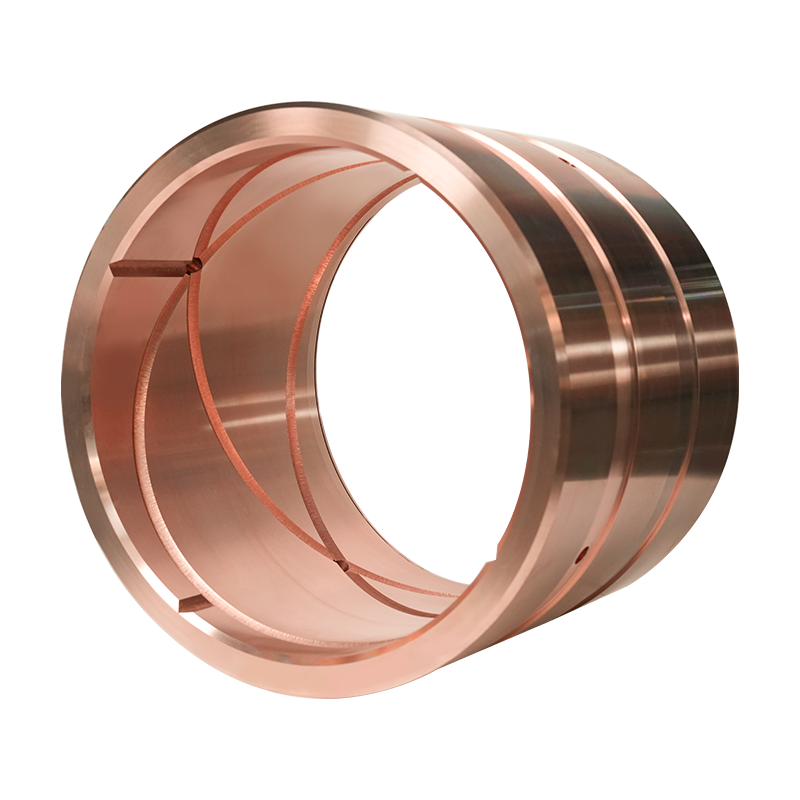
Tin Bronze Bushing For Engineering Machinery is made of high-quality high-purity copper su...
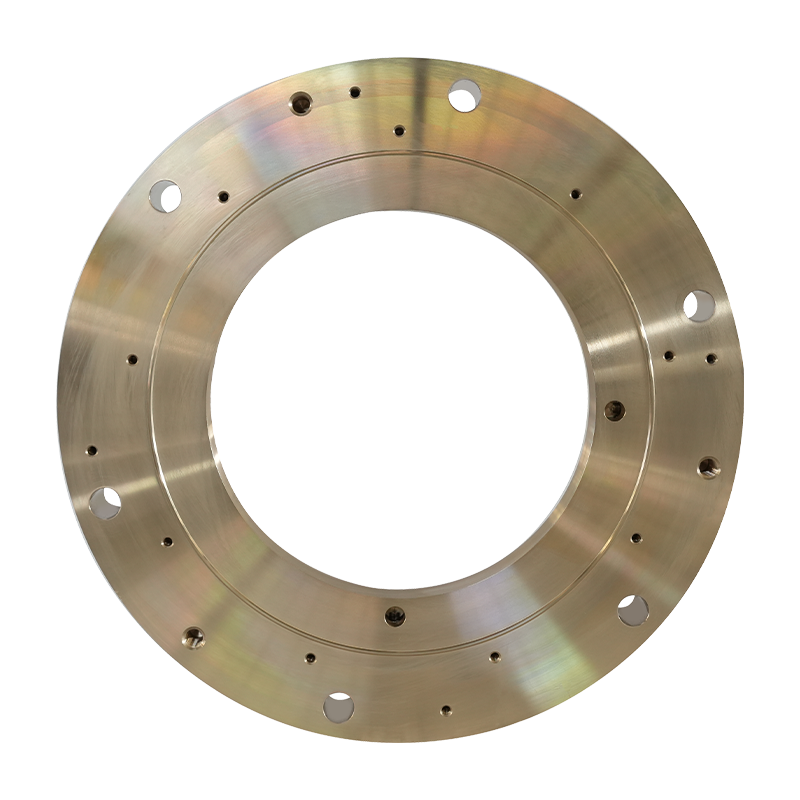
Marine Copper Alloy Sealing Ring Marine Sealing Ring is a key sealing component in the shi...
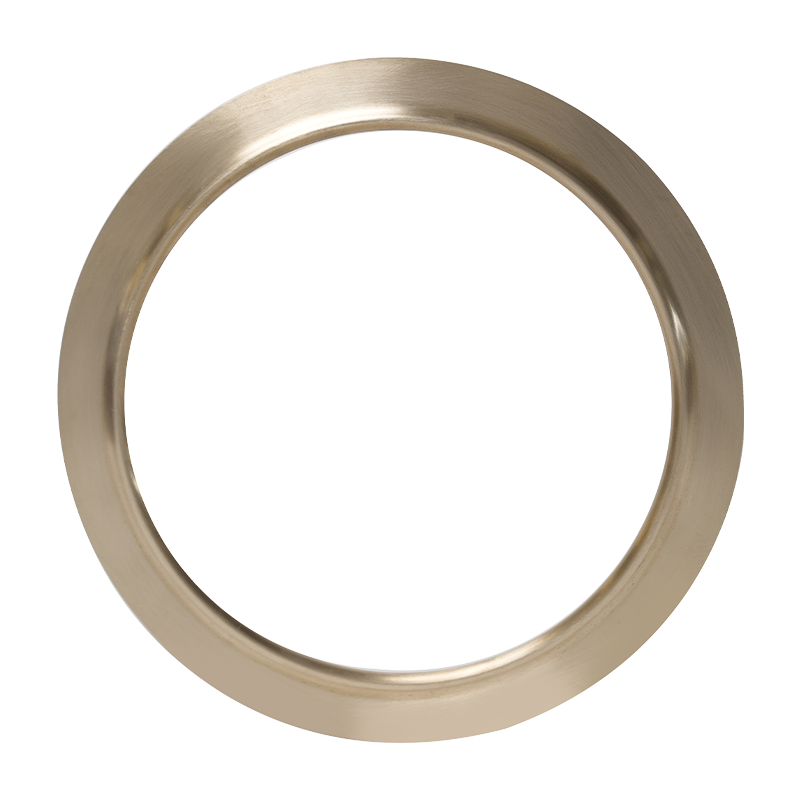
Propulsion Device Seal Marine Copper Alloy Sealing Ring is made of high-quality copper all...
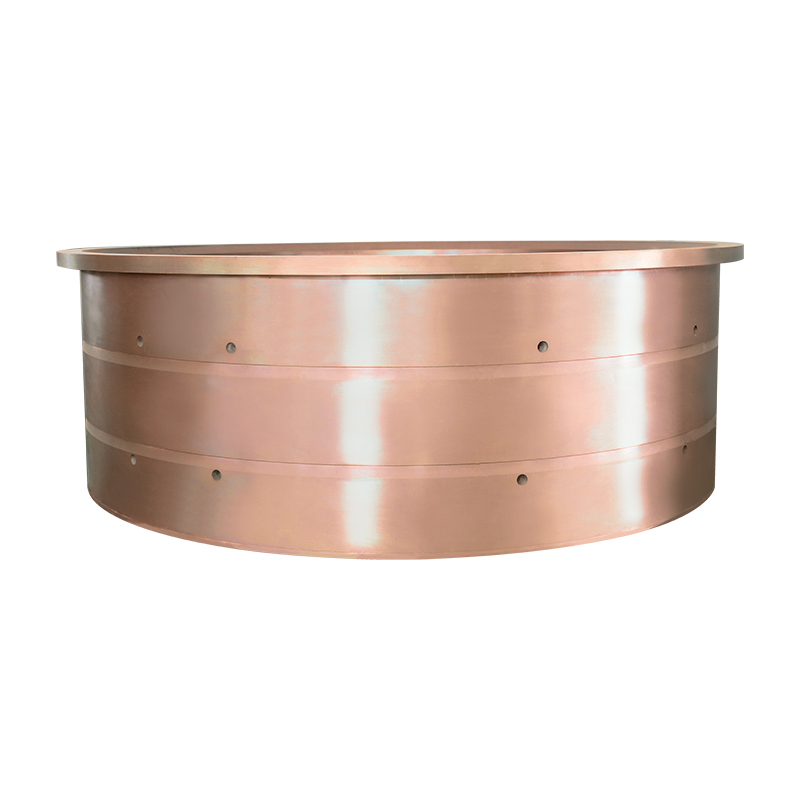
Anchor Winch Bearing And Tin Bronze Bushing is designed for heavy-load, high-speed, and hi...
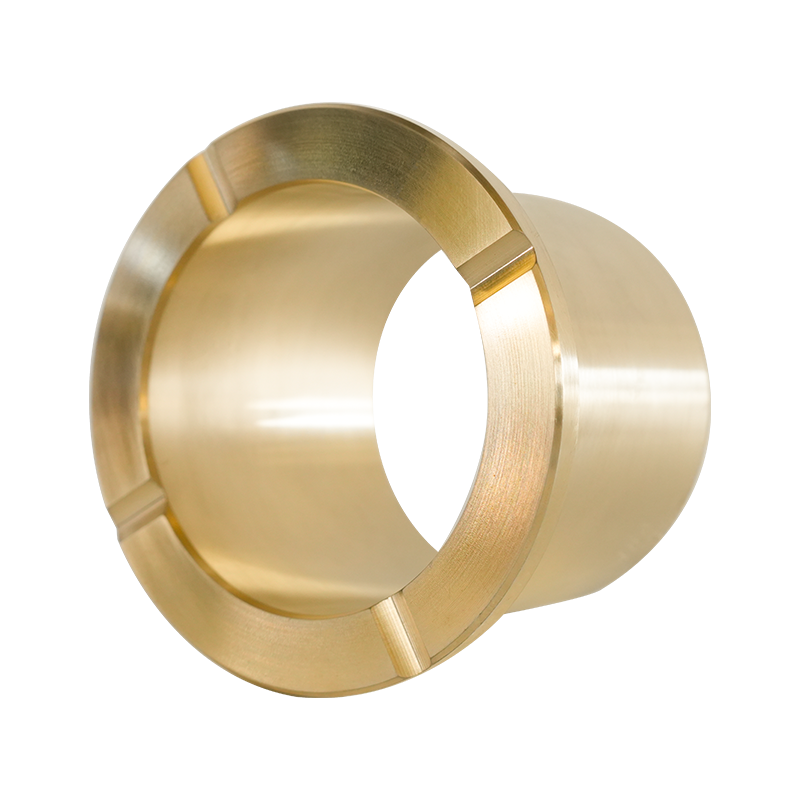
Mining Equipment Brass Bushing is specially designed for high-load and high-wear condition...
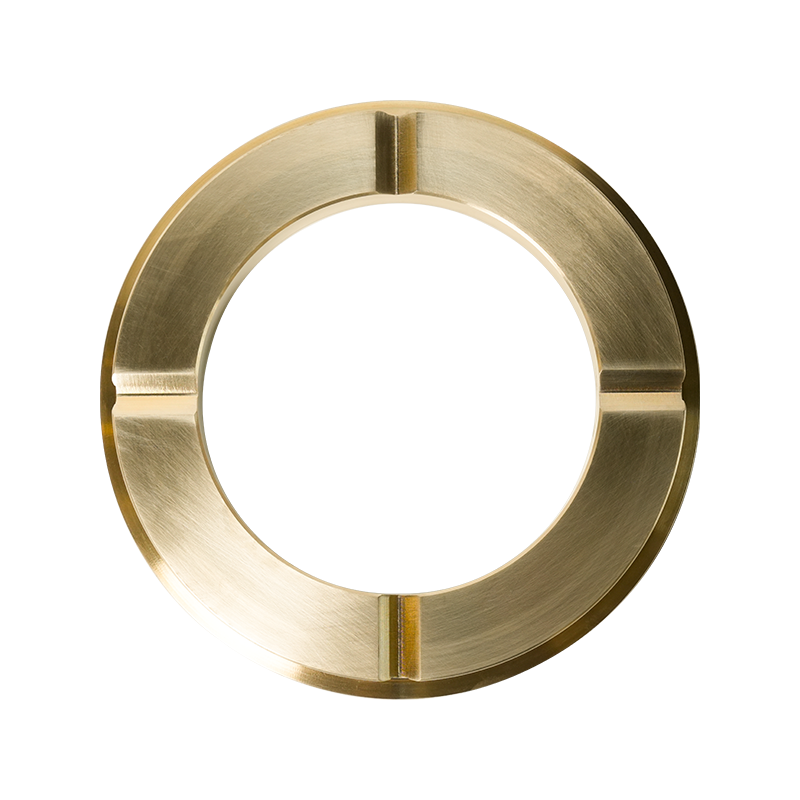
Engineering Machinery Brass Bushing is specially designed for high-load and high-wear work...
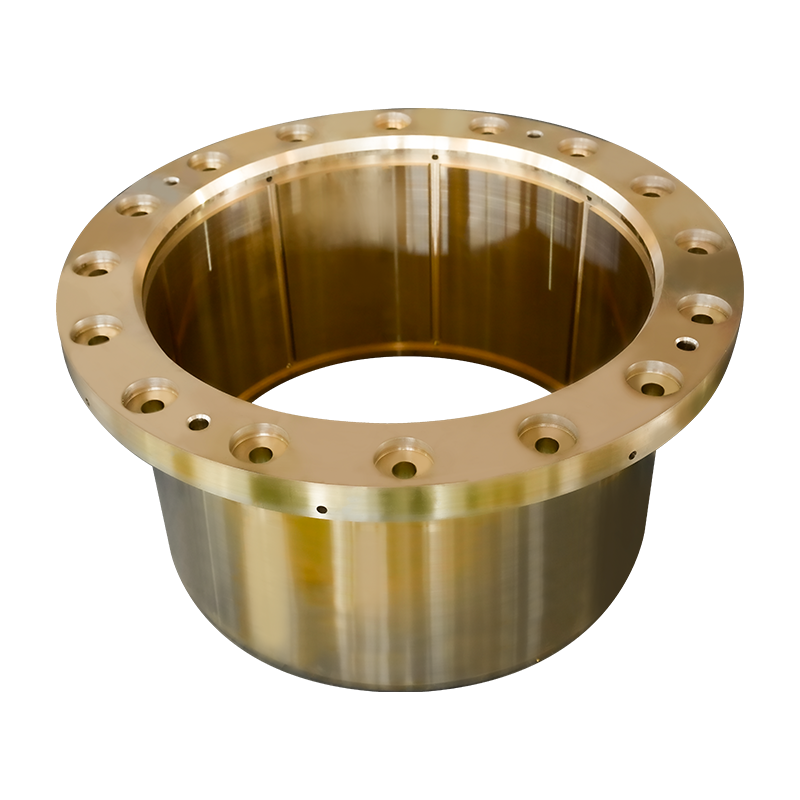
Metallurgical Equipment Brass Bushing is a high-performance brass bushing designed for wor...
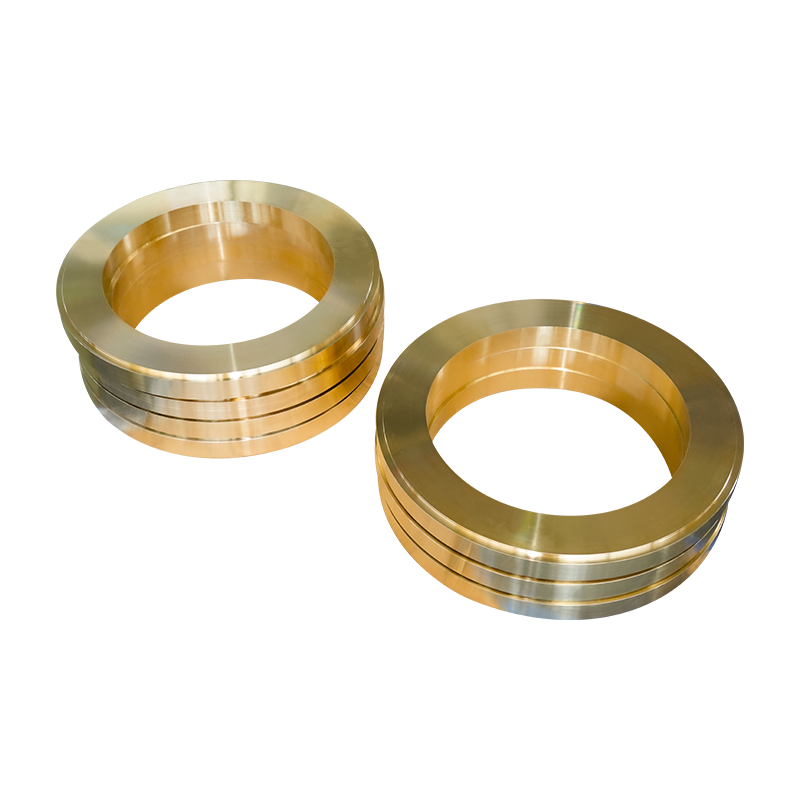
Stern Shaft Sealing Device Brass Bushing is a high-performance brass wear-resistant copper...
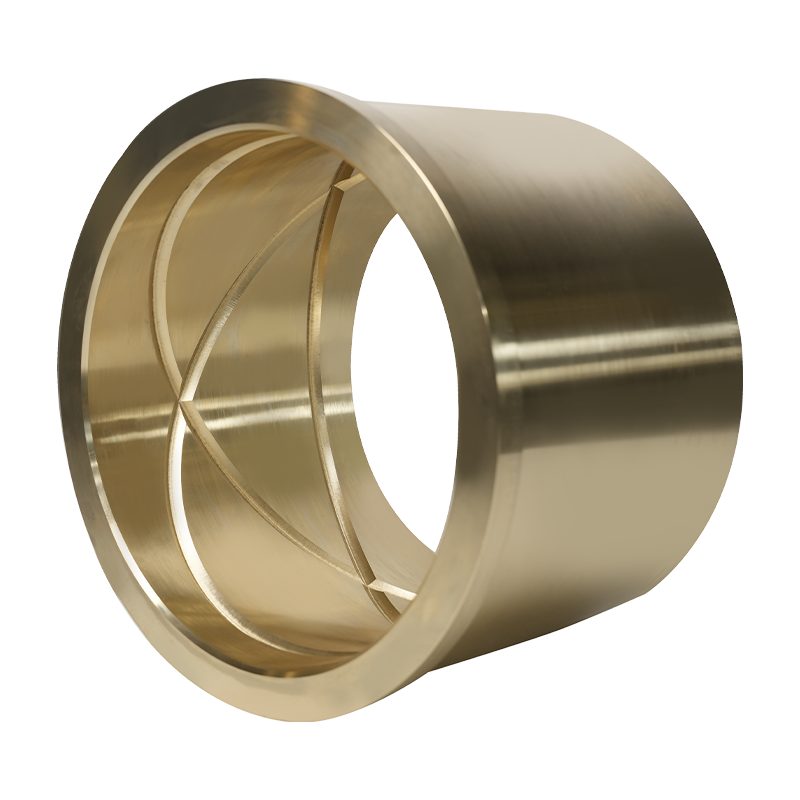
Aluminum Bronze Bushing For Rudder Transmission System is tailor-made for the Rudder trans...
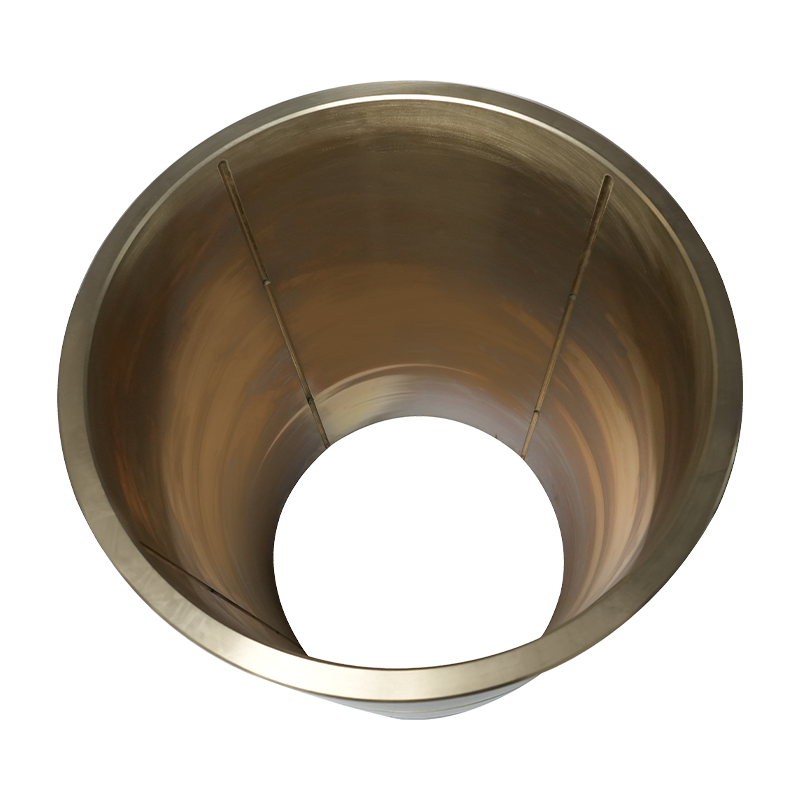
Aluminum Bronze Bushing For Ship Hydraulic Cylinders And Rudder Angle Feedback product is ...
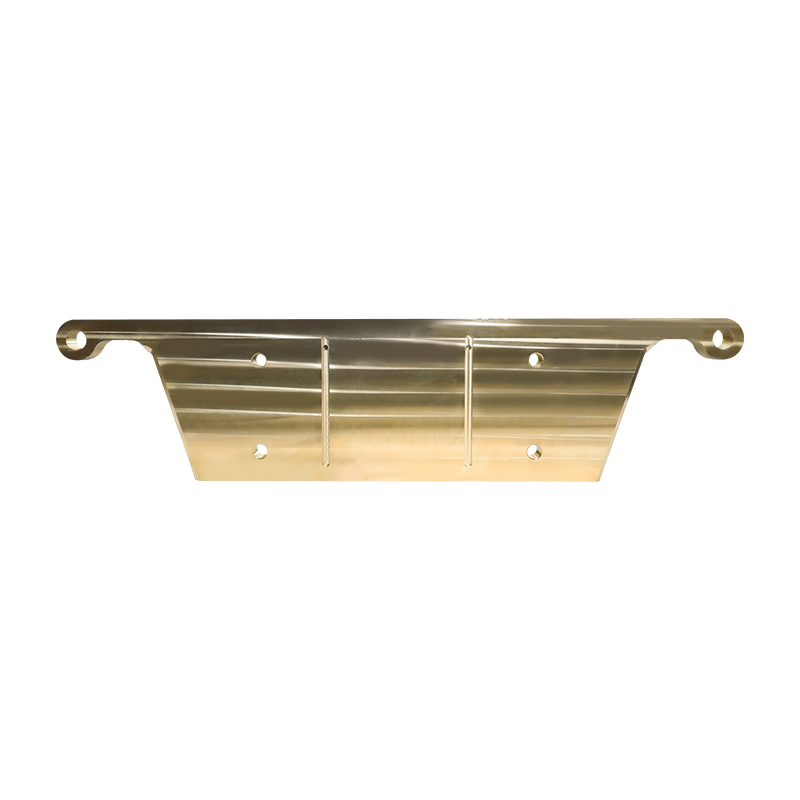
Mining Equipment Brass Plate is made of high-quality high-strength brass material, with we...
We attach great importance to your letter and will reply to you as soon as possible.
Picture a 5 MW ball mill in a mining plant. The shaft is over 300 mm in diameter, rotating at a few hundred RPM, carryi...
View MoreBronze has never had a single melting point. In practice, most bronze alloys melt between roughly 850°C (1,562°F) and 1...
View MoreEvery maintenance engineer and procurement manager eventually has to answer the same question: which sleeve bushing wil...
View MoreA pivot bushing on a wheel loader that survives 8,000 hours in one quarry but fails in 900 in another almost never has ...
View MoreIs Copper Good for Bushings? The Direct Answer Yes, copper is an excellent material for bushings, and copper alloys suc...
View MoreCopyright © YangZhou YiFeng Copper Products Co.,Ltd. All Rights Reserved
China Tin Bronze Bushing For Engineering Machinery Manufacturers Custom Tin Bronze Bushing For Engineering Machinery Factory