


 English
 日本語
日本語 русский
 Deutsch
Tin Bronze Bushing For Mining Equipment uses high-purity copper as the base material, and ...
Home / News / Industry News / Why Are Mining Equipment Brass Bushings the Secret to Reducing Downtime?

Ship Propulsion And Sealing Device
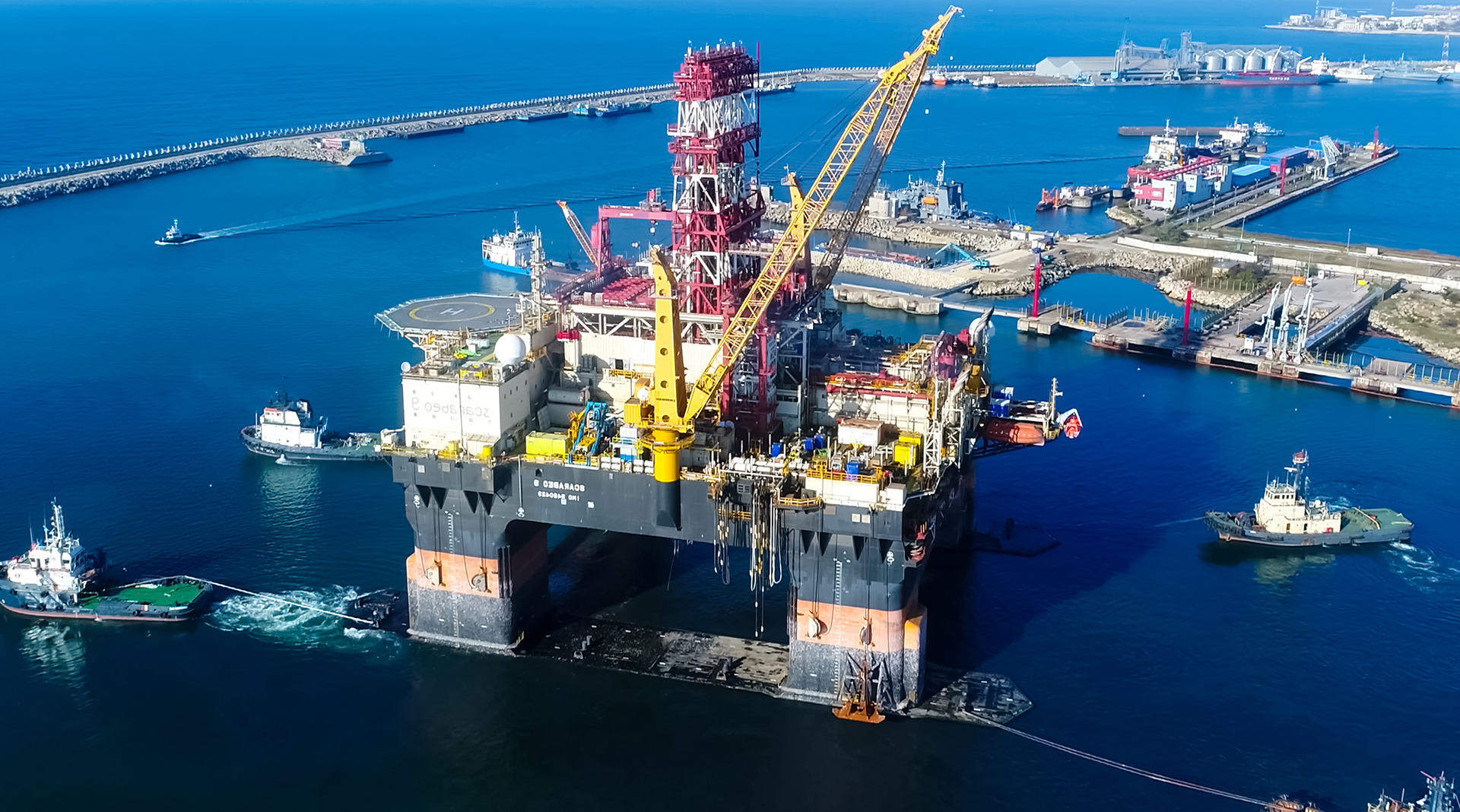
Ocean drilling and ship lock lifting equipment
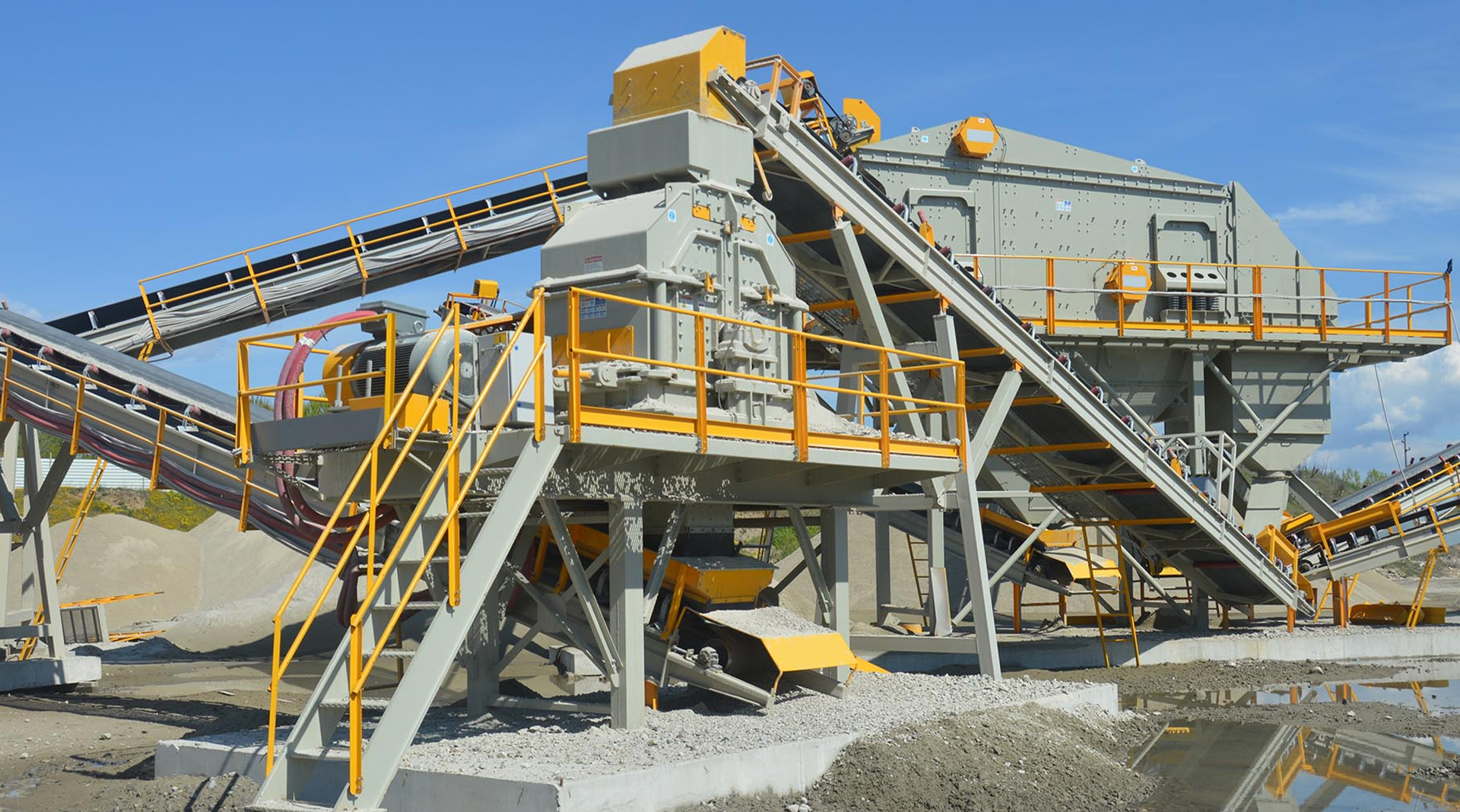
Mining equipment
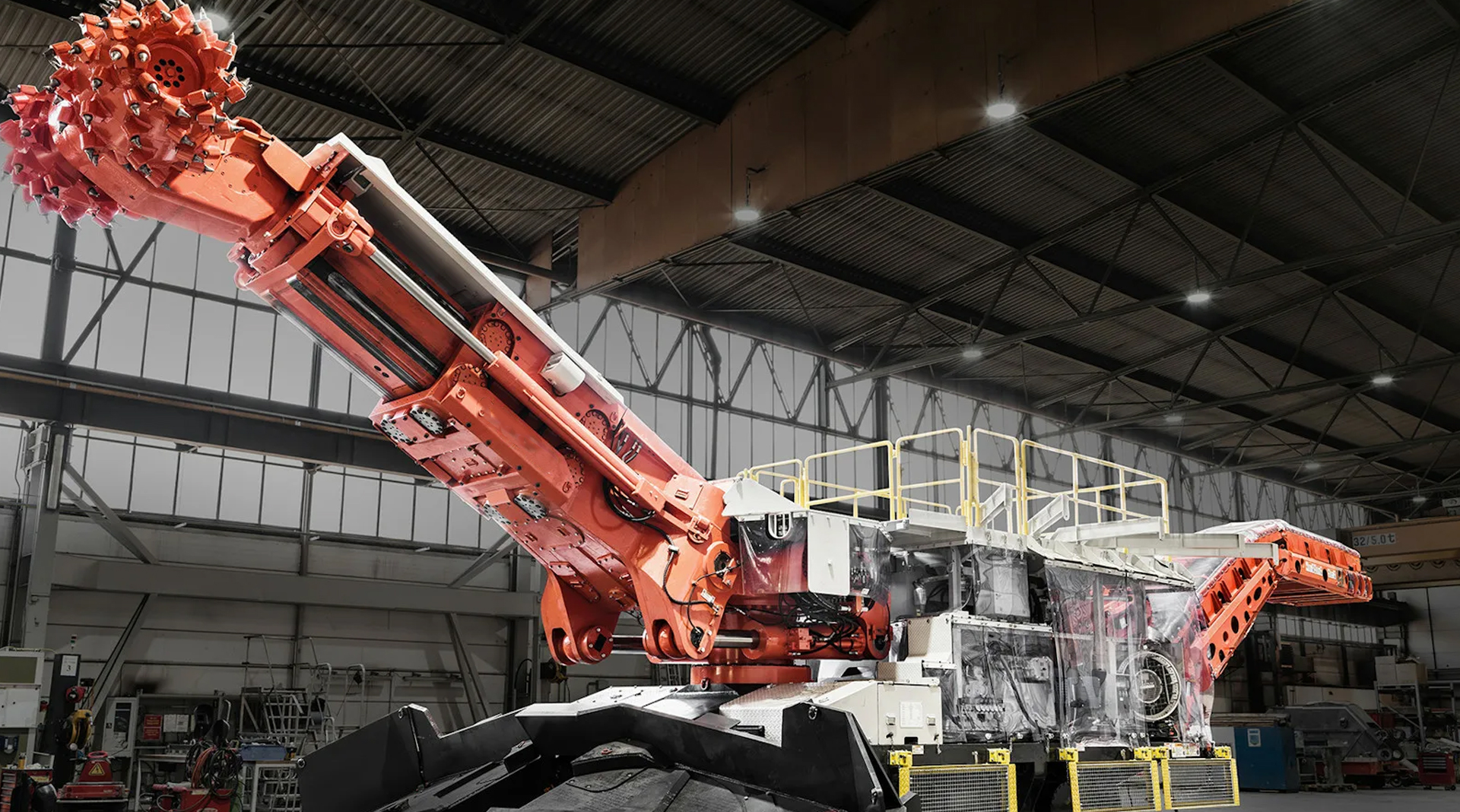
Construction machinery
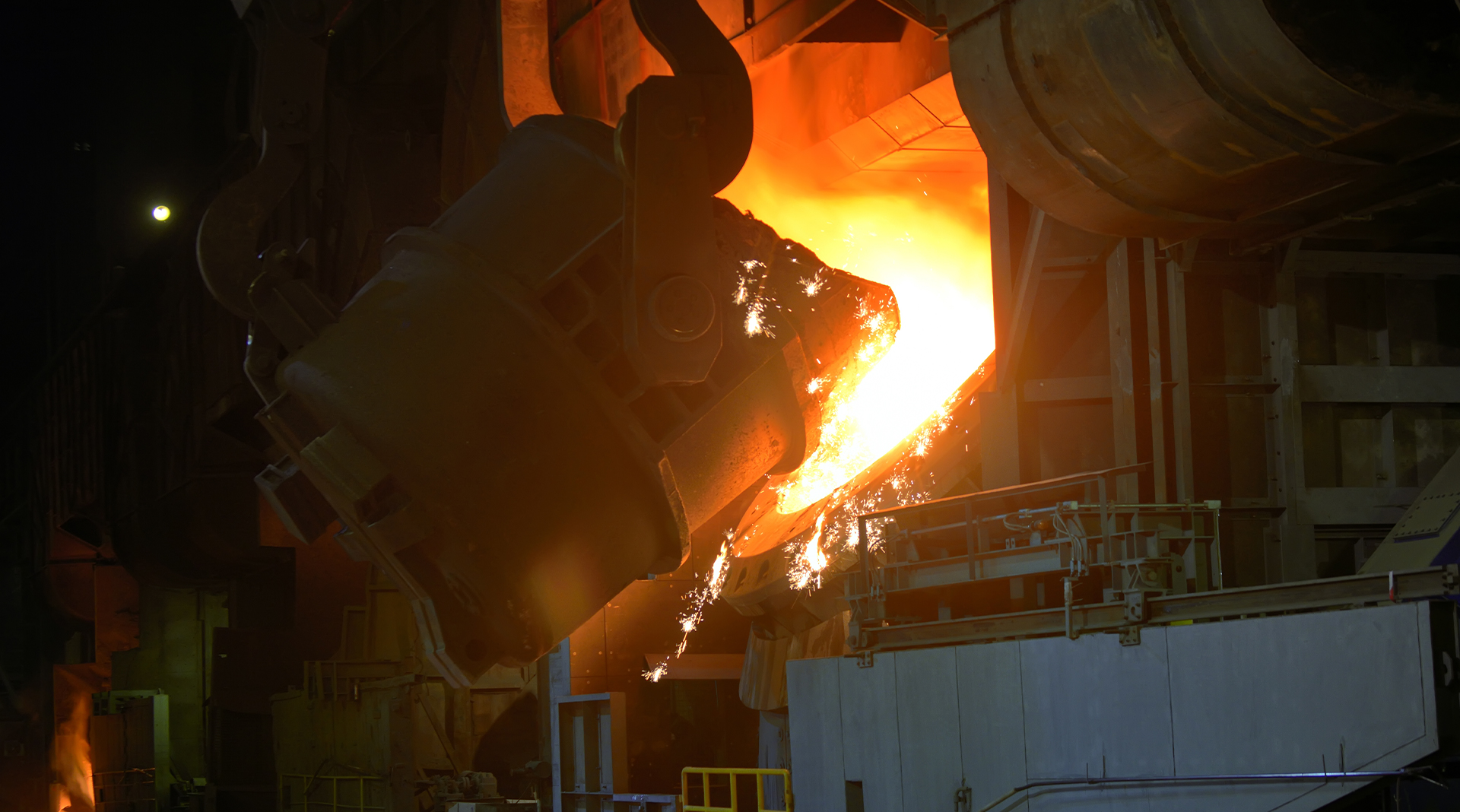
Oil and gas, metallurgical equipment
Content
In the heavy-duty world of mineral extraction and processing, the smallest components often carry the heaviest burdens. From the massive jaws of a stone crusher to the relentless pull of a mile-long conveyor belt, mining operations rely on a delicate balance of power and precision. Lately, industry experts and maintenance managers have been asking one central question: How can we extend the life of our heavy machinery without skyrocketing our maintenance budgets?
The answer frequently leads back to a critical, albeit humble, component: the Mining Equipment Brass Bushing. While it might not have the visual flash of a giant excavator or the high-tech appeal of automated drilling software, this specific hardware is currently revolutionizing how mining sites manage wear and tear.
To understand why people are talking about brass bushings, we first have to understand the environment they live in. A mine is a hostile place for machinery. It is filled with abrasive dust, extreme pressure, and constant vibration. In these conditions, moving parts don't just "wear out"—they can fail catastrophically if not protected.
A bushing acts as a sacrificial interface between two moving parts. Instead of having two expensive steel shafts grinding against each other, a brass bushing is placed between them. It takes the brunt of the friction, absorbs the heat, and ensures that the "big" parts of the machine remain undamaged.
You might wonder why we use brass instead of something like steel or plastic. The "Mining Equipment Brass Bushing" is engineered specifically for high-load and high-wear conditions. Brass offers a unique combination of physical properties:
Low Friction: It naturally slides better against steel than steel does against itself.
Heat Dissipation: It moves heat away from the joint quickly, preventing seizing.
High Strength: Unlike softer metals, high-quality brass can withstand thousands of pounds of pressure without deforming.
As mining companies look to optimize their supply chains, several frequently asked questions have emerged regarding these components. Let’s break down the most common inquiries that are driving the current market trends.
One of the most frequent questions from crusher operators is whether a brass bushing can survive a "shock load"—that moment when a massive, unbreakable rock enters the crusher and sends a jolt through the entire system.
Because these bushings are made of high-strength brass materials, they possess a degree of resilience that brittle materials lack. They act as a cushion. While a ceramic or hardened steel sleeve might crack under a sudden impact, a brass bushing has the structural integrity to absorb the energy and keep the shaft spinning.
Maintenance leads often ask, "Will switching to a premium brass bushing actually save me money over a year?" The answer lies in stability.
When a bushing starts to wear unevenly, it creates "play" or "slop" in the machinery. This vibration then travels down the line, damaging seals, gears, and motors. By using a bushing specifically designed for pressure resistance, the equipment stays in perfect alignment for longer. This doesn't just save the bushing; it saves the entire machine.
The versatility of the Mining Equipment Brass Bushing is why it is found in almost every stage of the mining process. Here is where these components are making the biggest impact today:
In the crushing stage, equipment operates at low to medium speeds but under immense weight. The pressure resistance of high-quality brass is essential here. Whether it’s a jaw crusher, a cone crusher, or a gyratory crusher, the bushings ensure that the eccentric shafts can rotate smoothly under the weight of several tons of ore.
Conveyors are the veins of a mine, moving material 24/7. The rollers and pulleys in these systems are prone to friction loss. By utilizing brass sleeves, companies can reduce the energy required to move the belts, leading to lower electricity costs and fewer belt snaps caused by "frozen" rollers.
Once the ore is crushed, it goes into vibrating screens and flotation cells. These machines operate in wet, often chemically harsh environments. The corrosion resistance of brass makes it an ideal choice for these scenarios, ensuring that the bushings don't rust or seize up when exposed to moisture.
In the current global economy, the "cheapest" part is rarely the most cost-effective. Mining companies are moving away from generic hardware in favor of specialized components.
| Feature | Impact on Operations | Long-term Benefit |
| High Strength | Supports heavier ore loads | Increases daily throughput |
| Wear Resistance | Fewer replacement intervals | Reduced labor costs |
| Pressure Resistance | Maintains alignment | Prevents catastrophic engine/motor failure |
| Reduced Friction | Lower heat generation | Saves on lubricant and energy |
Friction is the silent thief of the mining industry. It consumes fuel, generates heat that destroys lubricants, and thins out metal components. The "specially designed" nature of these brass bushings focuses on minimizing this loss. When friction is reduced, the motor doesn't have to work as hard, which significantly improves the operation stability of the entire plant.
If you are a procurement officer or a site engineer, what should you look for in a Mining Equipment Brass Bushing?
First, look for material purity. Low-grade brass often contains impurities that can lead to "soft spots" in the bushing, causing it to fail prematurely. High-quality brass should have a uniform grain structure.
Second, consider the load rating. Not all brass is created equal. For mining, you need a material that is rated for "heavy-load operation." This means the alloy has been specifically balanced to provide both the hardness needed to resist wear and the ductility needed to handle pressure.
As we move toward "Mining 4.0," where sensors monitor every move a machine makes, the data is confirming what old-school mechanics have known for decades: the quality of your wear parts determines the success of your season.
Modern sensors can now detect the exact moment a bushing begins to thin out. By using high-end Mining Equipment Brass Bushings, operators are finding that their "alert logs" are much quieter. The equipment runs smoother, stays cooler, and requires fewer emergency shutdowns.
The conversation around mining efficiency is changing. It is no longer just about the size of the truck or the power of the drill; it’s about the reliability of the joints that hold them together. By choosing components designed for the specific rigors of the industry—high strength, pressure resistance, and low-speed heavy-load capability—mining operations are securing their future.
The Mining Equipment Brass Bushing is more than just a piece of metal; it is a safeguard for your most expensive assets. In an industry where every minute of downtime costs thousands of dollars, can you afford to use anything less than the best?
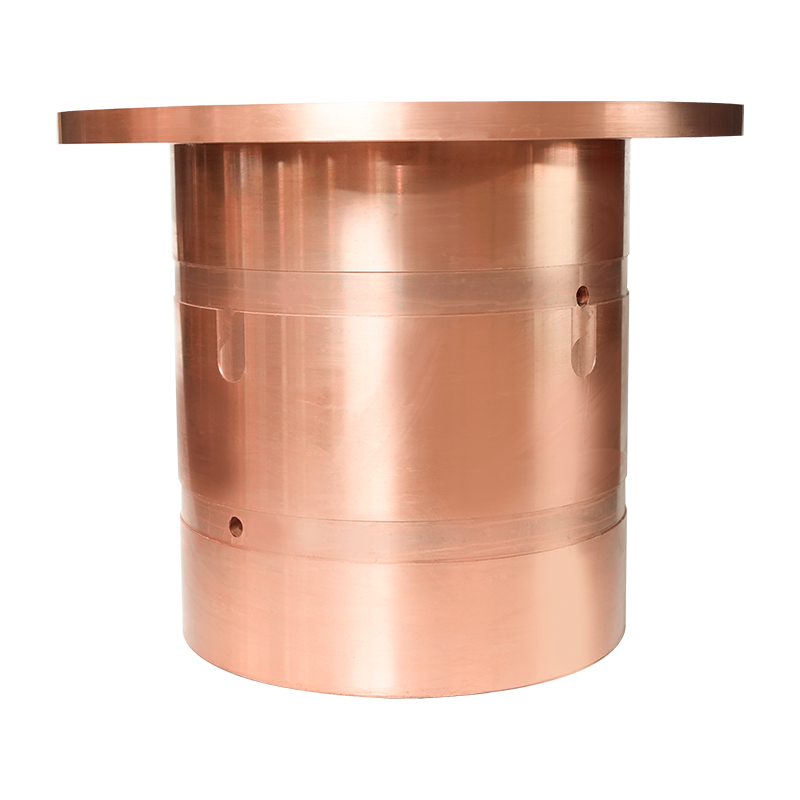
Tin Bronze Bushing For Mining Equipment uses high-purity copper as the base material, and ...
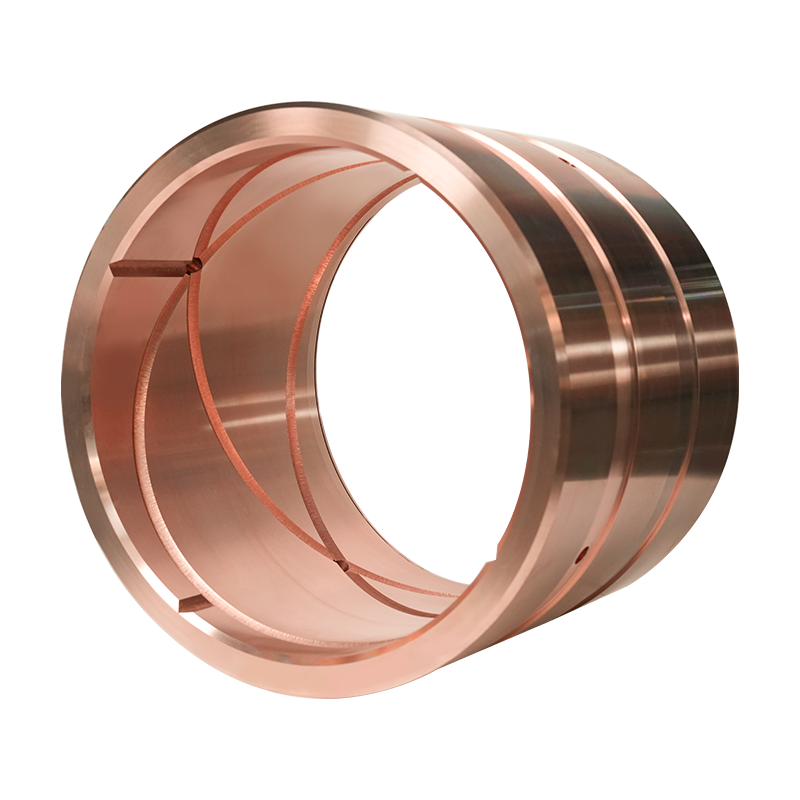
Tin Bronze Bushing For Engineering Machinery is made of high-quality high-purity copper su...
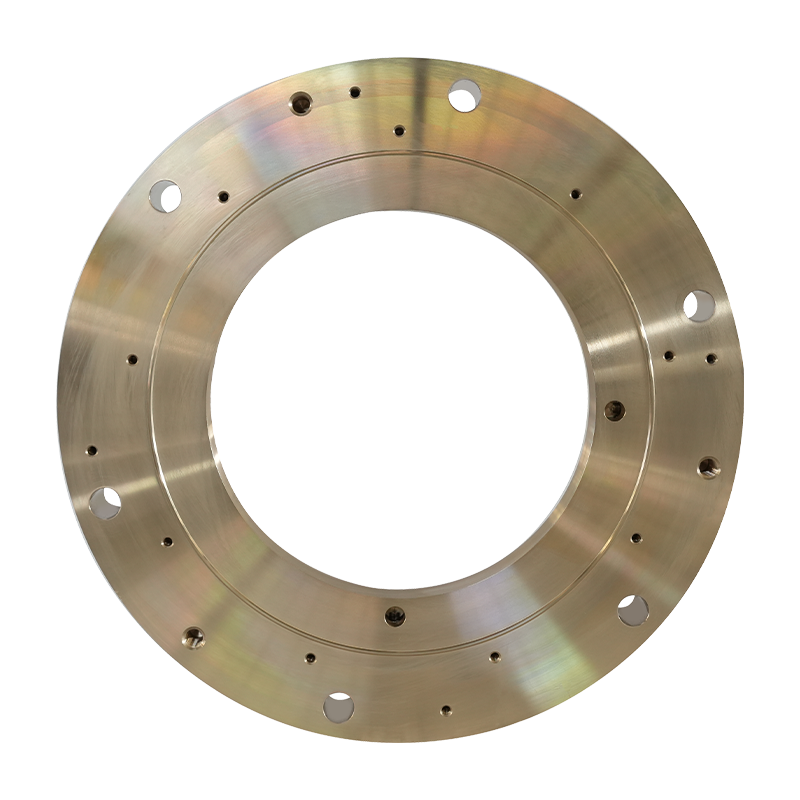
Marine Copper Alloy Sealing Ring Marine Sealing Ring is a key sealing component in the shi...
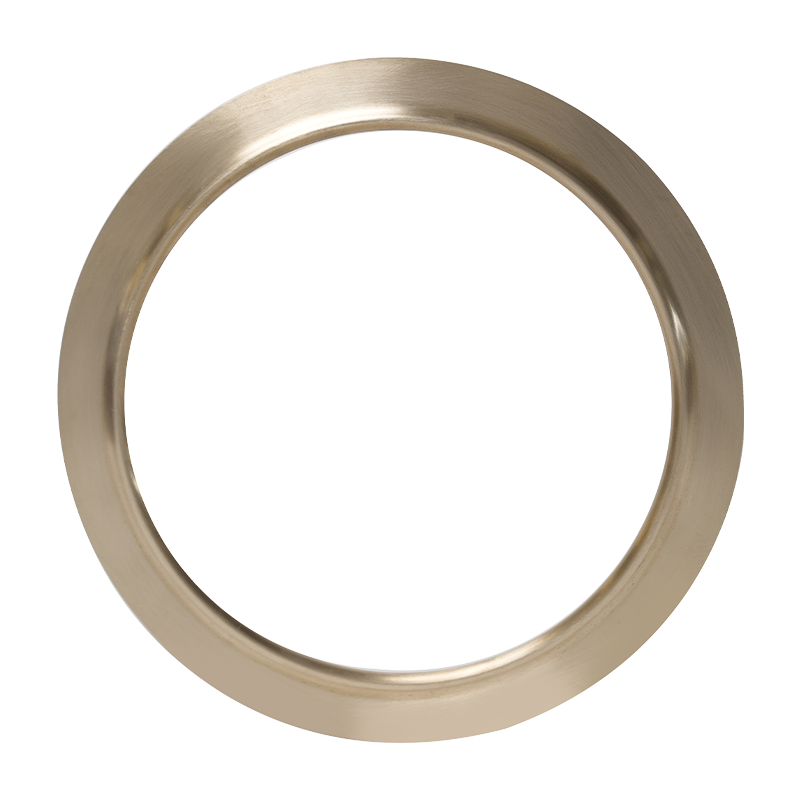
Propulsion Device Seal Marine Copper Alloy Sealing Ring is made of high-quality copper all...
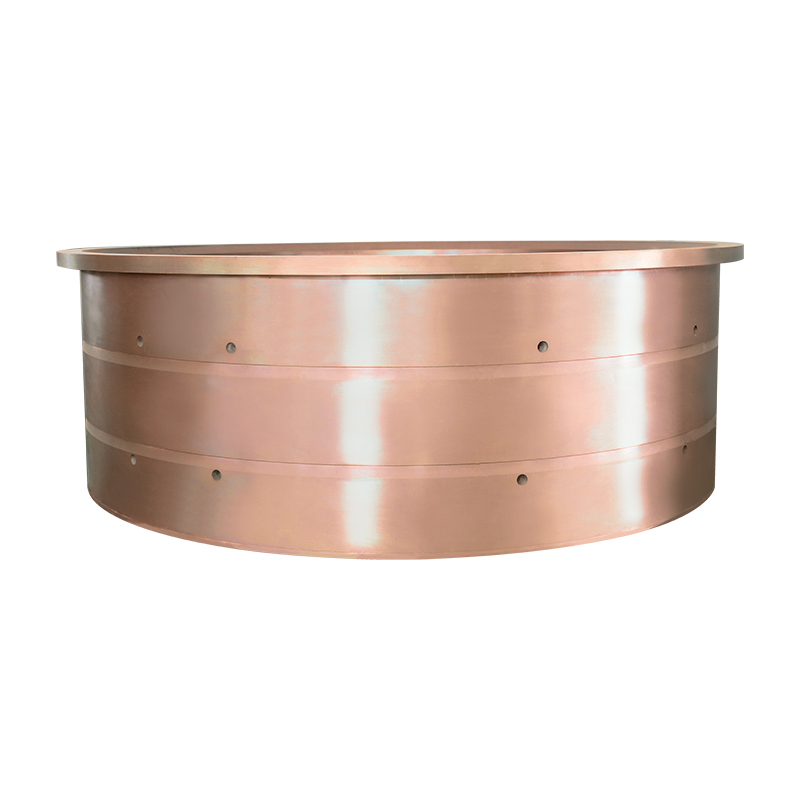
Anchor Winch Bearing And Tin Bronze Bushing is designed for heavy-load, high-speed, and hi...
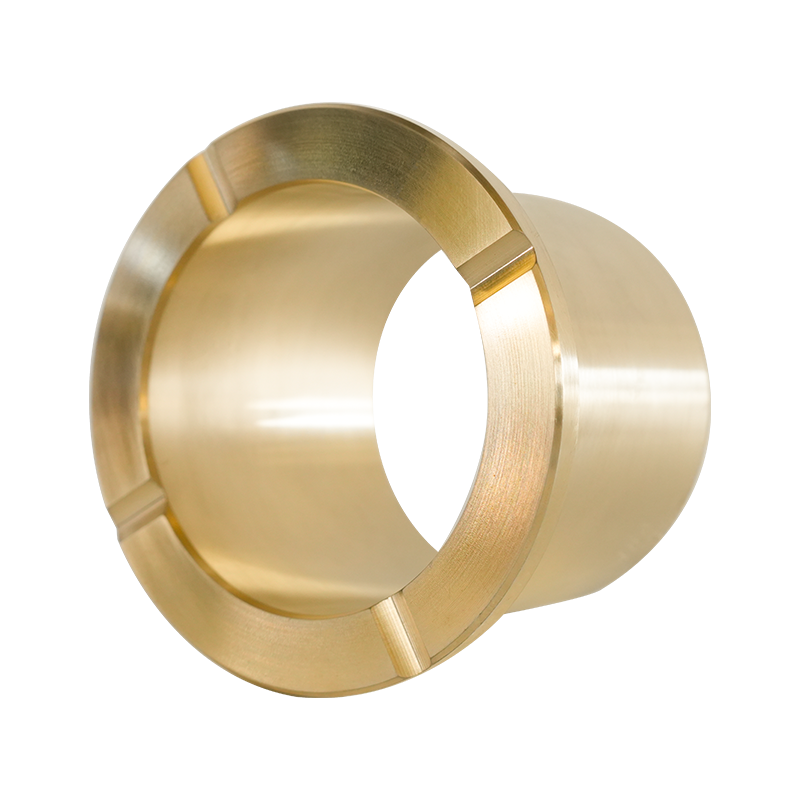
Mining Equipment Brass Bushing is specially designed for high-load and high-wear condition...
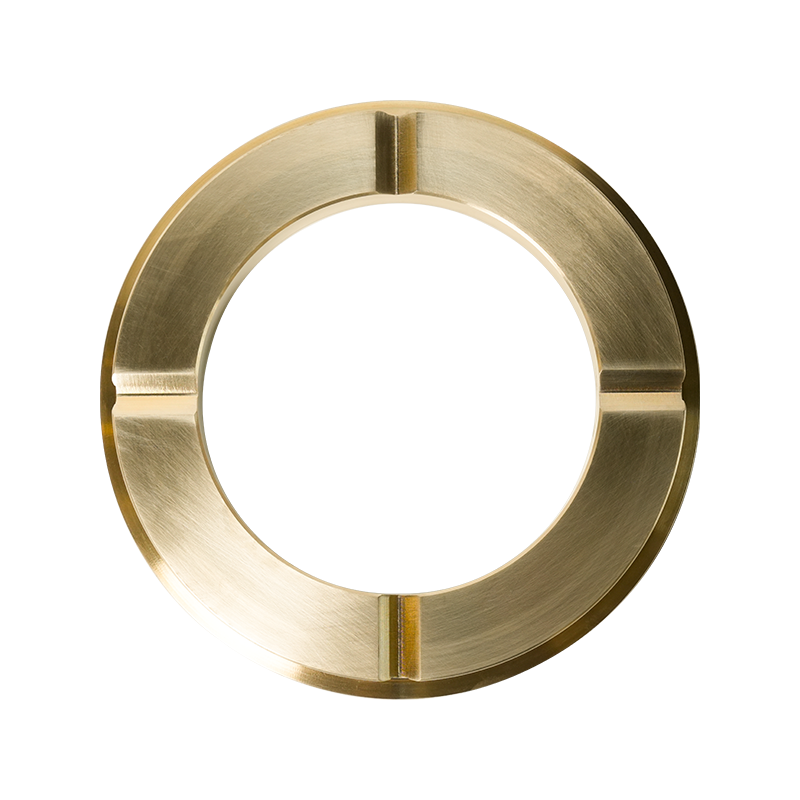
Engineering Machinery Brass Bushing is specially designed for high-load and high-wear work...
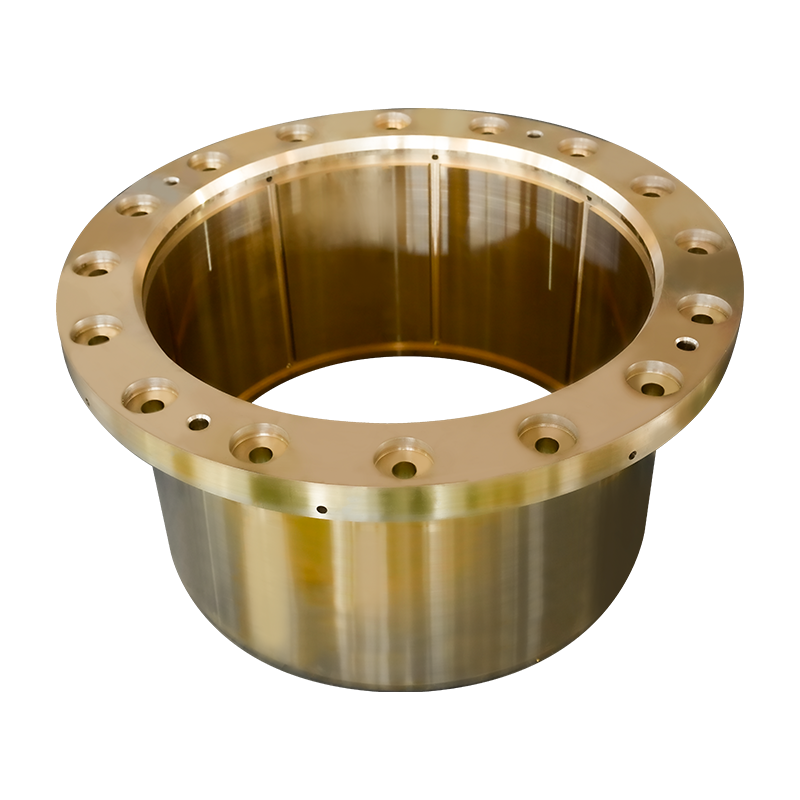
Metallurgical Equipment Brass Bushing is a high-performance brass bushing designed for wor...
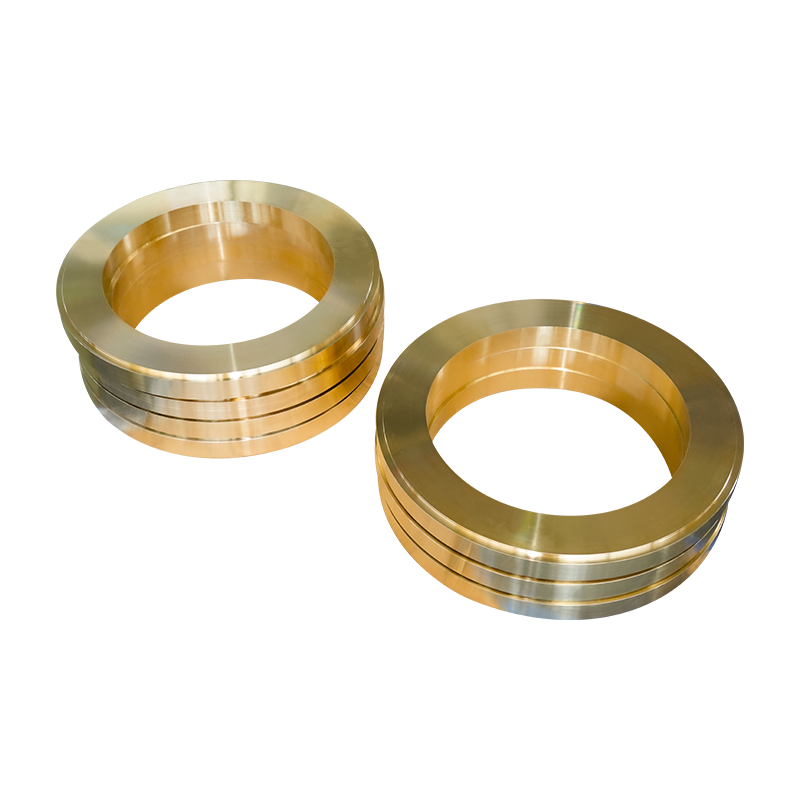
Stern Shaft Sealing Device Brass Bushing is a high-performance brass wear-resistant copper...
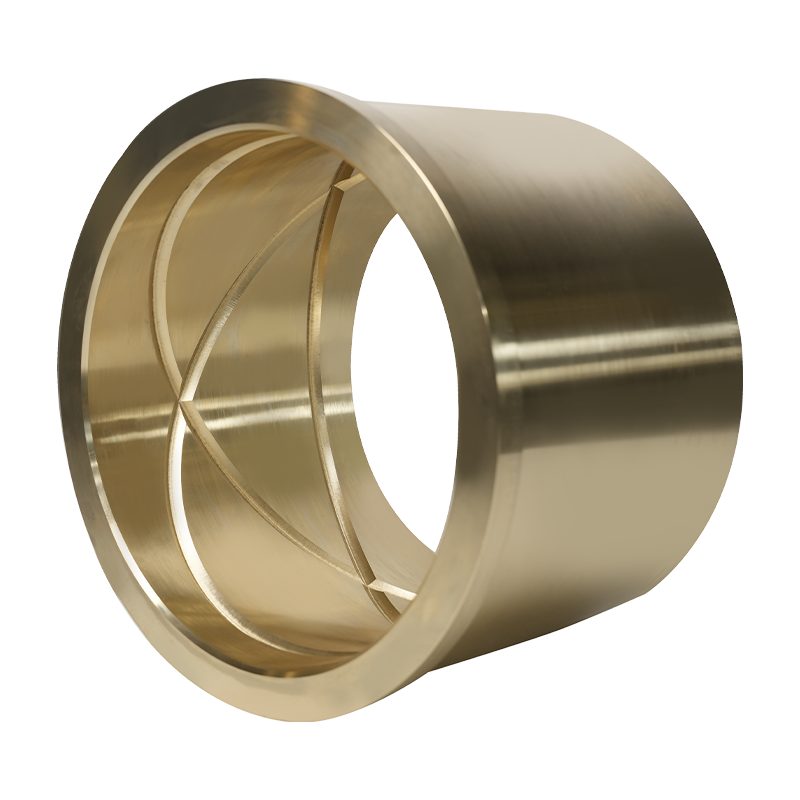
Aluminum Bronze Bushing For Rudder Transmission System is tailor-made for the Rudder trans...
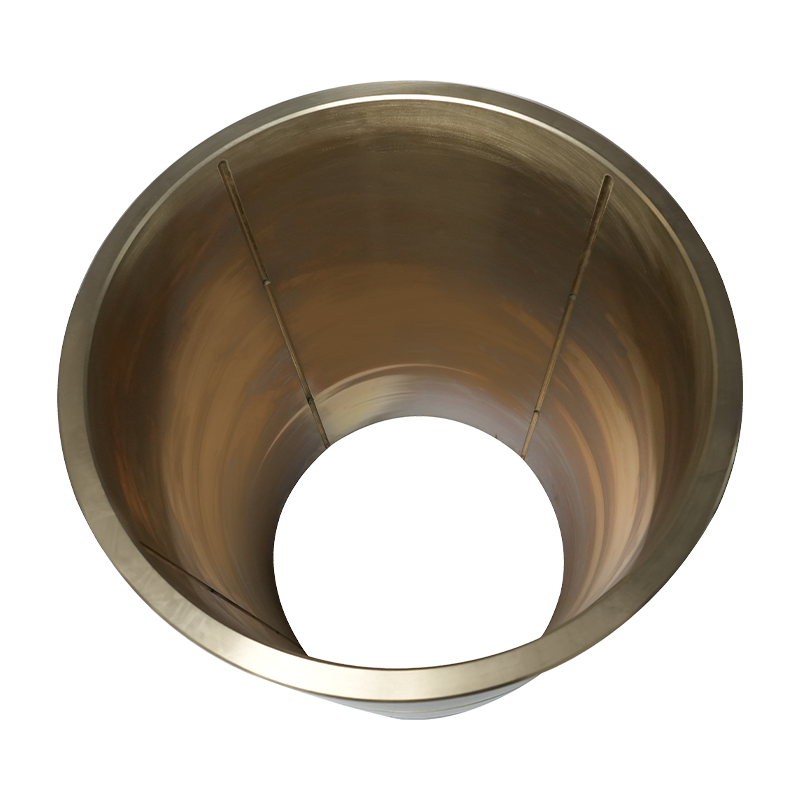
Aluminum Bronze Bushing For Ship Hydraulic Cylinders And Rudder Angle Feedback product is ...
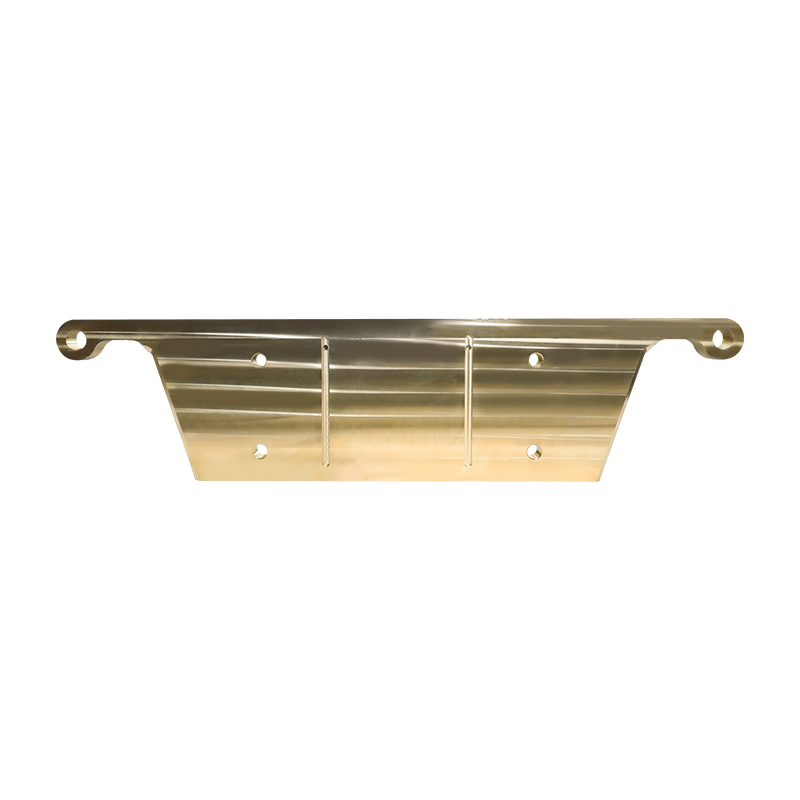
Mining Equipment Brass Plate is made of high-quality high-strength brass material, with we...
Copyright © YangZhou YiFeng Copper Products Co.,Ltd. All Rights Reserved
China copper casting manufacturers wholesale copper casting factory