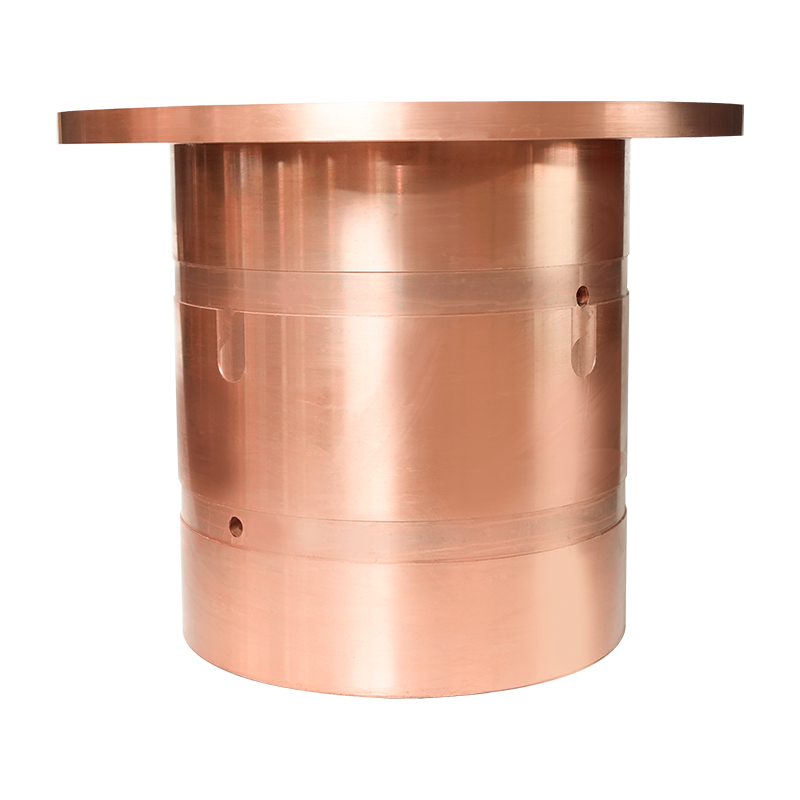
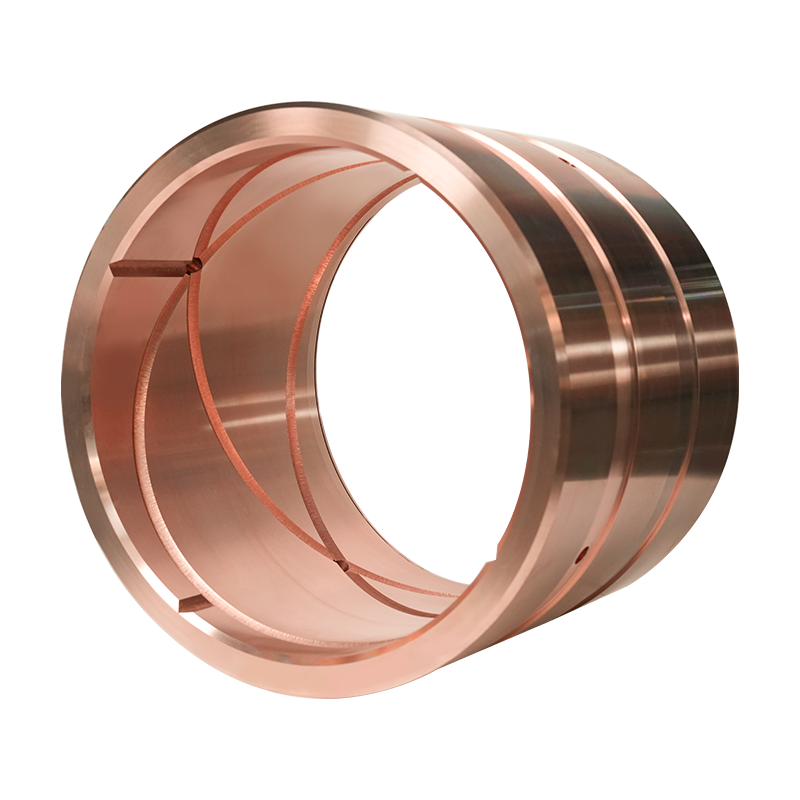
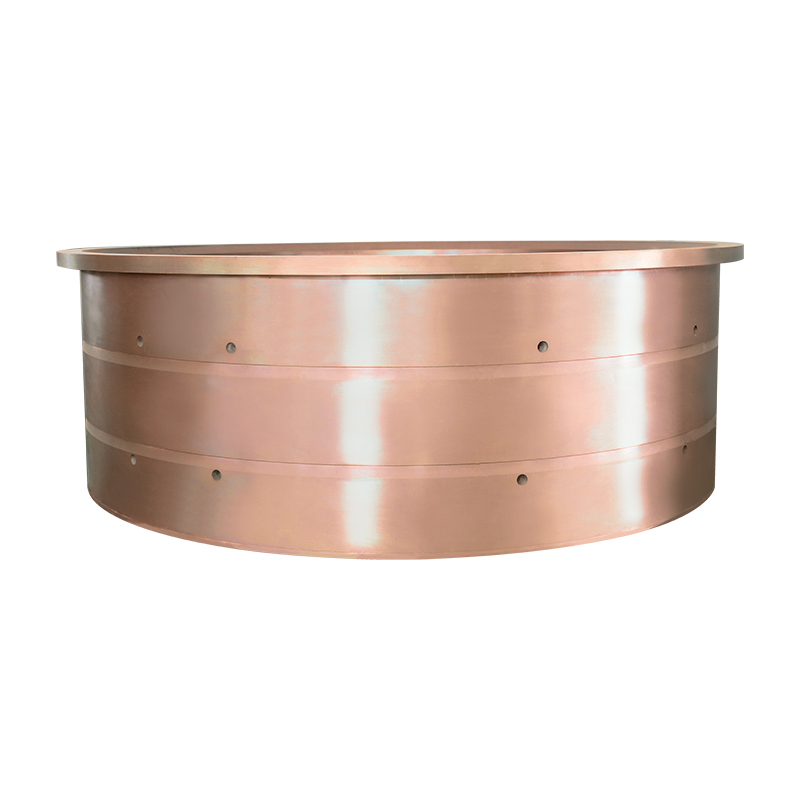
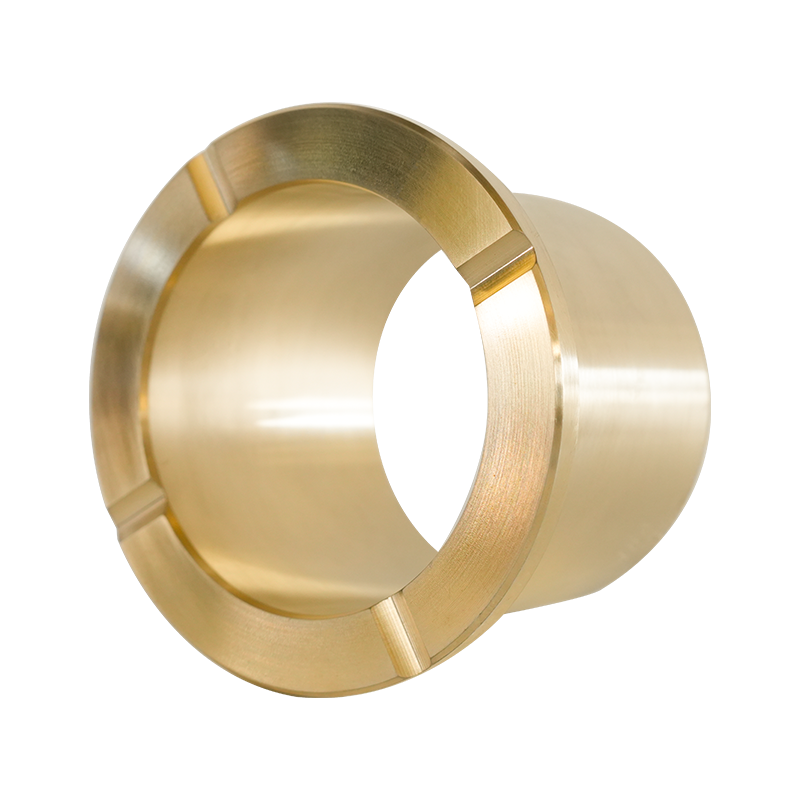
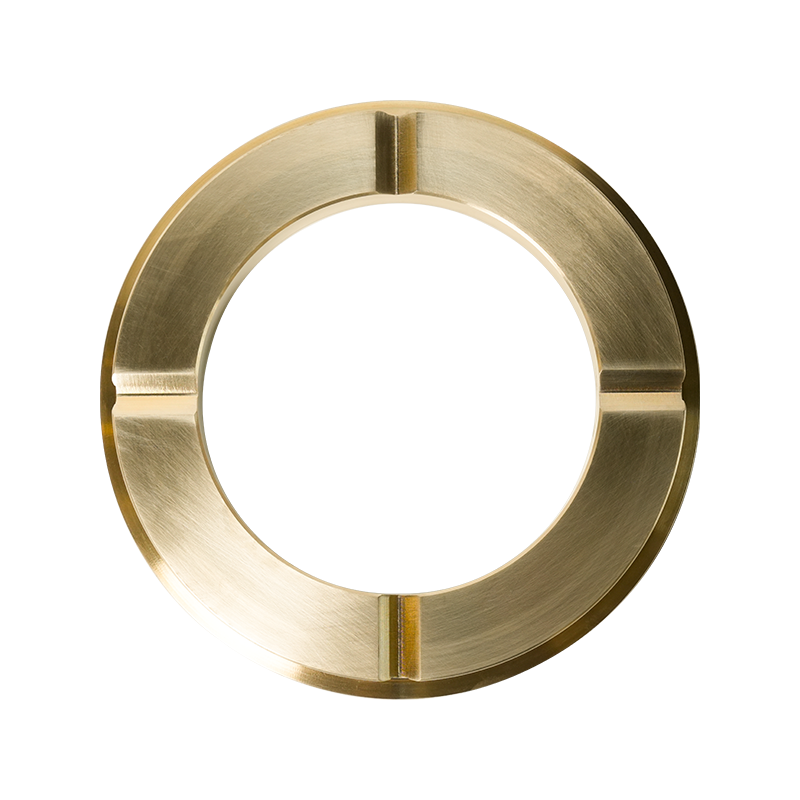
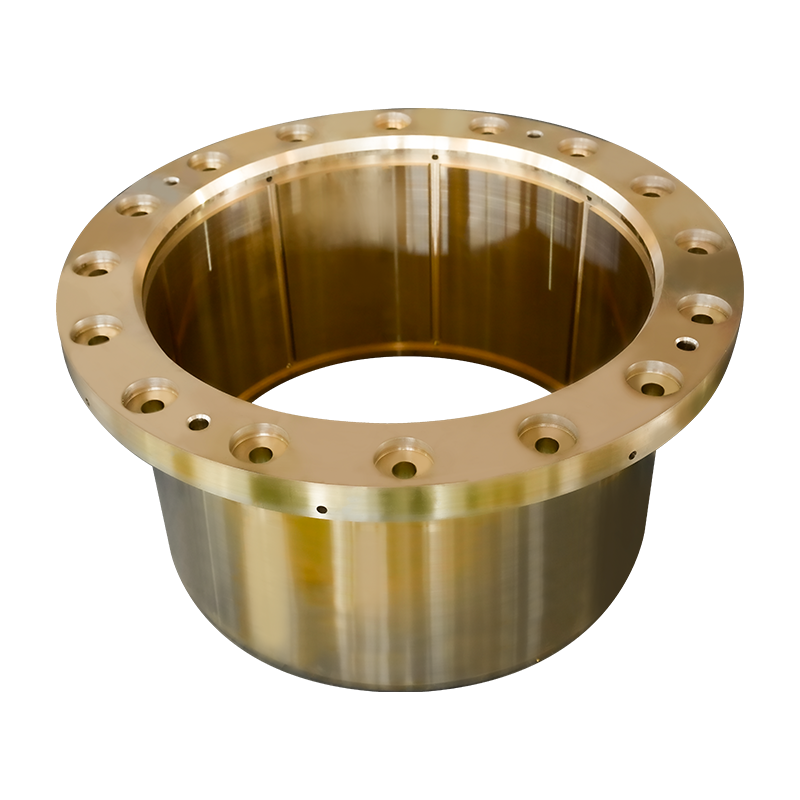
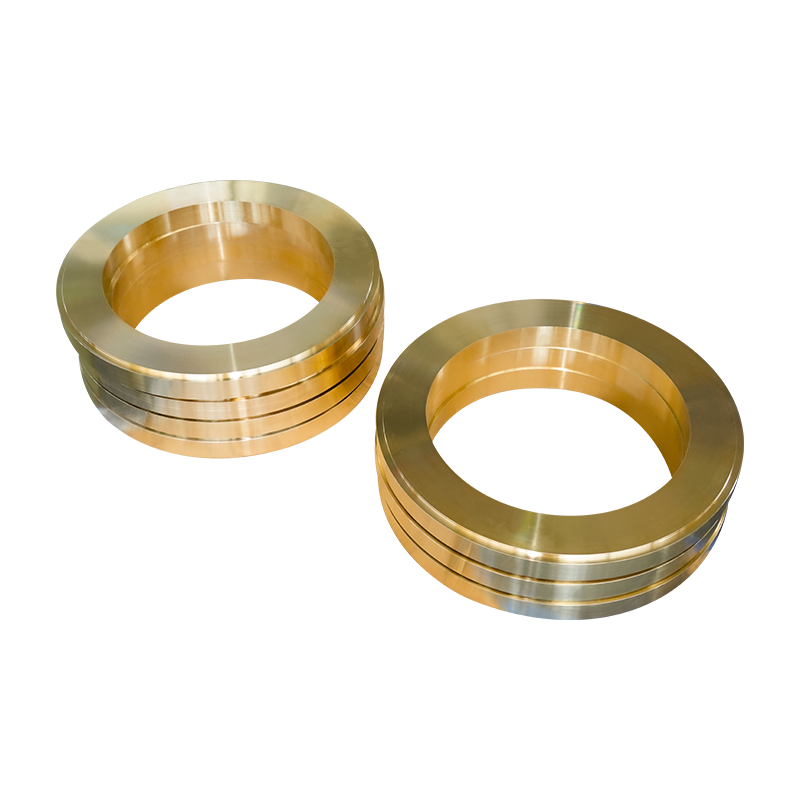
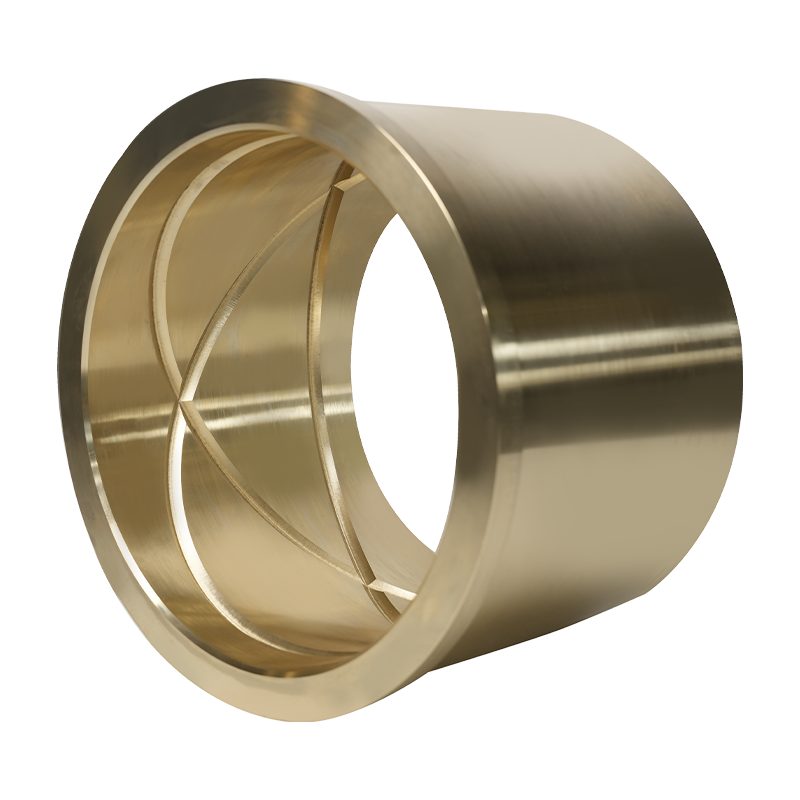
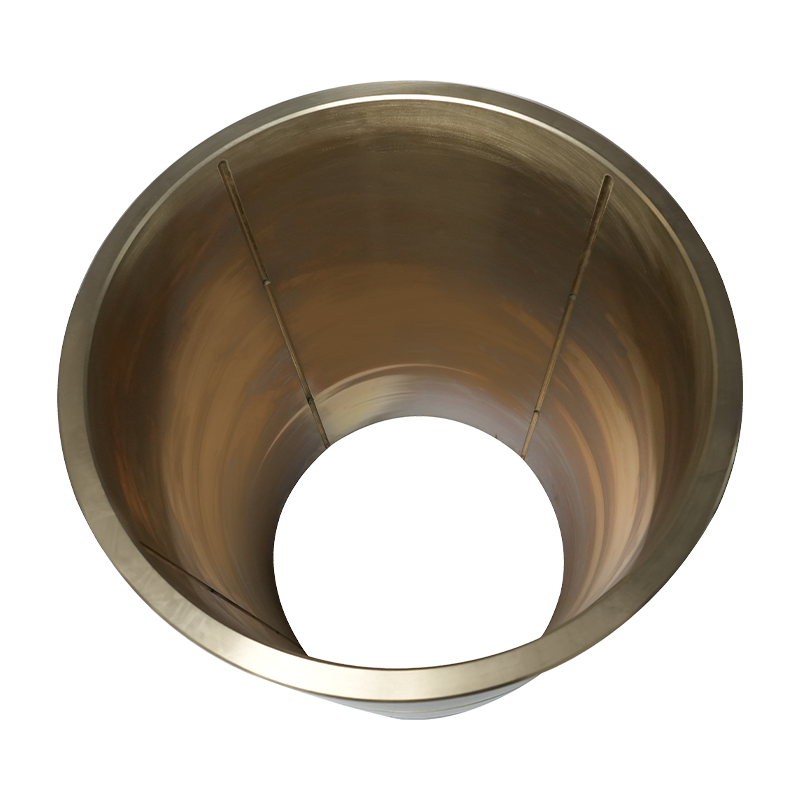
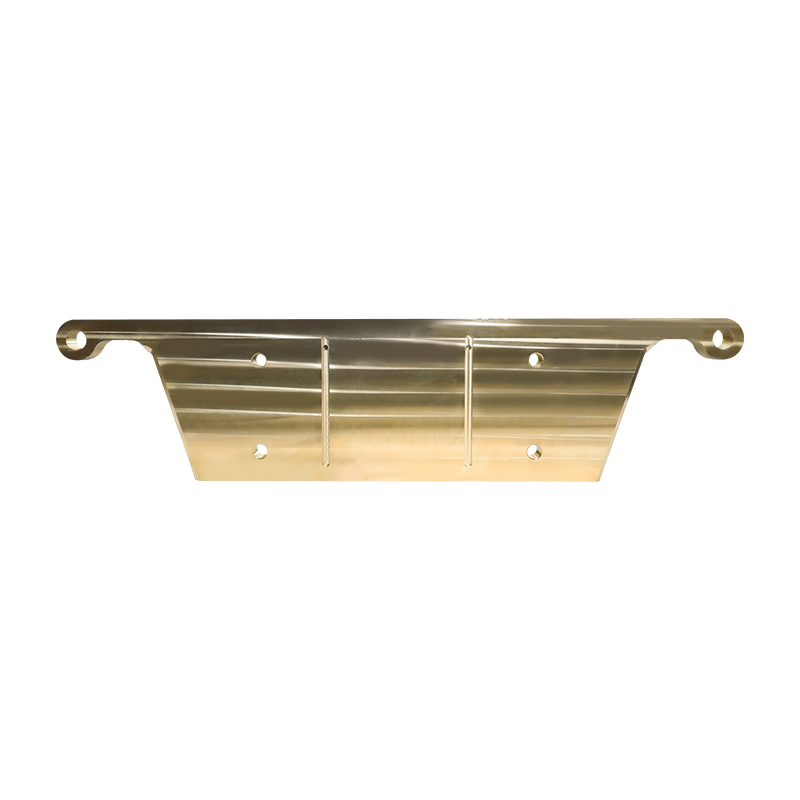
In the demanding world of industrial mining, the difference between a productive day and an expensive breakdown often comes down to the smallest components. Among the most discussed parts in maintenance shops and engineering offices today is the Tin Bronze Bushing For Mining Equipment.
As mining operations push deeper and machines get larger, the industry is increasingly asking:What makes tin bronze so special, and why can’t we just use standard steel or cheaper alloys?To understand the buzz, we have to look at the unique science and practical benefits of this specific material choice.
The Heart of the Machine: Understanding the Bushing
At its simplest, a bushing is a type of bearing—a sleeve that lines a hole to allow a shaft to rotate or slide with minimal friction. In a mining environment, these bushings are found in rock crushers, excavators, heavy-duty trucks, and drilling rigs.
Mining equipment operates under some of the most brutal conditions on earth. Machines are subjected to massive loads, abrasive dust, extreme temperatures, and corrosive moisture. If a bushing fails, the metal-on-metal contact can destroy a shaft worth tens of thousands of dollars and halt production for days. This is where the Tin Bronze Bushing For Mining Equipment steps in as a critical safeguard.
What is it Made Of?
The secret lies in the recipe. These bushings use high-purity copper as the foundation. Pure copper is excellent for conducting heat, but it is too soft for heavy industrial use. By adding tin and other high-quality alloy elements, manufacturers create a material that retains copper’s thermal properties but gains incredible hardness and durability.
The Triple Threat: Wear, Corrosion, and Friction
When engineers discuss why they prefer tin bronze for mining, they usually focus on three key performance areas:
1. Exceptional Wear Resistance
Mining involves moving tons of earth and rock. This creates constant vibration and high-pressure loads on every joint of a machine. Tin bronze is naturally "tough." It doesn't deform easily under pressure, and its grain structure is designed to withstand the grinding force of continuous rotation. Unlike cheaper materials that might flake or "gall" (where metal surfaces weld together under heat), tin bronze maintains a smooth interface.
2. Built-in Corrosion Resistance
Mines are rarely dry or clean. Whether it’s underground moisture, acidic run-off, or chemical exposure in processing plants, metal components are under constant attack from rust and oxidation. High-tin bronze alloys are naturally resistant to these elements. This means the bushing won't seize up or become brittle over time, even if the machine is parked in a damp environment during a shift change.
3. Self-Lubricating Properties
This is perhaps the most "magical" aspect of the material. In many tin bronze alloys, the microscopic structure allows for a level of self-lubrication. While regular greasing is still recommended, these bushings can handle "boundary lubrication" scenarios—moments where the grease film might break down or get squeezed out by a heavy load. The bronze itself acts as a sacrificial, low-friction surface that prevents the shaft from seizing.
High-Load and High-Speed: The Mining Standard
One of the most frequent questions from procurement managers is:"Can this handle our specific speed and load requirements?"
In modern mining, machines are being asked to do more in less time. High-speed rotation generates immense heat. If a bushing cannot dissipate that heat, it will expand, cause friction, and eventually melt or break. Because the Tin Bronze Bushing For Mining Equipment is copper-based, it is a superior thermal conductor. It pulls heat away from the rotating shaft and dissipates it through the housing, keeping the entire assembly at a stable operating temperature.
Furthermore, the "high-load" capability refers to the bushing's ability to support the weight of massive mechanical arms or crushing plates without flattening. The addition of tin creates a crystalline structure that can support thousands of pounds of pressure per square inch.
Why Maintenance Teams Prefer Tin Bronze
If you talk to the technicians who spend their days in the "grease pits" of a mine, their appreciation for tin bronze is purely practical.
-
Predictability: Tin bronze wears down slowly and predictably. This allows maintenance teams to schedule replacements during planned downtime rather than dealing with a catastrophic, unexpected snap.
-
Protection of Expensive Parts: It is much cheaper to replace a bronze bushing than it is to replace a hardened steel drive shaft. The bushing acts as the "protector," taking the wear so the more expensive components don't have to.
-
Ease of Fitment: Tin bronze has excellent machinability. This means that when a bushing needs to be custom-fitted or pressed into a housing, it behaves consistently, leading to fewer errors during the repair process.
Comparing the Alternatives: Why Not Steel or Plastic?
It’s a fair question. Steel is cheaper and harder, and some modern plastics (polymers) are incredibly slick. However, in the mining sector, both have significant drawbacks.
| Material |
Pros |
Cons in Mining |
| Steel |
Very cheap, high strength. |
Tends to "seize" to the shaft; requires constant lubrication; rusts easily. |
| Polymers |
No corrosion; very light. |
Cannot handle high heat; may crack under extreme impact or "shock" loads. |
| Tin Bronze |
Optimal balance of strength, heat dissipation, and low friction. |
Higher initial material cost (but lower long-term cost). |
While the initial price of a tin bronze component might be higher than a steel equivalent, the Total Cost of Ownership (TCO) is significantly lower. When you factor in fewer replacements, less grease consumption, and the prevention of major equipment failure, the bronze pays for itself within months.
The Future of Mining Components
As we look toward 2026 and beyond, the mining industry is moving toward "Smart Mining" and autonomous vehicles. These machines often run 24/7 without a human operator to "feel" if a bearing is getting hot. This makes the reliability of the material even more critical.
The Tin Bronze Bushing For Mining Equipment is evolving too. Manufacturers are now using even higher purity base materials and precision centrifugal casting methods to ensure there are no air bubbles or impurities in the metal. This ensures that every millimeter of the bushing is as strong as the last.
Environmental Impact
There is also a growing conversation about sustainability. Copper and tin are highly recyclable. Unlike some composite materials that end up in landfills, old bronze bushings can be melted down and repurposed, fitting into the "circular economy" goals of many global mining conglomerates.
Conclusion: A Small Part with a Big Job
It is easy to overlook a simple metal sleeve when looking at a three-story-tall excavator. However, that sleeve is what allows the giant to move. By choosing high-purity copper and tin alloys, mining operations are choosing to protect their most valuable assets.
The Tin Bronze Bushing For Mining Equipment isn't just a piece of hardware; it is an insurance policy against friction, heat, and downtime. As the industry continues to ask for more power and higher efficiency, this "old-fashioned" alloy—perfected with modern refining techniques—remains the gold standard for heavy-duty performance.
If your operation is facing frequent bearing failures or you are looking to extend the service life of your fleet, it might be time to look past the surface and invest in the metallurgical superior choice.



 English
 日本語
日本語 русский
 Deutsch