


 English
 日本語
日本語 русский
 Deutsch
Tin Bronze Bushing For Mining Equipment uses high-purity copper as the base material, and ...
Home / News / Industry News / What are the precautions for installing Marine Copper Alloy Sealing Rings?

Ship Propulsion And Sealing Device
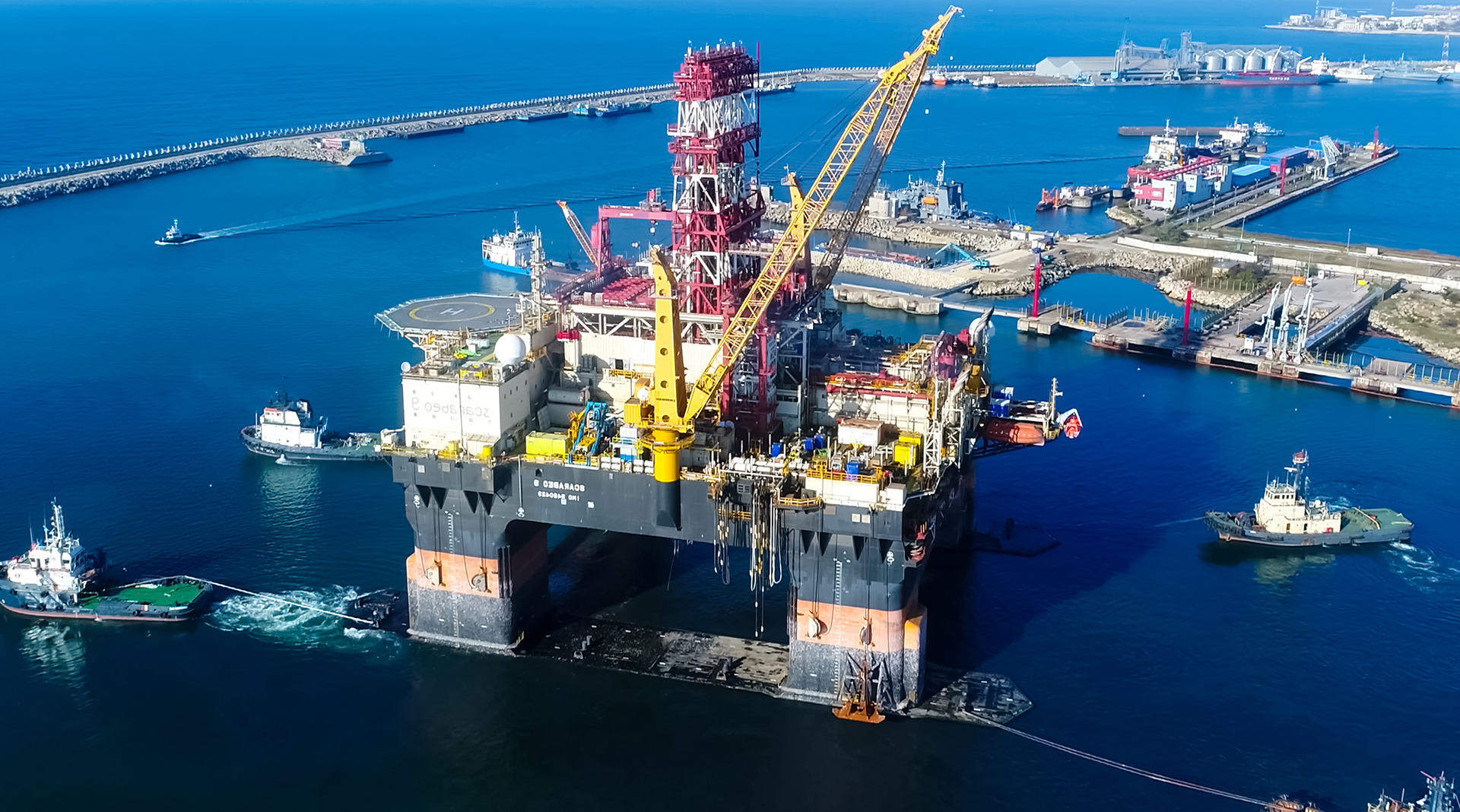
Ocean drilling and ship lock lifting equipment
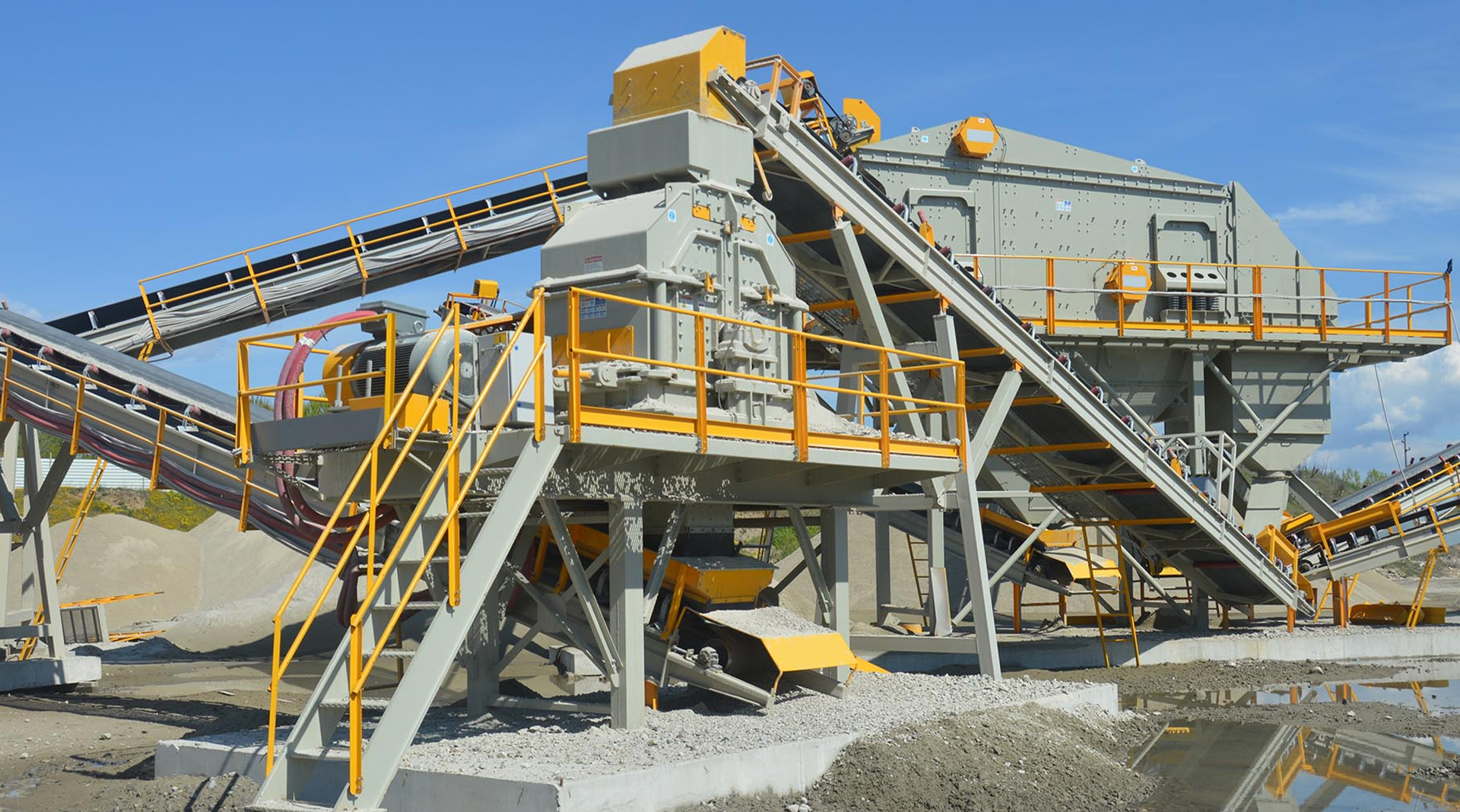
Mining equipment
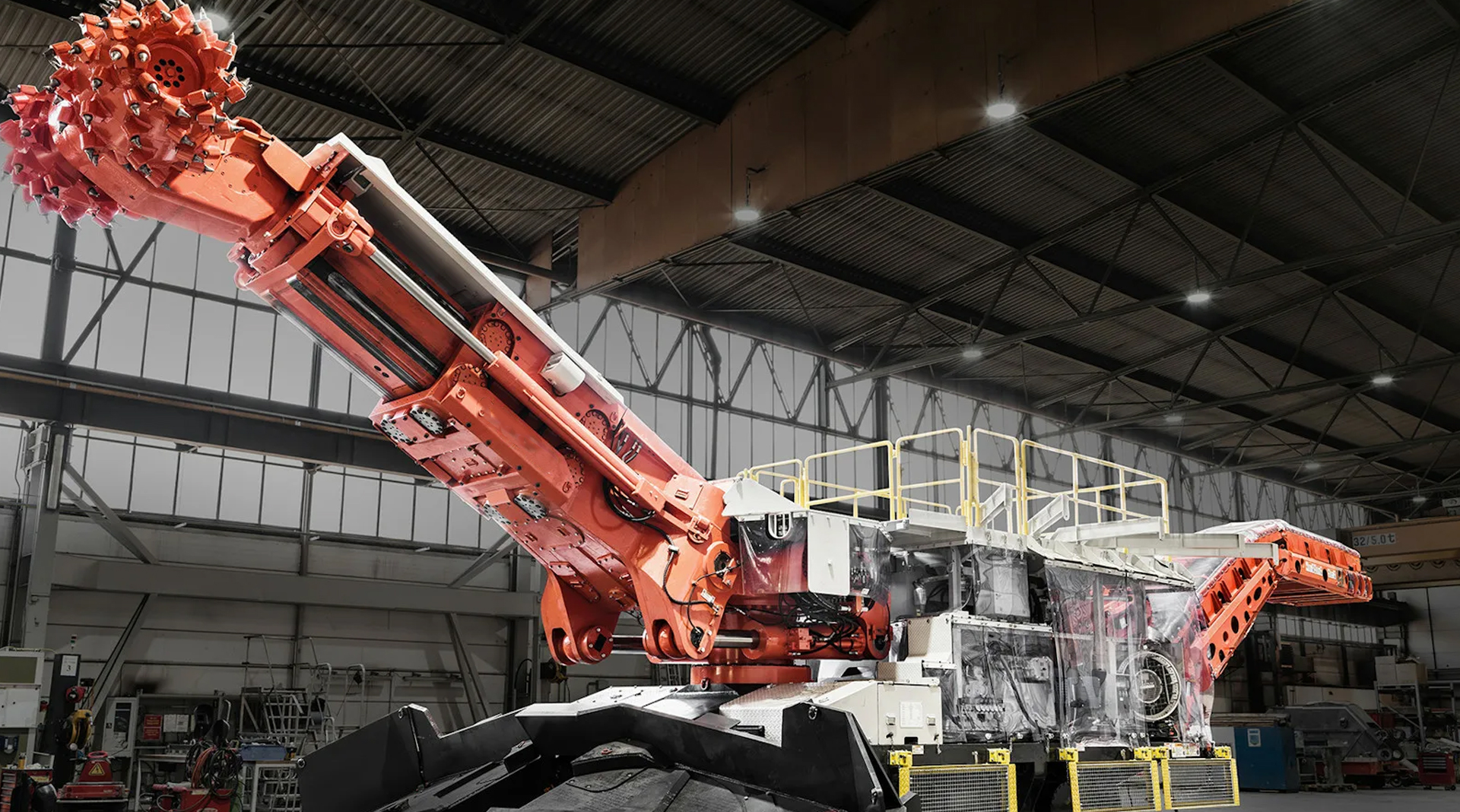
Construction machinery
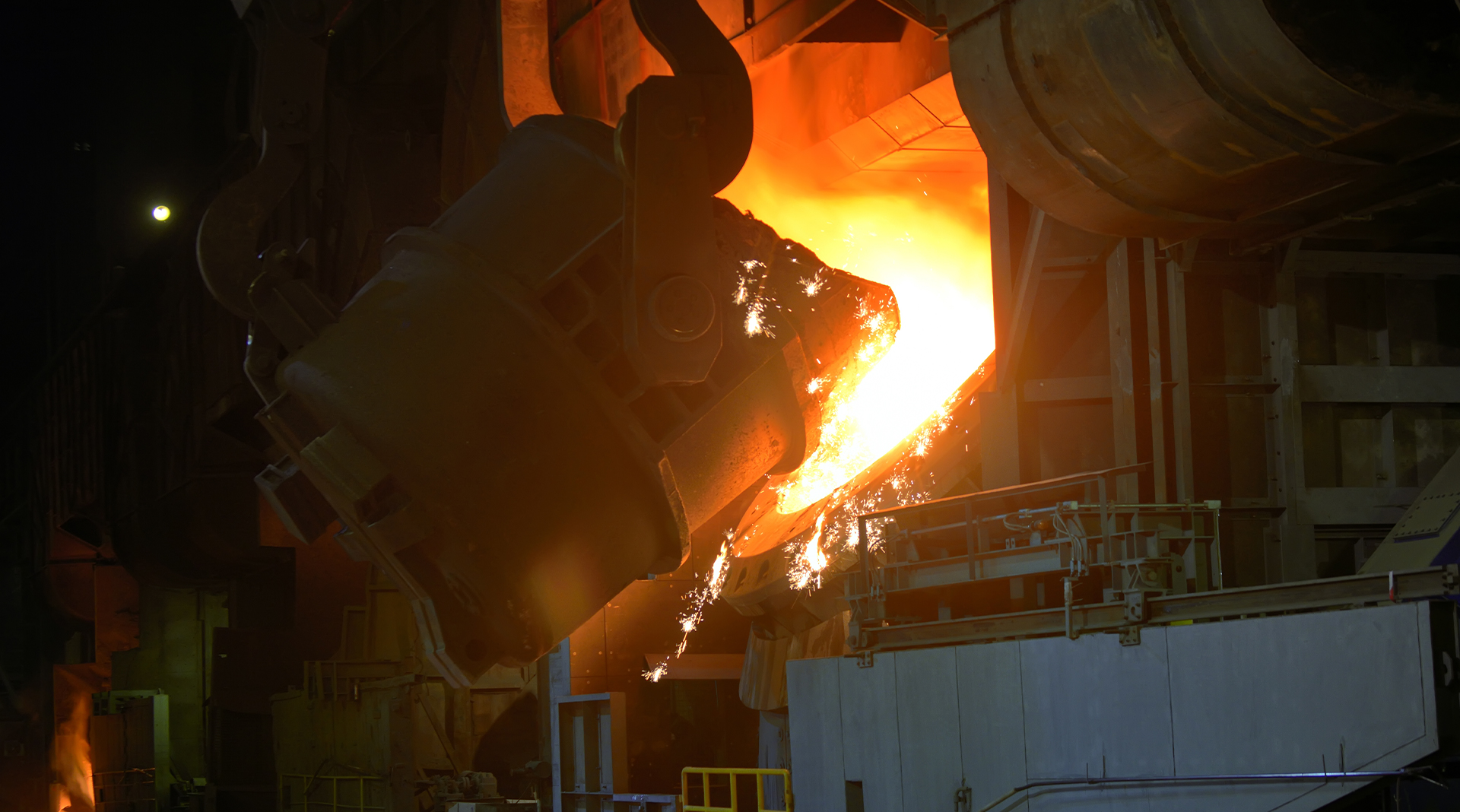
Oil and gas, metallurgical equipment
Under high pressure, high temperature, and high-speed working conditions, the installation quality of the sealing ring directly determines the sealing performance of valves, pump casings, and hydraulic systems. The following are professional installation suggestions based on high-quality marine copper alloy sealing rings from Yangzhou Yifeng Copper Products Co., Ltd.:
Before installing the sealing ring, the supporting equipment must be carefully inspected to ensure the overall safety of the sealing system.
Thoroughly clean the mating surfaces: The sealing ring will be directly pressed against the mating surface of the valve seat or pump casing. Before installation, use a fiber-free degreaser or compressed air to thoroughly remove oil, dust, and metal shavings to prevent particulate matter from getting stuck between the sealing ring and the workpiece, leading to sealing failure.
Check the equipment condition: Ensure that the mating surfaces of the valve or pump casing have no cracks, corrosion, or obvious scratches. If severe wear is found, it is recommended to repair or replace the damaged parts first to match the use of high-performance sealing rings.
Confirm the fit accuracy: Marine copper alloy sealing rings have high requirements for fitting dimensions. Before installation, use calipers or an inner diameter gauge to check the fit clearance between the mating hole diameter and the inner diameter of the sealing ring to ensure it is within the specified range, so as to utilize its compressive strength advantages.
Correct positioning is key to achieving "effective prevention of media leakage".
Identify directionality: Some Marine Copper Alloy Sealing Rings are designed with a unidirectional guiding structure, especially in high-pressure environments. During installation, it is necessary to confirm that the opening direction or groove direction of the sealing ring is consistent with the equipment requirements. Incorrect direction may lead to sealing failure.
Align the central axis: The sealing ring must be kept concentrically aligned to prevent misalignment. Misaligned installation will cause excessive compression on one side and too much clearance on the other, affecting its "compressive strength" and wear resistance, leading to leakage or premature wear.
Avoid uneven force: During installation, avoid excessive force or impact. The sealing ring should be gently pushed into place using a special tool or by hand, ensuring even pressure distribution and maintaining its complete structural shape.
To maintain the long-term stable operation of the Marine Copper Alloy Sealing Ring, the following details should be noted:
Appropriate Lubrication: Before installation, select a suitable lubricant based on the type of medium (such as water, oil, or special chemical liquids). The lubricant not only reduces friction during installation but also reduces heat generation during initial operation, protecting the sealing ring material from premature corrosion.
Reasonable Pre-tightening Force: When tightening bolts or flanges, the pre-tightening force needs to be controlled. Excessive pre-tightening force will cause the sealing ring to be over-compressed and lose its elasticity; while insufficient pre-tightening force will not generate enough sealing pressure. It is recommended to use a torque wrench and set reasonable tightening parameters according to the sealing ring's "compression strength" index.
Maintain Temperature Stability: After the sealing ring is compressed, it is recommended to slowly increase the pressure or temperature to avoid rapid expansion or contraction of the material due to sudden temperature changes. For high-temperature conditions, the "wear resistance" characteristics of the sealing ring are more important, but the heating rate still needs to be controlled.
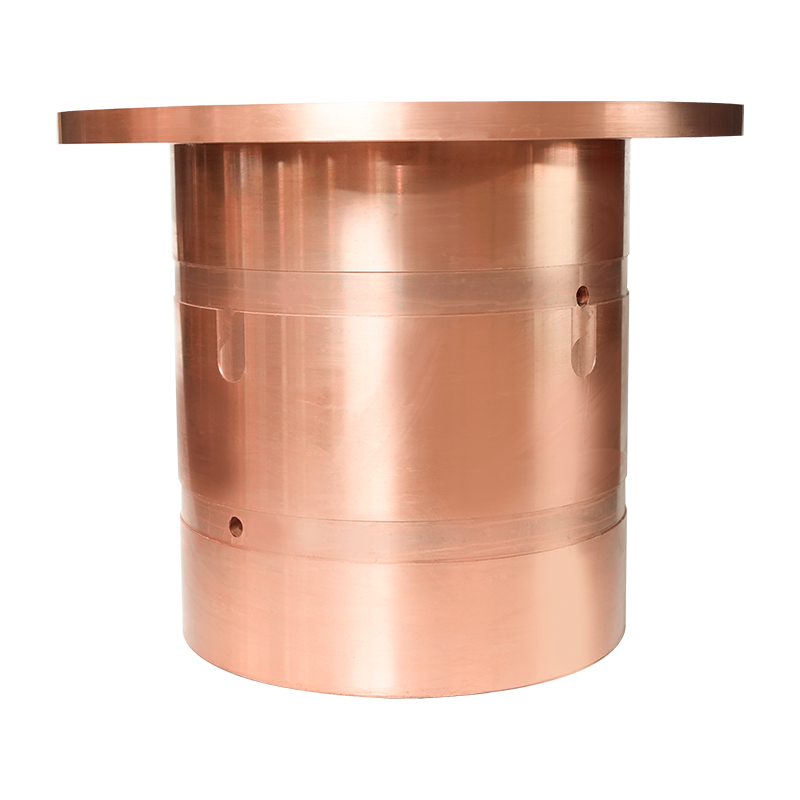
Tin Bronze Bushing For Mining Equipment uses high-purity copper as the base material, and ...
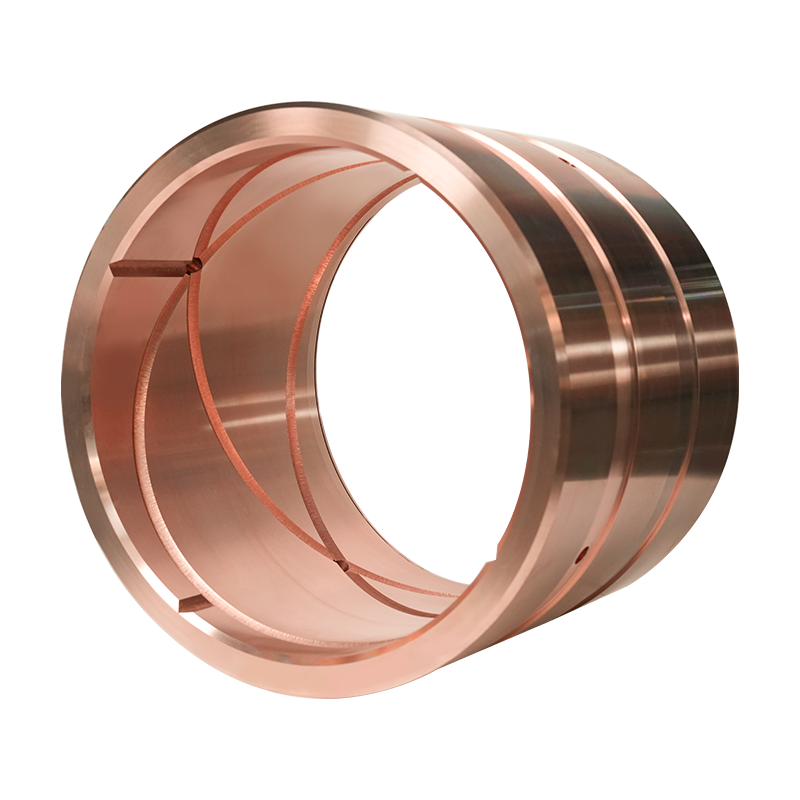
Tin Bronze Bushing For Engineering Machinery is made of high-quality high-purity copper su...
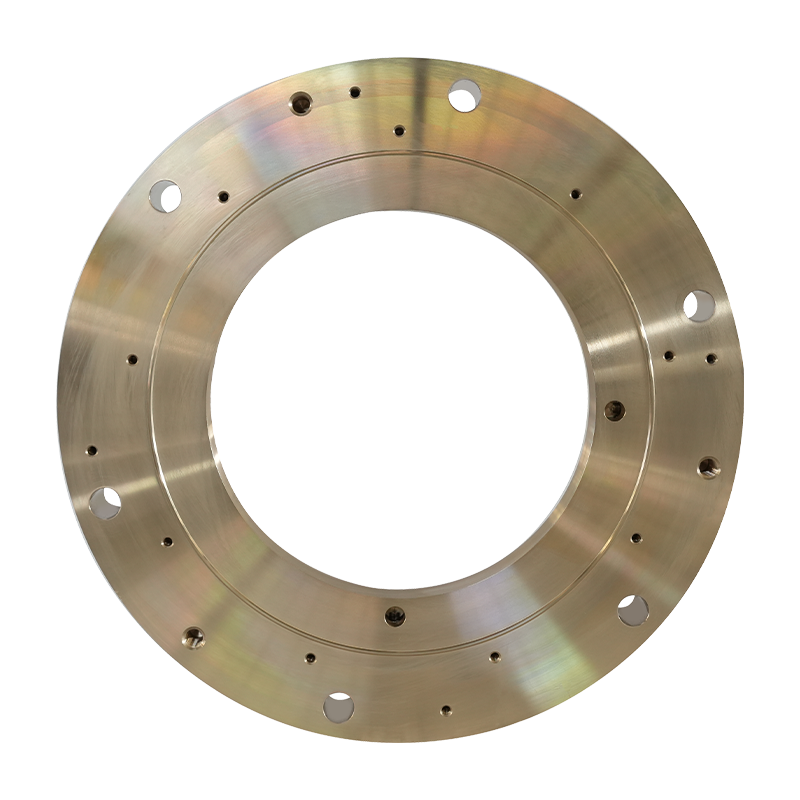
Marine Copper Alloy Sealing Ring Marine Sealing Ring is a key sealing component in the shi...
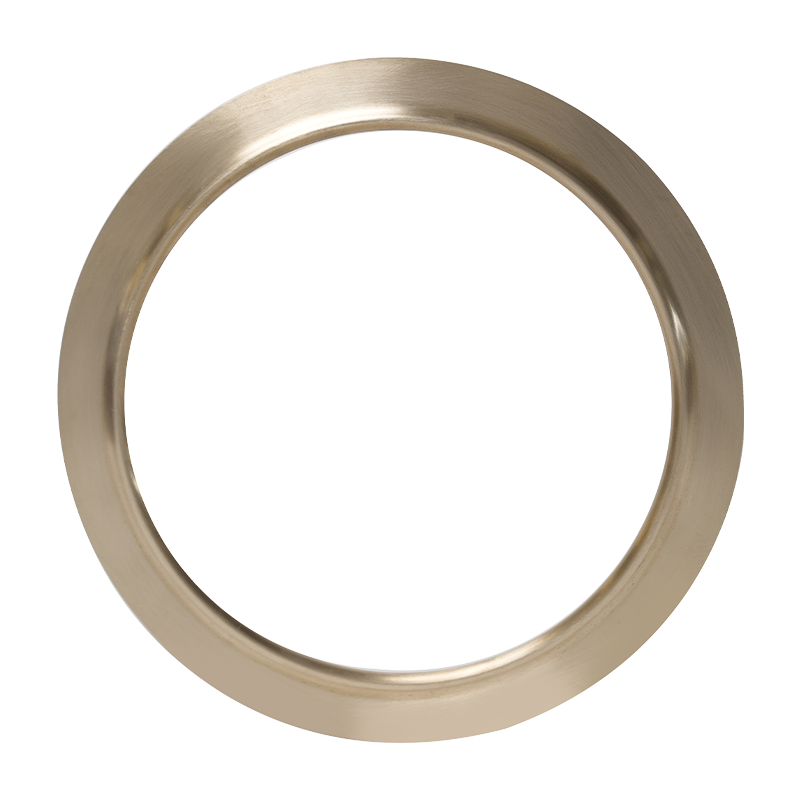
Propulsion Device Seal Marine Copper Alloy Sealing Ring is made of high-quality copper all...
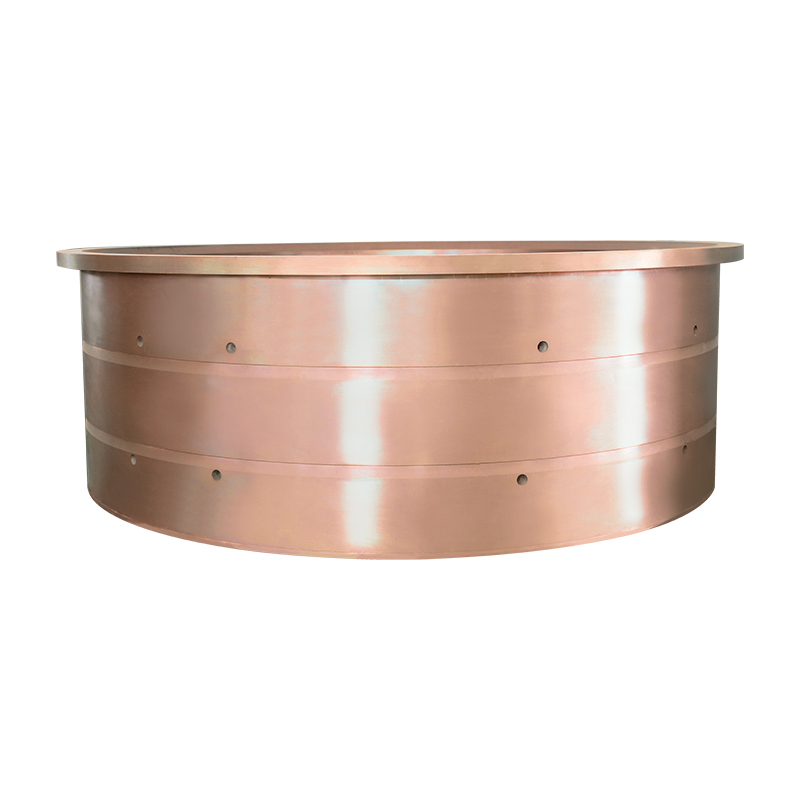
Anchor Winch Bearing And Tin Bronze Bushing is designed for heavy-load, high-speed, and hi...
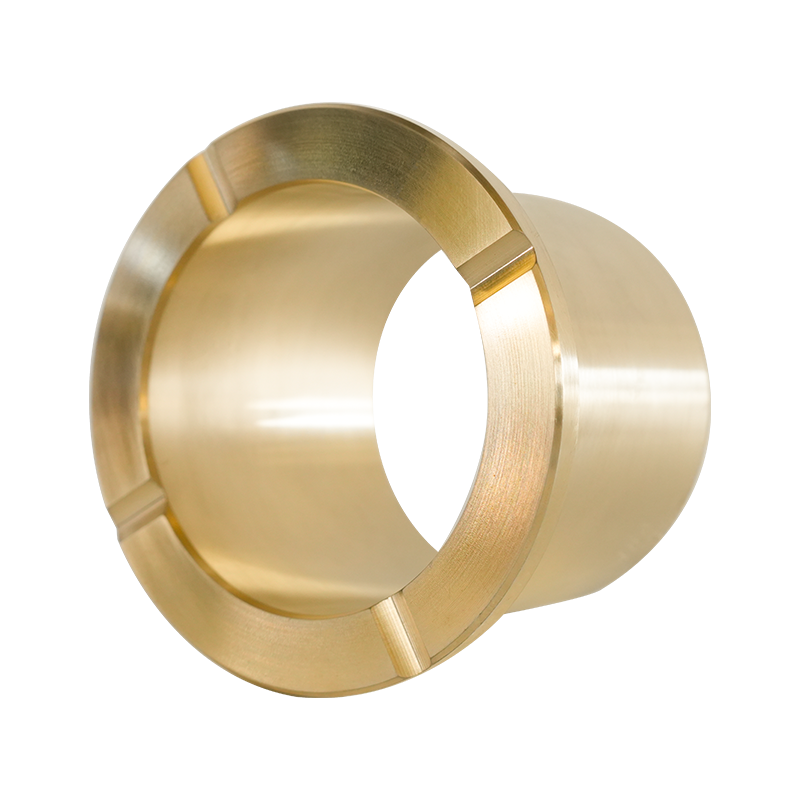
Mining Equipment Brass Bushing is specially designed for high-load and high-wear condition...
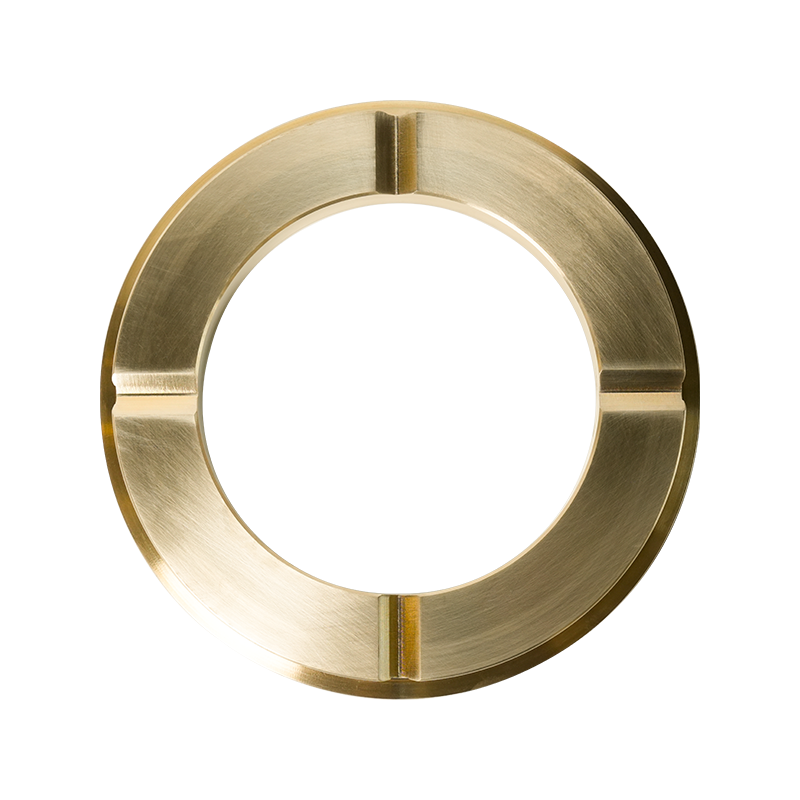
Engineering Machinery Brass Bushing is specially designed for high-load and high-wear work...
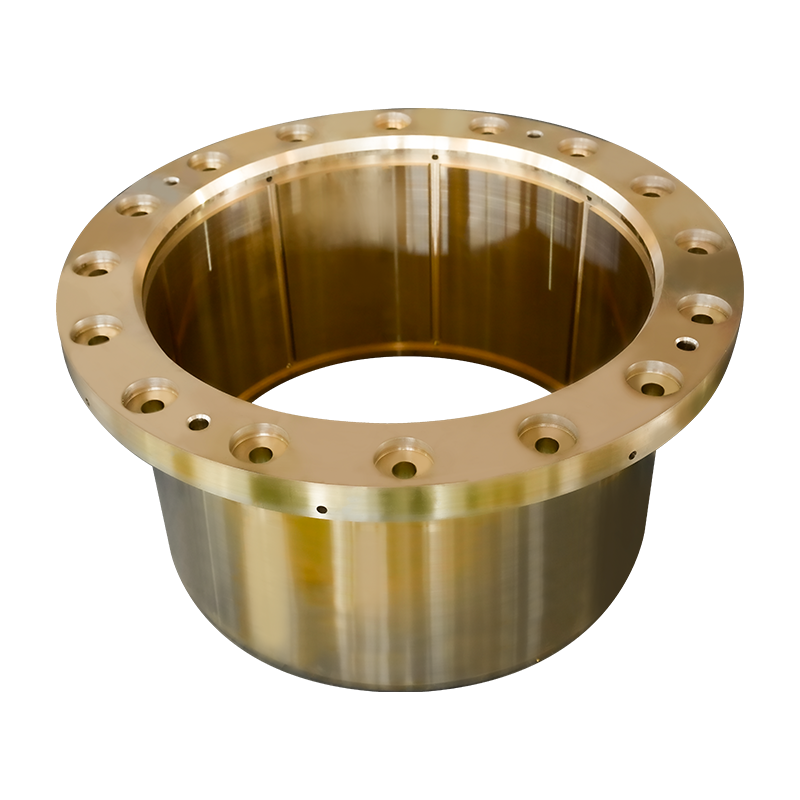
Metallurgical Equipment Brass Bushing is a high-performance brass bushing designed for wor...
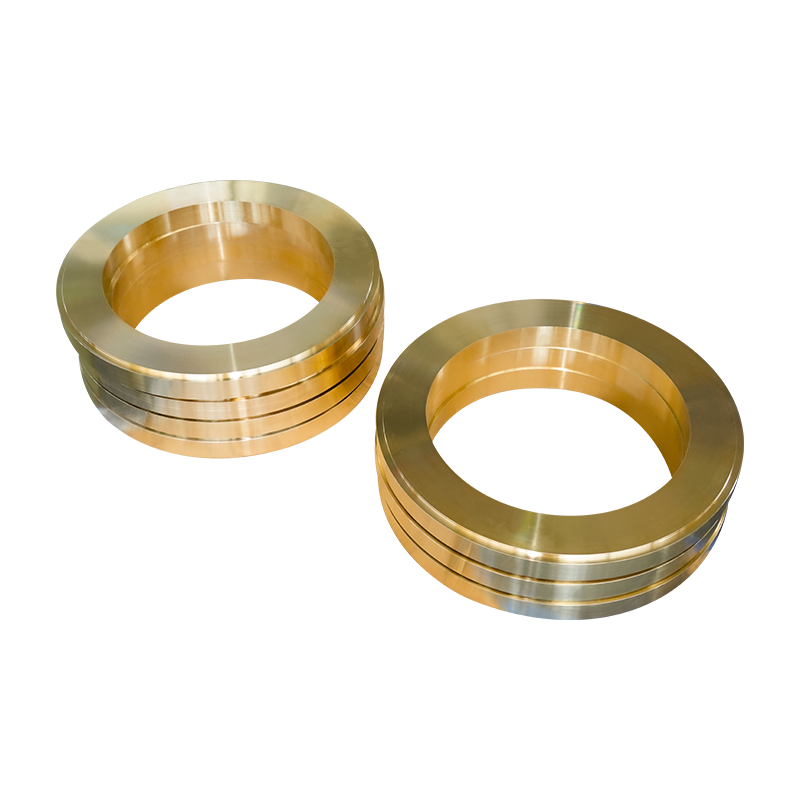
Stern Shaft Sealing Device Brass Bushing is a high-performance brass wear-resistant copper...
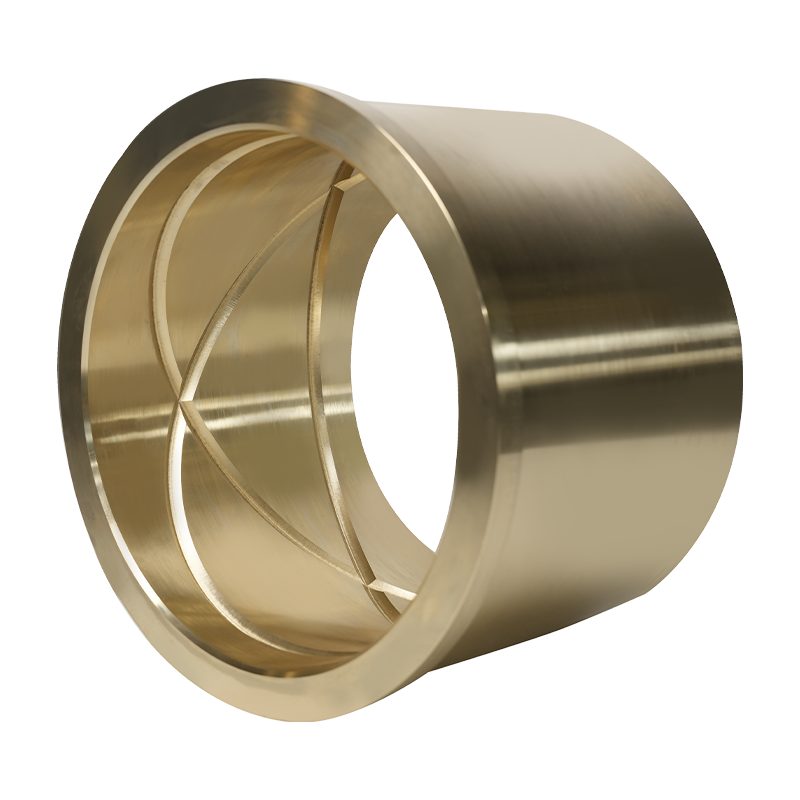
Aluminum Bronze Bushing For Rudder Transmission System is tailor-made for the Rudder trans...
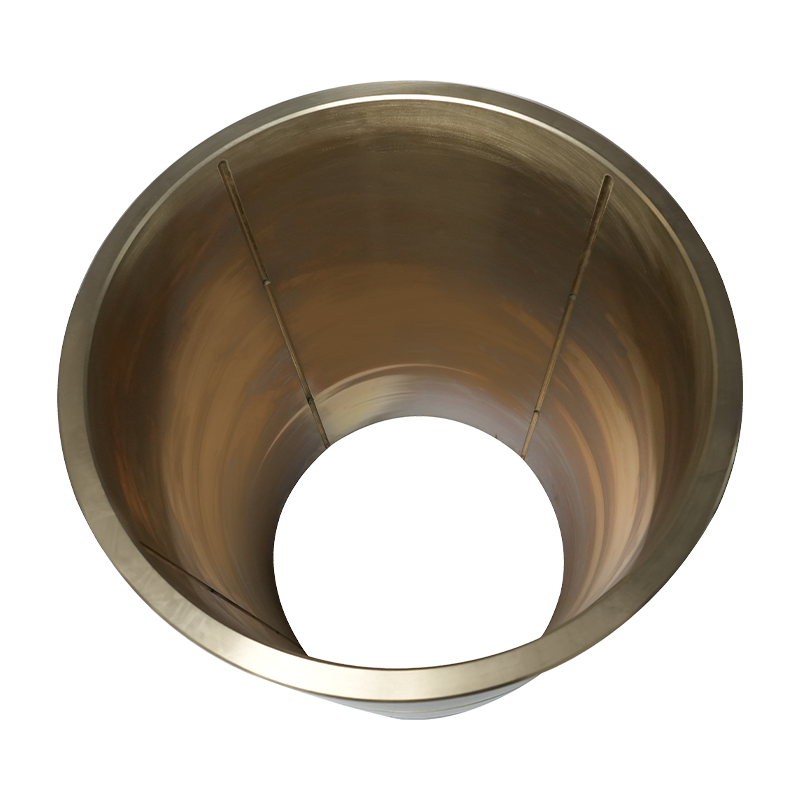
Aluminum Bronze Bushing For Ship Hydraulic Cylinders And Rudder Angle Feedback product is ...
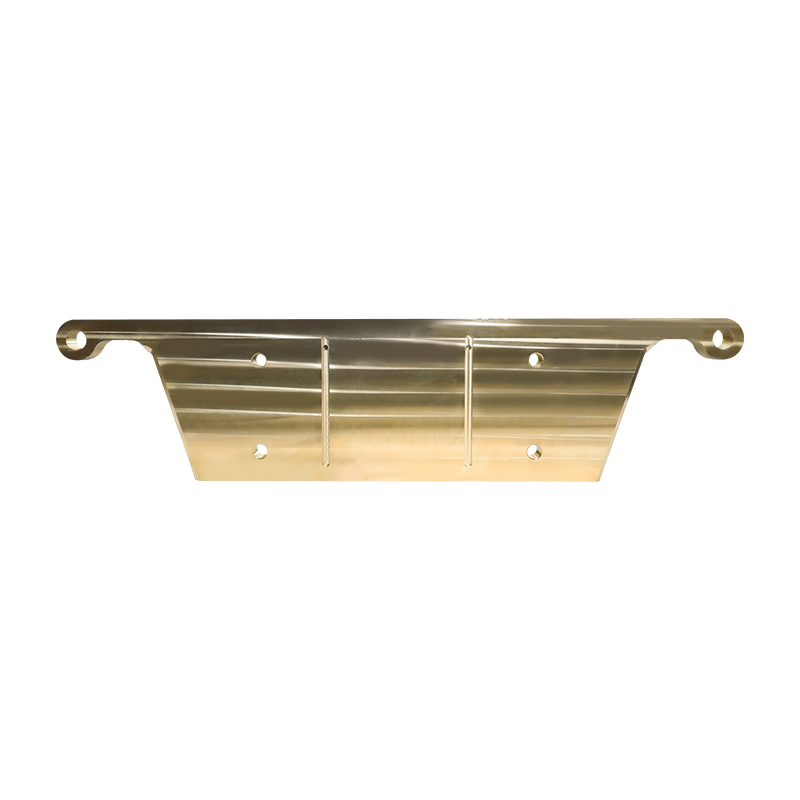
Mining Equipment Brass Plate is made of high-quality high-strength brass material, with we...
Copyright © YangZhou YiFeng Copper Products Co.,Ltd. All Rights Reserved
China copper casting manufacturers wholesale copper casting factory