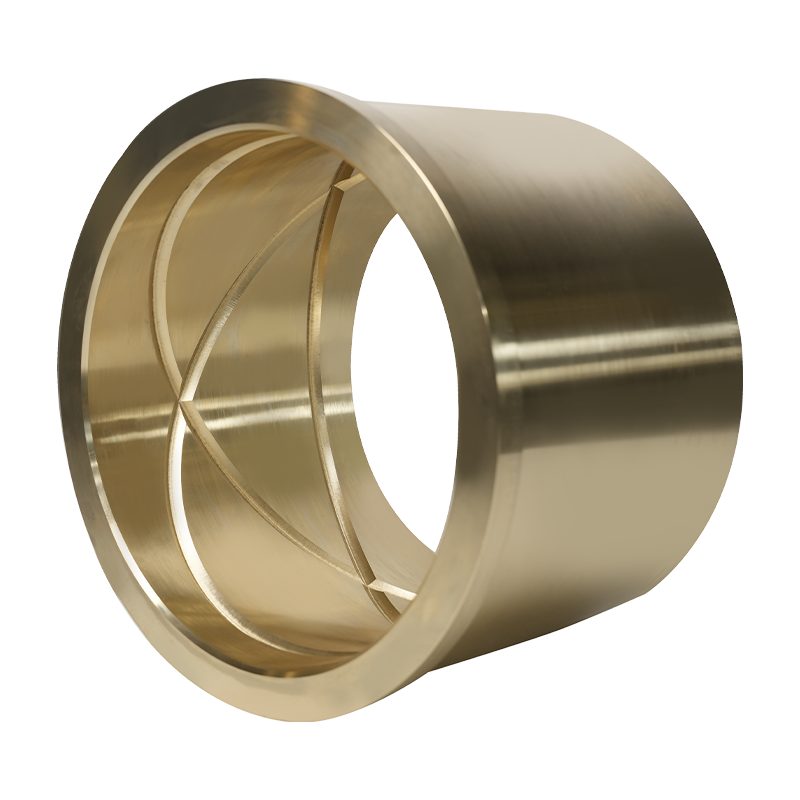
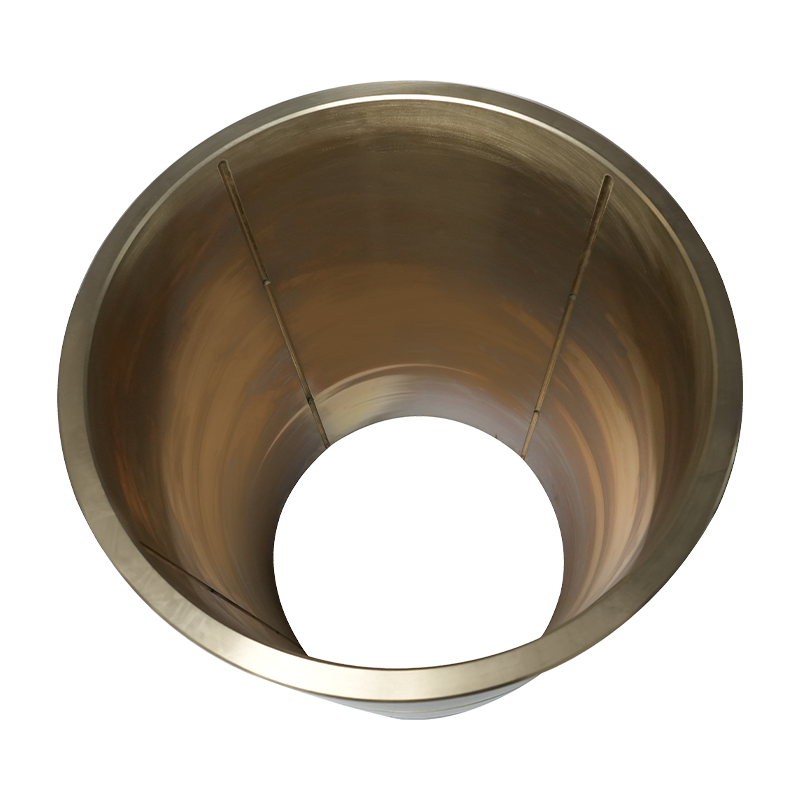
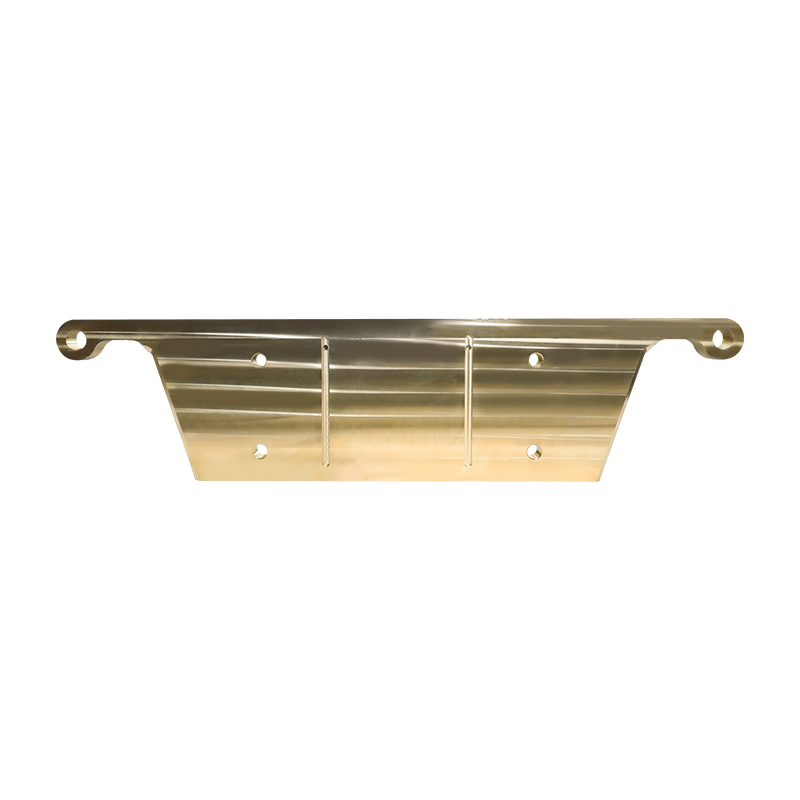
The usability of Brass Plates in high-temperature environments
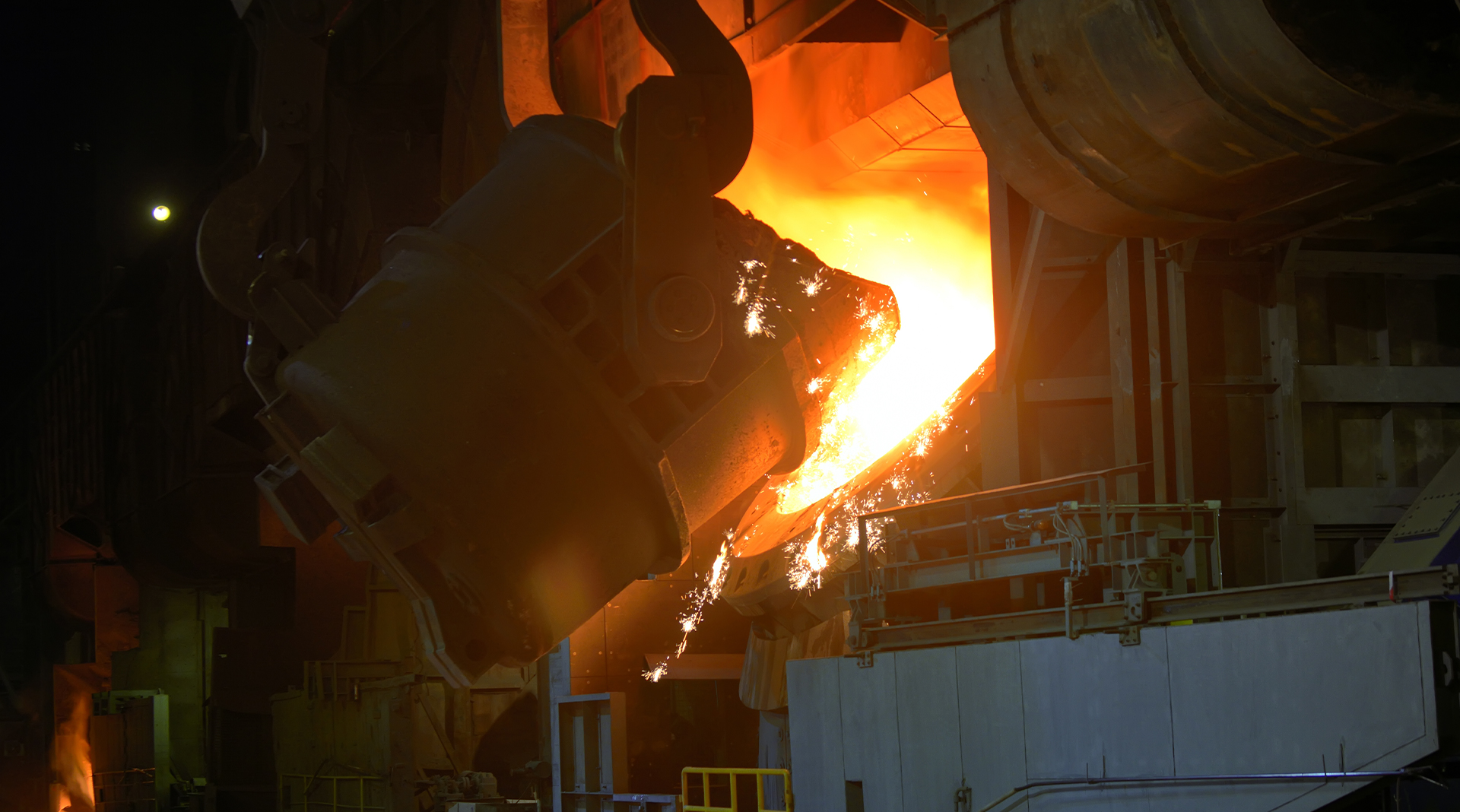
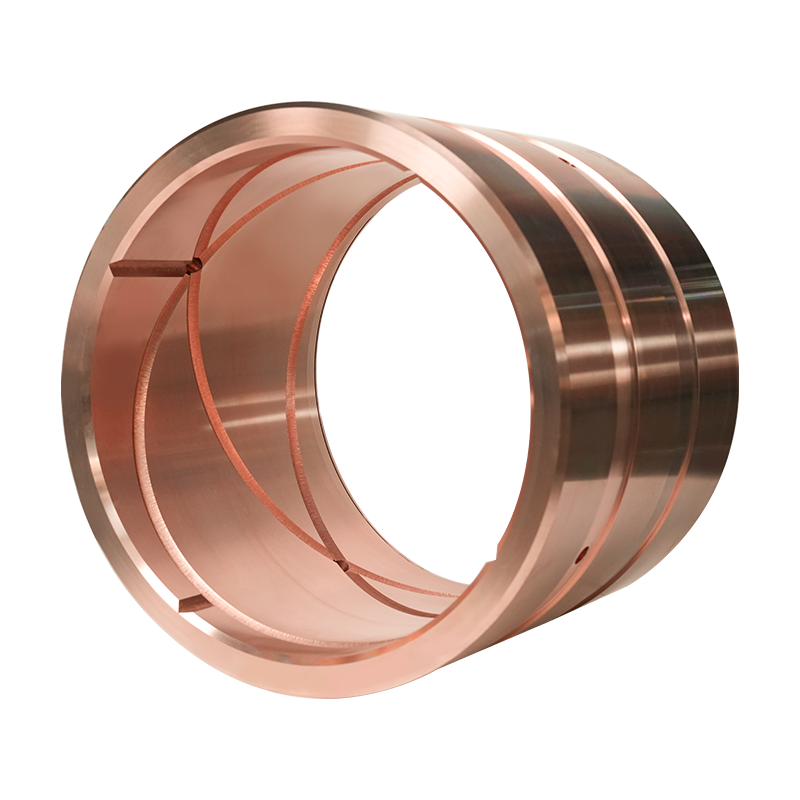
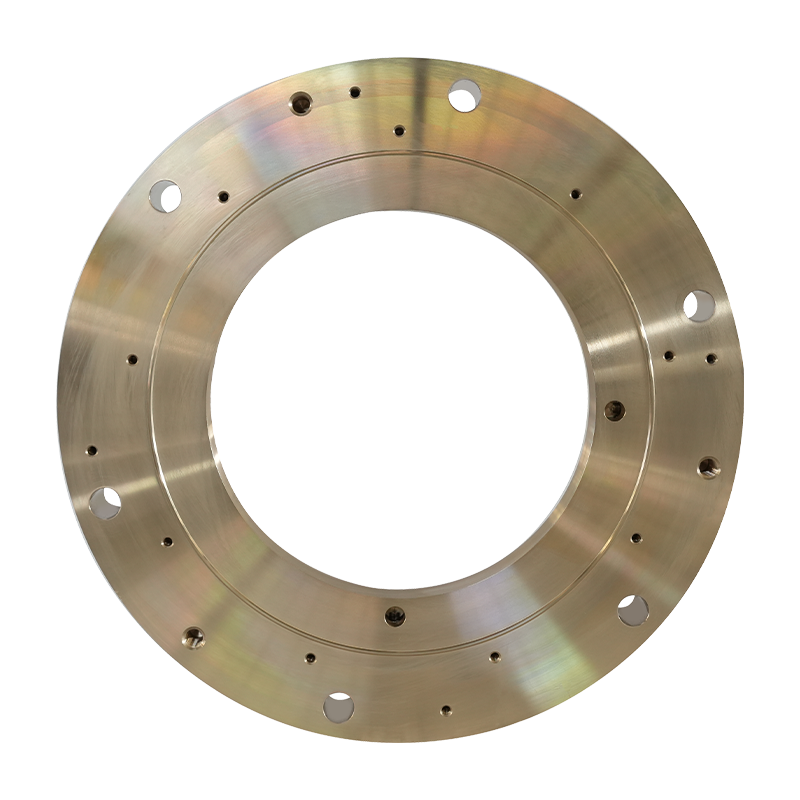
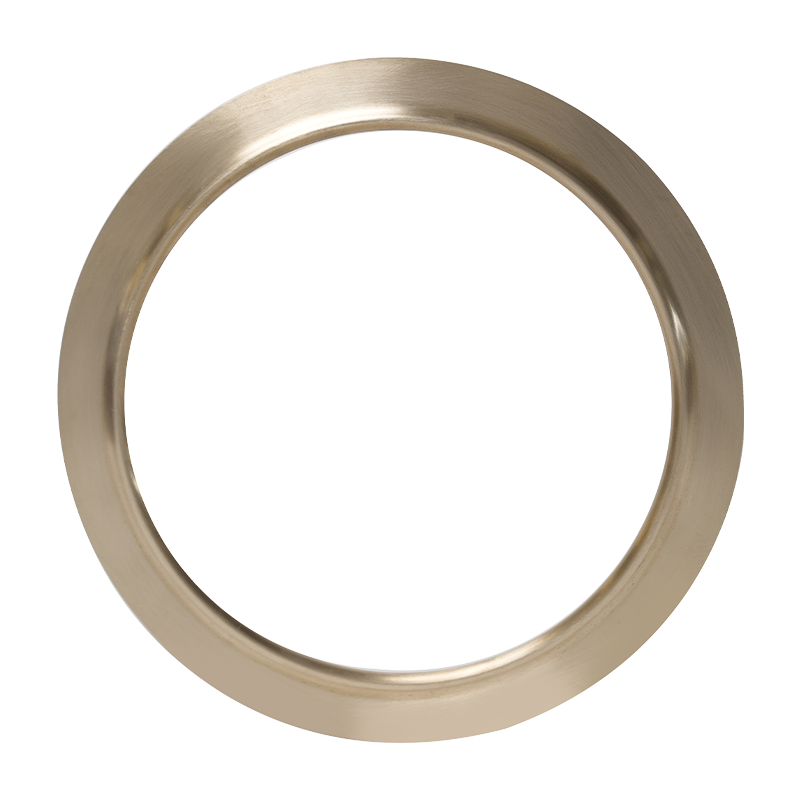
The suitability of Brass Plates in high-temperature environments depends on their specific alloy composition and temperature range. Generally, brass has a certain degree of heat resistance, but there are some limitations.
1. Basic Heat Resistance
Heat Resistance Limit: Brass plates are generally suitable for medium-temperature environments, with a heat resistance limit typically around 300℃. In low to medium temperature ranges (such as room temperature to 150℃), brass plates
can maintain good mechanical properties and conductivity.
2. High-Temperature Performance Limitations
Softening Tendency: When the temperature exceeds its heat resistance limit (> 300℃), brass plates will show significant softening. At this point, their tensile strength and hardness will decrease, and they will no longer be able to meet the requirements for high load and wear resistance.
Oxidation Risk: In high-temperature environments, the surface of brass plates may undergo oxidation reactions, leading to the formation of an oxide layer. This not only affects the appearance but may also affect the mechanical fit of the
components.
3. Applicable Scenarios
High-Temperature Limitations: Due to the risk of softening and oxidation, brass plates are generally not recommended for high-temperature fire extinguishing systems, high-temperature furnace grates, or high-temperature pipelines that operate continuously for extended periods. Specific Applications: For temporary or intermittent high-temperature scenarios (such as auxiliary support in industrial assembly), brass plates can still provide sufficient mechanical strength, but attention should be paid to heat dissipation and protection.



 English
 日本語
日本語 русский
 Deutsch