Common Uses of Brass Plate (Industry & Decoration)
Brass plate, thanks to its unique physical properties, has a wide range of applications in both industrial and decorative fields. The following are the main uses categorized by its characteristics:
1. Industrial Applications: High Load and Precision Machinery
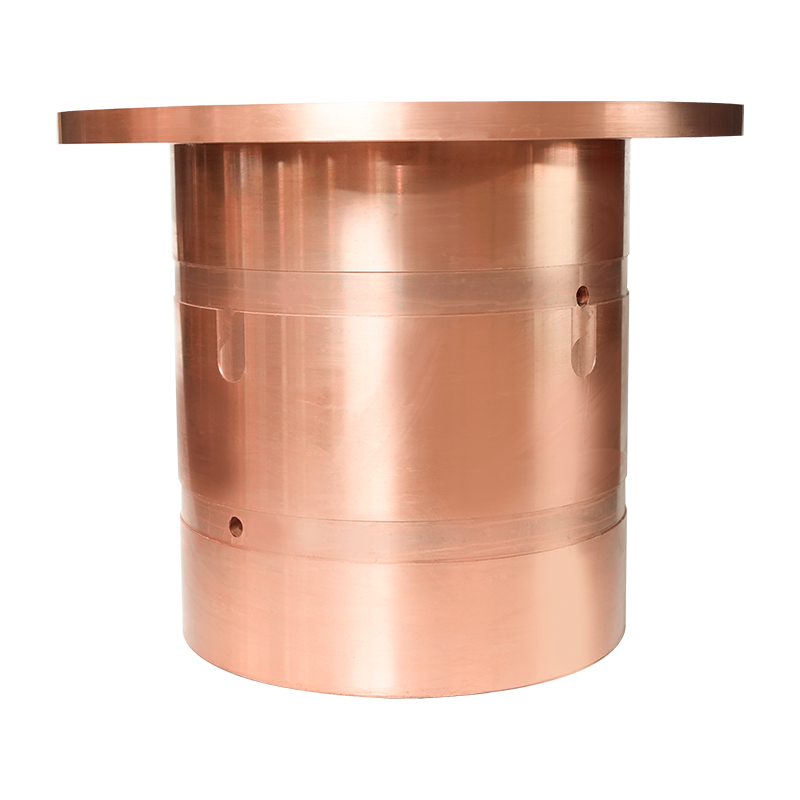
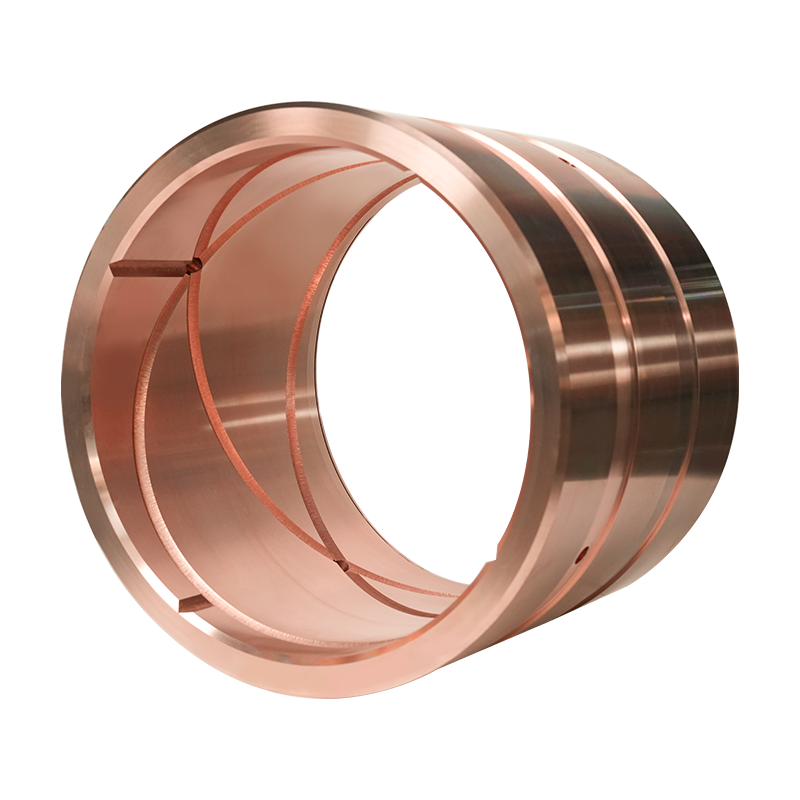
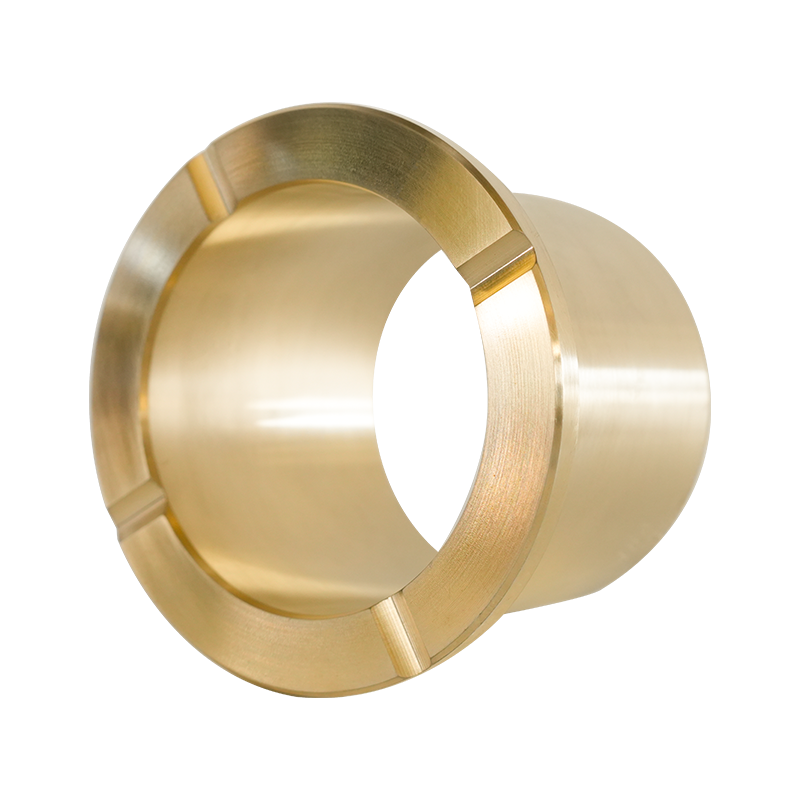
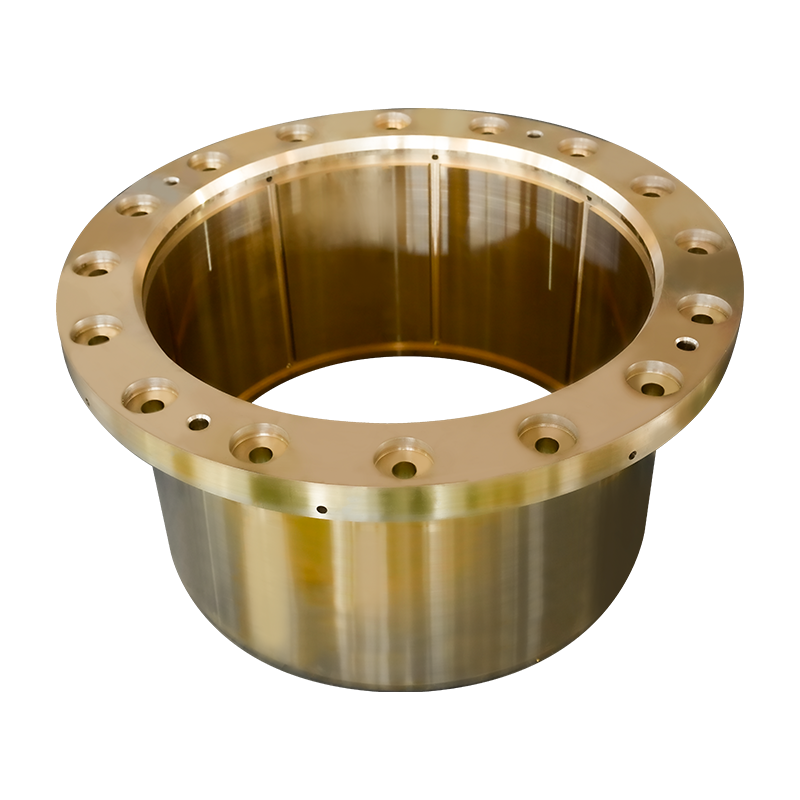
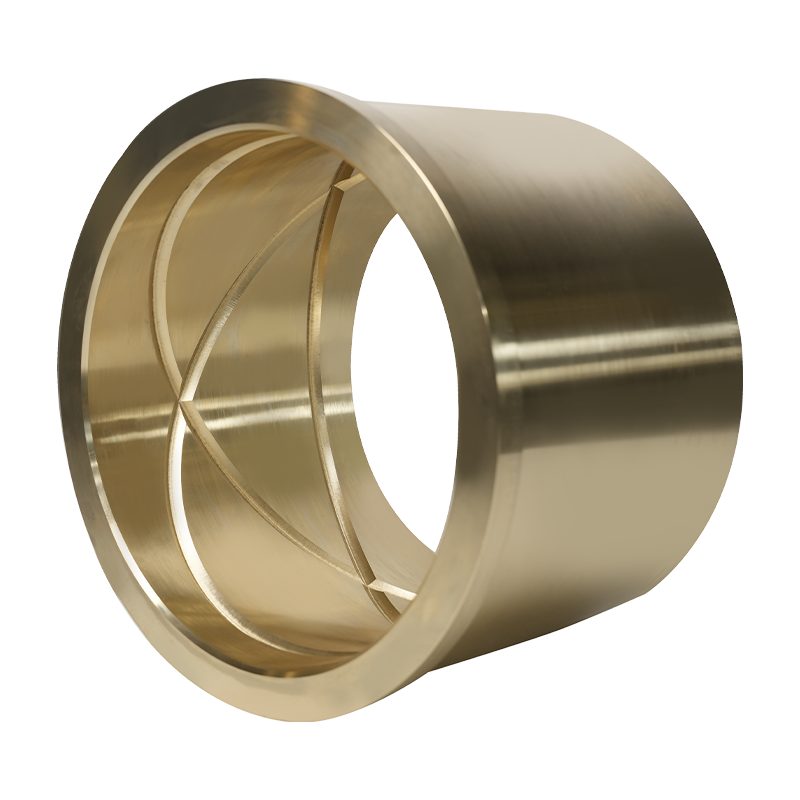
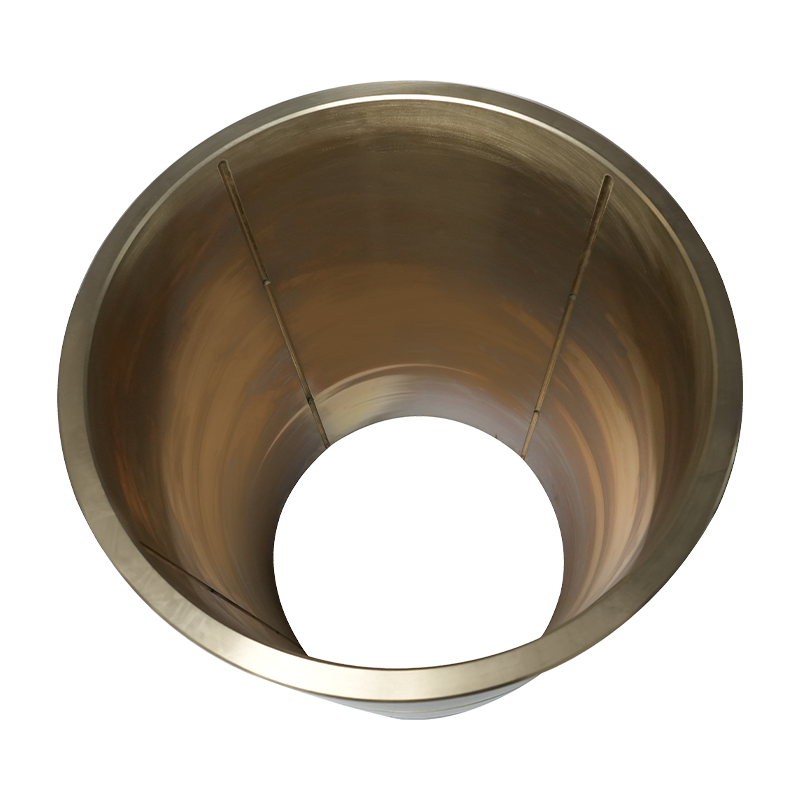
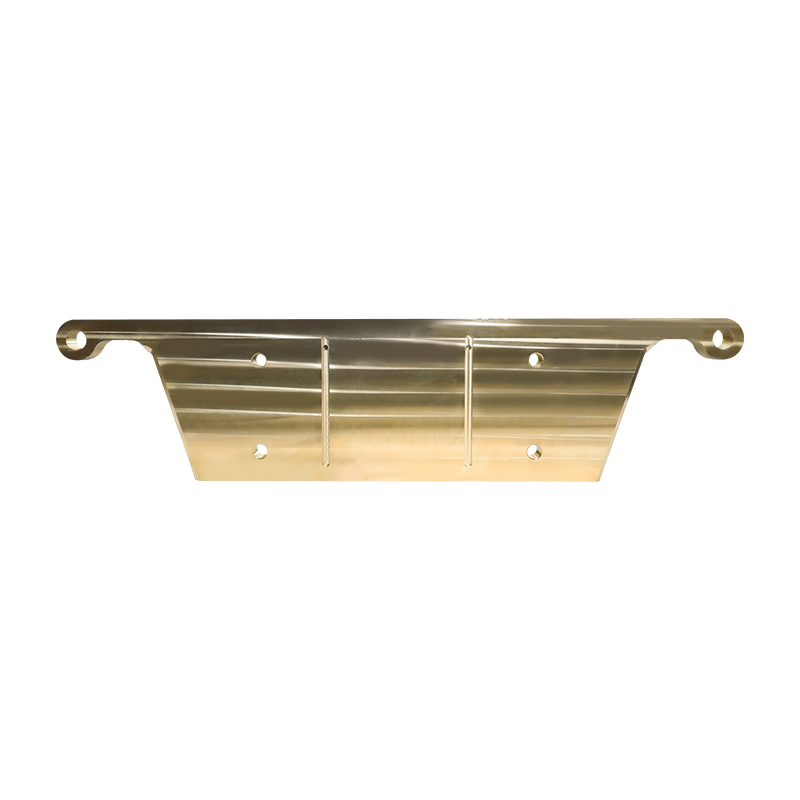
High-Load Support: Brass plate possesses high tensile strength and surface hardness, making it an ideal material for heavy-duty bearings, precision gears, and structural bushings. These components often withstand immense mechanical pressure, and the brass plate's resistance to deformation ensures its long-term reliability in high-stress environments.
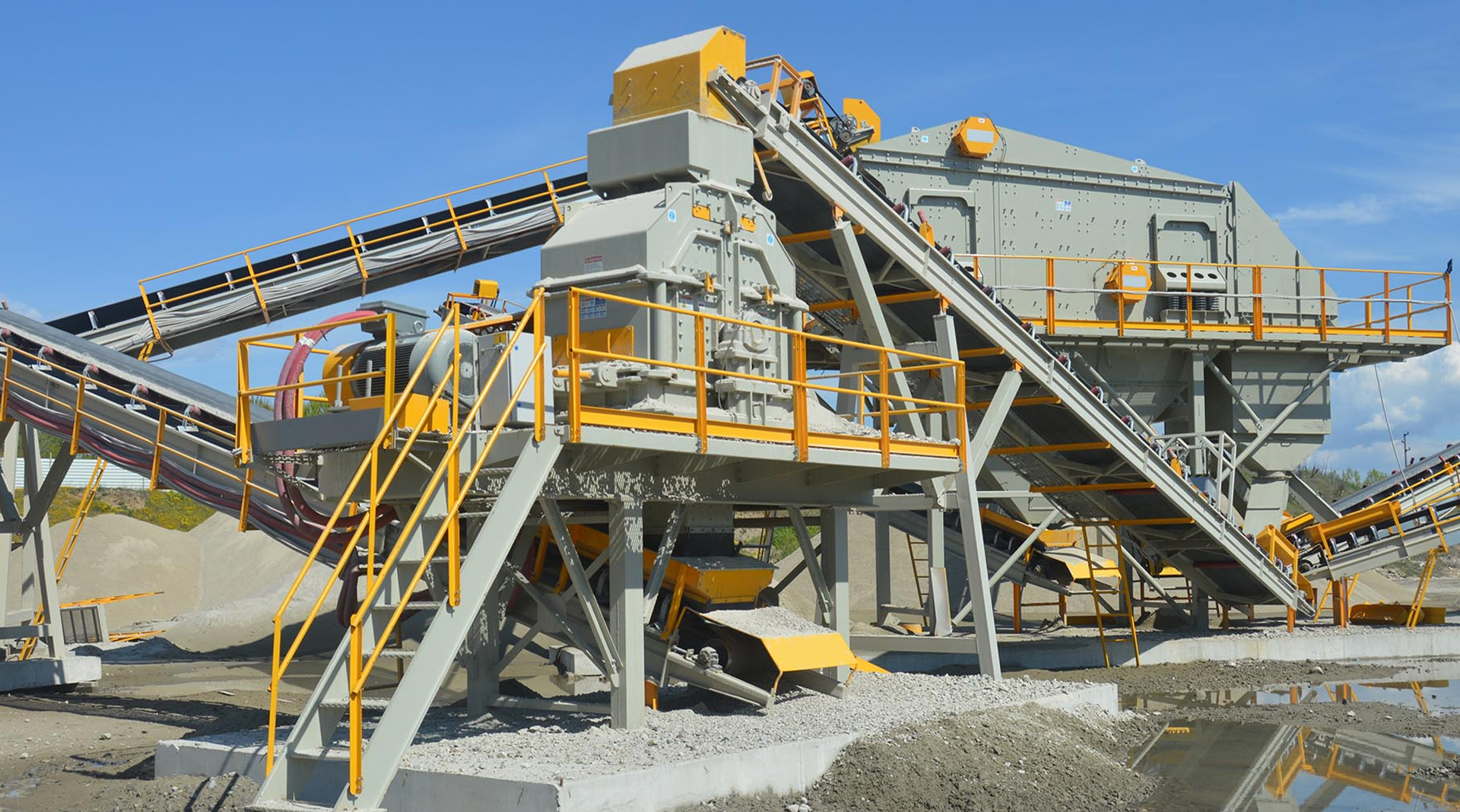
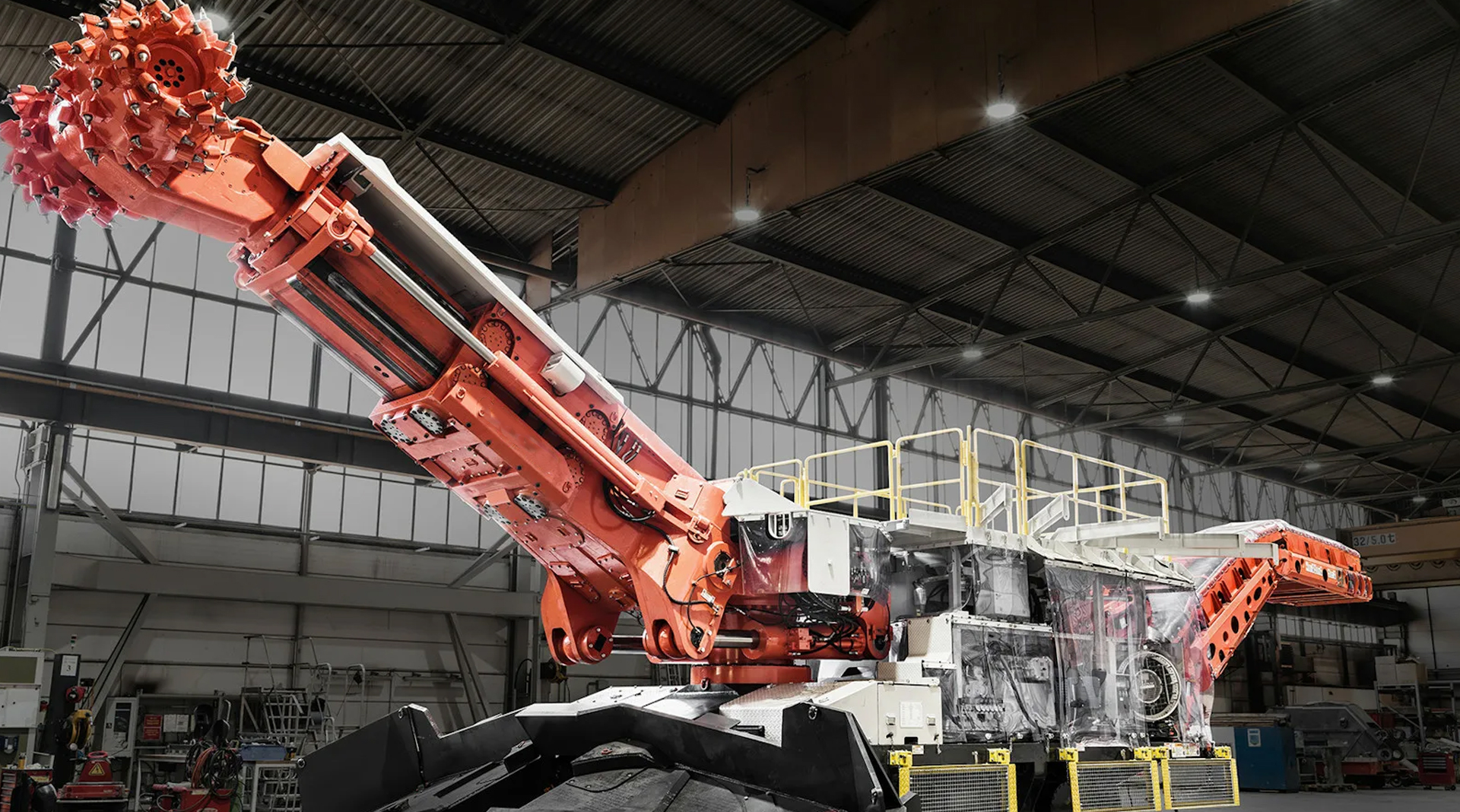
Wear-Resistant Components: In mining equipment, marine propulsion systems, and oil and gas equipment, brass plate is often used to manufacture sliding bearings and sealing system components due to its excellent resistance to mechanical wear, ensuring the smooth operation of the equipment.
Easy Machinability: Brass plate has good ductility and weldability, allowing it to adapt to complex machining processes such as precision cutting, deep drawing, and bending, and is widely used in the metal processing industry.
2. Decorative Applications: Aesthetics and Functionality Combined
Architectural Decoration: In architectural machinery and interior decoration, brass plate is used to make decorative panels, lighting fixtures, and door handles due to its metallic luster and corrosion resistance. These decorative items not only enhance aesthetics but also provide a certain degree of corrosion protection.
Artistic Design: In the field of art and creativity, brass plate is used to create artistic decorations, sculptures, and exhibition displays due to its ease of engraving and shaping. Its unique metallic luster can create a unique visual impact.
3. Structural Applications: Stability and Support
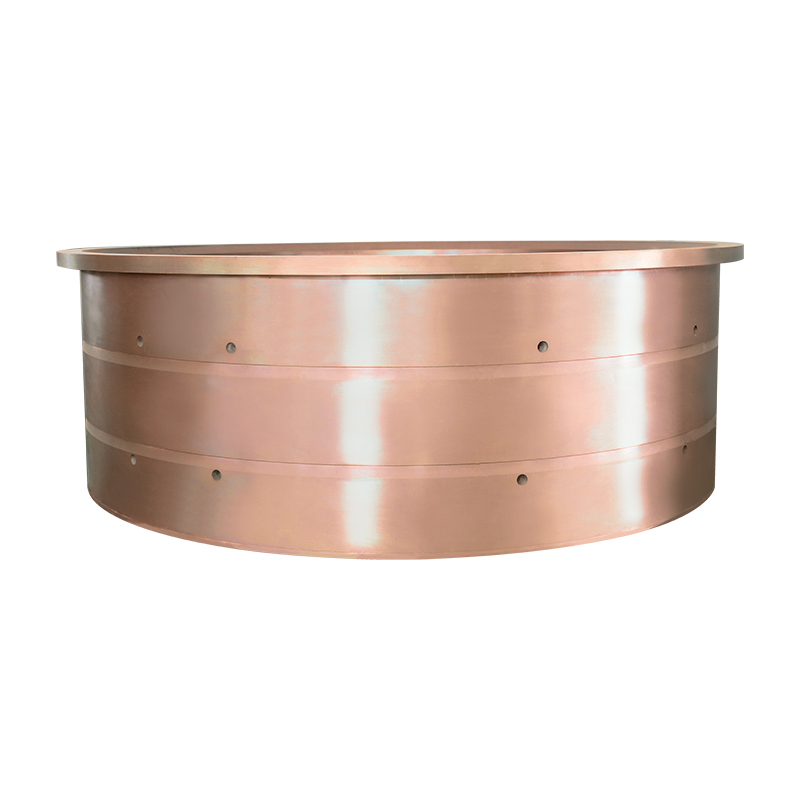
Structural Support: Brass plate possesses excellent dimensional stability and is often used in structural support components in large industrial assemblies. These applications require the material to maintain its dimensions under different environments to ensure the safety and reliability of the overall assembly.
The Role of Brass Plate in Radiators
Brass plate plays a crucial mechanical and heat conduction role in radiators. Although the core components of radiators are usually copper tubes or aluminum fins, brass plate is essential for structural support and connection.
1. Mechanical Support and Connection
Pipe Support: The copper tubes inside the radiator are usually fixed and supported by brass plates. Brass plates provide robust support points, preventing copper pipes from moving due to fluid impact or thermal expansion and contraction, ensuring the structural integrity of the piping system.
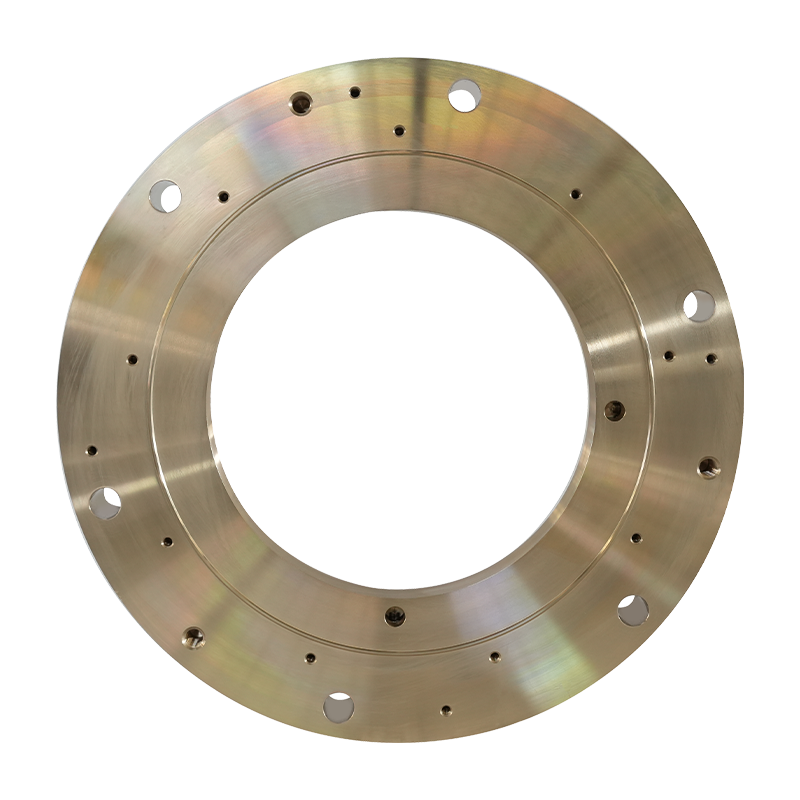
Connector Material: Due to their good weldability and strength, brass plates are often used to make connectors or flanges for radiators. They reliably connect different radiator components, preventing leaks and maintaining the system's airtightness.
2. Heat Conduction Assistance
Thermal Bridging: Although the thermal conductivity of brass is slightly lower than that of pure copper, its thermal performance is still excellent. Brass plates can be used as a thermal bridging material to assist in the transfer of heat between different metal components, improving the overall thermal efficiency of the radiator.
3. Corrosion Resistance and Lifespan
Corrosion Resistance: In radiators, brass plates are usually located in lower temperature areas. Their corrosion resistance is superior to pure iron or ordinary steel, preventing corrosive deposits from forming inside the radiator and thus extending the radiator's service life.



 English
 日本語
日本語 русский
 Deutsch