Mechanical wear leads to increased clearance
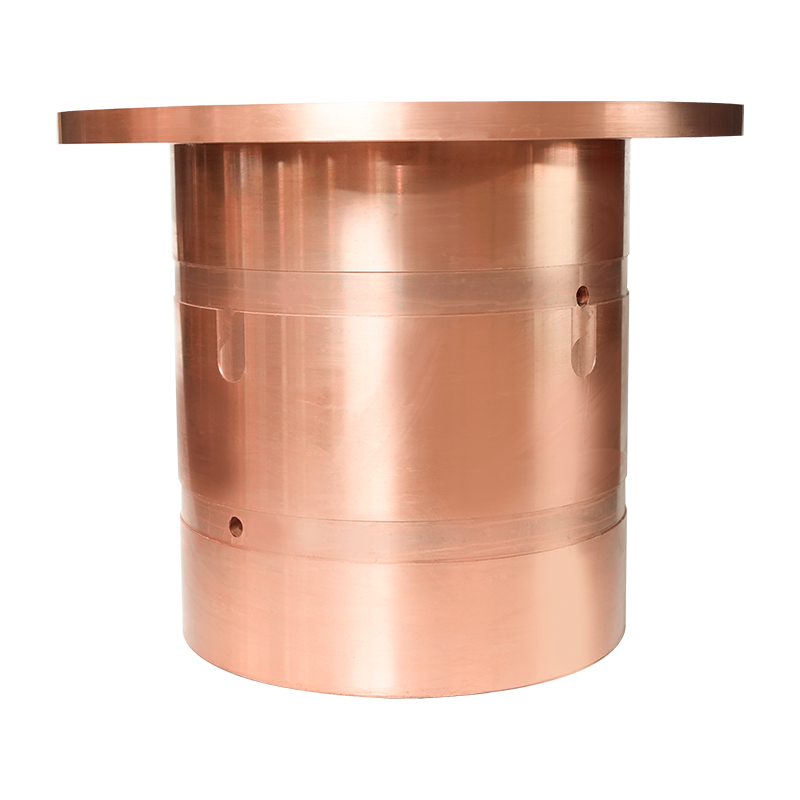
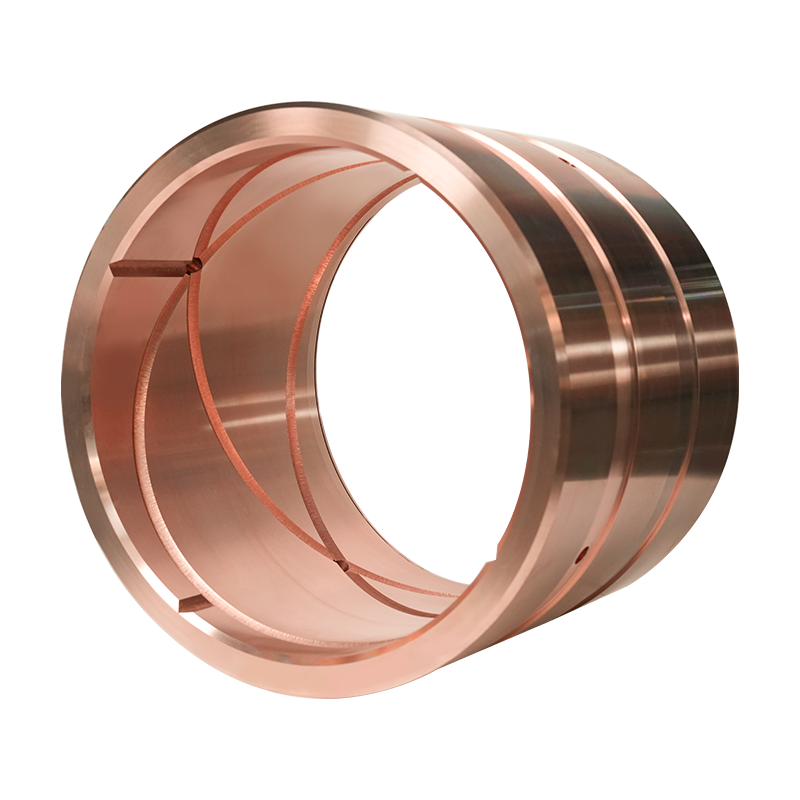
In mechanical systems, bushings typically bear axial or radial loads. Over time, friction and wear occur between the metal surfaces of the bushing and the mating shaft (or hole), causing the originally tight fit to widen and loosen.
Inner Hole Wear
This is one of the most common causes. When the shaft rotates within the bushing, the inner hole wears due to friction, poor lubrication, or overload, resulting in an increased inner diameter. The shaft then wobbles within the bushing, losing its support.
Outer Diameter Wear
The fit between the bushing and the mounting hole can also be affected by vibration or impact loads, causing outer diameter wear and a decrease in outer diameter. This leads to the bushing loosening or wobbling within the hole.
High Load Operation
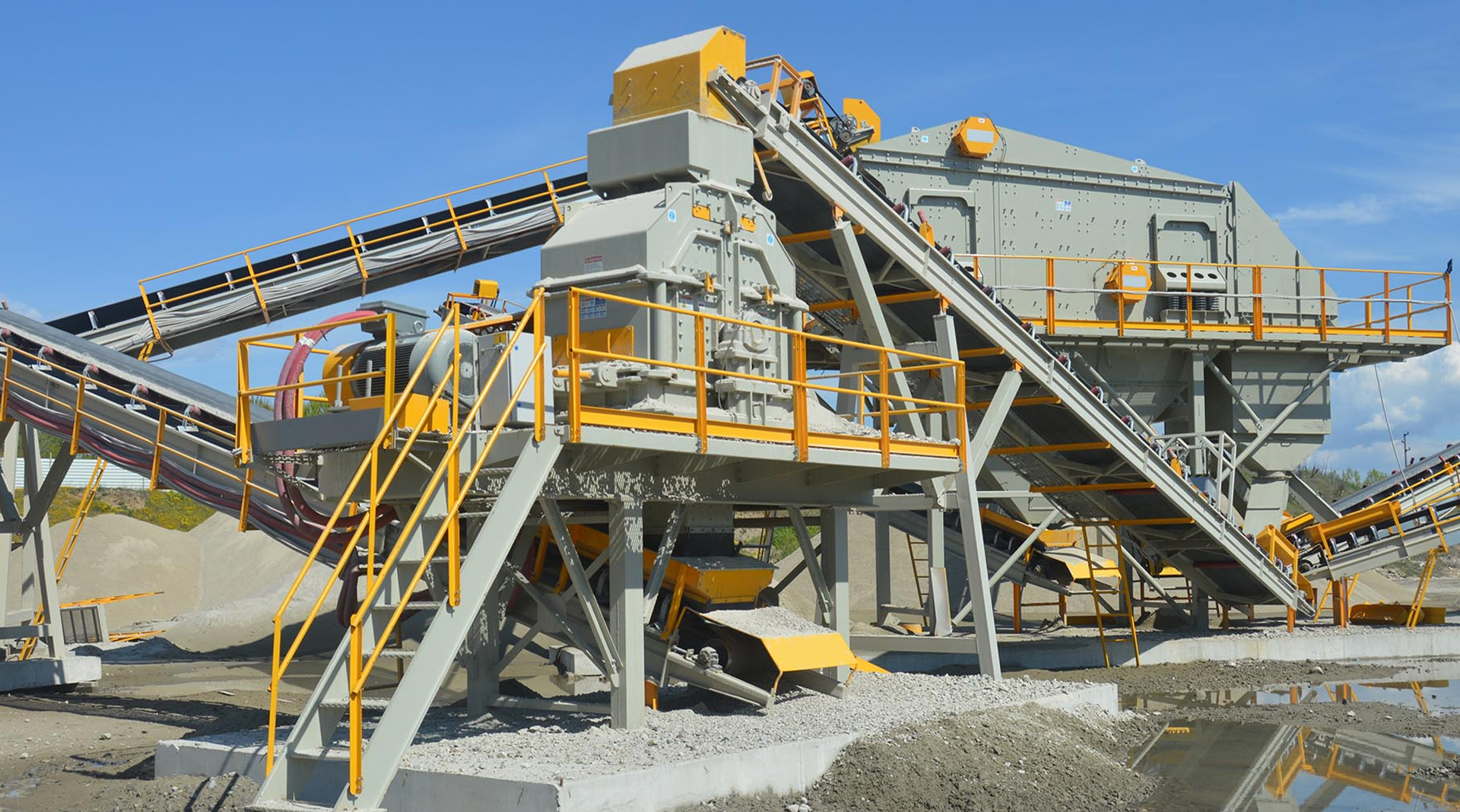
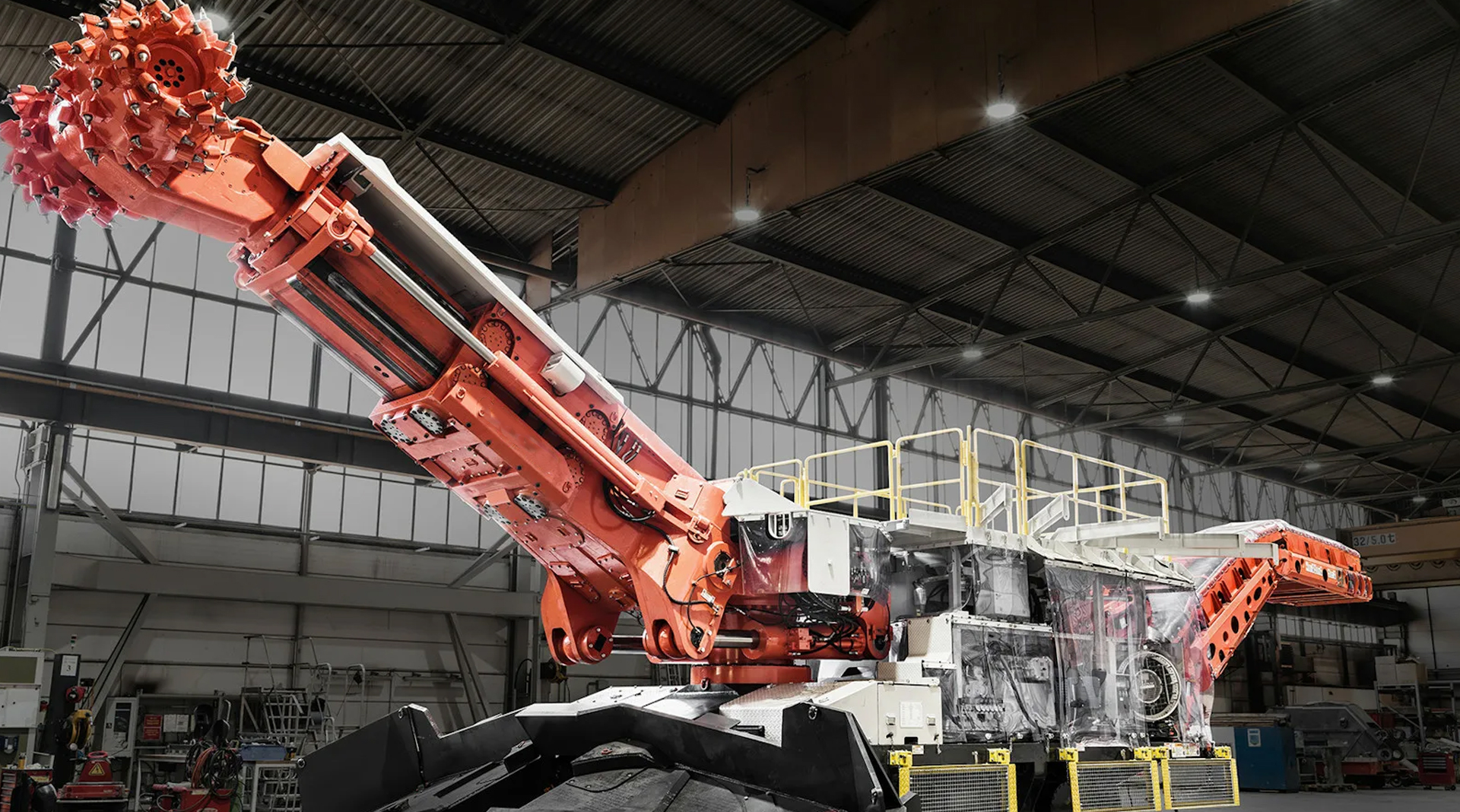
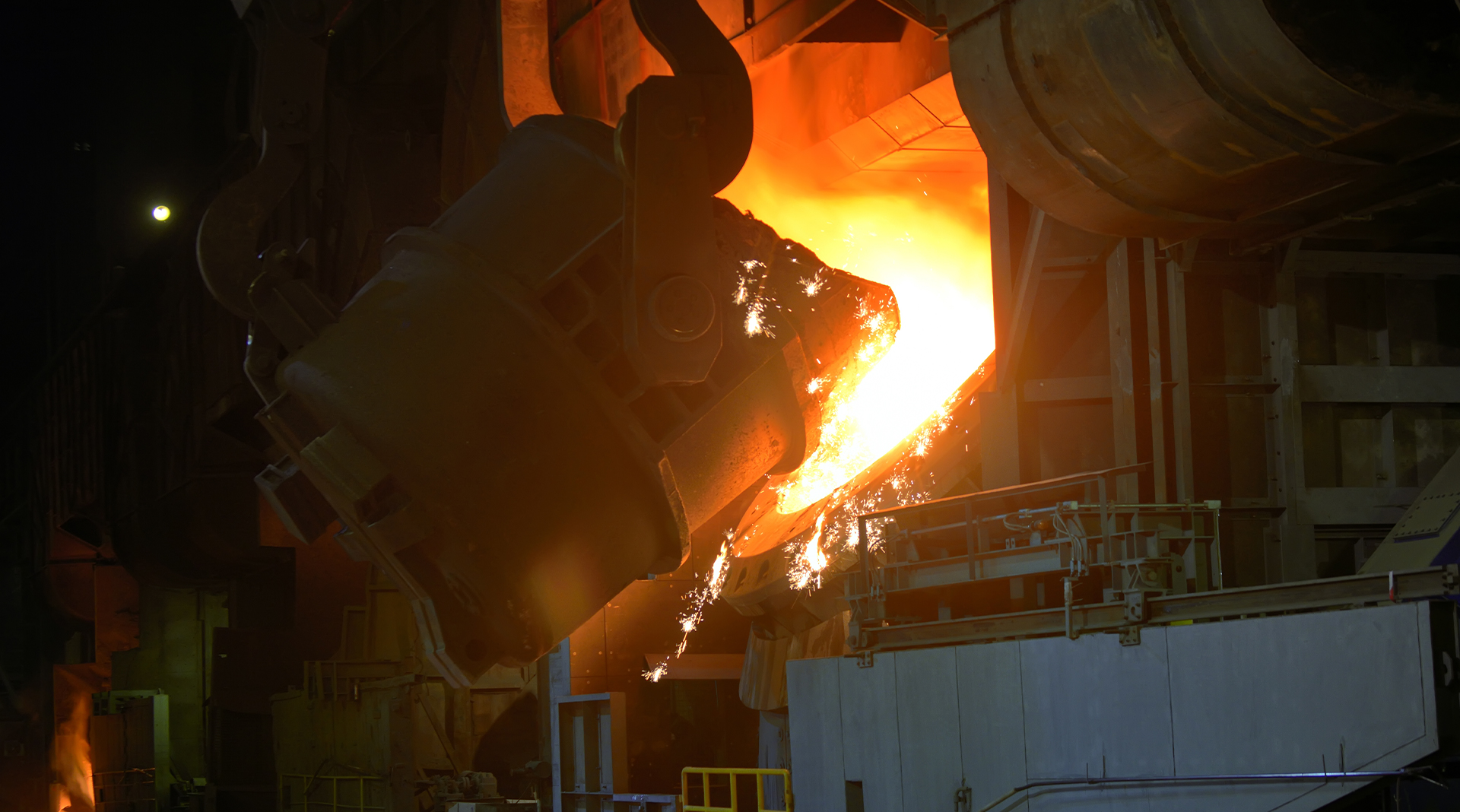
Under high load or impact load conditions (such as in mining equipment and metallurgical machinery), the stress on the bushing increases, accelerating the wear rate and making the clearance increase more rapidly.
Thermal Expansion and Contraction Leading to Dimensional Changes
Bushings generate heat during operation or are affected by changes in external temperature. The thermal expansion and contraction characteristics of metallic materials cause dimensional changes, thus affecting the tightness of the fit.
Thermal Expansion
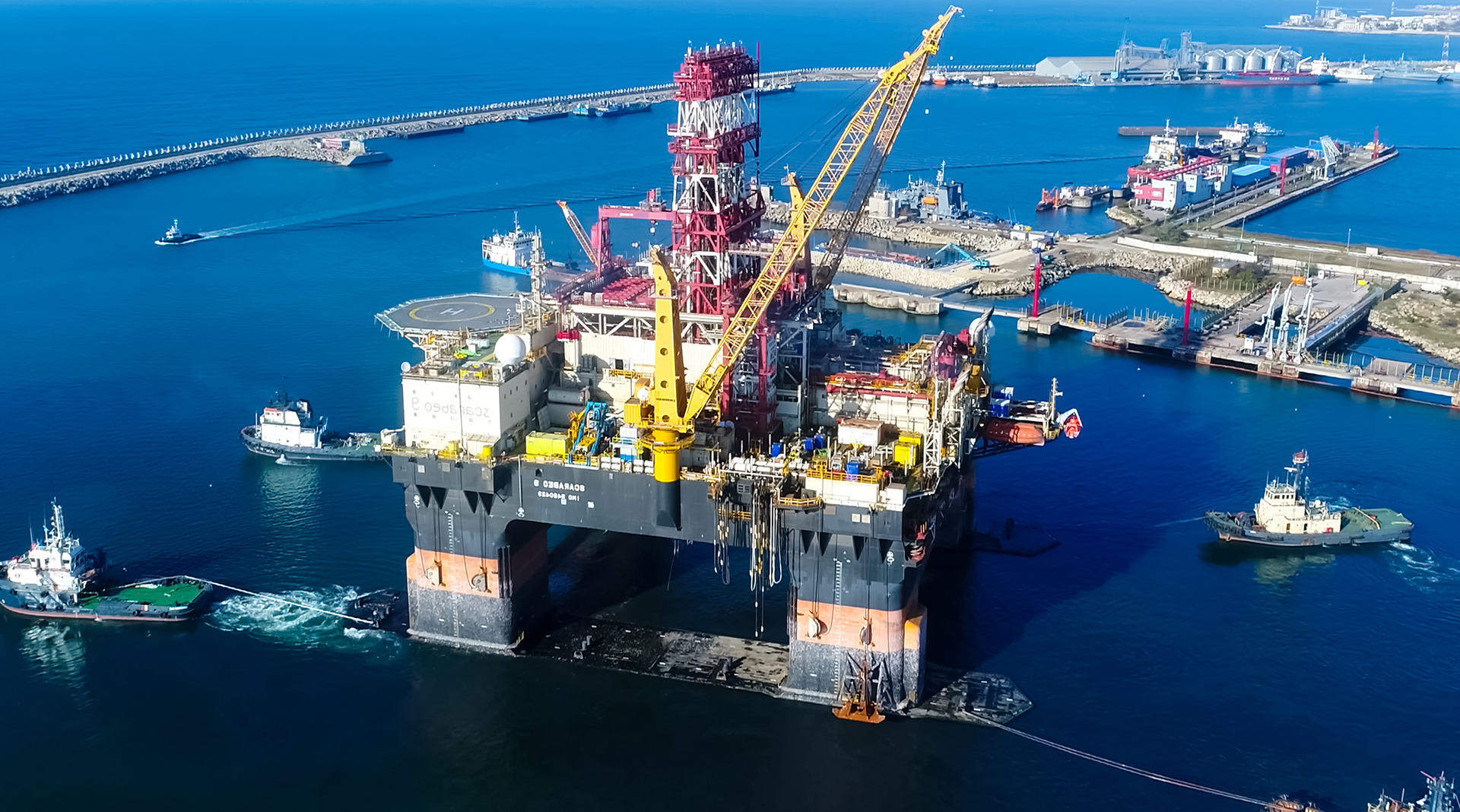
When the bushing temperature rises (such as in a ship's stern shaft seal), the brass bushing expands. If the thermal expansion is excessive, it may cause deformation of the fit between the bushing and the shaft or bore, creating gaps.
Thermal Cycling
Under extreme temperature changes (such as in wellhead equipment of oil and gas plants), the bushing undergoes repeated thermal expansion and contraction, leading to material fatigue and causing deformation or loosening of the mating surfaces.
Poor Lubrication Leading to Dry Friction
The normal operation of bushings requires sufficient lubricating grease to reduce friction. If the lubrication system fails, the bushing will experience accelerated wear due to dry friction, leading to damage and loosening of the mating surfaces.
Blockage of Lubricating Oil Grooves
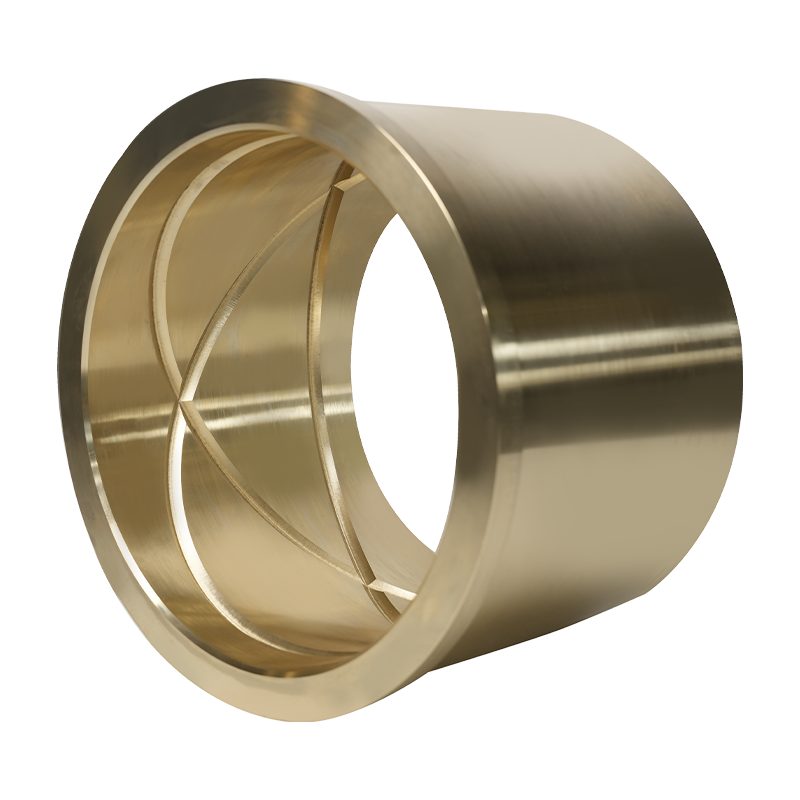
Bushings are usually designed with lubricating oil grooves or holes. If these are blocked by dust, metal shavings, or impurities, grease cannot enter, resulting in uneven lubrication.
Grease Depletion
Prolonged operation can lead to grease evaporation or leakage, resulting in depletion of lubricating grease. This causes direct contact between metal surfaces, generating dry friction and causing rapid loosening of the wear surfaces.
Design and Installation Factors
Besides wear during use, the bushing's design specifications, manufacturing precision, and installation procedures can also cause loosening.
Inappropriate Specification Selection
If the bushing's specifications (size, strength grade) do not match the actual working load, overloading will lead to premature wear and loosening.
Improper Installation
If the bushing is subjected to impact, knocking, or excessive pressing during installation, it may cause deformation of the mating surfaces (e.g., ellipticization). Oversized or undersized mounting holes can also cause loosening during operation.
Long-Term Vibration and Impact
In environments with frequent vibration, such as transport vehicles or ships, continuous mechanical vibration and impact loads can cause the bushing threads or mating parts to loosen.



 English
 日本語
日本語 русский
 Deutsch