


 English
 日本語
日本語 русский
 Deutsch
Tin Bronze Bushing For Mining Equipment uses high-purity copper as the base material, and ...
Home / News / Industry News / Self-Lubricating Bushing Guide: Alloy Options, Selection Criteria, and Buying Realities
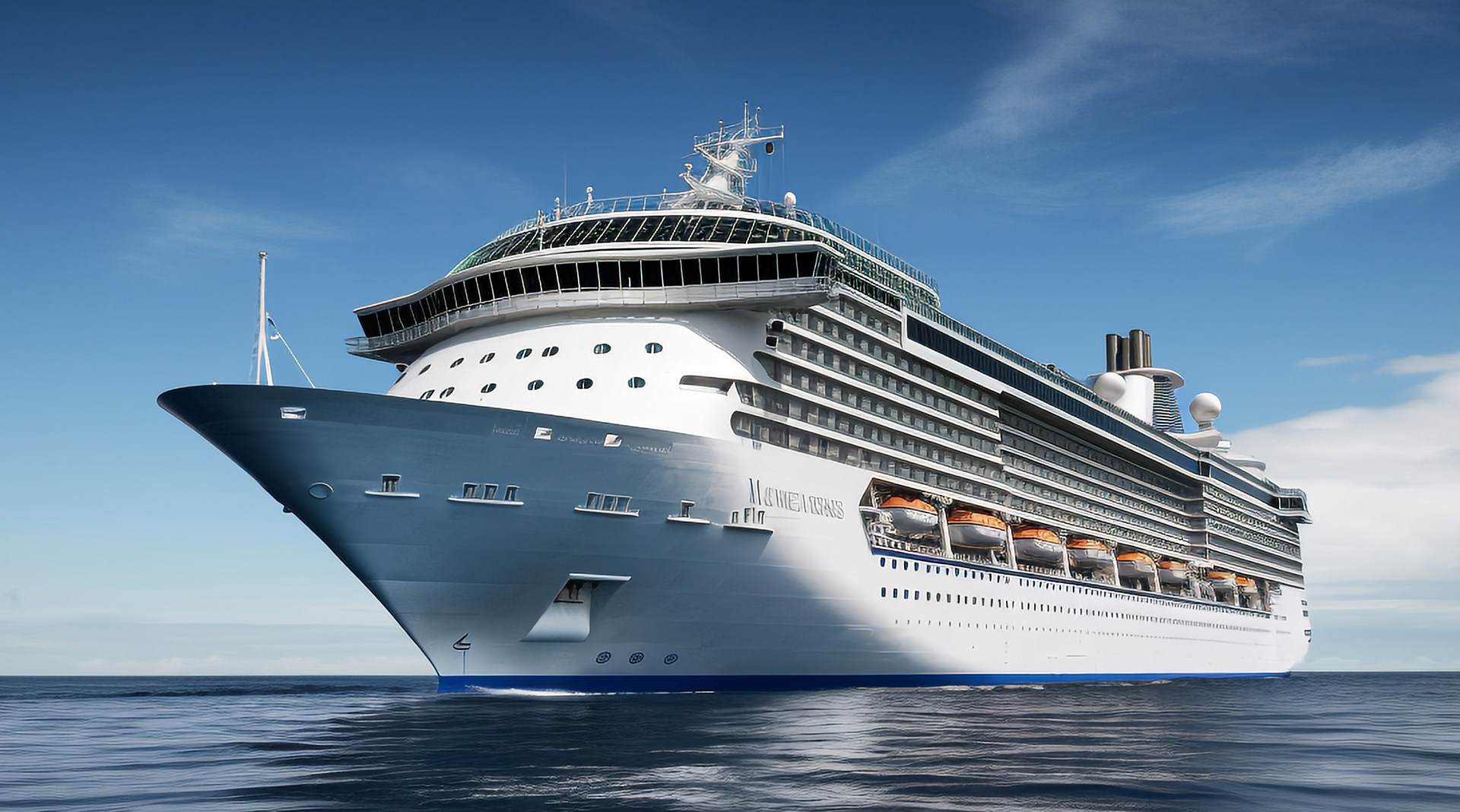
Ship Propulsion And Sealing Device
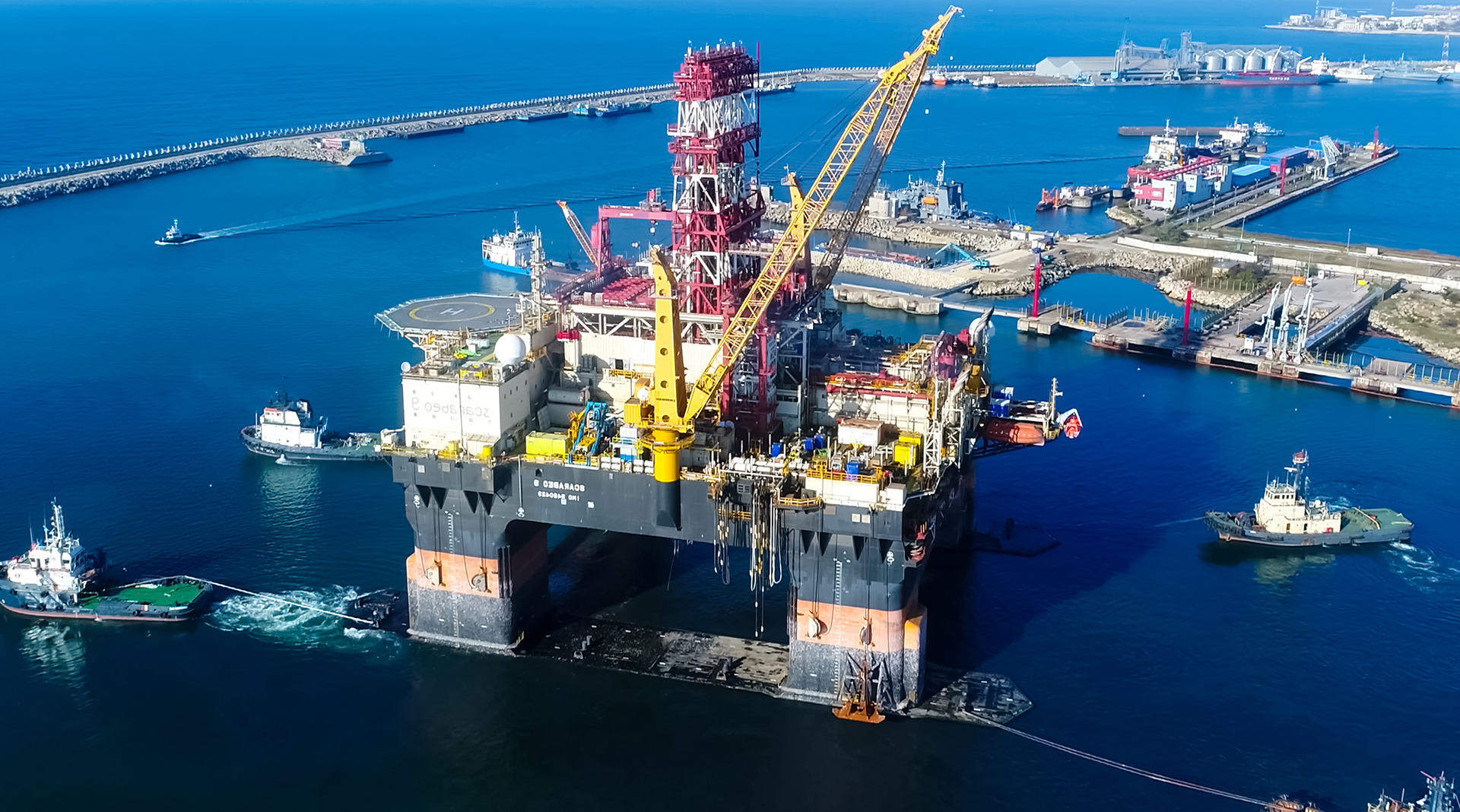
Ocean drilling and ship lock lifting equipment
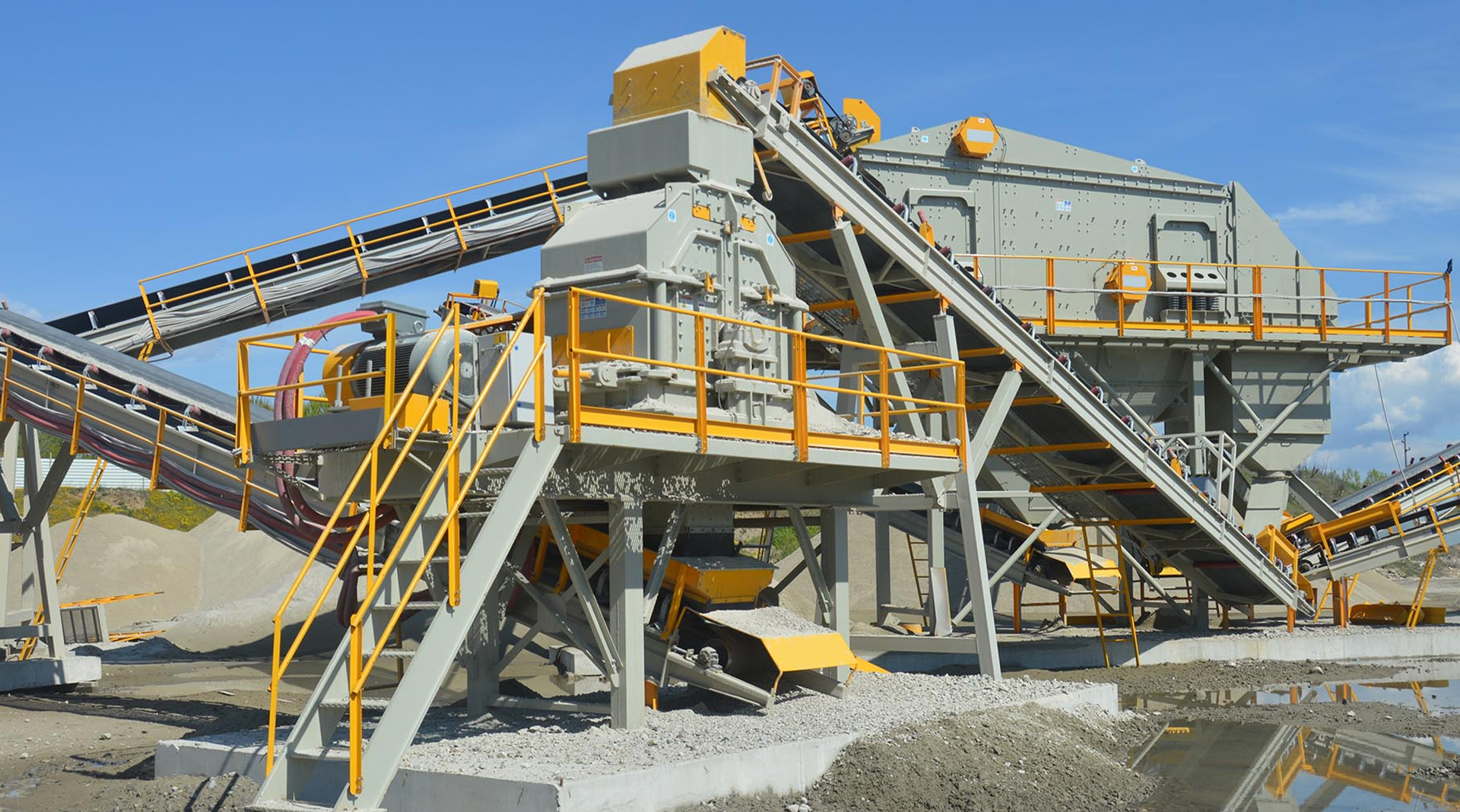
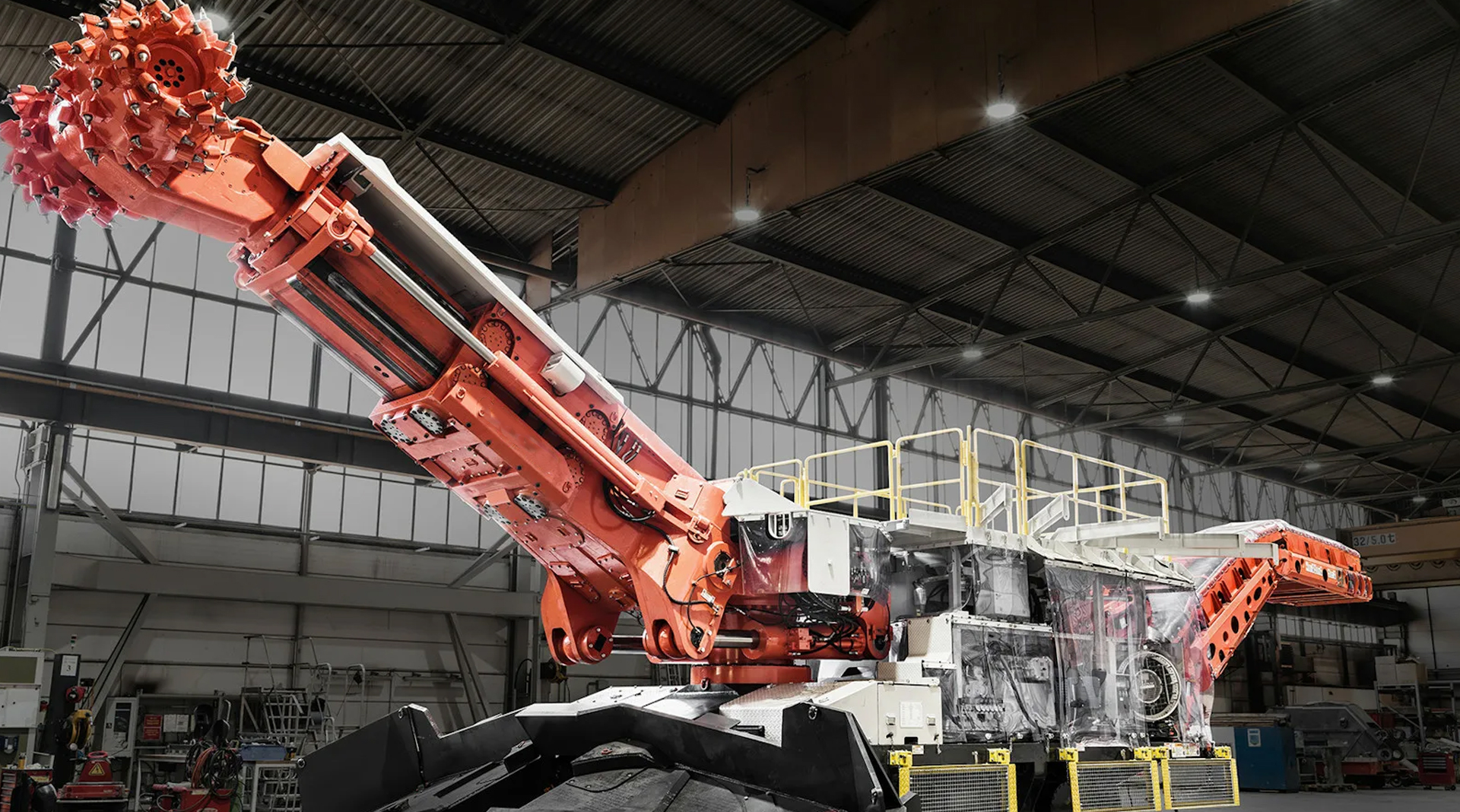
Mining equipment
Construction machinery
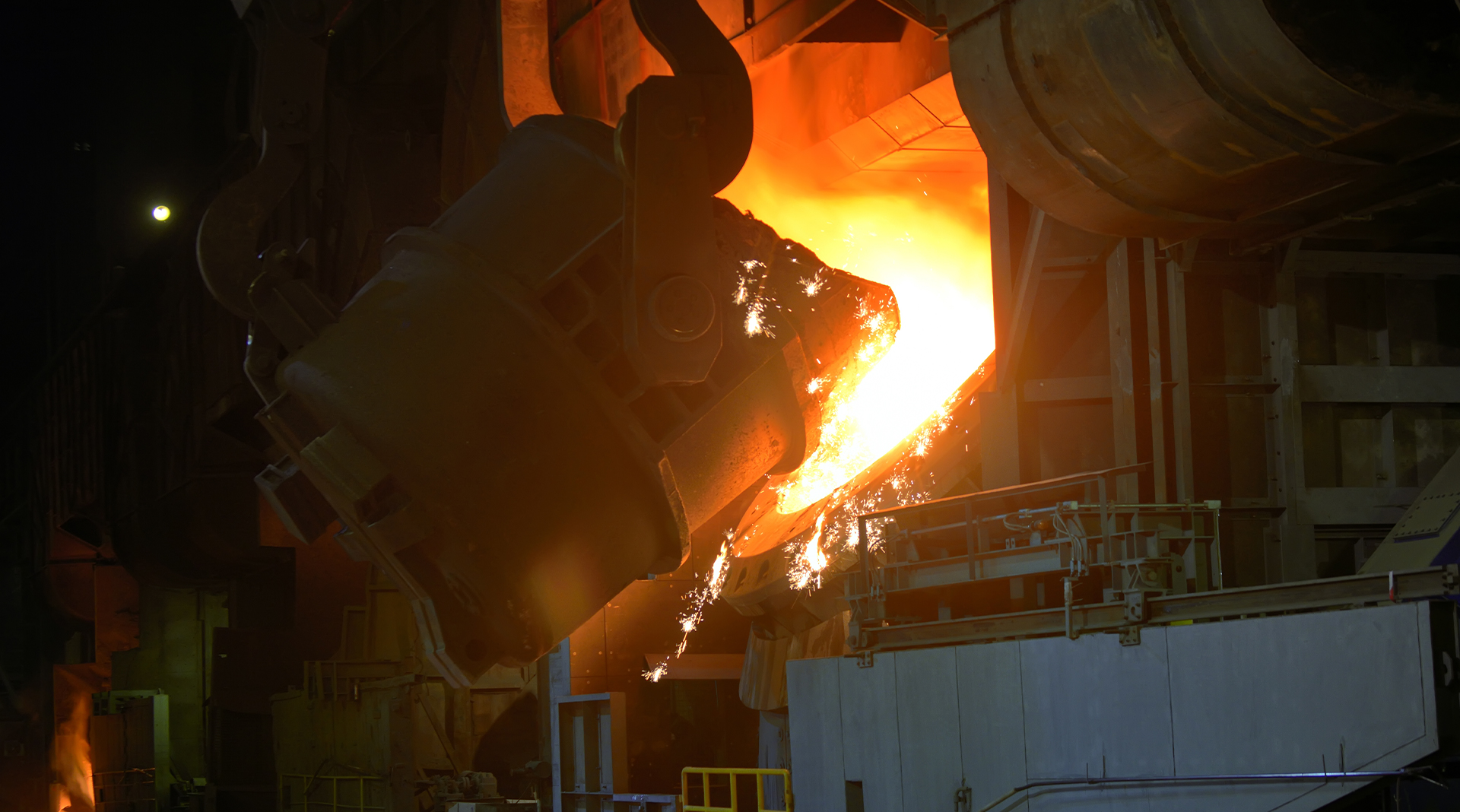
Oil and gas, metallurgical equipment
Content
A 200-ton mining excavator sits idle at the bench while a fitter climbs in with a grease gun for the third time that week. The boom pivot bushing is wearing unevenly, the shaft has started to score, and the maintenance plan is already behind. This is the exact scenario a self-lubricating bushing is designed to eliminate.
If you are evaluating self-lubricating bushings for mining, marine, construction, or metallurgical equipment, the short version is this: the alloy recipe, the lubricant system, and the application limits decide whether the part runs for thousands of hours or fails within a shift.
A self-lubricating bushing is a plain bearing that carries its own lubricant inside the bushing wall instead of relying on an external grease or oil supply. The lubricant, usually graphite or molybdenum disulfide plugs pressed into the bronze body, transfers a thin film to the shaft surface as the shaft rotates. The bushing and shaft then ride on that film, not on metal-to-metal contact.
Three characteristics define a well-designed self-lubricating bushing:
The bronze matrix that holds the lubricant plugs matters as much as the plugs themselves. Bronze alloys combine hardness, corrosion resistance, and the ability to absorb minor misalignment. Different bronze families behave differently under heavy loads, in seawater, or in dusty environments, so the alloy decision separates a reliable part from a premature failure. That is why the first filter when evaluating a supplier's self-lubricating bushing range should be the alloy grade, not the bore size.
The bushing body carries the mechanical load, holds the lubricant system, and protects the shaft surface. That is why alloy selection comes before everything else in the specification process. The comparison below covers the three bronze families most relevant to industrial self-lubricating bushings.
| Alloy family | Key strengths | Typical self-lubricating applications |
|---|---|---|
| Brass (copper-zinc) | Good corrosion resistance, excellent machinability, forgiving to softer shafts, cost-effective | Engineering machinery pins, moderate-load pivots, metallurgical equipment |
| Aluminum bronze (copper-aluminum with iron or nickel) | High hardness, outstanding wear resistance, seawater tolerance, high load capacity | Mining equipment, marine components, high-pressure hydraulic pivots |
| Tin bronze (copper-tin) | Good fatigue resistance, uniform wear behavior, suited to higher sliding speeds | Steering gears, propulsion systems, anchor winch bearings |
For heavy-duty self-lubricating work, aluminum bronze is usually the first option a design engineer discusses with the manufacturer, because its hardness and fatigue strength match the high-pressure, low-speed duty that mining and metallurgical machines demand. Brass is the value-engineering choice where loads are moderate and corrosion resistance, not load, is the main concern. Tin bronze remains relevant where the bushing still sees some oil-film lubrication during part of the duty cycle.
Resolve these five points before you send a drawing to a supplier. Each one changes the alloy, the plug type, or the bore tolerance.
Each industry repeats the same load pattern over and over. Checking your equipment class against these four applications is the quickest way to judge whether a self-lubricating bushing fits.
Excavator boom pivots, drill rigs, and conveyor systems produce oscillating loads at high radial pressure, with dust everywhere. That is exactly the operating zone where graphite plugs in an aluminum bronze body work best. We build aluminum bronze self-lubricating bushings for mining equipment with a high-load plug pattern and controlled bore tolerance for these conditions.
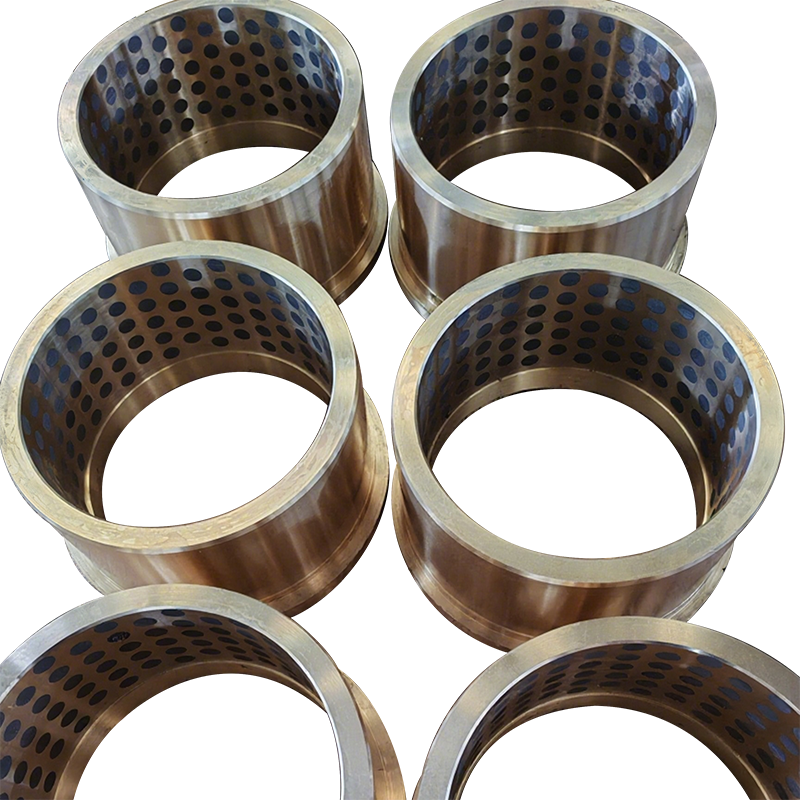 Custom Aluminum Bronze Self-Lubricating Bushings For Mining Equipment ManufacturYangzhou Yifeng Copper Products Co., Ltd is China custom Aluminum Bronze Self-Lubricating Bushings For Mining Equipment manufacturers and...View Product →
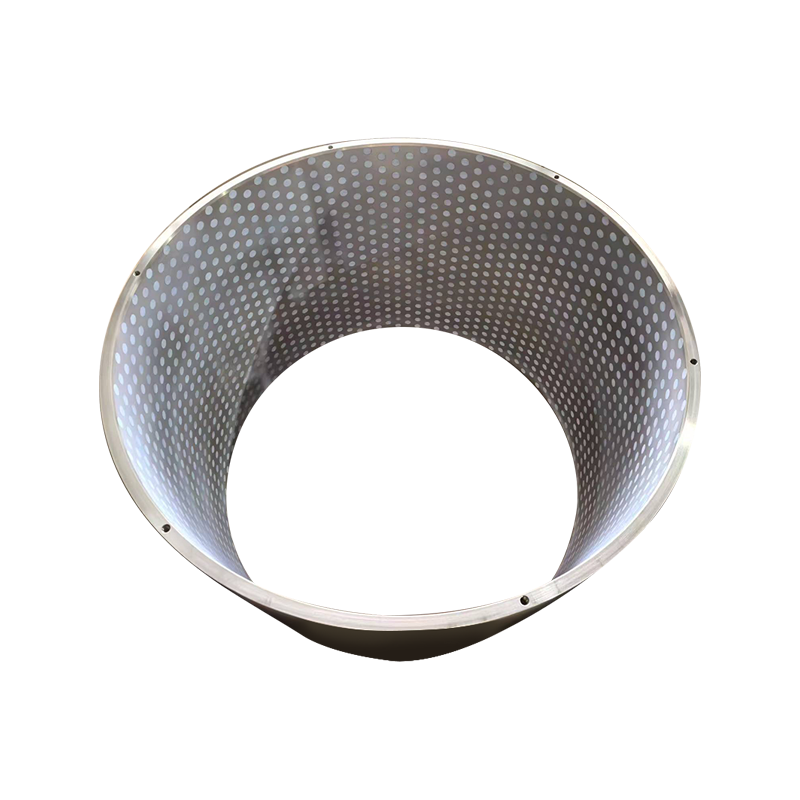
Steel and aluminum mills run at high thermal load with scale dust and water spray in the air. Bearings in continuous casting lines and hot rolling stands must tolerate brief temperature peaks and scale ingress without seizing. The hardness of aluminum bronze resists embedded scale particles, while the plug system keeps the bore stable through thermal cycling. Our aluminum bronze self-lubricating bushings for metallurgical equipment use tighter clearance control to survive those conditions.
Custom Aluminum Bronze Self-Lubricating Bushings For Metallurgical Equipment ManYangzhou Yifeng Copper Products Co., Ltd is China custom Aluminum Bronze Self-Lubricating Bushings For Metallurgical Equipment manufactur...View Product →Excavators, telescopic handlers, and concrete pumps work in intermittent cycles where grease points on the jobsite are difficult to reach. Brass versions offer a practical balance: enough corrosion resistance for outdoor exposure and a hardness that suits structural steel shafts without excessive shaft wear. That is why self-lubricating brass bushings for engineering machinery are frequently chosen when the customer wants a lower-hardness counterface or a faster payback.
 Custom Self-Lubricating Brass Bushings For Engineering Machinery Manufacturers, Yangzhou Yifeng Copper Products Co., Ltd is China custom Self-Lubricating Brass Bushings For Engineering Machinery manufacturers and fact...View Product →
Ships present a different problem: saltwater instead of dust. Rudder transmission systems, steering gear, and anchor winches see salt spray and slow oscillation. Aluminum bronze is the established marine bearing alloy because it resists seawater and galling with stainless steel shafts. The self-lubricating principle also removes the risk of a dry-run condition during low-speed maneuvers, which matters for propeller shaft seals and rudder stock arrangements.
Misunderstood performance limits cause more rejected purchase orders than actual material failures. Three points are worth correcting before you finalize the design.
Self-lubricating does not mean zero maintenance. It means fewer lubricant interventions. Most installations still apply a grease film during assembly, and a routine visual inspection of the bore is recommended during scheduled service.
A more expensive alloy is not automatically the best bushing. If the mating shaft is soft and the duty is moderate, a brass bushing can outlast an aluminum bronze one. The harder alloy can wear the shaft instead, and replacing a shaft costs far more than replacing a bushing.
Thicker walls are not stronger bushings. Wall thickness is set by press-fit stability and housing rigidity, not by load capacity. Adding wall thickness beyond the manufacturer's recommendation does not improve PV performance and can create hoop-stress problems in the housing.
When you buy a self-lubricating bushing, you are buying an application decision, not just a machined ring. A reliable supplier should provide the PV rating for the specific alloy and plug combination, the recommended shaft hardness and finish, the press-fit and housing tolerances, and an expected wear rate for your duty cycle.
One way to reduce procurement risk is to work with a manufacturer that controls the production path from alloy selection and casting through machining, finishing, and inspection. Yangzhou Yifeng Copper Products is a copper alloy manufacturer founded in 2005, with more than 20 years of industry experience, a 30,000-square-meter plant, and an annual capacity of 5,000 tons. The company maintains a research cooperation base with Southwest Jiaotong University, employs 20 technical experts, and produces self-lubricating brass and aluminum bronze bushings, copper alloy plates, marine sealing rings, and worm gears.
Even more important than the data sheet is what a manufacturer does when a standard catalogue item does not fit. The bore tolerance and plug geometry have to change together with the alloy. If your duty cycle sits outside the catalogue, a serious supplier should be able to cast a different grade, machine a modified plug pattern, and demonstrate the result with run-out testing.
The practical rule is short: match the alloy to the counterface and environment, check the PV number before you finalize the drawing, confirm the maintenance interval you can actually support, and buy from a manufacturer that answers application questions instead of sending a price list.
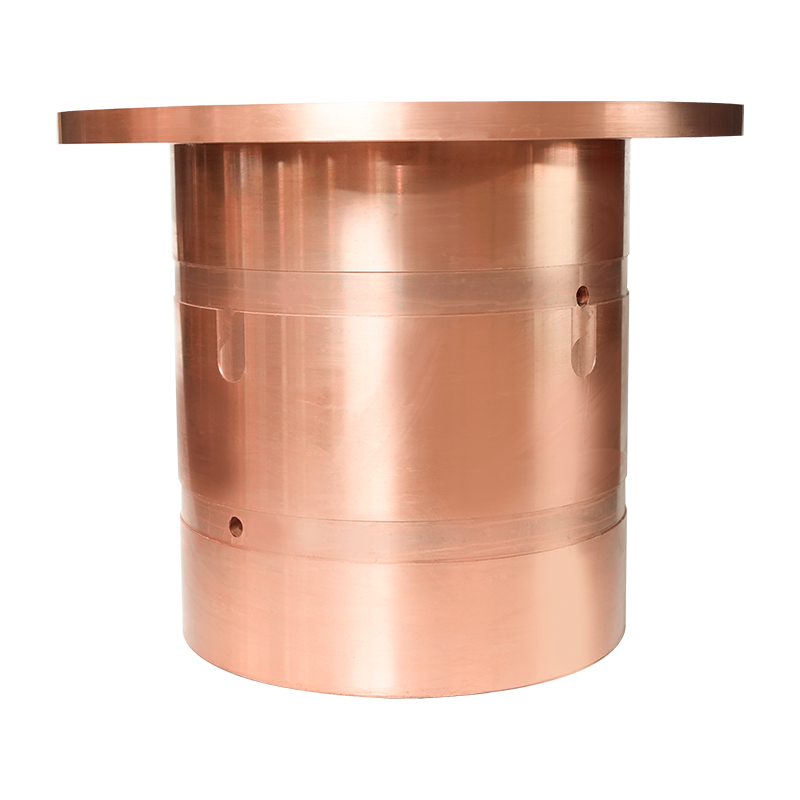
Tin Bronze Bushing For Mining Equipment uses high-purity copper as the base material, and ...
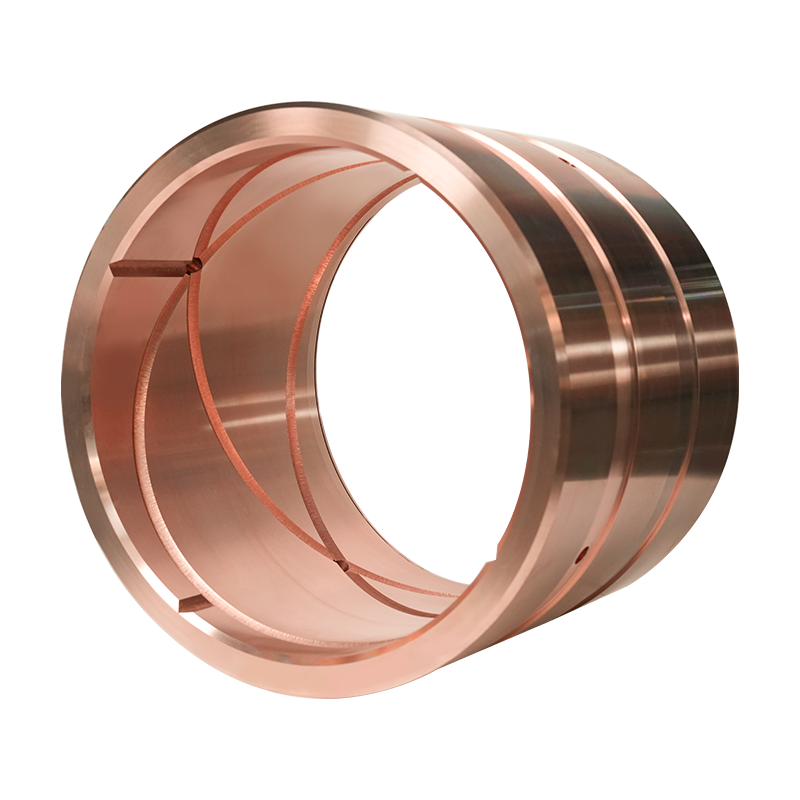
Tin Bronze Bushing For Engineering Machinery is made of high-quality high-purity copper su...
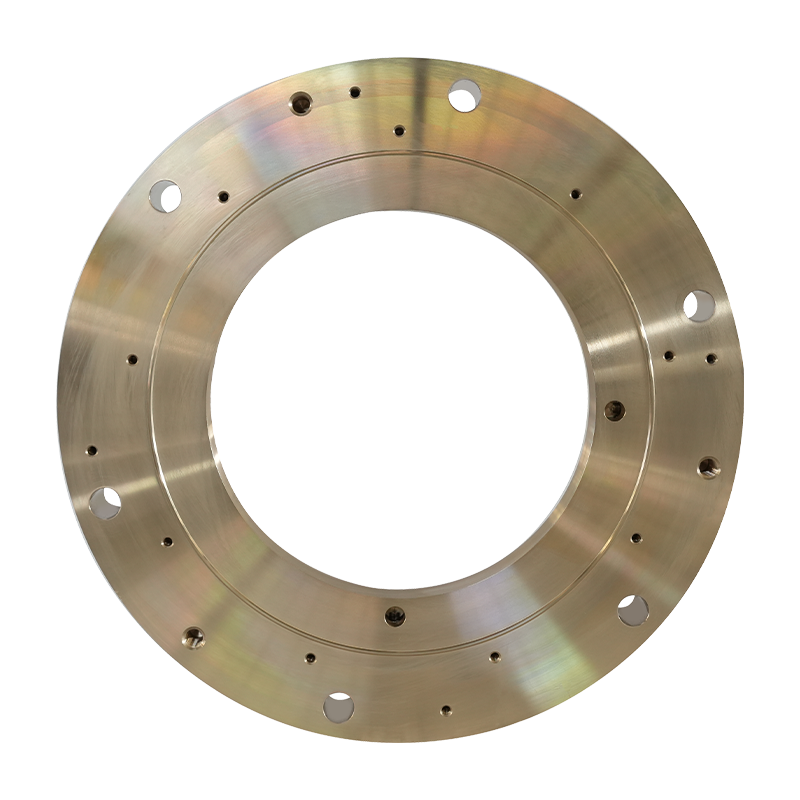
Marine Copper Alloy Sealing Ring Marine Sealing Ring is a key sealing component in the shi...
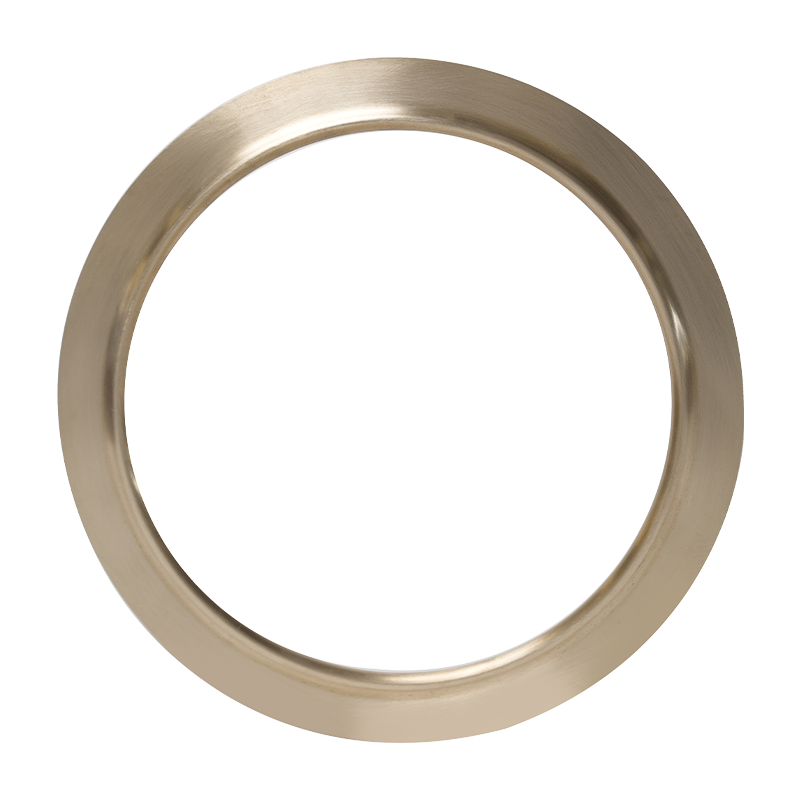
Propulsion Device Seal Marine Copper Alloy Sealing Ring is made of high-quality copper all...
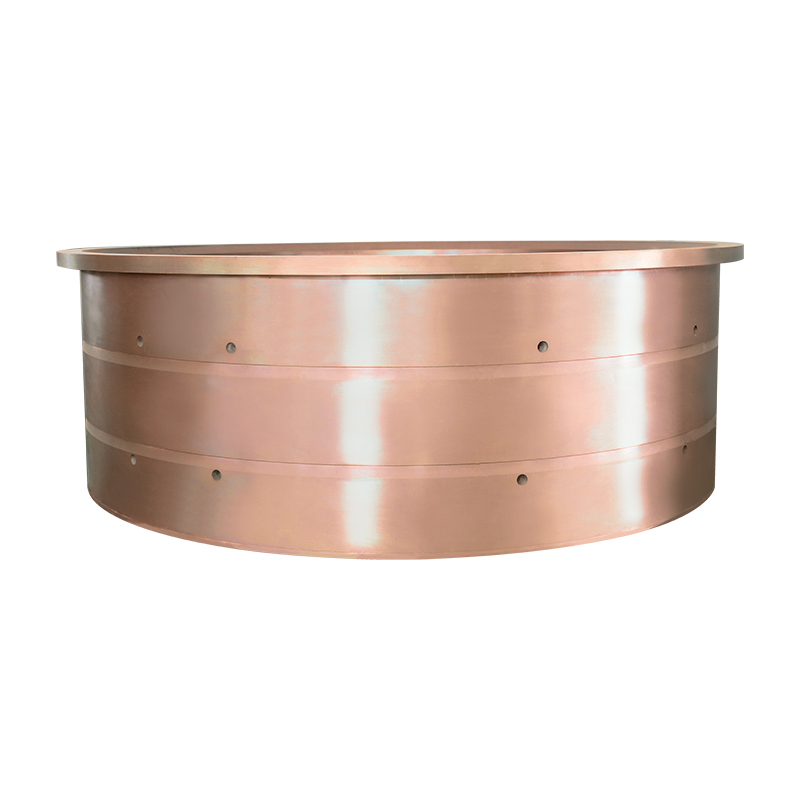
Anchor Winch Bearing And Tin Bronze Bushing is designed for heavy-load, high-speed, and hi...
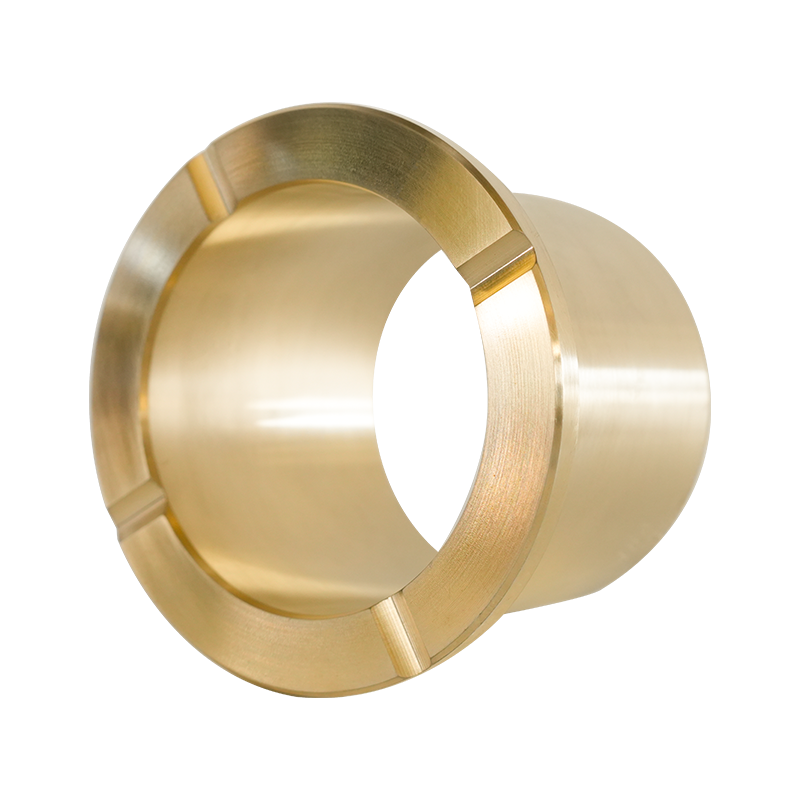
Mining Equipment Brass Bushing is specially designed for high-load and high-wear condition...
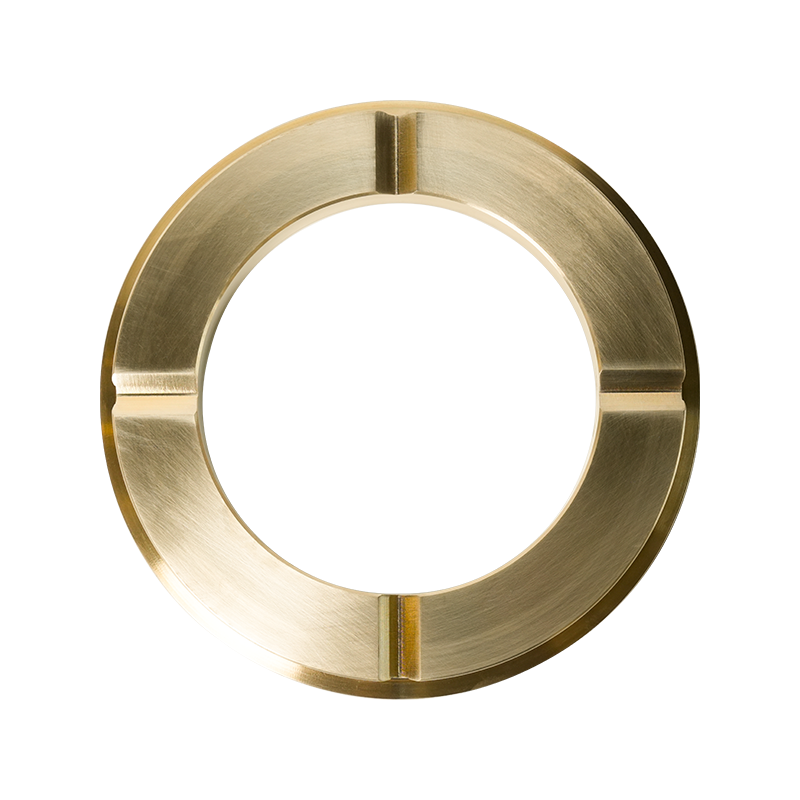
Engineering Machinery Brass Bushing is specially designed for high-load and high-wear work...
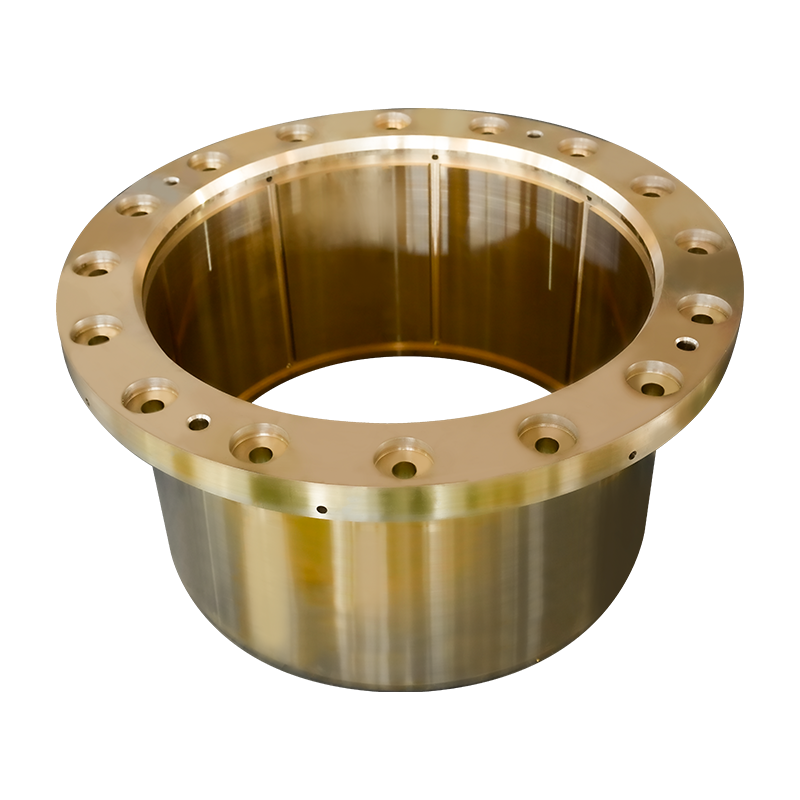
Metallurgical Equipment Brass Bushing is a high-performance brass bushing designed for wor...
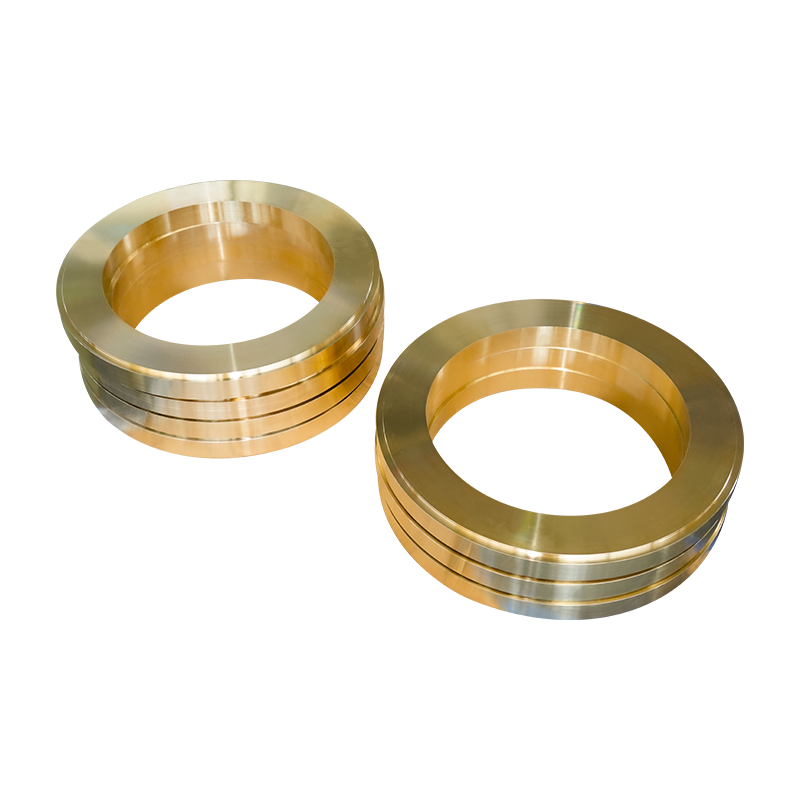
Stern Shaft Sealing Device Brass Bushing is a high-performance brass wear-resistant copper...
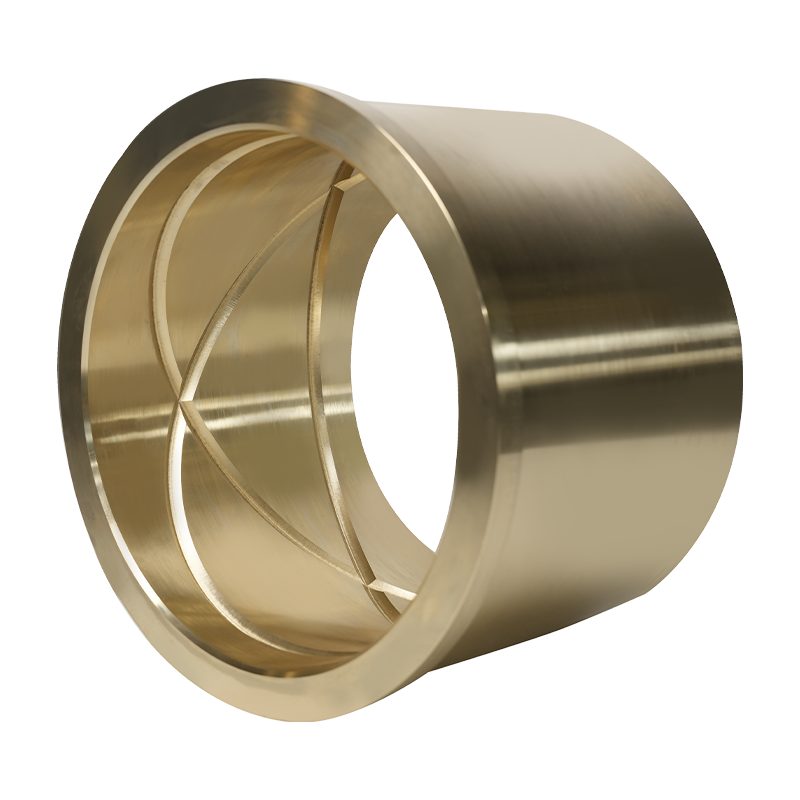
Aluminum Bronze Bushing For Rudder Transmission System is tailor-made for the Rudder trans...
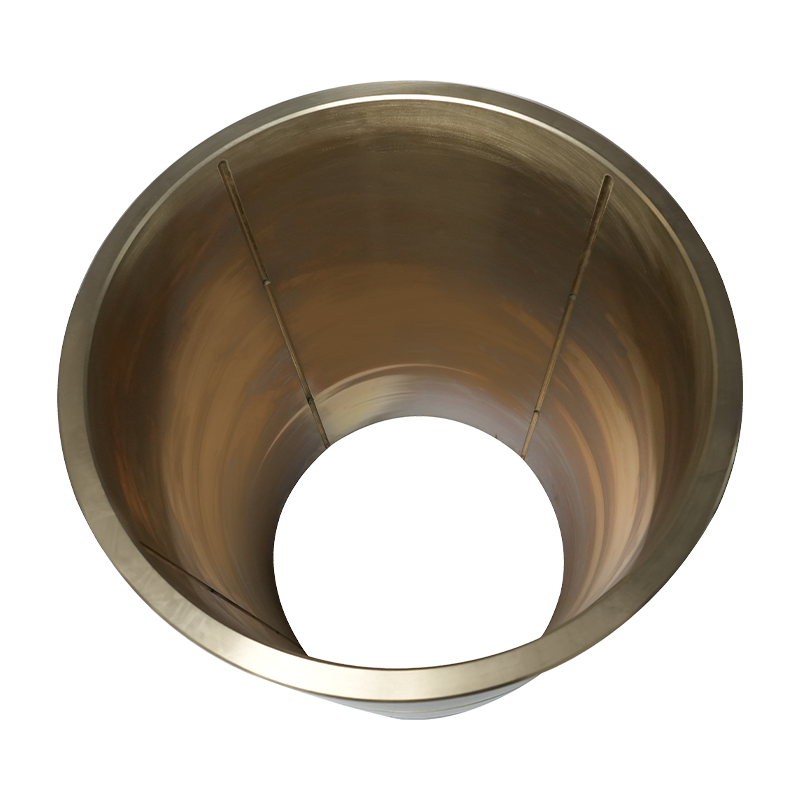
Aluminum Bronze Bushing For Ship Hydraulic Cylinders And Rudder Angle Feedback product is ...
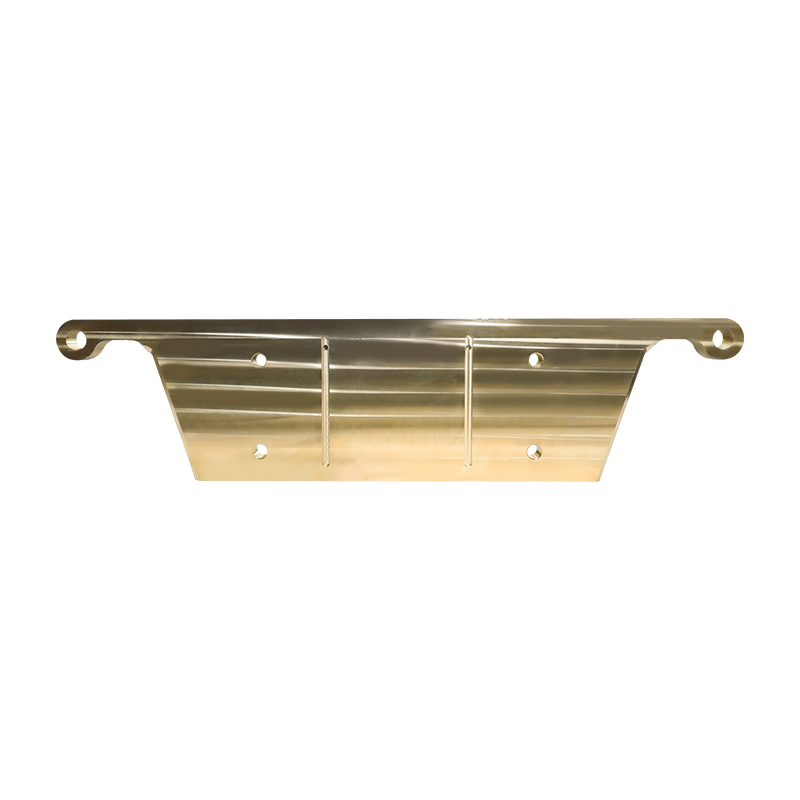
Mining Equipment Brass Plate is made of high-quality high-strength brass material, with we...
Copyright © YangZhou YiFeng Copper Products Co.,Ltd. All Rights Reserved
China copper casting manufacturers wholesale copper casting factory