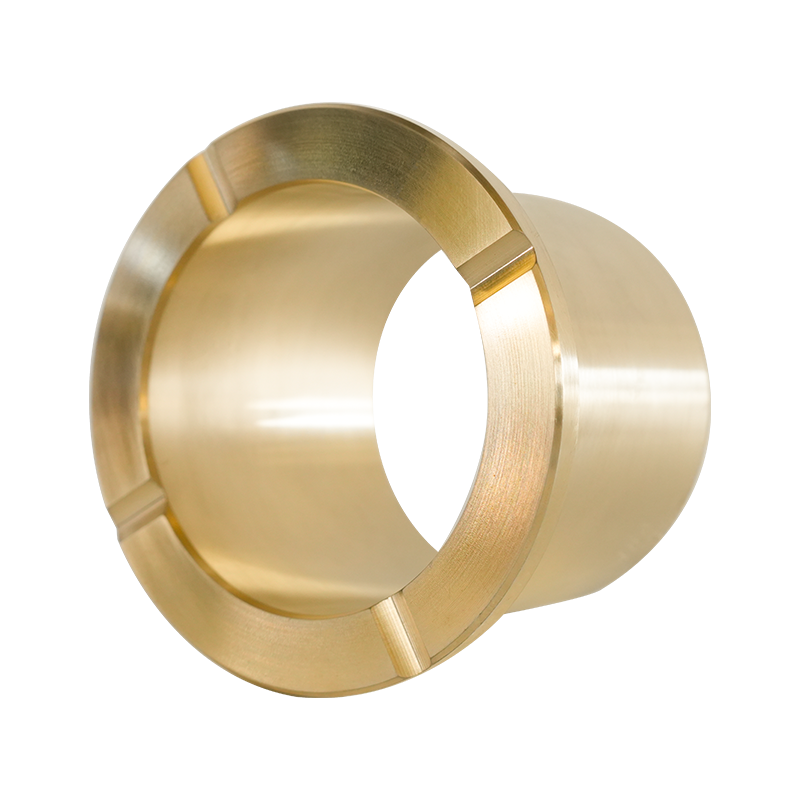
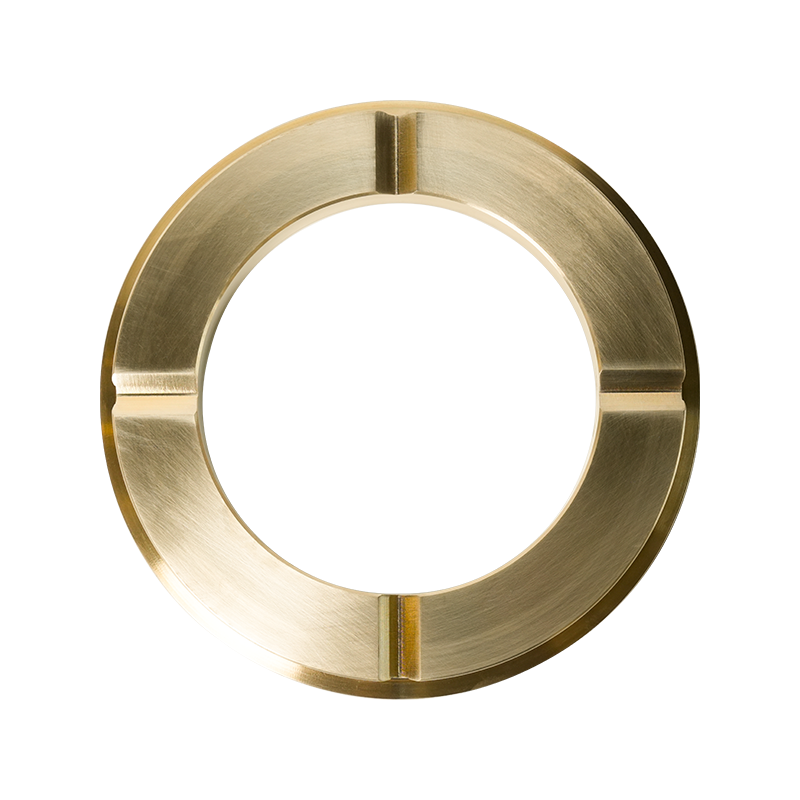
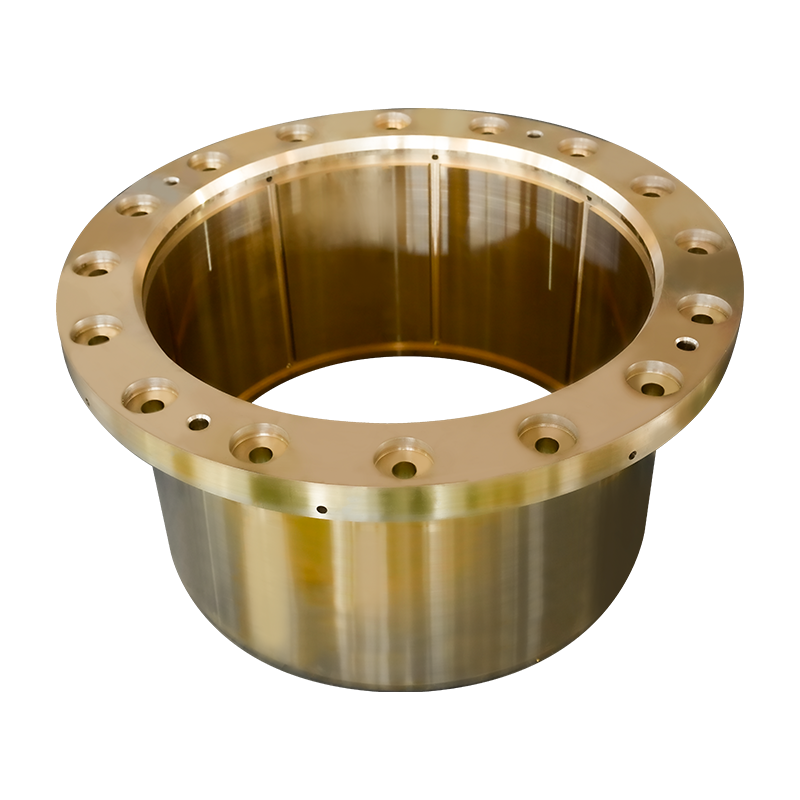
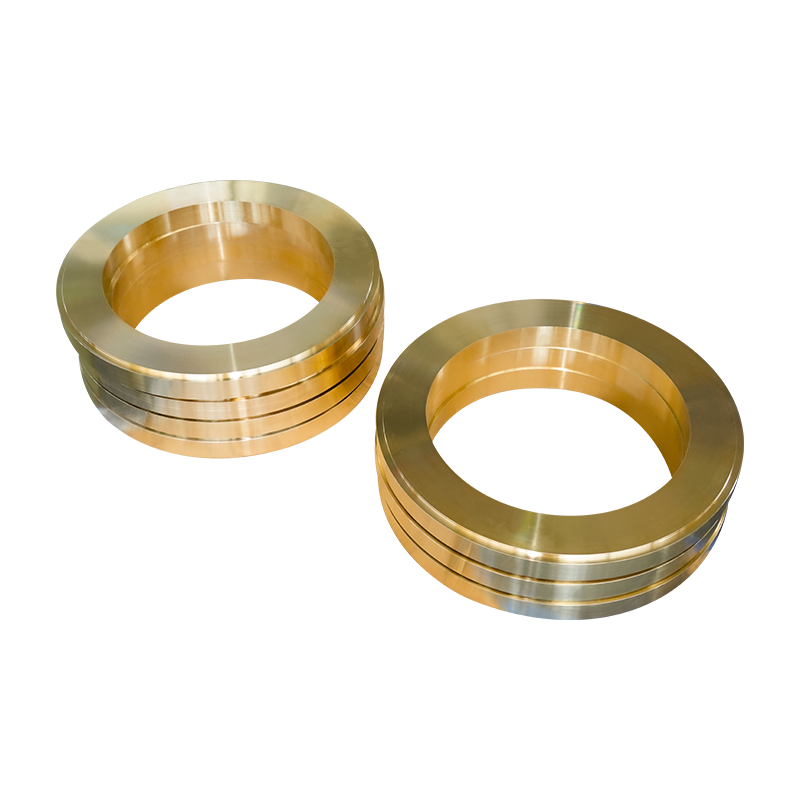
Is Copper Good for Bushings? The Direct Answer
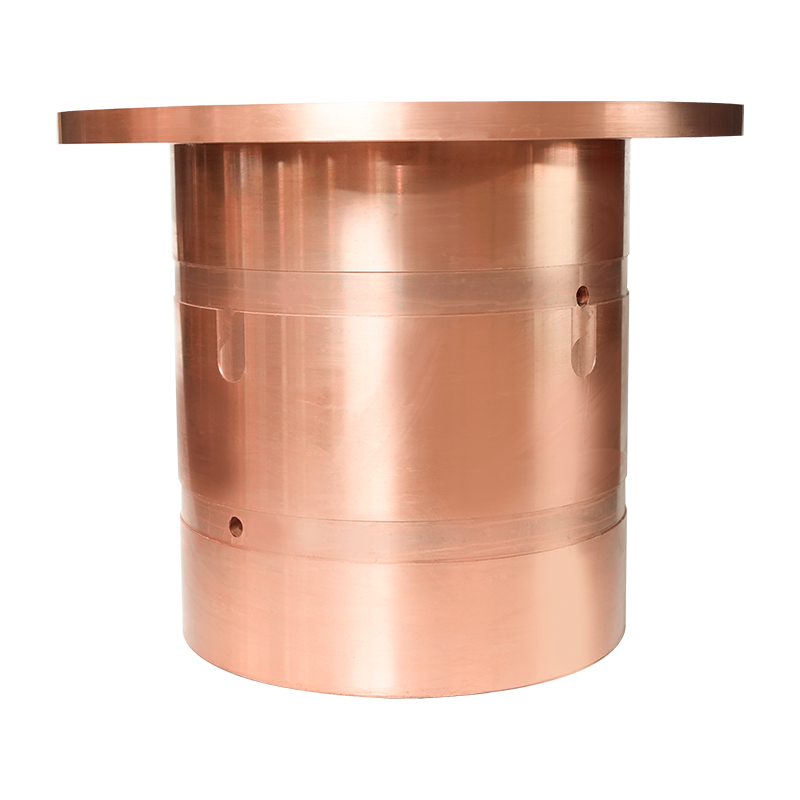
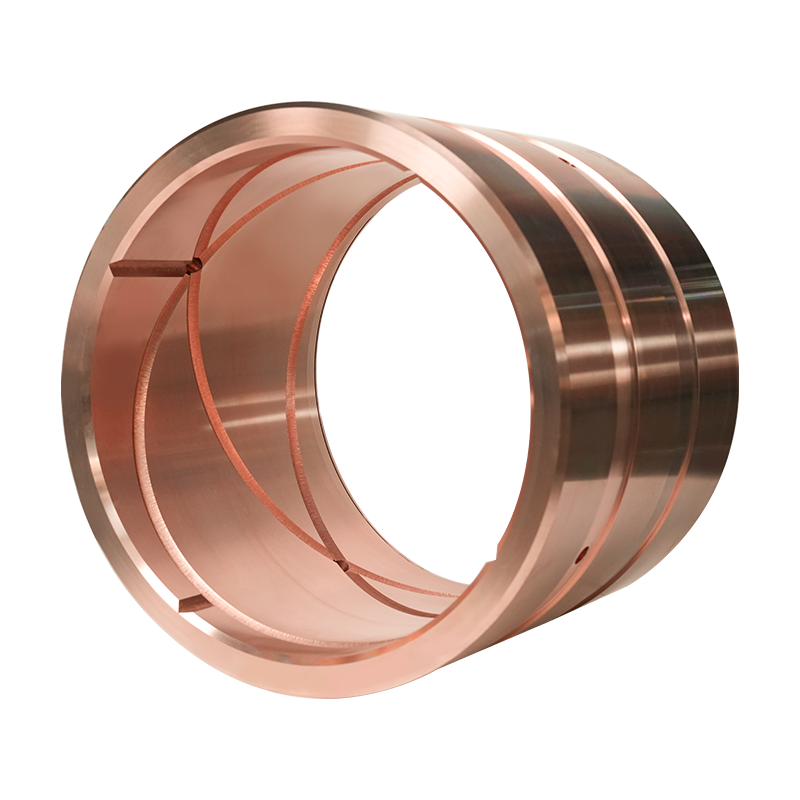
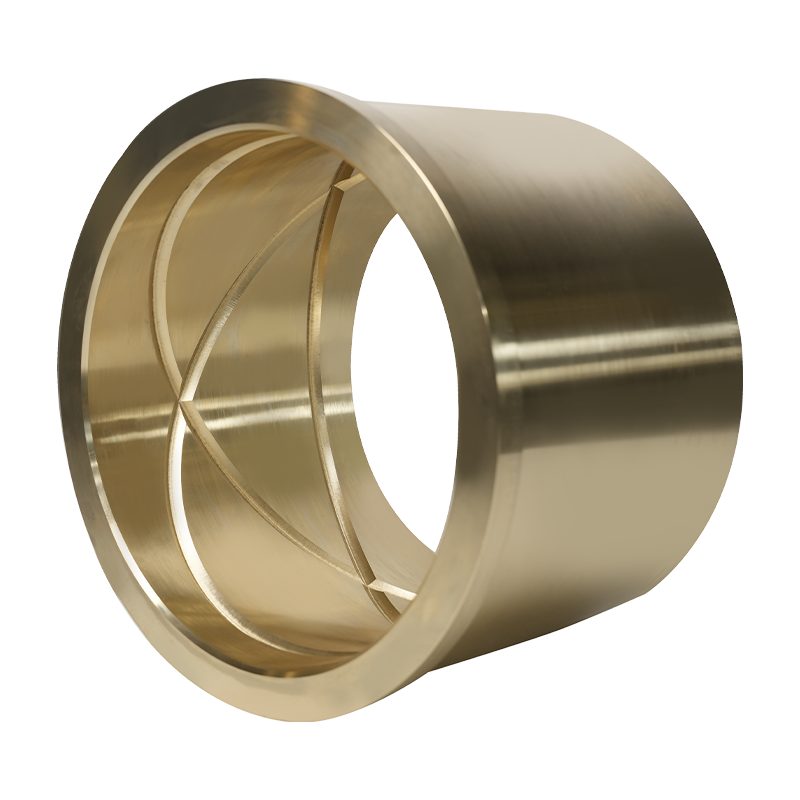
Yes, copper is an excellent material for bushings, and copper alloys such as bronze and brass (both copper-based) are among the most widely used materials for bushings and bearing components in industrial machinery. A copper bushing offers a rare combination of high thermal conductivity, strong load-bearing capacity, natural lubricity, and resistance to corrosion, which is why copper-based bushings remain a standard choice across heavy equipment, marine systems, automotive parts, and construction machinery. While pure copper is occasionally used for specific low-load or high-conductivity applications, most components sold commercially as "copper bushings" are actually copper alloys engineered to balance strength, wear resistance, and cost.
The short version: if your application involves rotating or sliding shafts, moderate to heavy loads, exposure to moisture, or a need for good heat dissipation, a copper bushing is very likely a good fit. The rest of this article explains exactly why, how copper bushings compare to alternative materials, and how to select the right one for your equipment.
Key Properties That Make Copper Bushings Effective
The performance of any copper bushing comes down to a handful of measurable material properties. Understanding these helps explain why copper alloys dominate the bushing and bearing market.
- High thermal conductivity: Copper conducts heat far more efficiently than steel or plastic, which means friction-generated heat is pulled away from the contact surface quickly, reducing the risk of seizing under continuous operation.
- Natural lubricity: Copper alloys have a low coefficient of friction against steel shafts, allowing a copper bushing to operate smoothly even under light or intermittent lubrication.
- Corrosion resistance: Copper forms a stable oxide layer that protects against moisture, marine environments, and many industrial chemicals, extending service life in outdoor or wet conditions.
- Load-bearing strength: Copper alloys such as bronze can be engineered with tensile strengths comparable to certain steels while retaining machinability, making a copper bushing suitable for heavy radial and axial loads.
- Dimensional stability: Copper bushings hold tight tolerances under temperature fluctuations, which is critical for precision-fit rotating assemblies.
Copper Bushing vs Other Bushing Materials
To judge whether a copper bushing suits a specific project, it helps to compare it directly against the other common bushing materials: steel, plastic (nylon or PTFE-based), and pure aluminum. The table below summarizes the practical trade-offs.
General comparison of bushing materials based on typical industrial performance characteristics
| Material |
Load Capacity |
Corrosion Resistance |
Heat Dissipation |
Typical Lifespan |
| Copper Bushing (Bronze/Brass) |
High |
High |
Excellent |
Long |
| Steel Bushing |
Very High |
Low (without coating) |
Moderate |
Moderate |
| Plastic (Nylon/PTFE) Bushing |
Low to Moderate |
High |
Poor |
Short to Moderate |
| Aluminum Bushing |
Moderate |
Moderate |
Good |
Moderate |
As the comparison shows, a copper bushing rarely finishes last in any category, which is exactly why it is chosen so often as the default option when engineers need a balanced, dependable solution rather than a material optimized for only one property.
Where Copper Bushings Are Used Most Often
Because of the properties described above, copper bushings and related copper bushing components show up across a wide range of industries. Below are the most common real-world applications.
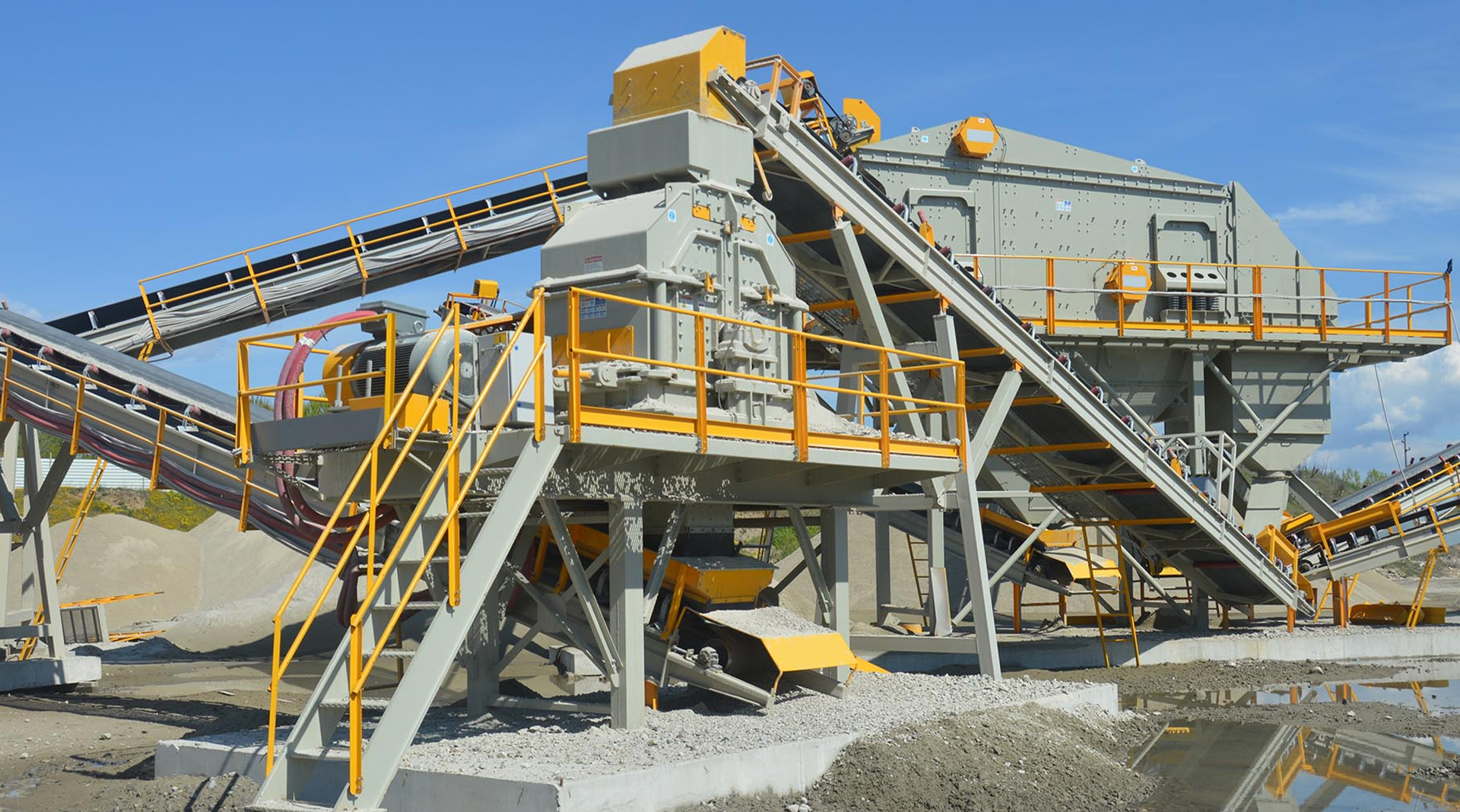
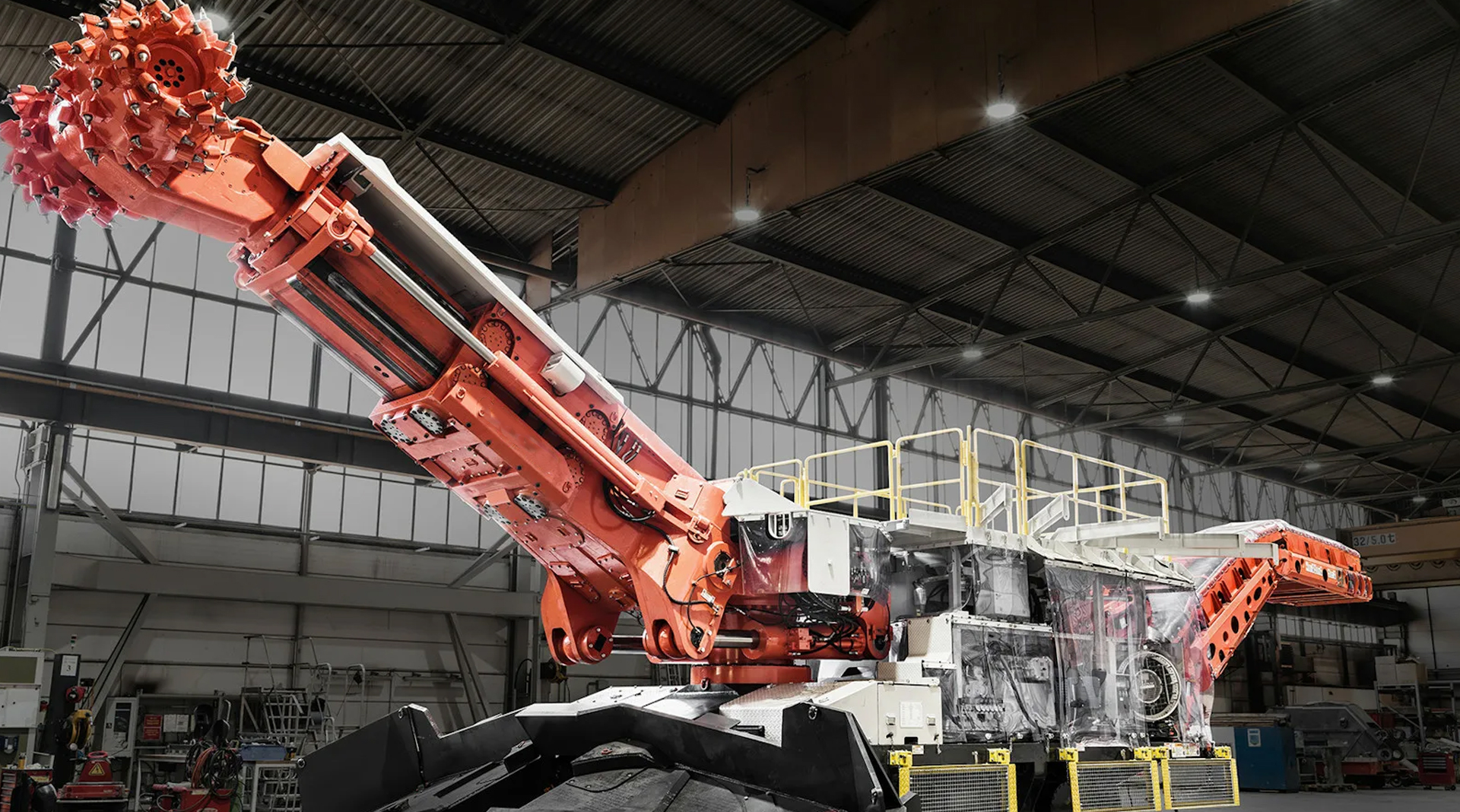
- Heavy construction equipment: Excavators, loaders, and cranes rely on copper alloy bushings at pivot points and hinge joints where high loads and constant movement occur.
- Marine and offshore machinery: Saltwater exposure makes corrosion resistance essential, and a copper bushing performs reliably in propeller shafts, rudder systems, and deck winches.
- Automotive and truck suspension systems: Copper bushings support control arms and steering components where vibration damping and wear resistance both matter.
- Industrial pumps and compressors: High-speed rotating shafts benefit from the low friction and heat dissipation of copper bushing sleeves.
- Agricultural machinery: Tillers, harvesters, and hydraulic cylinders use copper bushings for their durability under dirty, high-vibration working conditions.
How to Choose the Right Copper Bushing
Selecting the correct copper bushing for a project depends on more than simply picking "copper." The alloy composition, wall thickness, and manufacturing process all affect performance. Consider the following factors before ordering.
- Alloy grade: Bronze bushings (often copper-tin or copper-aluminum alloys) generally handle higher loads, while brass bushings (copper-zinc) suit lighter, lower-friction applications.
- Shaft speed and load type: Continuous high-speed rotation calls for a different alloy hardness than intermittent, heavy shock loading.
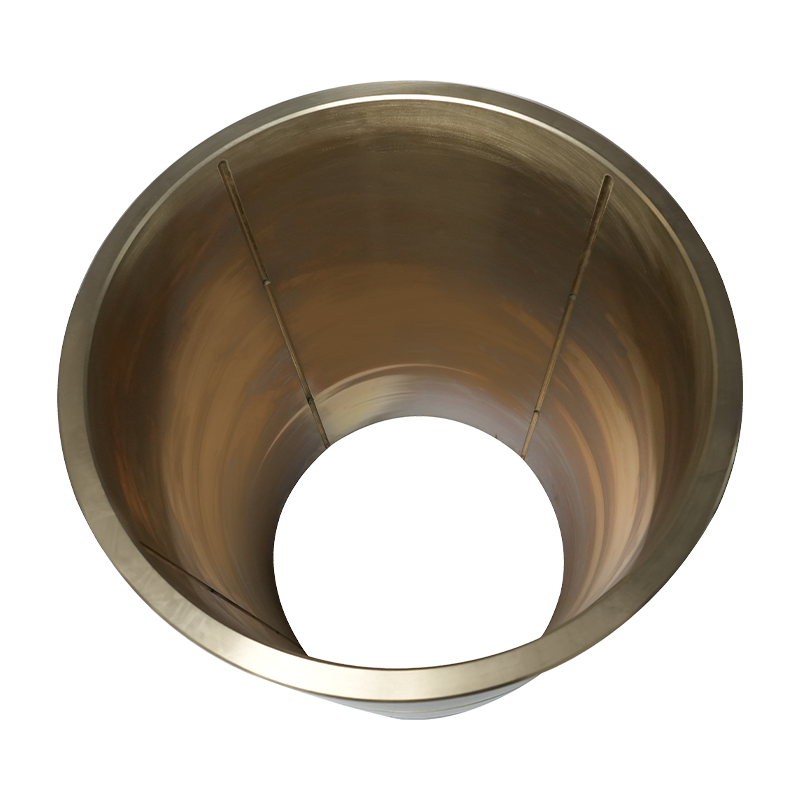
- Lubrication method: Some copper bushing designs include internal oil grooves or graphite plugs for self-lubrication in hard-to-reach locations.
- Operating environment: Marine, chemical, or high-humidity environments favor higher corrosion-resistant copper alloys.
- Manufacturing method: Cast copper bushings typically offer better dimensional consistency and structural integrity for demanding industrial use than lower-cost stamped alternatives.
Buyers sourcing components in bulk should also request material certification and dimensional tolerance data from the supplier to confirm the copper bushing meets the specific mechanical requirements of the equipment it will support.
Manufacturing Quality Matters as Much as the Material
Even the best copper alloy will underperform if the casting or machining process introduces porosity, inconsistent grain structure, or poor tolerance control. This is why many procurement teams evaluate not just the alloy specification of a copper bushing but also the foundry's casting method, quality inspection process, and finishing standards.
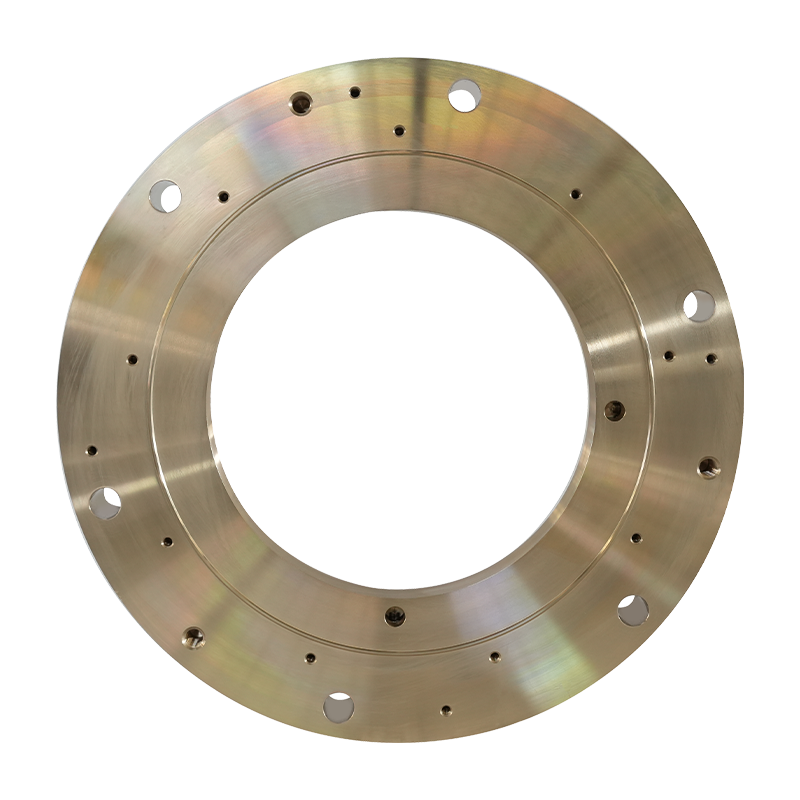
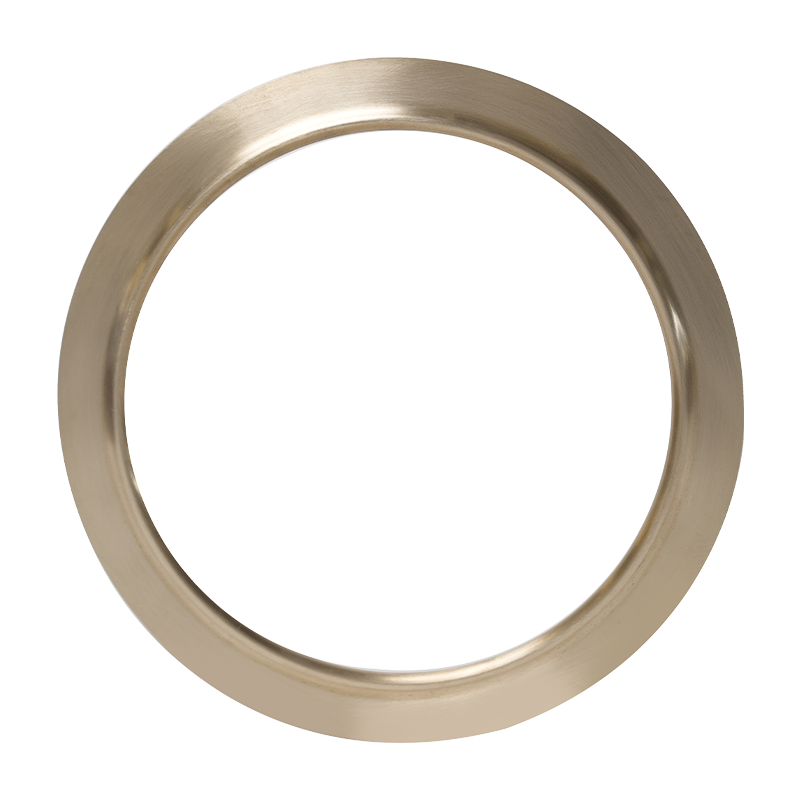
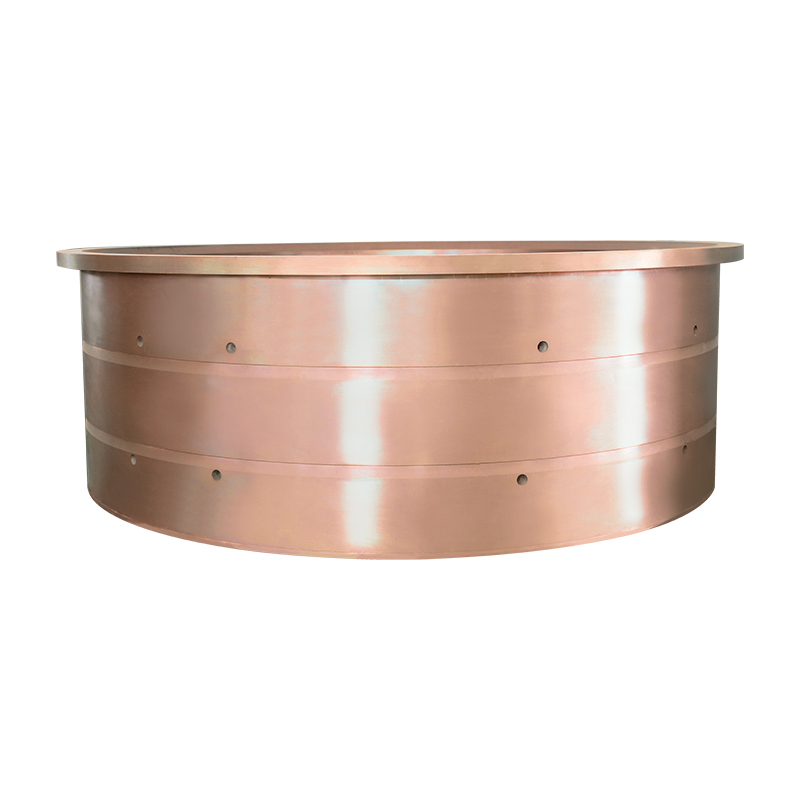
Companies specializing in copper alloy casting, such as those offering centrifugal and sand-cast copper bushing production, are able to control grain density and reduce internal defects more effectively than generic metal suppliers. For buyers researching supplier options, reviewing a dedicated copper bushing product line can offer useful reference points on available sizes, alloy grades, and finishing tolerances before placing an order.
Maintenance Tips to Extend Copper Bushing Lifespan
Proper installation and maintenance significantly extend the working life of a copper bushing. Even a high-quality bushing can wear prematurely if these basic practices are ignored.
- Maintain correct clearance: A copper bushing that is press-fit too tightly can crack under thermal expansion; too loose, and it will wear rapidly from excess play.
- Lubricate on schedule: Even self-lubricating copper alloys benefit from periodic grease or oil application in high-load industrial settings.
- Inspect for shaft misalignment: Uneven wear patterns on a copper bushing often indicate a misaligned shaft rather than a material defect.
- Watch for contamination: Dirt or abrasive particles trapped between the shaft and bushing accelerate wear regardless of alloy quality.
Routine visual inspection every few maintenance cycles is usually enough to catch early wear signs before a copper bushing failure leads to costly downtime.
Frequently Asked Questions About Copper Bushings
Does a copper bushing need constant lubrication?
Not always. Many copper alloy bushings have naturally low friction and can run with minimal lubrication, though continuous high-load applications still benefit from scheduled greasing to maximize service life.
Is a copper bushing better than a bronze bushing?
Bronze is itself a copper alloy, so in practice most "copper bushings" sold commercially are bronze or brass rather than pure copper. Bronze bushings are generally preferred for higher-load applications due to their added strength.
How long does a copper bushing typically last?
Service life varies by load, speed, and environment, but properly installed copper bushings in industrial equipment commonly last several years under regular maintenance, often outperforming plastic alternatives in heavy-duty settings.



 English
 日本語
日本語 русский
 Deutsch