


 English
 日本語
日本語 русский
 Deutsch
Tin Bronze Bushing For Mining Equipment uses high-purity copper as the base material, and ...
Home / News / Industry News / Bushing Material Guide: Tin Bronze, Aluminum Bronze, Brass & Selection Tips

Ship Propulsion And Sealing Device
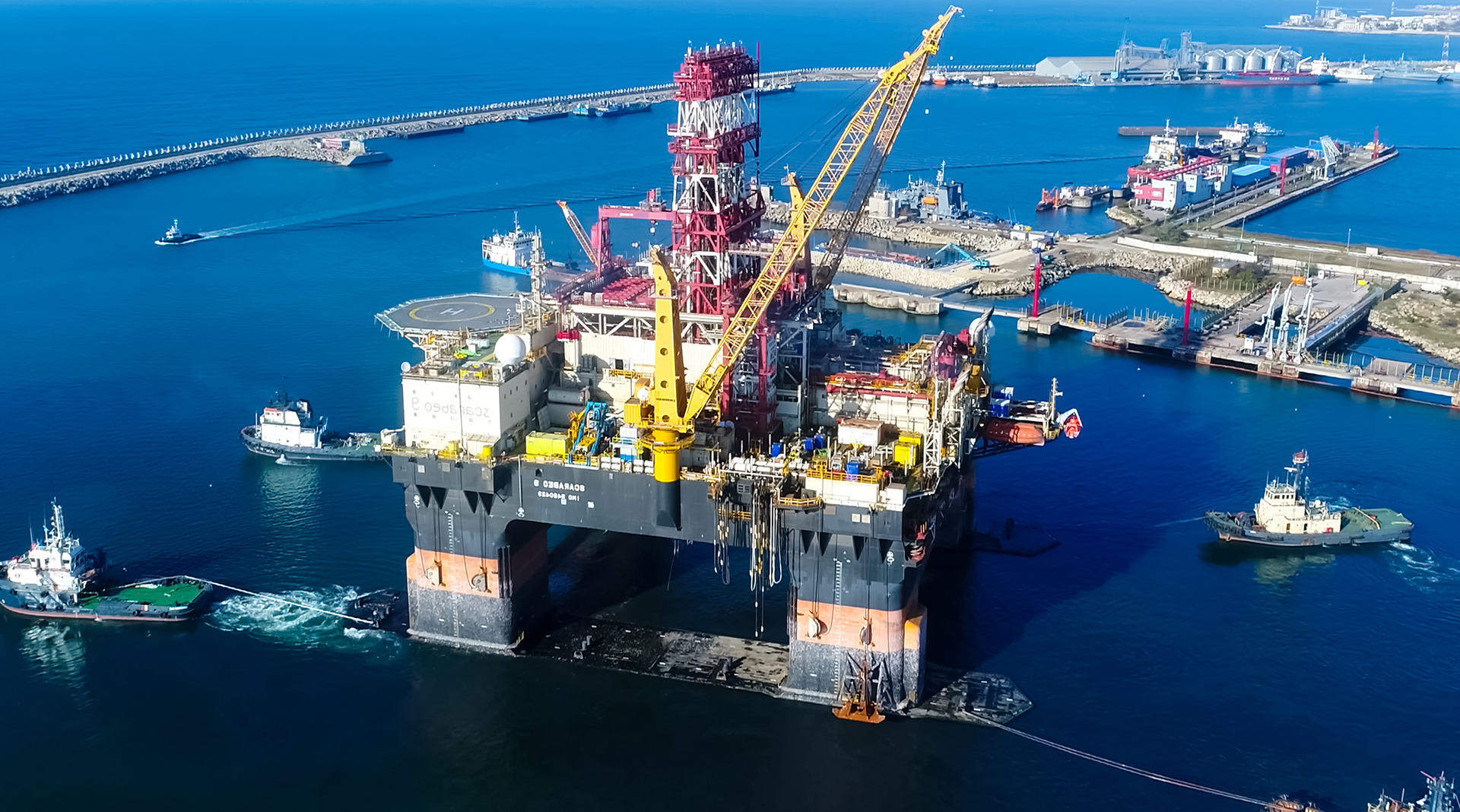
Ocean drilling and ship lock lifting equipment
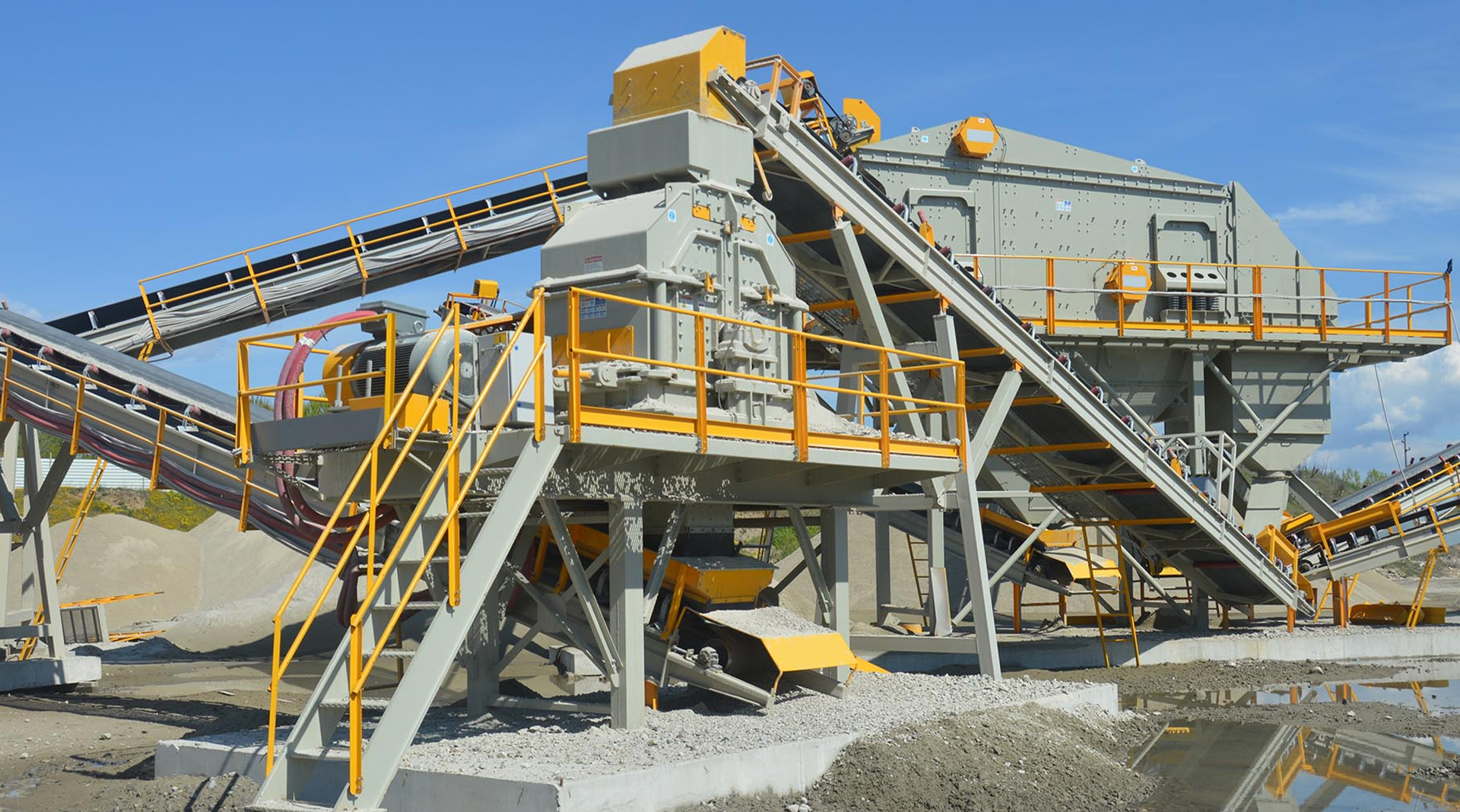
Mining equipment
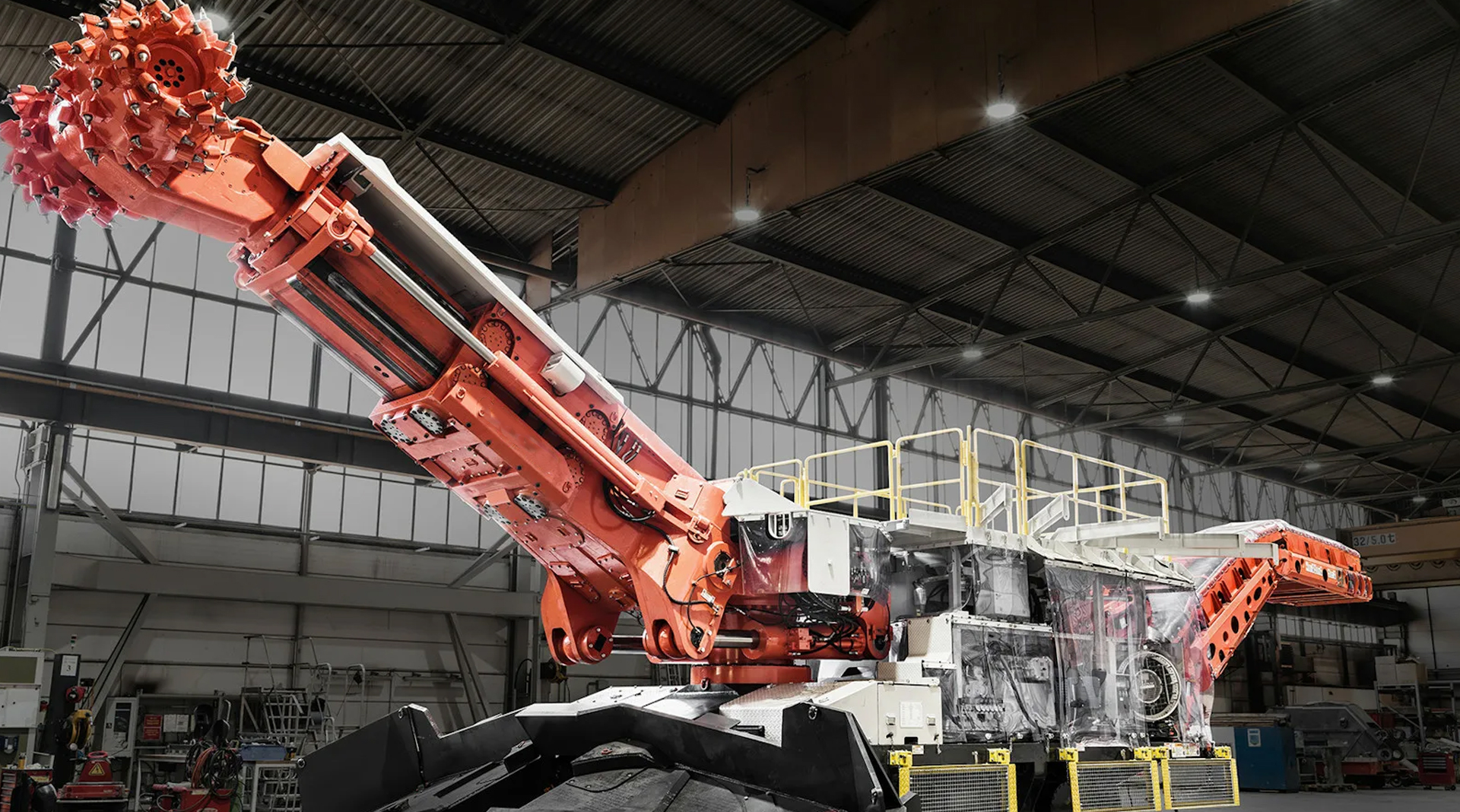
Construction machinery
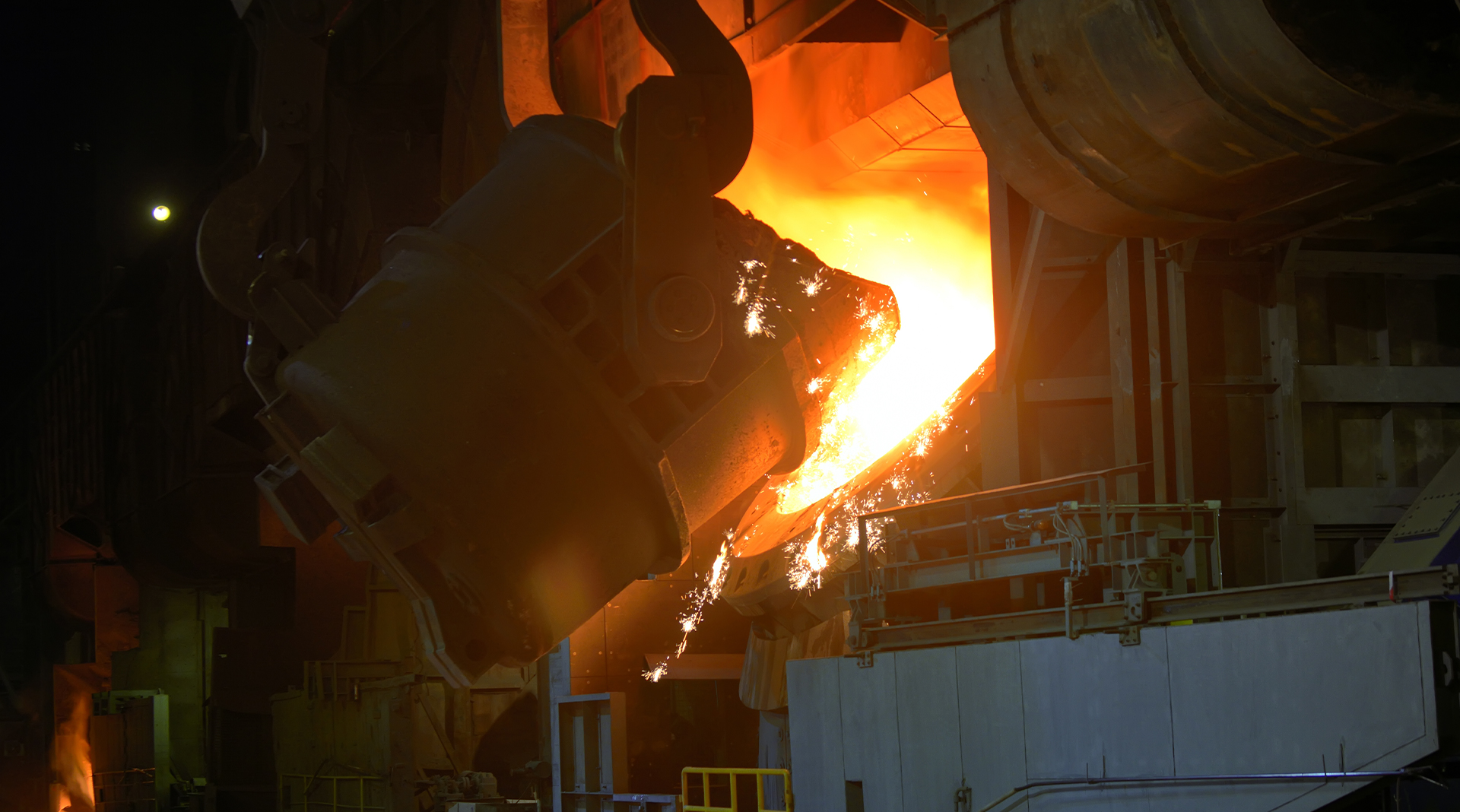
Oil and gas, metallurgical equipment
Content
A pivot bushing on a wheel loader that survives 8,000 hours in one quarry but fails in 900 in another almost never has a mystery fault. The difference, more often than not, is the material. Bushing material decides how much load a sleeve carries before it scuffs, what happens when grease runs short, and whether salt water or rock dust quietly ruins the running surface. So here is the conclusion first: tin bronze is the balanced default for general sliding duty, aluminum bronze takes over when loads and corrosion climb, brass covers lighter, budget-driven work, steel handles extreme point loads with reliable lubrication, and self-lubricating designs solve maintenance-access problems. The sections below explain the reasoning, the numbers behind it, and the checks worth making before you sign a purchase order.
Before comparing grades, it helps to be precise about the job. A bushing is a plain bearing: a sleeve that lets a shaft rotate or oscillate inside a housing while carrying the load between the two. Four properties decide whether a material survives that assignment:
When a supplier calls a material "good for bushings," the claim really describes a favorable blend of these four properties rather than one standout number.
Most industrial bushings come from three broad families: copper alloys, steels, and polymers. Each buys a different trade-off between strength, cost, and maintenance demand, summarized below.
| Family | Typical grades | Main strengths | Main limitations | Typical applications |
|---|---|---|---|---|
| Tin bronze | C90700, C93200 (SAE 660) | Balanced wear resistance, strong embeddability, good corrosion behavior | Lower strength than aluminum bronze | General machinery, marine deck equipment, pumps |
| Aluminum bronze | C95400, C95500 | High strength, excellent seawater resistance, absorbs shock loads | Harder on mating shafts, higher cost | Rudder systems, hydraulic cylinders, mining and metallurgical equipment |
| Brass | C36000, C86300 | Economical, machines cleanly, C86300 exceptionally strong | Weaker embeddability, some grades sensitive to aggressive media | Light pivots, linkages, low-speed guides |
| Steel | 1045, 4140, 416 stainless | Highest static strength, low material cost | Needs reliable lubrication, galling risk without it | Greased pivot pins, high-load structures |
| Polymers | PA, POM, PTFE, PEEK | Run dry, corrosion proof, quiet operation | Limited load capacity, creep under load, temperature ceilings | Food machinery, chemical plants, small mechanisms |
Copper alloys occupy the useful middle ground in that table: strong enough for heavy equipment, forgiving enough to protect shafts, and naturally corrosion resistant. They are also the specialty of a dedicated copper alloy manufacturer, so the next three sections look at tin bronze, aluminum bronze, and brass from a buyer's perspective.
Tin bronze is the default answer when a bushing must do a little of everything. Alloying roughly 8 to 14 percent tin into copper creates a hard, wear-resistant matrix, and in leaded grades such as C93200 (SAE 660) a dispersed lead phase delivers excellent embeddability, so dust and debris sink into the bushing surface instead of gouging the shaft. As-cast tensile strength for common casting grades typically falls between 240 and 310 MPa: ample for most sliding duty, without the brittleness that comes with the hardest alloys.
That balance explains why tin bronze keeps appearing on ships and dockside equipment, in anchor windlass bearings, propulsion system supports, and steering gear, where loads are moderate, water is present, and unplanned downtime is costly. If your duty is ordinary rotational or oscillating motion with grease or oil available, start here before paying for something more specialized.
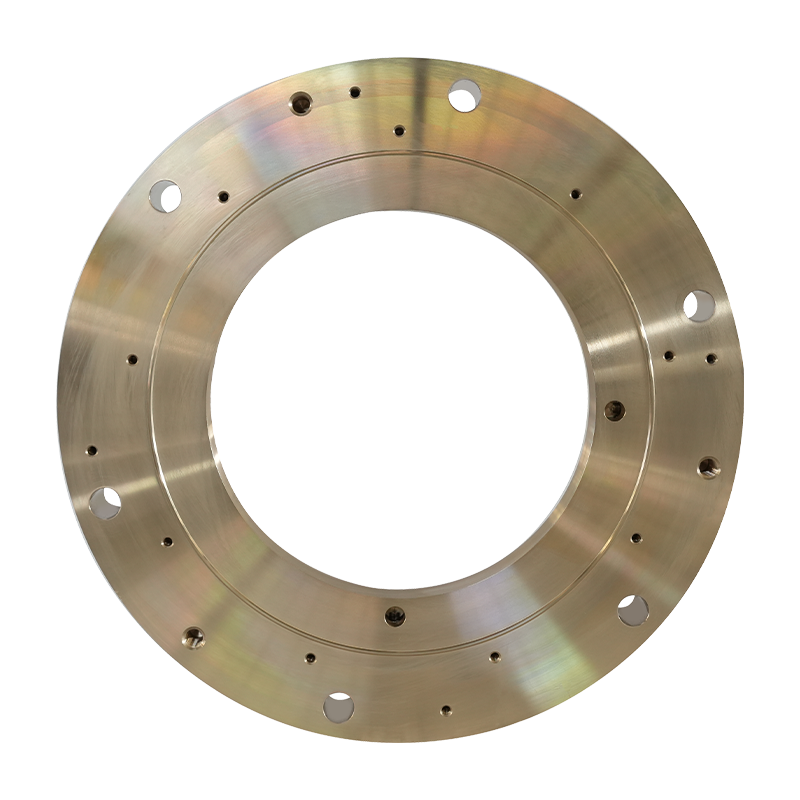 Tin Bronze Bushings for Marine and Heavy EquipmentTin bronze bushings offer reliable performance for moderate loads in wet environments, fitting anchor windlass bearings, propulsion supports, and steering gear where downtime is costly and grease or oil lubrication is available.View Product →
When pressure and corrosion rise together, aluminum bronze earns its premium. C95400 delivers roughly 585 MPa of tensile strength in the as-cast condition, heat-treatable C95500 goes higher still, and the aluminum content forms a tenacious oxide film that shields the surface in seawater. These alloys also absorb shock and impact loads that would crack more brittle materials.
That combination is precisely where marine engineers specify aluminum bronze bushings: rudder transmission systems, ship hydraulic cylinders and rudder-angle feedback linkages, and lifting devices, anywhere a seized sleeve becomes a safety event rather than a repair item. The trade-offs deserve respect. The alloy runs harder, so the mating shaft needs adequate hardness and a fine surface finish, and machining costs sit above brass.
Aluminum Bronze Bushings for Demanding Marine ApplicationsAluminum bronze bushings deliver high strength and corrosion resistance in seawater, making them suited to rudder transmissions, hydraulic cylinders, and lifting devices where a seized sleeve would become a safety issue.View Product →Brass, copper alloyed mainly with zinc, remains the practical choice where loads are moderate and budgets matter. Free-cutting grades machine quickly and hold tight tolerances, keeping unit costs down for volume parts such as light pivots, linkage eyes, and low-speed guides. High-strength manganese brass such as C86300, often marketed as manganese bronze, pushes tensile strength above 700 MPa, but it gives up embeddability and prefers hard, well-finished shafts in contaminated environments.
Marine practice shows how grade should follow duty: in stern shaft sealing devices, where loads are moderate but sealing integrity and machinability matter most, brass remains a common and sensible selection.
Brass Bushings for Cost-Effective Marine and Industrial UseBrass bushings suit moderate loads where machinability and budget matter, such as stern shaft sealing devices, light pivots, and low-speed guides, with free-cutting grades holding tight tolerances economically.View Product →Where a grease gun cannot reach, or grease itself is the problem, self-lubricating bushings change the maintenance equation. Two designs dominate heavy industry:
The capacity trade-off is real, because lubricant plugs reduce the effective contact area, so treat published PV figures as a starting point and validate them against your true duty cycle, especially under impact loads.
Material selection becomes far less abstract when you walk it as a checklist:
Most bushing disappointments are created at the ordering stage, not the design stage. Three checks prevent the common ones:
There is also a simpler filter: work with a supplier whose entire range is copper alloy bushings, plates, and related parts. Yangzhou Yifeng Copper Products has manufactured copper bushings, copper plate, self-lubricating bearings, marine sealing rings, and copper alloy worm gears since 2005, producing around 5,000 tonnes per year in a 30,000-square-meter factory for mining, marine, metallurgical, and construction machinery builders, including global equipment groups. A joint research base with Southwest Jiaotong University supports custom alloy development when a standard grade does not fit the duty. If you can share a drawing and your working conditions, the team will recommend a grade, propose a casting route, and quote finished machined parts. You can read more on the company profile or send your specification directly through the contact page.
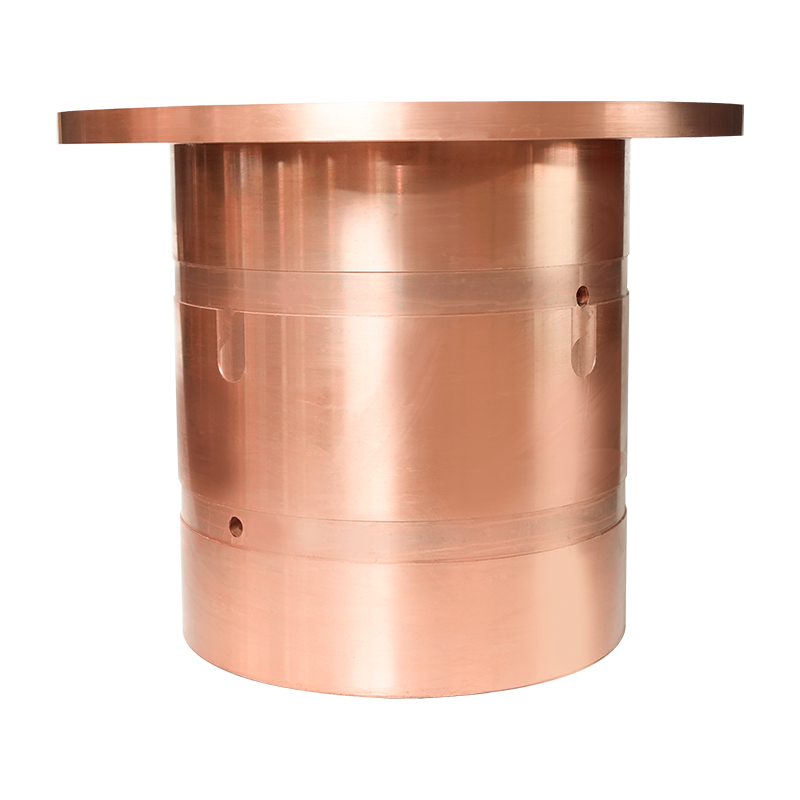
Tin Bronze Bushing For Mining Equipment uses high-purity copper as the base material, and ...
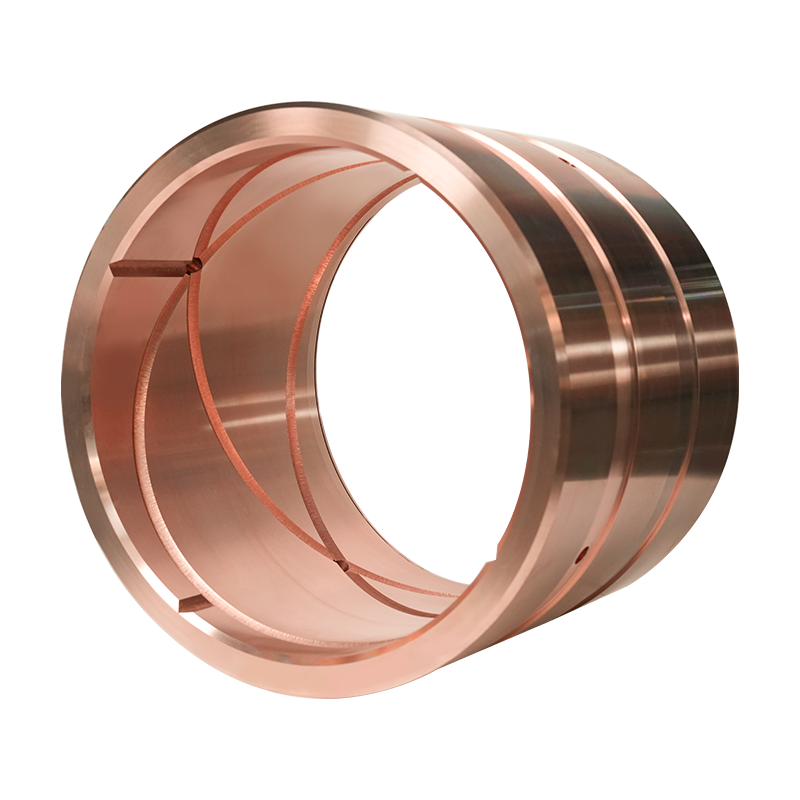
Tin Bronze Bushing For Engineering Machinery is made of high-quality high-purity copper su...

Marine Copper Alloy Sealing Ring Marine Sealing Ring is a key sealing component in the shi...
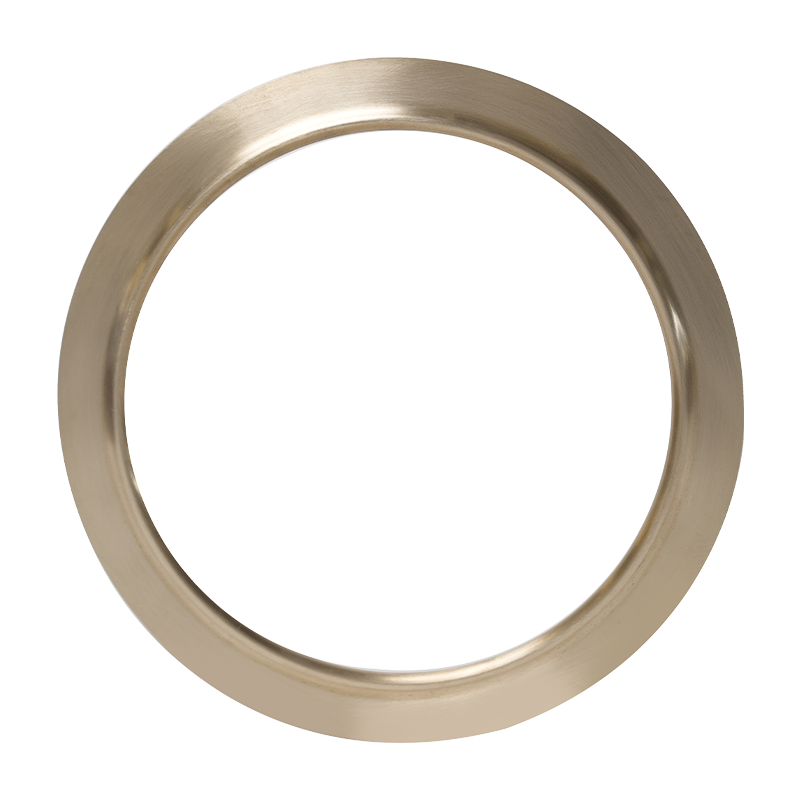
Propulsion Device Seal Marine Copper Alloy Sealing Ring is made of high-quality copper all...
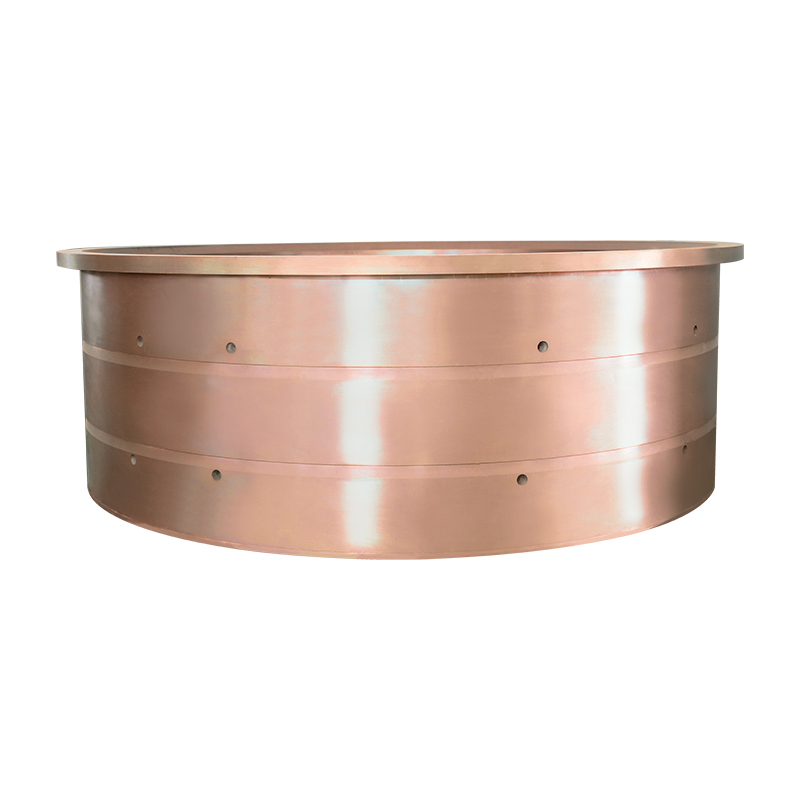
Anchor Winch Bearing And Tin Bronze Bushing is designed for heavy-load, high-speed, and hi...
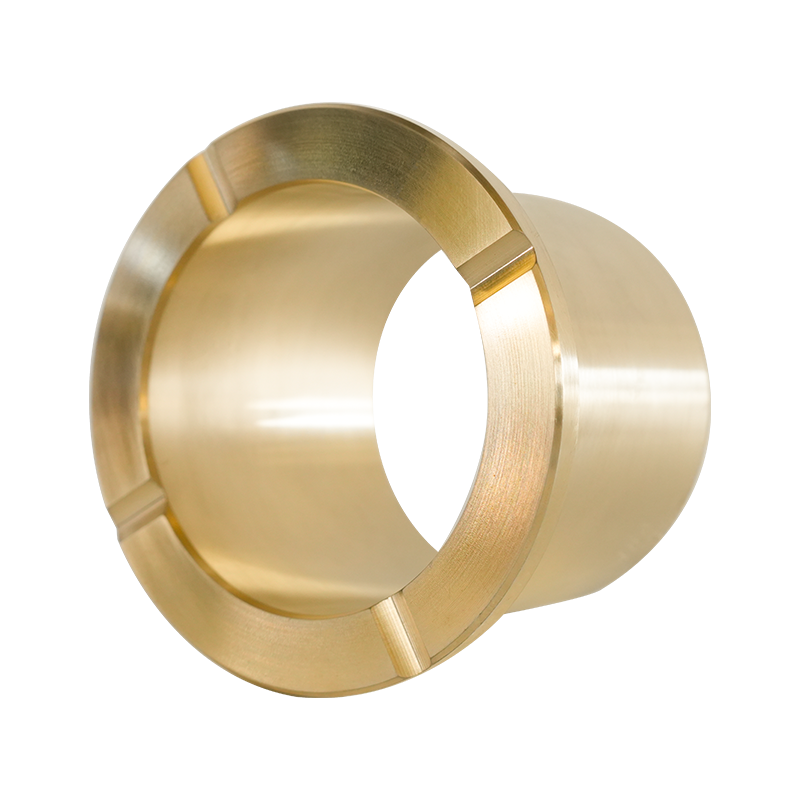
Mining Equipment Brass Bushing is specially designed for high-load and high-wear condition...
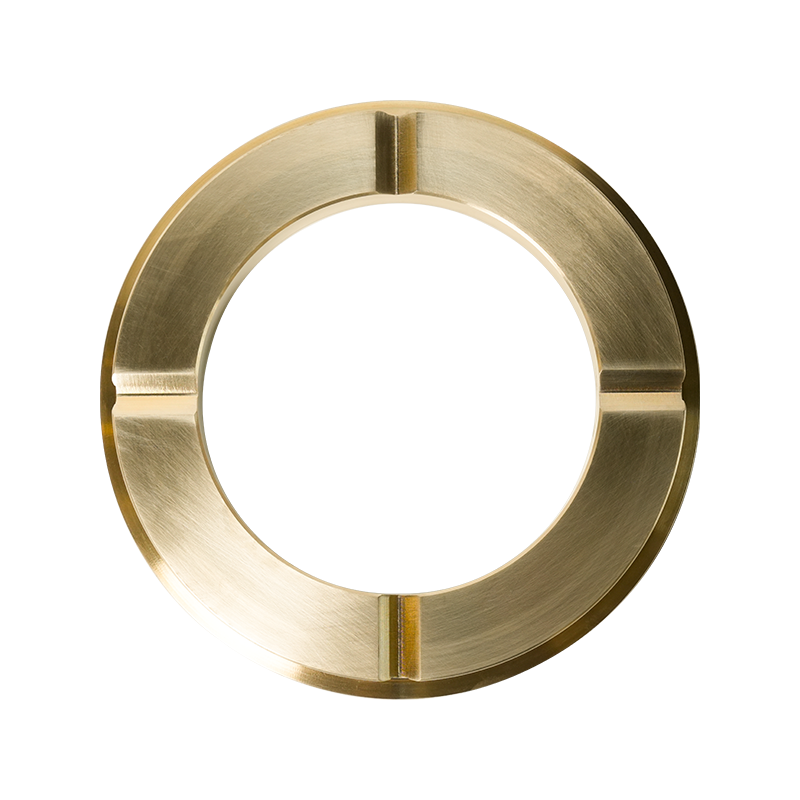
Engineering Machinery Brass Bushing is specially designed for high-load and high-wear work...
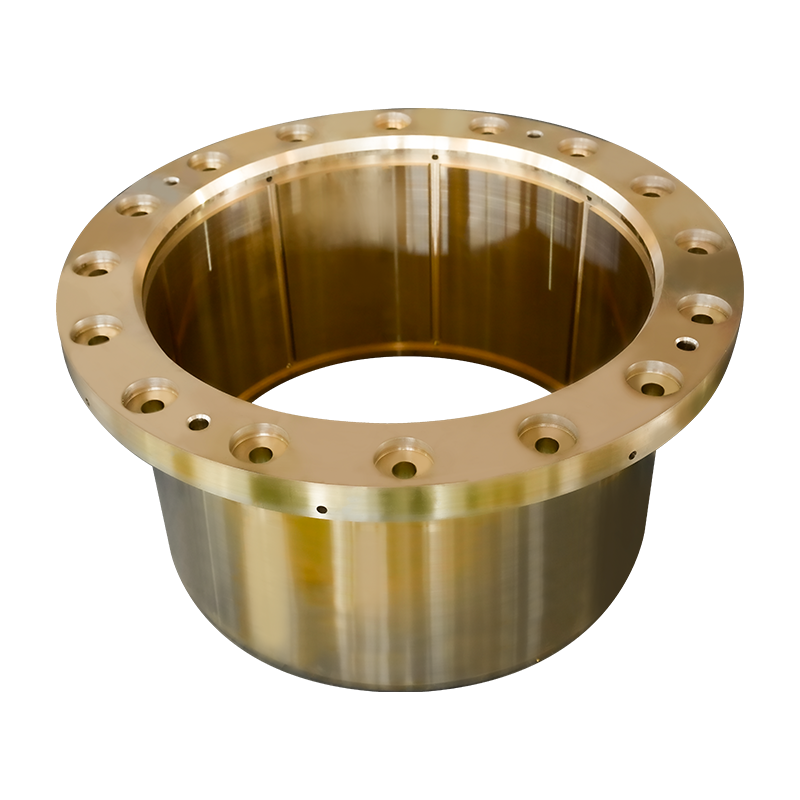
Metallurgical Equipment Brass Bushing is a high-performance brass bushing designed for wor...
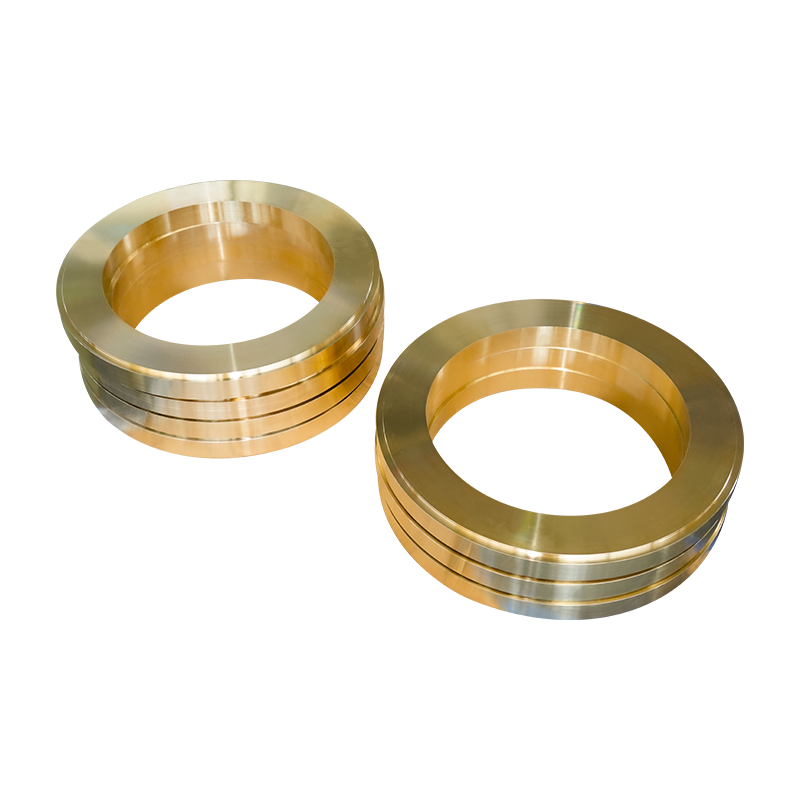
Stern Shaft Sealing Device Brass Bushing is a high-performance brass wear-resistant copper...
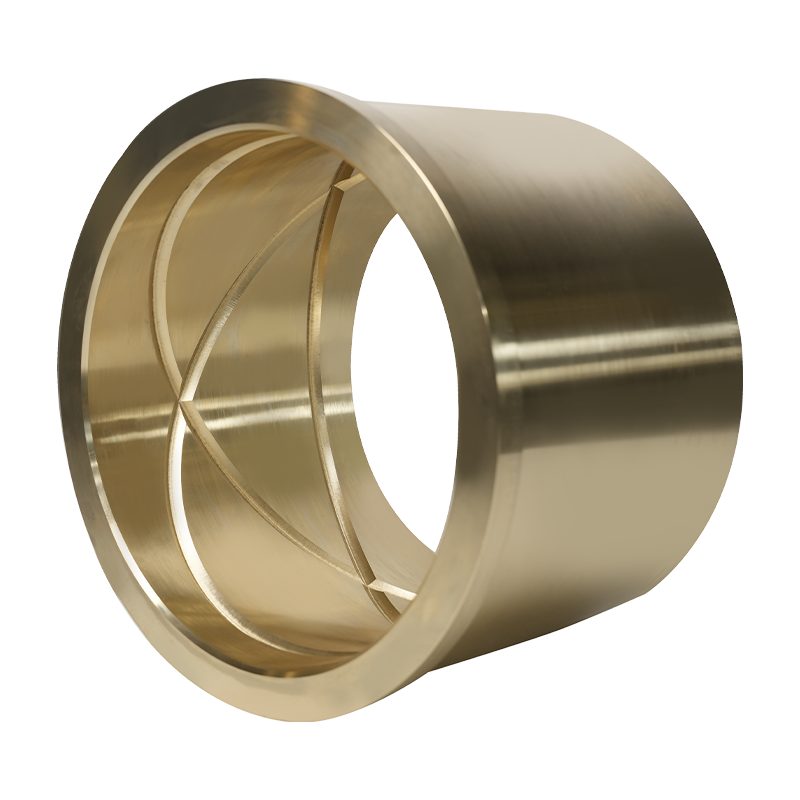
Aluminum Bronze Bushing For Rudder Transmission System is tailor-made for the Rudder trans...
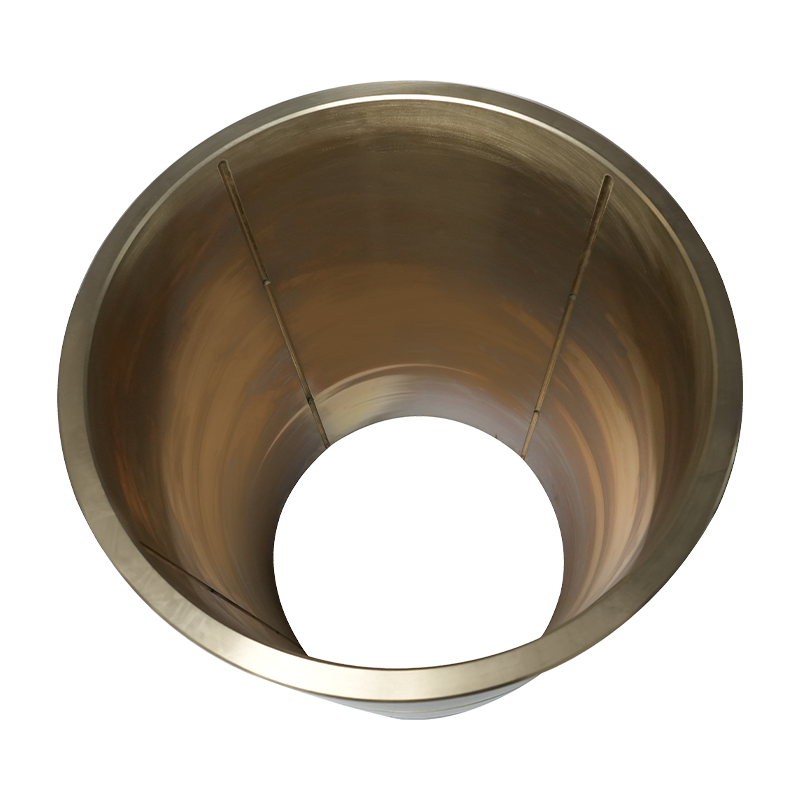
Aluminum Bronze Bushing For Ship Hydraulic Cylinders And Rudder Angle Feedback product is ...
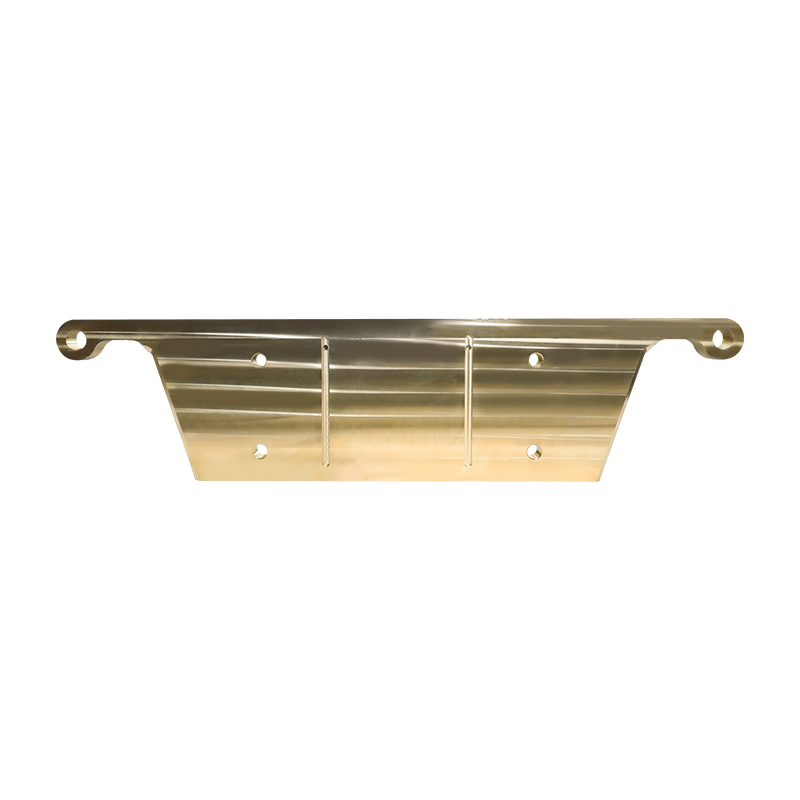
Mining Equipment Brass Plate is made of high-quality high-strength brass material, with we...
Copyright © YangZhou YiFeng Copper Products Co.,Ltd. All Rights Reserved
China copper casting manufacturers wholesale copper casting factory