The Short Answer: What Copper Bushing Maintenance Actually Involves
Maintaining a copper bushing comes down to four core tasks: regular lubrication, periodic visual and dimensional inspection, contamination control, and timely replacement. For standard bronze-alloy bushings that are not self-lubricating, lubrication alone can extend service life by a factor of two or more. Self-lubricating copper bushings — those with embedded graphite or oil-impregnated sintered structures — require far less intervention but still need inspection for wear and alignment. Whether you are running heavy construction equipment or precision industrial machinery, a structured maintenance routine is the single most effective way to protect your investment in copper bushings.
Understanding the Types of Copper Bushings and Their Maintenance Needs
Not all copper bushings share the same maintenance requirements. The alloy composition and design directly determine how much attention each type needs.
| Bushing Type |
Common Alloy |
Lubrication Required |
Maintenance Frequency |
| Standard Bronze Bushing |
CuSn7Zn4Pb7, Tin Bronze |
Yes — oil or grease |
Regular (schedule-based) |
| Self-Lubricating Bushing |
CuAl10Fe5, Graphite-embedded |
No — graphite/MoS₂ insert |
Low (inspection only) |
| Oil-Impregnated Bushing |
Sintered Bronze |
Minimal — oil released internally |
Low (periodic top-up) |
| Aluminum Bronze Bushing |
CuAl9Fe4, C95400 |
Yes — suited for heavy loads |
Regular (load-dependent) |
Table 1: Copper bushing types, alloy examples, and their corresponding maintenance demands
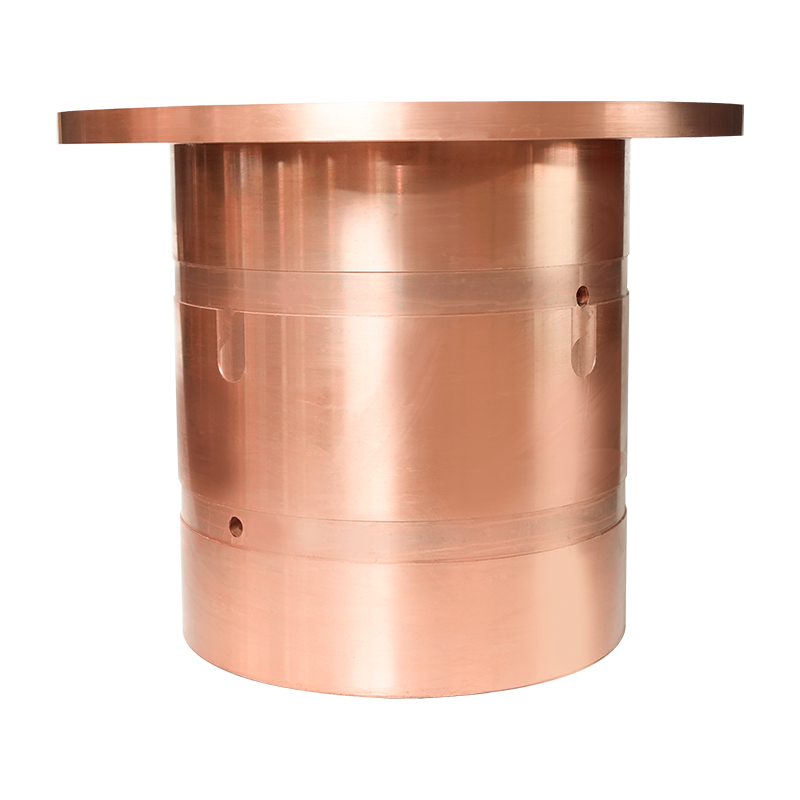
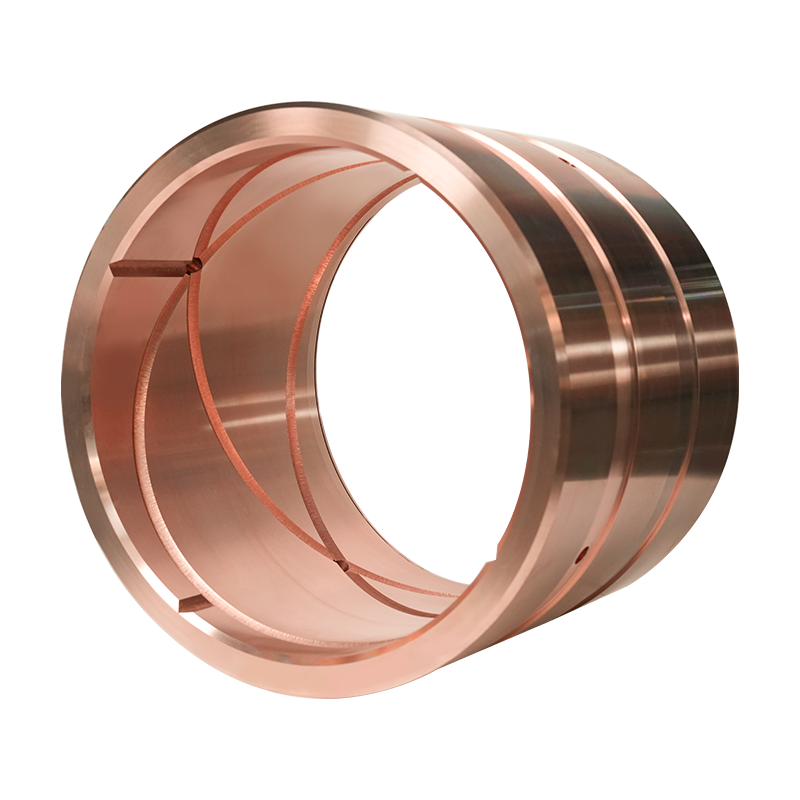
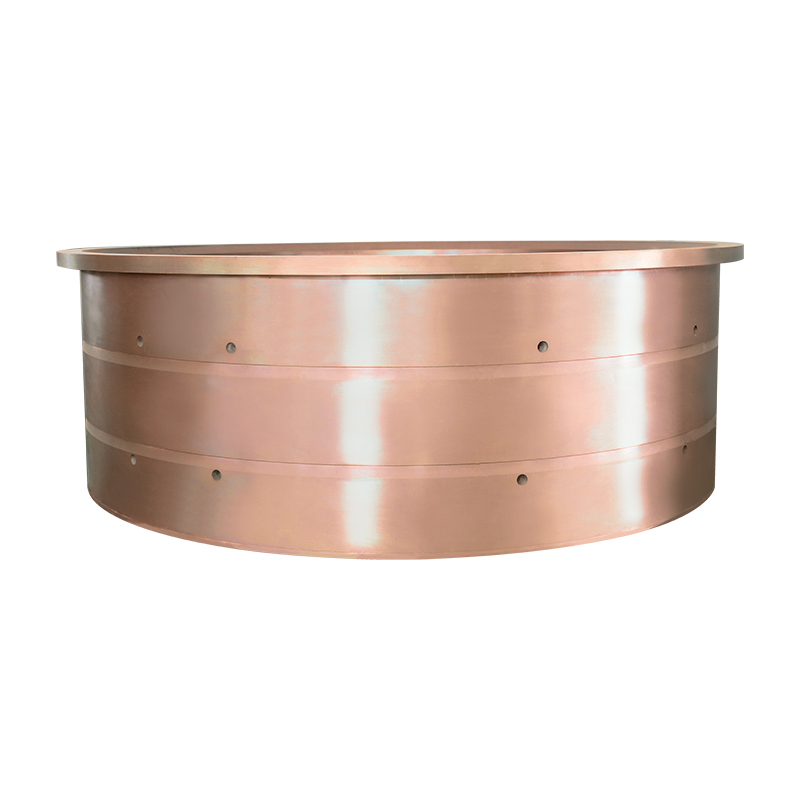
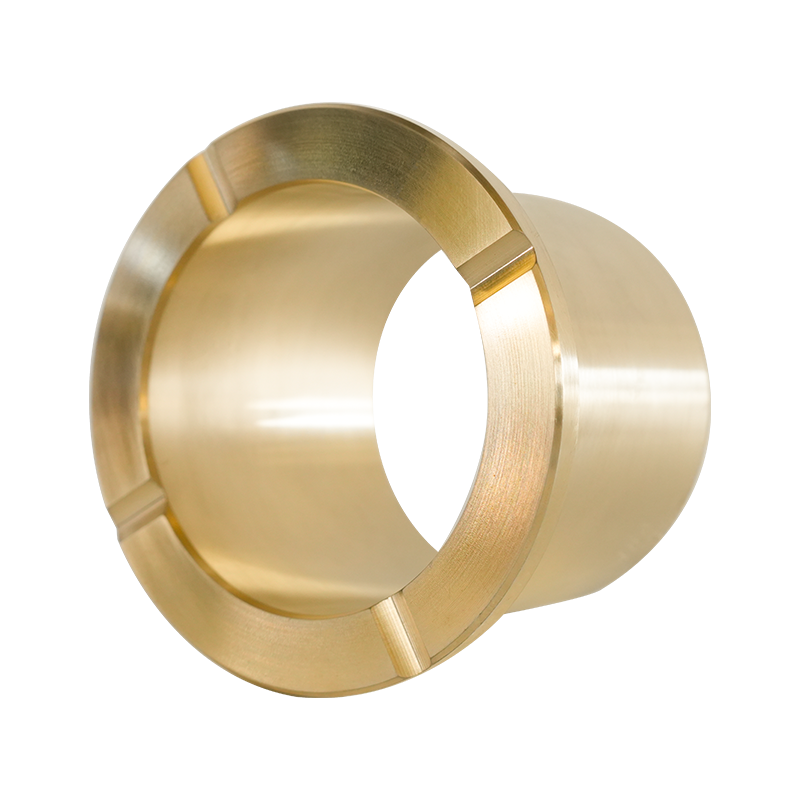
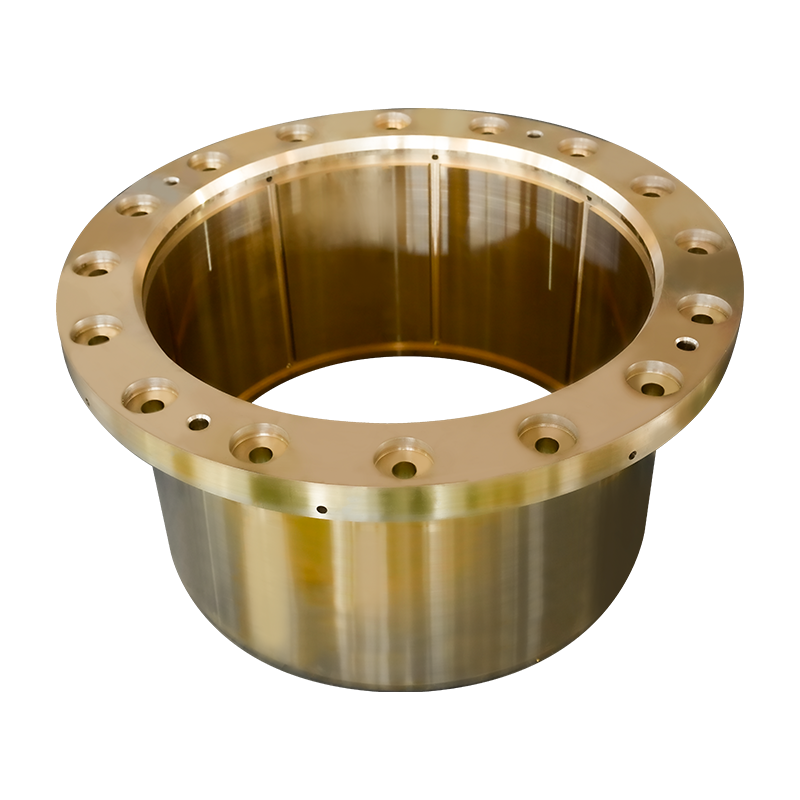
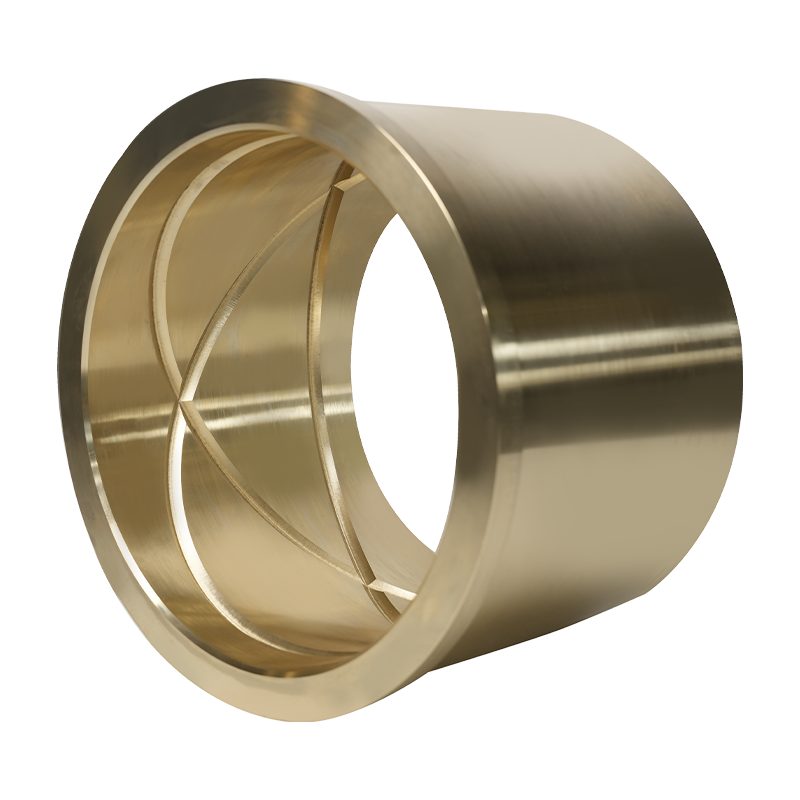
YF Copper Casting, for example, manufactures copper bushings across a wide range of alloys and designs — from standard tin-bronze sleeve bushings to graphite-plug self-lubricating varieties — each engineered to suit specific load, speed, and environmental conditions. Knowing which type you have is the essential first step before designing any maintenance program.
Lubrication: The Most Critical Maintenance Task
For non-self-lubricating copper bushings, lubrication is the single most important maintenance activity. Inadequate lubrication accelerates surface wear and can lead to seizure; excessive lubrication causes heat buildup and energy loss. Getting it right requires attention to lubricant type, application method, and interval.
Choosing the Right Lubricant
Grease is the most common choice for copper bushings because it forms a thick protective film that stays in place even under vibration and intermittent operation. Oil is preferred in high-speed, continuously running applications where circulation is possible. When selecting a lubricant, match its viscosity to the operating speed and load — heavier loads and lower speeds generally call for higher-viscosity greases. Avoid lubricants containing hard particles, as these can score the bushing surface and accelerate wear.
Application Methods
- Manual grease gun or oil can — suitable for periodic, low-volume maintenance.
- Centralized automatic lubrication systems — ideal for equipment with multiple bushing points or difficult access.
- Oil bath or splash lubrication — used in enclosed gearboxes where the bushing is partially submerged.
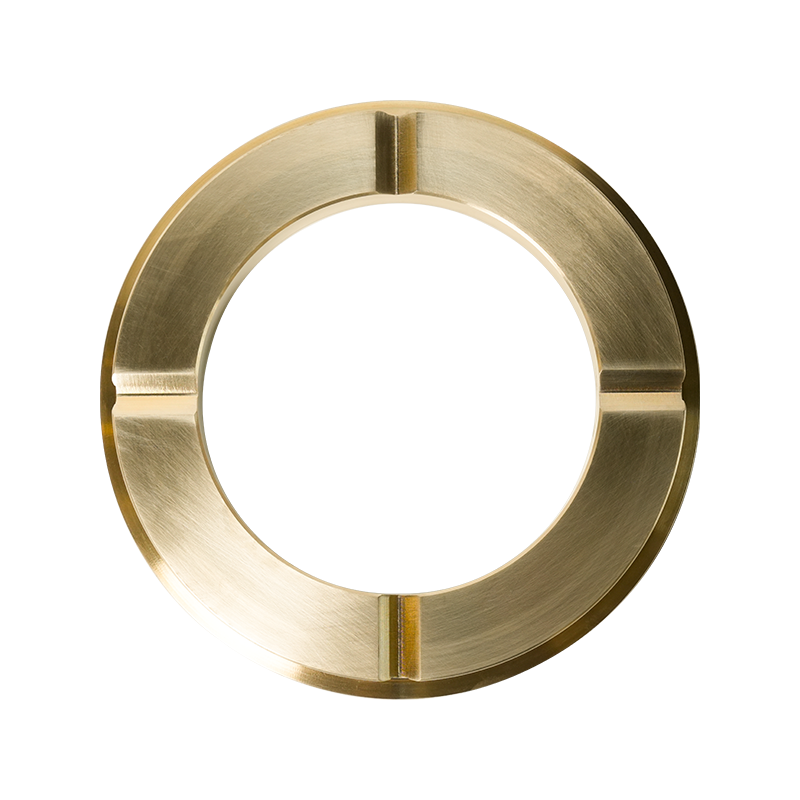
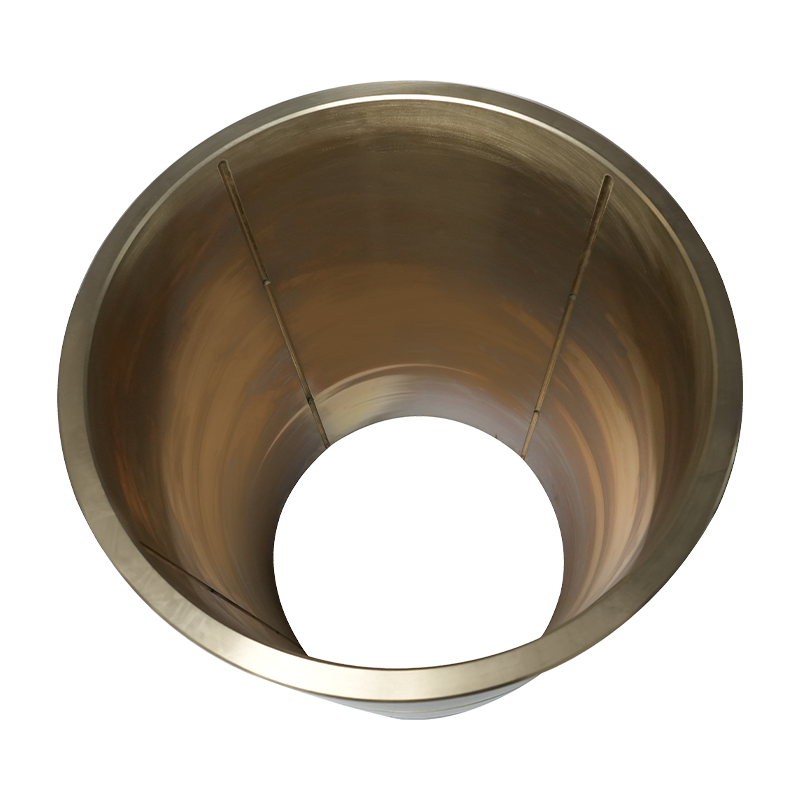
- Grease grooves machined into the bushing bore — distribute lubricant evenly and reduce re-greasing frequency.
Setting a Re-Lubrication Interval
There is no universal interval. Re-lubrication frequency should be determined by four variables: operating load, shaft speed, ambient temperature, and environmental contamination level. A copper bushing running in a dusty mining environment will need more frequent re-greasing than the same bushing in a clean factory. As a baseline, bushings under moderate load and normal conditions are often re-greased every 250–500 operating hours, but this must be adjusted based on inspection findings.
Regular Inspection: Catching Problems Before They Become Failures
Inspection is what turns a reactive repair culture into a proactive maintenance program. For copper bushings, inspections should address four areas:
Visual Inspection
Look for scoring, discoloration, surface pitting, or visible cracks. Discoloration — particularly a dark brown or blue tint — can indicate overheating caused by inadequate lubrication. Scoring lines along the shaft axis suggest contamination particles have entered the contact zone.
Dimensional Inspection
Measure the internal bore diameter with a calibrated micrometer or bore gauge. Compare against the original specification and allowable wear tolerances. Excessive clearance between the bushing bore and the shaft journal is a leading indicator of imminent failure and should trigger replacement planning even before noise or vibration is detected.
Noise and Vibration Monitoring
Unusual knocking, squealing, or increased vibration during operation often signals a worn or under-lubricated copper bushing. These symptoms warrant an immediate shutdown and inspection rather than continued operation.
Surface and Structural Integrity Checks
For critical applications — such as heavy crushing or mining equipment — non-destructive testing methods, including dye penetrant inspection, can reveal sub-surface micro-cracks that are invisible to the naked eye. A micro-crack as small as 0.05 mm can propagate rapidly under cyclical loading and lead to catastrophic structural failure. In such environments, proactive inspection of replacement copper bushings before installation is strongly recommended.
Contamination Control: Protecting the Contact Surface
Contamination is one of the leading causes of premature copper bushing wear. Dust, metal particles, moisture, and chemical residues all degrade the lubricant film and abrade the bearing surface. Effective contamination control involves:
- Seals and shields — installed at the shaft entry points to block ingress of dust and moisture.
- Lubrication filters — used in oil-circulation systems to remove particles before they reach the bushing surface.
- Cleaning before re-lubrication — remove old, degraded grease and surface deposits before applying fresh lubricant. Applying new grease over contaminated old grease accelerates, rather than reduces, wear.
- Storage protection — copper bushings awaiting installation should be stored in clean, dry conditions to prevent corrosion or surface damage before use.
Cleaning Procedures for Copper Bushings
A clean bushing and housing are prerequisites for effective lubrication. The recommended cleaning procedure is straightforward but should not be skipped:
- Remove the bushing from its housing if accessible and safe to do so.
- Wipe away old grease or oil using a lint-free cloth and a suitable solvent.
- Inspect the cleaned surface under good lighting for scoring, pitting, or discoloration.
- Clean the housing bore and shaft journal to the same standard before re-assembly.
- Apply fresh lubricant immediately after cleaning to prevent oxidation of the exposed copper alloy surface.
In industrial applications, keeping bearing areas clean has been shown to improve thermal performance and reduce maintenance costs over the operating life of the equipment.
Maintenance for Self-Lubricating Copper Bushings
Self-lubricating copper bushings — those with solid graphite plugs, molybdenum disulfide (MoS₂) inserts, or oil-impregnated sintered structures — operate without external lubrication. This significantly reduces routine maintenance, but does not eliminate it entirely.
For graphite-plug designs, the graphite transfers to the mating shaft surface during operation, forming a solid lubricant film. This film is gradually consumed and must be monitored. Once the graphite inserts are depleted, the bushing loses its self-lubricating property and must be replaced. For oil-impregnated sintered bushings, the stored oil releases slowly during operation; in high-temperature or high-load conditions, the oil reservoir depletes more quickly and the bushing may benefit from an occasional light oil application on the shaft.
The key maintenance tasks for self-lubricating copper bushings are:
- Inspect graphite or solid lubricant inserts for depletion at regular intervals.
- Monitor operating temperature — elevated temperatures suggest the lubricant film is breaking down.
- Do not apply external lubricants containing hard particles, which can damage the insert pockets.
- Replace the entire bushing when insert wear becomes evident, rather than attempting to re-fill the lubricant pockets.
When to Replace a Copper Bushing
Even with excellent maintenance, every copper bushing will eventually reach the end of its service life. Replacing a worn bushing on a planned schedule is always less costly than an unplanned breakdown. The following conditions indicate that replacement is necessary:
- Bore diameter has exceeded the maximum allowable wear tolerance specified by the equipment manufacturer.
- Persistent noise or vibration that does not resolve after re-lubrication and cleaning.
- Visible surface cracking, deep scoring, or structural deformation.
- Discoloration indicating sustained overheating.
- Solid lubricant inserts fully depleted in a self-lubricating design.
When ordering replacement copper bushings, specify the alloy grade, dimensional tolerances, and whether the application requires a standard or self-lubricating design. Working with a specialized manufacturer such as YF Copper Casting ensures that replacement parts are cast and machined to precise specifications, reducing the risk of premature failure from sub-standard material.
Building a Preventive Maintenance Schedule
A documented preventive maintenance schedule transforms copper bushing care from a reactive task into a system. The table below provides a practical baseline framework that can be adjusted for specific operating conditions.
| Maintenance Task |
Standard Bushing |
Self-Lubricating Bushing |
| Visual inspection |
Every 250 operating hours |
Every 500 operating hours |
| Lubrication / re-greasing |
Every 250–500 hours (adjust to conditions) |
Not required (monitor insert status) |
| Dimensional check (bore gauge) |
Annually or every major overhaul |
Annually or every major overhaul |
| Contamination / seal check |
Every 250 operating hours |
Every 500 operating hours |
| Full cleaning |
At each re-lubrication |
At each inspection |
| Planned replacement review |
Based on wear measurements |
Based on insert depletion and wear |
Table 2: Suggested preventive maintenance intervals for copper bushings under typical industrial conditions
These intervals are starting points. High-dust, high-temperature, or high-load environments — such as mining, marine, or heavy construction — will require shorter intervals. Monitoring actual wear rates over the first several inspection cycles is the best way to fine-tune the schedule for your specific application.
Common Maintenance Mistakes and How to Avoid Them
Even experienced maintenance teams make avoidable errors with copper bushings. The most common include:
Over-Greasing
Applying excessive grease creates back-pressure in the housing, generates heat, and can rupture seals. Use only enough grease to fill the void space — not to overflow the fitting.
Using the Wrong Lubricant
A lubricant with incompatible thickeners or insufficient viscosity for the operating conditions will fail to form an adequate film. Always verify lubricant compatibility with the copper alloy and the operating temperature range before use.
Skipping Cleaning Before Re-Lubrication
Adding fresh grease on top of degraded, contaminated lubricant dilutes the new lubricant and introduces abrasive particles into the contact zone. Clean first, then lubricate.
Ignoring Early Warning Signs
Noise, vibration, and heat are not minor inconveniences — they are early failure signals. Acting on these signs immediately prevents small problems from becoming catastrophic damage to shafts, housings, and connected components.
Installing Replacement Bushings Without Inspection
Replacement copper bushings, particularly cast components for high-load applications, should be inspected for dimensional accuracy and surface integrity before installation. A defective replacement part can fail faster than the worn part it replaced.



 English
 日本語
日本語 русский
 Deutsch