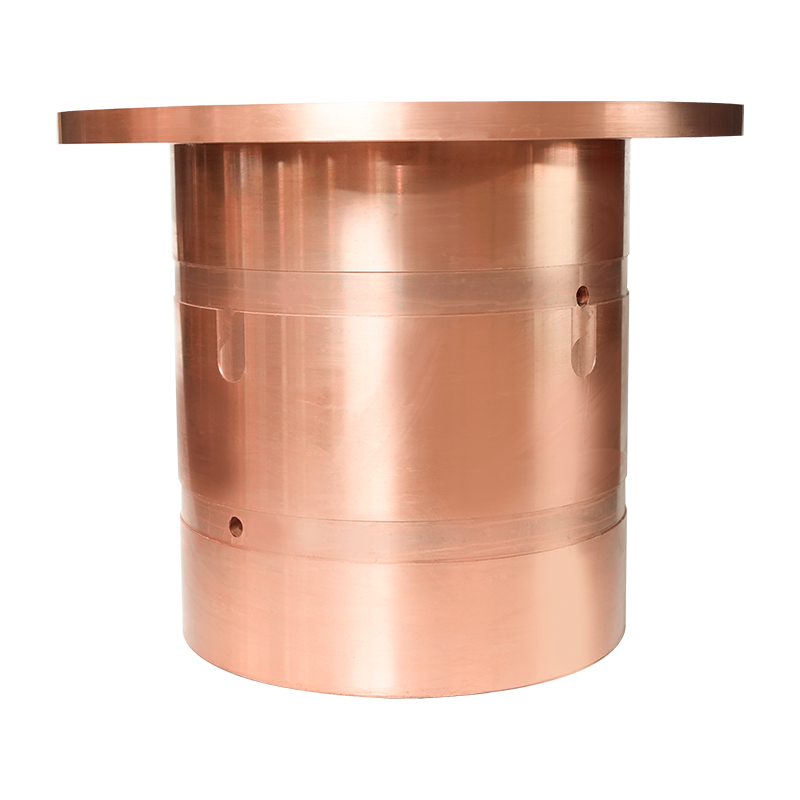
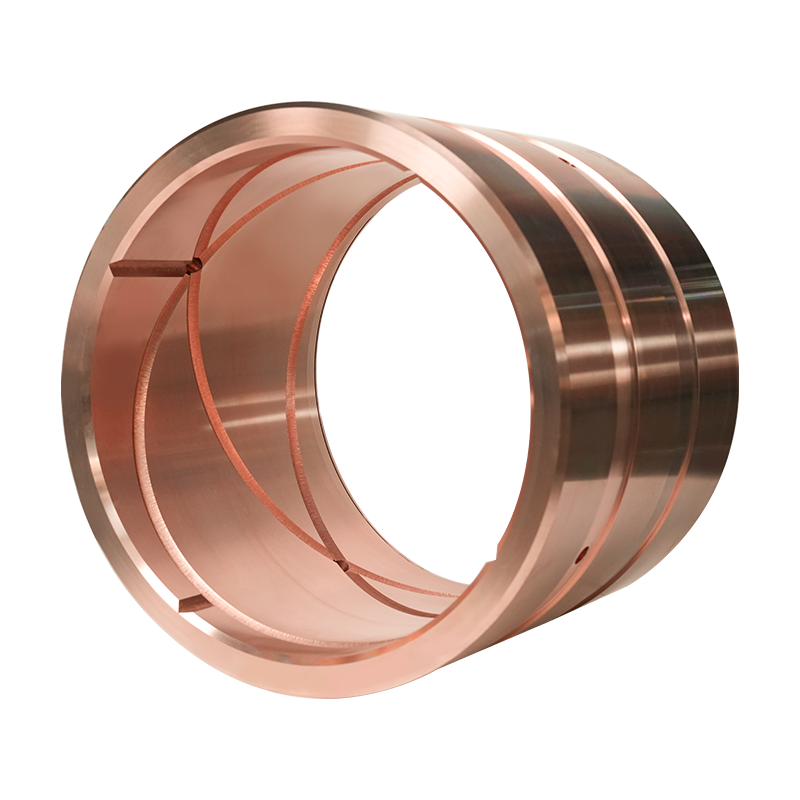
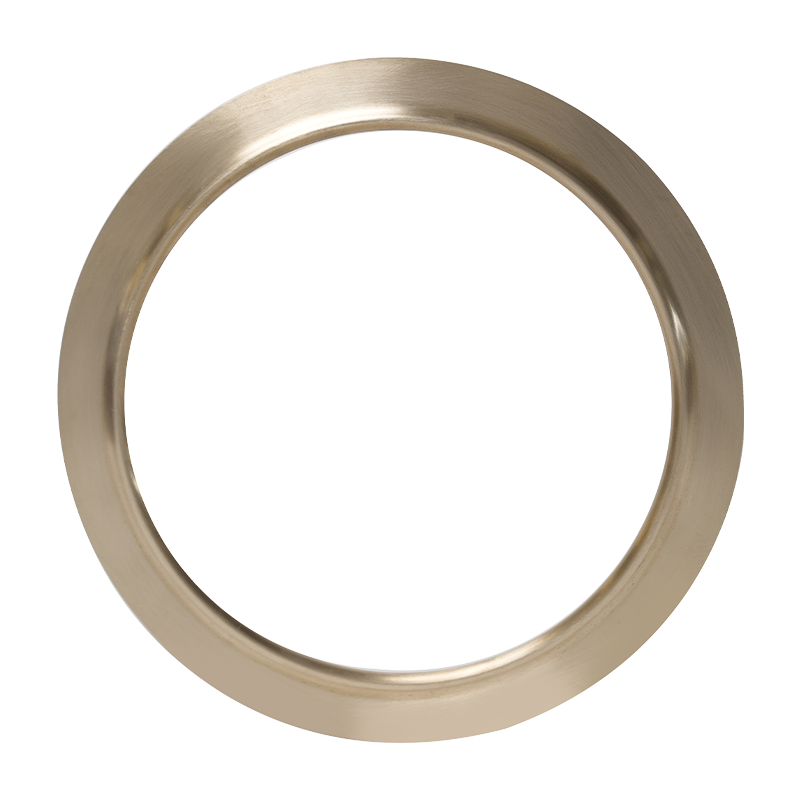
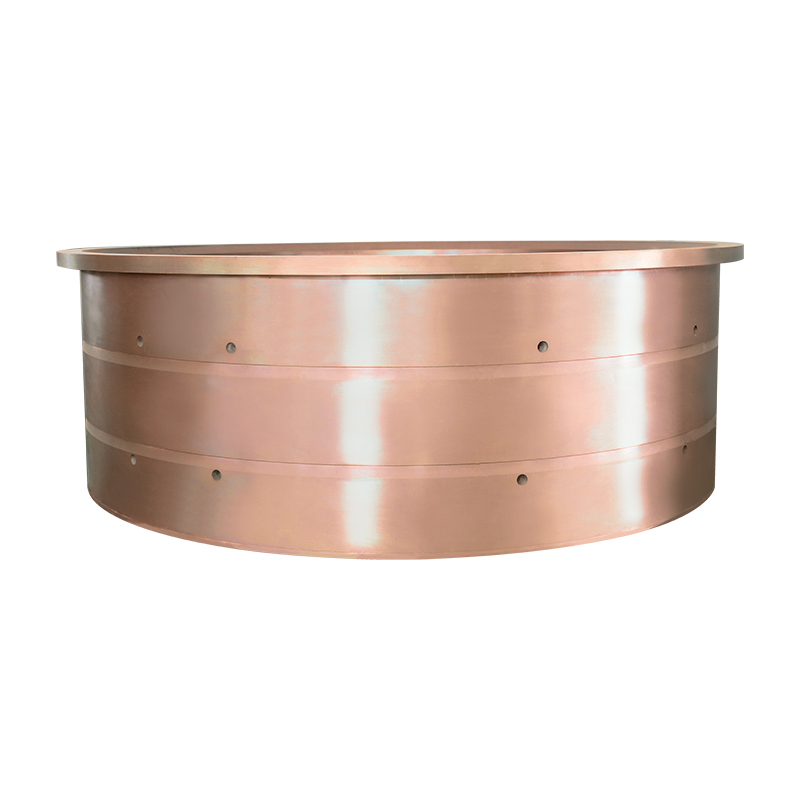
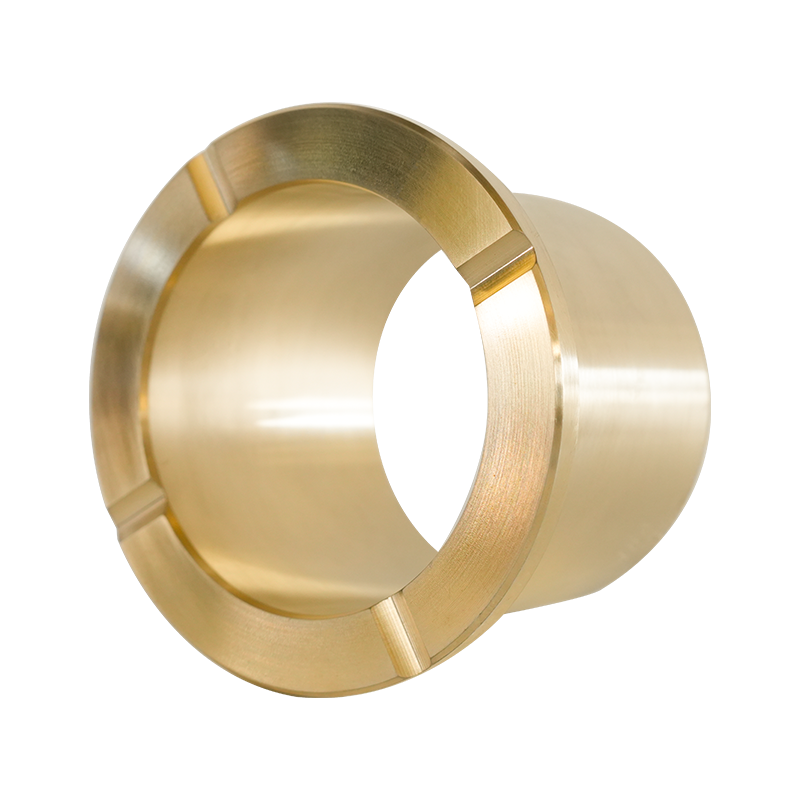
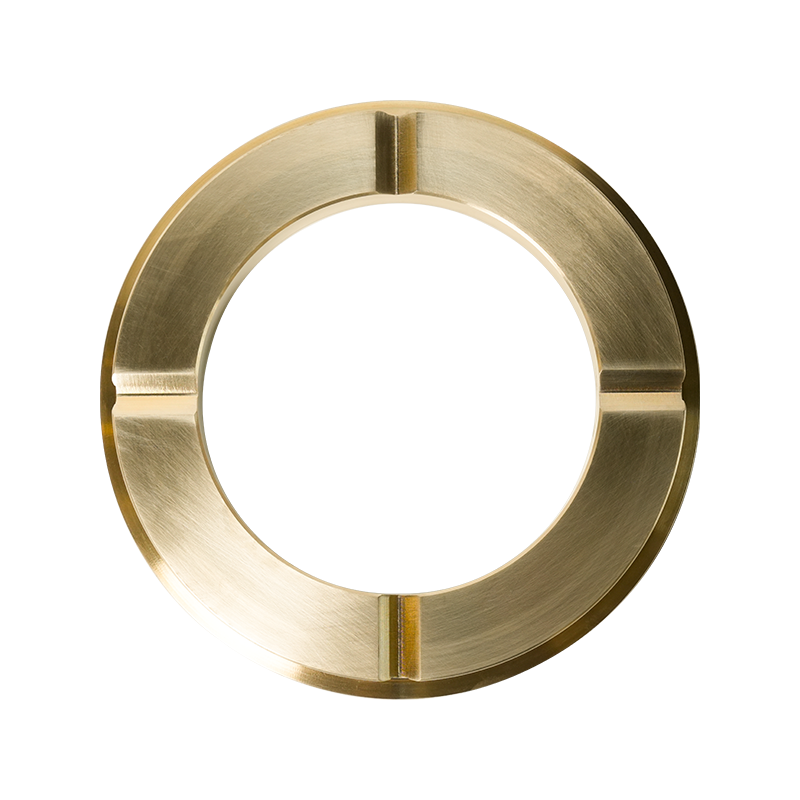
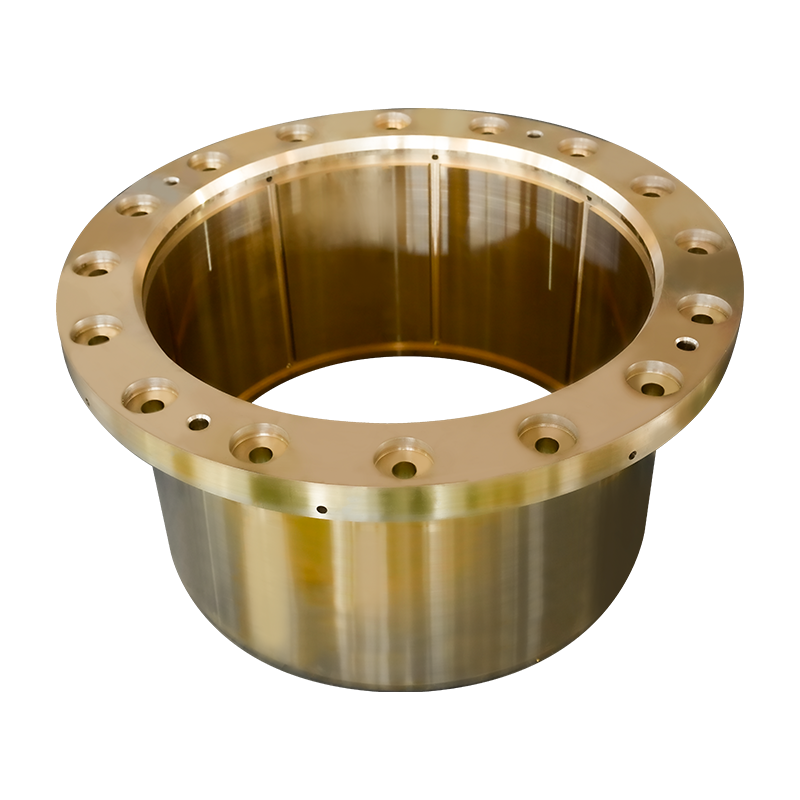
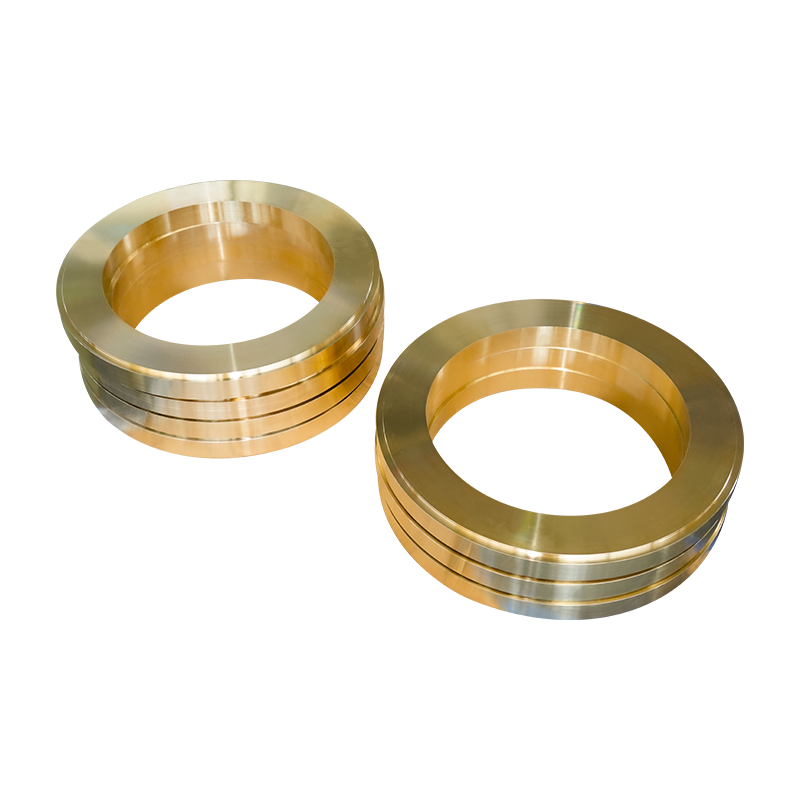
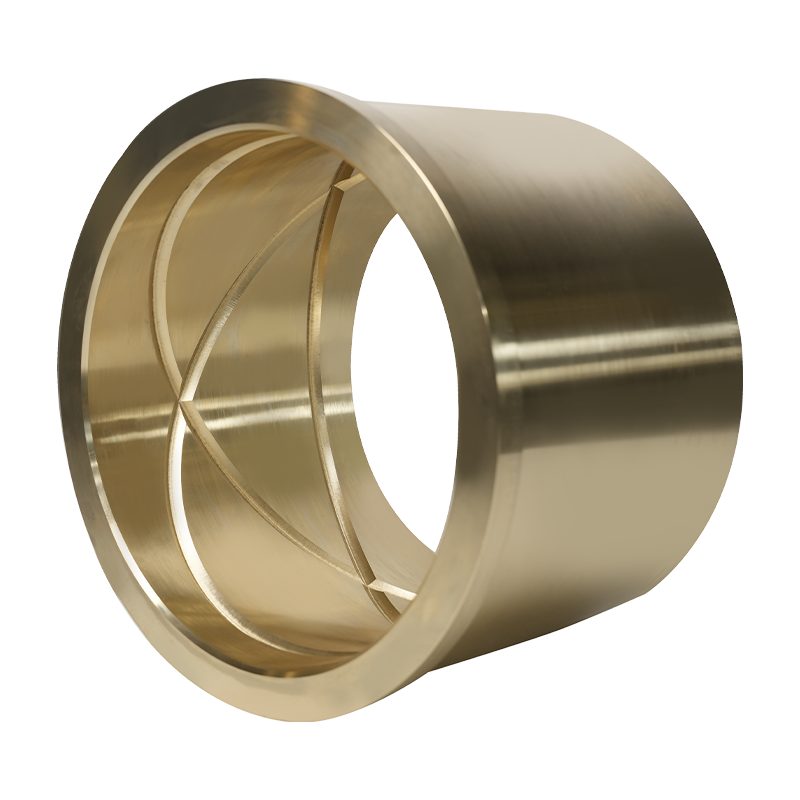
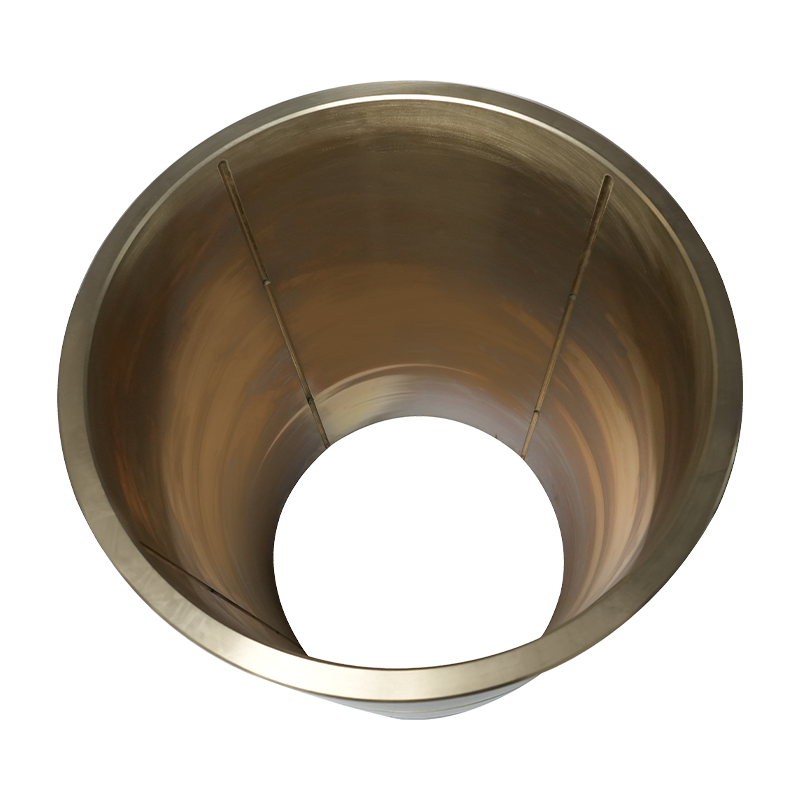
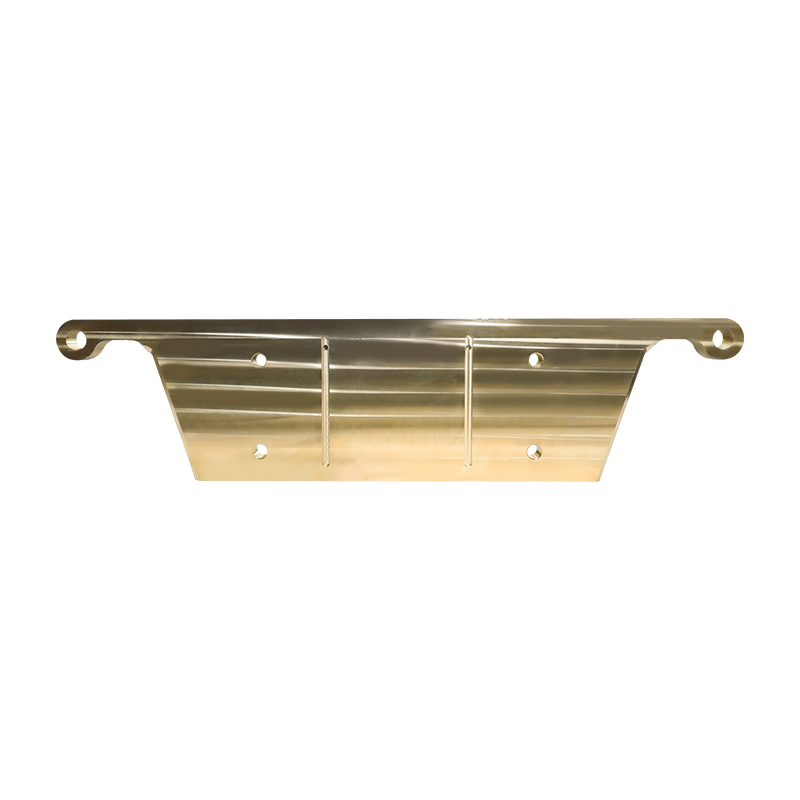
A copper bushing is used to reduce friction and absorb wear between a rotating or sliding shaft and its housing. It is installed as a cylindrical sleeve inside a bearing bore or pivot joint, where it carries radial and axial loads, protects the more expensive shaft and housing from direct metal-to-metal contact, and extends the service life of the whole assembly. Because copper alloys such as bronze and brass combine good machinability with strong load-carrying capacity and corrosion resistance, copper bushings are the standard choice for heavy machinery, marine equipment, mining gear, construction machines, and metallurgical or oil and gas installations.
In practical terms, a copper bushing functions as a low-cost, replaceable wear part. When the shaft moves, friction and wear occur on the bushing surface instead of on the shaft or the housing bore, both of which are far more expensive and difficult to replace. This is why copper bushings, also called copper bush or copper sleeve bearings, appear in gearboxes, hydraulic cylinders, pivot pins, propulsion shafts, and lifting equipment across nearly every heavy industrial sector.
How Copper Bushings Reduce Friction and Wear
The working principle behind every copper bushing is the same: it sits between two moving surfaces and takes the wear that would otherwise damage the shaft and housing directly. Copper alloys are well suited to this role for three main reasons.
Self-lubricating surface chemistry
Bronze and brass alloys form a thin, stable oxide film and, in leaded or tin bronze grades, contain soft phases that smear across the bore during operation. This lowers the coefficient of friction even under boundary lubrication conditions, which is why copper bushings continue to perform when oil supply is intermittent.
Embeddability and conformability
Copper bushings can absorb small hard particles (dirt, metal chips) into the bushing wall rather than letting them scratch the shaft. This embeddability is particularly valuable in dusty environments such as mining equipment and construction machinery.
Load-bearing strength
Compared with plastic or nylon bushings, copper alloys carry significantly higher radial and axial loads while maintaining dimensional stability at elevated temperatures, which allows them to be used in slow, heavily loaded joints as well as higher-speed rotating shafts.
Common Industries and Applications
Copper bushings are specified wherever a shaft rotates, oscillates, or slides under load. Typical uses include:
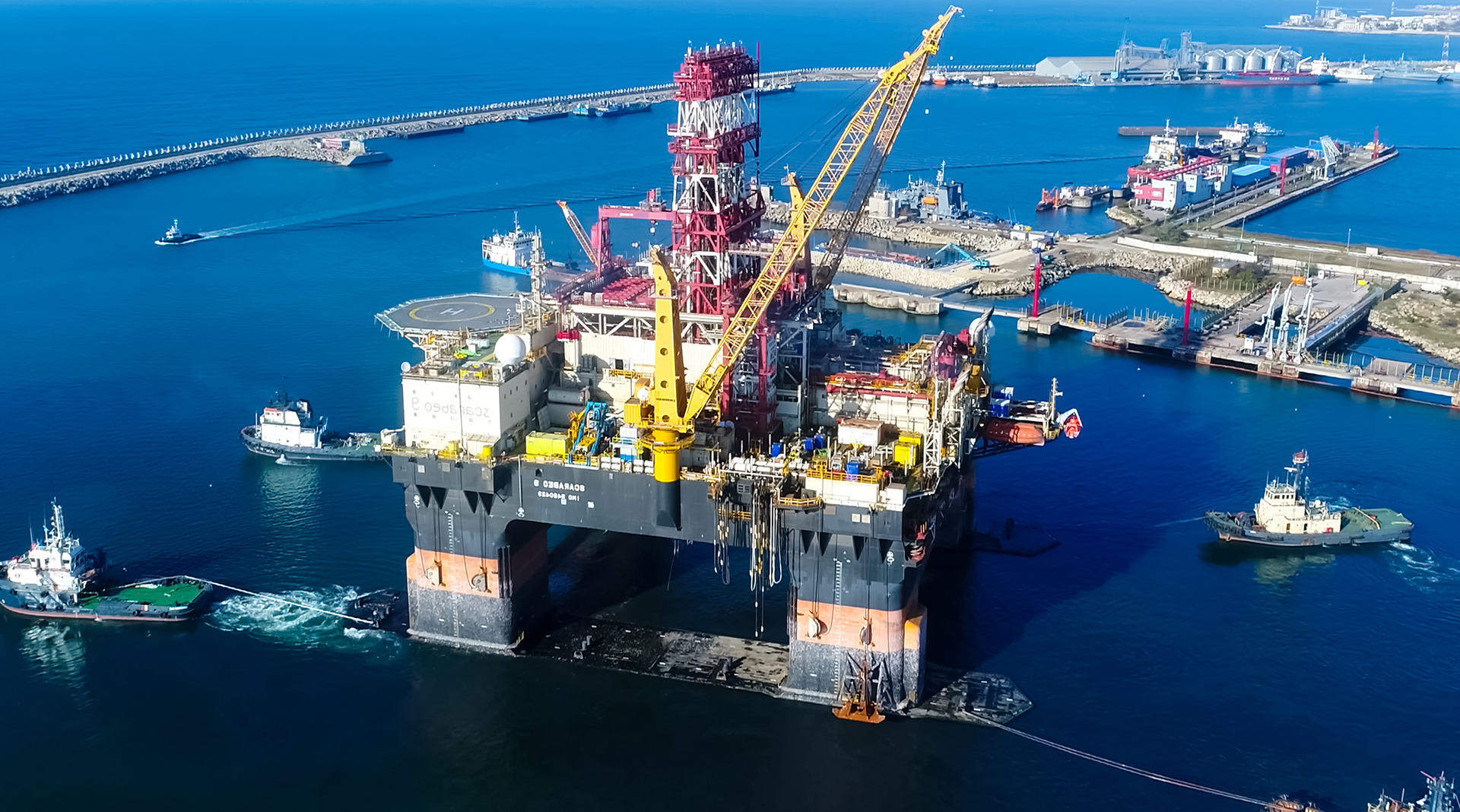
- Marine propulsion and sealing systems — stern tube bushings, rudder bearings, and steering gear bushings that must resist seawater corrosion.
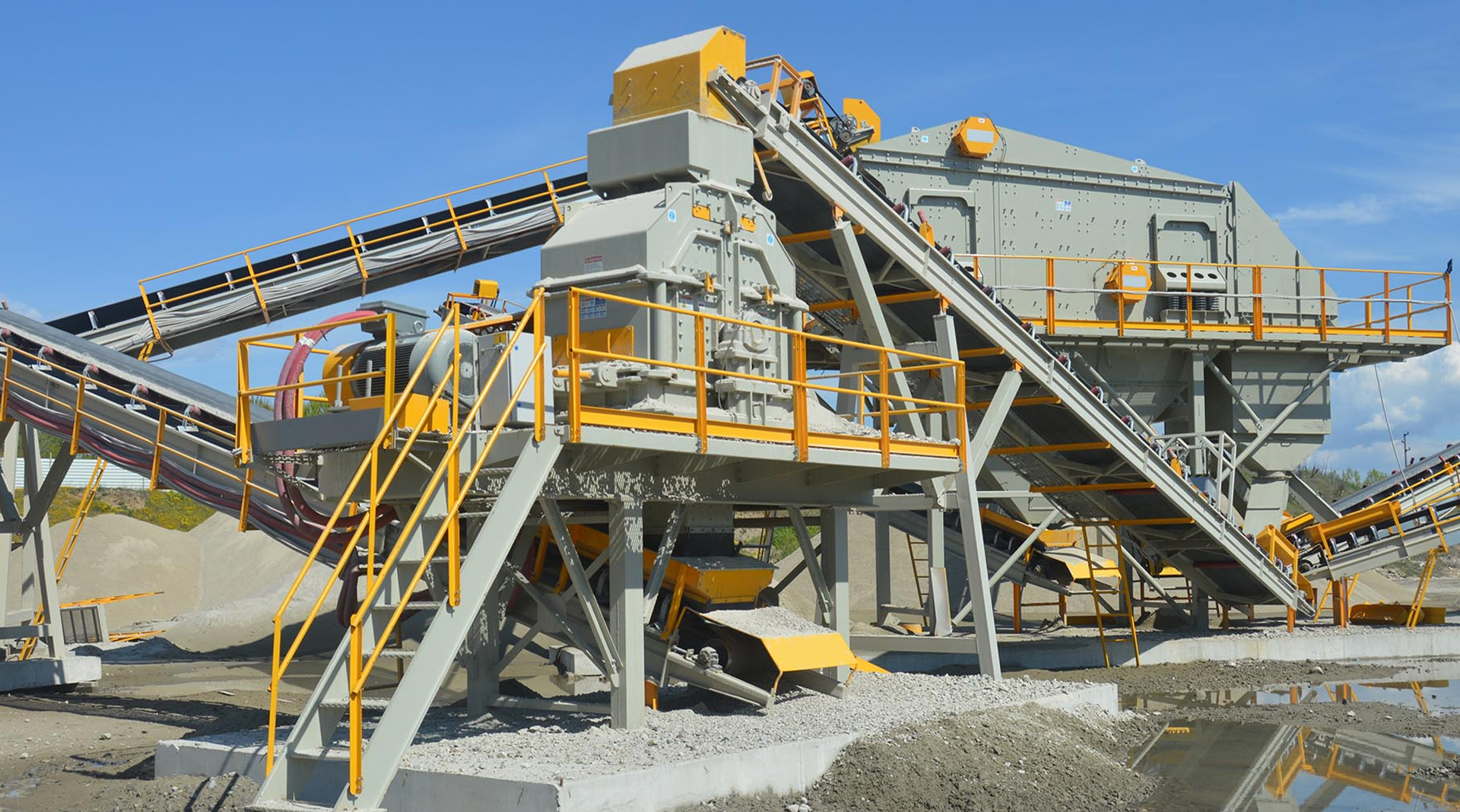
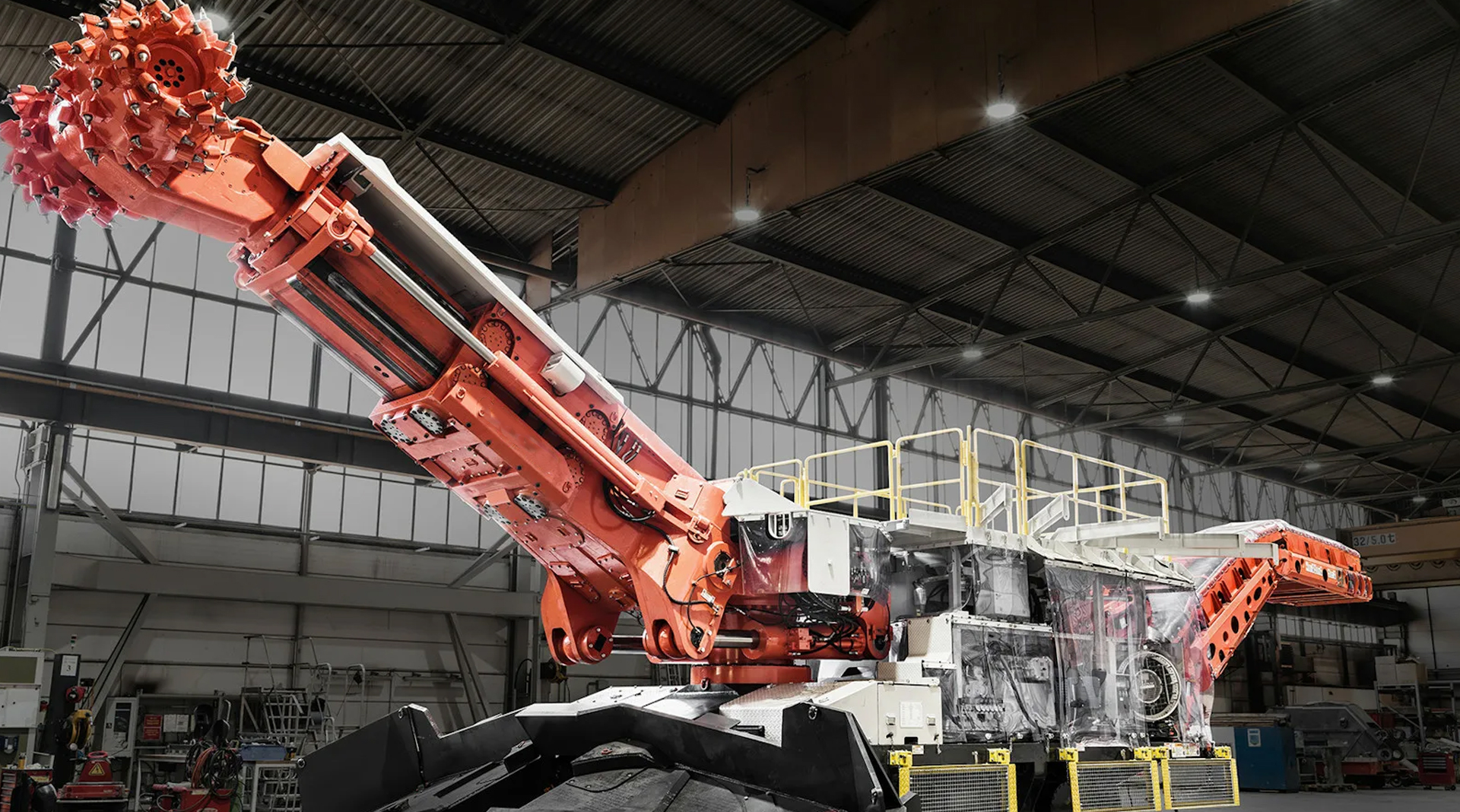
- Mining equipment — pivot bushings on excavator arms, crusher bushings, and conveyor bearings exposed to dust and shock loads.
- Construction machinery — hydraulic cylinder bushings, boom pins, and bucket linkage bushings on excavators and loaders.
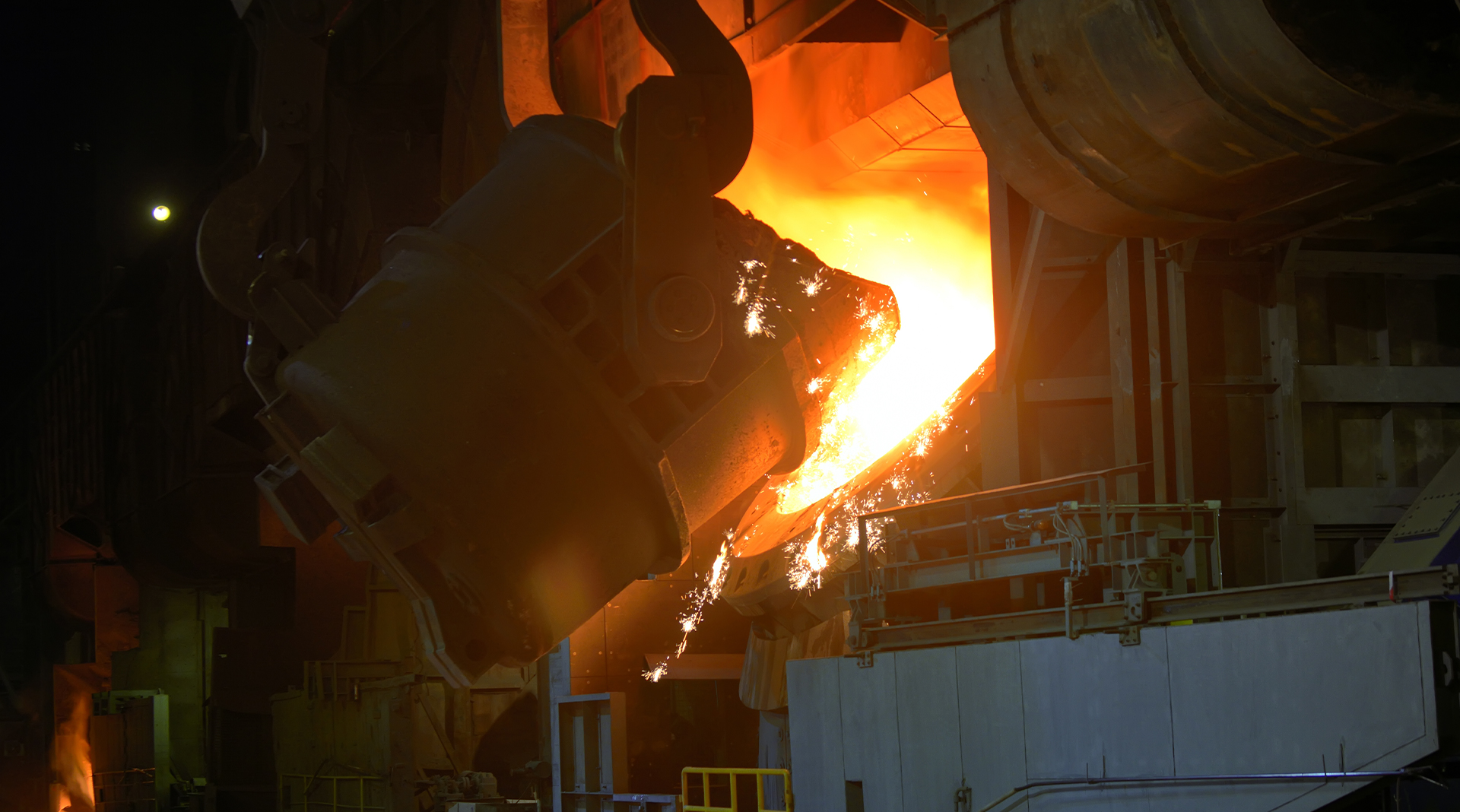
- Oil, gas, and metallurgical equipment — valve bushings, rolling mill bearings, and high-temperature furnace equipment bushings.
- Offshore drilling and lifting equipment — winch bearings, anchor lifting mechanisms, and ship lock gate bushings that combine heavy loads with corrosive exposure.
In each of these applications the underlying job of the bushing is identical: carry the load, reduce friction, and act as a sacrificial wear surface that can be replaced far more cheaply than the shaft or housing it protects.
Copper Bushing Alloys Compared
Not all copper bushings are made from the same alloy. The right material depends on load, speed, lubrication, and the corrosiveness of the operating environment.
| Alloy Type |
Key Strengths |
Typical Use |
| Tin Bronze |
Good wear resistance, machinability |
Mining and construction machinery |
| Aluminum Bronze |
High strength, seawater corrosion resistance |
Marine propulsion, offshore drilling |
| Brass |
Lower cost, easy to machine |
Light and moderate load applications |
| Self-Lubricating Bronze |
Oil-impregnated, low maintenance |
Areas with limited lubrication access |
Comparison of common copper bushing alloy families and where each performs best
Design Features That Affect Bushing Performance
Selecting the right alloy is only part of the process. The bushing's geometry and manufacturing quality directly affect how long it will last in service.
- Wall thickness consistency — uneven walls create localized stress points and premature failure.
- Lubrication grooves and oil holes — axial, circumferential, or spiral grooves distribute oil evenly across the bore surface.
- Dimensional tolerance — precise inner and outer diameters are needed for a correct interference fit with the housing.
- Surface finish — a smooth bore minimizes friction and reduces shaft wear over time.
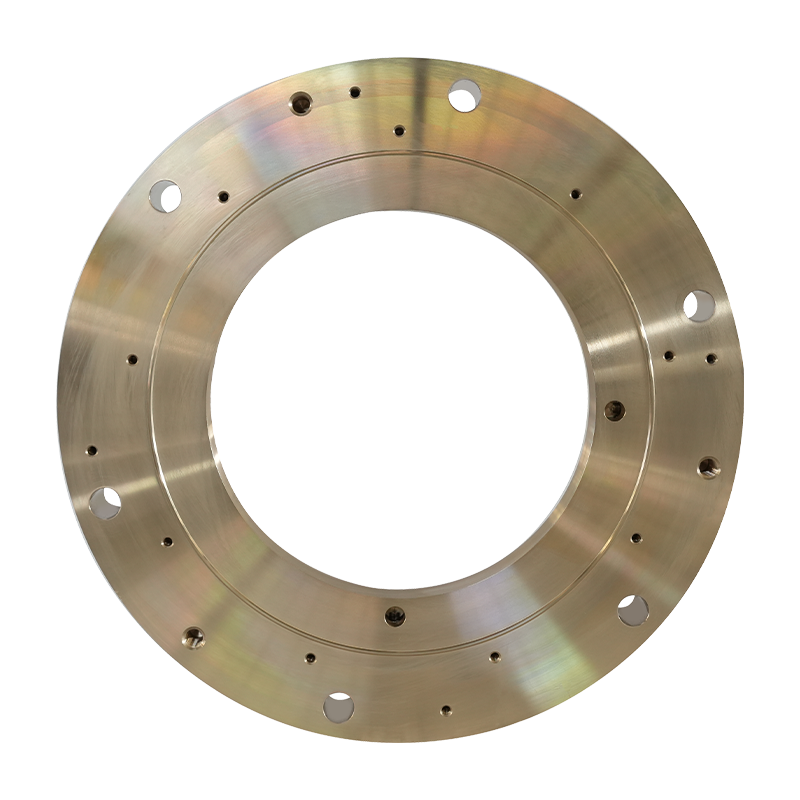
- Flanges and thrust faces — added where the assembly needs to resist axial loads in addition to radial loads.
Bushings that are cast or forged with controlled porosity and then precision machined tend to hold tolerance and perform consistently, while poorly finished bushings can wear out well before their expected service interval.
Maintenance Tips to Extend Service Life
Copper bushings are durable, but service life depends heavily on lubrication and inspection routines. A few practical habits make a measurable difference:
- Maintain a regular lubrication schedule matched to the load and speed of the joint.
- Inspect for clearance growth or scoring during routine equipment servicing.
- Keep contaminants such as dust and grit out of the lubrication path where possible.
- Replace bushings before wear reaches the shaft, since shaft damage is far more costly to repair.
Following a consistent maintenance routine is one of the most cost-effective ways to protect the shaft and housing, since the bushing is designed to be the replaceable wear component in the assembly.
Working With a Specialized Copper Bushing Manufacturer
Because copper bushing performance depends on alloy composition, casting quality, and precision machining, sourcing from an experienced manufacturer matters as much as choosing the right alloy on paper. Yangzhou Yifeng Copper Products Co., Ltd. produces tin bronze, aluminum bronze, and brass bushings for mining equipment, marine propulsion and sealing systems, construction machinery, and oil, gas, and metallurgical applications, supported by an in-house R&D collaboration with Southwest Jiaotong University for material and process development.
When evaluating a copper bushing supplier, look for material certifications confirming chemical composition and mechanical properties, consistent casting or forging quality free of porosity and inclusions, and the ability to customize dimensions, grooves, and flange features to match your specific shaft and housing design.



 English
 日本語
日本語 русский
 Deutsch