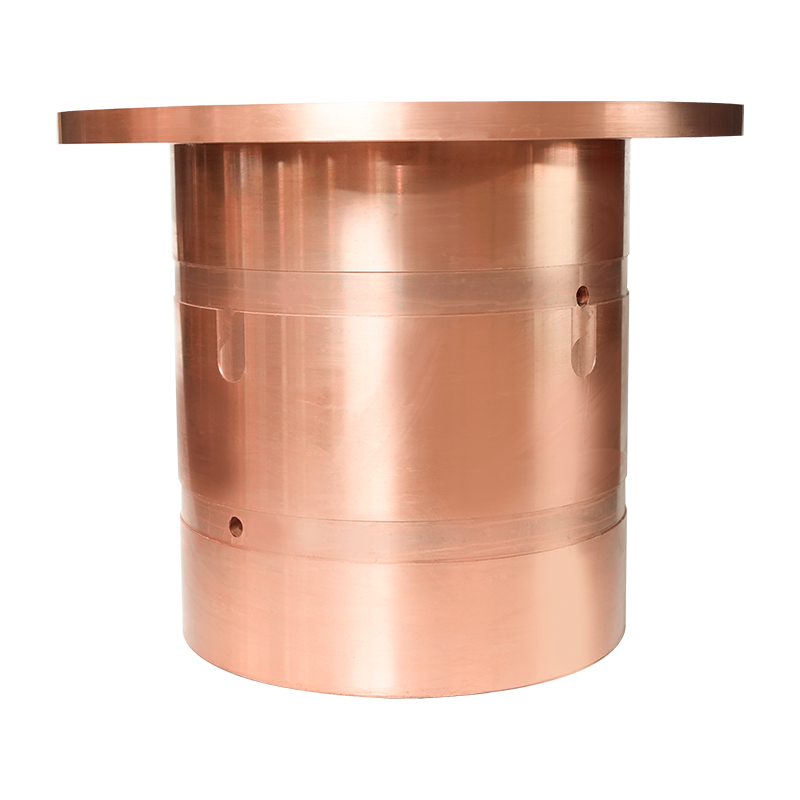
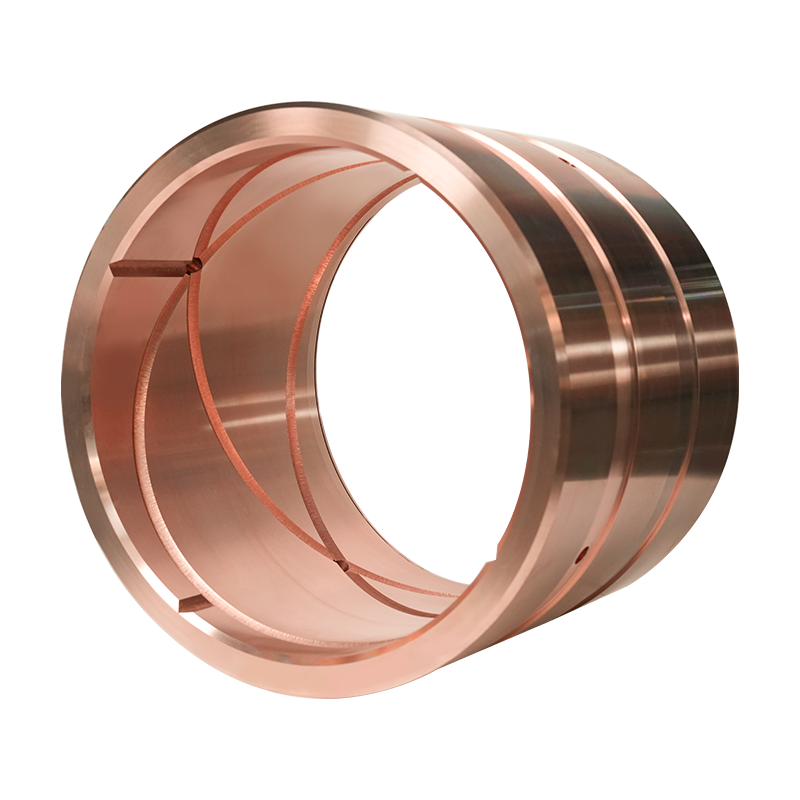
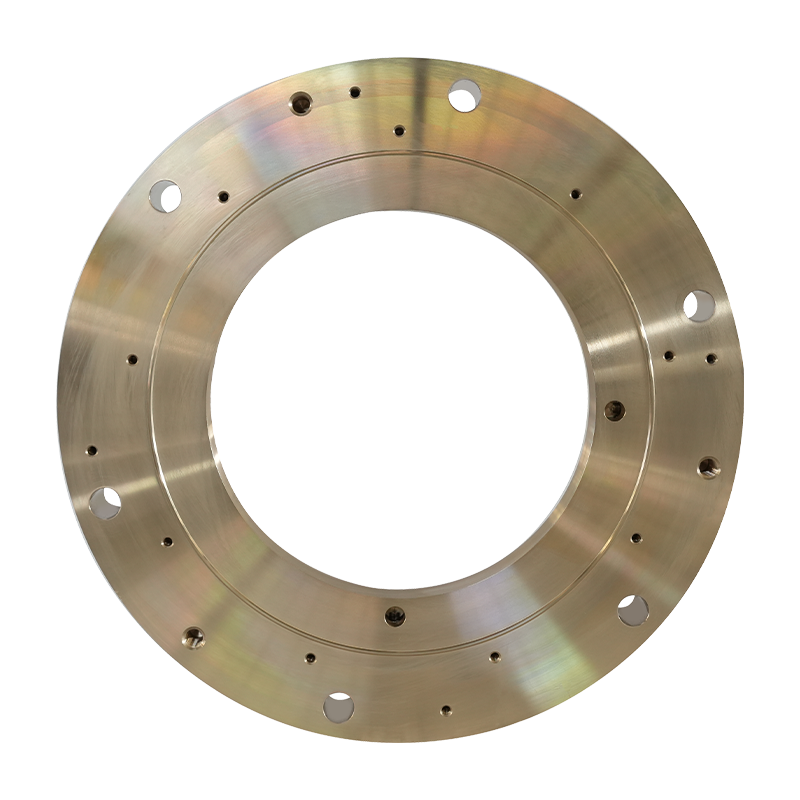
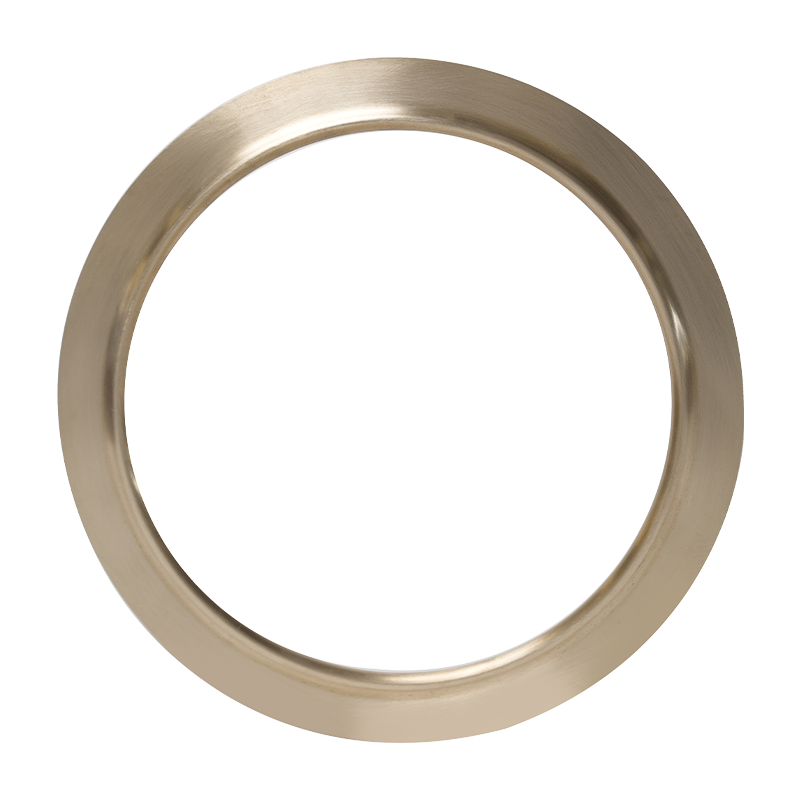
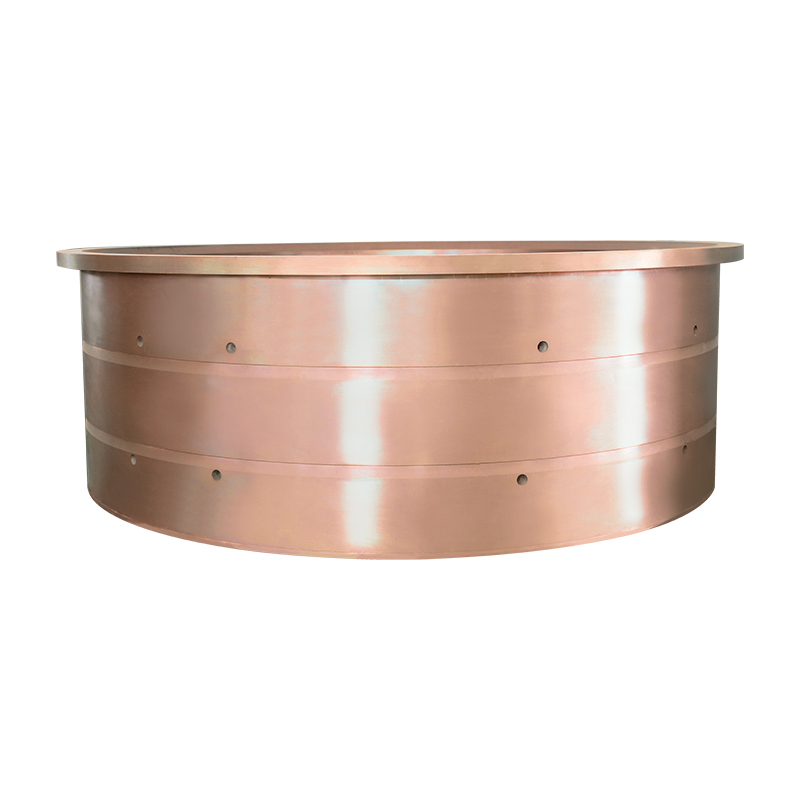
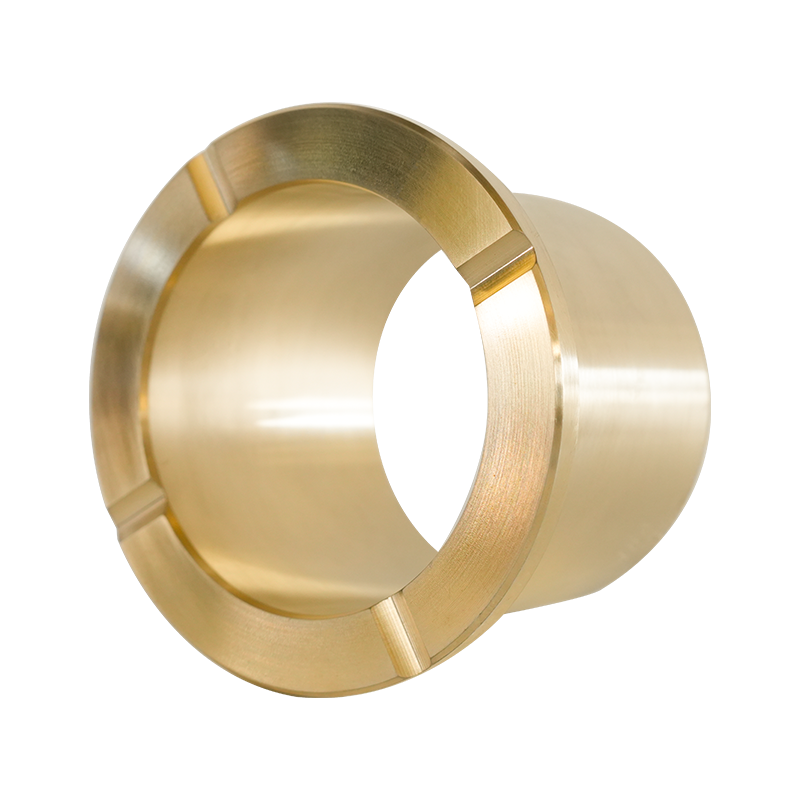
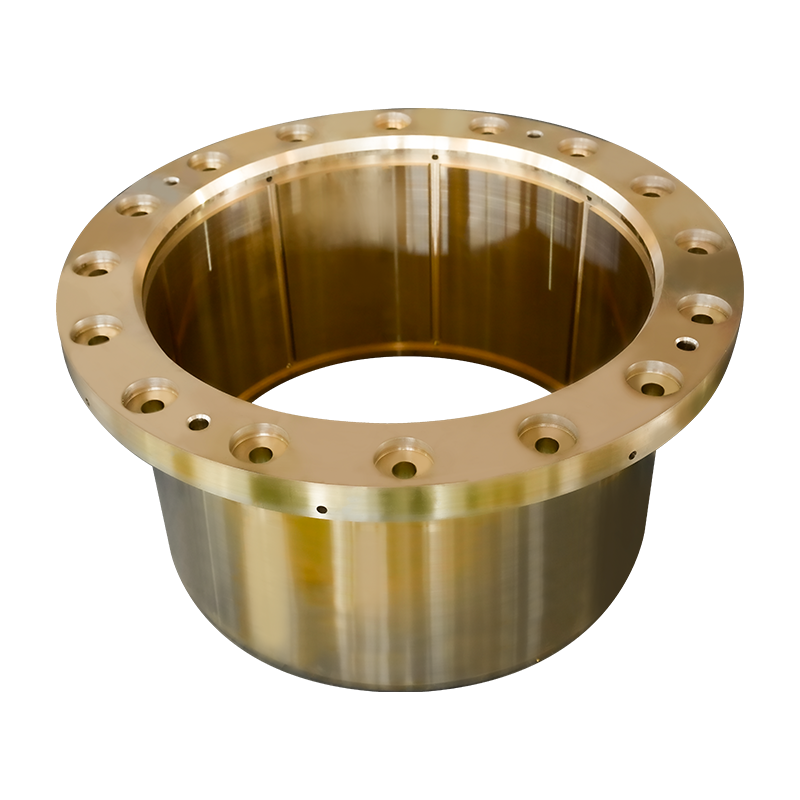
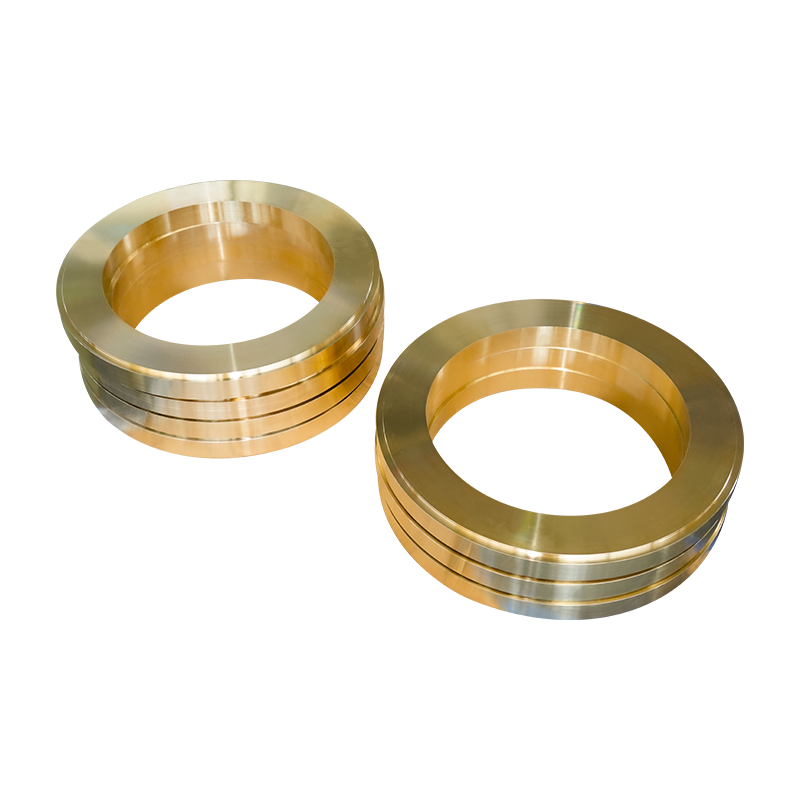
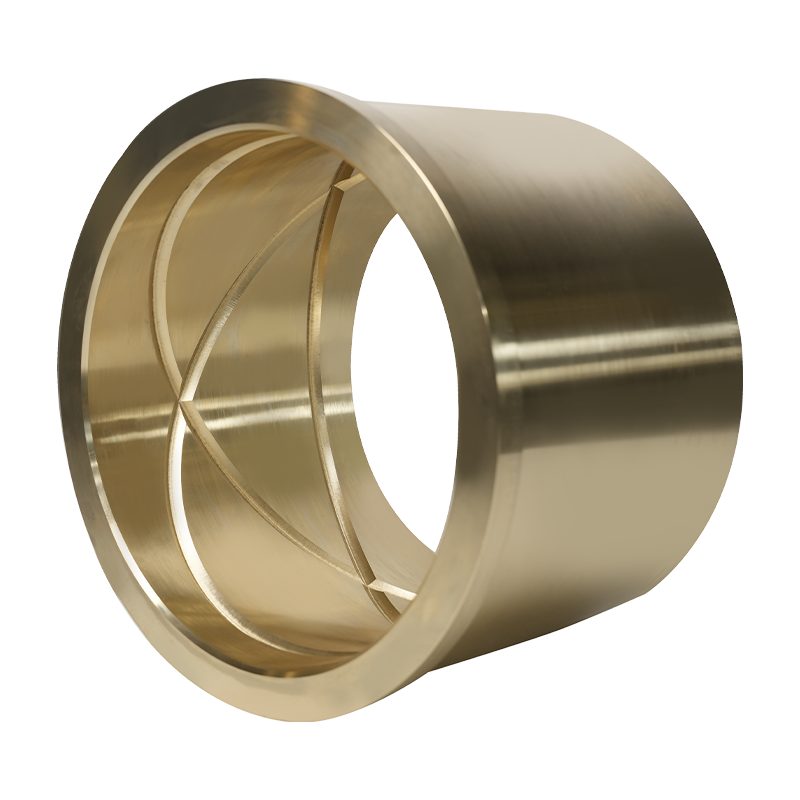
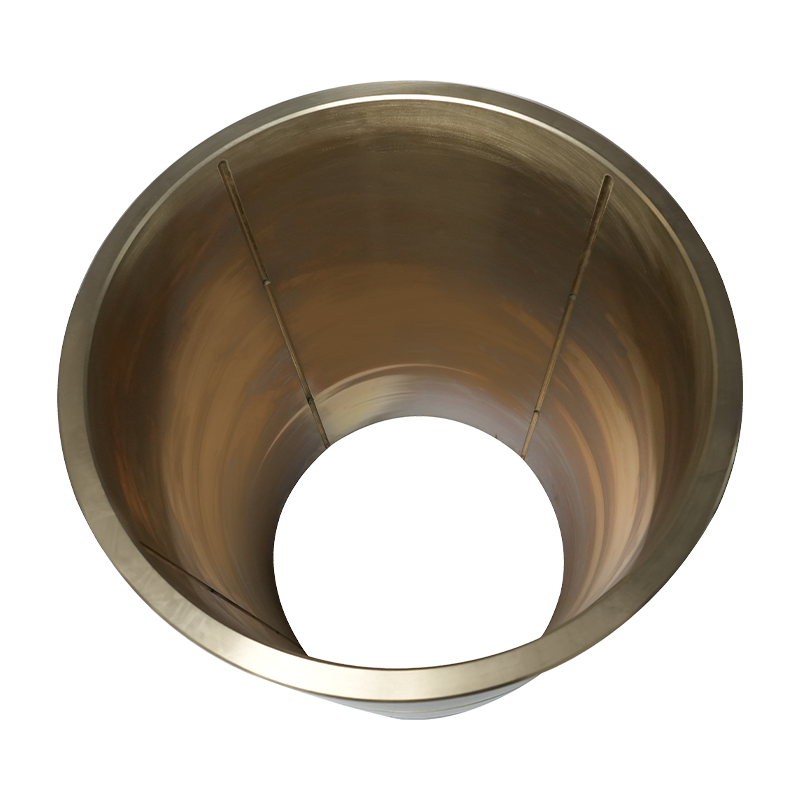
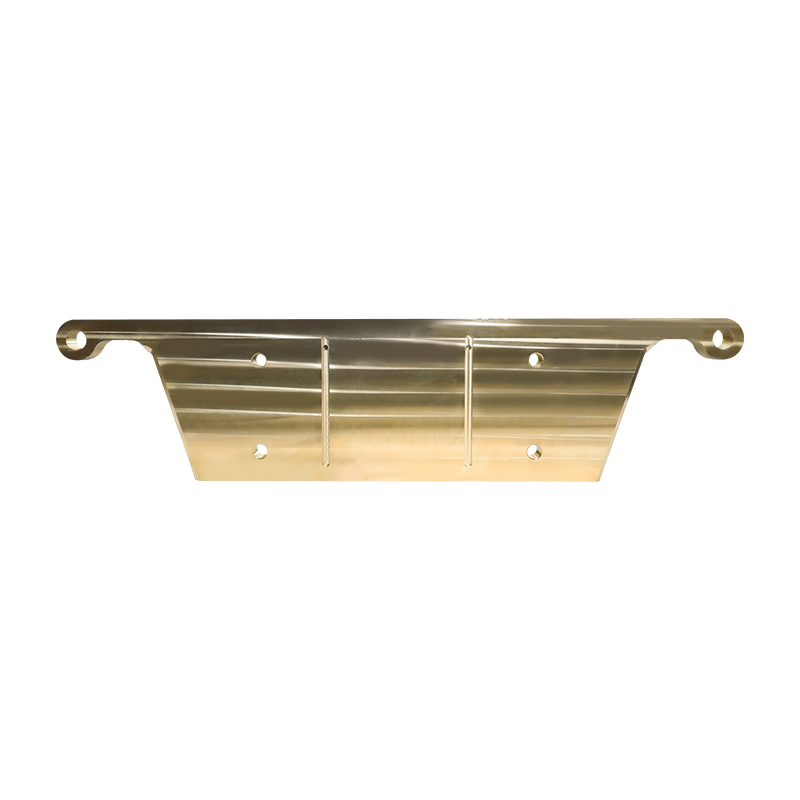
A brass plate is used by cutting, machining, or forming it into functional components — such as wear plates, bearing surfaces, thrust washers, valve bodies, and structural liners — then installing those components in the target assembly. The correct use starts with selecting the right alloy grade (e.g., C86300, C86200, C36000, or CAC301), dimensioning the plate to your part drawing, machining it to tolerance, and securing it in place with the appropriate fasteners or press-fit methods. The rest of this guide covers each stage in detail so you can get maximum service life from your brass plate.
Choosing the Right Brass Plate Grade for Your Application
Not all brass plates perform equally under load. Industrial-grade brass plates are produced in several alloy designations, each optimized for different conditions. Picking the wrong grade is the single most common reason components wear out prematurely.
| Alloy Grade |
Typical Composition |
Key Strength |
Best Use Cases |
| C86300 |
Cu 60–66%, Zn bal., Mn 2.5–5%, Fe 2–4%, Al 3–7.5% |
Highest tensile strength (~110 ksi) |
Heavy-duty gears, mining equipment wear plates, high-load bushings |
| C86200 |
Cu 60–66%, Zn bal., Mn 1.5–3%, Fe 0.5–2%, Al 3–7% |
Good balance of strength and machinability |
Construction machinery parts, structural wear liners |
| C36000 |
Cu 60–63%, Pb 2.5–3.7%, Zn bal. |
Best machinability of any brass |
Precision valve bodies, screw machine parts, fittings |
| CAC301 |
Cu 67–72%, Zn bal., Al 1–2% |
Good corrosion resistance in marine environments |
Ship propulsion components, sealing device parts |
Common industrial brass plate alloy grades, properties, and recommended applications
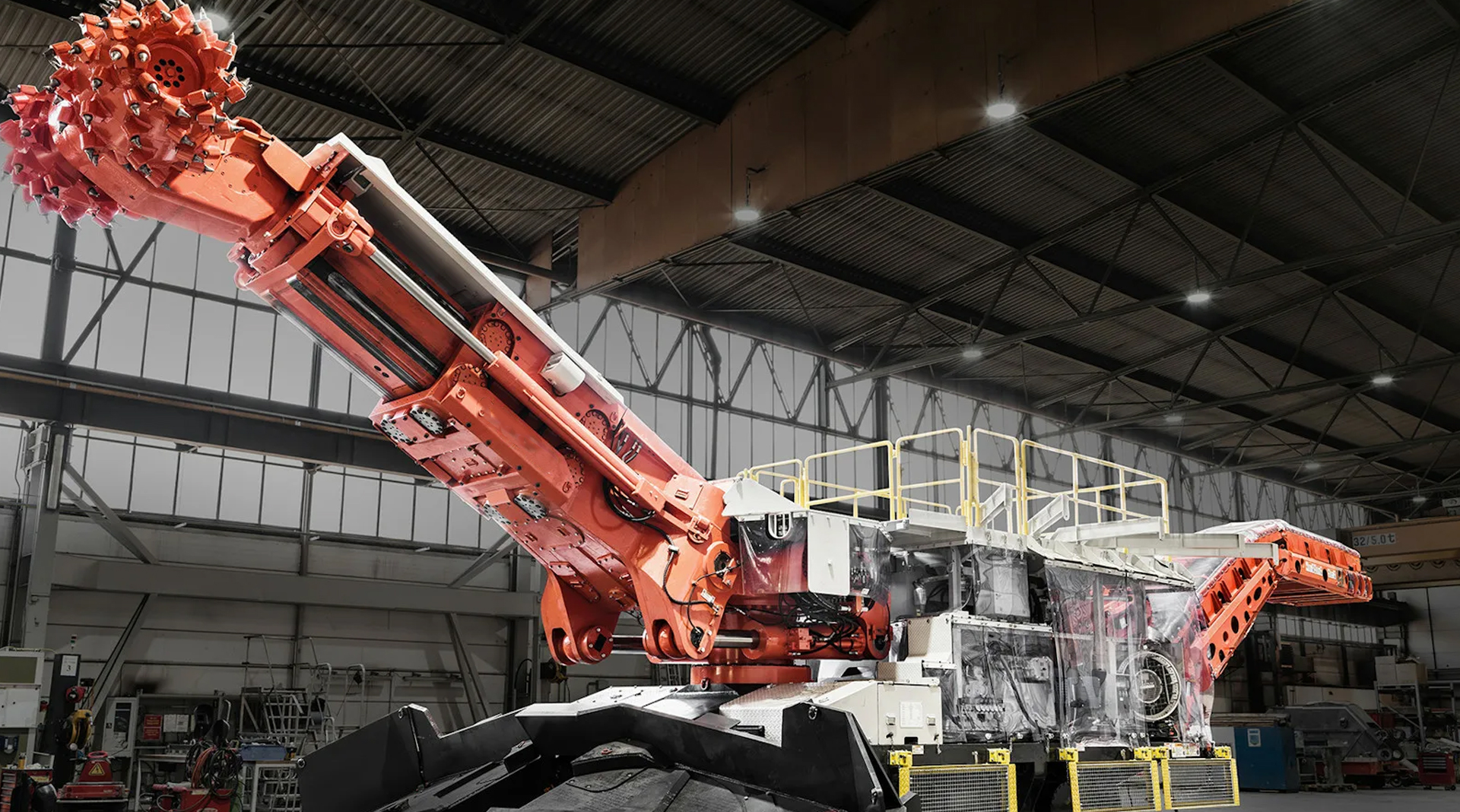
For mining equipment and construction machinery — two of the most demanding environments — C86300 is the standard choice due to its combination of high tensile strength, wear resistance, and resistance to impact loading. For precision-machined valve components where dimensional accuracy matters more than brute strength, C36000's superior machinability makes it the practical pick.
Cutting and Machining a Brass Plate to Size
Brass plates are typically supplied in flat rectangular stock. Before the plate becomes a functional part, it must be cut and machined to your exact drawing specifications. Brass is significantly easier to machine than steel — C36000, for example, is rated at 100% machinability relative to free-cutting steel, meaning faster cycle times, less tool wear, and lower scrap rates.
Recommended Cutting Methods
- Bandsaw or circular saw: Suitable for straight cuts on plate stock up to 50 mm thick. Use a blade with 3–6 TPI and moderate feed pressure to avoid work-hardening.
- CNC milling: Ideal for producing flat wear plates with precise outer dimensions and feature holes. Use carbide end mills at high spindle speeds (1,500–3,000 RPM for most alloys).
- CNC turning (for disc or ring forms): When the brass plate needs to be turned into a cylindrical bushing or thrust washer, a lathe with carbide inserts delivers excellent surface finish.
- Plasma or waterjet cutting: Practical for large plates or complex outlines where saw cutting is impractical. Waterjet produces no heat-affected zone, preserving material properties.
Surface Finish Targets
For bearing and wear plate surfaces, target a surface roughness of Ra 0.8–1.6 µm as a general starting point. Contact surfaces against hardened steel shafts benefit from a smoother Ra 0.4 µm finish to reduce running-in wear. Always degrease machined surfaces with a solvent before assembly.
Primary Industrial Uses of Brass Plate
Understanding how brass plate is used across industries helps you plan your own application correctly. Each use case demands a specific installation approach.
Wear Plates and Liners
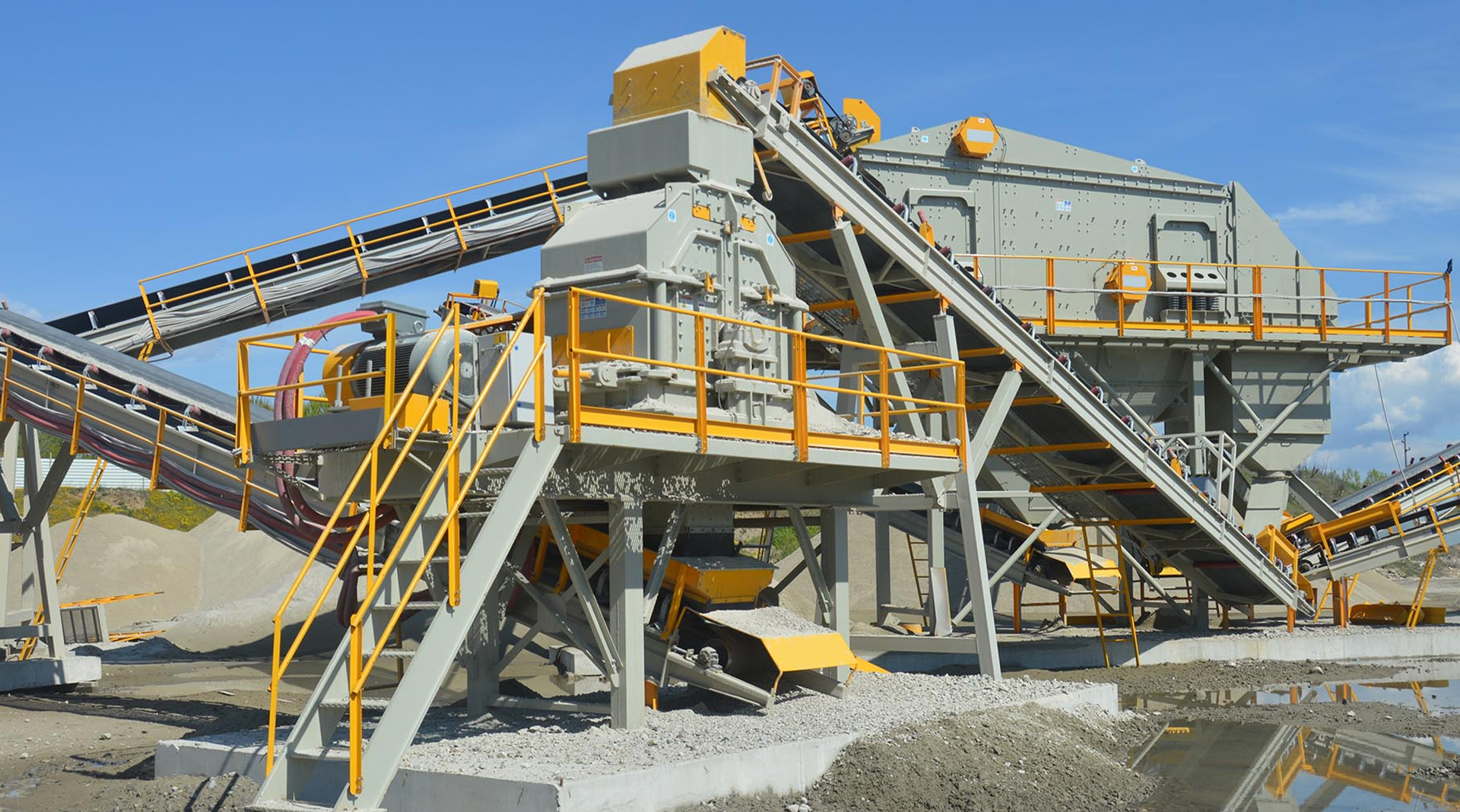
Brass wear plates are bolted or press-fitted onto structural surfaces subjected to sliding contact — for example, the guide surfaces of excavator booms or the bearing surfaces of crusher frames. Typical plate thickness in mining equipment ranges from 10 mm to 50 mm, depending on expected abrasion load and service interval. Secure the plate with countersunk fasteners to keep the mating surface flush, and allow 0.05–0.15 mm of clearance per side against the mating steel for thermal expansion.
Thrust Washers and Bearing Surfaces
Cut brass plate into annular discs to serve as thrust washers in rotating assemblies. These sit between a rotating shaft shoulder and a housing face to manage axial loads. In construction machinery pivot joints, brass thrust washers routinely handle axial loads exceeding 50 MPa. Ensure the washer seats flat — any rocking causes edge loading that concentrates stress and accelerates wear.
Valve Bodies and Hydraulic Components
Plate stock is machined into valve bodies, manifolds, and spool housings for hydraulic systems in oil and gas equipment and metallurgical machinery. The corrosion resistance of brass means no additional plating is needed in most fluid environments. Keep internal bores within H7/h6 tolerance fits for reliable sealing against mating spools.
Ship Propulsion and Sealing Device Components
In marine applications — ship propulsion systems, ocean drilling platforms, and ship lock lifting equipment — brass plate is machined into sealing flanges, guide rings, and structural wear parts. The non-sparking property of brass is critical here: in environments where explosive gases may be present (such as oil tankers or offshore platforms), brass eliminates the risk of ignition from metal-to-metal impact that ferrous components cannot avoid.
Electrical and Grounding Applications
Brass plate is used as electrical bus bars, grounding pads, and terminal blocks where both structural rigidity and conductivity are required. Brass has an electrical conductivity of approximately 28% IACS (versus 100% for pure copper), which is sufficient for grounding and short-run current distribution while offering far better structural integrity than copper sheet.
Installation Best Practices for Brass Plate Components
Correct installation determines whether a brass plate component reaches its full service life or fails early. Follow these steps regardless of the specific application:
- Inspect the mating surface. Any burrs, gouges, or misalignment in the steel housing will transfer stress concentrations into the brass plate. Machine the housing bore or face to the required tolerance before fitting.
- Apply appropriate lubrication. For bearing and wear plate applications, use a compatible oil or grease rated for the operating temperature range. Most brass-on-steel applications run well with lithium-based grease at temperatures up to 120 °C.
- Use correct interference fits for press-fitted parts. Typical interference for brass bushings pressed into a steel housing is 0.025–0.075 mm. Too little interference causes fretting; too much risks cracking the brass on installation.
- Torque fasteners to specification. For bolted wear plates, use stainless steel or high-tensile brass fasteners. Overtorquing can distort thin plate stock and create high spots on the wear surface.
- Allow for thermal expansion. Brass has a coefficient of thermal expansion of approximately 19–20 µm/m·°C, compared to steel at about 12 µm/m·°C. In high-temperature applications, design clearance gaps to accommodate this difference and prevent binding.
- Conduct a run-in period. For new bearing surfaces, operate at 30–50% of rated load for the first few hours to allow the surfaces to bed in and establish a stable lubricant film.
Maintenance and Inspection of Brass Plate Components in Service
Even in demanding environments, brass plate components are highly maintainable. Establishing a routine inspection schedule protects against unplanned downtime — a single failed wear plate in a mining conveyor or construction crane can halt operations for hours.
Inspection Intervals
For heavy-duty applications (mining equipment, construction machinery), inspect brass wear plates and bushings every 500–1,000 operating hours. In moderate-duty applications (oil and gas valves, metallurgical equipment), annual inspection is typically sufficient. Check for:
- Wear depth: replace when the plate has worn to 50% of its original thickness or when dimensional clearance exceeds the design tolerance by more than 0.5 mm.
- Surface scoring: deep grooves (over 0.3 mm depth) indicate either inadequate lubrication or contamination in the mating interface.
- Corrosion pitting: rare in standard environments but possible in highly acidic or chloride-rich media. Surface pitting over 1 mm depth warrants replacement.
- Fastener looseness: vibration can back off bolts on wear plates. Check and re-torque at each inspection.
Lubrication Top-Up
Re-grease brass bearing surfaces at each inspection. Dried or contaminated lubricant is the leading cause of accelerated wear in pivot joints and slide guides. Use a grease gun to inject fresh grease until you see a small bead of fresh lubricant emerge from the relief holes or edges — this confirms the old grease has been fully displaced.
Safety Considerations When Working with Brass Plate
Brass plate is one of the safer metallic materials to work with, but a few precautions apply during fabrication and installation:
- Machining fumes: High-speed dry machining of brass can generate zinc oxide fumes. Use adequate ventilation or coolant to minimize airborne particles, and wear an N95 or higher respirator in enclosed workshops.
- Sharp edges: Freshly cut brass plate edges are very sharp. Deburr all edges with a file or chamfering tool before handling or installing.
- Weight: Brass has a density of approximately 8.5 g/cm³, meaning a 500 mm × 500 mm × 30 mm plate weighs about 63 kg. Use proper lifting equipment for plates over 25 kg.
- Non-sparking advantage: In flammable-atmosphere worksites (gas processing plants, offshore platforms), always use brass plate rather than steel for components that may see impact — brass will not spark and ignite ambient vapors.
Brass Plate vs. Alternative Materials: When to Choose Brass
Engineers sometimes face a choice between brass plate, bronze plate, steel plate, or engineering polymers. Brass plate is the right choice when your application requires a specific balance of properties that no single alternative fully provides.
| Property |
Brass Plate |
Tin Bronze Plate |
Carbon Steel Plate |
| Machinability |
Excellent |
Good |
Moderate |
| Corrosion Resistance |
High |
Very High |
Low (rusts) |
| Tensile Strength (MPa) |
450–760 |
310–480 |
400–550 |
| Non-Sparking |
Yes |
Yes |
No |
| Cost (relative) |
Moderate |
Higher |
Lower |
| Bearing Properties |
Very Good |
Excellent |
Poor |
Comparison of brass plate against common alternative plate materials for industrial component fabrication
Choose brass plate when you need corrosion resistance, good bearing properties, and machinability at a lower cost than bronze — particularly in construction machinery, oil and gas equipment, and marine structural applications. Where extreme bearing performance is the priority, tin bronze plate may justify its higher cost. Where budget is the primary constraint and corrosion is not a concern, carbon steel can serve, but will require surface treatments and more frequent replacement.



 English
 日本語
日本語 русский
 Deutsch