Worm gears are good for applications that require high reduction ratios, large torque multiplication, compact drive geometry, and self-locking capability in a single gear stage. No other gear type achieves all four of these properties simultaneously. When an engineer needs to step down a high-speed motor output to a slow, powerful drive shaft — while preventing the load from back-driving the motor when power is removed — a worm gear drive is consistently the most space-efficient and mechanically elegant solution available.
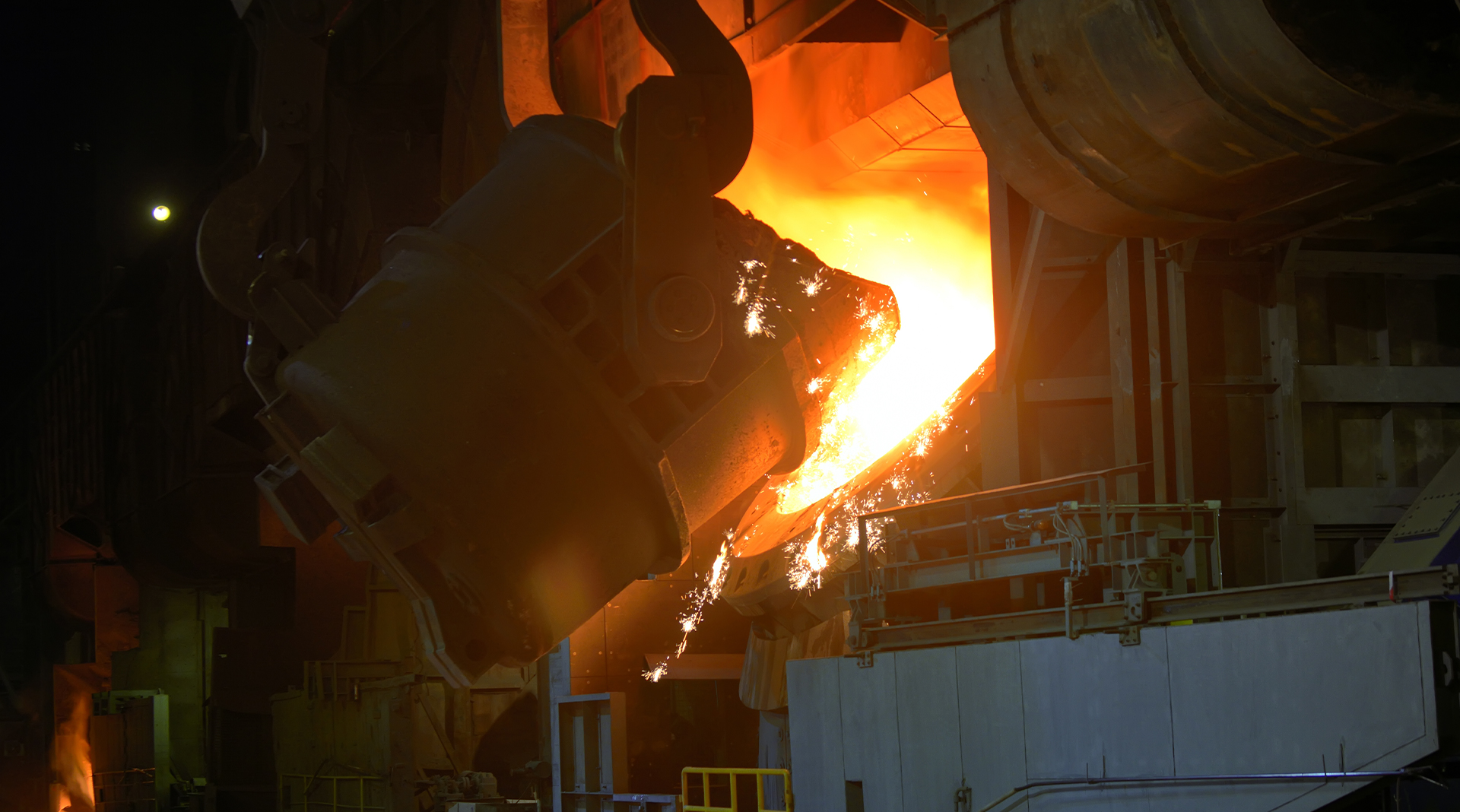
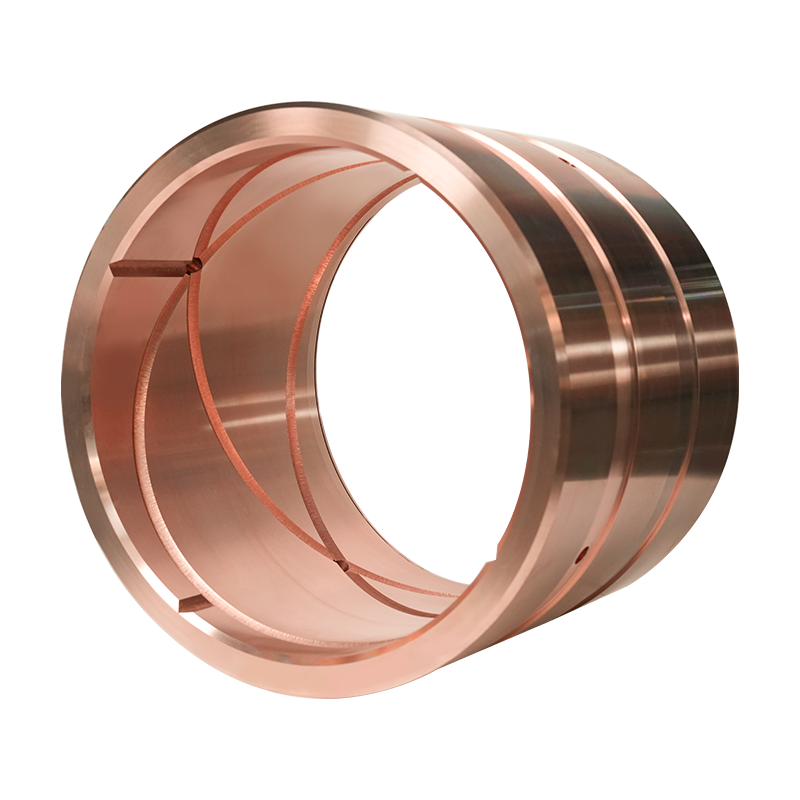
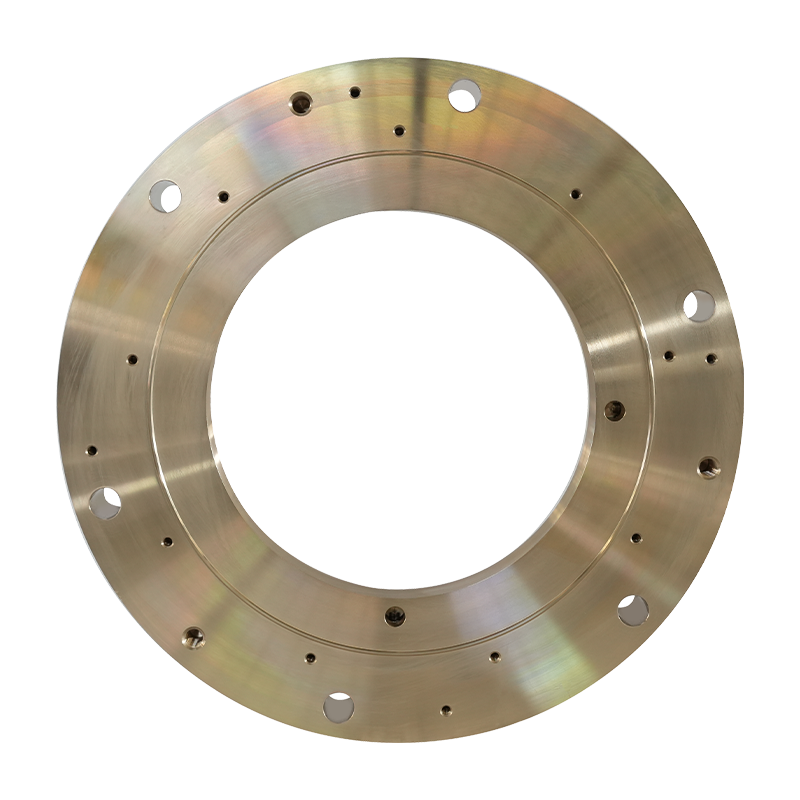
In industrial applications ranging from mining hoists and marine winches to construction crane slewing rings and metallurgical rolling mill drives, worm gears — and specifically copper worm gears where the worm wheel is manufactured from a copper alloy — are specified precisely because of this combination of capabilities. The sections below explain the mechanical advantages of worm gears in detail, identify the industries and applications where they are most valuable, and explain why copper alloy material selection for the worm wheel is a critical engineering decision rather than a secondary consideration.
How Worm Gears Work: The Basis of Their Advantages
A worm gear drive consists of two meshing components: a worm — a helical screw shaft, typically made from hardened steel — and a worm wheel (also called a worm gear or worm turbine), a toothed wheel whose teeth are curved to conform to the worm's helical thread. The worm is mounted on the input shaft and rotates about its own axis. As it turns, its thread progressively advances and engages successive teeth on the worm wheel, causing the wheel to rotate about a perpendicular axis.
The number of teeth on the worm wheel divided by the number of starts (thread leads) on the worm defines the gear ratio. A single-start worm meshing with a 40-tooth worm wheel produces a 40:1 reduction ratio in a single stage — a ratio that would require multiple stages of spur or helical gearing to achieve. Worm gear sets routinely deliver ratios from 5:1 to 100:1, and in some configurations up to 300:1, all within a single, compact housing.
The contact between the worm and worm wheel is fundamentally sliding contact rather than the rolling contact that characterizes spur, helical, or bevel gears. This sliding action generates friction and heat at the gear mesh, which is why material selection for the worm wheel — which experiences the majority of this surface stress — is so critical to the drive's efficiency, longevity, and load capacity.
Five Key Advantages That Make Worm Gears Valuable
High Reduction Ratios in a Single Stage
Worm gear drives deliver large speed reductions in a single mesh, eliminating the need for multi-stage gearboxes in many applications. This reduces housing complexity, shaft alignment requirements, and overall drivetrain length. For equipment where installation space is constrained — such as shipboard winch rooms, underground mining drives, or compact machine tool columns — the ability to achieve a 50:1 or 80:1 ratio in a single gear stage is a decisive engineering advantage.
Large Torque Multiplication
The mechanical advantage of a worm gear drive scales directly with the gear ratio. A 60:1 worm gear set driven by a motor producing 50 N·m of input torque will ideally generate approximately 3,000 N·m of output torque — before accounting for efficiency losses. In practice, worm gear efficiency ranges from 50% to 90% depending on the lead angle and lubrication, so actual output torque is somewhat lower, but the order-of-magnitude multiplication remains. This torque amplification makes worm gears the practical choice for driving heavy loads from relatively small motor frames.
Self-Locking Under Load
When the worm lead angle is shallow — typically below 5° — the friction at the gear mesh prevents the worm wheel from back-driving the worm when input power is removed. This self-locking property means the load is held in position without any additional braking mechanism. Self-locking is essential for safety-critical lifting applications such as crane hoists, ship lock gate drives, elevator mechanisms, and valve actuators, where inadvertent load descent during a power interruption would be hazardous. No other single-stage gear type offers reliable self-locking under comparable load conditions.
Right-Angle Power Transmission in Compact Space
The worm and worm wheel rotate on axes that are perpendicular to each other and offset — typically by 90°. This right-angle arrangement allows a drive motor mounted horizontally to transmit power to a vertical output shaft, or vice versa, without bevel gears, universal joints, or complex shaft arrangements. The compact, right-angle geometry suits installations where the motor and driven equipment must be oriented in different planes, which is common in conveyor drives, slewing mechanisms, and steering systems.
Smooth, Quiet Operation
The continuous sliding contact between the worm thread and worm wheel teeth produces a smooth, vibration-free power transmission with very low noise levels compared to spur or helical gears operating at equivalent speeds. This makes worm gears well-suited for applications in noise-sensitive environments such as laboratory instruments, food processing equipment, HVAC systems, and precision machine tools where gear noise is operationally unacceptable.
Industries and Applications Where Worm Gears Excel
The combination of high reduction ratio, self-locking capability, and right-angle drive geometry makes worm gears particularly well-suited to a defined set of demanding application sectors. The table below maps the most important industries to the specific worm gear properties that drive their adoption.
| Industry / Application |
Typical Worm Gear Function |
Key Property Required |
| Mining equipment |
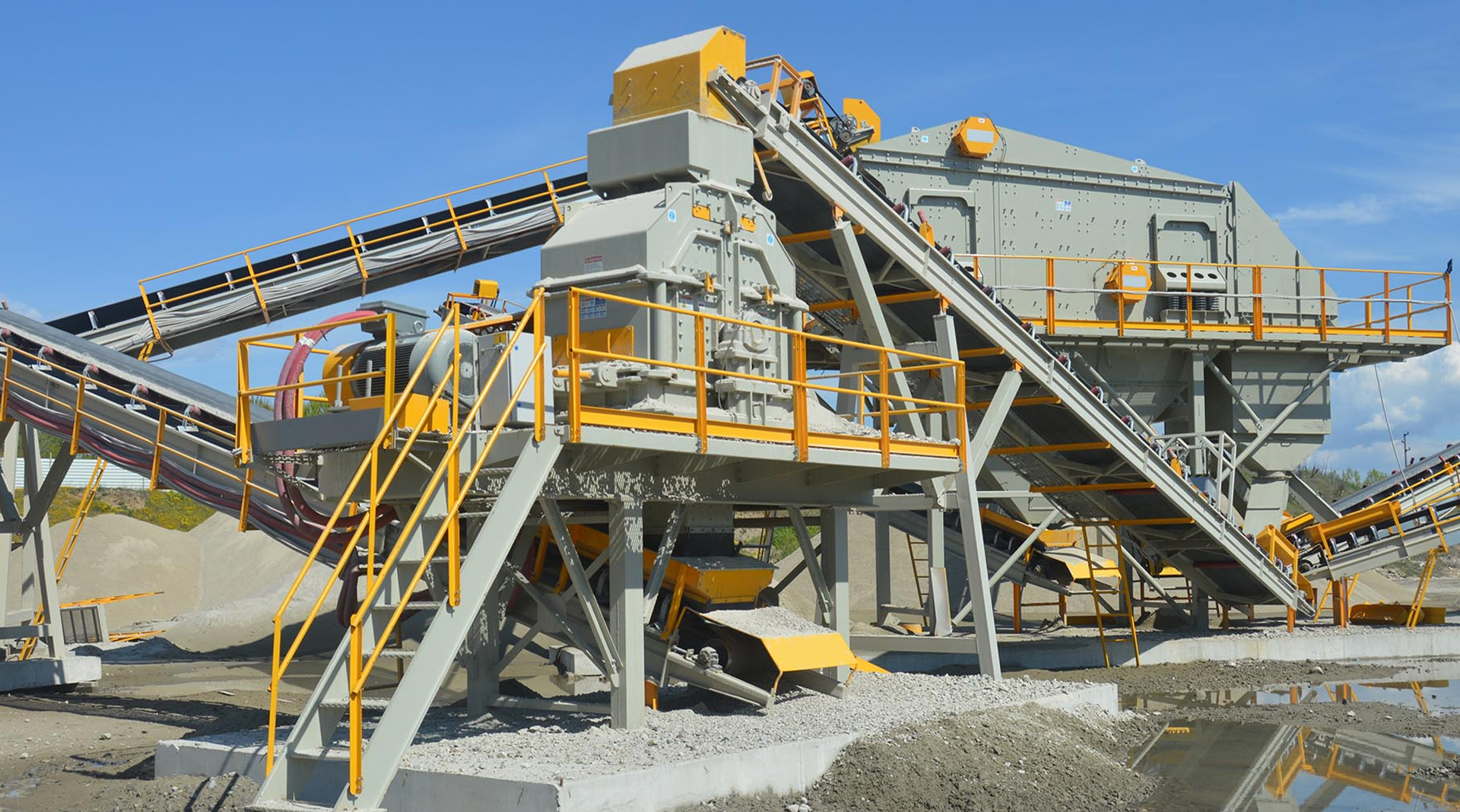
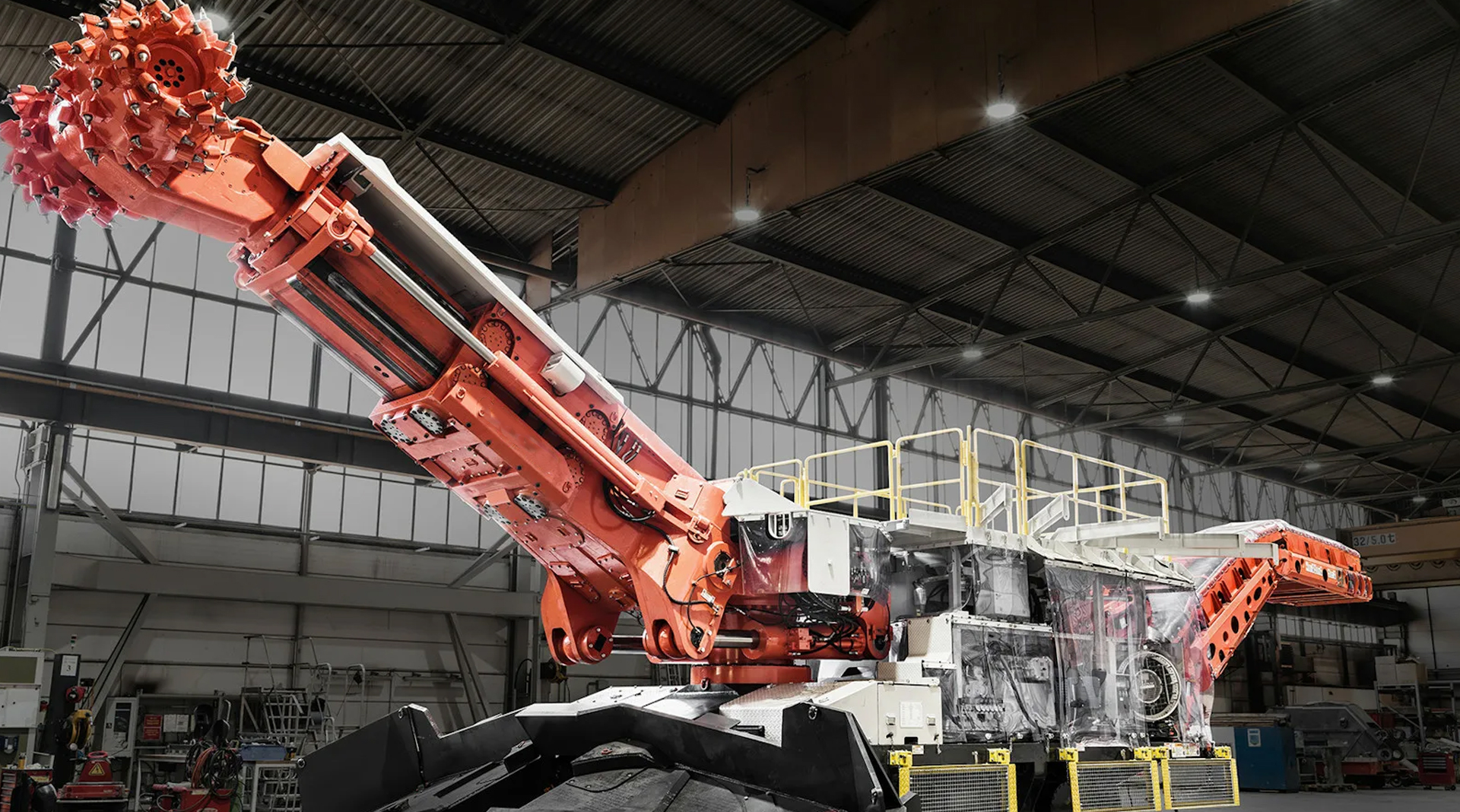
Hoist drives, conveyor drives, rotary feeder drives |
High torque, self-locking, heavy-load wear resistance |
| Marine and shipbuilding |
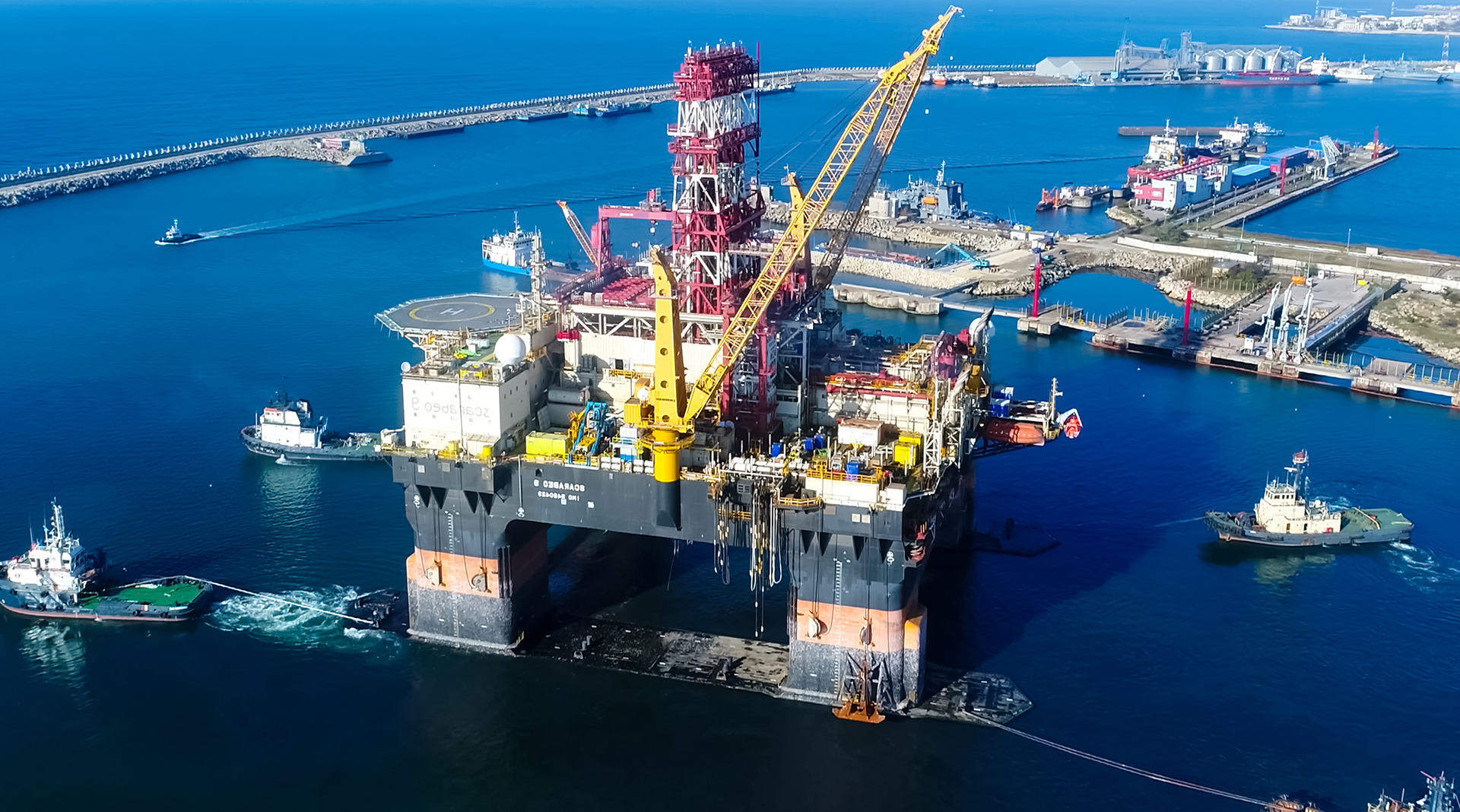
Anchor windlass, mooring winch, ship lock gate lifting |
Self-locking under load, saltwater corrosion resistance |
| Oil and gas |
Gate valve and ball valve actuators, offshore platform drives |
High reduction ratio, fail-safe self-locking |
| Construction machinery |
Crane slewing rings, concrete mixer drives, formwork jacks |
Compact right-angle drive, load holding without brake |
| Metallurgical equipment |
Rolling mill positioning drives, tundish drives |
High torque density, thermal stability under continuous operation |
| Wind power generation |
Yaw and pitch drive systems in wind turbine nacelles |
Self-locking for blade pitch holding, compact nacelle packaging |
| Machine tools |
Rotary table indexing, gear hobbing machine feed drives |
Precision positioning, smooth and quiet operation |
Table 1: Industrial applications of worm gears and the specific performance properties that drive their selection in each sector
Why Copper Alloy Is the Standard Material for Worm Wheels
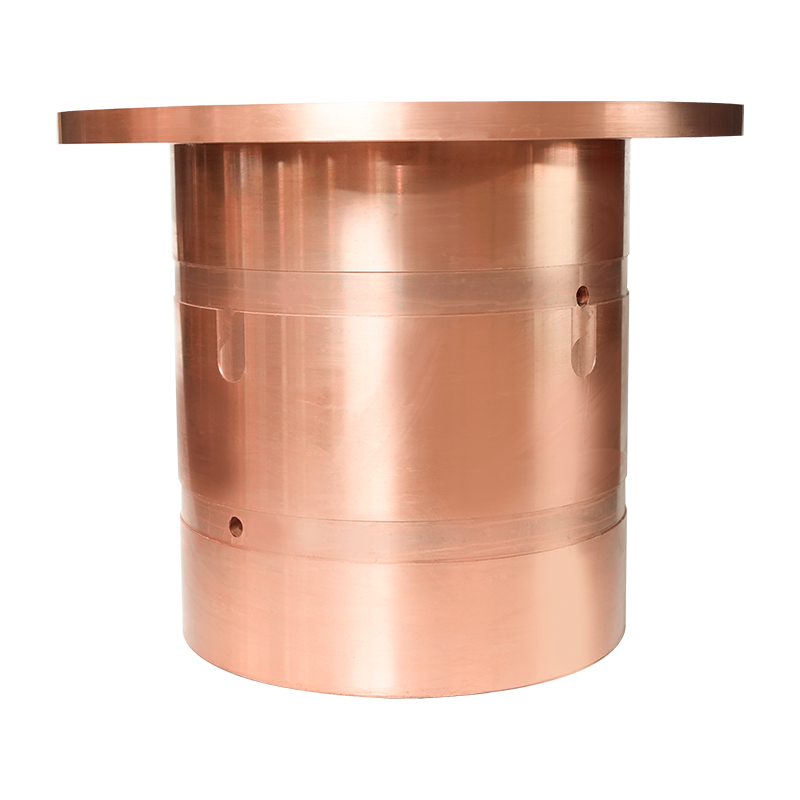
In virtually every industrial worm gear drive, the worm is manufactured from hardened alloy steel while the worm wheel is made from a copper alloy — most commonly phosphor bronze, aluminum bronze, or tin bronze. This dissimilar material pairing is not arbitrary; it is a deliberate engineering decision rooted in the tribological demands of sliding gear contact.
Because worm gear contact is primarily sliding rather than rolling, the gear mesh generates significantly more heat and surface stress per unit area than equivalent spur or helical gears. Matching a steel worm with a steel worm wheel would result in rapid galling — a form of adhesive wear where metal transfers between surfaces under high contact pressure — quickly destroying both components. Copper alloys prevent this failure mode through a combination of inherent surface lubricity, controlled wear behavior, and thermal conductivity that no other engineering material can replicate at comparable cost.
Wear Compatibility With the Steel Worm
Copper alloys exhibit a hardness profile that is compatible with hardened steel under sliding contact conditions. When wear does occur, it is controlled and predictable — the softer copper surface wears in preference to the harder steel worm, protecting the more expensive and difficult-to-replace worm shaft. The copper alloy's slight surface plasticity also allows the worm wheel teeth to conform to minor geometric imperfections or misalignments during initial running-in, distributing contact stress more evenly and extending the drive's service life.
Superior Heat Dissipation at the Gear Mesh
Copper alloys have thermal conductivity values of approximately 50–200 W/m·K depending on alloy composition — significantly higher than cast iron (40–50 W/m·K) or most engineering plastics. This conductivity allows the copper worm wheel to rapidly absorb and conduct heat away from the contact zone, preventing the localized temperature spikes that degrade lubricant viscosity and accelerate adhesive wear. In heavy-load, continuous-duty applications such as mine hoists or metallurgical rolling mill drives, this heat dissipation capability is a major determinant of whether a worm gear drive operates reliably or fails prematurely.
Corrosion Resistance in Aggressive Environments
Aluminum bronze grades — particularly those with compositions equivalent to C95500 (ZCuAl10Fe3 / ZQAl9Fe4) — deliver outstanding resistance to saltwater corrosion, making them the standard choice for marine applications including ship anchor windlasses, mooring winches, ship lock lifting mechanisms, and offshore platform drives. Tin bronze grades (such as ZCuSn10P1 and C93700) provide excellent corrosion resistance in fresh water and mild chemical environments while offering superior bearing properties for moderate-load, precision applications.
Copper Worm Gear Alloy Grades and Their Application Match
Selecting the correct copper alloy grade for a worm gear is as important as the gear geometry itself. Different alloy families offer distinct trade-offs between strength, wear resistance, corrosion resistance, and machinability. The table below covers the alloy grades most commonly used in industrial copper worm gear production.
| Alloy Grade |
Type |
Tensile Strength |
Key Properties |
Recommended Applications |
| ZCuAl10Fe3 / C95500 |
Aluminum Bronze |
≥ 590 MPa |
Highest strength, excellent saltwater corrosion resistance, good wear resistance |
Marine winches, ship lock drives, offshore platforms, mining hoists |
| ZQAl9Fe4 |
Aluminum Bronze |
≥ 540 MPa |
High strength, wear resistance, marine corrosion resistance |
Heavy-load worm drives in construction and metallurgical machinery |
| ZCuSn10P1 |
Phosphor Bronze |
≥ 260 MPa |
Excellent bearing properties, high fatigue strength, good machinability |
Precision worm drives, gear hobbing machines, machine tool rotary tables |
| Sn12Ni2-C |
Tin-Nickel Bronze |
≥ 280 MPa |
Enhanced hardness over standard tin bronze, good corrosion resistance |
Medium-load worm drives with higher surface hardness requirements |
| C93700 |
High-Lead Tin Bronze |
≥ 240 MPa |
Excellent bearing and bushing performance, good conformability |
Light-to-medium worm drives, general industrial gearboxes |
Table 2: Copper alloy grades used in industrial worm gear production, with key mechanical properties and application guidance
For the most demanding heavy-load applications — particularly those involving combined high torque, elevated operating temperatures, and corrosive environments — aluminum bronze grades (ZCuAl10Fe3 / C95500) are the standard specification. Where the primary requirement is precision gear geometry with excellent bearing surface quality at moderate loads, phosphor bronze (ZCuSn10P1) is preferred due to its superior machinability and consistent casting properties.
Where Worm Gears Are Not the Best Choice
Understanding where worm gears are less suitable is as important as knowing where they excel. Their inherent sliding contact mechanism means that efficiency is lower than rolling-contact gear types — typically 50–90% versus 95–99% for equivalent helical gear stages. This efficiency gap becomes a significant operational cost in high-power, continuous-duty applications where energy losses translate directly to increased electricity consumption and cooling requirements.
- High-speed, high-efficiency power transmission: For main drive trains in large industrial machines where efficiency is paramount and no self-locking is needed, helical or bevel helical gearboxes are more appropriate. They operate at higher efficiency and generate less heat per unit of transmitted power.
- Very high power levels: Worm gears become impractical at very high power inputs (above several hundred kilowatts in a single stage) because the heat generated at the mesh exceeds what the housing and lubrication system can practically dissipate. Parallel-shaft or planetary gearboxes are preferred at these power levels.
- Bidirectional driving without self-locking: In applications where the load needs to drive the output back through the gearbox (back-driving), the self-locking characteristic of worm gears is a disadvantage rather than a feature. A helical or bevel gear drive with high efficiency and no self-locking is a better fit for such requirements.
What to Consider When Sourcing Copper Worm Gears
For equipment manufacturers, maintenance procurement teams, and engineering buyers sourcing copper worm gears for heavy industrial applications, the following factors determine whether a replacement or custom worm gear will deliver the expected service life.
- Alloy grade verification: Always request material certificates confirming the alloy composition against the specified grade. Substitution of a lower-specification bronze alloy — for example, replacing a C95500 aluminum bronze with a standard tin bronze in a marine hoist application — will result in premature failure under high loads in corrosive service.
- Tooth geometry precision: Worm gear tooth profiles must be precisely matched to the worm's thread geometry. Inaccurate tooth form or pitch deviations concentrate contact stress on a narrow band of the tooth face rather than distributing it across the full flank, drastically reducing the gear's load capacity and surface fatigue life. Confirm that the supplier uses CNC gear cutting equipment capable of the required accuracy grade.
- Casting quality and freedom from defects: Copper alloy worm gears are typically sand cast or centrifugally cast. Porosity, shrinkage voids, or inclusions within the casting reduce fatigue strength and can cause sudden fracture under high load. Suppliers with controlled casting processes and non-destructive testing capability provide significantly better assurance of part integrity than those relying on visual inspection alone.
- Surface finish on tooth flanks: The surface roughness of the worm wheel tooth flanks directly affects running-in behavior, friction coefficient, and lubricant film thickness at the mesh. A ground or precision-hobbed finish accelerates running-in and reduces the risk of adhesive wear during the early life of the drive.
- OEM and custom fabrication capability: Many heavy industrial applications require worm gears manufactured to original equipment drawings rather than standard catalog dimensions. Suppliers with in-house casting, CNC machining, and engineering support capacity can accommodate non-standard dimensions, bore configurations, keyways, and flange designs that standard stocked items cannot satisfy. This capability is particularly important for replacement gears in legacy equipment where the original manufacturer no longer supports the part.
Conclusion: Matching Worm Gear Strengths to the Right Application
Worm gears are good for applications that demand high reduction ratios, powerful torque output, self-locking load retention, and right-angle drive geometry in a compact package. They are the preferred transmission solution for lifting and positioning equipment, mining drives, marine winches, oil and gas valve actuators, and wind turbine pitch and yaw systems — wherever holding a load safely without a secondary brake, or fitting a large speed reduction into a constrained space, are the governing engineering requirements.
The performance of a worm gear drive is only as good as its weakest component, and the worm wheel material is the most consequential specification decision in the entire drive design. Copper alloy worm gears — correctly specified by alloy grade for the application's load, temperature, and environmental conditions, and precisely manufactured to the required tooth geometry and surface finish — are the foundation of reliable, long-service worm gear drives across all heavy industrial sectors. When sourcing these components, prioritizing suppliers with verified alloy certification, controlled casting quality, and CNC gear machining capability is the most direct path to minimizing in-service failure risk.



 English
 日本語
日本語 русский
 Deutsch