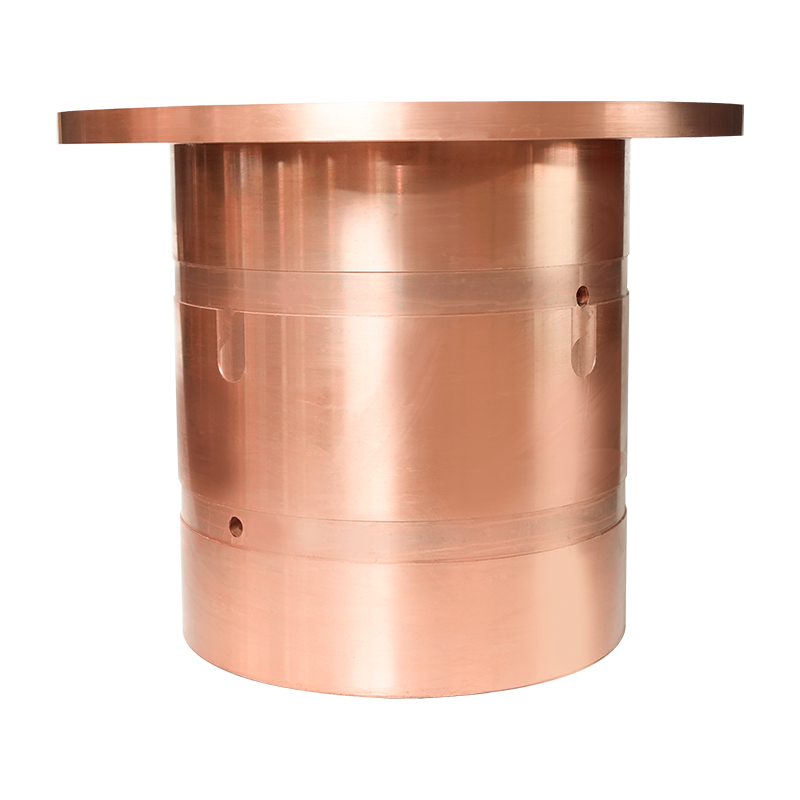
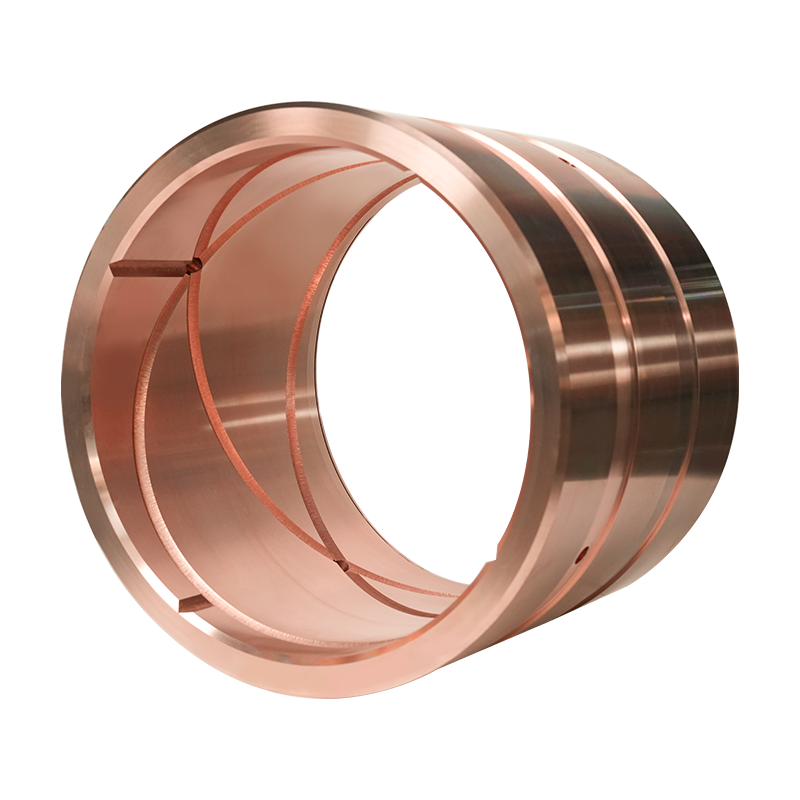
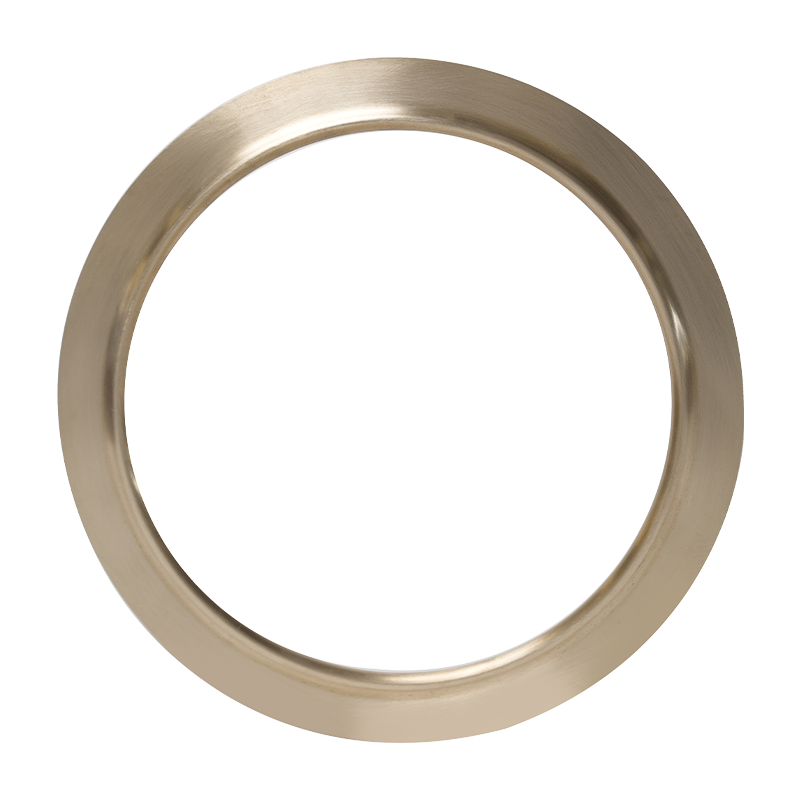
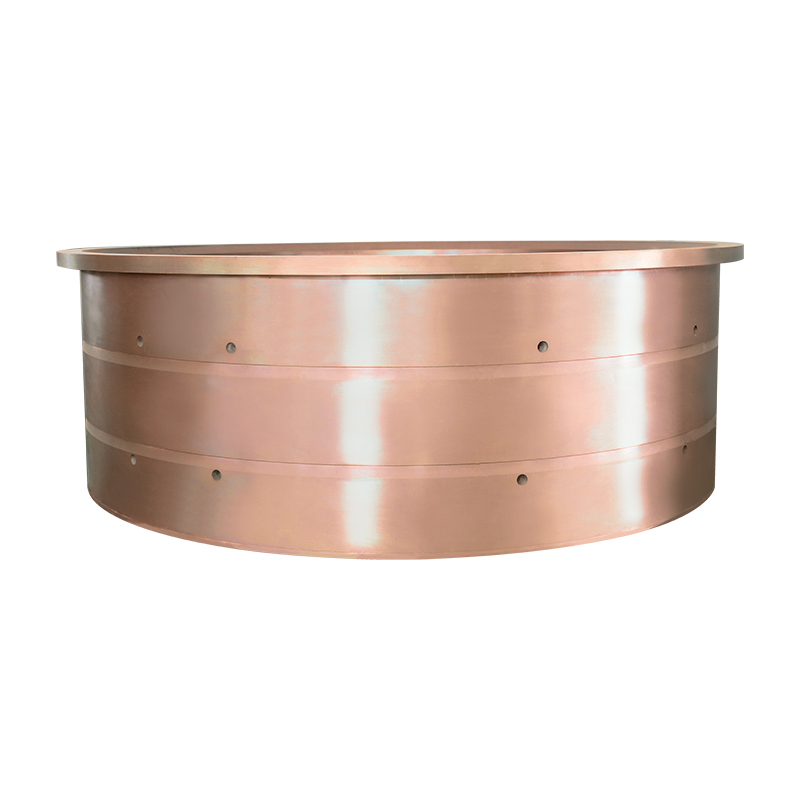
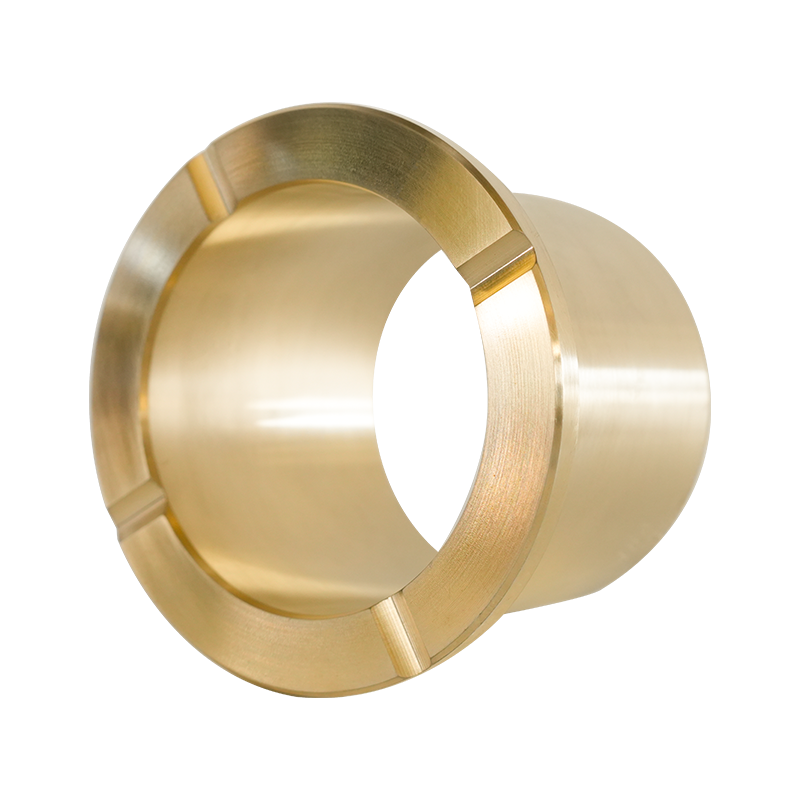
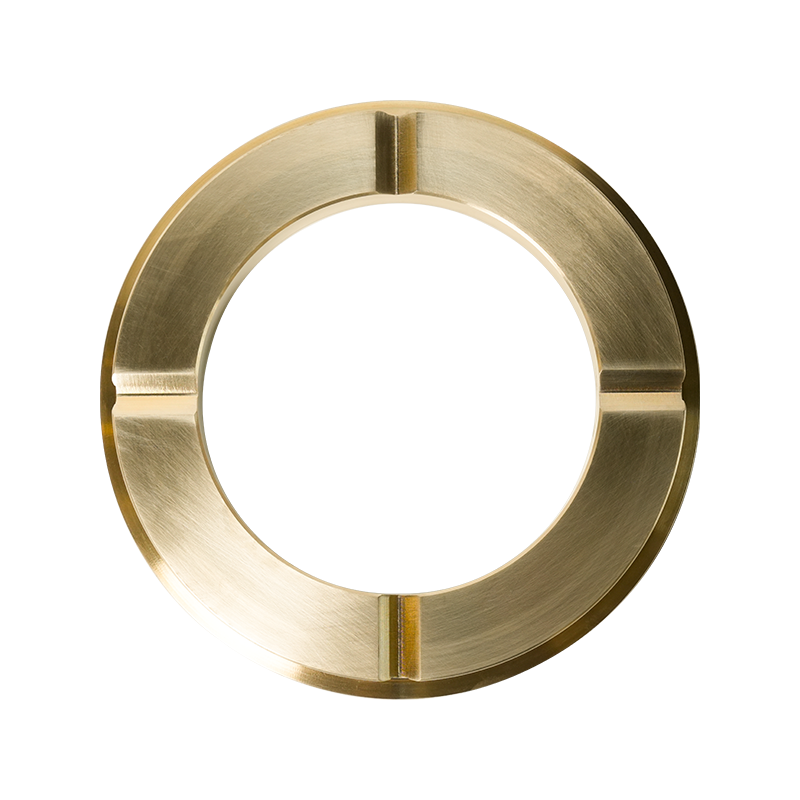
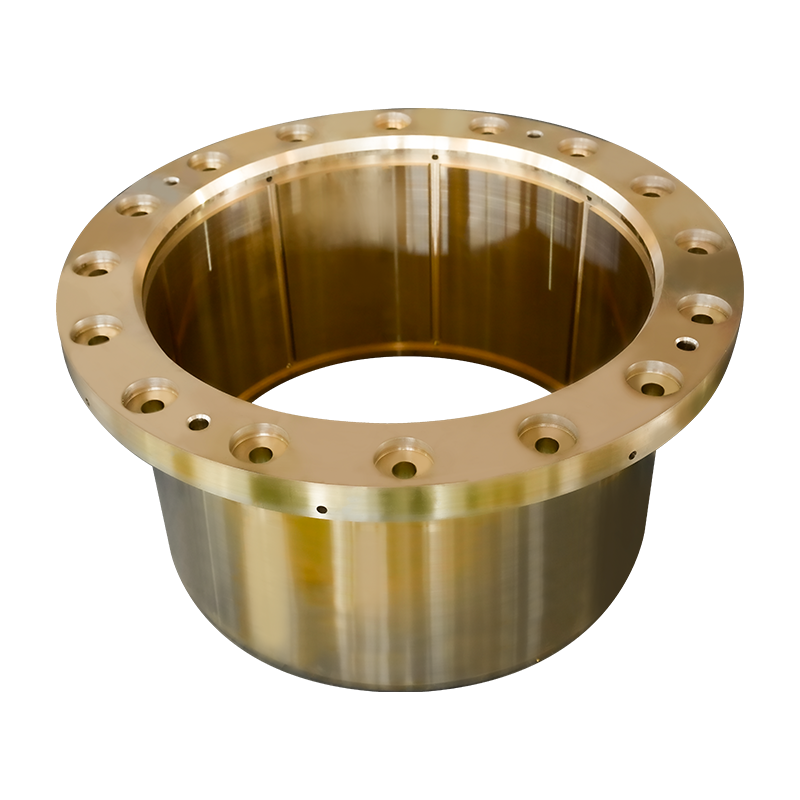
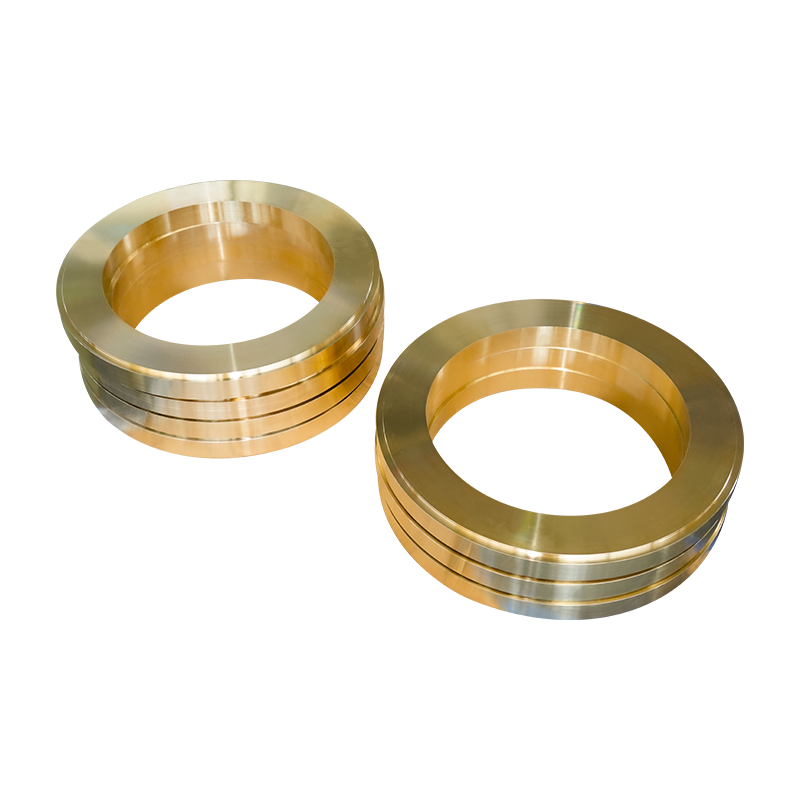
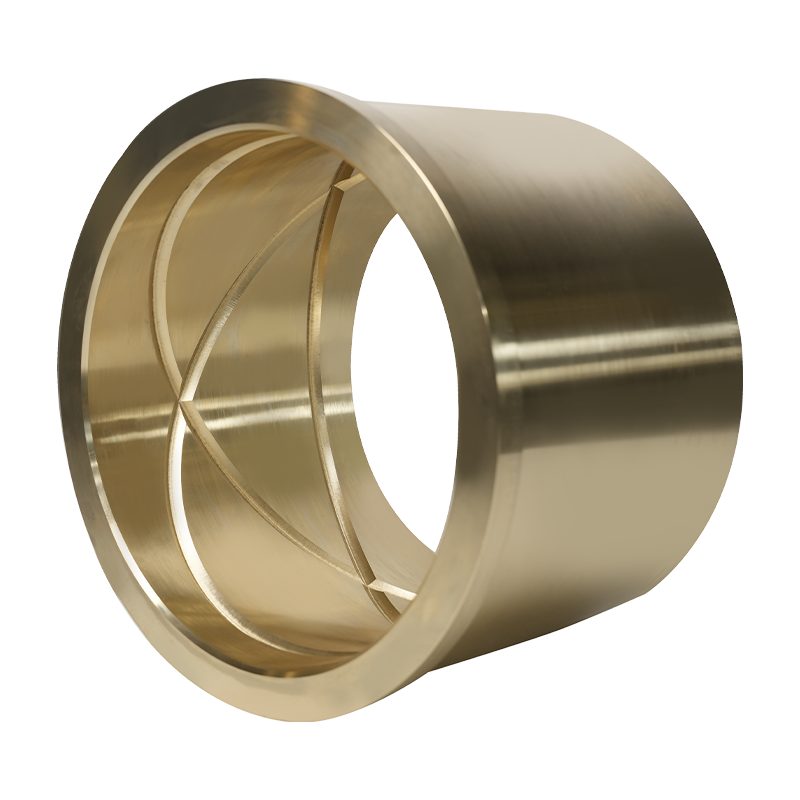
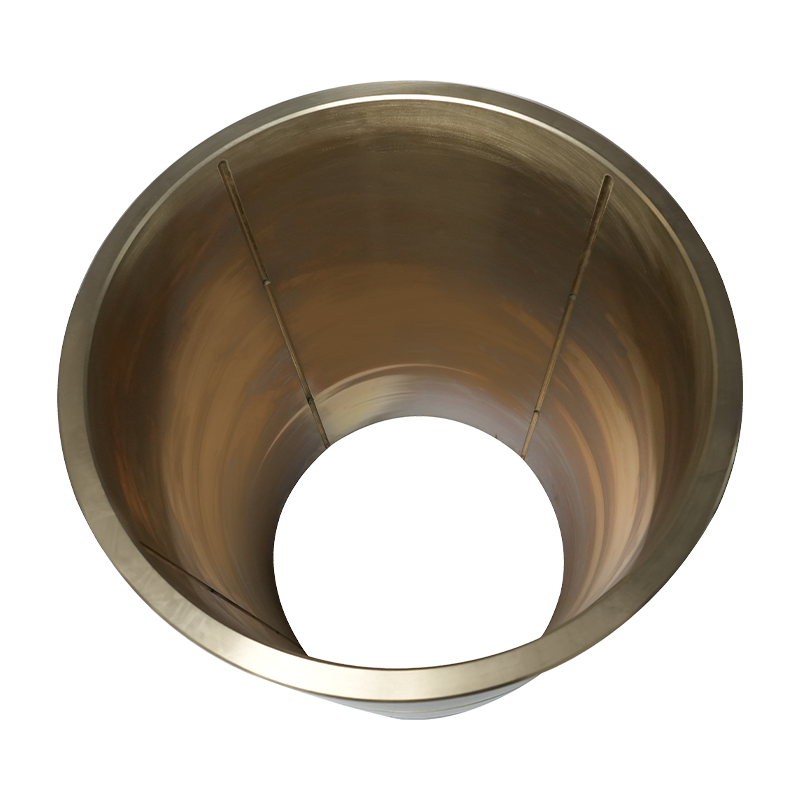
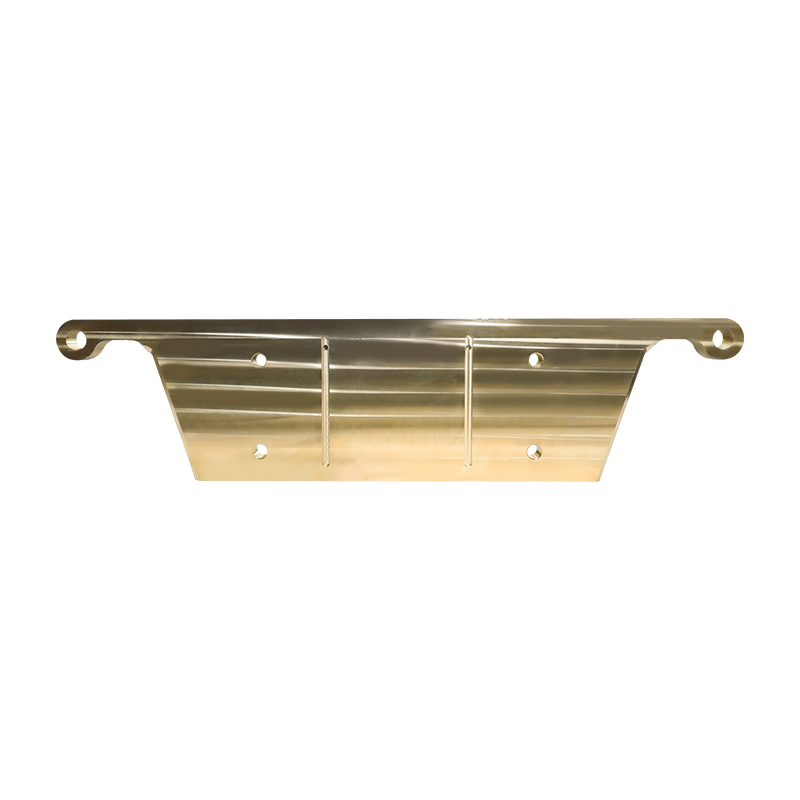
A bushing is a cylindrical sleeve or liner installed between two mating mechanical parts — typically a rotating or sliding shaft and its housing — to reduce friction, absorb wear, support load, and protect both surfaces from direct metal-to-metal contact. In practical terms, a bushing is the component that allows machines to operate smoothly under load without rapidly wearing through the components it connects. It acts as a sacrificial, replaceable interface: when wear occurs, the bushing degrades before the more expensive shaft or housing, and replacing a bushing is far cheaper than replacing those primary components.
Among the various bushing materials available — including nylon, PTFE, and steel — copper bushings (made from copper alloys such as tin bronze, brass, or aluminum bronze) stand out for their combination of high load capacity, natural lubricity, corrosion resistance, and machinability. This makes copper bushings the standard choice in demanding industrial environments where other materials fail under sustained loads, elevated temperatures, or aggressive chemical exposure.
The Core Functions of a Bushing in Mechanical Systems
Understanding what a bushing does requires looking at the specific mechanical problems it solves. In any assembly where a shaft rotates or slides within a housing, four fundamental challenges arise simultaneously — and a properly selected bushing addresses all of them.
Friction Reduction
Direct contact between a steel shaft and a steel housing generates high friction, heat, and rapid surface degradation. A copper bushing — particularly those made from lead-containing bronze alloys — has a friction coefficient roughly one-third that of steel, dramatically reducing energy loss and heat generation in rotating or oscillating assemblies. Copper alloys can also form a thin self-lubricating film through controlled micro-wear, providing residual lubrication even when external lubricant supply is temporarily disrupted.
Wear Protection and Load Distribution
The bushing distributes radial and axial loads across its full bearing surface area rather than concentrating stress at a single contact point. This load distribution prevents localized plastic deformation and fatigue cracking in the shaft and housing. The bushing itself acts as the wear surface: as it gradually wears through service, it is replaced — protecting the shaft and housing, which would be far more costly to repair or replace. In copper bushing applications, dimensional tolerances are controlled at the micron level to maintain rotational accuracy and prevent shaft wobble or deflection under load.
Vibration and Shock Absorption
In machinery subject to impact loads — mining equipment, construction machinery, and marine propulsion systems — bushings absorb and dampen vibration energy before it transmits to the housing structure. The slight elastic compliance of copper alloys compared to hardened steel helps cushion sudden load reversals and peak forces during startup, shutdown, and operational load spikes, extending the service life of the surrounding mechanical assembly.
Dimensional Compensation and Alignment
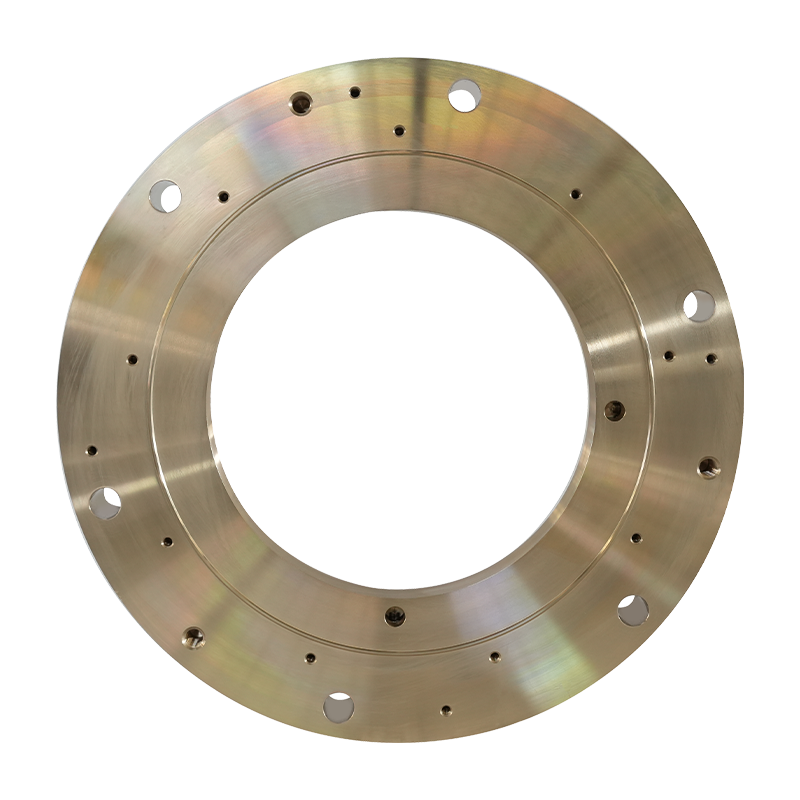
Bushings compensate for minor misalignments between shaft and housing centerlines, manufacturing tolerances in housings, and thermal expansion differences between dissimilar materials. Flanged bushing designs additionally provide thrust face surfaces to manage axial loads, which is particularly important in ship lock lifting systems and steering gear assemblies where multi-directional loading is common.
Types of Copper Bushing and What Each Is Used For
Not all copper bushings are interchangeable. The copper alloy selected determines the bushing's mechanical limits, corrosion resistance, and suitability for specific operating environments. The three primary alloy families cover a wide range of industrial requirements.
| Alloy Type |
Key Properties |
Primary Applications |
Typical Standard |
| Tin Bronze Bushing |
High wear resistance, good machinability, moderate corrosion resistance, excellent anti-friction |
Mining equipment main shafts, engineering machinery, ship propulsion systems, steering gear |
SAE 660 / C93200 |
| Brass Bushing |
Good corrosion resistance, moderate strength, cost-effective, easy to machine |
Mining equipment, metallurgical machinery, stern shaft sealing devices, general industrial use |
CDA 360 / C36000 |
| Aluminum Bronze Bushing |
Superior mechanical strength, exceptional seawater and chemical corrosion resistance, high fatigue resistance |
Marine rudder systems, ship hydraulic cylinders, offshore drilling platforms, ship lock lifting systems, chemical processing |
C95400 / C95500 |
Table 1: Copper bushing alloy types, properties, and recommended applications
Tin Bronze Bushing
Tin bronze is the most widely used copper bushing alloy in general industrial applications. The addition of tin (typically 8–12%) to the copper base significantly enhances hardness, wear resistance, and load-bearing capacity compared to pure copper. Tin bronze bushings are the standard choice for mining equipment main shafts, where they must support heavy rotating loads while maintaining rotational accuracy over extended service cycles. They are equally common in ship propulsion systems and steering gear assemblies where reliable performance under sustained load is critical.
Brass Bushing
Brass bushings (copper-zinc alloys) offer a cost-effective solution for moderate-load applications where high corrosion resistance and easy machinability are valued over maximum mechanical strength. They are widely used in metallurgical equipment, stern shaft sealing devices, and general industrial machinery where operating conditions are less severe than those encountered in offshore or high-impact mining environments.
Aluminum Bronze Bushing
Aluminum bronze — enriched with aluminum (8–12%) and often iron — delivers the highest mechanical performance within the copper bushing family. Its exceptional resistance to seawater corrosion, combined with high tensile strength and fatigue resistance, makes it the required material for marine rudder transmission systems, ship hydraulic cylinders, offshore drilling platform components, and ship lock lifting systems where both structural loads and aggressive seawater exposure occur simultaneously. Aluminum bronze bushings resist deformation under continuous stress, reducing downtime and extending maintenance intervals in these high-value, hard-to-service applications.
Where Copper Bushings Are Used: Industry Applications
Copper bushings serve as critical load-bearing and friction-management components across a wide range of heavy industries. The environments below represent the most demanding applications where copper alloy properties — rather than plastic or plain steel bushings — are required by operating conditions.
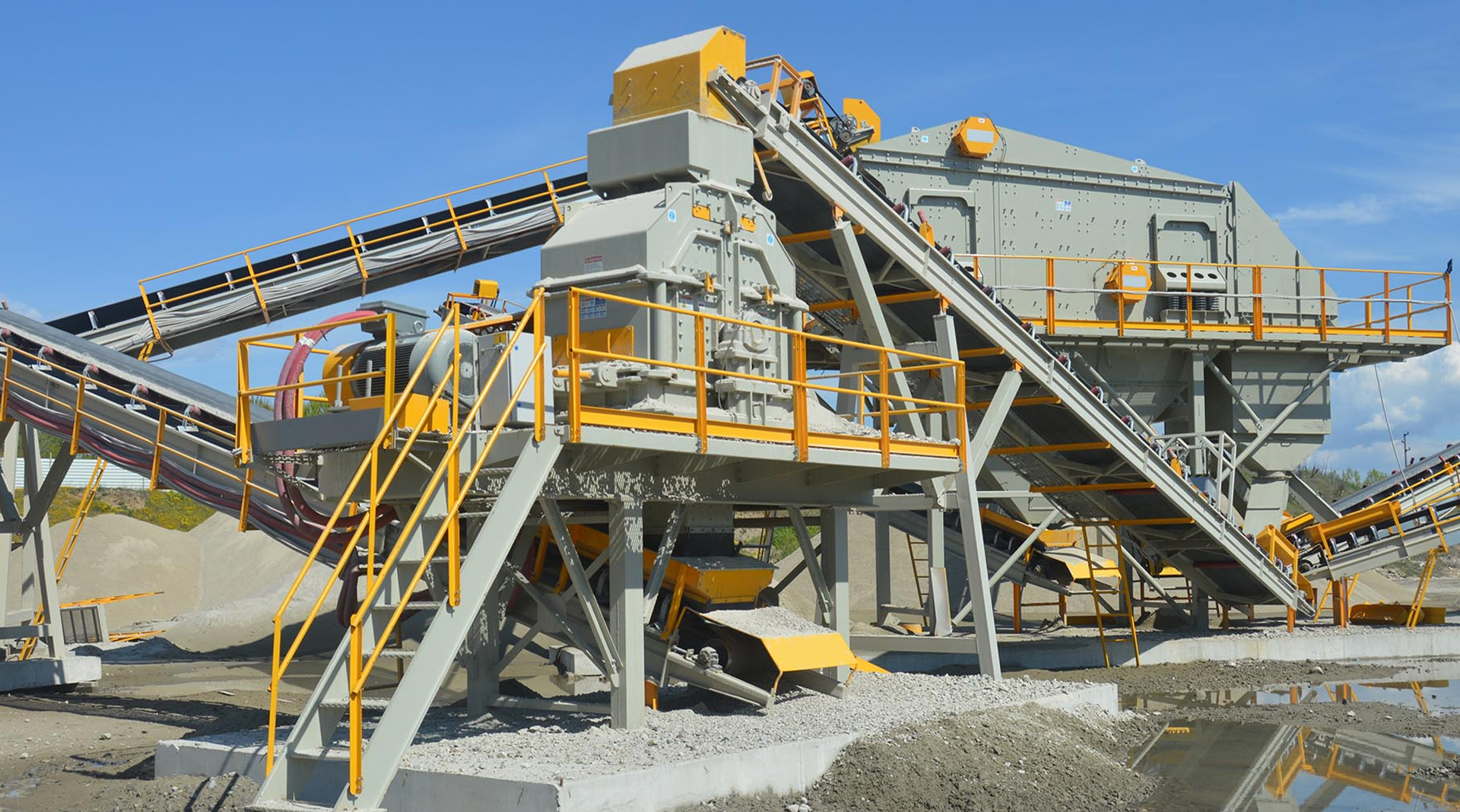
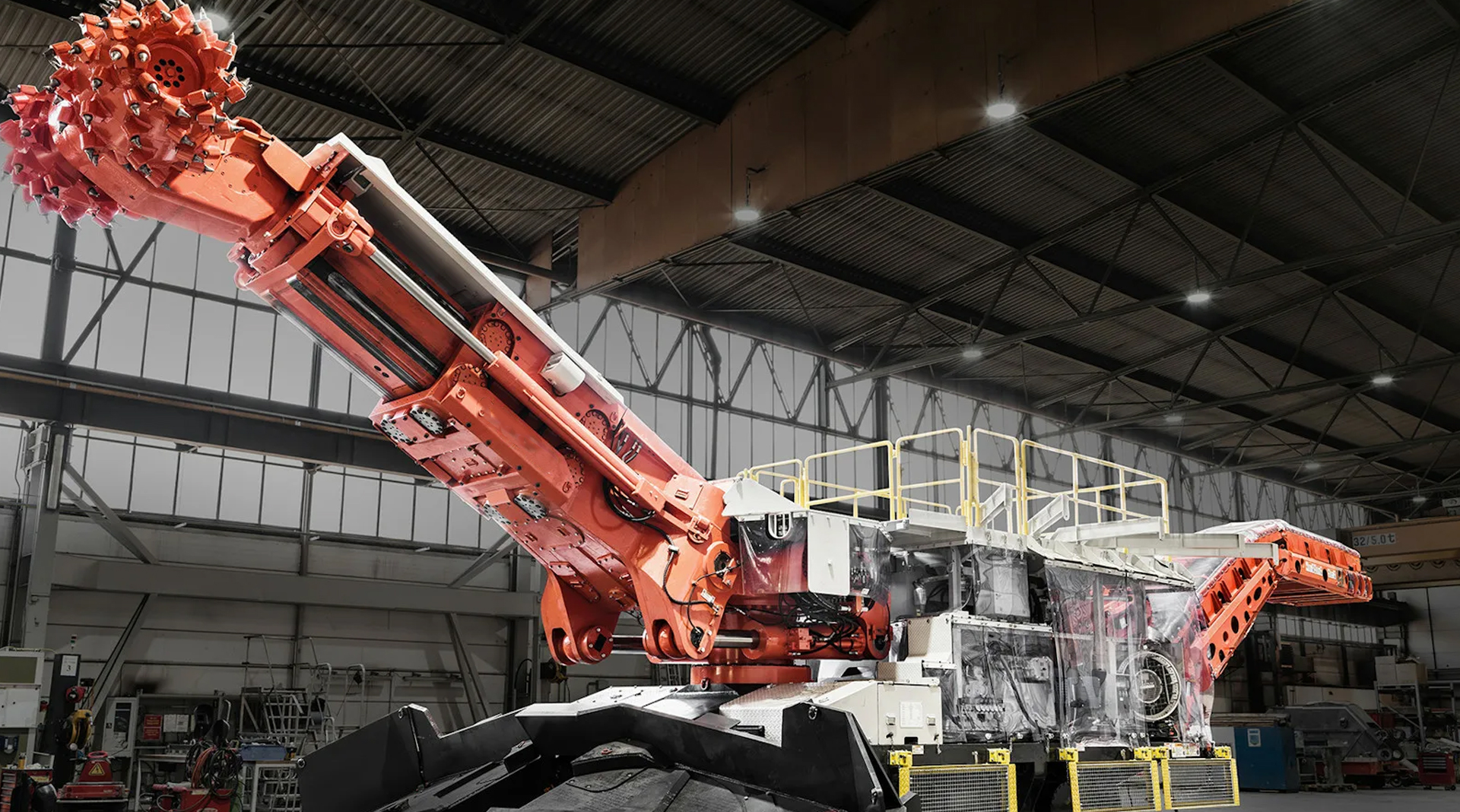
- Mining equipment: The main shafts of crushers, grinding mills, and conveyor drive systems operate under sustained high radial loads combined with shock loading and abrasive contamination. Tin bronze bushings in these applications must support the shaft under high loads while maintaining rotational accuracy, preventing the uneven wear failures caused by direct shaft-to-frame contact that would result from inadequate bushing selection.
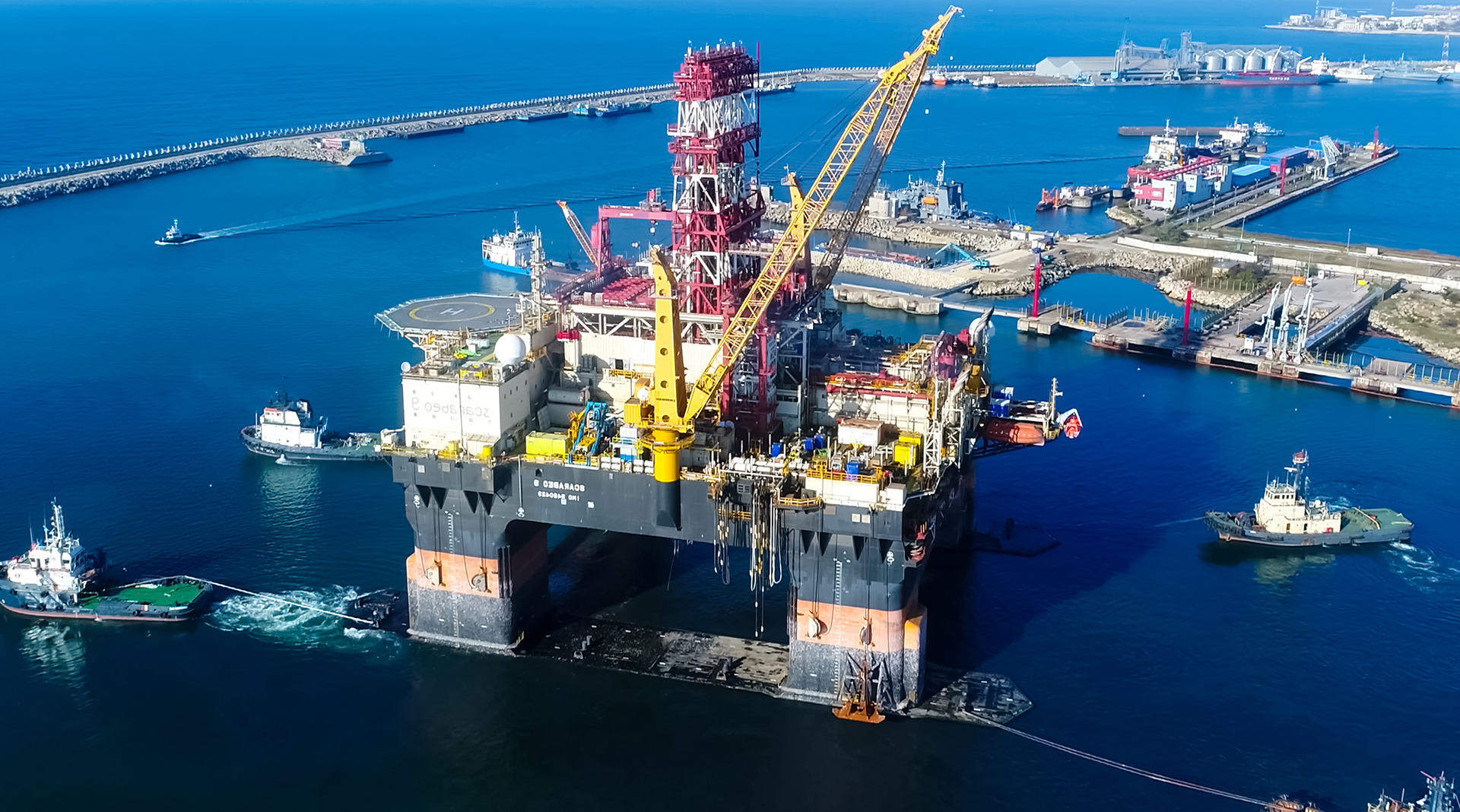
- Marine propulsion and sealing systems: Ship propeller shafts, stern tube bearings, and rudder assemblies operate in continuous seawater immersion with high rotational loads and limited maintenance access. Aluminum bronze and tin bronze bushings in these systems must resist seawater corrosion over multi-year service intervals without replacement, making alloy selection and dimensional precision critical to vessel operational reliability.
- Ocean drilling and ship lock lifting systems: Offshore drilling platforms and ship lock machinery impose extreme combined loads — heavy axial and radial forces simultaneously — in seawater or brackish water environments. Aluminum bronze bushings are specified for these applications because no other copper alloy achieves the same combination of mechanical strength and corrosion resistance at the required dimensional precision.
- Construction and engineering machinery: Excavator boom pivots, crane slewing rings, and hydraulic cylinder pin joints use copper bushings to manage the oscillating loads and occasional shock forces characteristic of these machines. The bushing allows controlled movement at the pivot while preventing metal-to-metal contact that would cause rapid pin and bore wear.
- Oil and gas equipment: Valve stems, pump shafts, and actuator pivots in oil and gas processing are exposed to hydrocarbon fluids, elevated pressures, and temperature cycling. Lead bronze and high-leaded tin bronze bushings are commonly specified here for their superior embeddability (ability to trap and isolate hard particles) and anti-seizure properties under boundary lubrication conditions where oil film may be marginal.
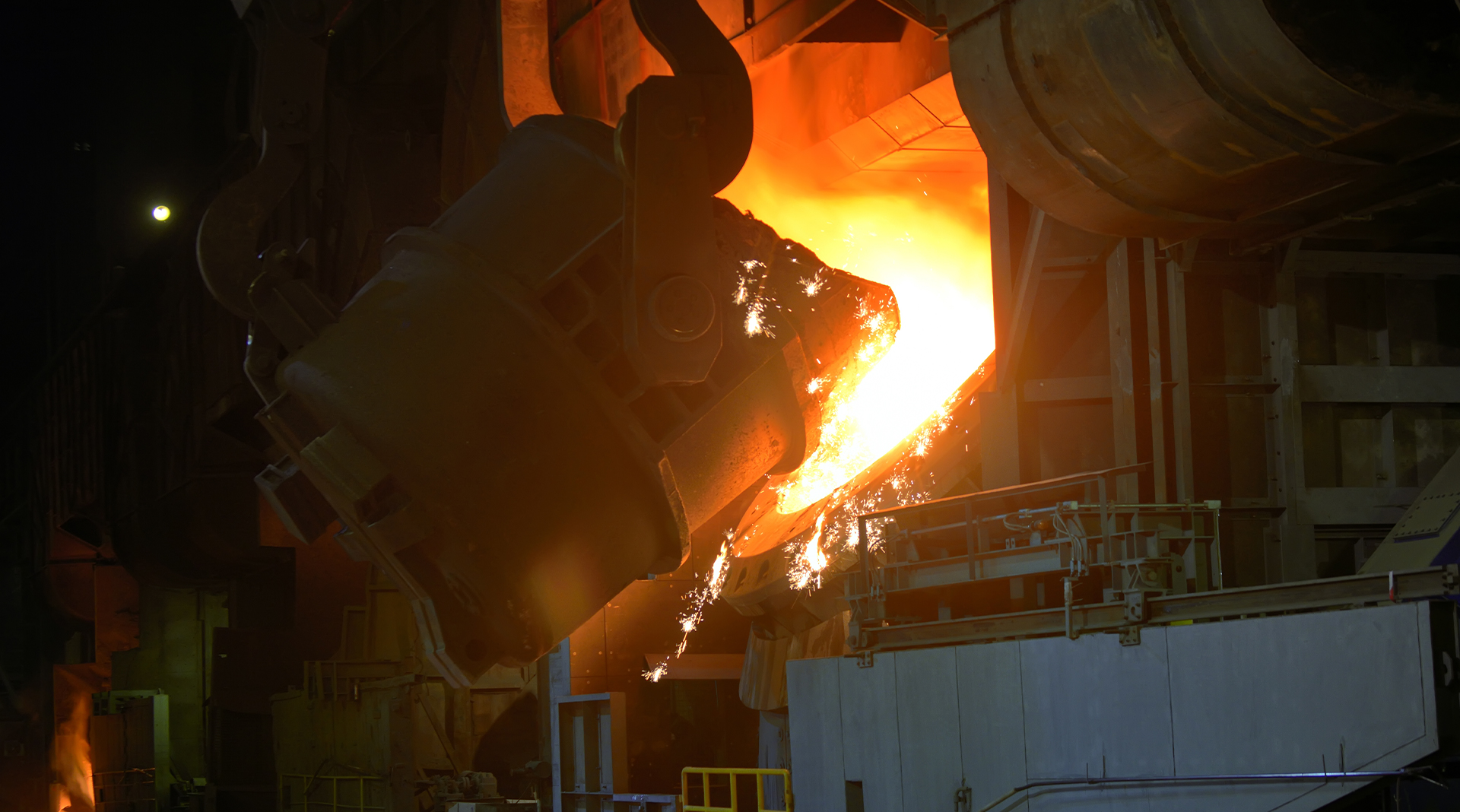
- Metallurgical machinery: Rolling mill housings, furnace door mechanisms, and continuous casting equipment subject bushings to high temperatures combined with heavy loads. Brass and tin bronze bushings with engineered lubrication grooves manage these conditions while enabling the periodic maintenance intervals typical of metallurgical production environments.
Why Copper Alloy Outperforms Other Bushing Materials in Heavy-Duty Use
The selection of copper over alternatives such as nylon, PTFE composites, or sintered iron in demanding industrial applications is not arbitrary — it reflects a specific combination of material properties that other bushing materials cannot simultaneously provide.
| Property |
Copper Bushing (Bronze) |
Nylon / PTFE Bushing |
Sintered Iron Bushing |
| Load Capacity |
High to very high |
Low to moderate |
Moderate |
| Max Operating Temp. |
Up to 300°C+ |
60–200°C (varies) |
Up to 120°C (oil-impregnated) |
| Corrosion Resistance |
Excellent (especially Al-bronze in seawater) |
Good |
Poor to moderate |
| Machinability / Custom Fit |
Excellent — precision machining to micron tolerances |
Good but deforms under load |
Limited post-sinter machining |
| Self-Lubricating Capability |
Yes — lead bronze alloys form lubricating film |
Yes (PTFE) |
Yes (oil-impregnated) |
| Shock / Impact Resistance |
Excellent |
Poor — brittle fracture risk |
Poor — porous structure vulnerable |
Table 2: Copper bushing vs. alternative bushing materials across key performance properties
The data above explains why copper bushings dominate in mining, marine, oil and gas, and metallurgical applications: they are the only bushing material that combines high load capacity, high temperature tolerance, excellent corrosion resistance, and precision machinability in a single component. No polymer or iron-based bushing material achieves all four simultaneously at the loads and temperatures common in these industries.
Key Factors That Determine Copper Bushing Performance in Service
A copper bushing's service life and reliability are determined not only by alloy selection but by a combination of dimensional precision, surface finish, lubrication design, and shaft compatibility. Understanding these factors helps engineers and procurement teams specify correctly and avoid premature failures.
Dimensional Accuracy and Clearance
The diametral clearance between the bushing bore and the shaft diameter determines the hydrodynamic lubrication film thickness, heat generation, and noise level. Too little clearance causes thermal seizure as the assembly warms up; too much allows shaft wobble, accelerated wear, and reduced load capacity. Precision-manufactured copper bushings maintain inner diameter (ID), outer diameter (OD), and length tolerances per ISO or ASTM standards — typically in the range of H7/f7 or H8/e8 fits for general rotating applications — ensuring correct clearance and optimal performance from installation onward.
Lubrication Groove Design
Most industrial copper bushings incorporate machined lubrication grooves — axial, circumferential, or spiral — and oil feed holes to distribute lubricant across the full bearing surface area. The groove geometry must match the lubrication method (continuous oil feed, grease nipple, or periodic relubrication) and the direction of loading. A bushing operating under a predominantly one-directional radial load uses a different groove pattern than one carrying rotating or oscillating loads. In ship lock lifting systems and anchor winch applications, flanged bushing designs also provide thrust face lubrication for combined radial and axial load management.
Shaft Hardness Compatibility
The shaft running against the copper bushing should be harder than the bushing itself — typically hardened to HRC 45–55 or above for heavily loaded applications. This hardness differential ensures that wear concentrates in the replaceable bushing rather than in the shaft. If the shaft is softer than or equal in hardness to the bushing, premature shaft scoring occurs, defeating the purpose of the bushing entirely and creating a far more expensive repair than bushing replacement.
Installation Method and Press Fit
Copper bushings are typically press-fit into the housing with an interference fit (the bushing OD is slightly larger than the housing bore) that locks the bushing in position without rotation. The correct interference magnitude depends on bushing wall thickness, housing material, and operating temperature range. Insufficient interference allows bushing rotation in the housing — a failure mode that causes rapid housing damage. Excessive interference causes the bushing bore to contract beyond its specified ID, reducing clearance to the shaft and potentially causing seizure. Consult the manufacturer's press-fit specifications before installation, particularly for large-diameter bushings in soft housings.
How to Select the Right Copper Bushing for Your Application
Correct copper bushing selection requires systematic evaluation of the operating conditions before any dimensional specification is finalized. The following sequence covers the decision points that most directly affect performance outcome.
- Define the load profile: Determine both static and dynamic loads, including any shock or impact loading. High sustained radial loads favor tin bronze; extreme combined loads in corrosive environments favor aluminum bronze; moderate loads in cost-sensitive applications suit brass.
- Characterize the operating environment: Seawater or salt spray exposure requires aluminum bronze. Abrasive dust environments (mining) require tin bronze with proven wear resistance. Chemical exposure or high temperatures require alloy verification against the specific chemical families present.
- Assess the lubrication regime: Continuous forced-feed oil lubrication allows the use of standard bronze bushings. Intermittent or boundary lubrication conditions benefit from lead-containing alloys (high-leaded tin bronze, lead bronze) or graphite-filled self-lubricating variants. Completely unlubricated applications require self-lubricating copper bushings with embedded solid lubricant.
- Specify dimensions with tolerances: Provide housing bore diameter, shaft diameter, and required length. Request dimensional tolerances consistent with recognized standards (ISO, ASTM). Verify that the specified bore clearance after press-fit installation meets the hydrodynamic lubrication requirements for the operating speed.
- Request material certification: For industrial applications, require a mill test report (MTR) confirming the chemical composition and mechanical properties of the casting. Key mechanical properties to verify include tensile strength, yield strength, elongation, and Brinell hardness — all of which must fall within the specification range for the selected alloy standard.
- Verify manufacturing quality: Casting quality issues such as porosity, inclusions, or shrinkage defects create stress concentration points that cause premature cracking under load. Precision machining after casting is essential for achieving bore surface finish and dimensional accuracy. Request inspection records and, for critical applications, non-destructive testing (NDT) reports from the manufacturer.
Signs That a Copper Bushing Needs Replacement
Identifying bushing wear before it progresses to shaft or housing damage is fundamental to cost-effective maintenance. The following indicators signal that inspection or replacement is overdue:
- Increased radial play: Measurable shaft movement beyond the original design clearance indicates that the bushing bore has worn beyond its serviceable limit. In rotating shaft applications, this typically manifests as vibration, noise, or visible shaft wobble during operation.
- Elevated operating temperature: A bushing running hotter than normal indicates increased friction from wear, insufficient lubrication, or contamination. Thermal imaging during operation can identify overheating bushings before catastrophic failure occurs.
- Unusual noise: Knocking, grinding, or squealing during shaft rotation or oscillation often indicates metal-to-metal contact from bushing failure, particularly in applications subject to shock loads where the bushing acts as a buffer.
- Visible surface damage: Scoring, pitting, spalling, or cracking on the bushing bore surface found during planned inspection indicates wear beyond the acceptable limit. Fine metallic particles in the lubricant oil — detected by oil analysis — confirm active bushing wear.
- Bushing rotation in housing: If the bushing has rotated relative to its housing (evidenced by fretting marks or circumferential scoring on the housing bore), the press-fit interference has been overcome and both the bushing and housing bore require inspection and dimensional restoration before the next bushing installation.
Proactive bushing replacement during scheduled maintenance — before wear reaches the shaft or housing — is consistently more cost-effective than reactive replacement after a breakdown. In high-value equipment such as offshore drilling platforms, ship propulsion systems, and mining machinery, a planned bushing replacement costing a fraction of a percent of equipment value can prevent unplanned downtime events that cost orders of magnitude more in lost production and emergency repair expenses.



 English
 日本語
日本語 русский
 Deutsch