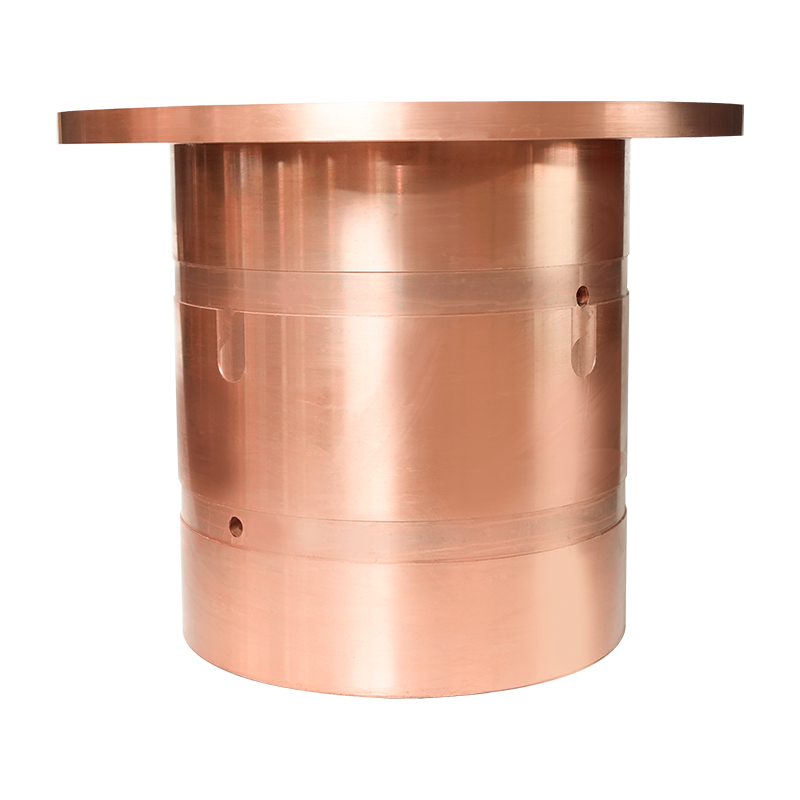
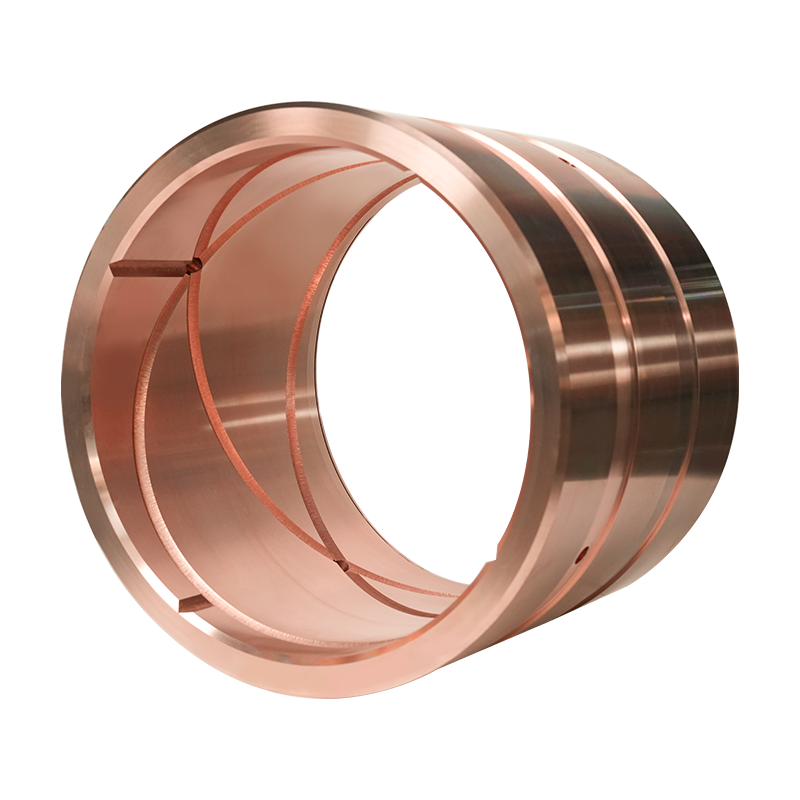
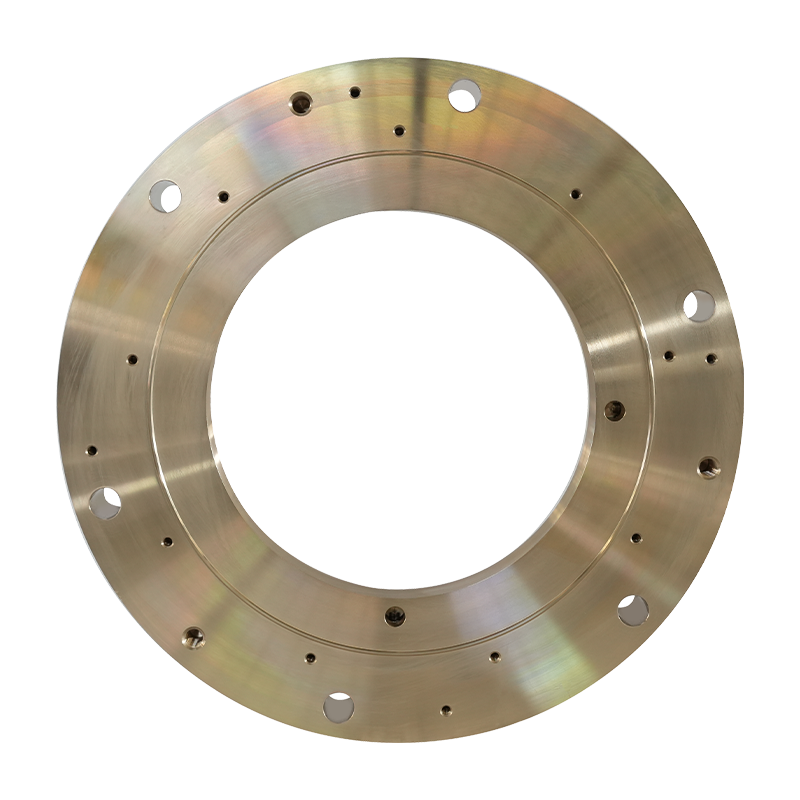
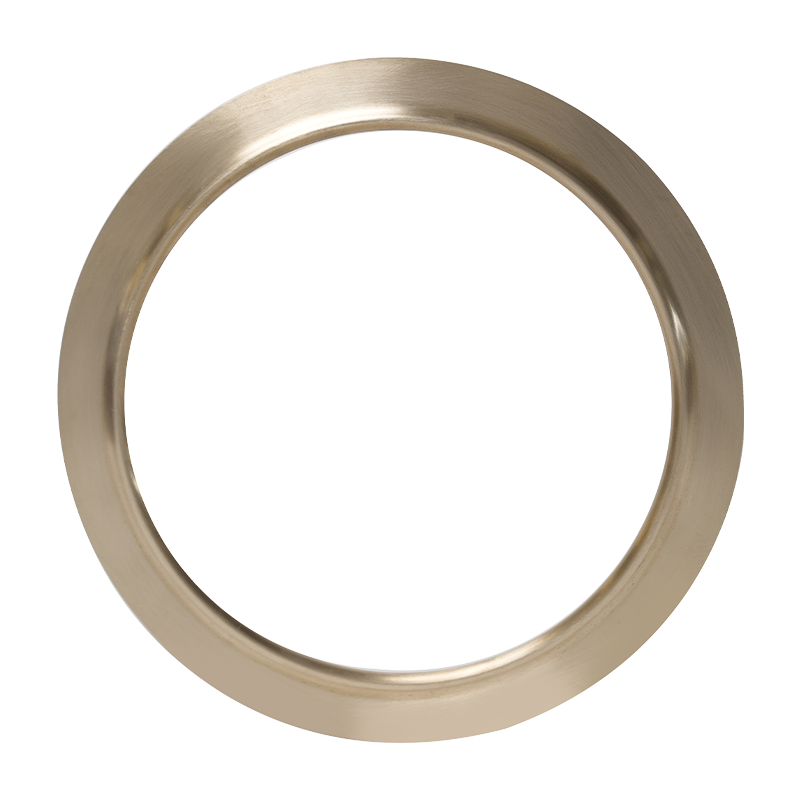
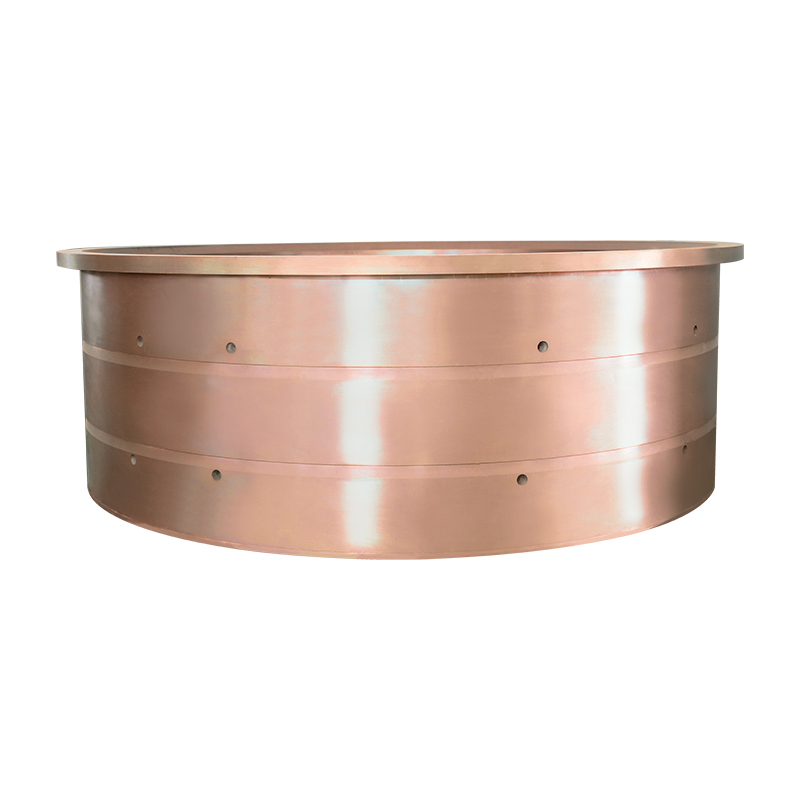
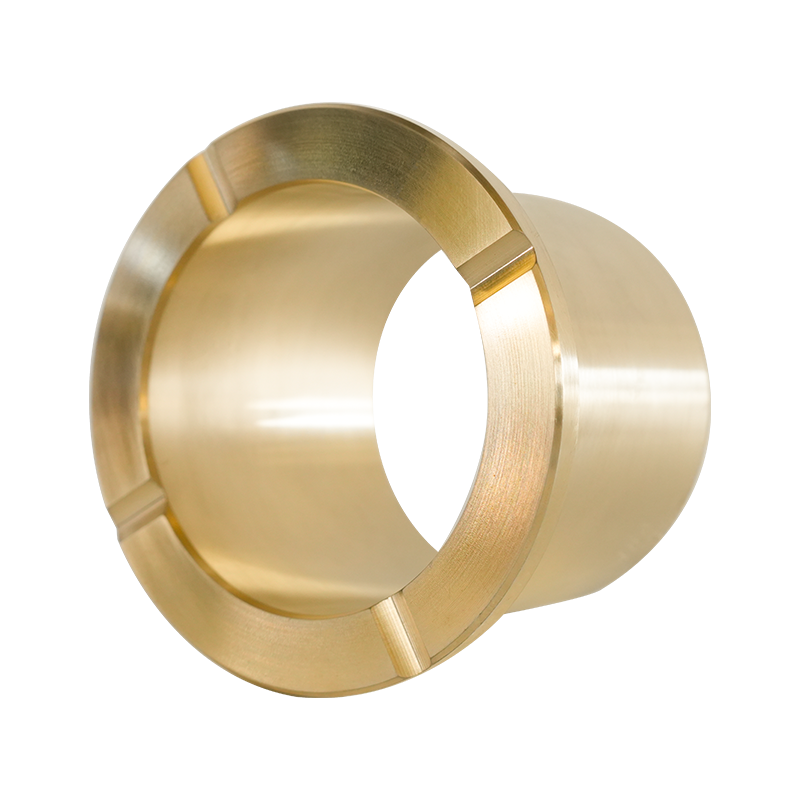
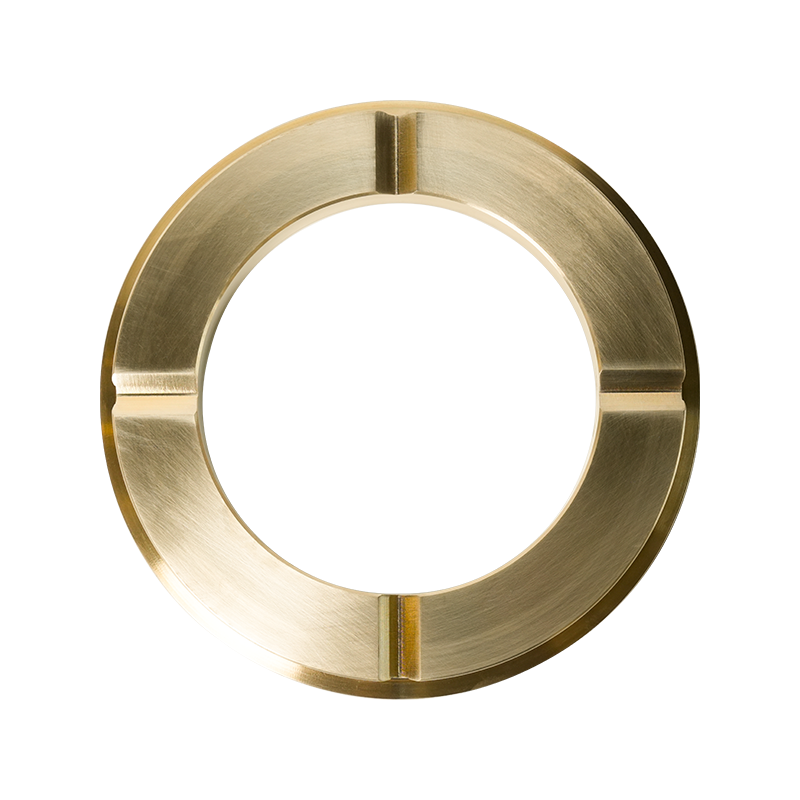
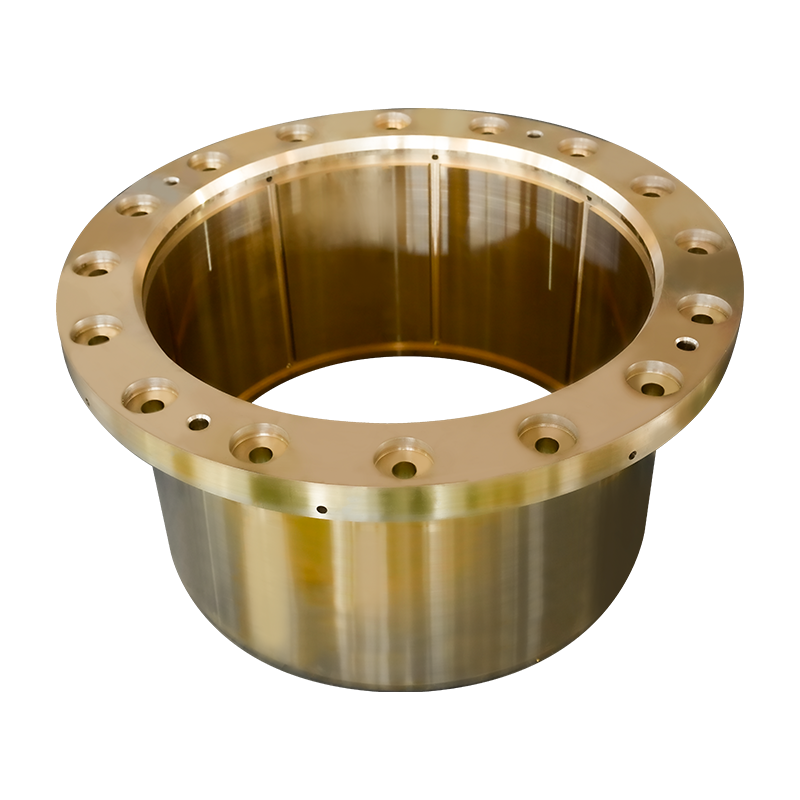
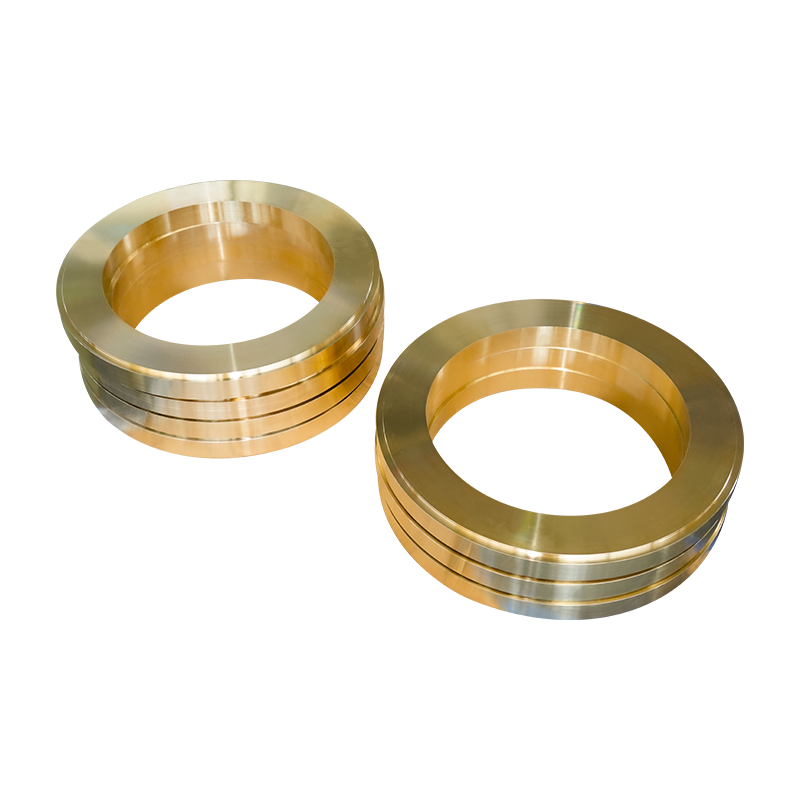
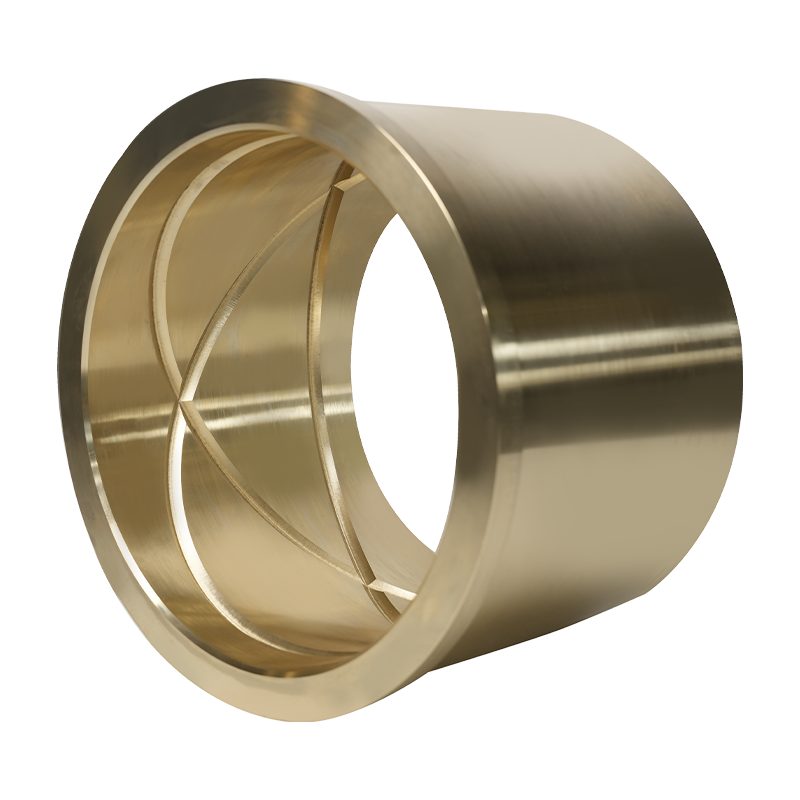
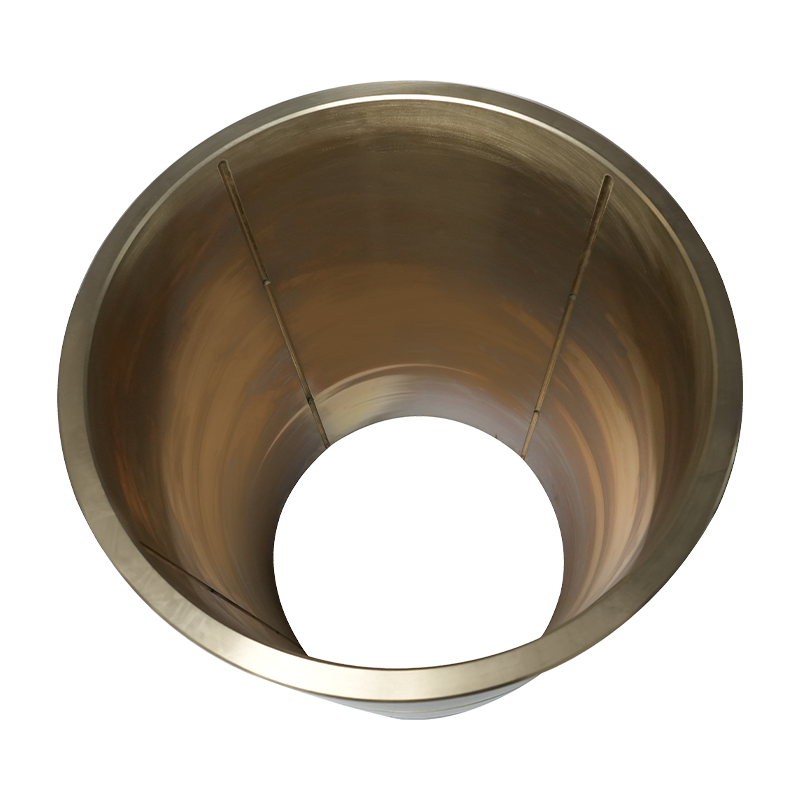
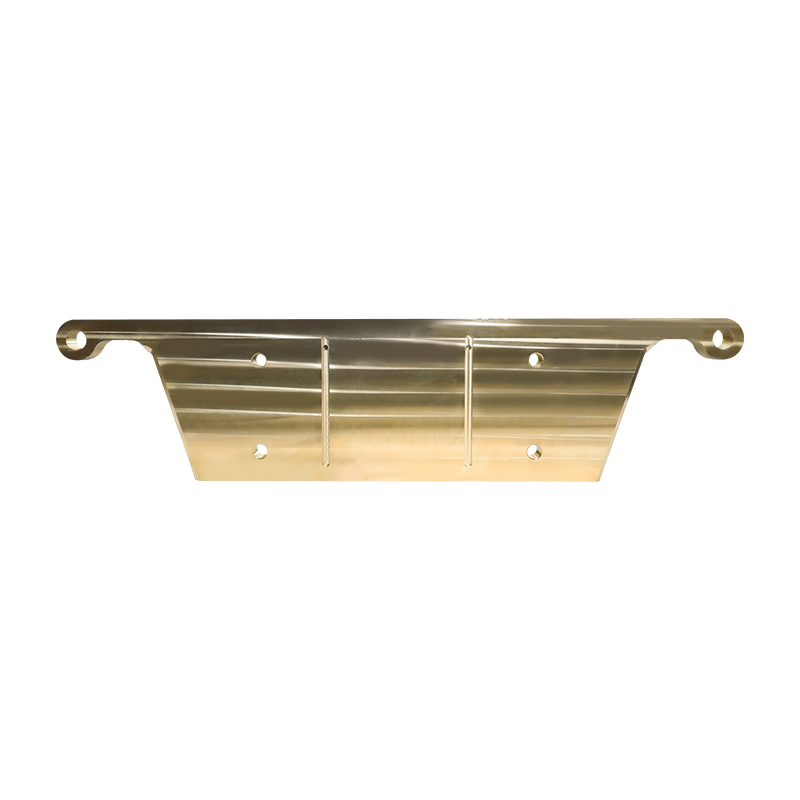
When choosing between bronze and brass for bushings, brass bushings are generally the better choice for light-to-medium load applications, moderate speeds, and environments requiring corrosion resistance at a lower cost. Bronze bushings, on the other hand, excel under heavy loads, high temperatures, and conditions demanding superior wear resistance. Understanding the specific demands of your application is the key to making the right decision.
Both materials are copper-based alloys, but their differing compositions give them distinct mechanical and chemical properties. This article breaks down the core differences so you can confidently select the right bushing material for your equipment.
Understanding the Composition: Brass vs. Bronze
Brass is an alloy of copper and zinc, typically containing 60–90% copper. The zinc content increases strength and machinability, making brass relatively easy to shape and finish. Brass bushings are known for their excellent corrosion resistance, smooth surface finish, and good electrical conductivity, which makes them suitable for precision mechanical and electrical components.
Bronze is an alloy of copper and tin, often with additional elements such as aluminum, phosphorus, or lead depending on the grade. This composition gives bronze higher hardness, better load-bearing capacity, and superior resistance to wear and fatigue compared to brass. Common grades used in bushings include phosphor bronze (C544) and aluminum bronze (C954).
Key Performance Differences at a Glance
The table below summarizes the most critical performance factors for engineers and procurement teams selecting bushing materials:
| Property |
Brass Bushing |
Bronze Bushing |
| Primary Alloy |
Copper + Zinc |
Copper + Tin |
| Load Capacity |
Light to Medium |
Medium to Heavy |
| Wear Resistance |
Moderate |
High |
| Corrosion Resistance |
Good |
Excellent |
| Machinability |
Excellent |
Good |
| Temperature Resistance |
Moderate |
High |
| Relative Material Cost |
Lower |
Higher |
| Typical Applications |
Pumps, valves, instruments |
Heavy machinery, gearboxes |
Table 1: Brass Bushing vs. Bronze Bushing — Core Property Comparison
When Brass Bushings Are the Right Choice
Brass bushings are well-suited for applications where precision machining, cost efficiency, and moderate operating conditions are the primary requirements. Their superior machinability means tighter dimensional tolerances can be achieved more easily during manufacturing, which is critical for components in instruments, valves, and fluid control systems.
Common industries and use cases where brass bushings perform reliably include:
- Water and gas valves where corrosion from moisture is a concern
- Electrical and electronic assemblies requiring good conductivity
- Light-duty rotating shafts in pumps and motors
- Precision instruments where dimensional accuracy is critical
- General industrial equipment operating under moderate loads and speeds
For buyers sourcing in volume, brass bushings also offer a clear cost advantage. The lower raw material cost combined with faster machining cycles reduces per-unit production costs, making brass a preferred material for high-volume OEM and replacement part programs.
When Bronze Bushings Are the Better Option
Bronze bushings are the preferred material when operating conditions become more demanding. Their higher tin content provides a harder, more wear-resistant surface that can handle sustained friction without significant degradation. In heavy-load, high-cycle applications, bronze bushings consistently outperform brass in service life.
For example, phosphor bronze (C544) bushings are frequently specified in gearboxes, construction equipment, and agricultural machinery where the shaft-to-bushing interface experiences high radial loads. Aluminum bronze (C954) grades are used in marine and offshore environments due to their outstanding resistance to saltwater corrosion and erosion.
Consider bronze when your application involves any of the following:
- Heavy radial or axial loads on the bushing surface
- Continuous or high-frequency oscillating motion
- Operating temperatures above 150°C (300°F)
- Exposure to seawater, acids, or aggressive chemical environments
- Applications where extended maintenance intervals are required
Lubrication Requirements: An Overlooked Factor
Both brass and bronze bushings typically require lubrication for optimal performance, but their lubrication needs differ. Standard brass bushings perform well with conventional oil or grease lubrication under normal duty cycles. Bronze bushings, especially oil-impregnated sintered bronze variants, can operate with minimal external lubrication because the porous structure retains and releases lubricant during operation.
Self-lubricating bronze bushings are particularly valuable in hard-to-reach assemblies or sealed systems where regular re-lubrication is impractical. If your application requires low maintenance and the ability to run dry for short periods, sintered bronze is a significant advantage over brass.
For brass bushing applications where lubrication access is limited, selecting a leaded brass grade (such as C360 free-machining brass) can help, as the lead content provides a degree of self-lubrication. However, leaded materials may be restricted in food-grade or environmentally sensitive applications.
Material Grade Selection: Going Beyond "Brass" or "Bronze"
Specifying simply "brass bushing" or "bronze bushing" is rarely sufficient for critical applications. The alloy grade determines the actual mechanical properties your bushing will deliver. Below are the most commonly specified grades for industrial bushing applications:
| Alloy Grade |
Type |
Key Characteristics |
Typical Use |
| C360 |
Brass |
Free-machining, good surface finish |
Precision instruments, valves |
| C464 |
Naval Brass |
Enhanced seawater resistance |
Marine, plumbing fixtures |
| C544 |
Phosphor Bronze |
High fatigue strength, wear resistance |
Gearboxes, heavy machinery |
| C932 |
SAE 660 Bronze |
Excellent bearing properties, load capacity |
General-purpose bearings |
| C954 |
Aluminum Bronze |
High strength, excellent corrosion resistance |
Marine, offshore, chemical industry |
Table 2: Common Brass and Bronze Bushing Alloy Grades and Applications
When placing orders for custom or standard brass bushings, always confirm the alloy grade with your supplier. A reliable manufacturer will be able to provide material certifications and test reports to verify compliance with your specified grade.
How to Choose: A Practical Decision Framework
If you are uncertain which material to specify, work through the following questions in order:
- What is the load magnitude? For light-to-medium loads (below 500 psi surface pressure), brass is sufficient. For higher loads, move to bronze.
- What is the operating temperature? If temperatures regularly exceed 120°C, bronze is the safer choice.
- What is the lubrication arrangement? If continuous lubrication cannot be guaranteed, consider self-lubricating sintered bronze.
- What is the chemical environment? For saltwater or acidic environments, aluminum bronze (C954) provides superior protection over standard brass.
- What are the budget and volume requirements? For cost-sensitive, high-volume programs with moderate performance demands, brass bushings deliver strong value.
Working with a manufacturer that offers both brass and bronze bushing options — and can advise on grade selection based on your application drawings and operating conditions — significantly reduces the risk of premature component failure.
Conclusion
Neither brass nor bronze is universally superior — the right material depends entirely on your application's load, speed, temperature, lubrication, and environmental requirements. Brass bushings are the practical, cost-effective solution for the majority of light-to-medium duty industrial applications, offering excellent machinability, reliable corrosion resistance, and competitive pricing at scale. Bronze bushings step in when conditions demand higher strength, greater wear resistance, or extended service life under more challenging operating environments.
When sourcing brass bushings or bronze bushings for your production or maintenance programs, always specify the alloy grade, confirm dimensional tolerances, and request material certifications from your supplier. These steps ensure your components perform as designed throughout their intended service life.



 English
 日本語
日本語 русский
 Deutsch