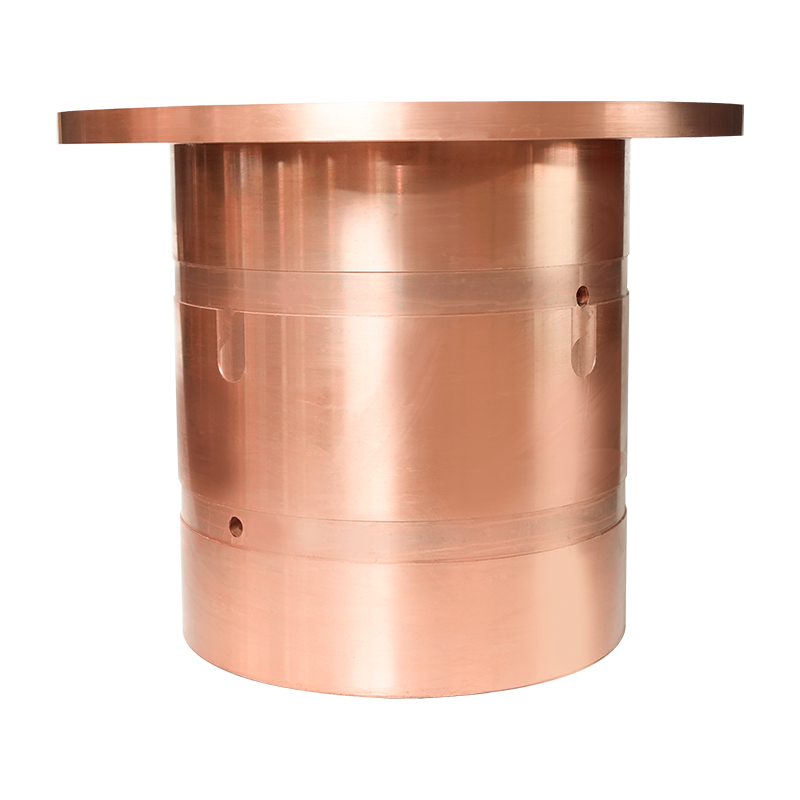
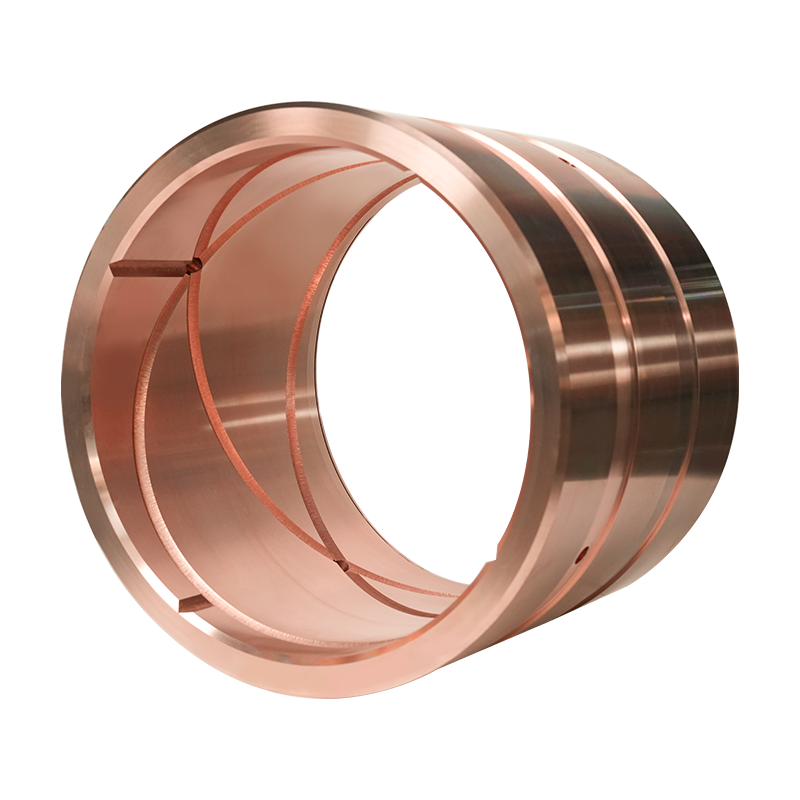
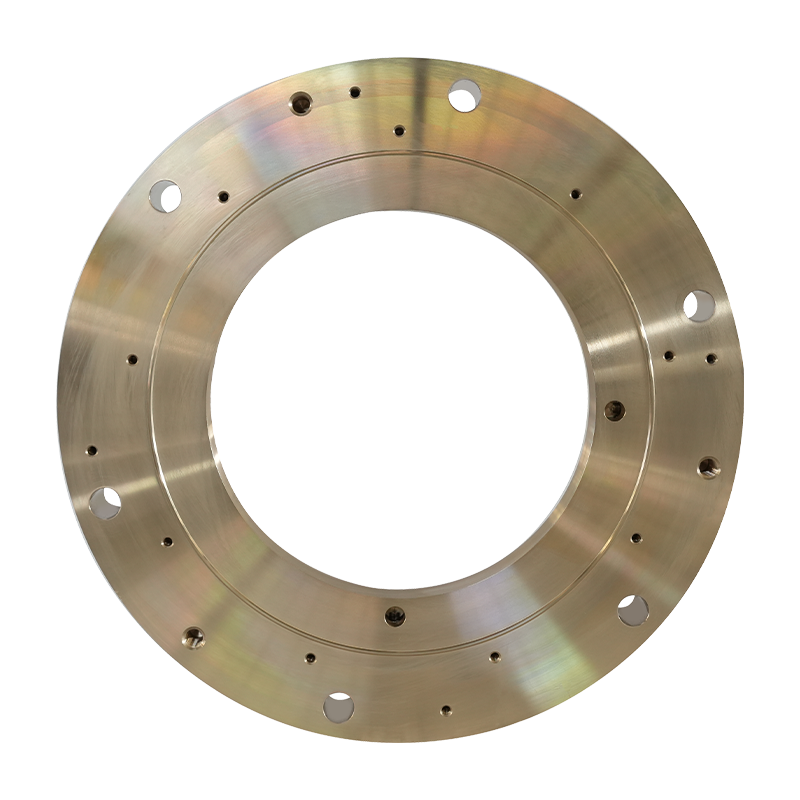
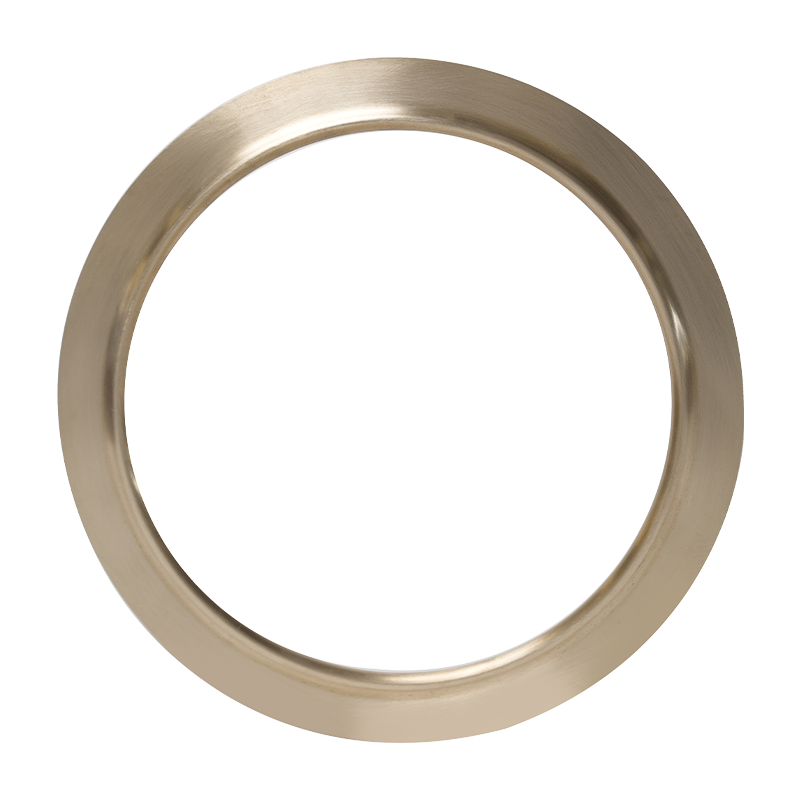
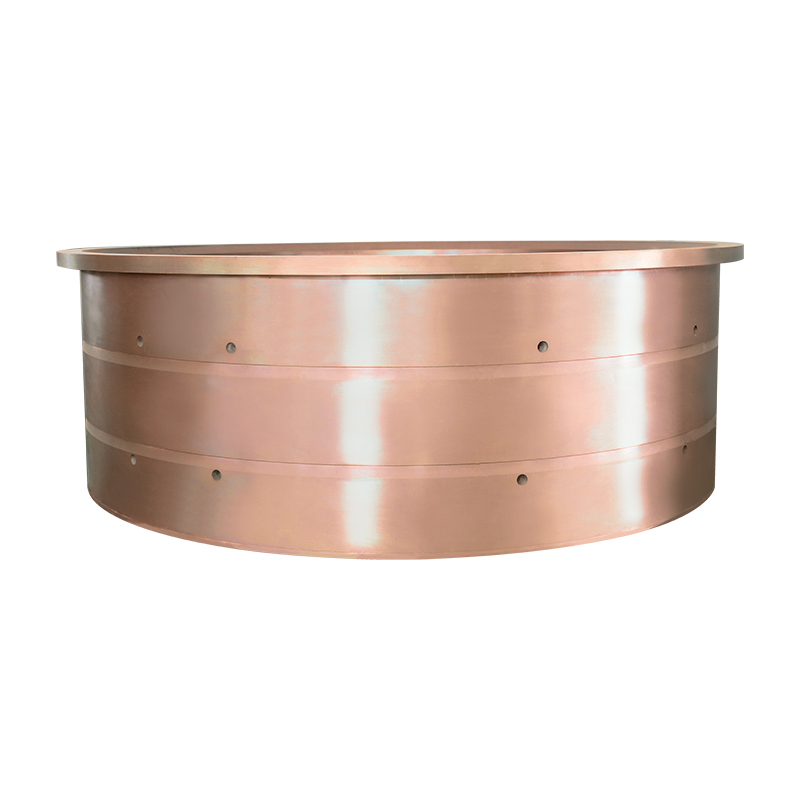
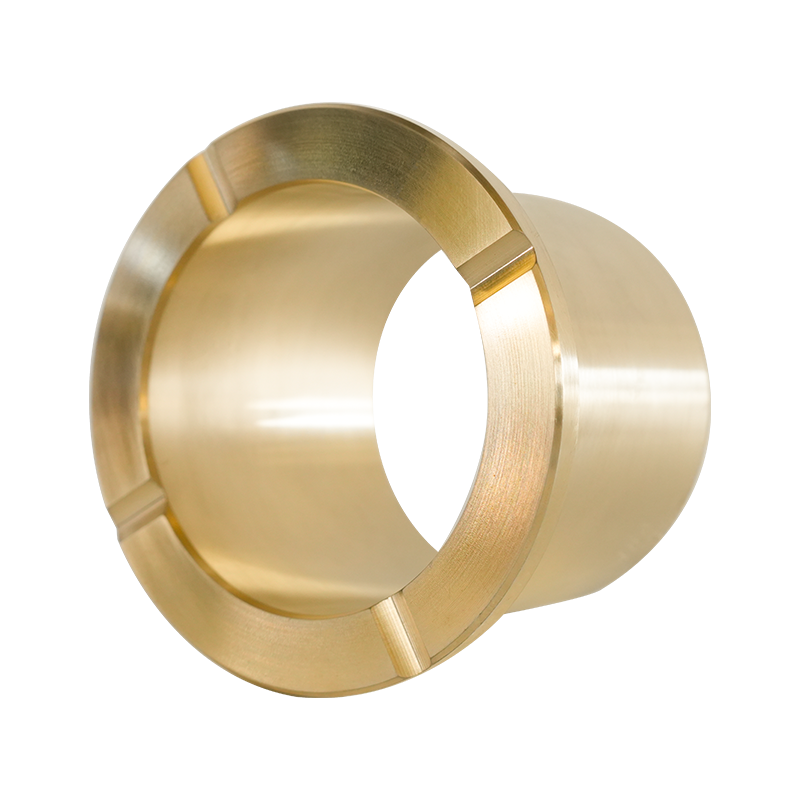
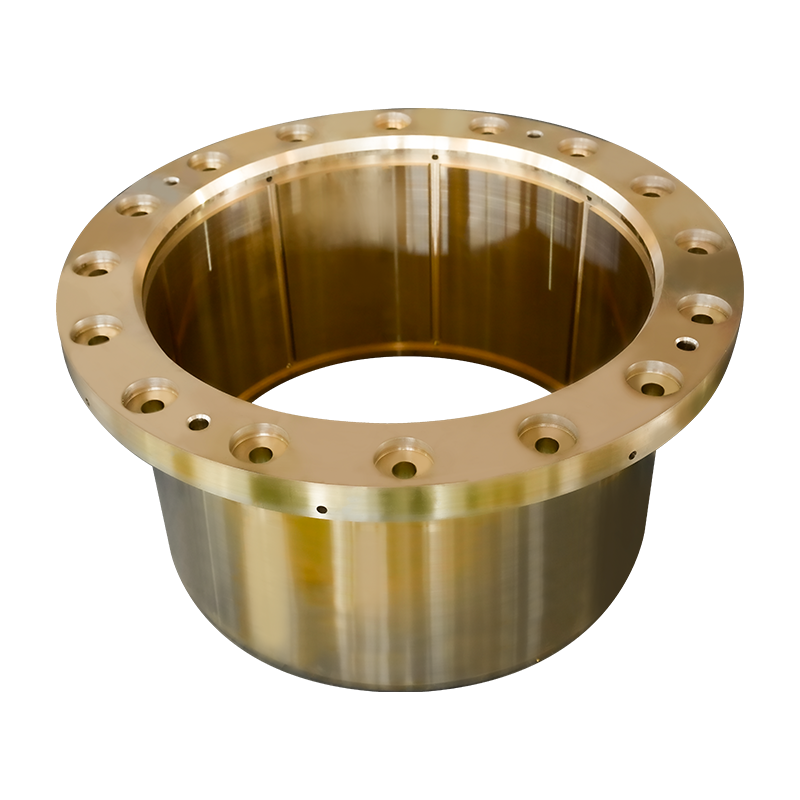
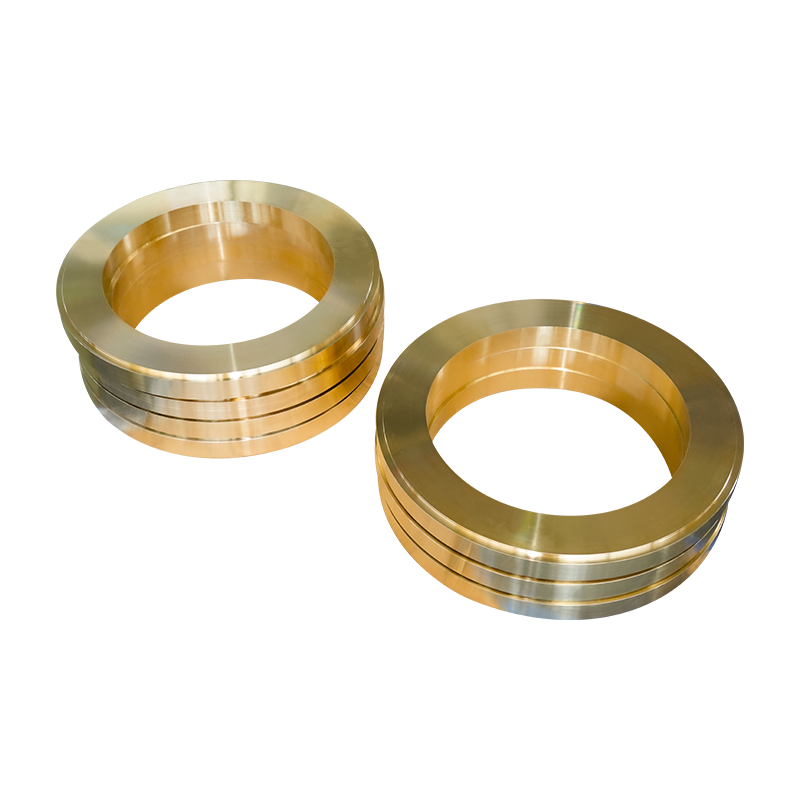
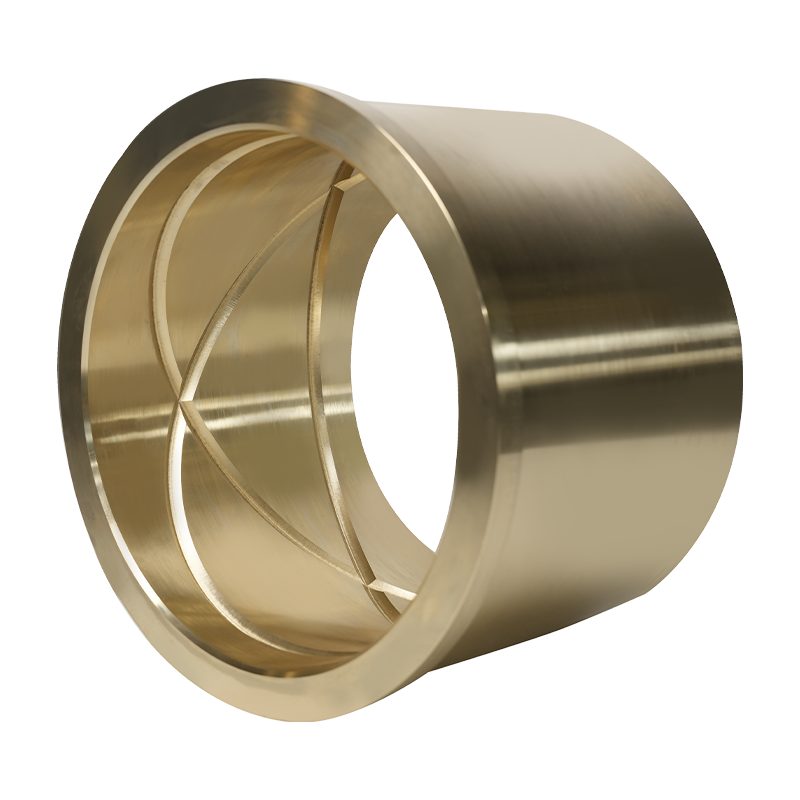
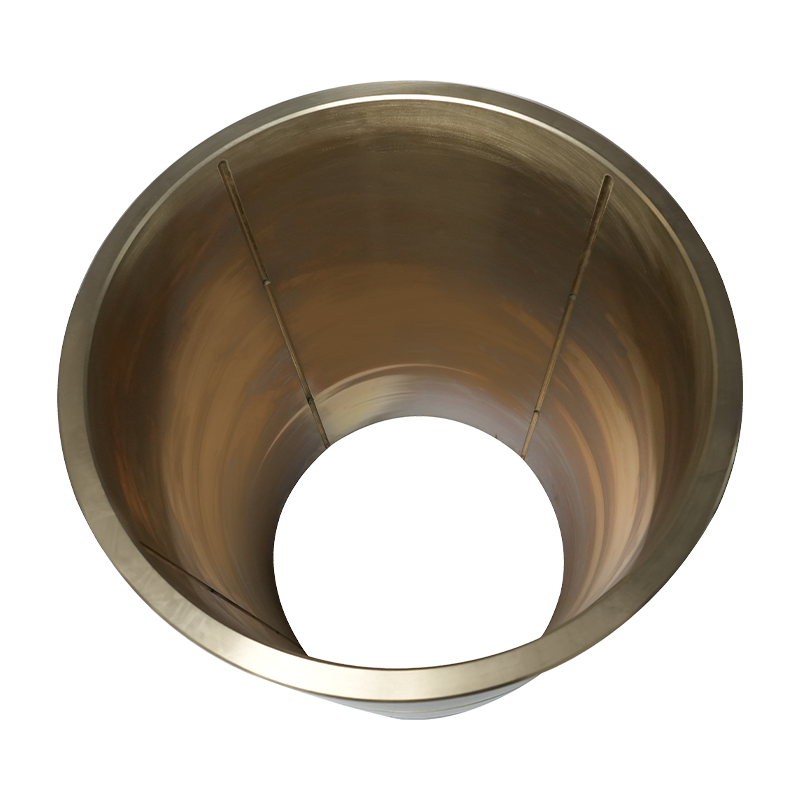
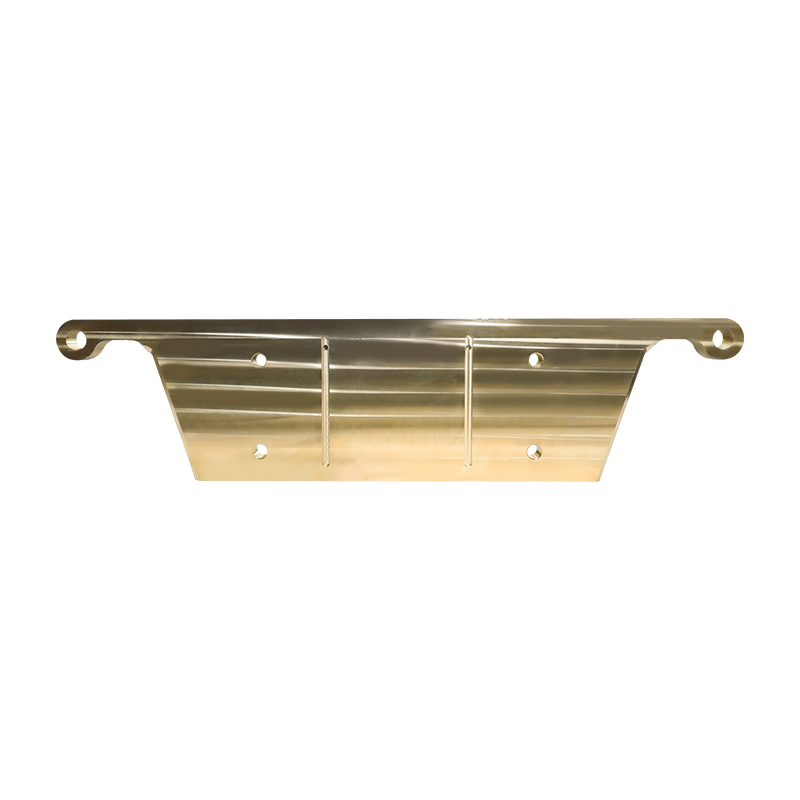
A copper plate is a flat, semi-finished form of pure copper or copper alloy that delivers an exceptional combination of electrical conductivity, thermal performance, corrosion resistance, and mechanical strength. The main uses of a copper plate fall into five core categories: heavy industrial machinery components, marine and offshore equipment, mining and metallurgical wear parts, oil and gas pressure systems, and electrical conduction or grounding assemblies. In modern manufacturing, the copper plate is no longer a generic raw material — it is a precisely specified alloy product (tin bronze, brass, or aluminum bronze plate) engineered for a defined service environment. This article walks through each major application in detail, explains the alloy-to-use match, and gives procurement engineers a practical framework for specifying the right copper plate for their project.
What Is a Copper Plate and Why Does Its Use Matter?
A copper plate is produced by rolling, casting, or extruding refined copper or a copper-based alloy into flat stock of a defined thickness — typically ranging from 3 mm to over 200 mm for heavy industrial grades. Unlike copper sheet (which is thinner and intended for forming) or copper foil (used in electronics), the copper plate is engineered to carry mechanical load, resist wear, and survive in aggressive operating environments.
The reason application matters so much is that the same nominal "copper plate" can behave very differently depending on its alloy composition. A C90300 tin bronze plate excels at heavy-load wear surfaces, while a C95400 aluminum bronze plate is engineered for seawater corrosion, and a C36000 brass plate is optimized for machinability and cost-sensitive parts. Specifying the wrong grade for the wrong use is one of the most common — and most expensive — sourcing mistakes in industrial procurement.
Main Use 1: Heavy Construction and Engineering Machinery Components
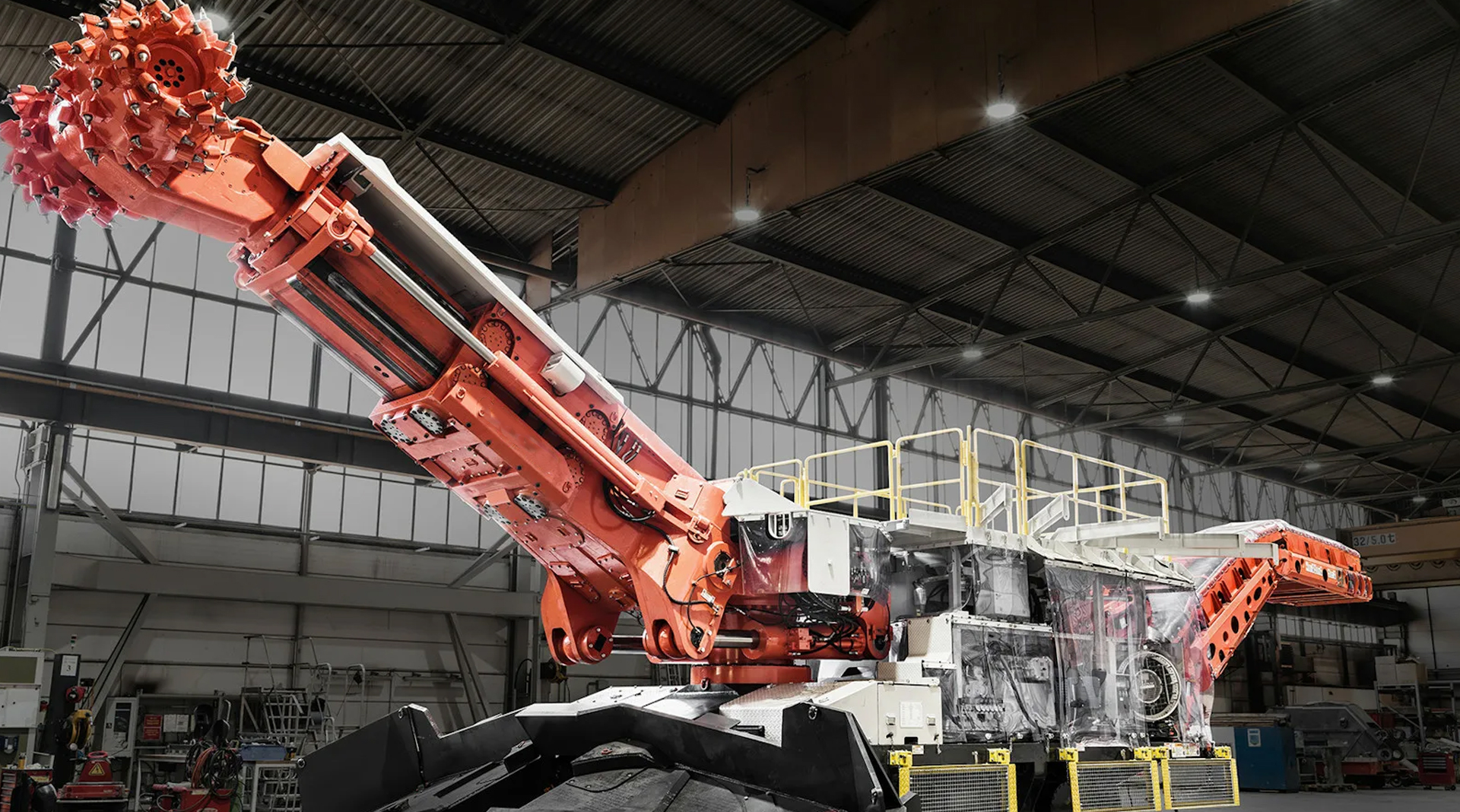
The largest single use of industrial copper plate is the production of slide plates, thrust pads, wear strips, and guide blocks in heavy construction machinery. Excavators, bulldozers, wheel loaders, hydraulic shears, cranes, and tunnel boring machines all rely on copper alloy plate components at every pivot, sliding joint, and load-bearing interface.
Why Copper Plate Wins in This Application
Construction machinery joints face shock loads, abrasive contamination from dust and gravel, and long re-lubrication intervals. A bronze or aluminum bronze plate provides the necessary anti-galling property against hardened steel mating surfaces, conforms slightly under load to spread contact stress, and dissipates frictional heat fast enough to prevent seizure. Steel-on-steel sliding contacts in the same role typically fail within a fraction of the service life of a bronze-on-steel pair.
- Boom and arm slide plates on excavators and material handlers
- Outrigger pad inserts for mobile cranes and concrete pumps
- Wear plates for hydraulic shear blade housings in scrap recycling
- Tunnel boring machine cutter head bearings backed by copper alloy plate liners
- Press machine slide gibs in stamping and forging lines
For these applications, tin bronze alloy plate is the default workhorse, while aluminum bronze plate is specified where shock loads exceed 100 MPa contact pressure or where saltwater spray is present.
Main Use 2: Marine and Offshore Equipment
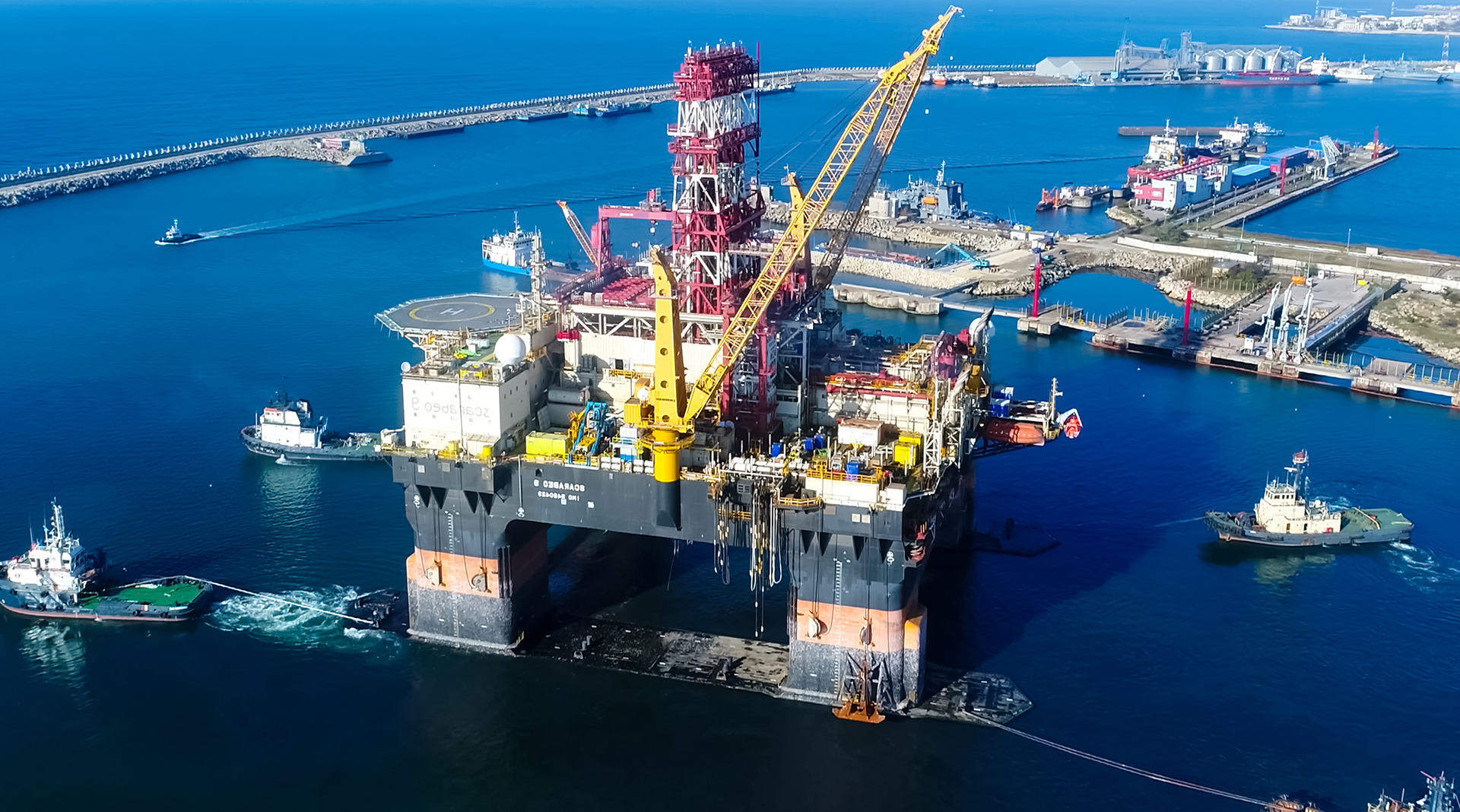
The marine industry consumes copper plate in volumes second only to heavy machinery. Saltwater, biofouling, cavitation, and shock loading make this one of the most demanding service environments for any metal — and a properly specified copper alloy plate is one of the few materials that survives long-term without coatings or sacrificial anodes.
Critical Marine Components Made from Copper Plate
Aluminum bronze plate (C95400, C95800) and nickel-aluminum bronze (NAB) are the alloy of choice for components that contact seawater continuously. These grades resist pitting, crevice corrosion, and stress corrosion cracking in chloride-rich environments where stainless steels often fail.
- Propulsion shaft sealing housings and wear plates
- Rudder system mounting plates and thrust washers
- Ship lock gate guide rails and lifting equipment liners
- Anchor windlass wear pads and capstan bearing plates
- Offshore drilling platform riser tensioner components
Yangzhou Yifeng Copper Products Co., Ltd. supplies copper alloy plate components into ship propulsion and sealing devices, offshore drilling rigs, and ship lock lifting systems — the same demanding service environments where standard carbon steel alternatives require frequent replacement or expensive coating maintenance.
Main Use 3: Mining and Metallurgical Equipment Wear Parts
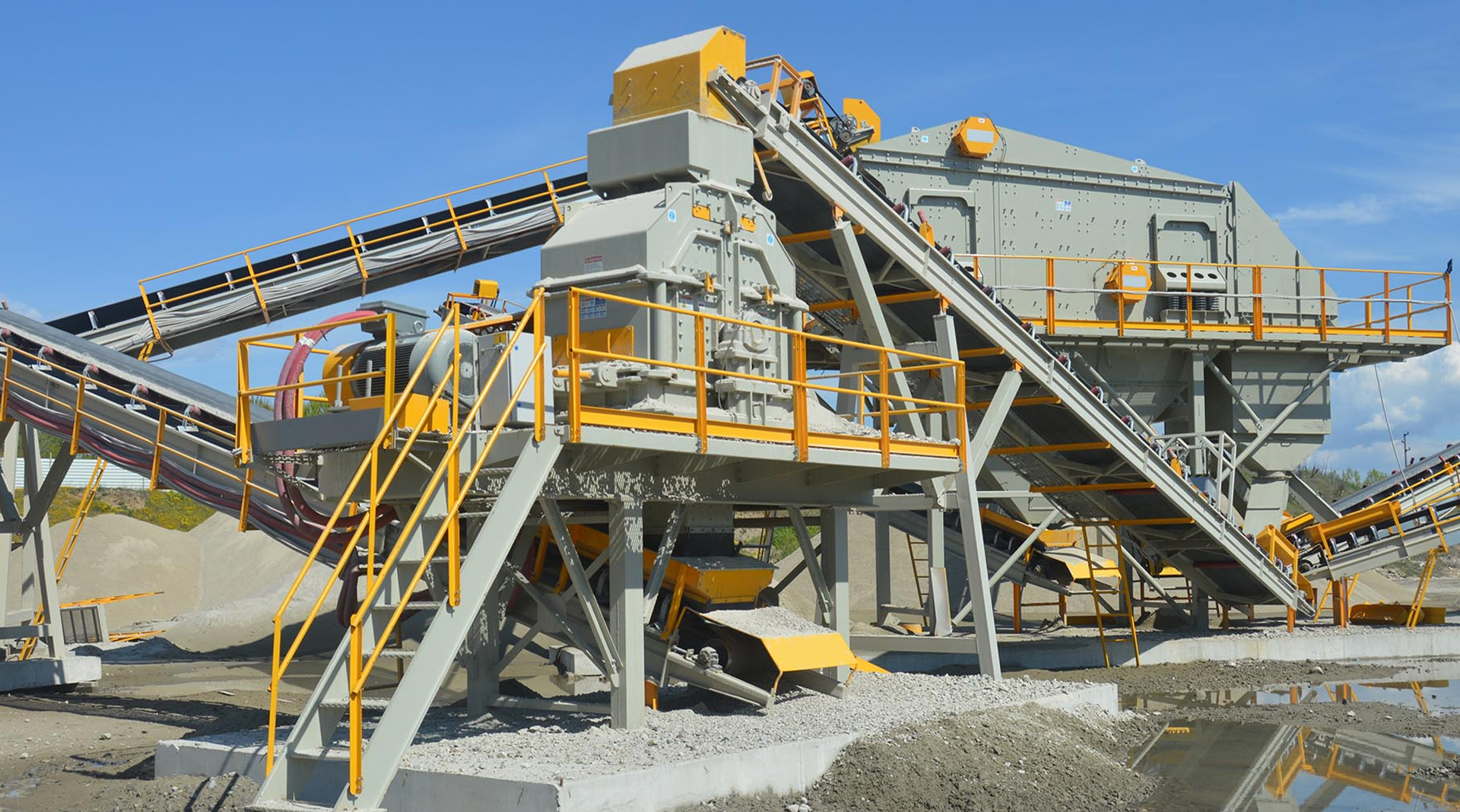
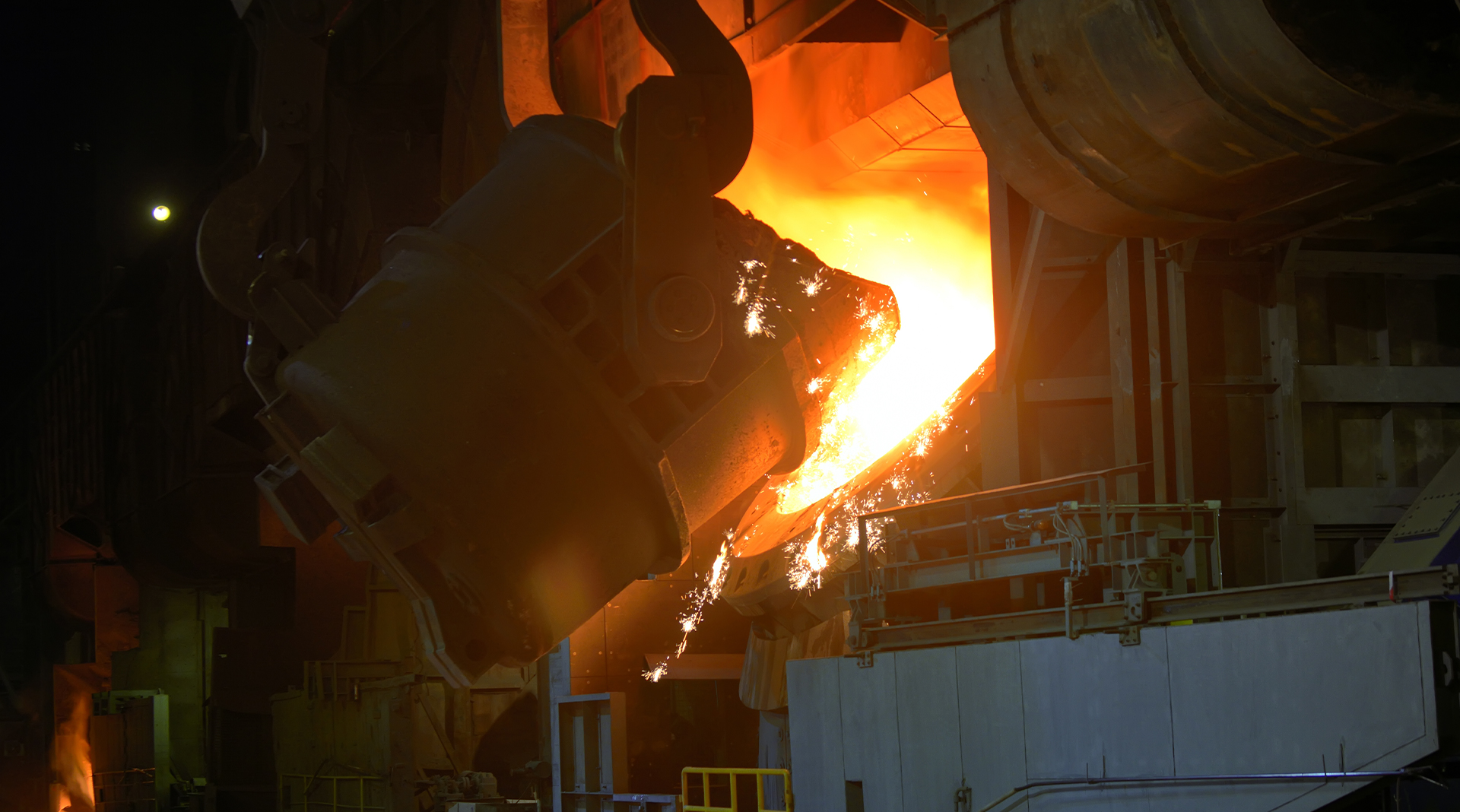
Mining and metallurgy push every material to its abrasive limit. Continuous contact with rock, slurry, hot metal, and acidic process water destroys most bearing materials in weeks. A correctly specified copper alloy plate, by contrast, can deliver multi-year service in the same role.
The combination of high mechanical strength, abrasion resistance, and anti-galling behavior makes copper plate the material of choice for several core wear surfaces:
- Crusher mantle and bowl liner backing plates in cone and gyratory crushers
- Ball mill trunnion bearing pads handling continuous rotation under thousands of tonnes of load
- Sinter plant pallet car wear strips exposed to hot ore at elevated temperatures
- Continuous casting machine mold backing plates in steel production
- Rolling mill housing liners and roll neck bearings in heavy plate and bar mills
- Conveyor system pulley brackets and idler support plates
For metallurgical use cases that combine elevated temperature with mechanical stress, tin bronze alloy plate retains roughly 70% of its room-temperature yield strength at 250 °C, which is why it remains the dominant material in sinter and rolling mill liners.
Main Use 4: Oil, Gas, and Petrochemical Pressure Equipment
Upstream and midstream oil and gas equipment runs in some of the most hostile chemical environments in industry: hydrogen sulfide (sour service), brine, dissolved CO₂, and high-temperature crude. Many copper alloy grades — particularly aluminum bronze and nickel-aluminum bronze — provide the corrosion resistance needed for these systems while maintaining the mechanical strength required for high-pressure service.
Typical Oil and Gas Applications
- Valve body backing plates and seat retainers in subsea production trees
- Pump wear plates and impeller backing rings in produced-water handling
- Heat exchanger tube sheets for seawater-cooled offshore systems
- Compressor crosshead slide plates in reciprocating gas compressors
- Wellhead control panel grounding and shielding plates
Selection for oil and gas service is typically governed by NACE MR0175 / ISO 15156 sour service requirements, which prescribe approved alloy compositions and heat treatment conditions — an area where direct collaboration with the copper plate manufacturer is essential before final purchase order.
Main Use 5: Electrical Conduction, Grounding, and Busbar Plates
Beyond mechanical applications, pure copper plate (typically C11000 / ETP copper, or C10200 oxygen-free copper) is the foundation of electrical power distribution. Its electrical conductivity of approximately 100% IACS is the benchmark against which all other conductive metals are measured.
In electrical and electronics manufacturing, copper plate is fabricated into:
- Busbars and switchgear current-carrying plates in low- and medium-voltage panels
- Grounding plates and lightning protection earthing strips
- Heat sinks for high-power electronics, EV chargers, and induction equipment
- Welding electrode backing plates and resistance-welding fixtures
- Cathode mother plates in electrowinning and electrorefining for copper, zinc, and nickel
For high-frequency or critical conductivity applications, oxygen-free copper plate is specified to avoid the embrittlement risk that can occur when standard ETP copper is heated in hydrogen-containing atmospheres.
Copper Plate Alloy Selection Matrix by Application
The table below summarizes which copper plate alloy family is best suited to each major end-use, helping procurement engineers shortlist materials before issuing a request for quotation.
Table 1: Recommended copper plate alloy family by industrial application.
| Application Sector |
Recommended Alloy Family |
Typical Grades |
Key Performance Driver |
| Construction & engineering machinery |
Tin bronze plate |
C90300, C93200 |
Shock load, anti-galling |
| Marine propulsion & offshore |
Aluminum bronze plate |
C95400, C95800 (NAB) |
Seawater corrosion, cavitation |
| Mining & metallurgical equipment |
Tin bronze / aluminum bronze plate |
C93200, C95400 |
Abrasion, high temperature |
| Oil, gas, petrochemical |
Nickel-aluminum bronze plate |
C95800, C63200 |
Sour service, pressure |
| Electrical busbars & grounding |
Pure copper plate |
C11000 (ETP), C10200 (OFC) |
100% IACS conductivity |
| Plumbing, valves, general hardware |
Brass plate |
C36000, C37700 |
Machinability, cost |
Practical Selection Framework: Matching Copper Plate to Your Use Case
Once the application sector is identified, a structured selection process prevents costly over- or under-specification. The following framework reflects the same logic used by experienced copper alloy plate manufacturers when reviewing client RFQs:
- Define the loading regime — static, cyclic, or shock; peak contact pressure in MPa
- Characterize the environment — temperature, humidity, presence of chlorides, sulfides, acids, or abrasives
- Identify the mating material — hardened steel, stainless steel, cast iron — and any required surface finish (Ra)
- Specify dimensional and tolerance requirements — plate thickness, flatness, parallelism, machining allowance
- Determine applicable standards — ASTM B505, ASTM B271, EN 1982, ASME BPVC, NACE MR0175 as required
- Project service life and maintenance access — affects corrosion allowance and choice of self-lubricating designs
- Confirm production feasibility — alloy availability in required thickness, casting vs. wrought, certifications
Sharing this complete data package with the copper plate manufacturer at the inquiry stage is the single most effective way to compress lead time and avoid revision loops during production.
Why Custom Copper Plate Casting Is Often the Better Path
Many heavy-industry applications cannot be served by standard mill-rolled copper plate inventory. Either the required thickness exceeds standard stock, the alloy is a specialty casting grade not available in wrought form, or the geometry demands a near-net-shape cast plate to minimize machining waste. In these cases, centrifugal casting and continuous casting of copper alloy plate become the more practical sourcing route.
A specialist copper alloy plate factory equipped for custom casting can deliver tin bronze, aluminum bronze, and brass plate in thicknesses from a few millimeters up to several hundred millimeters, with documented material certifications, dimensional inspection reports, and traceability to the melt. For procurement engineers serving Fortune 500 OEMs in mining, marine propulsion, and offshore equipment, this custom capability — rather than off-the-shelf inventory — is typically the deciding factor in supplier selection.
Conclusion: The Copper Plate Is a Specification, Not a Commodity
The main uses of a copper plate span the most demanding sectors of modern industry — heavy construction machinery, marine propulsion and offshore platforms, mining and metallurgical equipment, oil and gas pressure systems, and electrical conduction. In every one of these applications, the value of the copper plate comes not from the raw material itself but from the precise match between alloy chemistry, dimensional specification, and operating environment.
For buyers, the practical takeaway is straightforward: define the application thoroughly, choose the alloy family from the matrix above, and partner with a copper alloy plate manufacturer who can document material composition, perform custom casting where required, and support the technical review process from drawing to delivery. That combination — clear specification on the buyer side, full alloy capability on the supplier side — is what makes the copper plate one of the most reliable engineered materials in industrial supply.



 English
 日本語
日本語 русский
 Deutsch