


 English
 日本語
日本語 русский
 Deutsch
Tin Bronze Bushing For Mining Equipment uses high-purity copper as the base material, and ...
Home / News / Industry News / Marine Copper Alloy Sealing Ring: Selection, Application & Maintenance Guide

Ship Propulsion And Sealing Device
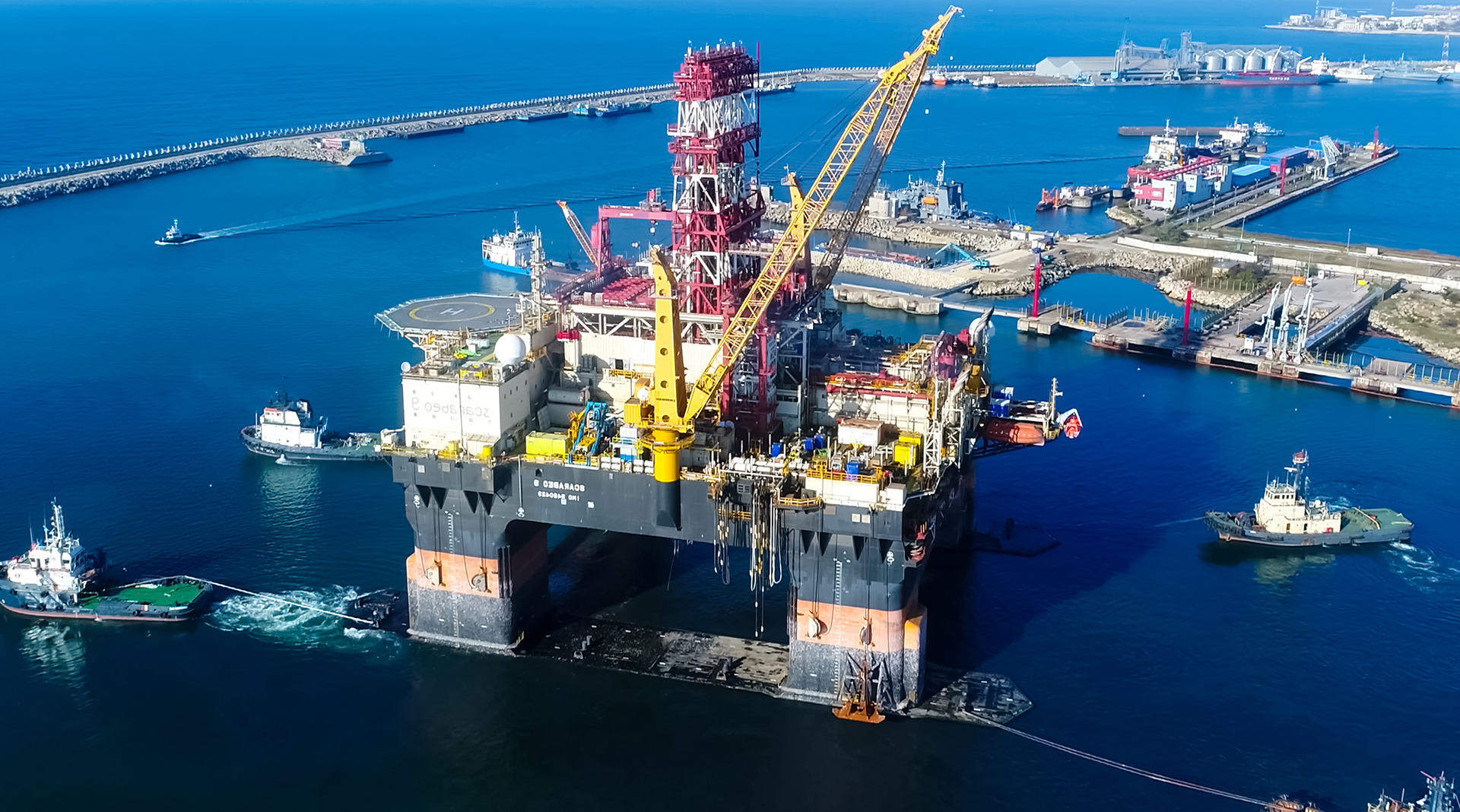
Ocean drilling and ship lock lifting equipment
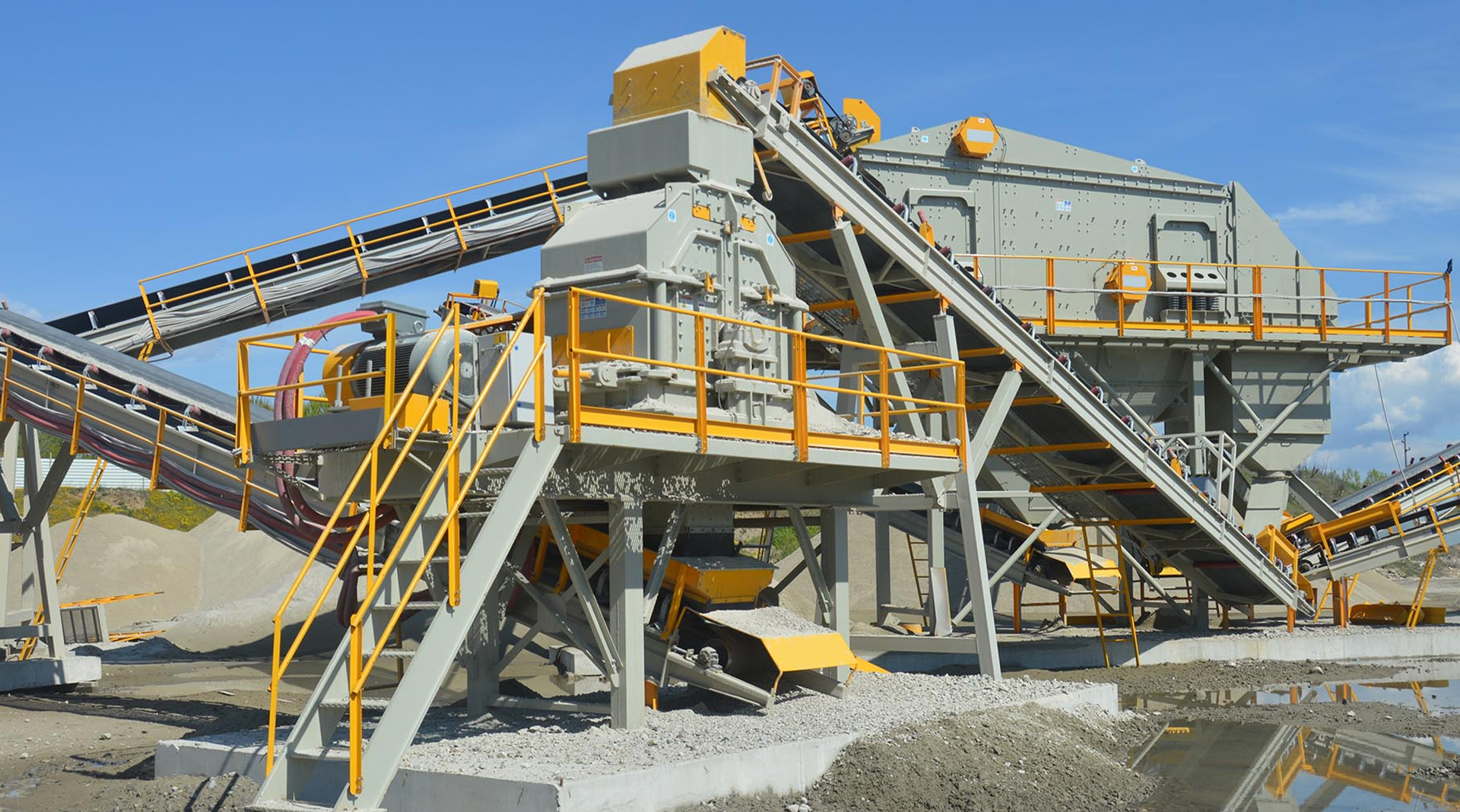
Mining equipment
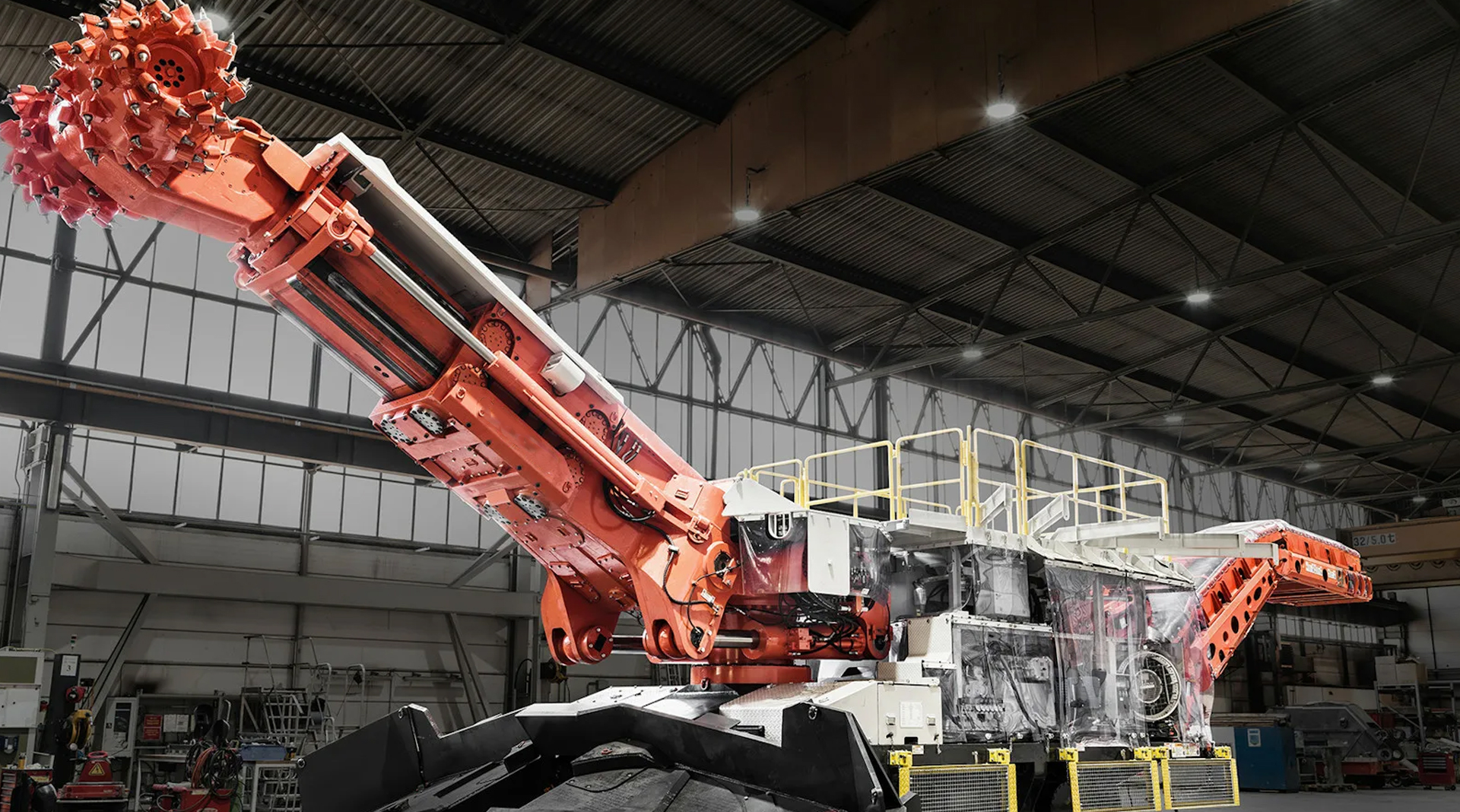
Construction machinery
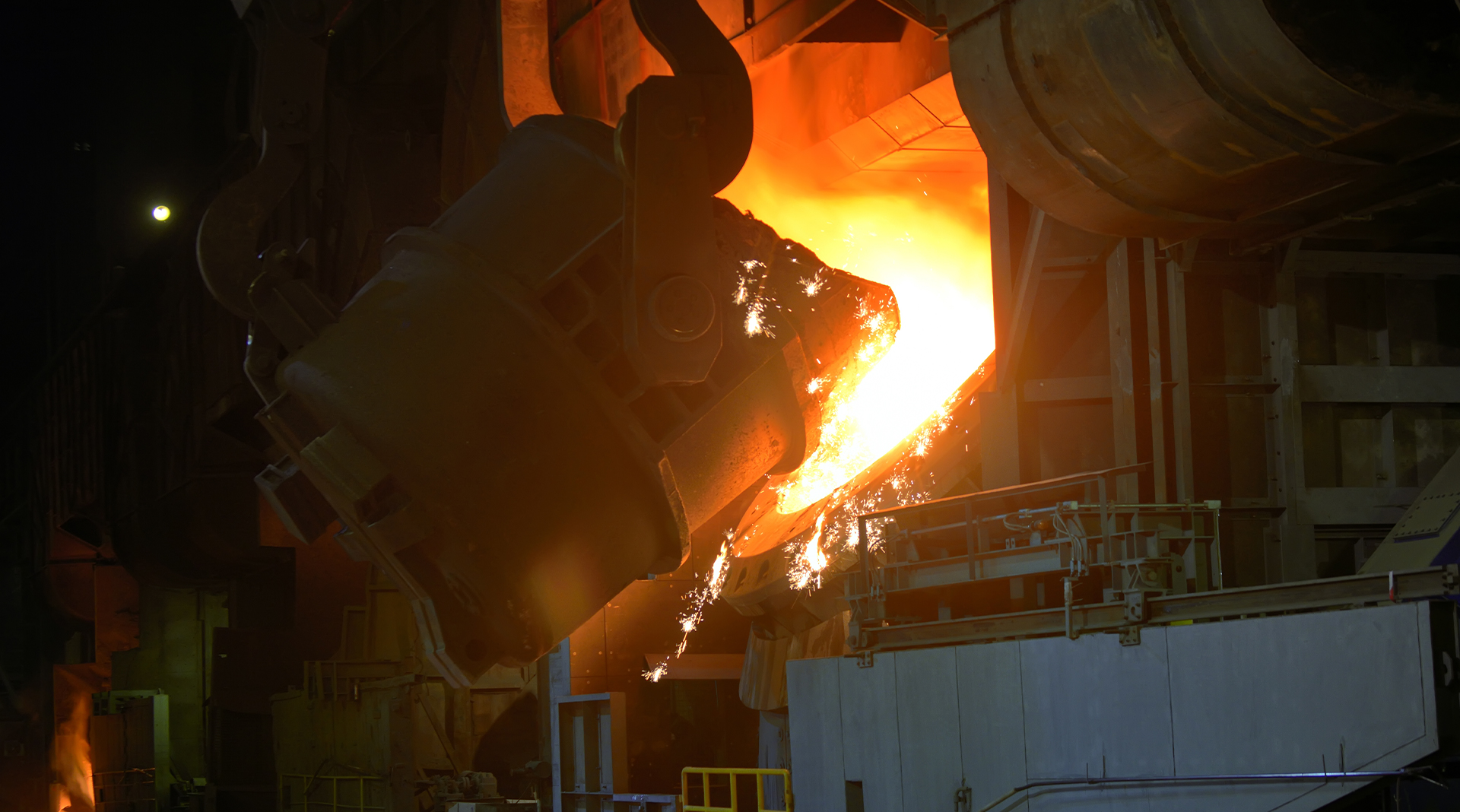
Oil and gas, metallurgical equipment
Content
When it comes to protecting a ship's propulsion system, the marine copper alloy sealing ring is one of the most critical yet often overlooked components. Positioned between the rotating propeller shaft and the vessel's hull, this precision-engineered ring prevents seawater ingress, retains lubricating oil, and withstands the combined stresses of pressure, rotation, and corrosion that are unique to marine environments. Unlike standard industrial seals, marine-grade copper alloy sealing rings are specifically formulated to deliver reliable performance in saltwater conditions over extended service intervals.
This article explores how marine copper alloy sealing rings work, what makes them suitable for ship propulsion applications, how to select the right specification, and how to maintain them for long-term reliability. Whether you are a naval engineer, shipyard procurement manager, or vessel operator, understanding these components can help you make informed decisions that reduce downtime and operational risk.
A marine copper alloy sealing ring is a precision-machined annular component installed in the stern tube assembly of a ship's propulsion system. Its primary function is to create a dual barrier: keeping seawater out of the vessel's interior while keeping lubricating oil contained around the propeller shaft. Without a properly functioning sealing ring, saltwater contamination of the lubricant would accelerate bearing wear, and oil leakage into the sea would result in both mechanical failure and environmental violations.
The working principle relies on the sealing ring's ability to maintain controlled contact pressure against the shaft sleeve or liner. Copper alloy's natural ductility allows the ring to conform to minor surface imperfections and shaft movement, maintaining a reliable seal even under dynamic loading. In a typical installation, the sealing ring works in conjunction with a shaft sleeve — the sleeve rotates with the shaft, while the ring remains stationary in the housing, creating an effective fluid barrier at the interface.
In many modern designs, the shaft sleeve is composed of multiple segments, with at least one section made from copper alloy matched to the sealing ring material. This material pairing is intentional: compatible alloys minimize galvanic corrosion and optimize the tribological behavior at the sealing interface, extending the service life of both components simultaneously.
Material selection is the foundation of any reliable marine seal. Copper alloys — particularly tin bronze, aluminum bronze, and nickel-aluminum bronze — offer a combination of properties that few other engineering materials can match in subsea and splash-zone environments.
The key performance advantages of copper alloy in marine sealing applications include:
Among the available copper alloys, nickel-aluminum bronze (NAB) and tin bronze are most widely specified for high-duty sealing applications in commercial shipping and offshore equipment. NAB in particular is valued for its superior strength and resistance to dealloying in chloride-rich seawater environments.
Marine copper alloy sealing rings are not limited to a single vessel type or application. Their combination of corrosion resistance, dimensional stability, and load-bearing capacity makes them suitable across a broad range of maritime and offshore environments.
The stern tube is the most demanding application environment for any shaft seal. Sealing rings in this position must simultaneously resist hydrostatic pressure from the sea, centrifugal forces from a rotating shaft, and the chemical environment of the lubricating oil sump. Copper alloy sealing rings used here are typically precision-cast and finish-machined to ensure a consistent sealing face geometry throughout their service life.
In port infrastructure and inland waterway applications, copper alloy sealing rings are used in the drive shafts of lock gate mechanisms and hydraulic lifting systems. These components operate under intermittent high-torque loading and must maintain sealing integrity across decades of service with minimal inspection access. The long service life potential of copper alloy is a critical advantage in these infrastructure applications.
Offshore drilling platforms expose sealing components to elevated pressures, temperature fluctuations, and aggressive drilling fluids. Copper alloy sealing rings used in drilling equipment benefit from their high compressive strength and resistance to deformation under sustained loading, ensuring that the seal geometry is preserved even after extended periods of high-pressure operation.
Selecting an incorrect sealing ring specification is one of the leading causes of premature seal failure in marine propulsion systems. To make the right choice, procurement engineers and shipyard technicians should evaluate the following parameters:
| Selection Parameter | Key Considerations |
|---|---|
| Alloy Grade | Match alloy to operating environment — tin bronze for moderate conditions; nickel-aluminum bronze for high-salinity or high-pressure applications |
| Dimensional Tolerances | Confirm inner diameter, outer diameter, and face width against original equipment specifications; tight tolerances at the sealing face are non-negotiable |
| Surface Finish | Sealing face roughness should be controlled during machining; a finer finish reduces initial wear-in period and improves sealing performance |
| Shaft Sleeve Compatibility | Ring and sleeve should be manufactured from compatible alloys to prevent galvanic coupling; confirm pairing with the original equipment designer |
| Pressure and Speed Rating | Verify that the selected ring is rated for the shaft's operating RPM and the external hydrostatic pressure at maximum operating draft |
| OEM vs. Custom Specification | For replacement orders, compare against original manufacturer drawings; for new builds, work with the casting supplier to develop custom profiles where needed |
Manufacturers with in-house R&D capabilities and established industry-university research partnerships — such as those focused on advanced copper alloy metallurgy — are better positioned to provide custom sealing ring solutions that meet vessel-specific performance requirements. Custom OEM and ODM solutions allow shipyards and vessel operators to source rings engineered precisely to their propulsion system geometry, avoiding the compromises inherent in standard off-the-shelf components.
Even the highest-quality copper alloy sealing ring will deteriorate prematurely if maintenance practices are inadequate. The following guidelines reflect best practices for stern tube and propulsion shaft sealing systems in commercial and industrial vessel operations.
Sealing ring condition should be assessed at each scheduled dry-docking, typically every two to three years depending on classification society requirements. Between dry-dockings, operators should monitor the stern tube lubricant consumption rate as an indirect indicator of sealing ring performance. An unexplained increase in oil consumption is often the earliest detectable sign of seal deterioration.
The lubricant in direct contact with the sealing ring must be verified as compatible with the copper alloy grade used. Certain high-zinc lubricant additives can accelerate dezincification in copper alloys. Biodegradable stern tube oils, increasingly required under international environmental regulations, should be tested for compatibility with the specific alloy grade before adoption. Maintain lubricant analysis records to detect contamination or degradation before it causes sealing surface damage.
When replacing sealing rings during dry-dock maintenance, the following steps are critical to achieving a proper seal:
The marine sealing industry is responding to two converging pressures: tighter environmental regulations governing oil discharge and a global push toward lower-emission propulsion systems. These trends are directly influencing how sealing rings are designed, manufactured, and specified.
Environmental compliance is driving the shift from mineral oil-lubricated stern tubes to water-lubricated or biodegradable oil systems. This transition places new demands on sealing ring materials, as the lubrication regime at the sealing interface changes significantly. Copper alloys compatible with water-lubricated environments — specifically those with enhanced surface hardness and reduced coefficient of friction against composite shaft liners — are increasingly specified in new vessel designs.
The growth of electric and hybrid propulsion in ferries, workboats, and short-sea shipping is also creating new sealing challenges. Variable-speed electric drives can expose sealing rings to a wider RPM range than traditional diesel propulsion, requiring designs that maintain consistent sealing performance across the full operating envelope. Manufacturers investing in advanced copper alloy metallurgy and precision casting technology are well-positioned to meet these evolving specifications, particularly those with dedicated research and development programs focused on high-performance propulsion components.
The marine copper alloy sealing ring may be a small component relative to the size of a ship's propulsion system, but its performance directly determines the reliability and environmental compliance of the entire vessel. Selecting the correct alloy grade, dimensional specification, and surface finish — and maintaining the ring according to established best practices — are the most effective steps operators and procurement professionals can take to minimize unplanned maintenance and extend the service life of the stern tube system.
For global procurement teams sourcing sealing rings for new builds, refits, or maintenance programs, working with a manufacturer that specializes in high-performance copper alloy casting with custom OEM/ODM capability ensures that components are engineered to the precise requirements of each application — not adapted from a standard catalogue. As vessel technology continues to evolve toward lower-emission, environmentally compliant propulsion systems, the value of partnering with technically capable copper alloy specialists will only increase.
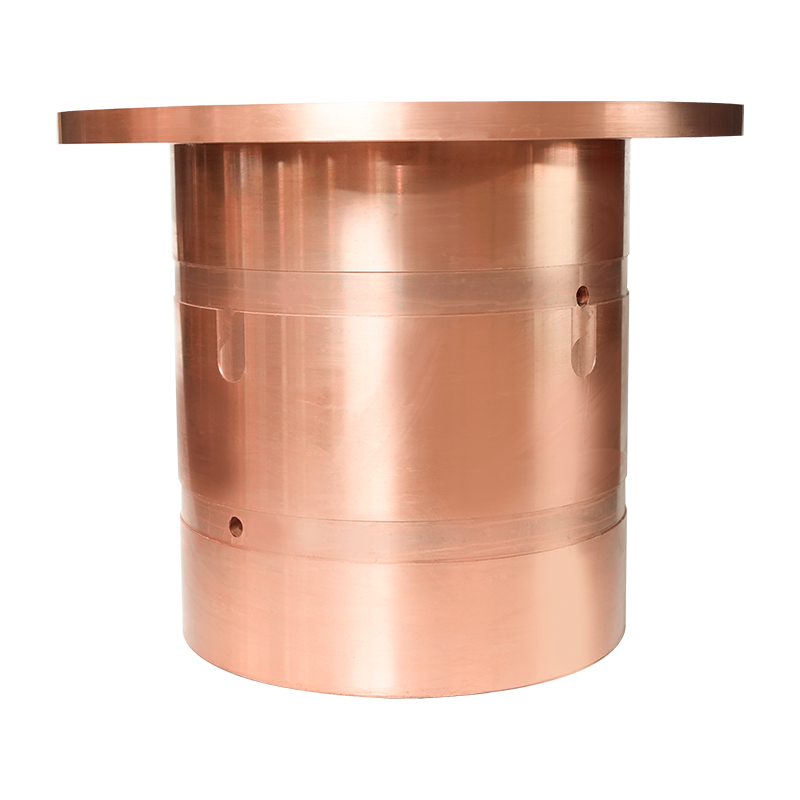
Tin Bronze Bushing For Mining Equipment uses high-purity copper as the base material, and ...
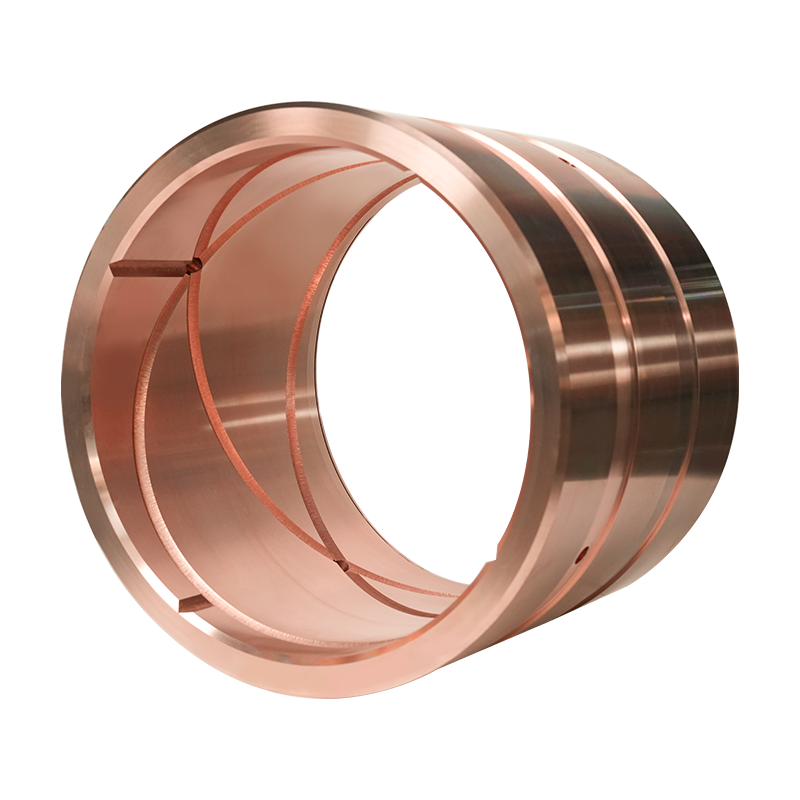
Tin Bronze Bushing For Engineering Machinery is made of high-quality high-purity copper su...
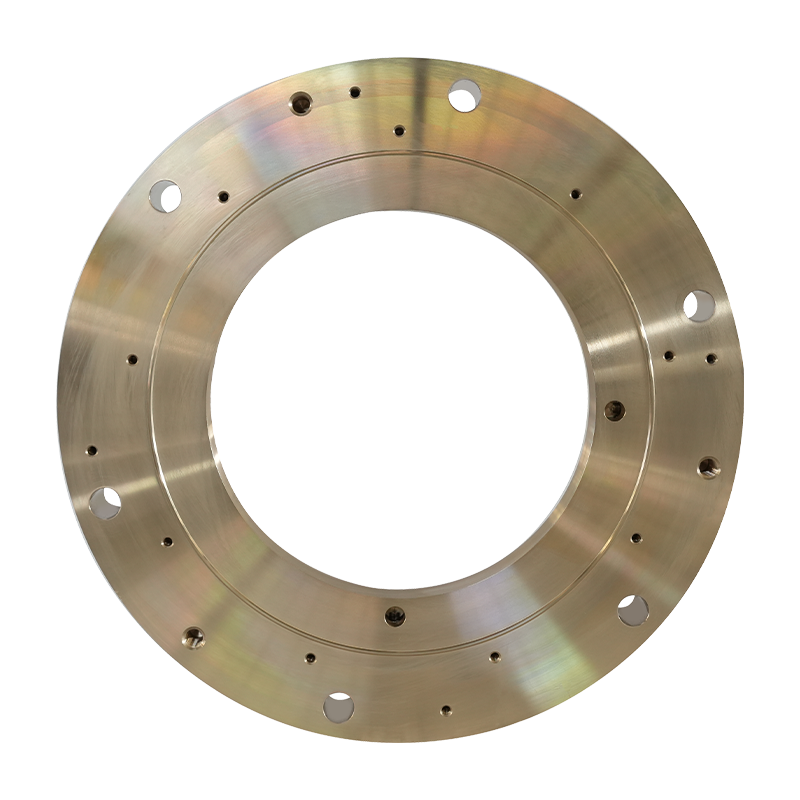
Marine Copper Alloy Sealing Ring Marine Sealing Ring is a key sealing component in the shi...
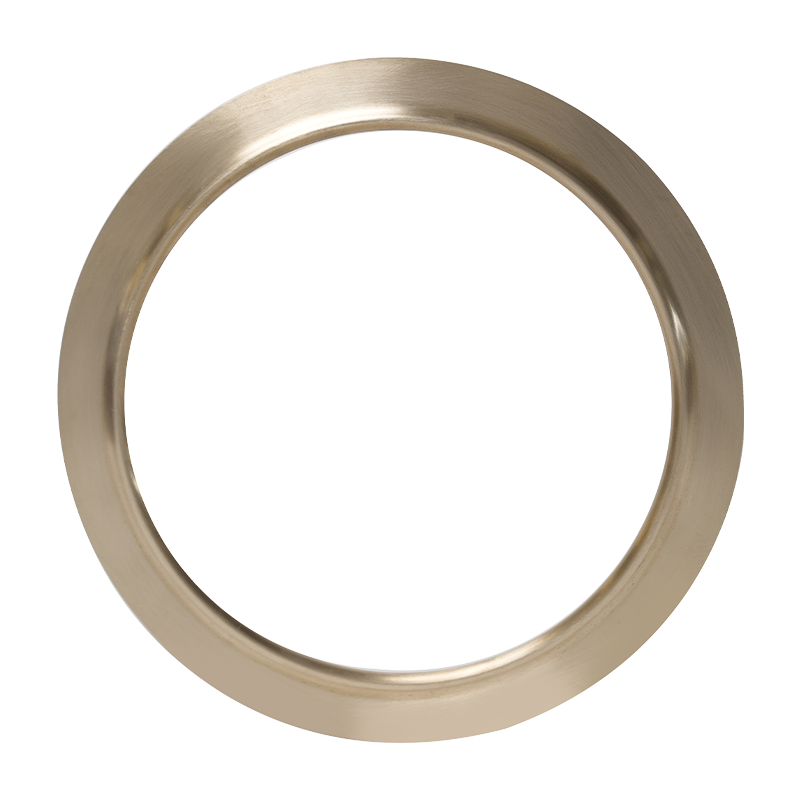
Propulsion Device Seal Marine Copper Alloy Sealing Ring is made of high-quality copper all...
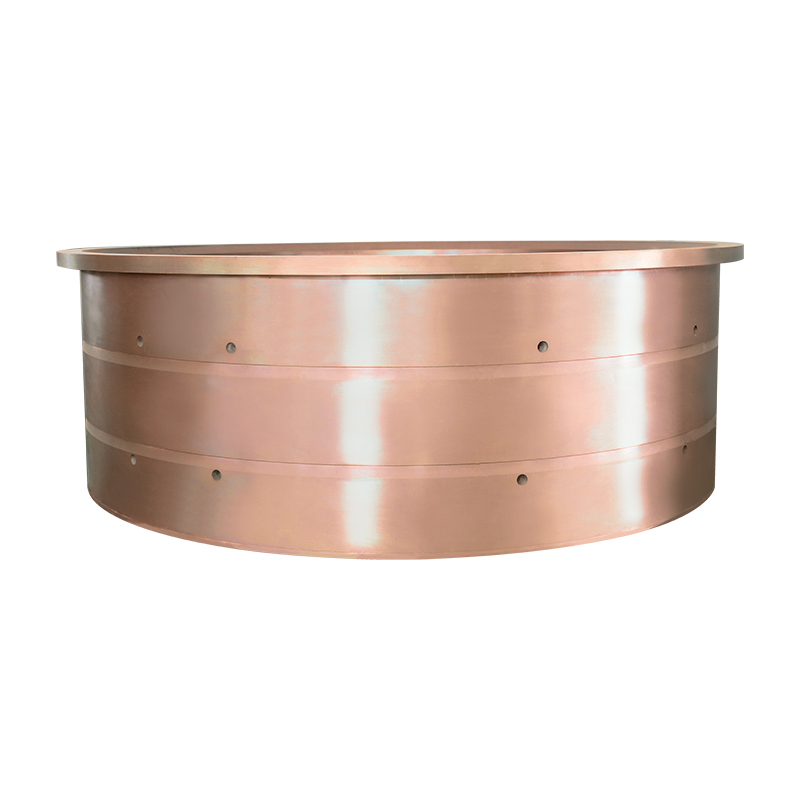
Anchor Winch Bearing And Tin Bronze Bushing is designed for heavy-load, high-speed, and hi...
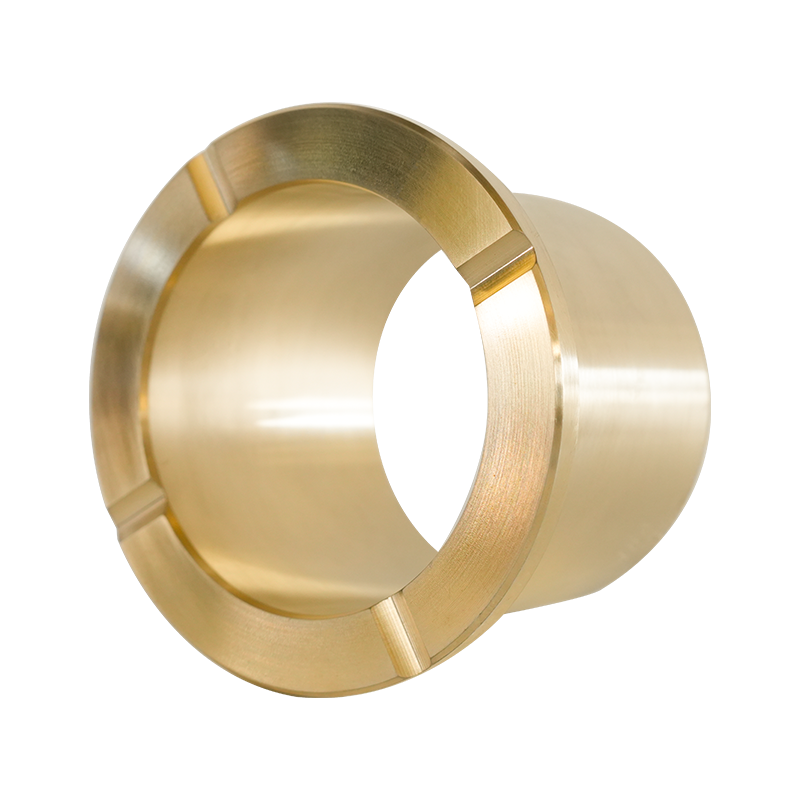
Mining Equipment Brass Bushing is specially designed for high-load and high-wear condition...
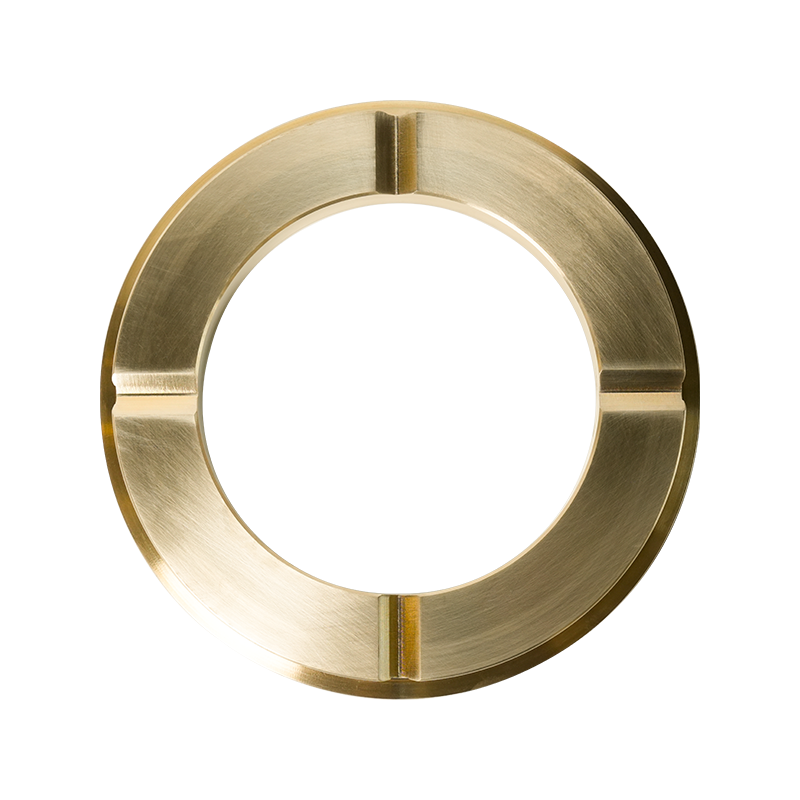
Engineering Machinery Brass Bushing is specially designed for high-load and high-wear work...
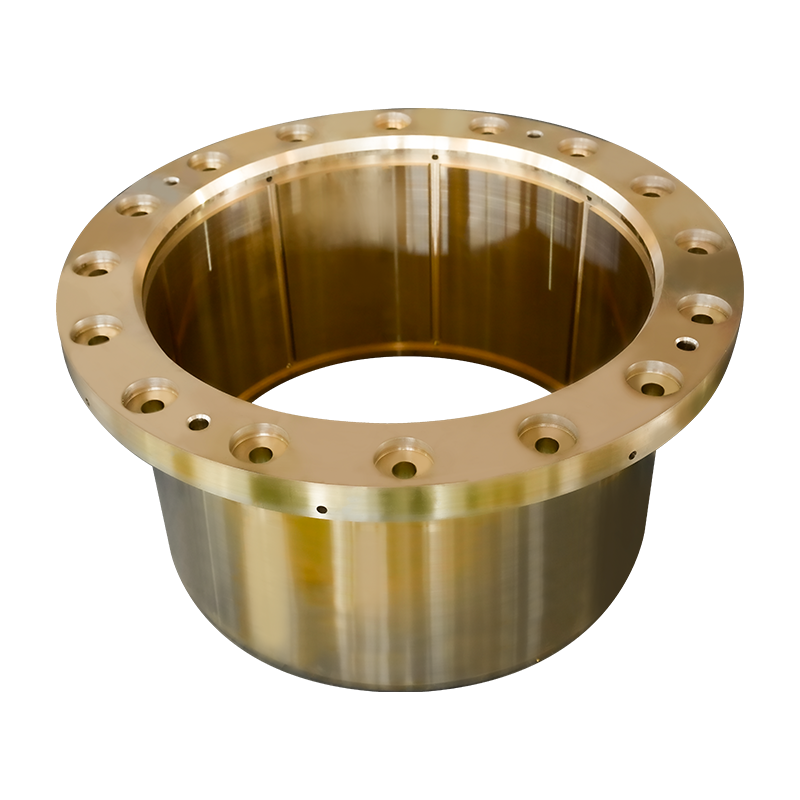
Metallurgical Equipment Brass Bushing is a high-performance brass bushing designed for wor...
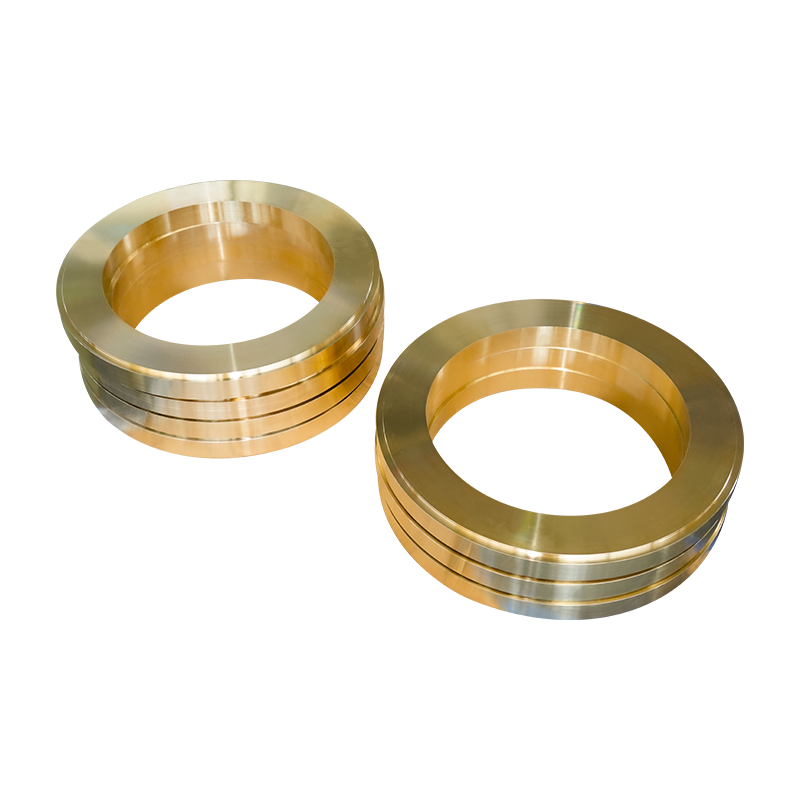
Stern Shaft Sealing Device Brass Bushing is a high-performance brass wear-resistant copper...
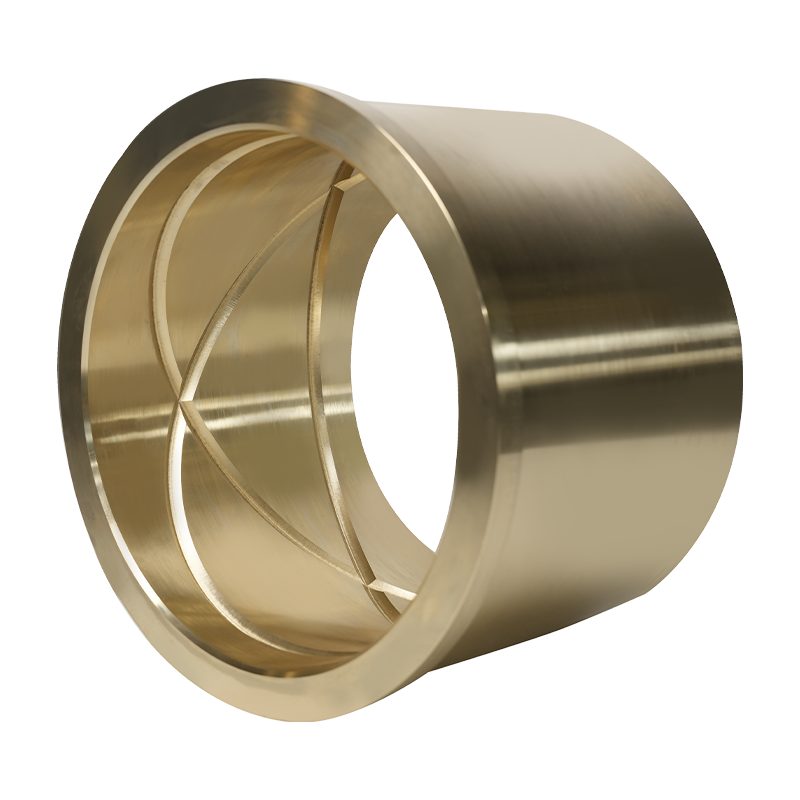
Aluminum Bronze Bushing For Rudder Transmission System is tailor-made for the Rudder trans...
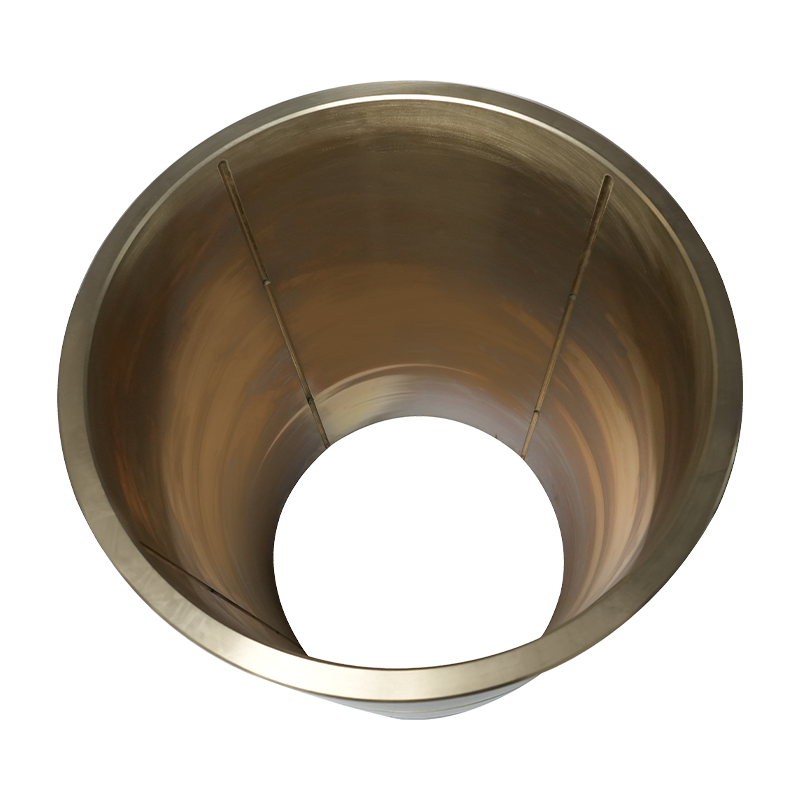
Aluminum Bronze Bushing For Ship Hydraulic Cylinders And Rudder Angle Feedback product is ...
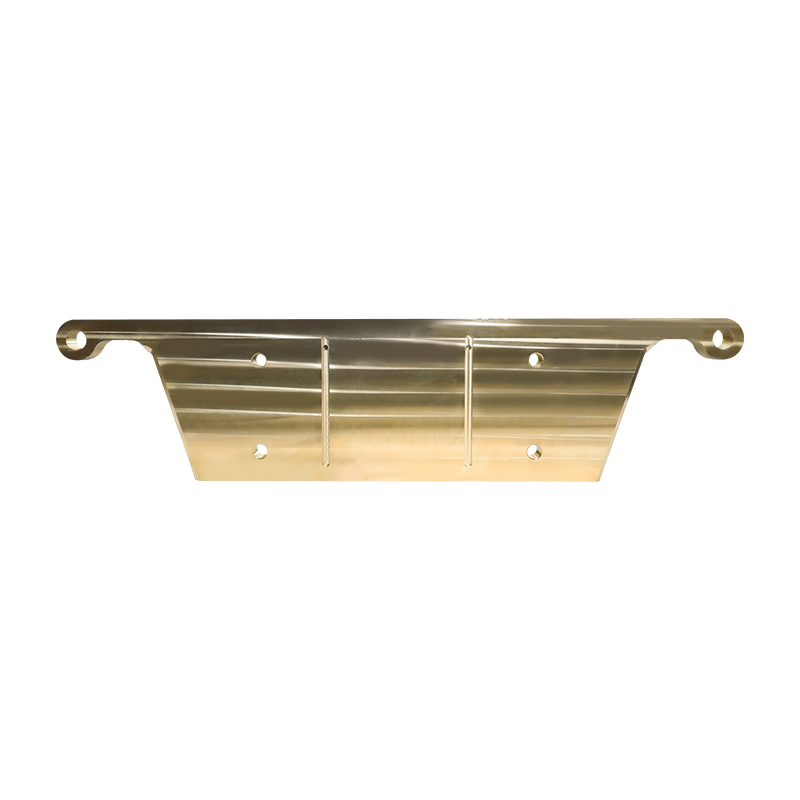
Mining Equipment Brass Plate is made of high-quality high-strength brass material, with we...
Copyright © YangZhou YiFeng Copper Products Co.,Ltd. All Rights Reserved
China copper casting manufacturers wholesale copper casting factory