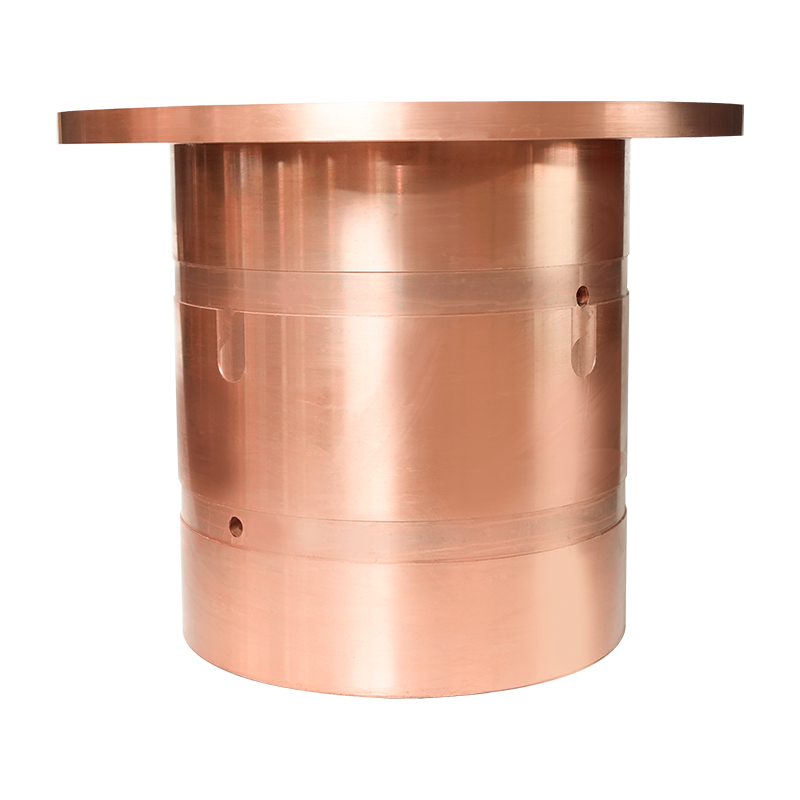
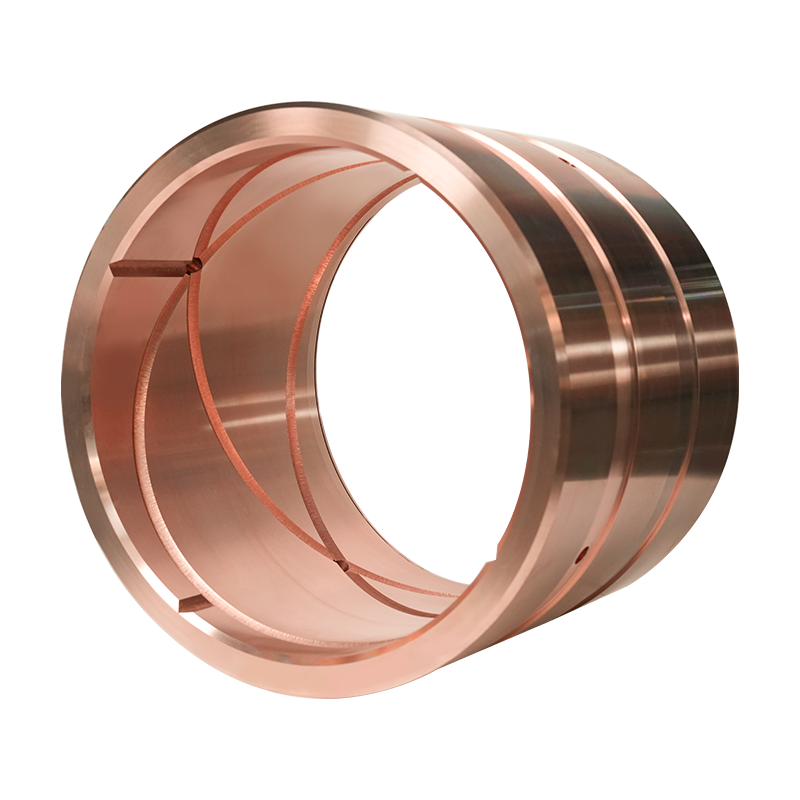
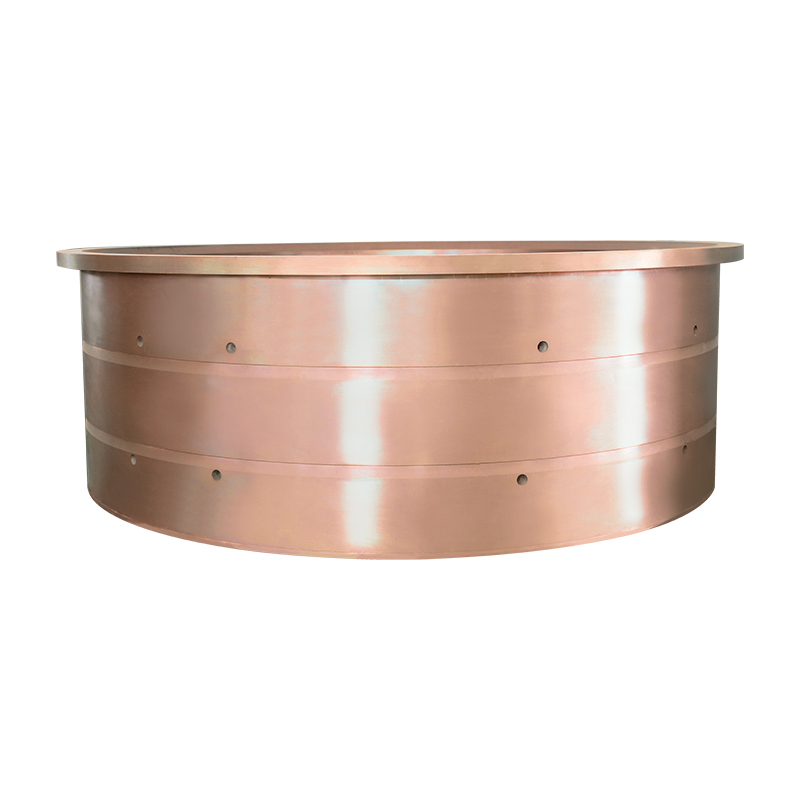
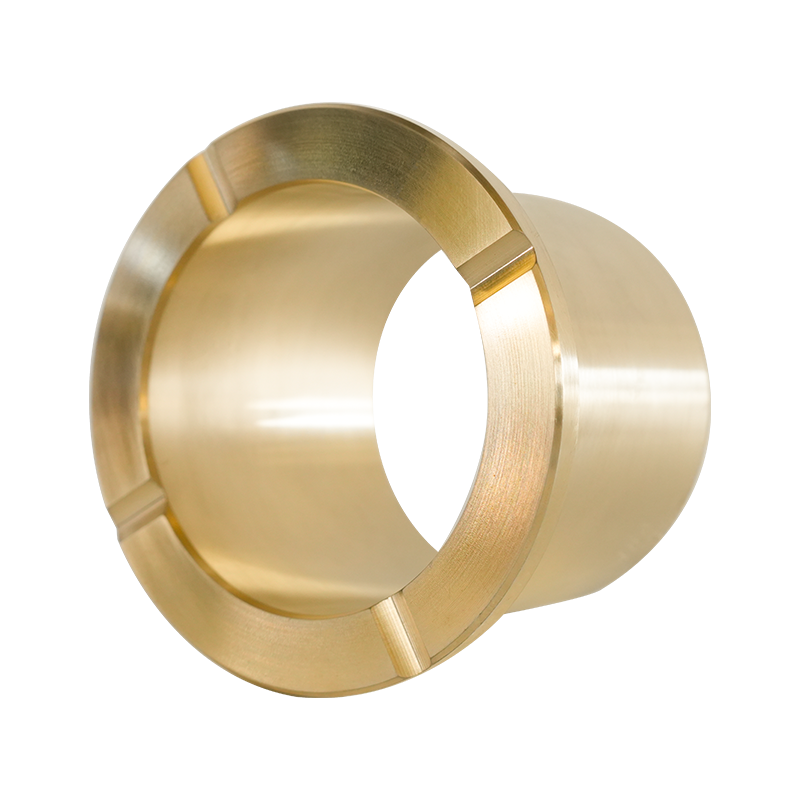
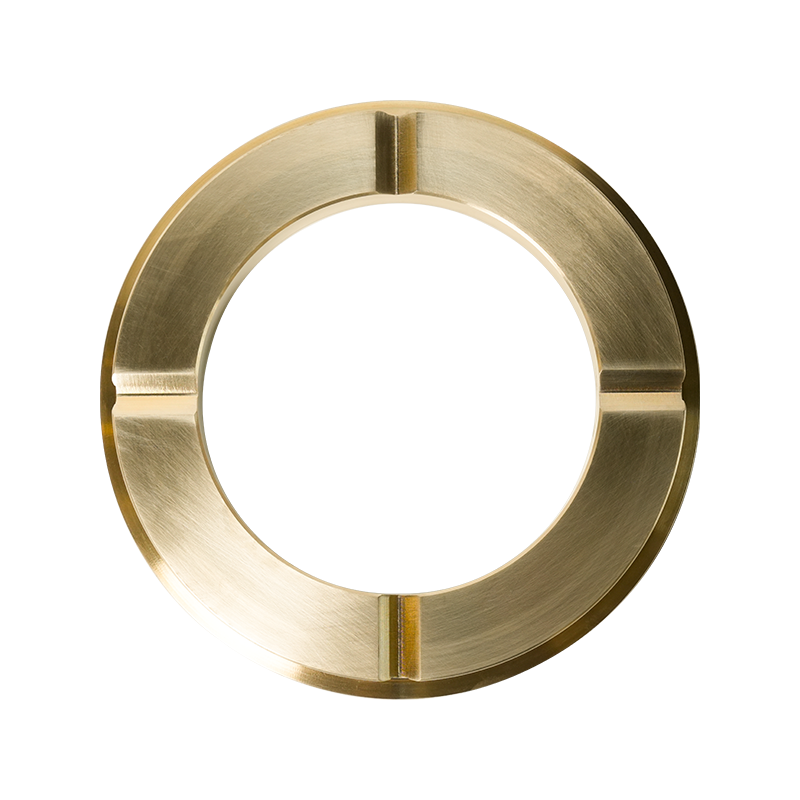
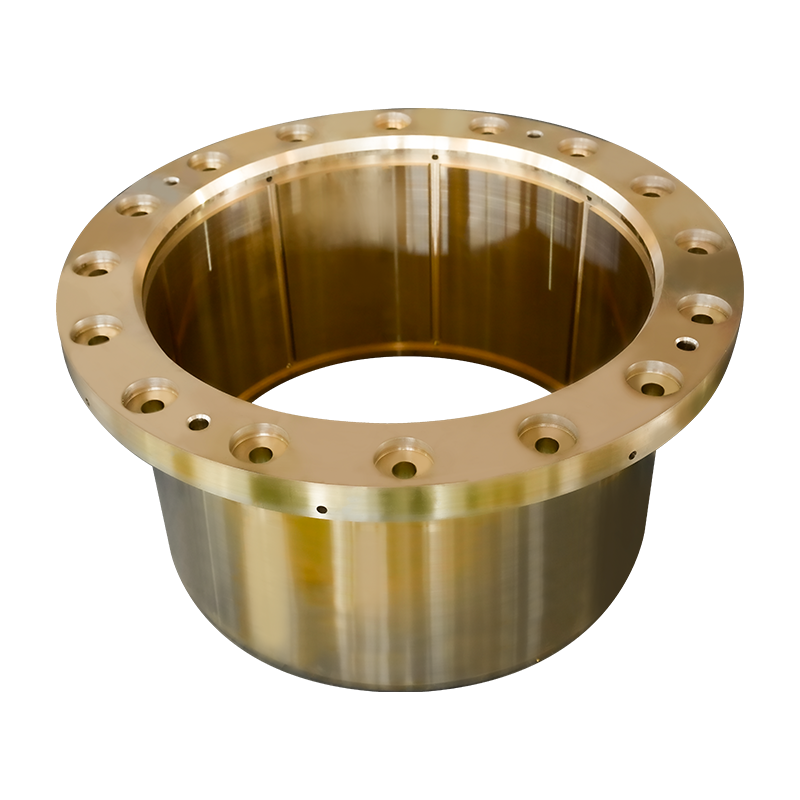
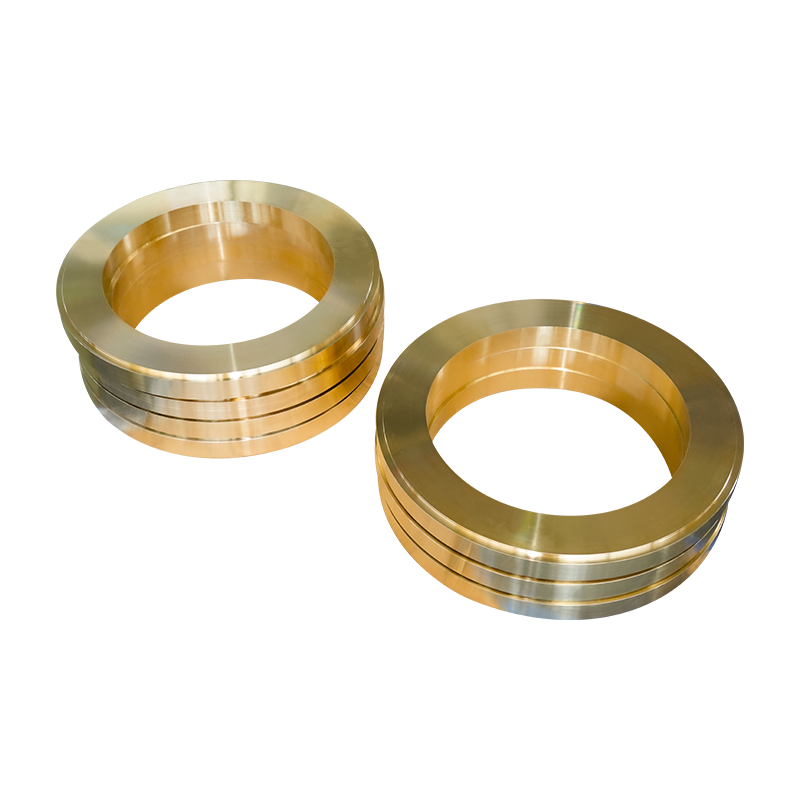
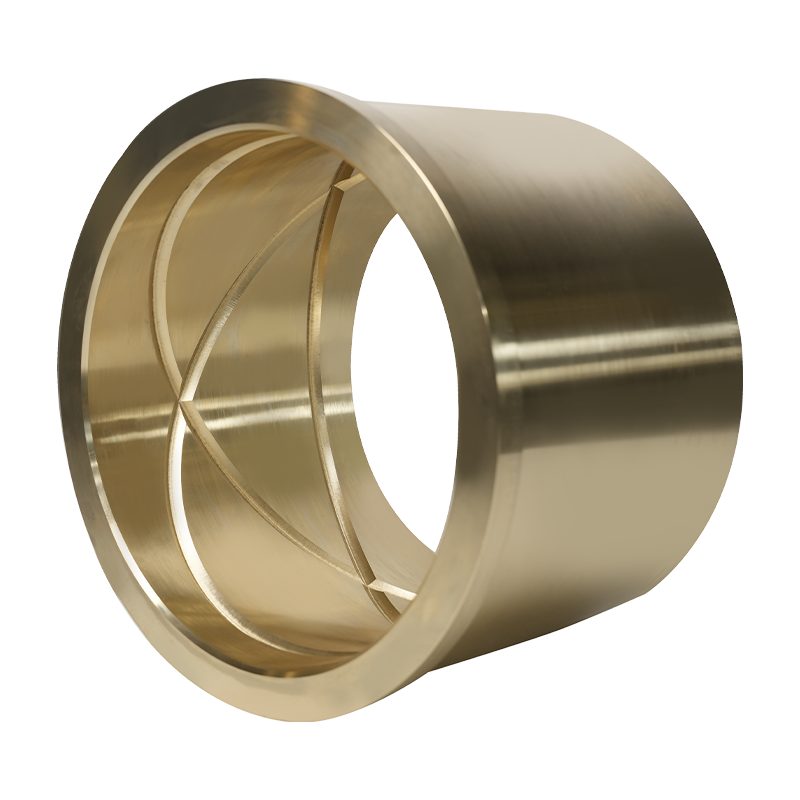
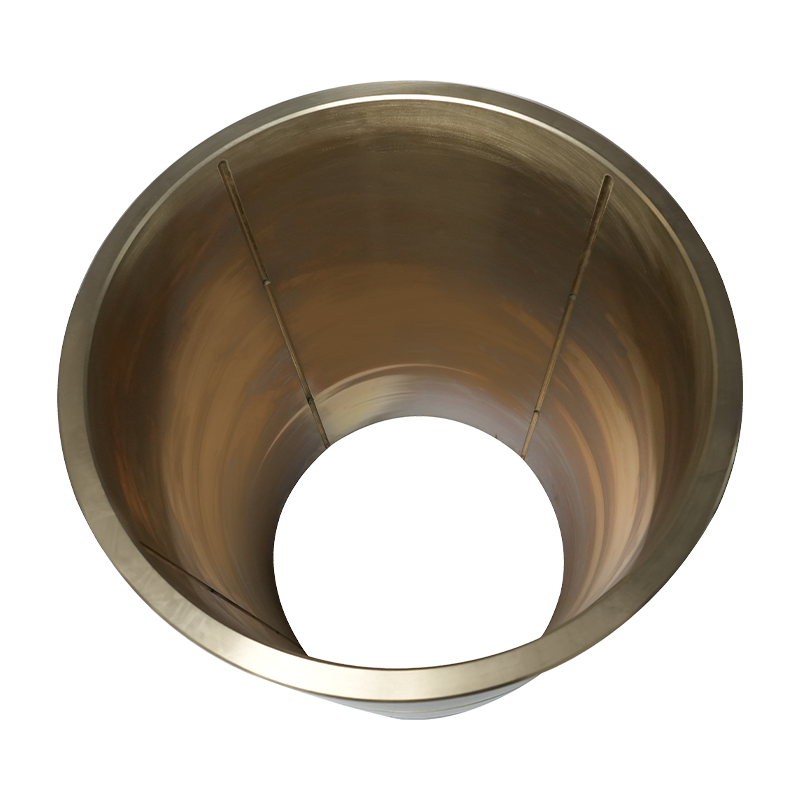
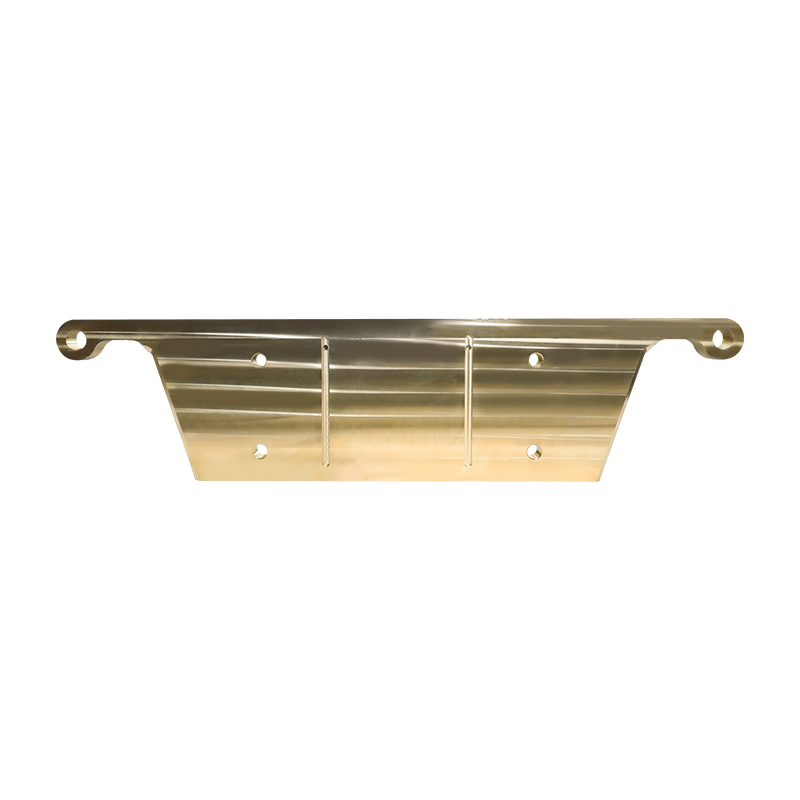
A copper bushing is a cylindrical sleeve or liner made from copper-based alloys — most commonly bronze or brass — that is installed between two mating parts to reduce friction, absorb load, and protect against wear. It functions as a plain bearing (also called a sleeve bearing), providing a low-friction surface that allows rotational or linear movement without the need for rolling elements. In industrial and mechanical applications, copper bushings are widely valued for their excellent combination of strength, corrosion resistance, and natural lubrication properties.
This article covers the types, material properties, industry applications, and selection criteria of copper bushings — giving buyers and engineers a clear foundation for specifying the right component.
Types of Copper Bushings
Copper bushings are not a single product — they span several alloy families and structural designs, each suited to different operating demands. Understanding the main types helps buyers narrow down the correct specification from the start.
Bronze Bushings (Tin Bronze / Phosphor Bronze)
Tin bronze (e.g., C90300, C93200) and phosphor bronze (e.g., C51000) are the most common copper bushing materials. They offer high load capacity, excellent wear resistance, and good corrosion resistance in oil-lubricated environments. Phosphor bronze adds a small amount of phosphorus to improve hardness and fatigue strength, making it a preferred choice for high-speed rotating shafts.
Self-Lubricating Copper Bushings (Graphite-Embedded)
Self-lubricating copper bushings are bronze bushings with solid lubricant plugs — typically graphite or MoS₂ — embedded directly into the bore and outer surfaces. Once the bushing is in motion, heat and pressure release the lubricant onto the mating surface, eliminating the need for external grease or oil. This design is especially valuable in hard-to-reach locations, food processing equipment, and high-temperature environments where liquid lubricants degrade.
Brass Bushings
Brass bushings (copper-zinc alloys, e.g., C36000) are cost-effective and easily machined. They are suitable for light-load, low-speed applications and offer natural antimicrobial properties. Common uses include valves, plumbing fittings, and decorative hardware.
Aluminum Bronze Bushings
Aluminum bronze (e.g., C95400) offers superior strength and corrosion resistance compared to standard tin bronze, particularly in saltwater and acidic environments. It is commonly specified for marine equipment, heavy-duty construction machinery, and hydraulic components.
Key Properties That Make Copper Bushings Stand Out
Copper bushings compete directly with iron, nylon, and PTFE-based bushings in many applications. Their market position is built on a distinctive property profile:
- Thermal conductivity: Copper alloys dissipate frictional heat rapidly, preventing localized overheating that can accelerate wear or cause seizure.
- Conformability: Copper-based metals can gradually conform to minor shaft irregularities under load, improving contact area and reducing peak stress concentrations.
- Anti-galling: Copper alloys are resistant to galling (surface damage caused by adhesive wear), which is critical when the shaft material is steel or stainless steel.
- Machinability: Leaded bronze and brass grades machine cleanly and to tight tolerances, reducing post-installation fitting work.
- Corrosion resistance: Most copper alloys resist atmospheric oxidation, moisture, and mild chemical exposure without surface treatment.
These characteristics make copper bushings a reliable long-term solution in environments where frequent maintenance is impractical and premature bearing failure is costly.
Common Applications of Copper Bushings Across Industries
Copper bushings appear in virtually every sector that uses rotating or sliding mechanical assemblies. Below are the most significant application categories:
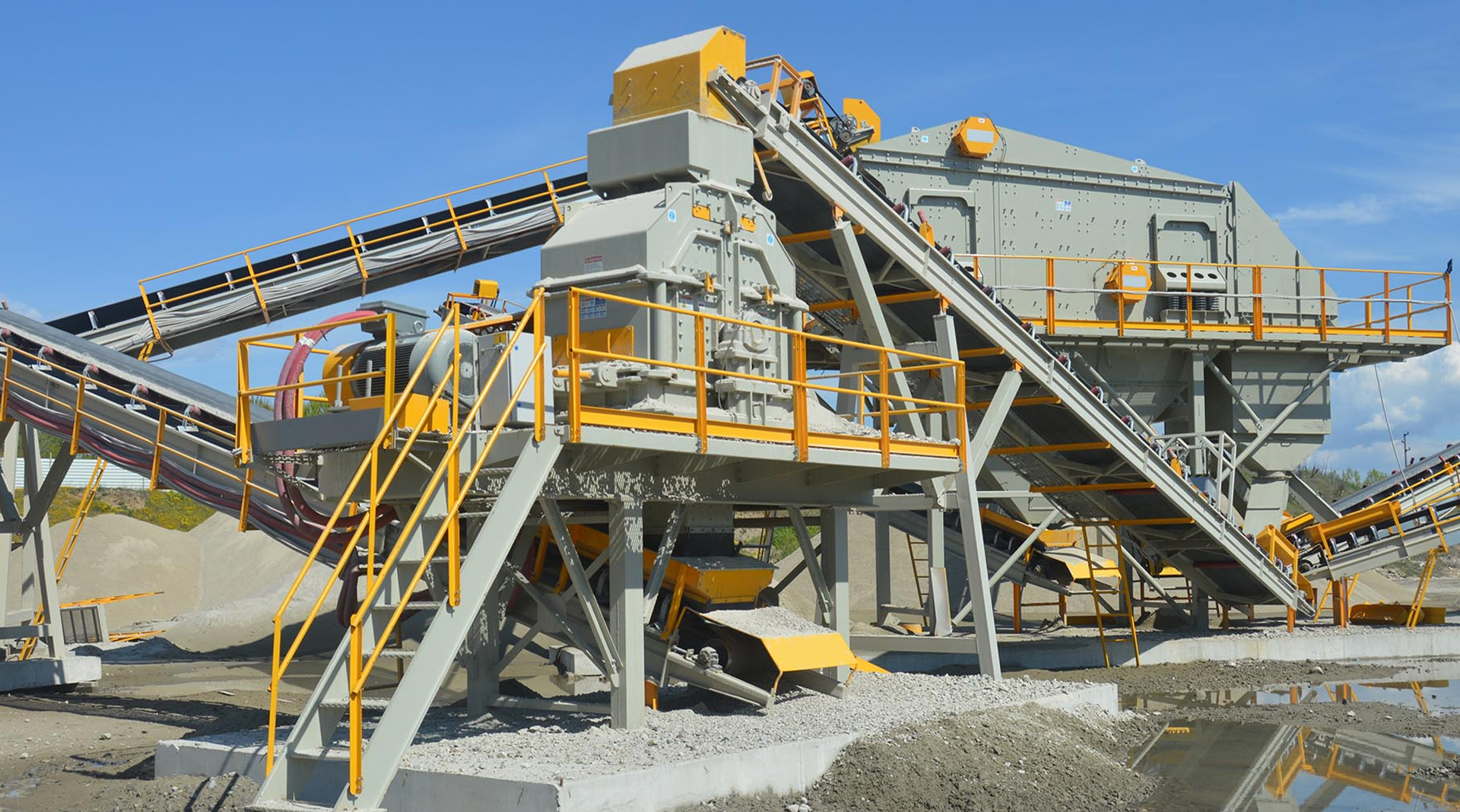
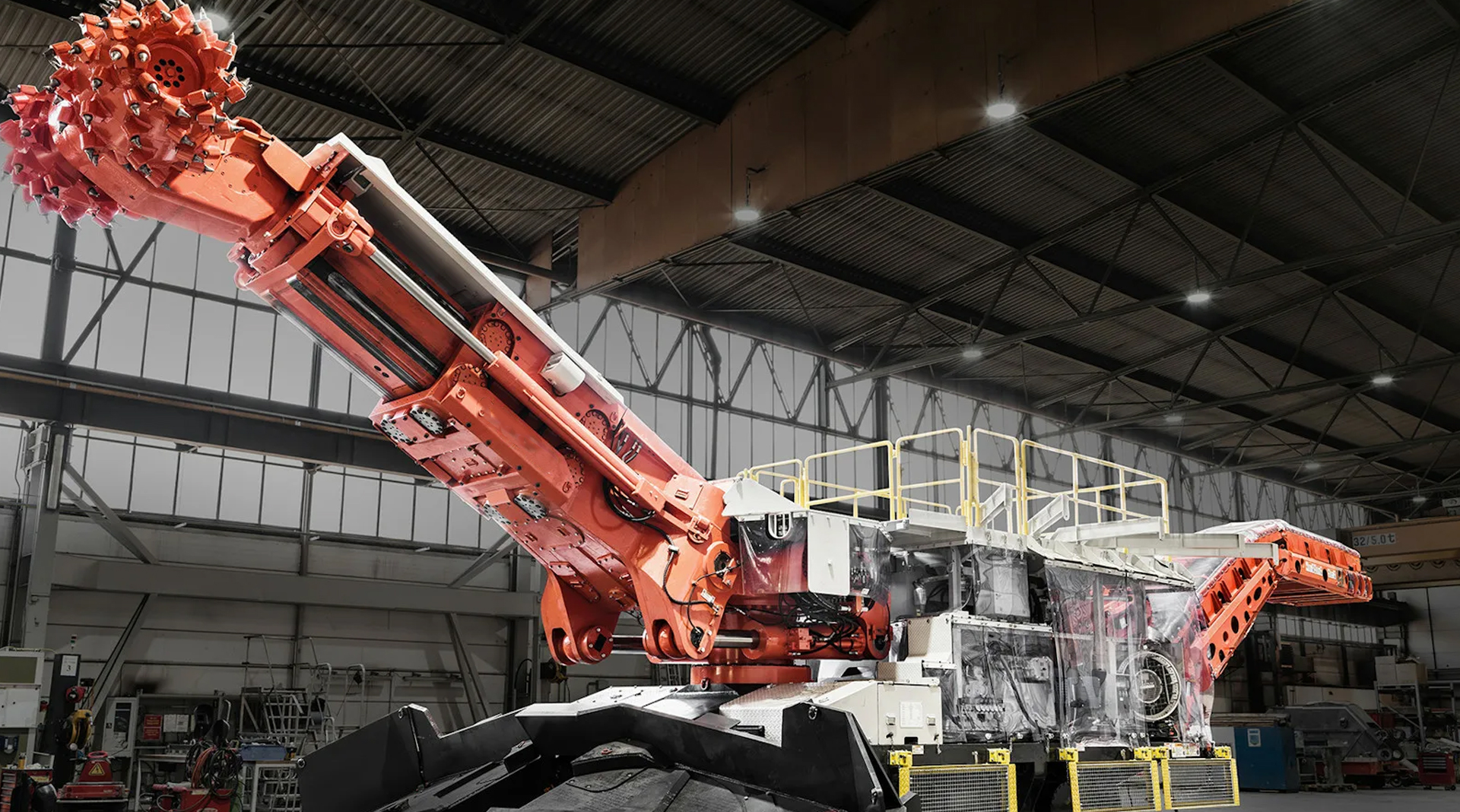
Construction and Mining Equipment: Excavator arm pins, bulldozer blade pivots, and drill rig joints rely on heavy-duty bronze bushings to withstand shock loads, abrasive dirt ingress, and limited lubrication intervals. Aluminum bronze or manganese bronze grades are typical here.
Agricultural Machinery: Tractor linkages, combine harvester joints, and irrigation pump shafts use copper bushings because they tolerate dust, water, and inconsistent maintenance schedules. Self-lubricating variants are increasingly preferred to extend service intervals.
Hydraulic and Pneumatic Cylinders: Rod guide bushings and piston wear rings in hydraulic cylinders use bronze to provide a hard-wearing, low-friction surface that can withstand side loads without scoring the cylinder bore.
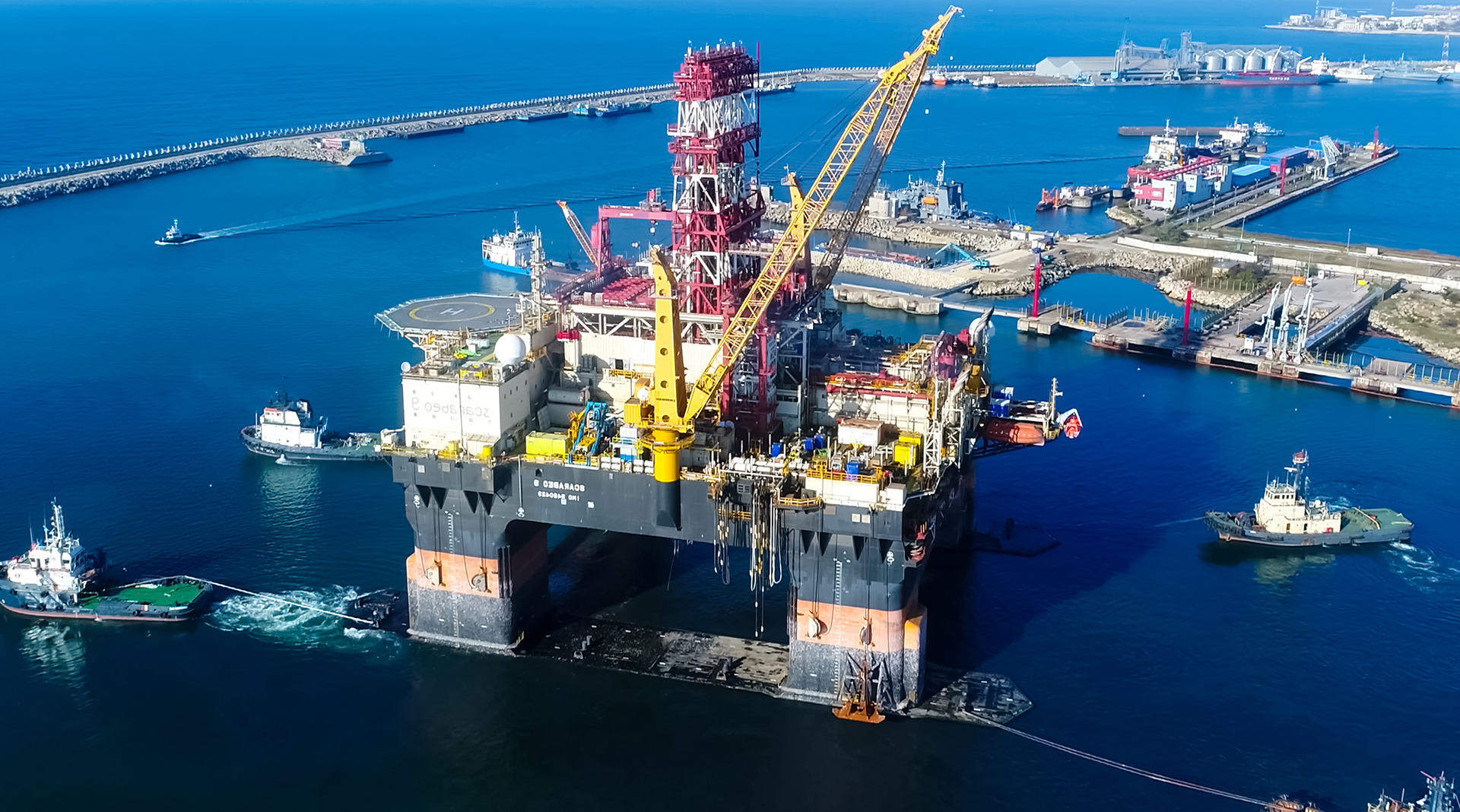
Marine and Offshore: Rudder bearings, propeller shaft bushings, and anchor windlass components require alloys with high seawater corrosion resistance — typically nickel-aluminum bronze or silicon bronze.
Industrial Gearboxes and Pumps: Bronze bushings serve as worm gear liners, pump impeller bearings, and conveyor roller supports in general manufacturing, providing reliable service under continuous operation.
Copper Bushing vs. Other Bushing Materials
Buyers often evaluate copper bushings against plastic (nylon, PTFE) and iron-based alternatives. The table below summarizes the key differences to support material selection decisions.
Table 1: Comparison of Common Bushing Materials for Industrial Applications
| Property |
Copper / Bronze Bushing |
Cast Iron Bushing |
Nylon / PTFE Bushing |
| Load Capacity |
High |
High |
Low–Medium |
| Max Operating Temp. |
Up to 300 °C |
Up to 250 °C |
Up to 150 °C (PTFE) |
| Corrosion Resistance |
Excellent |
Poor (rusts) |
Excellent |
| Thermal Conductivity |
High (heat dissipation) |
Medium |
Very Low |
| Self-Lubricating Option |
Yes (graphite-embedded) |
No |
Yes (PTFE) |
| Machinability |
Excellent |
Medium |
Easy |
| Typical Application |
Heavy machinery, hydraulics, marine |
Low-speed, dry-running shafts |
Light-duty, chemical environments |
As the table illustrates, copper bushings offer the best overall balance of load capacity, thermal performance, and corrosion resistance for demanding industrial environments, while plastic bushings may be preferred where chemical inertness or extremely low friction at light loads is the priority.
How to Select the Right Copper Bushing
Selecting the correct copper bushing involves evaluating several interdependent factors. Rushing this decision often leads to premature wear or unplanned downtime. The following checklist covers the critical specification parameters:
- Load type and magnitude: Distinguish between static, dynamic, and shock loads. Heavy shock loads favor manganese bronze or aluminum bronze over softer tin bronze grades.
- Operating speed (PV value): The pressure-velocity (PV) value — the product of load pressure and surface speed — determines the lubrication regime. High PV applications require oil-lubricated or graphite-embedded bushings.
- Lubrication availability: If the installation point cannot be easily re-greased, specify a self-lubricating copper bushing with graphite inserts to guarantee maintenance-free operation.
- Operating temperature: Bronze bushings typically handle up to 250–300 °C depending on alloy. Environments above this threshold may require special alloys or alternative bearing types.
- Corrosive media: For seawater or acidic chemical contact, aluminum bronze or silicon bronze alloys provide superior corrosion protection compared to standard tin bronze.
- Dimensional tolerances and fit: Specify whether the bushing requires a press fit (interference fit) or a slip fit. Standard tolerance grades (H7/f7, H8/e8) should be confirmed with the supplier to ensure proper shaft-to-bushing clearance.
When in doubt, sharing the application details — shaft diameter, rotational speed (RPM), load (kN), and environment — with an experienced copper bushing manufacturer will ensure the correct alloy and geometry are recommended before procurement.
Installation and Maintenance Guidelines
Even the highest-quality copper bushing will underperform if installed incorrectly. Following these practical steps protects both the bushing and the mating shaft:
- Clean the housing bore thoroughly before pressing in the bushing. Debris or burrs create uneven seating that leads to early failure.
- Use a press or arbor tool — never hammer directly on the bushing face. Uneven impact distorts the bore and creates internal stress concentrations.
- Verify shaft surface finish: A shaft roughness of Ra 0.4–0.8 µm is generally recommended for bronze bushings. A surface that is too rough accelerates wear; too smooth reduces oil film retention.
- Apply initial lubrication before start-up on non-self-lubricating types. The first few minutes of operation establish the wear-in film that governs long-term performance.
- Monitor for unusual noise or vibration during early operation. These can indicate misalignment or insufficient clearance before irreversible damage occurs.
For self-lubricating copper bushings, no initial lubrication is needed — the embedded graphite activates upon first motion. However, the shaft surface should still be inspected for adequate finish quality to avoid stripping the graphite deposits prematurely.
Conclusion: Why Copper Bushings Remain an Industry Standard
A copper bushing — whether standard tin bronze, self-lubricating graphite-embedded, or high-strength aluminum bronze — delivers a proven combination of durability, thermal resilience, and corrosion resistance that few alternative materials can match across the full range of industrial operating conditions. For procurement engineers and maintenance teams, the right copper bushing specification starts with understanding the load, speed, temperature, and lubrication conditions of the application. Partnering with a manufacturer who offers full alloy selection support, custom machining, and documented material certifications is the most reliable way to minimize downtime and total lifecycle cost.



 English
 日本語
日本語 русский
 Deutsch