


 English
 日本語
日本語 русский
 Deutsch
Tin Bronze Bushing For Mining Equipment uses high-purity copper as the base material, and ...
Home / News / Industry News / How to choose the right size and specification of Self-Lubricating Bushings?

Ship Propulsion And Sealing Device
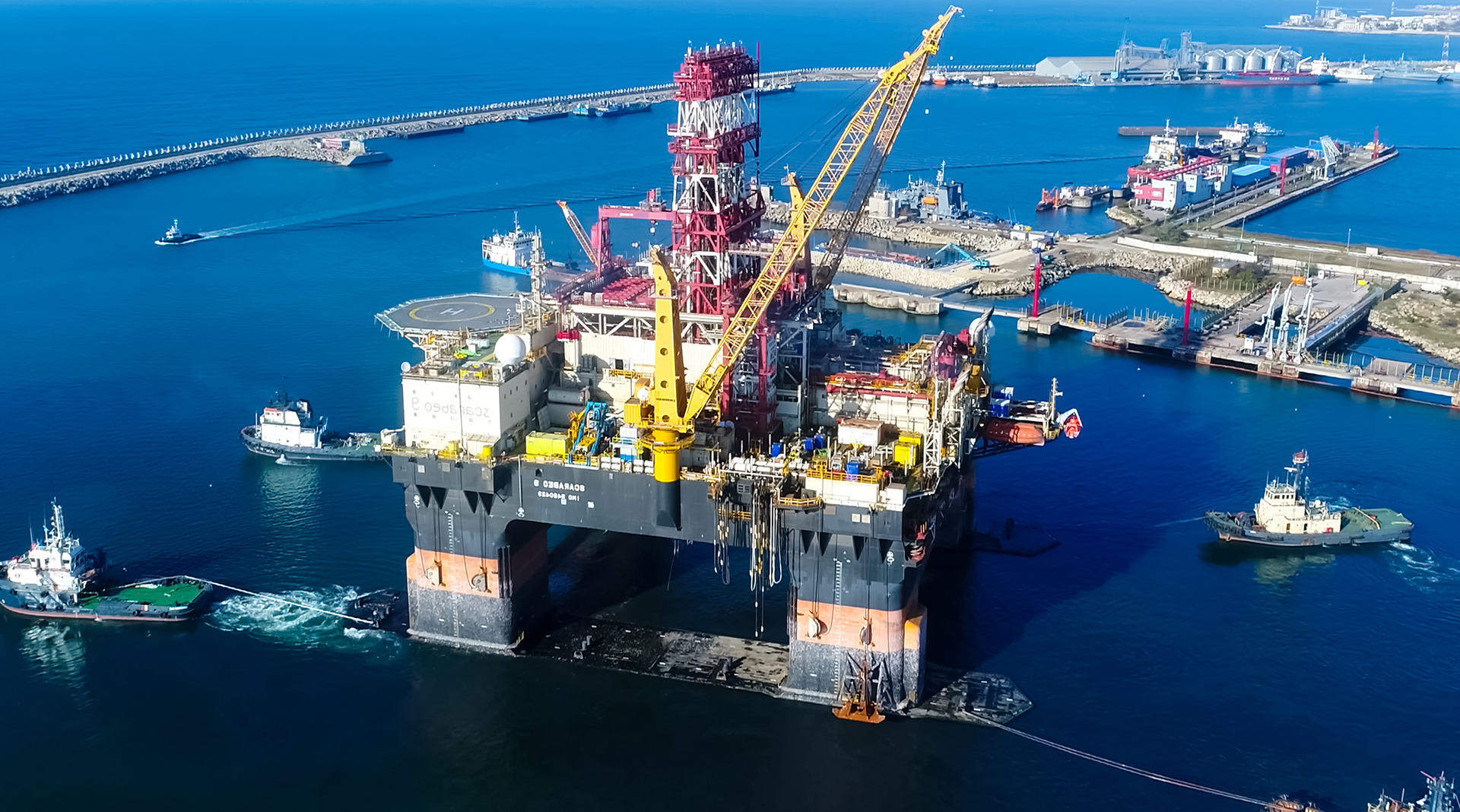
Ocean drilling and ship lock lifting equipment
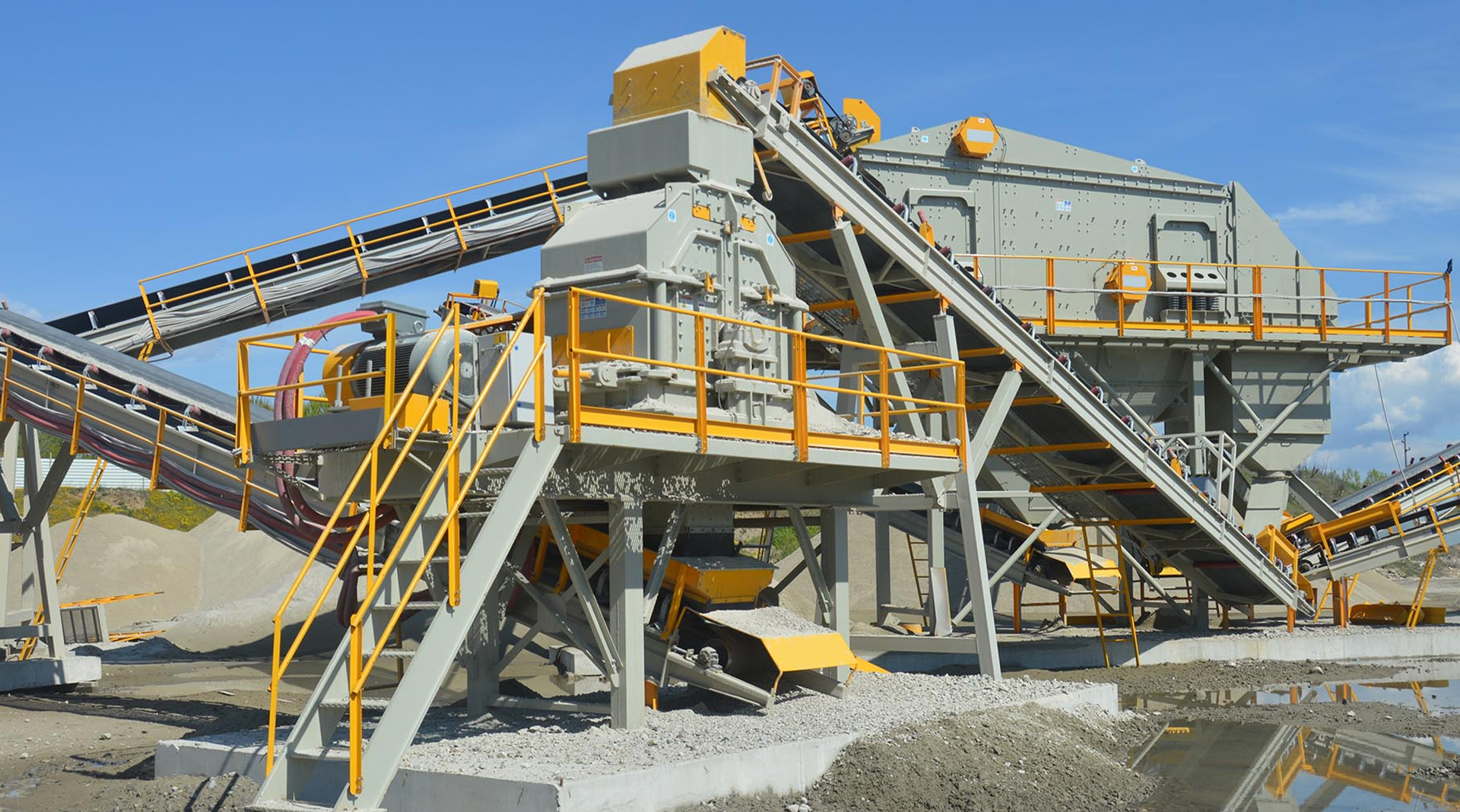
Mining equipment
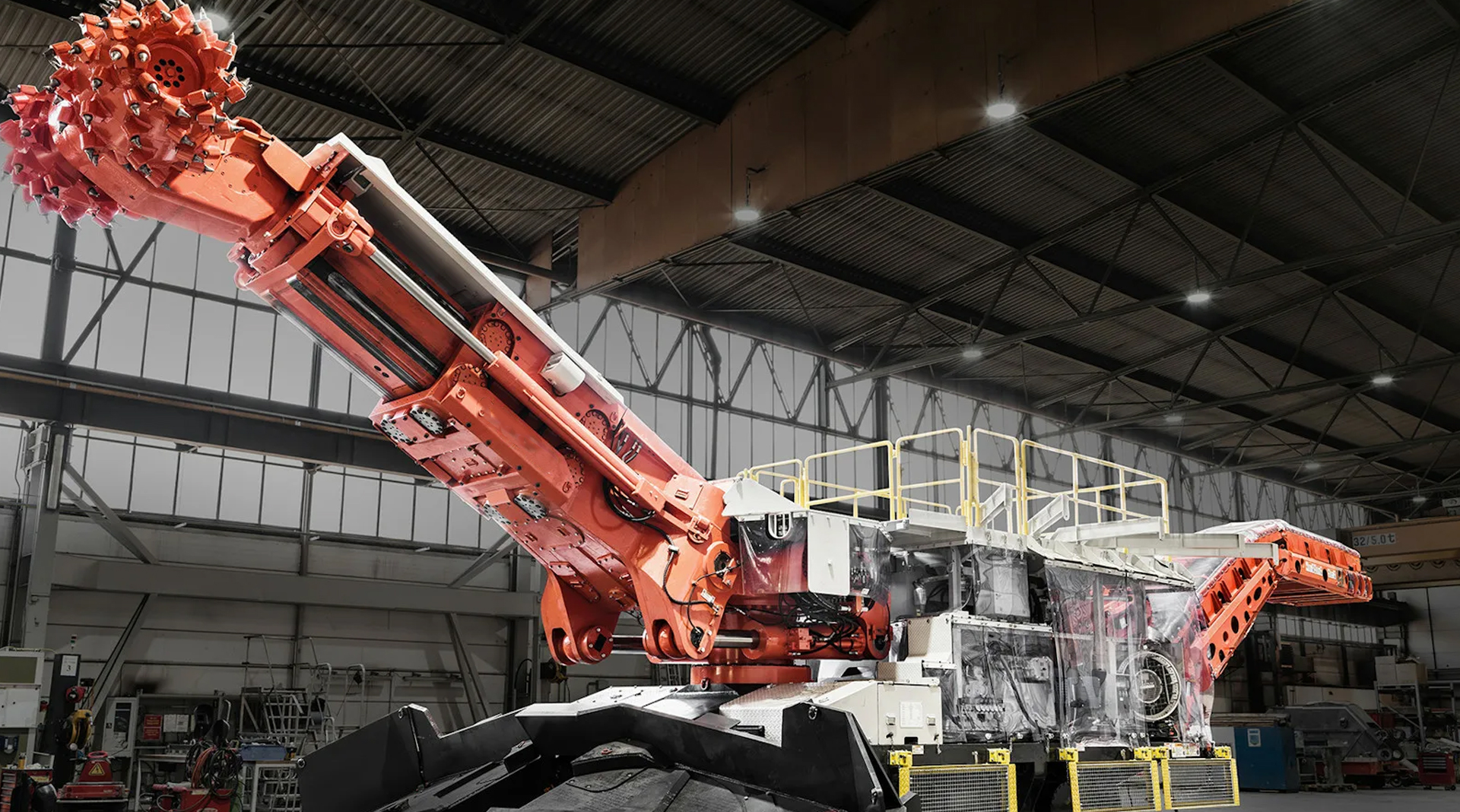
Construction machinery
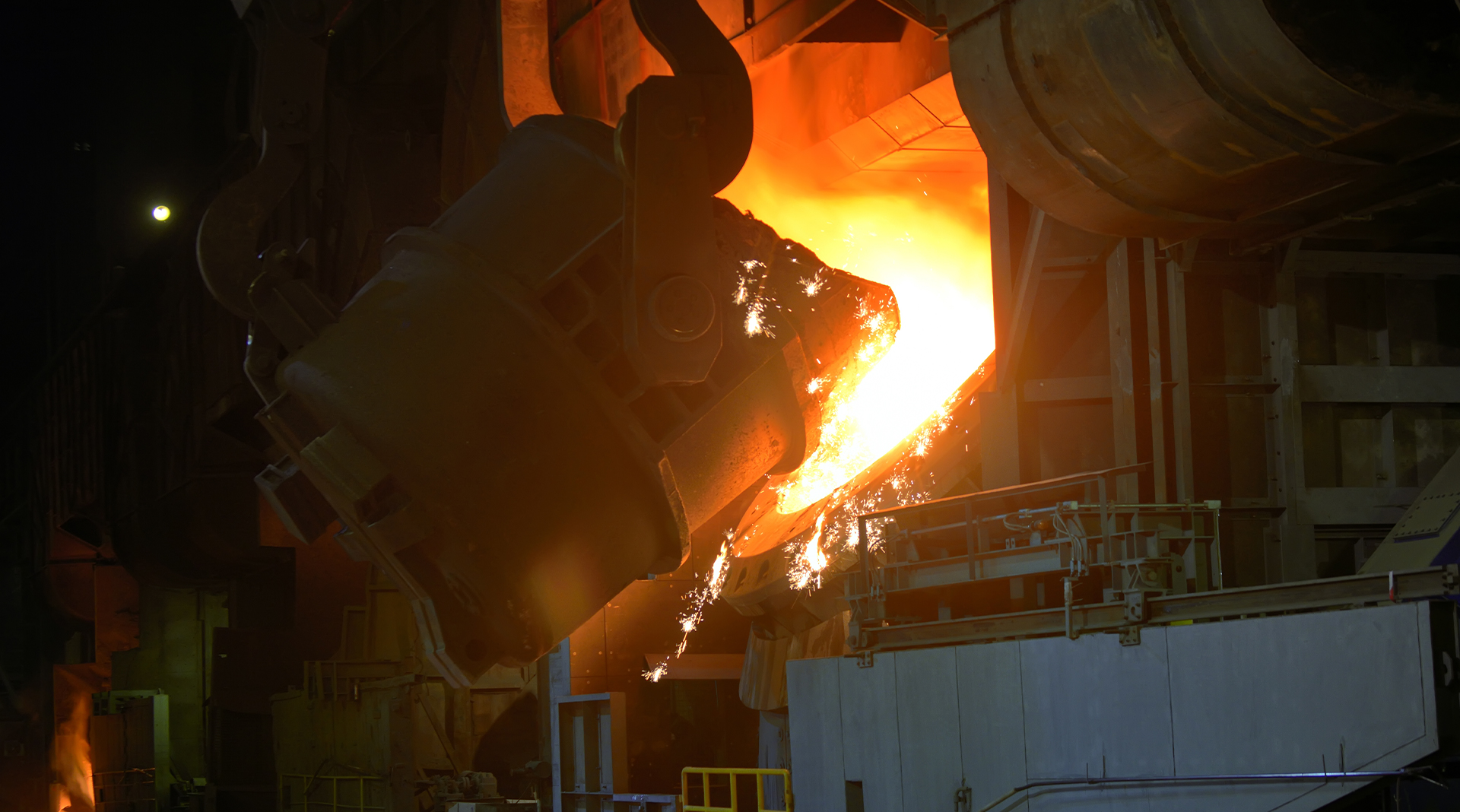
Oil and gas, metallurgical equipment
Content
Select the right self-lubricating bushing by matching the PV value to your application. For high-load, low-speed conditions, choose graphite-filled bronze with a PV limit of 2.5–3.5 N/mm²·m/s. In high-temperature environments above 250°C, use graphite-plugged bronze bushings rated for continuous operation up to 400°C. For humid or chemically exposed environments, PTFE composites or aluminum bronze provide superior corrosion resistance. Always verify that calculated pressure (P) and velocity (V) remain within the material's individual maximum limits, not just the PV product.
Proper sizing begins with four critical dimensions: inner diameter (ID), outer diameter (OD), length (L), and wall thickness. The ID must match the shaft diameter with a clearance fit typically between 0.001×d and 0.003×d (where d is shaft diameter). For a 20 mm shaft, this means a radial clearance of 0.02–0.06 mm. The OD should provide a press-fit into the housing bore with an m6 or s6 tolerance against an H7 housing bore.
The L/d ratio significantly impacts load distribution and heat dissipation. A ratio between 1.0 and 1.5 is optimal for most applications. Ratios below 0.5 create edge-loading and premature wear, while ratios above 2.0 can cause alignment issues and reduced heat transfer.
Standard wall thickness ranges from 1 mm to 2.5 mm depending on bushing size. Heavy-wall bushings (2.5–3 mm) are specified for high-load applications such as construction equipment kingpins and railroad suspension points. Thin-wall options (1–1.5 mm) suit compact assemblies where space is constrained.
| Load Class | Wall Thickness | Typical ID Range | Application Example |
|---|---|---|---|
| Light Duty | 1.0–1.5 mm | 8–30 mm | Food processing equipment |
| Medium Duty | 1.5–2.0 mm | 20–80 mm | General industrial machinery |
| Heavy Duty | 2.0–3.0 mm | 50–250 mm | Crane boom pivots, mining equipment |
The PV value (Pressure × Velocity) is the fundamental metric for determining whether a self-lubricating bushing will survive its operating conditions. Exceeding the material's PV limit causes excessive heat generation, accelerated wear, and potential seizure.
PV = P × V
Where:
Given a 25 mm shaft, 30 mm bushing length, 2,000 N radial load, and 1,500 RPM:
This exceeds the typical sintered bronze limit of 3.5 N/mm²·m/s. The solution is to increase bushing length to 50 mm, reducing PV to 3.14—well within the safe operating range.
| Material | Max P (MPa) | Max V (m/s) | Max PV (N/mm²·m/s) |
|---|---|---|---|
| Sintered Bronze | 10–35 | 2.5–5.0 | 1.8–3.5 |
| Graphite-Filled Bronze | 25–50 | 0.5–1.5 | 2.5–3.5 |
| PTFE/Polymer Composite | 5–20 | 1.0–2.5 | 0.4–1.0 |
Critical Rule: Both P and V must remain within their individual maximum limits even if the PV product is acceptable. A graphite-filled bronze bushing operating at 40 MPa and 0.1 m/s yields PV = 4.0, which appears safe, but the 40 MPa pressure exceeds the typical 25–50 MPa range depending on specific alloy composition.
Operating environment often dictates material choice more than load or speed. Temperature extremes, humidity, and chemical exposure each require specific material properties to ensure reliable performance.
Standard polymer bushings degrade above 90–120°C. For continuous operation above 150°C, graphite-plugged bronze bushings are essential. These handle continuous temperatures up to 400°C and short-term peaks approaching 500°C. Aluminum bronze (CuAl10Fe3, equivalent to C95400) maintains structural integrity and load capacity at elevated temperatures, making it ideal for injection molding machines and exhaust system linkages.
When temperatures exceed 250°C, reduce the allowable PV value by 20–50% to account for thermal softening of the metal matrix and accelerated oxidation of solid lubricants.
PTFE composite bushings remain functional down to -195°C, making them suitable for cryogenic pumps and LNG handling equipment. At these temperatures, traditional lubricants solidify, but solid PTFE maintains its low-friction properties. Avoid bronze-based materials in cryogenic applications unless specifically rated, as thermal contraction can alter press-fit dimensions and clearances.
Humidity presents two challenges: corrosion of metal components and moisture absorption by polymer bushings. Standard nylon absorbs up to 2.5% moisture by weight, causing dimensional swelling that can seize shafts. For wet environments, specify:
In marine applications, aluminum bronze self-lubricating bushings resist both corrosion and biofouling while operating without external grease—eliminating the environmental contamination risk of traditional lubricated bearings.
For chemical processing or applications exposed to acids, bases, or solvents, PTFE composites offer near-universal chemical inertness. PTFE resists all common industrial chemicals except molten alkali metals and fluorine gas at elevated temperatures. In dusty or abrasive environments, graphite bronze bushings outperform oil-impregnated types because they do not attract and hold particulate contaminants.
Load capacity evaluation requires distinguishing between static (stationary) and dynamic (moving) loads, understanding the difference between radial and axial capacities, and applying appropriate safety factors.
Self-lubricating cylindrical bushings typically withstand static loads of approximately 250 N/mm² without deformation. Under dynamic (rotating or oscillating) conditions, this drops to around 100 N/mm² for low-speed applications due to the additional wear mechanism introduced by motion. Sintered bronze bearings with 20–25% porosity can support dynamic loads up to 10 MPa while maintaining continuous oil film through pore-fed lubrication.
For cylindrical bushings, radial load capacity is calculated using the projected area (d × L). Flanged bushings handle combined loads: radial load through the cylindrical section and axial (thrust) load through the flange face. The flange projected area is calculated as π × (Flange OD² – d²) ÷ 4. Typical flange bushings accommodate axial loads 2–5 times the radial load capacity of the cylindrical portion.
Apply a minimum safety factor of 1.5 to 2.0 to the calculated load when selecting bushing size. Additional correction factors modify theoretical life calculations:
For oscillating applications, convert the oscillation angle to equivalent RPM using the formula: N = (θ × Cycles per Minute) ÷ 360, where θ is the oscillation angle in degrees.
High-load, low-speed applications represent the optimal domain for self-lubricating bushings. These conditions—typically defined as loads above 20 MPa with surface speeds below 0.5 m/s—are where solid lubricant bearings outperform traditional oil-lubricated systems because hydrodynamic oil films cannot form at low speeds.
Graphite-plugged bronze (CuZn25Al6Fe3Mn4, equivalent to C86300) is the premier choice for high-load, low-speed conditions. This high-tensile brass matrix with embedded graphite plugs supports specific loads up to 150 N/mm² statically and 60 N/mm² dynamically under oscillating conditions . The graphite provides continuous dry lubrication while the bronze matrix carries the structural load.
Cast iron-based self-lubricating bushings (HT250 class) offer an economical alternative for extremely high static loads up to 250 N/mm² in slow-moving or intermittent applications such as injection molding machine toggle links and heavy press guides.
When loads exceed 50 MPa, implement these design measures:
In a lift mechanism application using BK-2 graphite bushings with a 40 mm shaft and 20 mm length under 15,000 N load at 0.01 m/s, the calculated pressure is 18.75 N/mm² and PV equals 0.1875 N/mm²·m/s. Under these conditions, theoretical service life exceeds 50,000 hours. This demonstrates how low-speed operation dramatically extends bushing life even under substantial loads.
Under standard operating conditions, self-lubricating bushings are truly maintenance-free. However, for extreme high-load or high-temperature applications, periodic visual inspection every 6 to 12 months is recommended to check for wear or thermal degradation.
Bearing life is roughly inversely proportional to the square of the PV value (Life ∝ 1/PV²). Halving the PV value can quadruple the operating life. This relationship makes accurate PV calculation critical for achieving target service intervals.
Yes, oscillating and reciprocating motion are ideal applications for self-lubricating bushings. In fact, oscillating motion often achieves longer life than continuous rotation because the solid lubricant transfer film has time to replenish between cycles. Convert oscillation parameters to equivalent velocity using: V = (Stroke Length × Cycles per Minute) ÷ 60,000 (for metric).
A surface roughness of Ra 0.2–0.8 μm is optimal for self-lubricating bushings. Rougher surfaces increase wear rates by 20–40%, while excessively smooth surfaces (below Ra 0.1 μm) may fail to retain the solid lubricant transfer film. Shaft hardness should typically exceed 200 HB for bronze bushings.
Choose PTFE composite when you need the lowest possible friction coefficient (0.04–0.15) and operate in moderate temperatures below 250°C. Choose graphite bronze when you need maximum load capacity, temperatures above 250°C, or operation in wet/dirty environments where PTFE might degrade or absorb contaminants.
Exceeding the PV limit generates excessive frictional heat that cannot dissipate through the thin lubricant film. This causes thermal expansion, accelerated wear of both bushing and shaft, and in severe cases, galling or seizure. Always maintain operating PV at least 20% below the manufacturer's stated maximum.
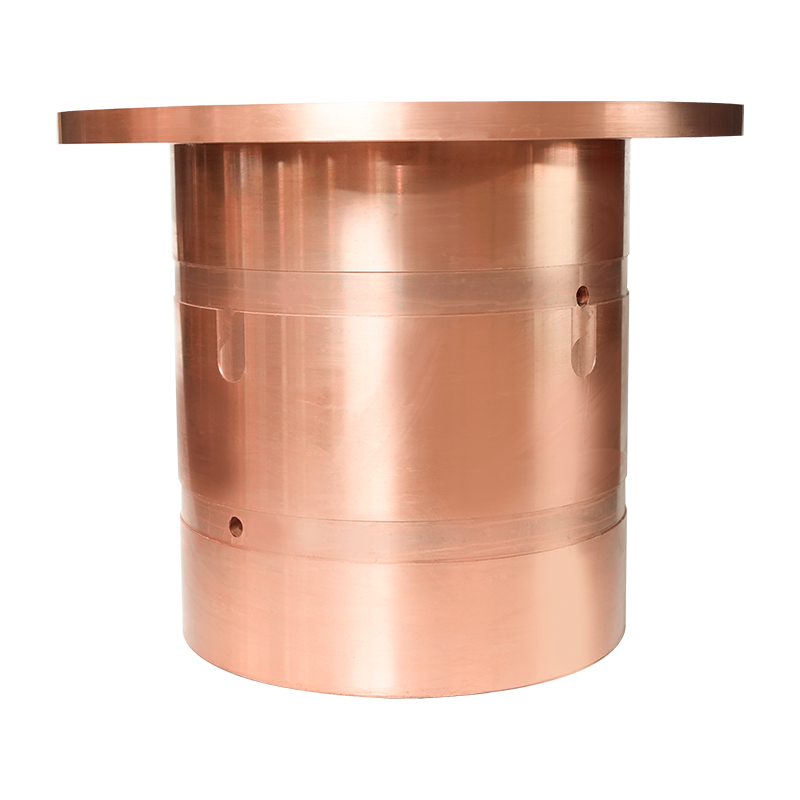
Tin Bronze Bushing For Mining Equipment uses high-purity copper as the base material, and ...
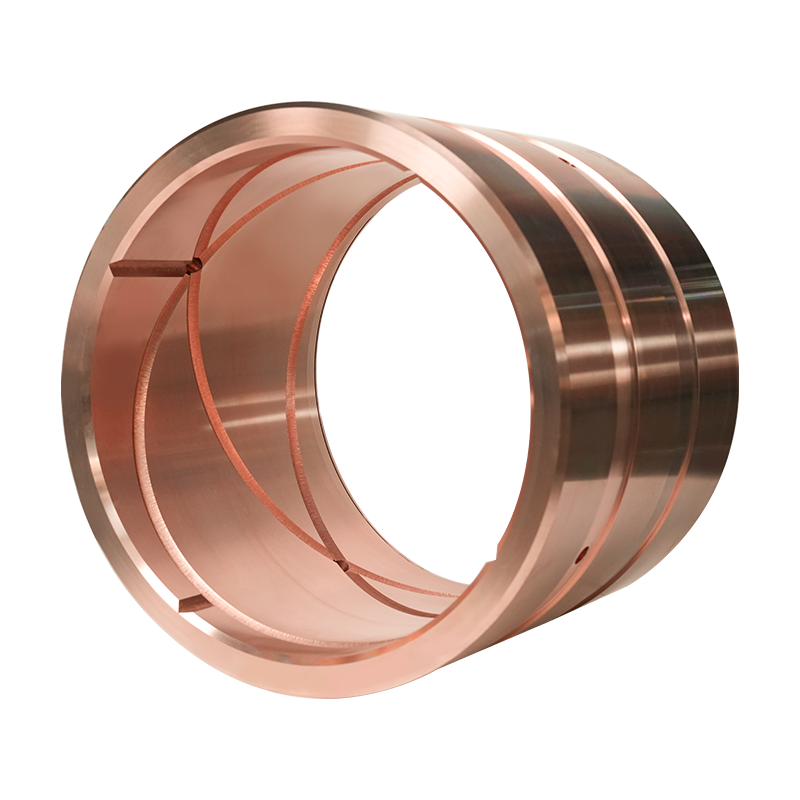
Tin Bronze Bushing For Engineering Machinery is made of high-quality high-purity copper su...
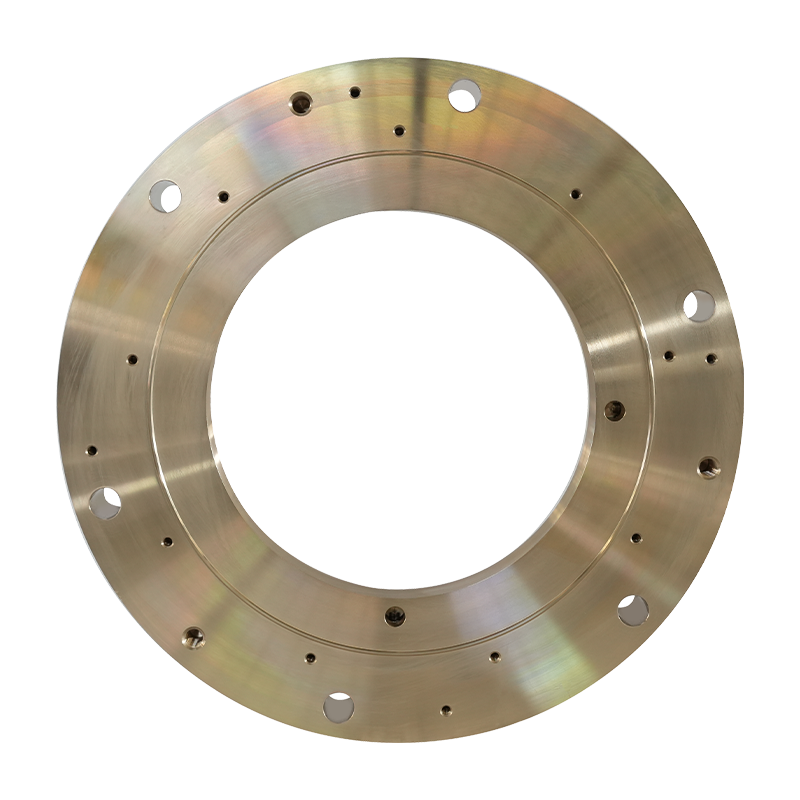
Marine Copper Alloy Sealing Ring Marine Sealing Ring is a key sealing component in the shi...
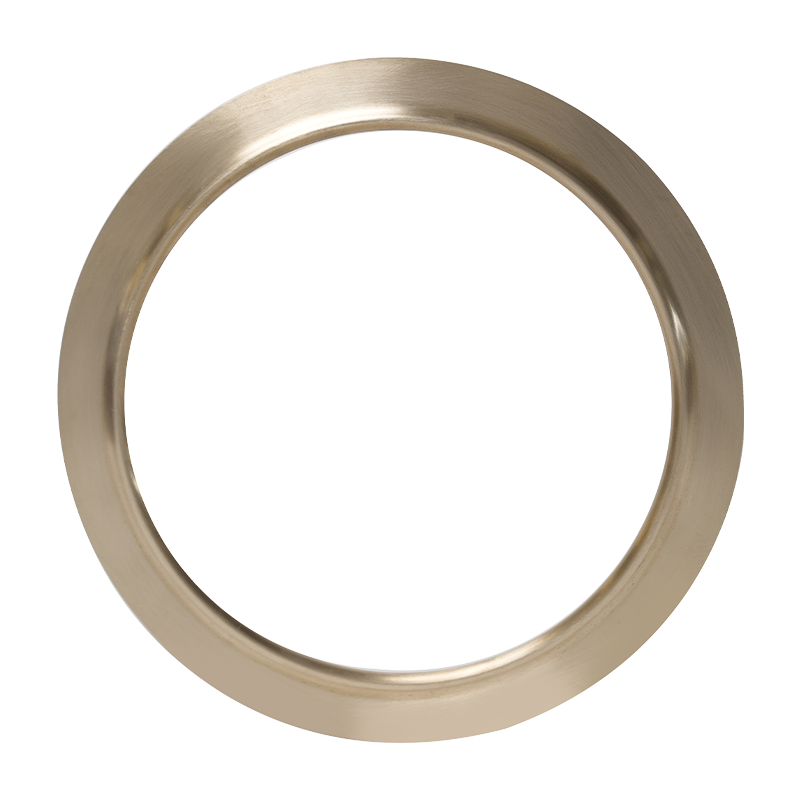
Propulsion Device Seal Marine Copper Alloy Sealing Ring is made of high-quality copper all...
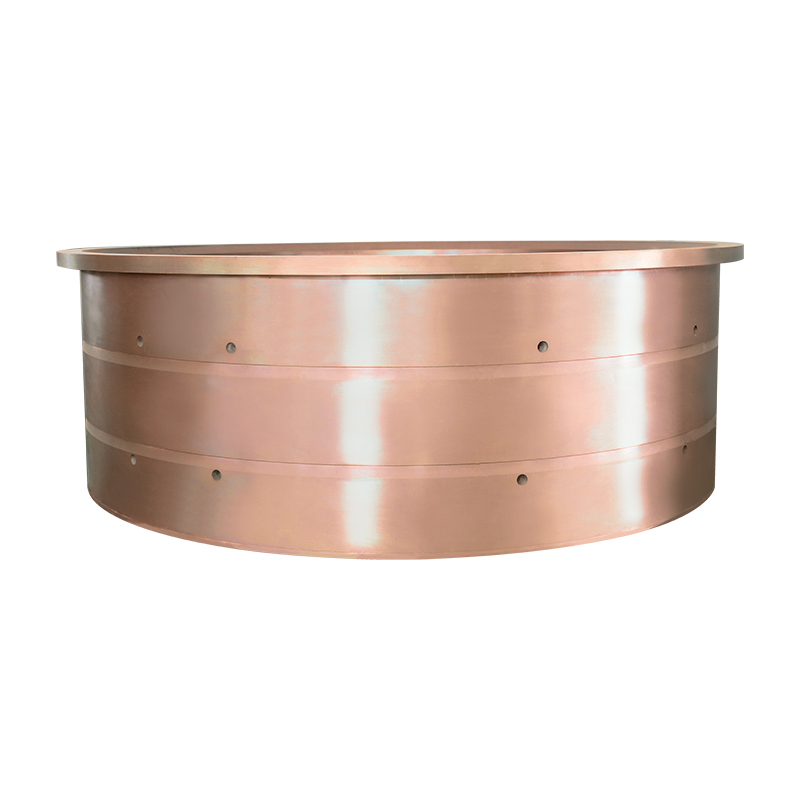
Anchor Winch Bearing And Tin Bronze Bushing is designed for heavy-load, high-speed, and hi...
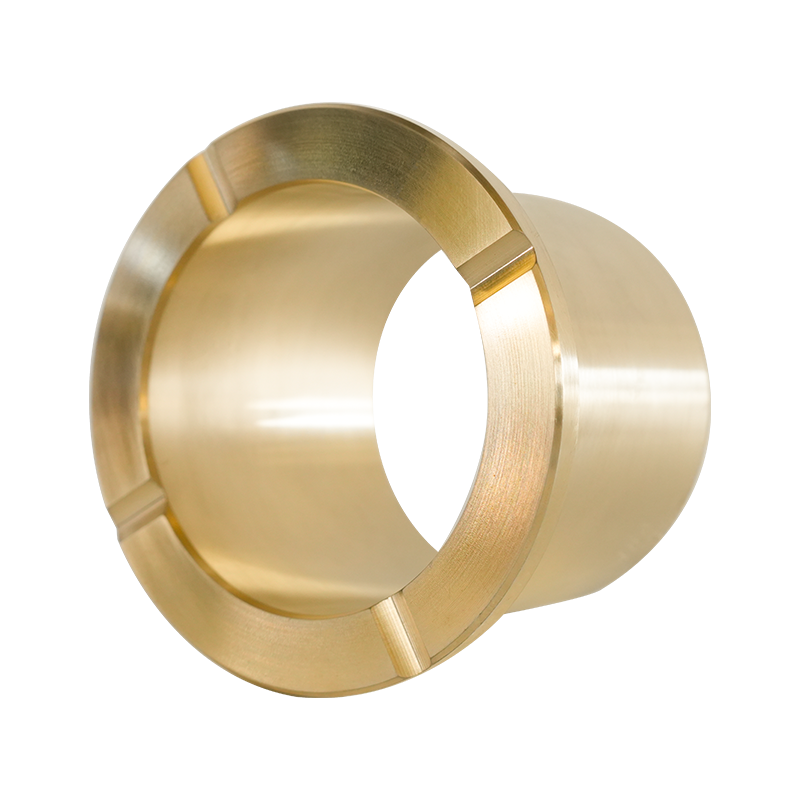
Mining Equipment Brass Bushing is specially designed for high-load and high-wear condition...
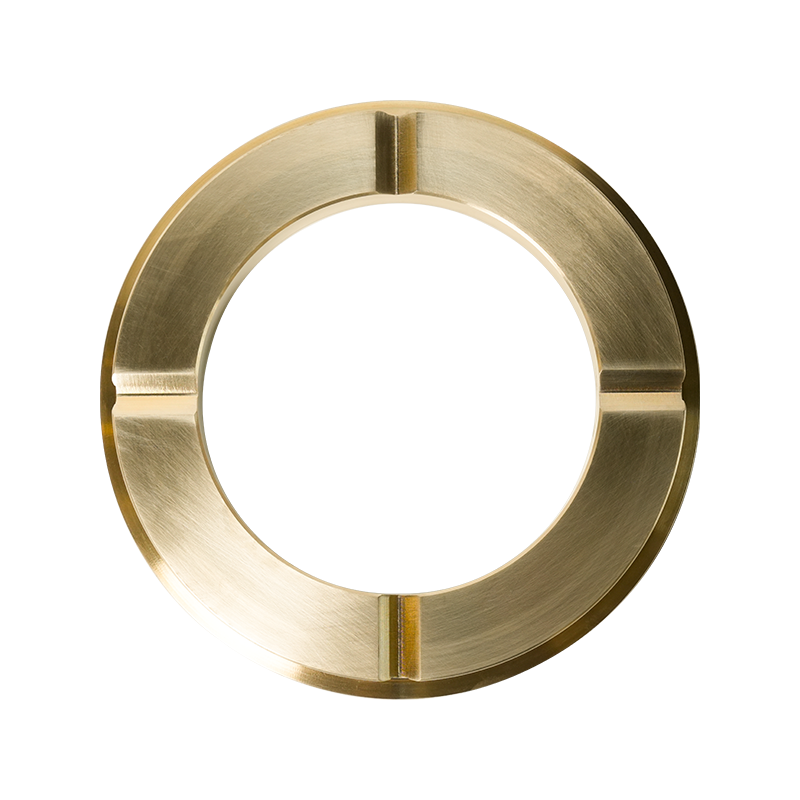
Engineering Machinery Brass Bushing is specially designed for high-load and high-wear work...
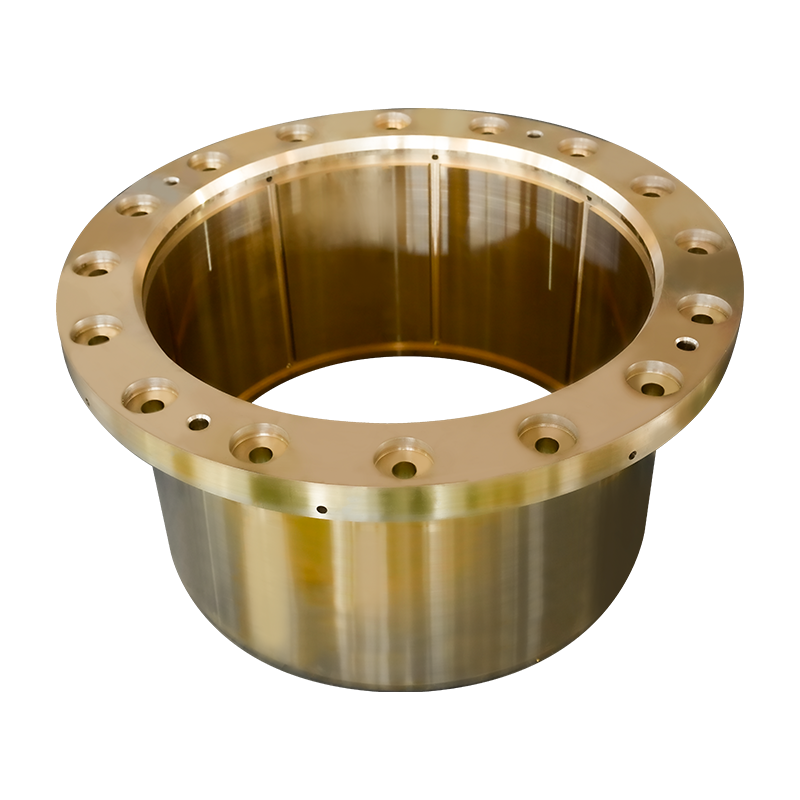
Metallurgical Equipment Brass Bushing is a high-performance brass bushing designed for wor...
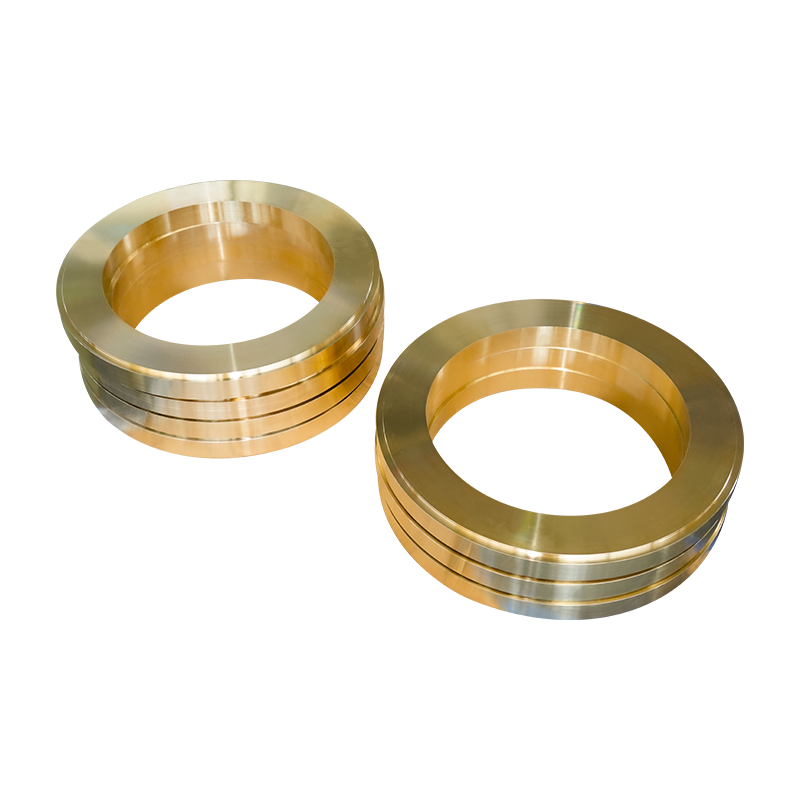
Stern Shaft Sealing Device Brass Bushing is a high-performance brass wear-resistant copper...
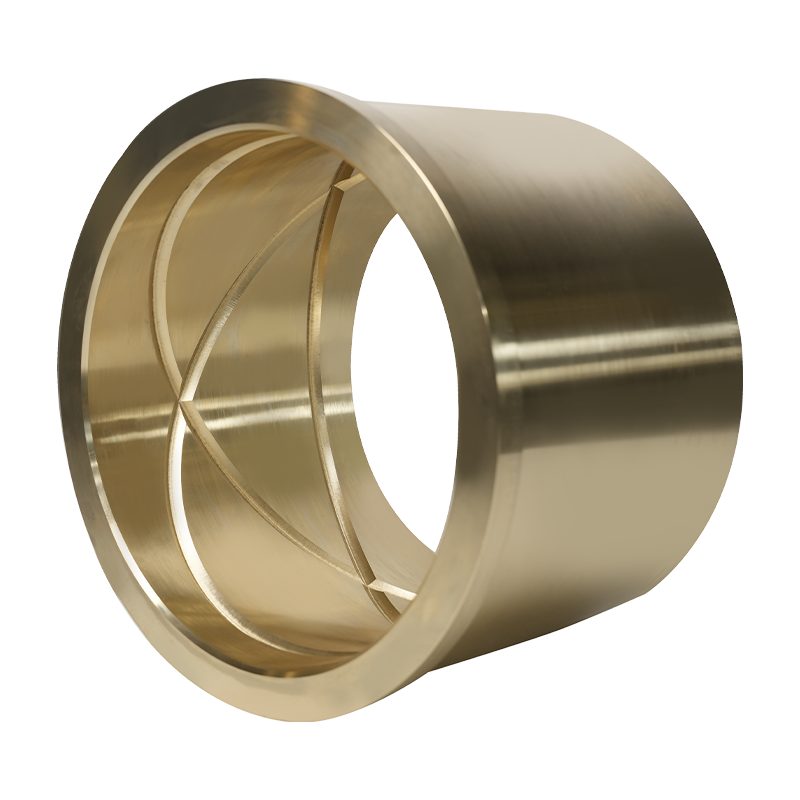
Aluminum Bronze Bushing For Rudder Transmission System is tailor-made for the Rudder trans...
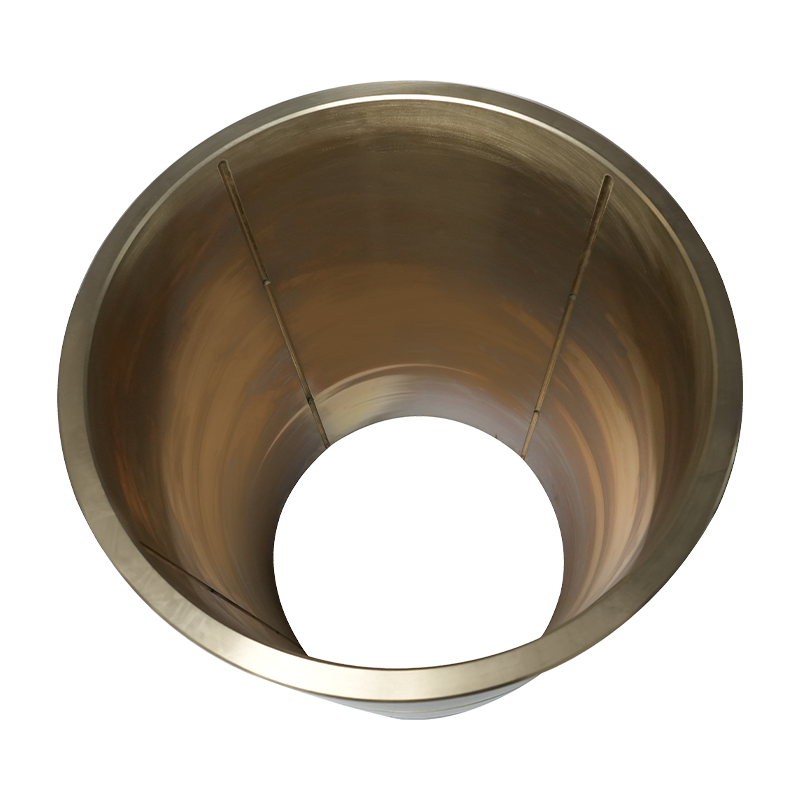
Aluminum Bronze Bushing For Ship Hydraulic Cylinders And Rudder Angle Feedback product is ...
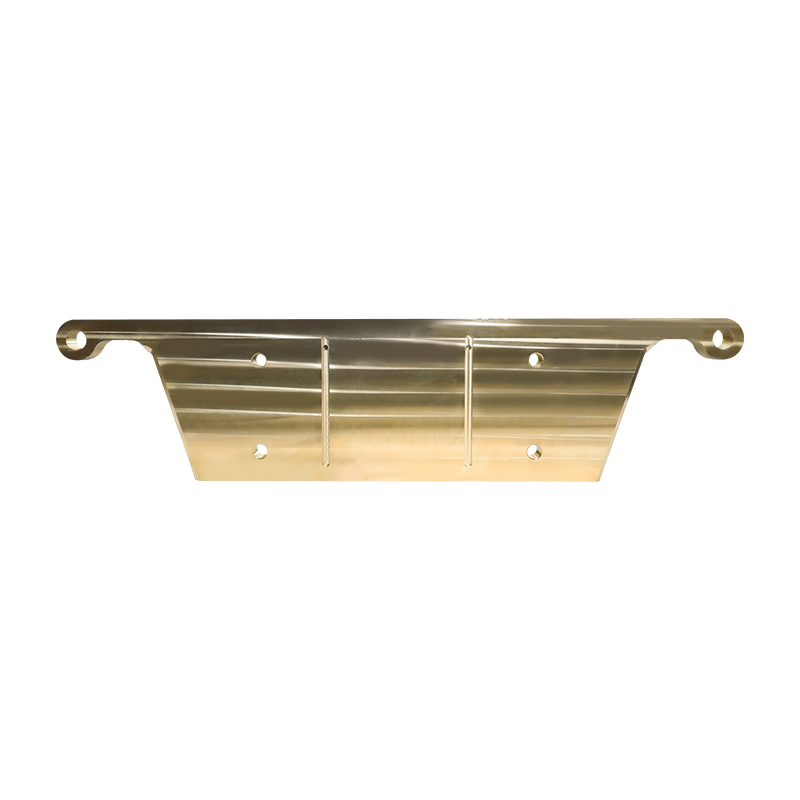
Mining Equipment Brass Plate is made of high-quality high-strength brass material, with we...
Copyright © YangZhou YiFeng Copper Products Co.,Ltd. All Rights Reserved
China copper casting manufacturers wholesale copper casting factory