How Self-Lubricating Bushings Eliminate External Lubrication
Self-lubricating bushings achieve their maintenance-free operation by embedding solid lubricants—primarily graphite or PTFE (Teflon)—directly into the bearing matrix during manufacturing. Unlike regular bushings that depend on externally applied oil or grease to form a fluid film, self-lubricating variants continuously generate a low-friction transfer film through friction-induced release. This embedded lubrication system reduces the coefficient of friction to between 0.02 and 0.20 under dry running conditions, while eliminating maintenance schedules, contamination risks, and lubricant leakage entirely.
Working Principle: The Mechanics of Embedded Lubrication
The self-lubricating function relies on a tribological process where friction itself becomes the trigger for lubrication. When a shaft rotates or reciprocates within the bushing, three simultaneous mechanisms ensure continuous protection:
Friction-Triggered Release
As the mating surface moves, mechanical friction and localized heat cause the embedded solid lubricant—whether graphite plugs or PTFE particles—to gradually migrate to the sliding interface. This creates a micro-thin, adherent film that prevents direct metal-to-metal contact. In graphite-embedded bronze bushings, the graphite wears down at a controlled rate, continuously replenishing the surface layer throughout the component's service life.
Capillary Action in Porous Structures
Oil-impregnated porous bushings, manufactured through powder metallurgy with 10–40% structural voids, utilize capillary action and thermal expansion cycles to draw lubricant from internal reservoirs to the surface. During operation, heat expands the trapped oil, forcing it toward the friction zone; during cooldown, capillary pressure refills the surface pores. This passive pumping action sustains lubrication without external intervention.
Material Transfer and Self-Healing
PTFE-based bushings exhibit a unique "running-in" phase where PTFE compound transfers to the mating shaft surface, forming a permanent low-friction skin. Once established, friction occurs between PTFE and PTFE rather than metal against metal, stabilizing the coefficient of friction at a lower value. This self-healing characteristic means the bushing effectively regenerates its lubricating surface as it wears.
Self-Lubricating Bushings vs. Regular Bushings: Key Differences
The distinction between these two categories extends beyond mere convenience—it represents a fundamental shift in tribological system design. The following comparison highlights the operational, economic, and performance divergences:
Table 1: Comparative Analysis of Self-Lubricating and Regular Bushings
| Feature |
Regular (Greased) Bushings |
Self-Lubricating Bushings |
| Lubrication Source |
External oil or grease (manual/auto) |
Embedded graphite, PTFE, or oil |
| Maintenance Requirement |
High (regular greasing schedules) |
None ("fit and forget") |
| Contamination Risk |
Grease attracts dirt and debris |
Minimal (no sticky residue) |
| Failure Mode |
Sudden if lubrication is missed |
Gradual wear with visible warning |
| Temperature Range |
Limited by lubricant degradation |
-195°C to +300°C (varies by type) |
| Total Cost of Ownership |
High (labor, downtime, grease) |
Lower despite higher initial cost |
| Service Life |
Standard lifespan |
2–5 times longer in most applications |
The data demonstrates that while regular bushings may offer lower upfront component costs, self-lubricating variants deliver superior long-term economics through eliminated maintenance labor, reduced downtime, and extended replacement intervals.
Continuous Lubricant Release Mechanism
The sustainability of lubrication throughout the bushing's operational life depends on the specific embedding technology employed. Each method ensures that lubricant release matches wear rates, creating a self-regulating system:
Graphite-Plugged Bronze (JDB Type)
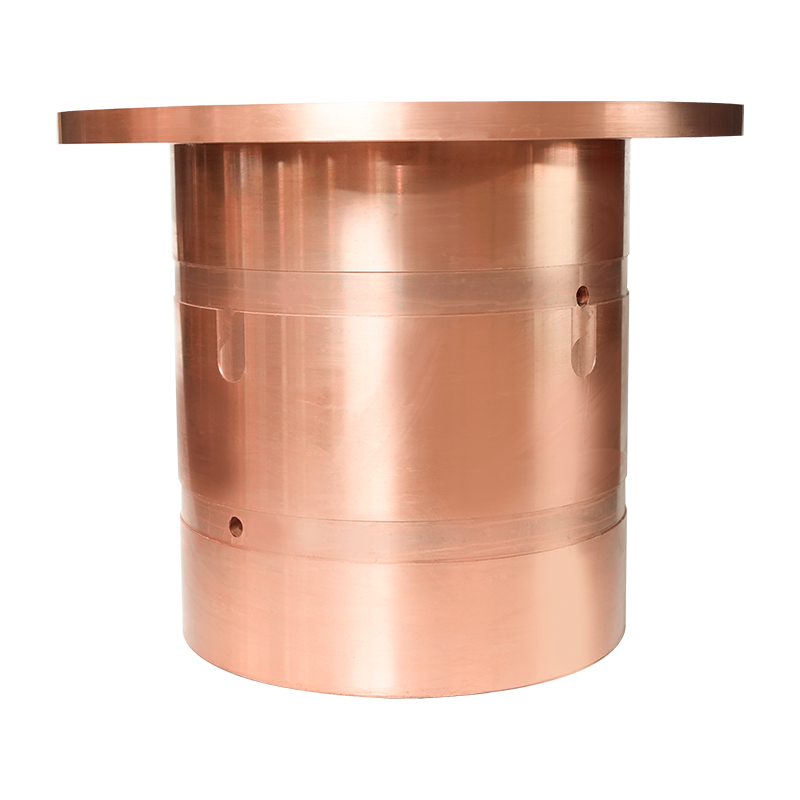
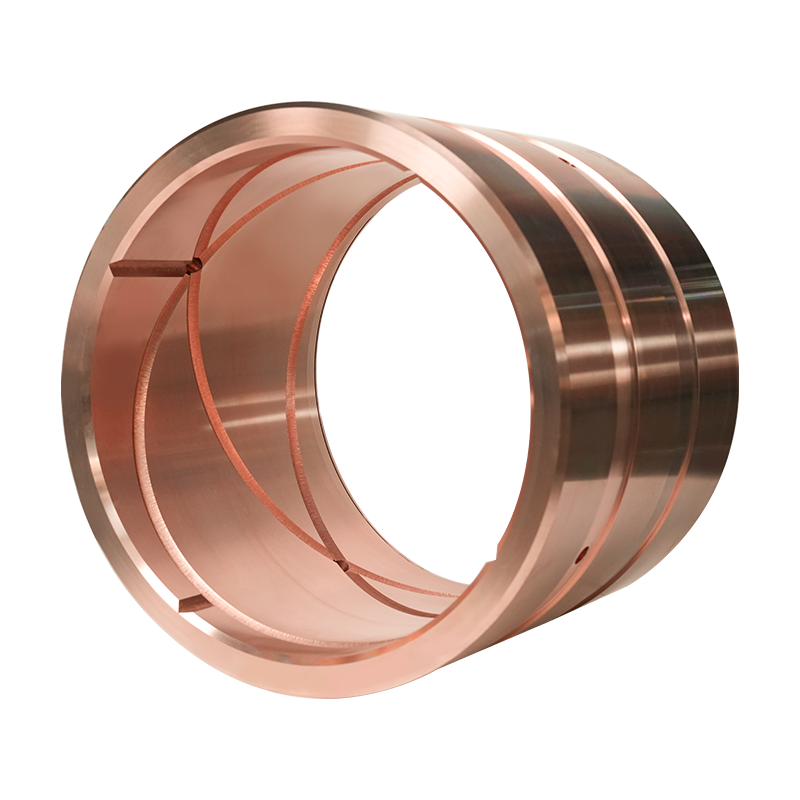
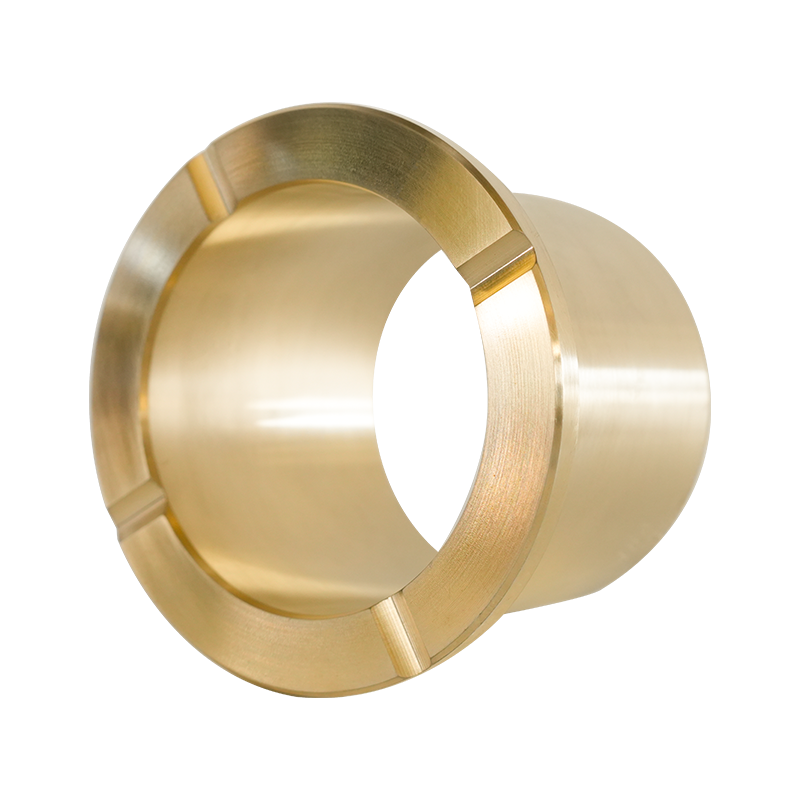
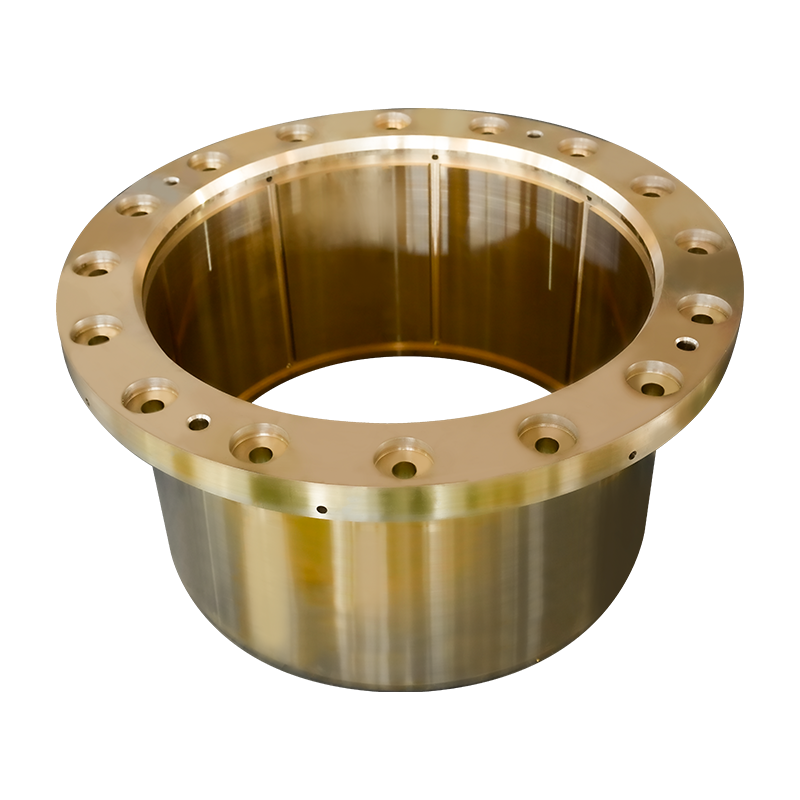
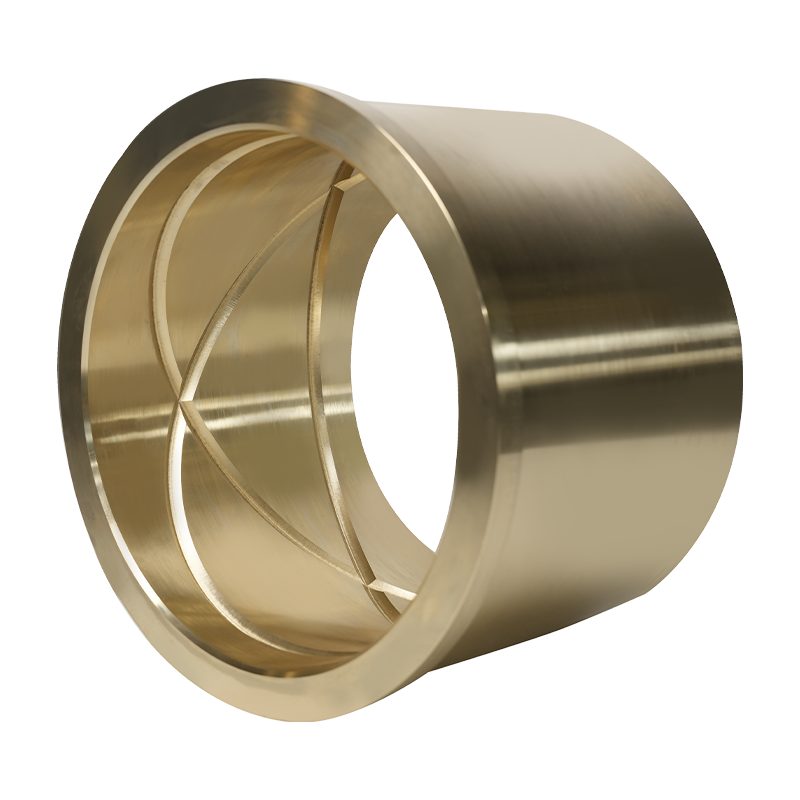
Manufactured by drilling ordered arrays of holes into centrifugally cast bronze alloy and pressing in graphite composite plugs, these bushings release lubricant through abrasive wear. As the shaft slides against the bushing, it wears down the slightly softer graphite plugs at a rate proportional to operating severity. The released graphite particles smear across the interface, forming a solid lubricant film with strong adhesion and uniform coverage. Because the plugs are embedded throughout the bushing wall thickness, fresh graphite remains available even after significant wear, ensuring the lubricant supply outlasts the structural substrate.
PTFE-Impregnated Porous Bronze (DU/SF-1 Type)
These composite bushings feature a steel backing for load capacity, a sintered porous bronze interlayer (0.20–0.35 mm thick), and a PTFE-based sliding surface (0.01–0.03 mm). The bronze pores act as reservoirs for the PTFE mixture. Under load and motion, PTFE particles extrude from these micropores onto the shaft surface, establishing a transfer film. The sintered bronze also provides thermal conductivity up to 42 W/(m·K), dissipating frictional heat and preventing PTFE degradation. This architecture enables continuous operation without any external lubrication.
Oil-Impregnated Powder Metallurgy
Porous bronze or iron-based bushings created through powder metallurgy are vacuum-impregnated with lubricating oil, filling 10–40% of their internal volume. During operation, temperature fluctuations and centrifugal forces pump oil to the surface; when stationary, capillary action redistributes oil back into the network. This cyclical replenishment mechanism allows the bushing to operate for years without relubrication, though the oil reservoir is finite and eventually depletes.
Coefficient of Friction: Quantified Performance Data
The coefficient of friction (μ) is not a static property but a dynamic variable influenced by material pairing, load, speed, and temperature. Self-lubricating bushings are specifically engineered to maintain low μ values under conditions where traditional bearings fail:
Table 2: Typical Friction Coefficients by Bushing Type and Operating Condition
| Bushing Type / Material |
Friction Coefficient (μ) |
Optimal Conditions |
| PTFE-Lined Bearings (DU/SF-1) |
0.02 – 0.10 |
Precision motion, medium load |
| Bronze Graphite Bearings (JDB) |
0.05 – 0.20 |
Heavy load, low speed, high temp |
| Cast Bronze with PTFE Inserts (GGB-DB) |
0.05 – 0.18 |
Oscillating/rotating, dry running |
| Steel-Backed PTFE Composite (TSA) |
0.02 – 0.20 |
Wide temperature range (-200°C to +280°C) |
| High-Load Bronze Bushings |
0.02 – 0.25 |
Extreme pressures up to 280 MPa |
| Traditional Boundary Lubrication (Benchmark) |
0.08 – 0.25+ |
Startup/shutdown, heavy load |
A critical insight from this data: under boundary lubrication conditions—where traditional bearings experience metal-to-metal contact—self-lubricating bushings often achieve lower friction coefficients than greased bearings while operating completely dry. PTFE-lined variants can reach μ values as low as 0.05 under loads exceeding 7 MPa, with friction actually decreasing as load increases due to improved transfer film formation.
System Design Factors Affecting Friction
To achieve the lower end of these friction ranges, engineers must optimize the mating system:
- Mating hardness: Shaft material should be at least 100 HB harder than the bushing to ensure the sacrificial bushing wears first
- Surface finish: Ra of 0.4–0.8 μm provides optimal adhesion for transfer films without excessive abrasion
- Length-to-diameter ratio: 0.5–2.0 for general loads; below 1.0 for high-speed applications to manage heat dissipation
- PV limit compliance: The product of pressure (P) and velocity (V) must not exceed the material's rated limit—typically 1.0–1.8 MPa·m/s for continuous dry operation
FAQ About Self-Lubricating Bushings
Can self-lubricating bushings truly operate without any external lubrication?
Yes. PTFE-based and graphite-embedded bushings are specifically designed for maintenance-free, dry operation. The PTFE contains built-in lubricants that continuously transfer to the mating shaft, creating a permanent low-friction interface. These bushings can operate indefinitely without grease or oil, provided the application remains within the specified PV limits and temperature range.
What is the maximum load capacity of self-lubricating bushings?
Load capacity varies significantly by construction. High-load bronze graphite bushings can withstand static pressures up to 280 MPa (approximately 40,600 psi), while steel-backed PTFE composites typically handle 140 MPa under very slow speeds and 60 MPa under rotating or oscillating conditions. Cast bronze bearings with PTFE inserts (GGB-DB C/16) offer maximum static capacities of 350 N/mm² and dynamic capacities of 200 N/mm².
How do temperature extremes affect performance?
Self-lubricating bushings outperform traditional bearings in temperature extremes. PTFE-lined variants maintain lubricating properties from -195°C to +280°C, suitable for cryogenic and high-heat environments. Graphite-plugged bronze operates effectively from -40°C to +300°C, with specialized versions extending to -80°C to +200°C. Traditional greased bearings fail when lubricants freeze, evaporate, or oxidize outside their narrow operating bands .
What are the signs that a self-lubricating bushing needs replacement?
Unlike traditional bearings that fail catastrophically when grease depletes, self-lubricating bushings exhibit gradual degradation. Warning signs include:
- Unusual clunking, squeaking, or knocking noises during operation
- Increased vibration or play in the mechanism
- Visible wear, scoring, or deformation upon inspection
- Reduced operational efficiency or increased power consumption
Establishing inspection intervals based on operating hours and load severity prevents unexpected failures in critical applications .
Are self-lubricating bushings suitable for food processing or marine environments?
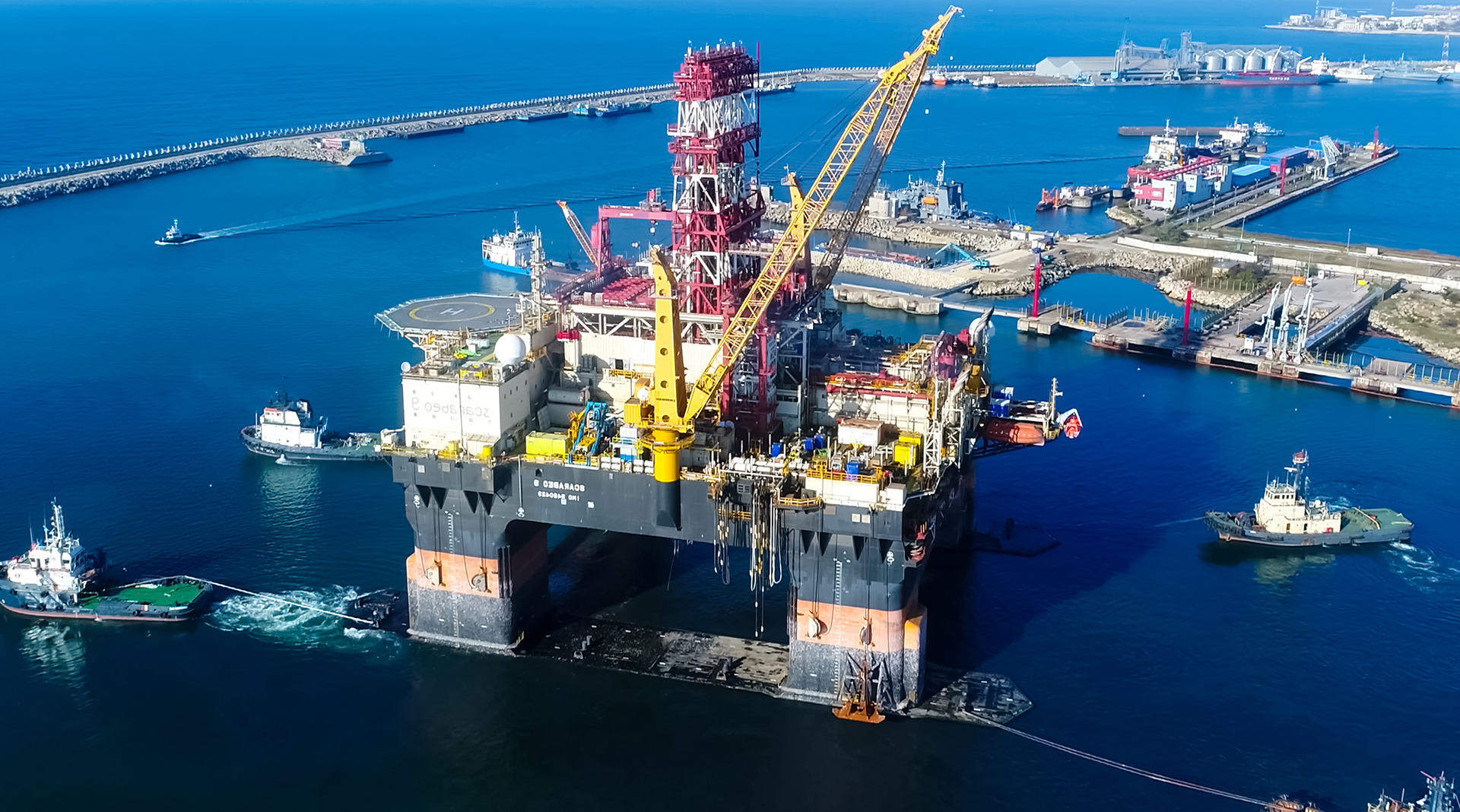
Yes. PTFE is FDA-approved for food contact, making PTFE bronze bushings ideal for food processing equipment where contamination must be avoided. Marine brass self-lubricating bushings with graphite plugs offer excellent corrosion resistance in saltwater environments, operating continuously without oil that would attract contaminants or leak into sensitive ecosystems. Stainless steel-backed variants (SF-1S series) provide additional corrosion protection for chemical and offshore applications.
What is the typical service life compared to regular bushings?
In most industrial applications, self-lubricating bushings last 2 to 5 times longer than traditional oil-lubricated bearings, with many installations exceeding 10 years in low-maintenance environments. This longevity stems from the elimination of lubrication-related failures—there is no grease to degrade, leak, or attract abrasive particles. The gradual wear of embedded lubricants provides consistent performance rather than the performance degradation seen in contaminated grease systems.
Material Selection Guide for Specific Applications
Choosing the correct self-lubricating bushing material requires matching the tribological demands of the application to the material's strengths:
Table 3: Application-Based Material Selection Matrix
| Application Requirement |
Recommended Material |
Key Advantage |
| Heavy load, low speed, high temp |
Graphite-embedded bronze (CuZn25Al6) |
Load capacity up to 100 N/mm², temp to +300°C |
| Precision motion, low friction |
Steel-backed PTFE (DU/SF-1) |
μ as low as 0.02, minimal stick-slip |
| Food/medical, corrosion resistance |
Stainless steel-backed PTFE (SF-1S) |
FDA-compliant, prevents contamination |
| Cost-sensitive, moderate loads |
Oil-impregnated porous bronze |
Lower initial cost, adequate for many applications |
| Oscillating, frequent start-stop |
Cast bronze with PTFE inserts (GGB-DB) |
No stick-slip, stable μ across motion types |
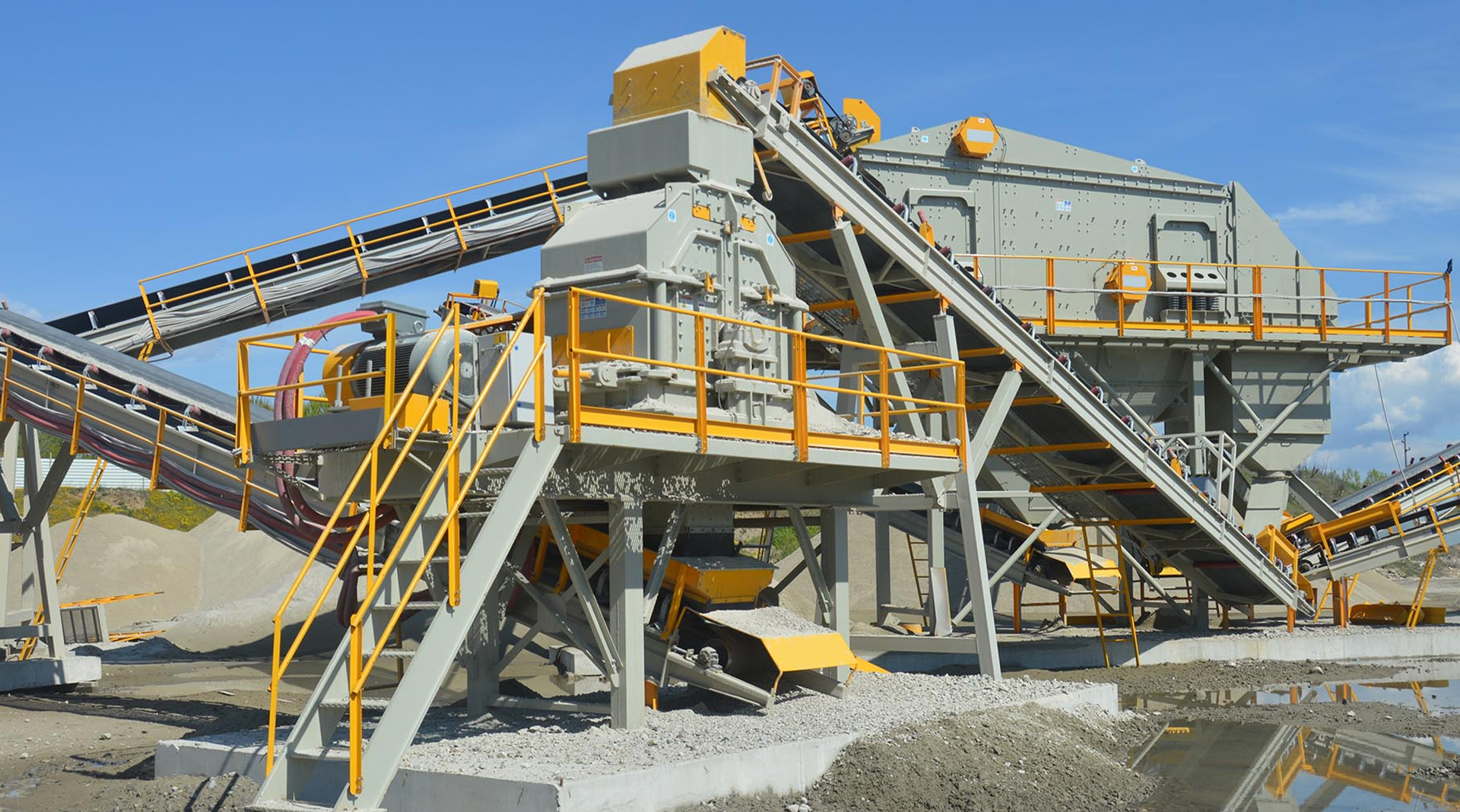
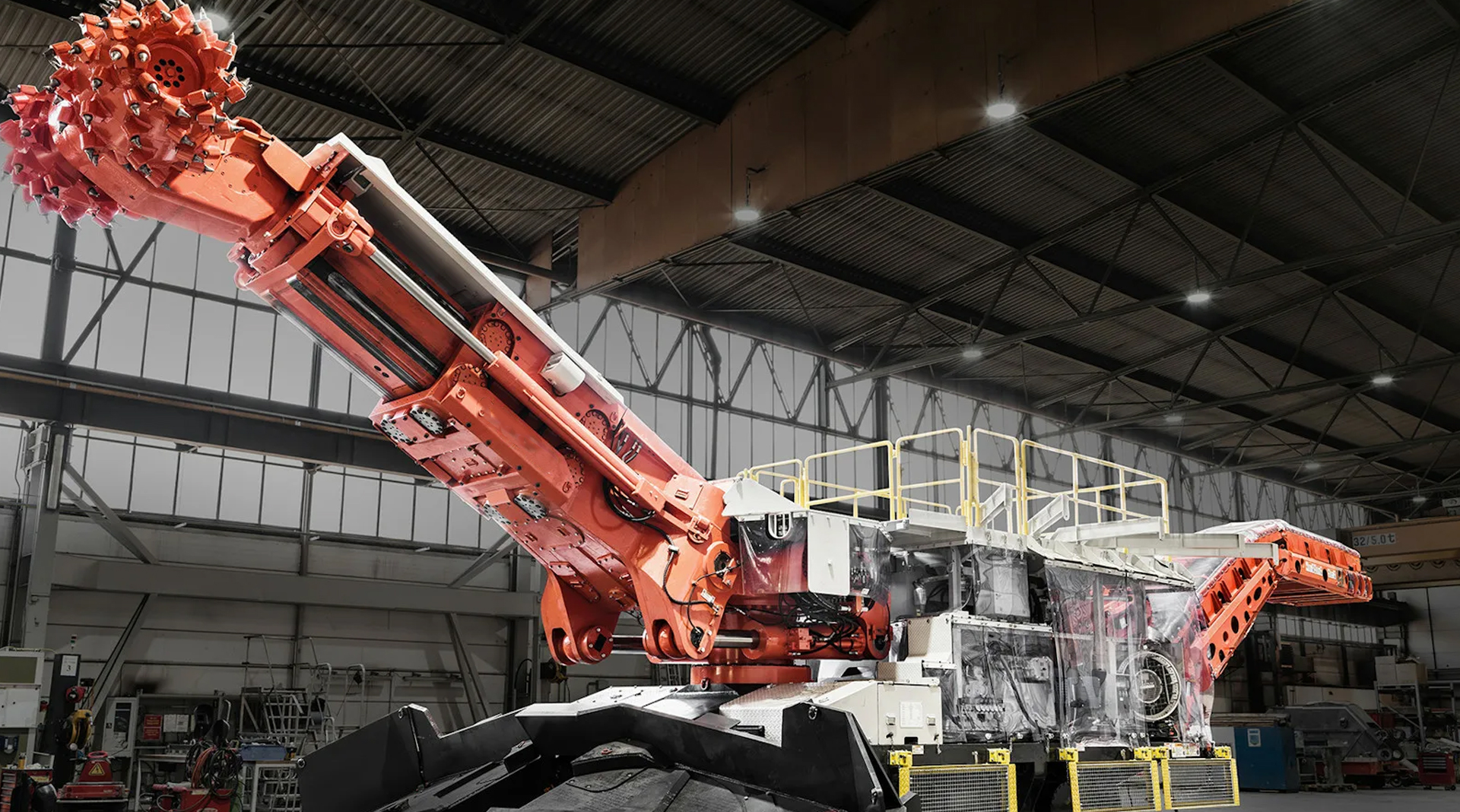
The correct selection can reduce total cost of ownership by up to 60% through maintenance elimination and extended service intervals, particularly in industries such as forestry, construction, and marine where access for lubrication is difficult or impossible.



 English
 日本語
日本語 русский
 Deutsch