


 English
 日本語
日本語 русский
 Deutsch
Tin Bronze Bushing For Mining Equipment uses high-purity copper as the base material, and ...
Home / News / Industry News / What is the difference between self-Lubricating Bushings and ordinary bearings?

Ship Propulsion And Sealing Device
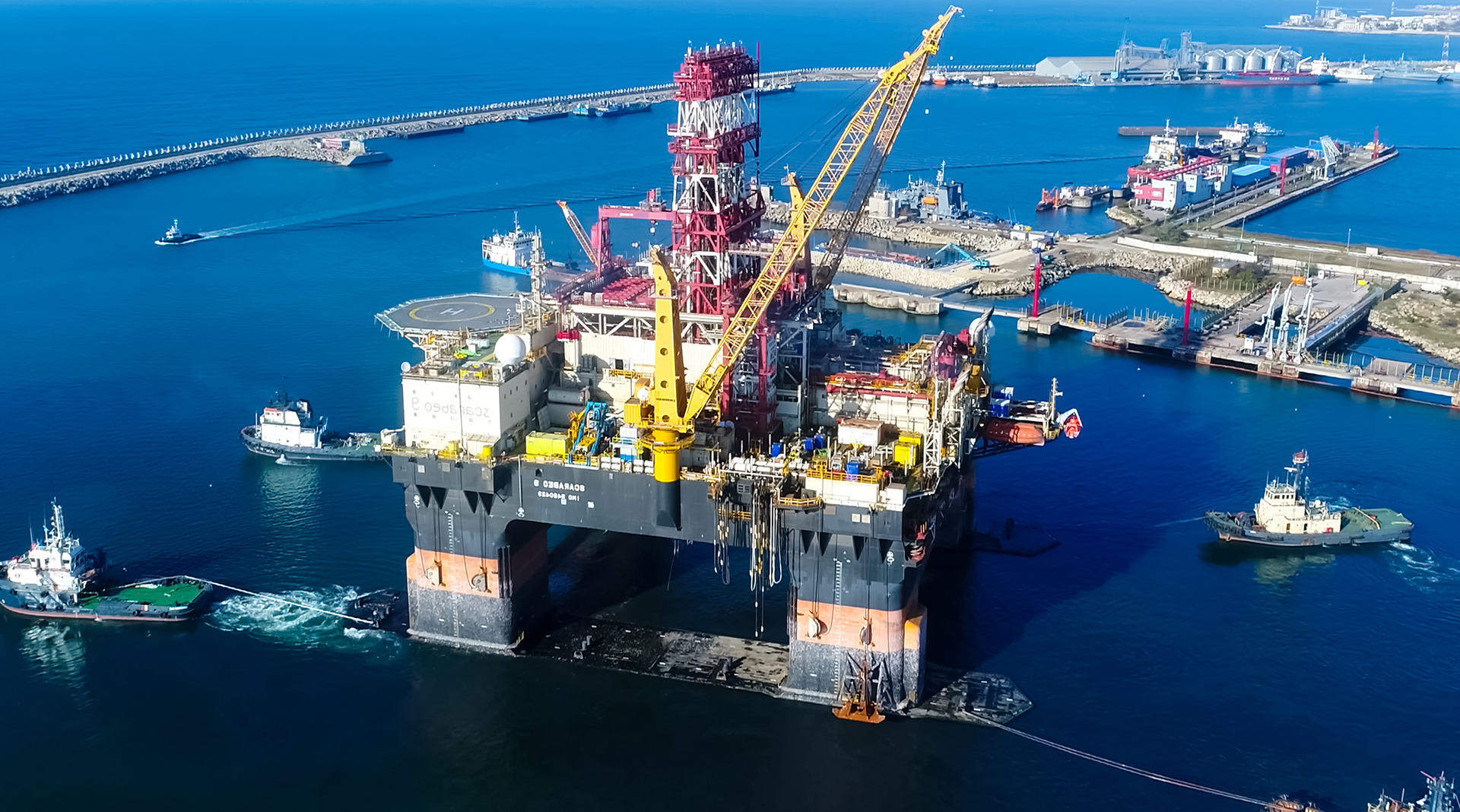
Ocean drilling and ship lock lifting equipment
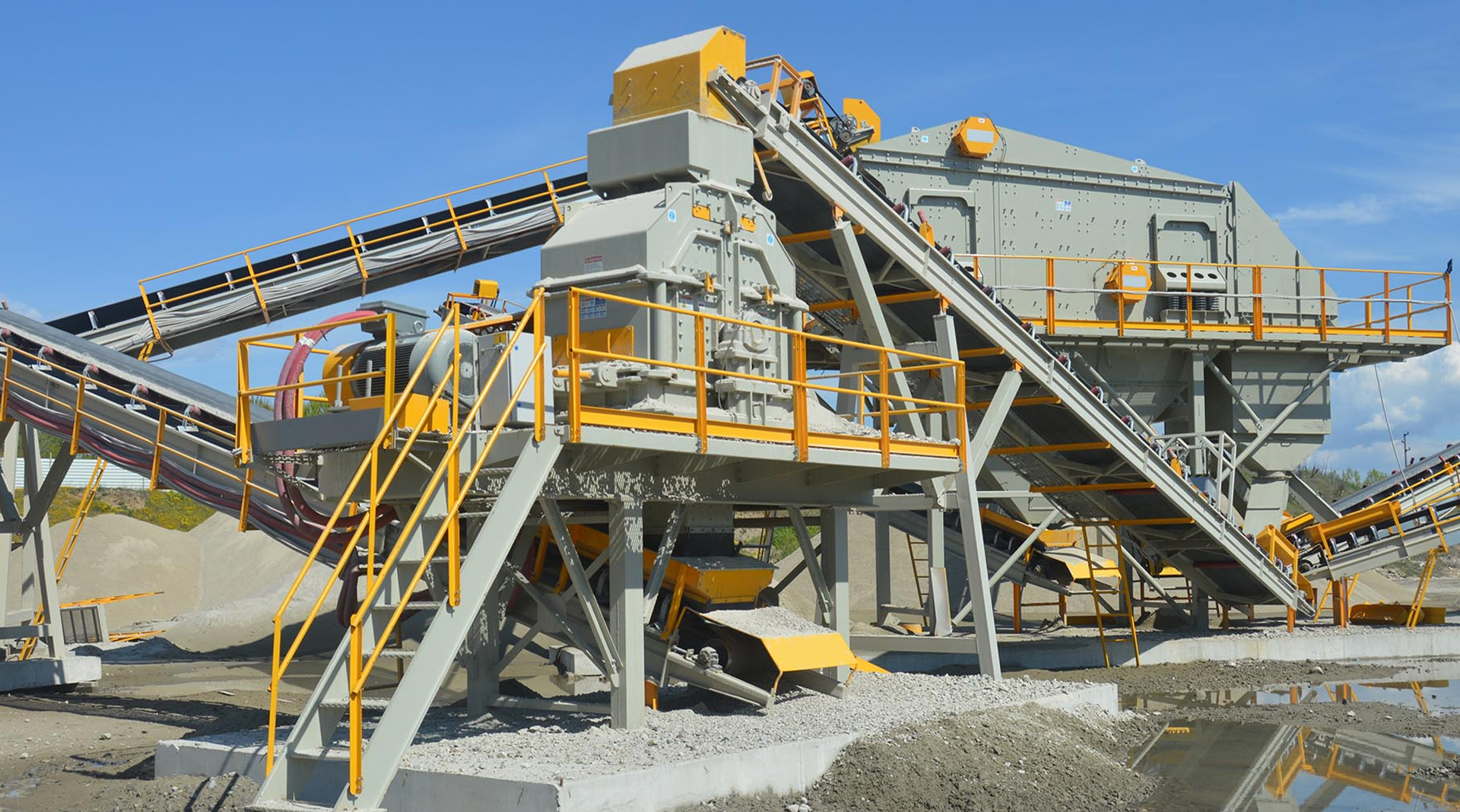
Mining equipment
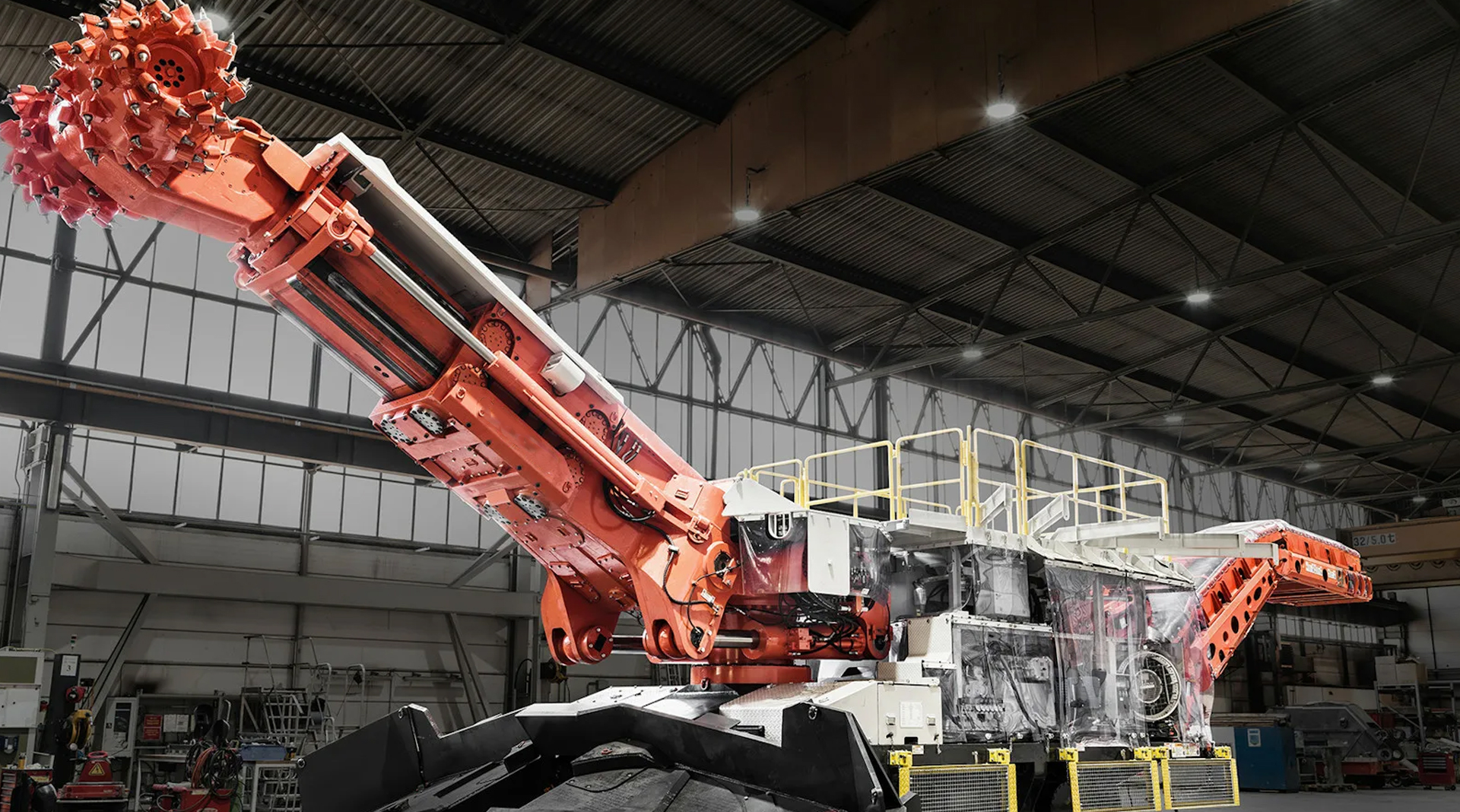
Construction machinery
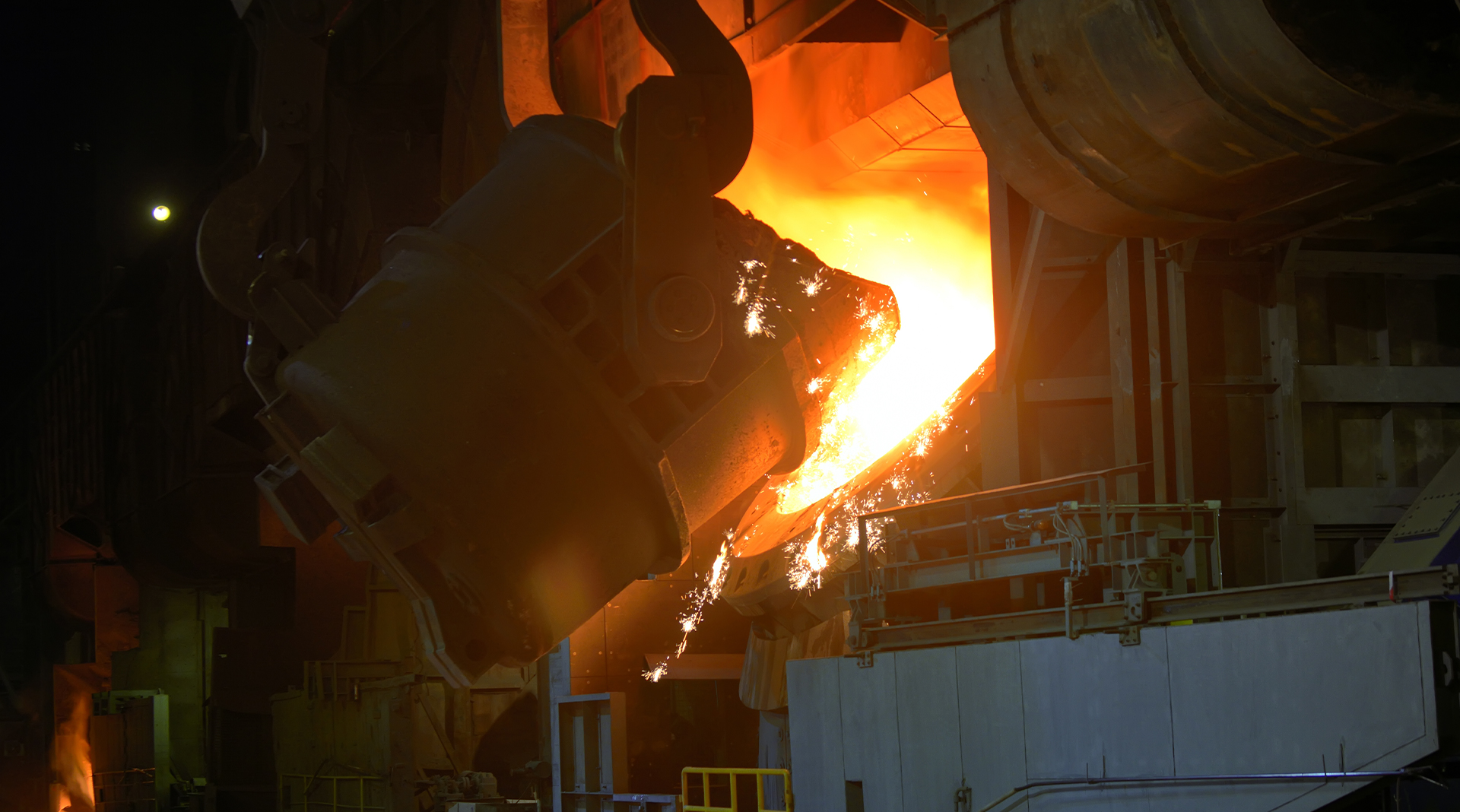
Oil and gas, metallurgical equipment
Content
In modern industrial applications, self-lubricating bushings differ fundamentally from traditional bearings in design philosophy, material composition, and application effects. The following comparison elaborates on the differences in lubrication methods, structural materials, load temperature adaptability, and maintenance life from four key dimensions.
Solid Lubricant Embedded: The core feature is the direct embedding of solid lubricants such as graphite and molybdenum disulfide (MoS₂) within the bushing material. The lubricant is slowly released when the friction surface is under
stress, forming a continuous lubricating film.
No External Supply Required: Not reliant on oil pumps or lubrication paths, making them particularly suitable for extremely confined or high-temperature environments, completely solving the problems of external lubricant evaporation,
aging, or shortage.
Reliant on External Media: Traditional bearings require periodic injection of lubricating oil or grease, or rely on an external oil circuit system for circulating lubrication.
Frequent maintenance: Lubricants can evaporate due to high temperatures or fail due to oxidation, requiring frequent inspection and replacement. Furthermore, lubricants can fail under certain highly contaminated or extreme temperatures,
leading to a significant increase in friction.
Composite material structure: Typically uses a composite structure of a matrix material such as copper alloy, aluminum alloy, or steel with a solid lubricant. The matrix provides structural strength, while the lubricant provides a low coefficient of friction.
High wear resistance: Solid lubricants can form a pressure-resistant lubricating film under high loads, maintaining low wear even in the absence of grease.
Single material: Typically uses steel balls, steel sleeves, or ceramic materials, relying on lubricants to reduce the coefficient of friction at the contact surfaces.
Material wear: In the absence of lubrication, direct metal-to-metal contact leads to rapid wear, resulting in increased noise and temperature.
High Load Adaptability: Thanks to the high-pressure withstand capability of solid lubricants, self-lubricating bushings can operate stably under high loads, shocks, and vibrations without losing lubrication performance due to external impacts.
Extreme Temperature Environments: They can maintain lubrication performance over a wide temperature range from -30℃ to over 300℃, performing particularly well in extreme environments such as high-temperature oil and gas and metallurgical applications.
Lubricant Limitations: Lubricating oils or greases lose viscosity or oxidize and deteriorate at high temperatures, and may become too viscous at low temperatures, affecting lubrication and making the bearing unable to adapt to extreme environments.
Load Limitations: Under high loads, ordinary lubricants are easily squeezed out of the lubrication contact surface, leading to direct metal-to-metal contact and accelerated wear.
Maintenance-Free Operation: Due to the internal lubricant, no external maintenance is required, eliminating the need for regular lubrication and oil cleaning, significantly reducing labor costs.
Longer lifespan: Under the same load conditions, self-lubricating bushings typically have a much longer lifespan than ordinary bearings due to less wear and the absence of "dry friction" jamming.
Ordinary bearings: Require regular maintenance: Regular lubricant replacement and cleaning of dust and debris inside the bearing are necessary, resulting in higher maintenance costs.
Limited lifespan: Aging and consumption of lubricating oil are the main causes of failure in ordinary bearings, and their lifespan is usually affected by the lubricating oil replacement cycle.
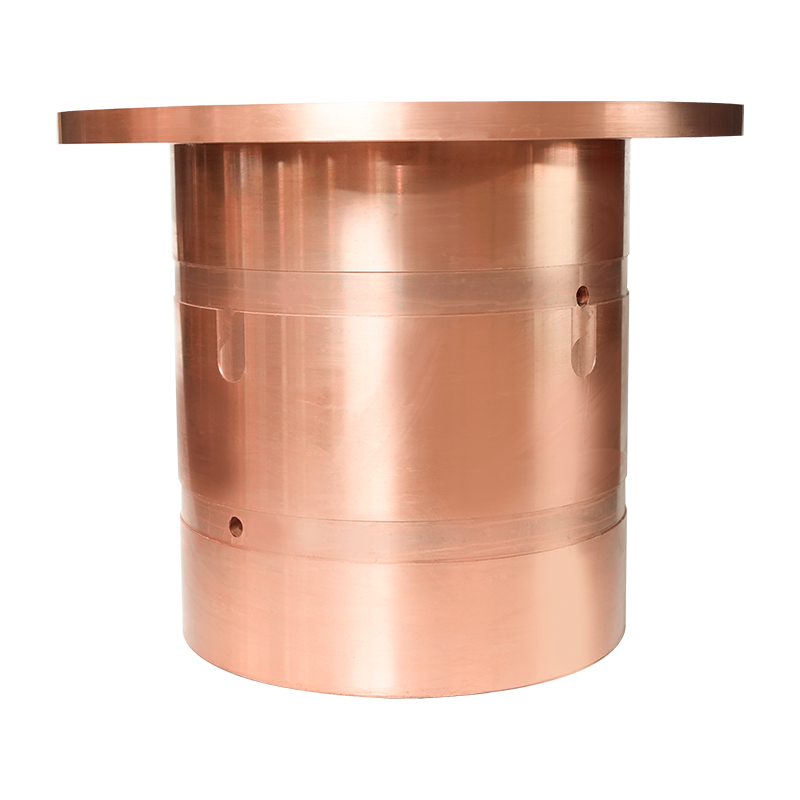
Tin Bronze Bushing For Mining Equipment uses high-purity copper as the base material, and ...
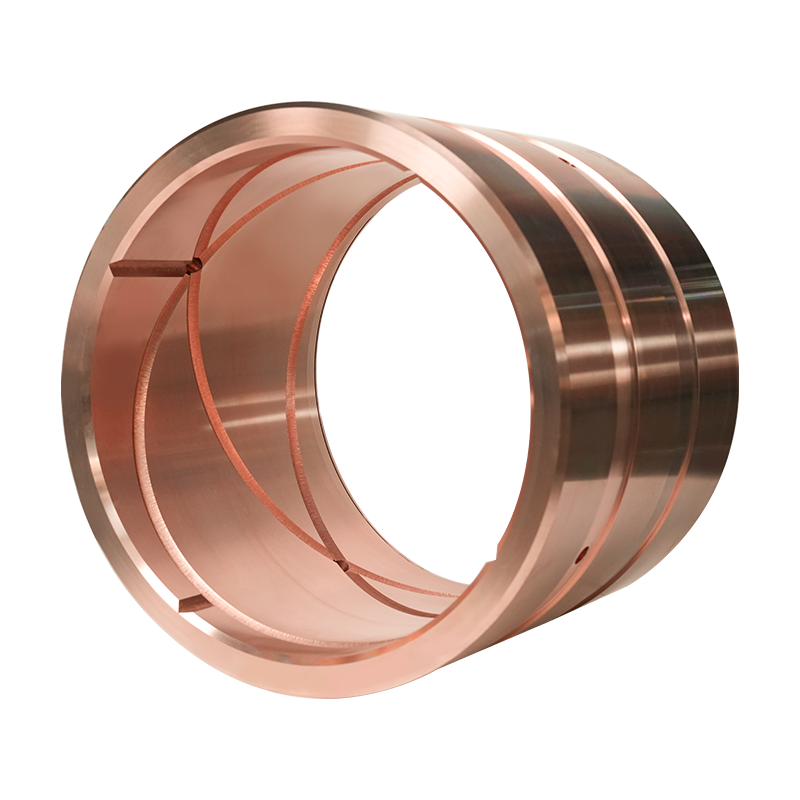
Tin Bronze Bushing For Engineering Machinery is made of high-quality high-purity copper su...
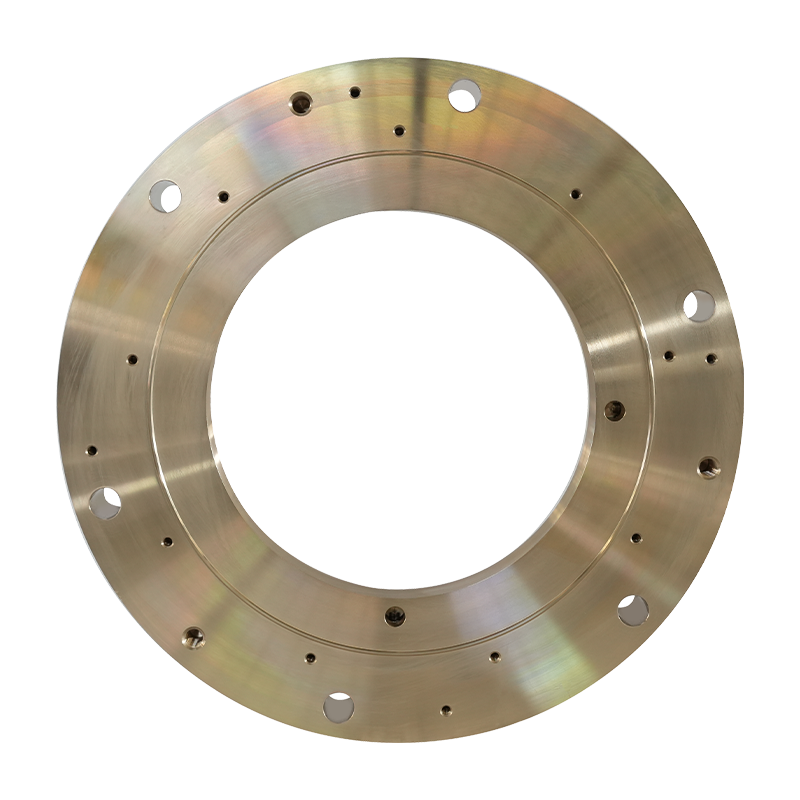
Marine Copper Alloy Sealing Ring Marine Sealing Ring is a key sealing component in the shi...
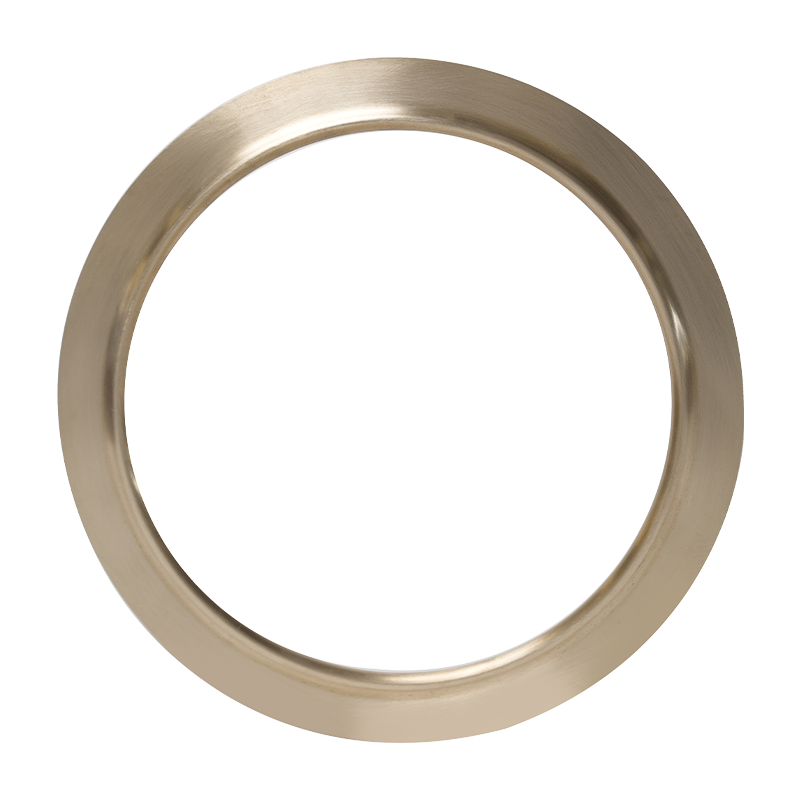
Propulsion Device Seal Marine Copper Alloy Sealing Ring is made of high-quality copper all...
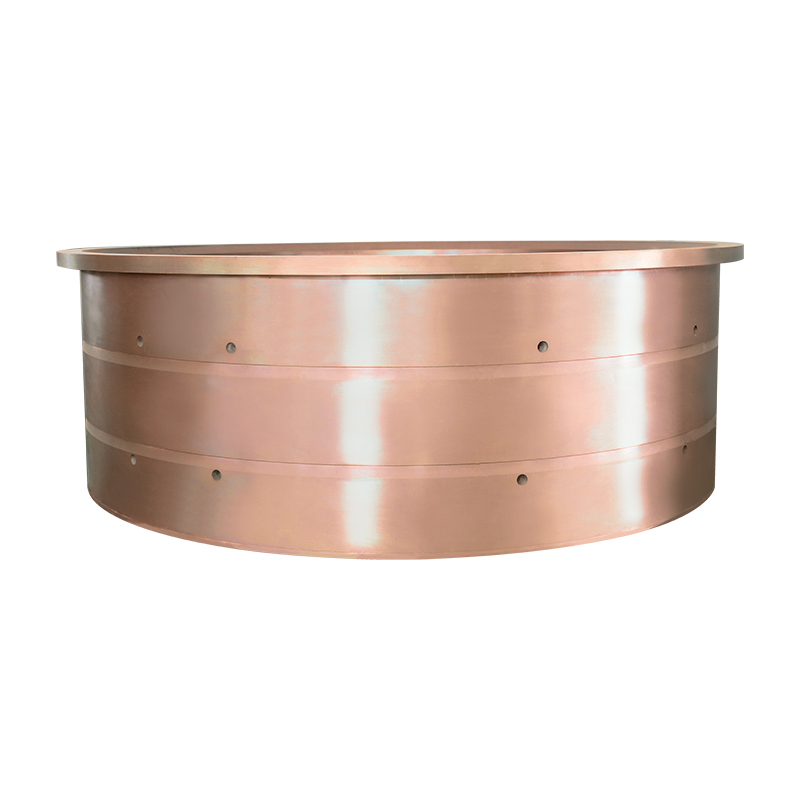
Anchor Winch Bearing And Tin Bronze Bushing is designed for heavy-load, high-speed, and hi...
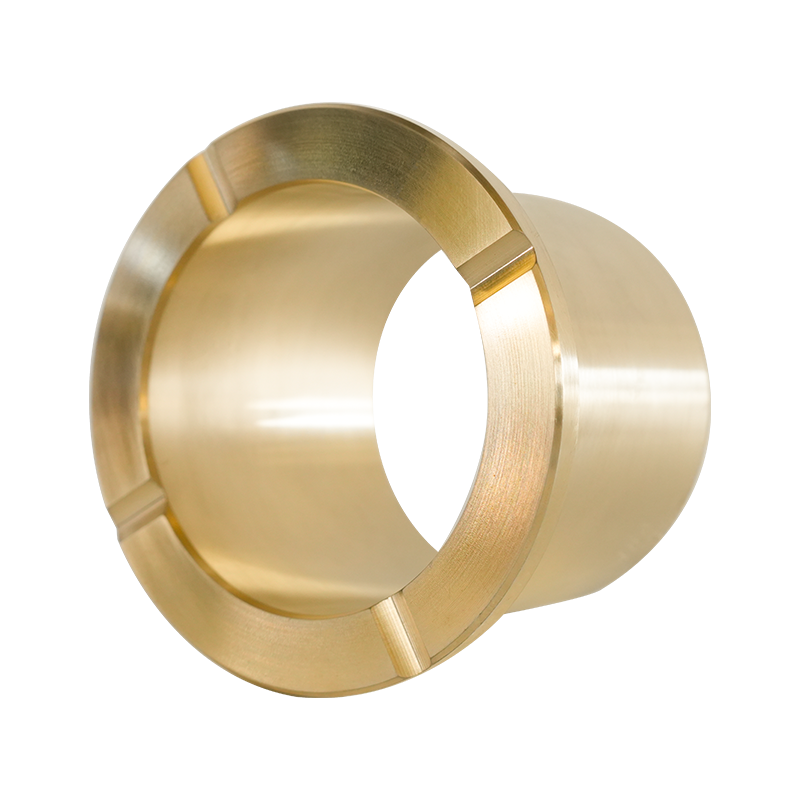
Mining Equipment Brass Bushing is specially designed for high-load and high-wear condition...
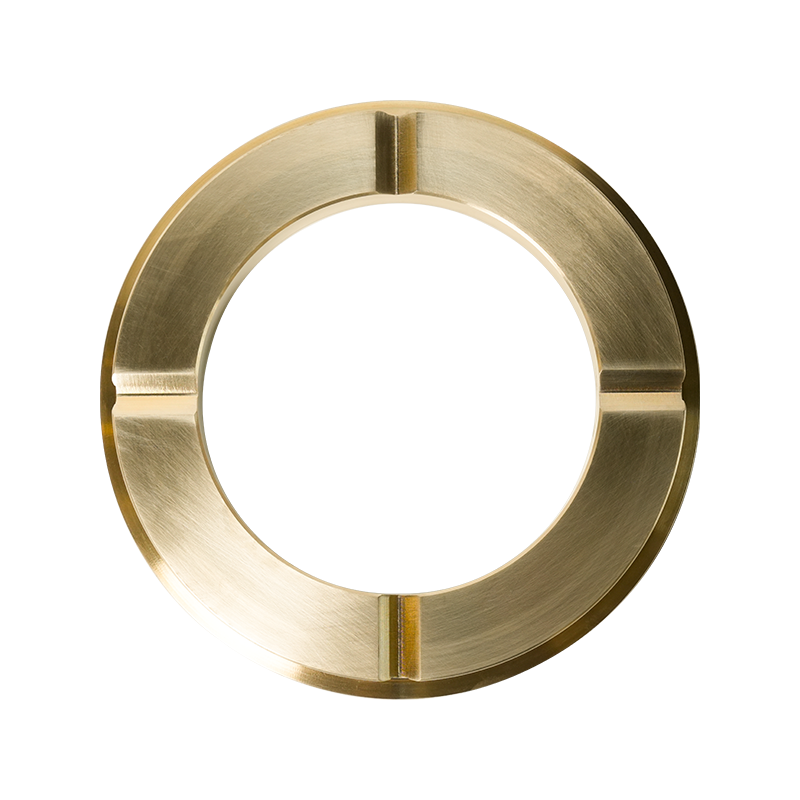
Engineering Machinery Brass Bushing is specially designed for high-load and high-wear work...
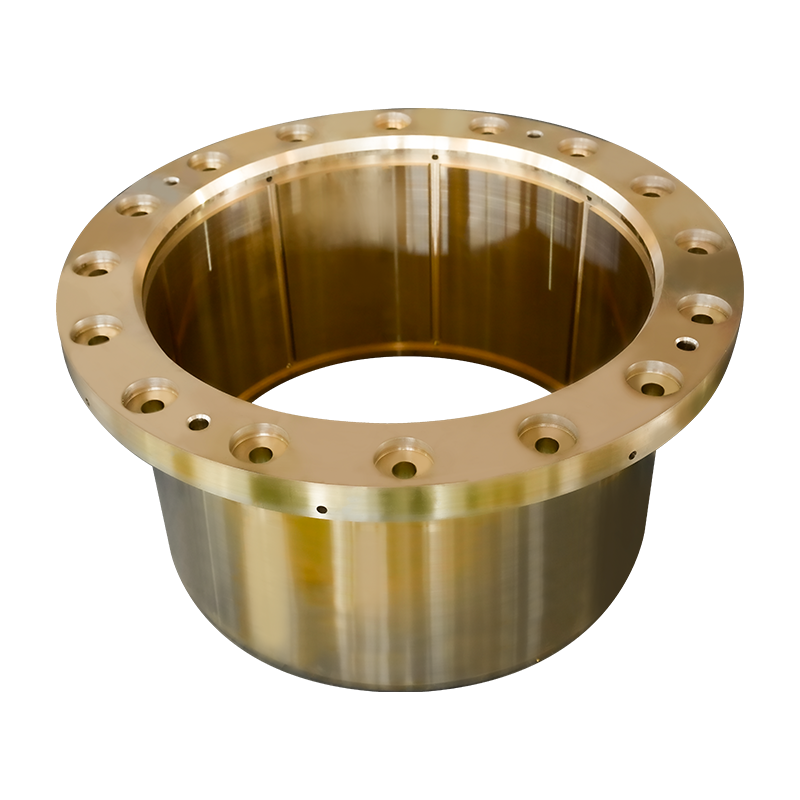
Metallurgical Equipment Brass Bushing is a high-performance brass bushing designed for wor...
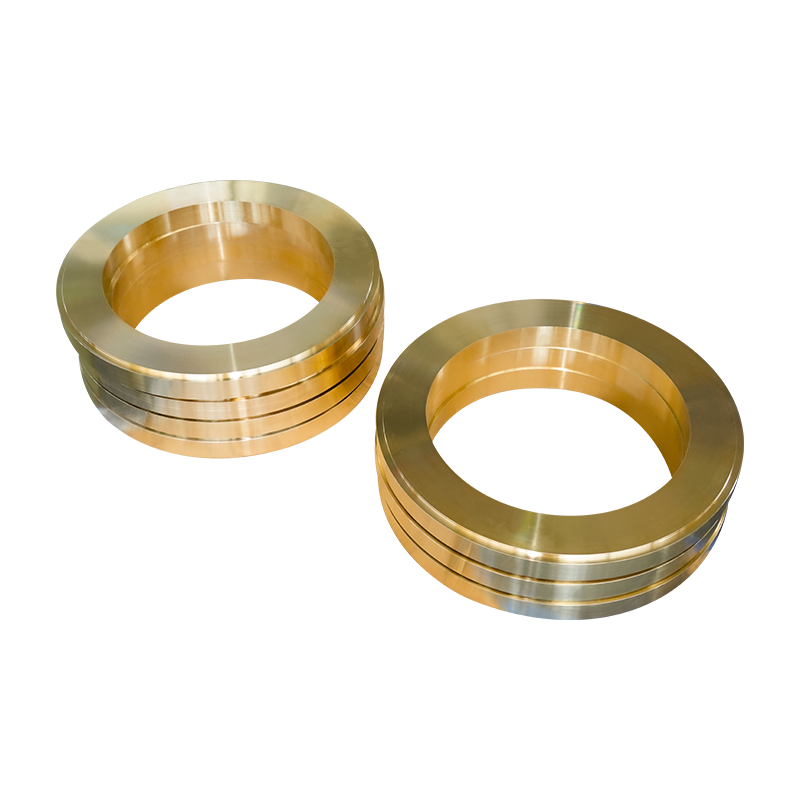
Stern Shaft Sealing Device Brass Bushing is a high-performance brass wear-resistant copper...
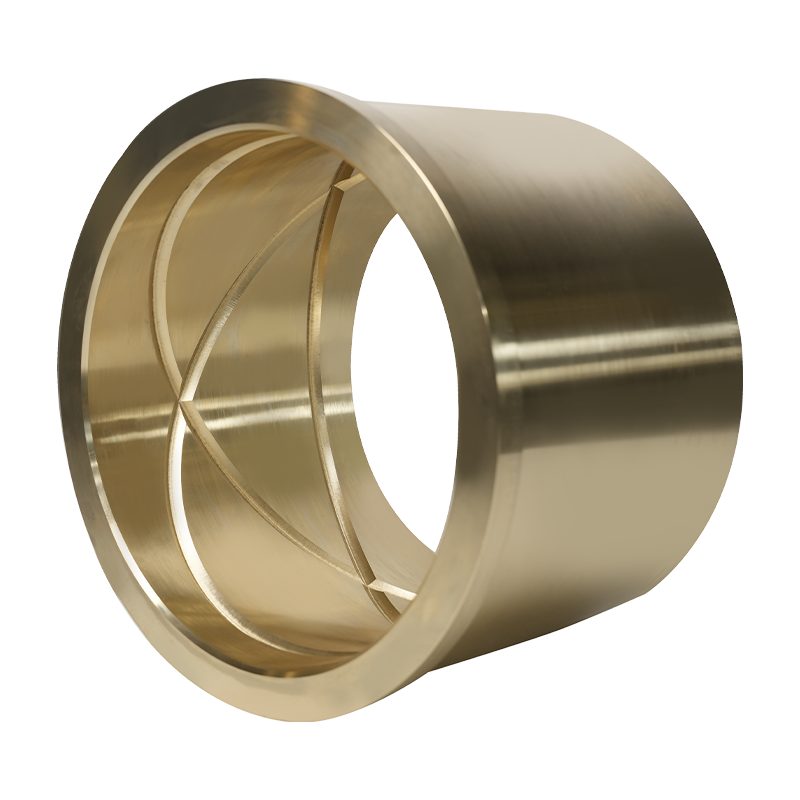
Aluminum Bronze Bushing For Rudder Transmission System is tailor-made for the Rudder trans...
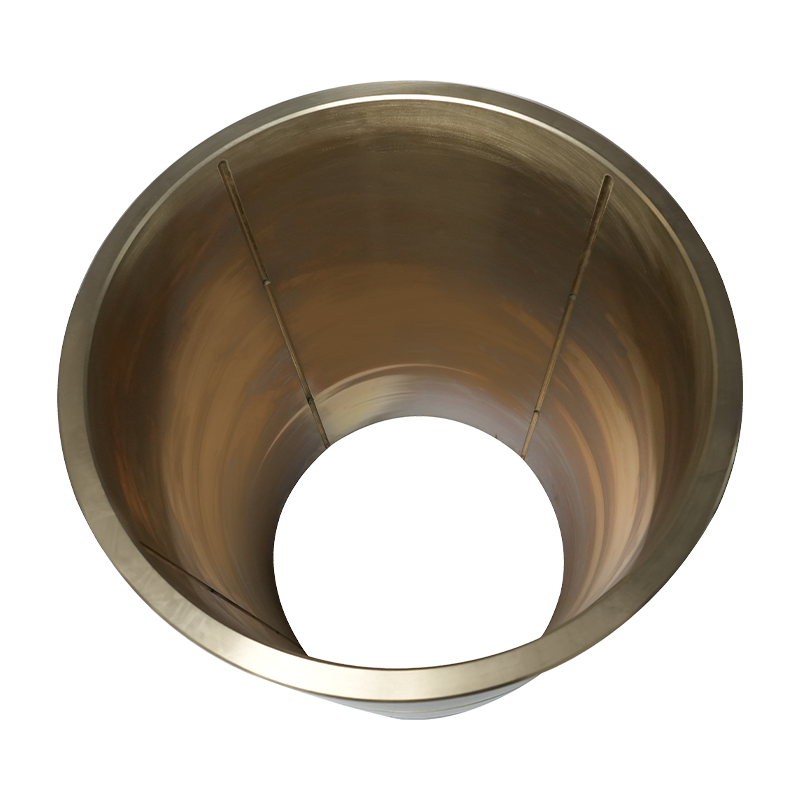
Aluminum Bronze Bushing For Ship Hydraulic Cylinders And Rudder Angle Feedback product is ...
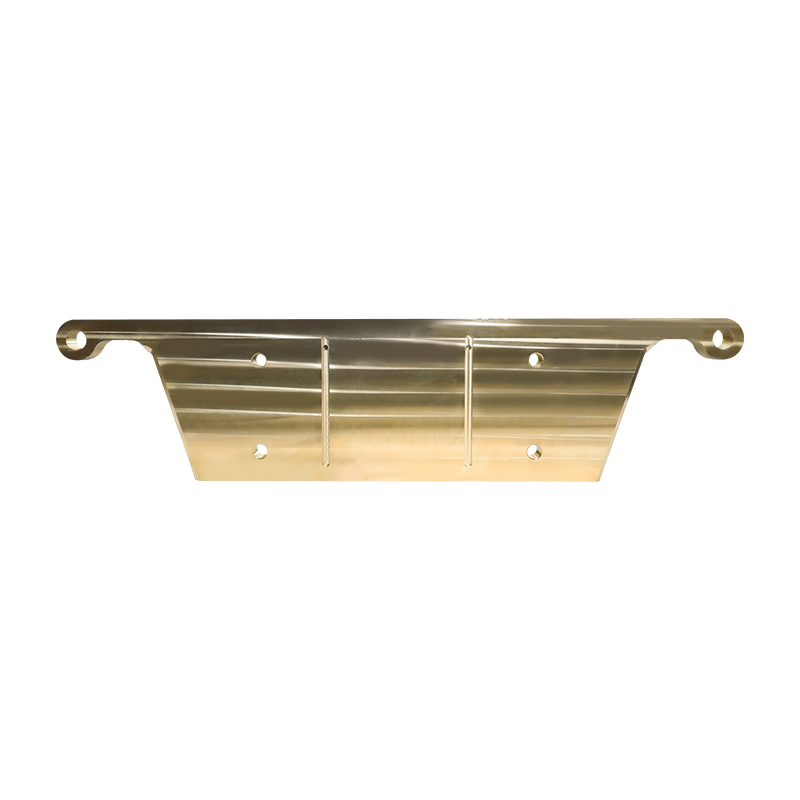
Mining Equipment Brass Plate is made of high-quality high-strength brass material, with we...
Copyright © YangZhou YiFeng Copper Products Co.,Ltd. All Rights Reserved
China copper casting manufacturers wholesale copper casting factory