"Sticking" refers to the serious malfunction where the contact surfaces of the worm gear and worm stick together after failure, causing a momentary stop in transmission. This phenomenon severely affects transmission efficiency and equipment safety, and is usually caused by the following key factors:
Lubrication Failure and Oil Film Destruction
Worm gear drives are highly dependent on a lubricating oil film. When the lubrication system fails or the grease viscosity is mismatched (e.g., using ordinary grease in low-temperature environments), the contact surfaces of the worm gear and worm cannot form a sufficiently thick hydrodynamic oil film. After the oil film detaches, the metal surfaces come into direct contact, friction increases dramatically, leading to a sharp rise in local temperature and sticking.
Excessive Temperature Leading to Material Softening
When the lubricating oil film disappears or fails, the contact temperature between the worm gear and worm rises rapidly. High temperatures cause the metal on the surface of the worm gear teeth to soften or anneal, making it easier for the metal to adhere to the worm, thus forming sticking.
Mismatch Between Material Hardness and Surface Roughness
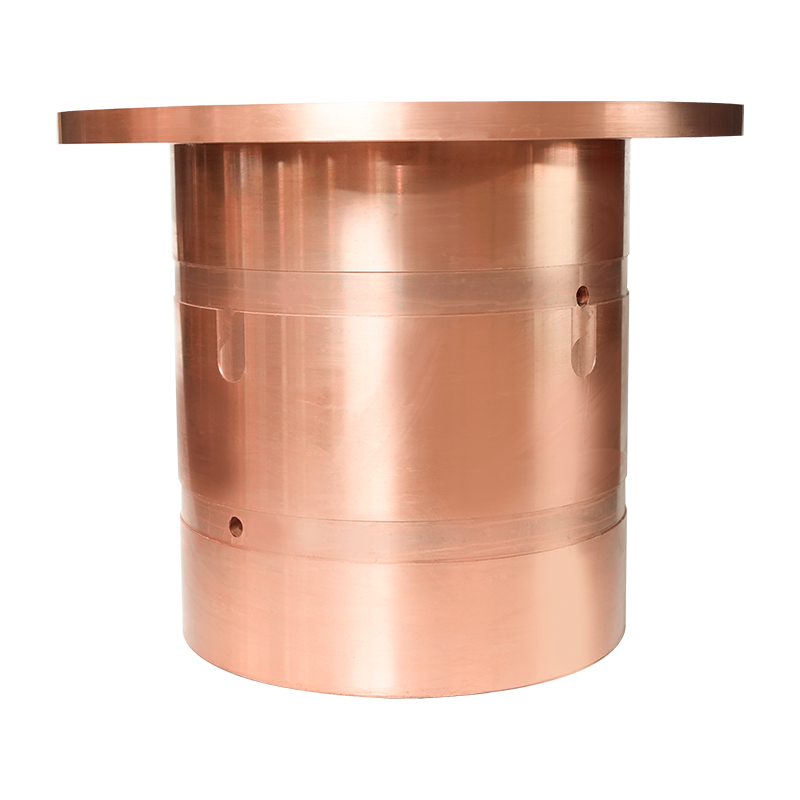
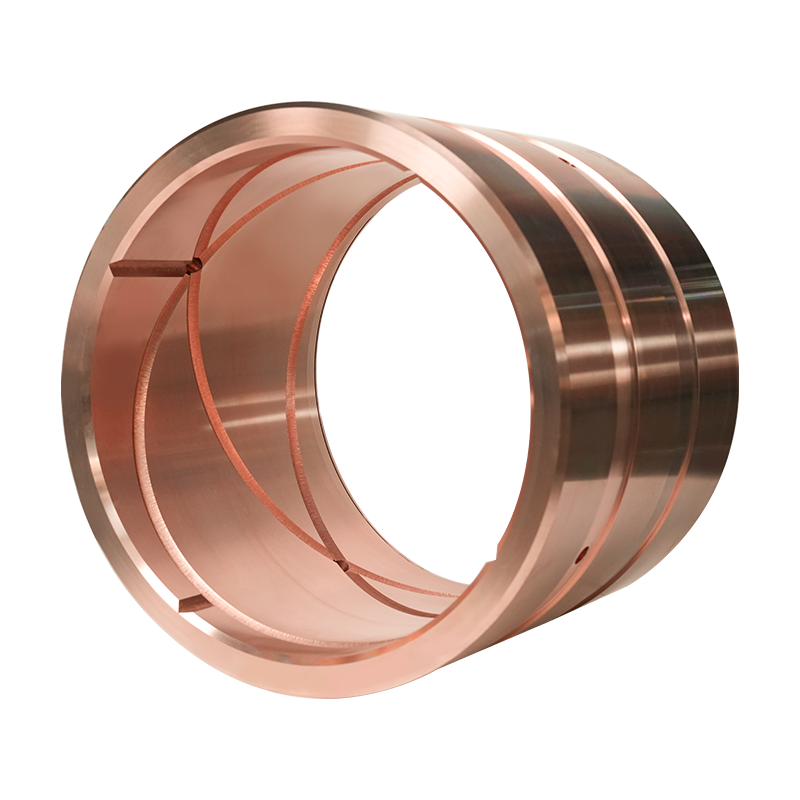
The worm gear material is usually softer (e.g., copper alloy), while the worm material is harder. If the worm gear surface hardness is insufficient or the surface roughness is too high, the worm gear teeth are prone to pitting or wear under high loads, leading to metal adhesion under high temperature and pressure. This is why improving material hardness and surface finish is an important measure to prevent adhesion.
Physical Damage from Foreign Impurities
Although adhesion is mainly a thermal adhesion phenomenon, physical impacts from impurities (such as weld slag, iron filings, and other hard particles) can damage the oil film and cause localized damage, which can exacerbate thermal adhesion.



 English
 日本語
日本語 русский
 Deutsch