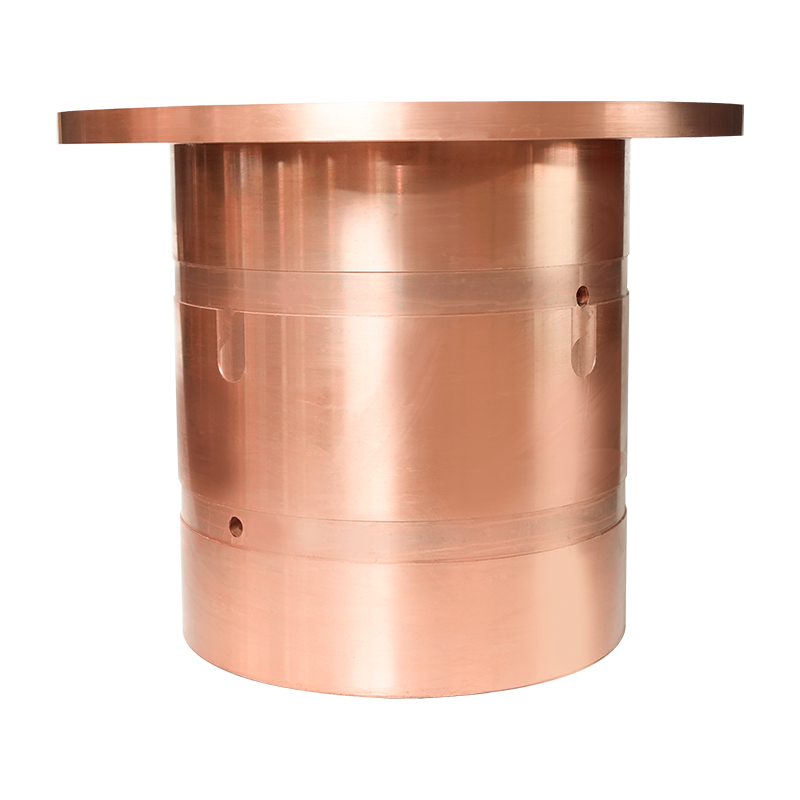
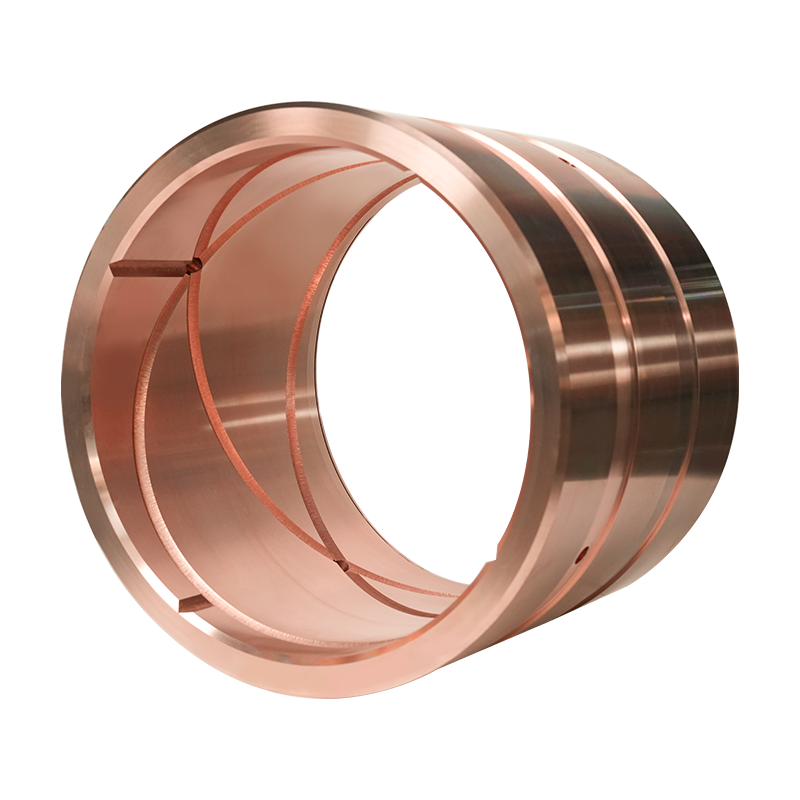
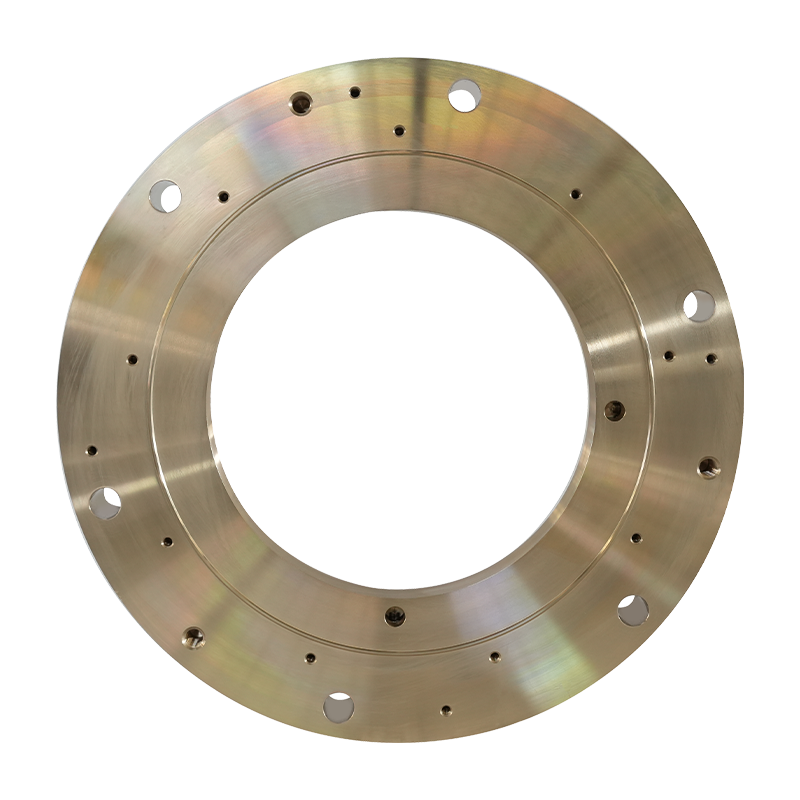
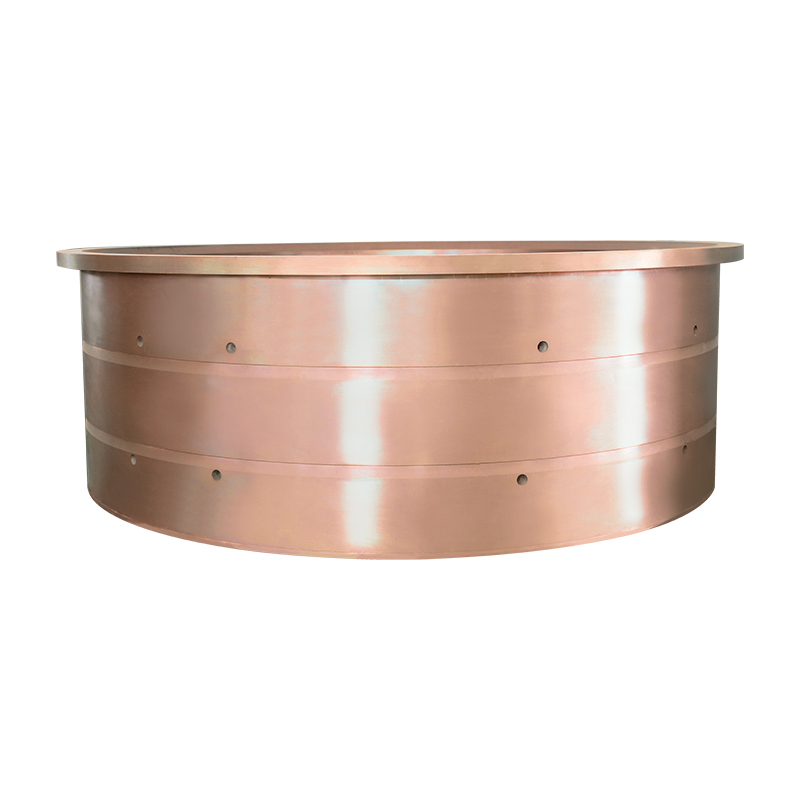
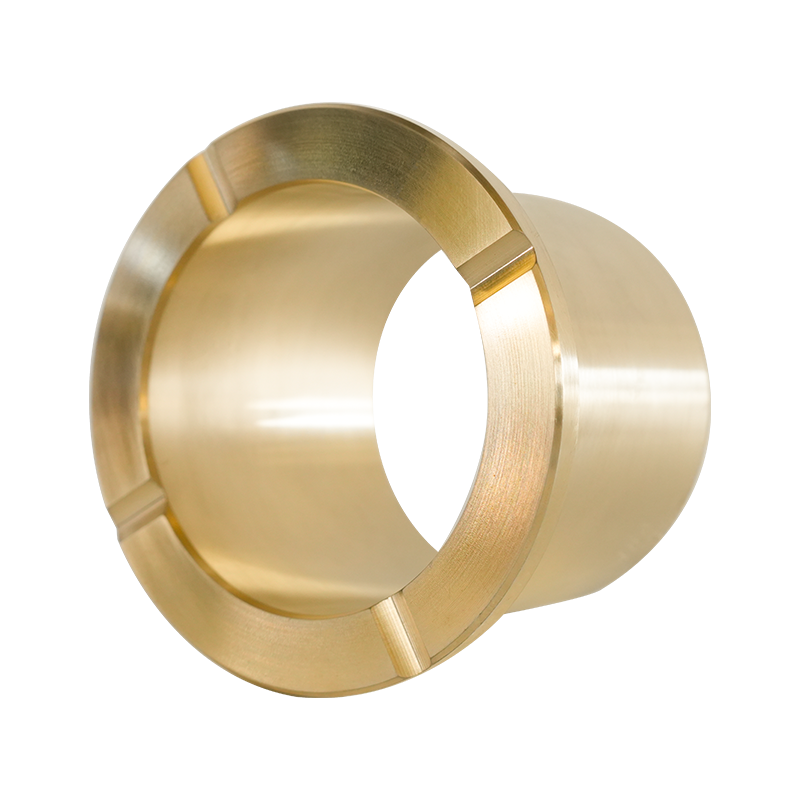
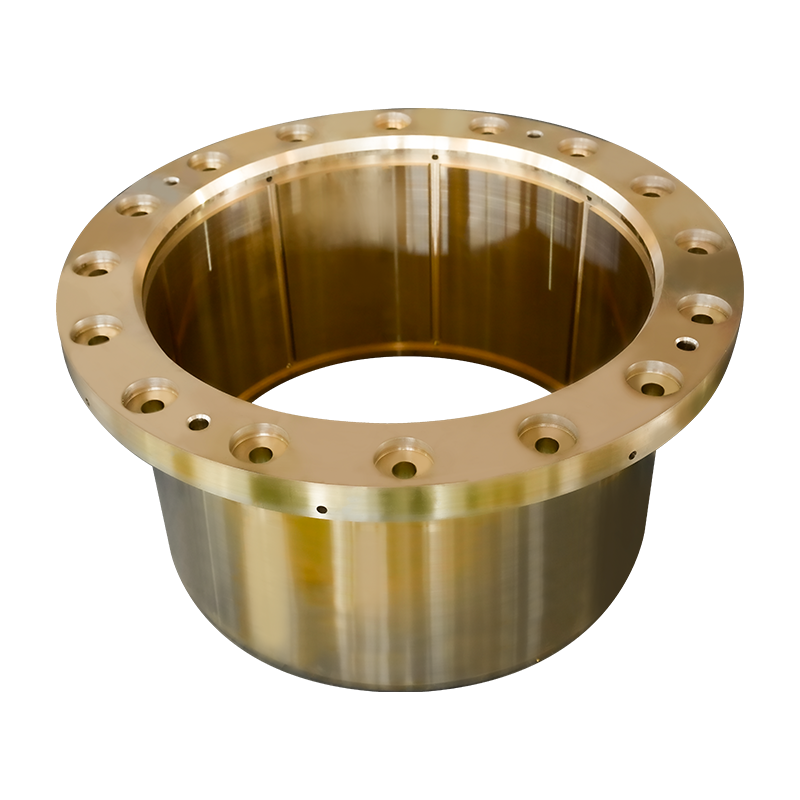
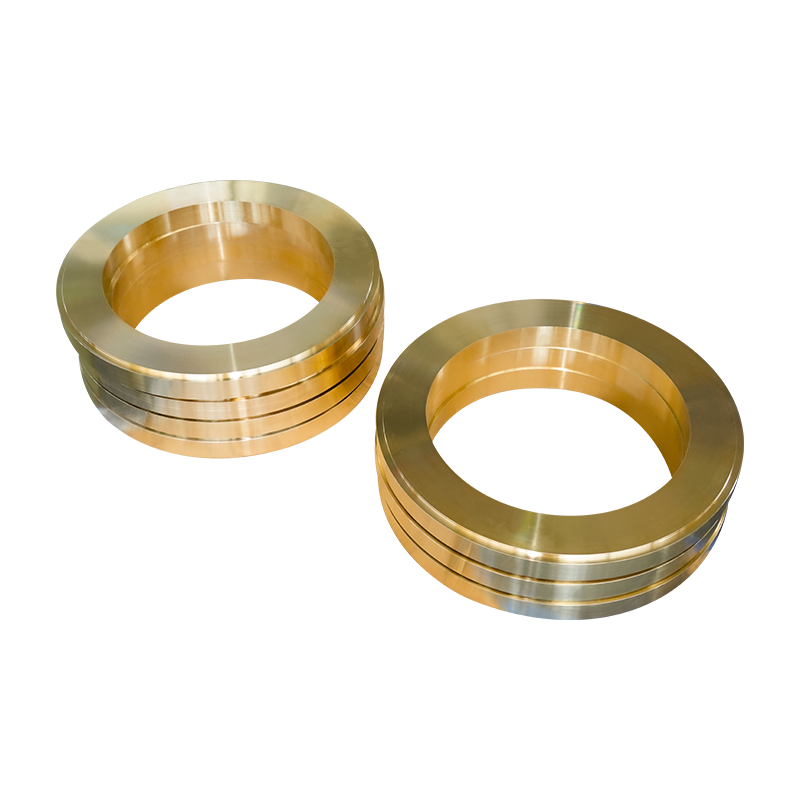
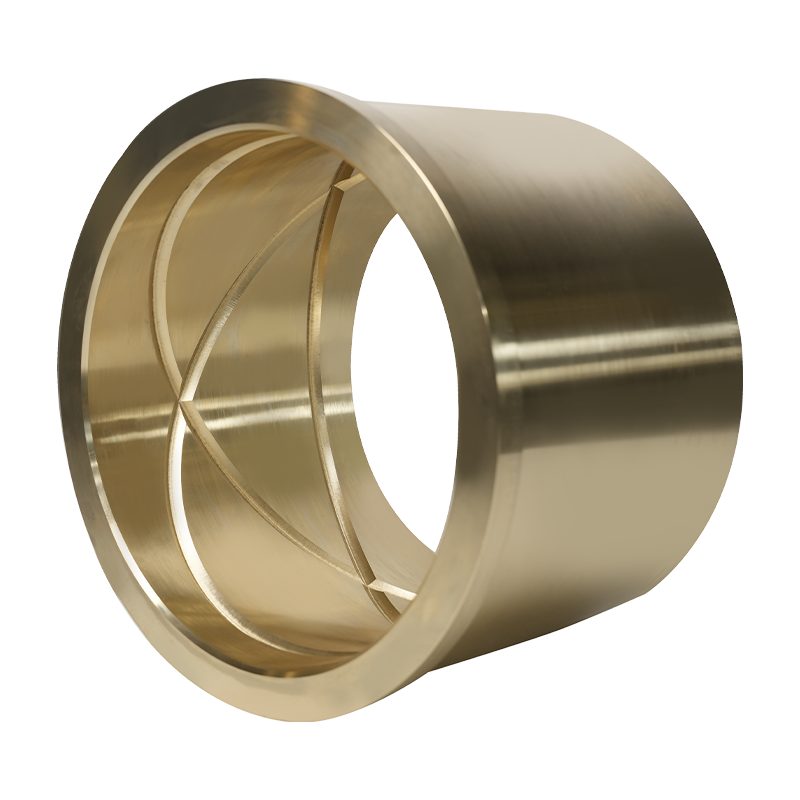
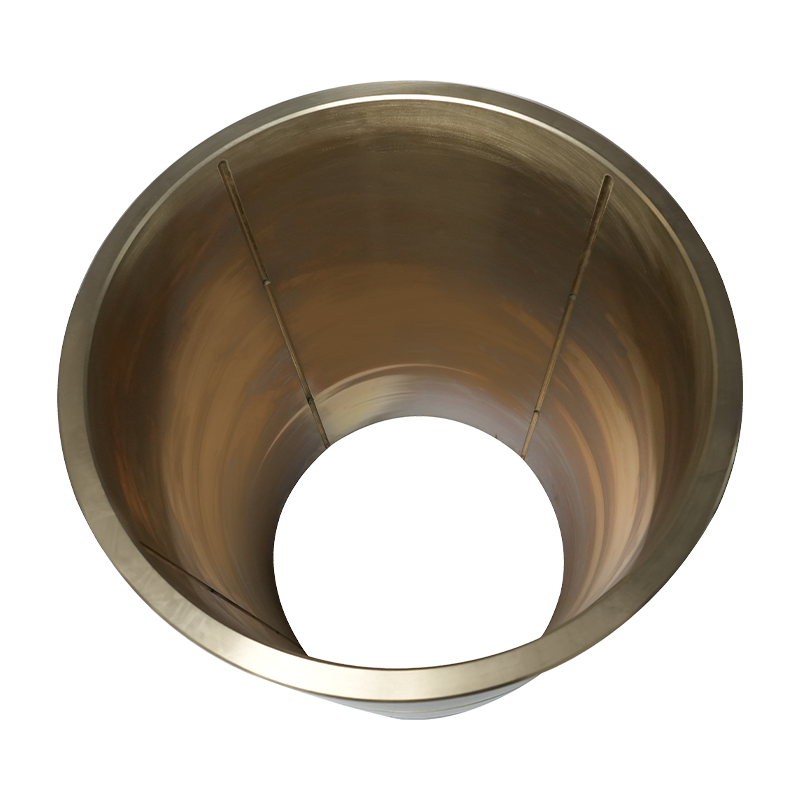
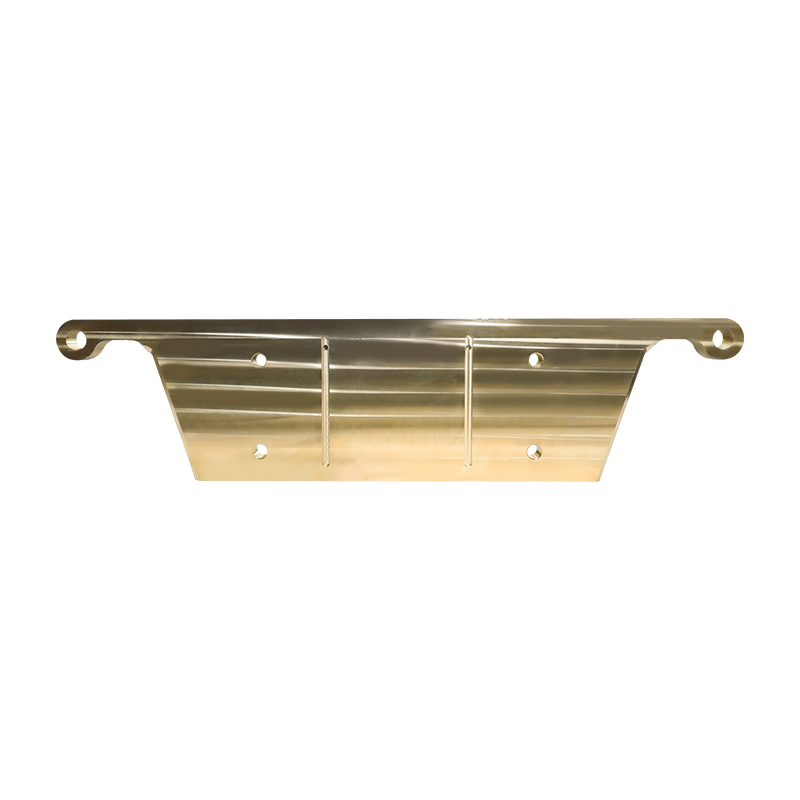
A copper plate is a flat, semi-finished piece of copper material with a uniform thickness, typically greater than 0.2 mm, used as a raw material in various industrial manufacturing processes. Unlike copper sheets or foils, plates are characterized by their structural rigidity and are primarily utilized in applications requiring high durability, thermal conductivity, and corrosion resistance. In essence, if you need a robust, conductive, or corrosion-proof base component, you are specifying a copper plate.
Defining Characteristics of a Copper Plate
To understand what a copper plate is, it is essential to distinguish it from other copper forms. The primary differentiator is thickness. According to industry standards, copper plate typically refers to flat copper stock with a thickness exceeding approximately 0.25 inches (6.35 mm). Below this threshold, the material is generally classified as a sheet or strip. Key properties include:
- Exceptional Electrical Conductivity: Pure copper plates offer up to 100% IACS (International Annealed Copper Standard) conductivity.
- High Thermal Conductivity: They efficiently transfer heat, making them ideal for heat exchangers and cooling systems.
- Corrosion Resistance: Copper forms a protective patina, offering durability in marine and industrial atmospheres.
- Malleability and Formability: Despite its thickness, it can be bent, cut, and welded for complex fabrications.
Primary Alloys and Their Specifications
While pure copper plates (like C11000) are common, alloying copper with other elements enhances specific mechanical properties for demanding environments. The table below outlines the most common copper plate alloys and their typical applications.
| Alloy Family |
Key Properties |
Typical Applications |
| C11000 (Electrolytic Tough Pitch) |
99.9% minimum copper, high conductivity |
Busbars, electrical conductors, roofing |
| C12200 (Phosphorus Deoxidized) |
Excellent weldability, resists hydrogen embrittlement |
Tanks, heat exchangers, plumbing fittings |
| C70600 (Copper-Nickel 90/10) |
Superior seawater corrosion resistance |
Marine piping, shipbuilding, desalination plants |
| C63000 (Aluminum Bronze) |
High strength, wear resistance |
Heavy-duty bearings, offshore platforms |
Table 1: Common copper plate alloys and their industrial roles.
Critical Industrial Applications
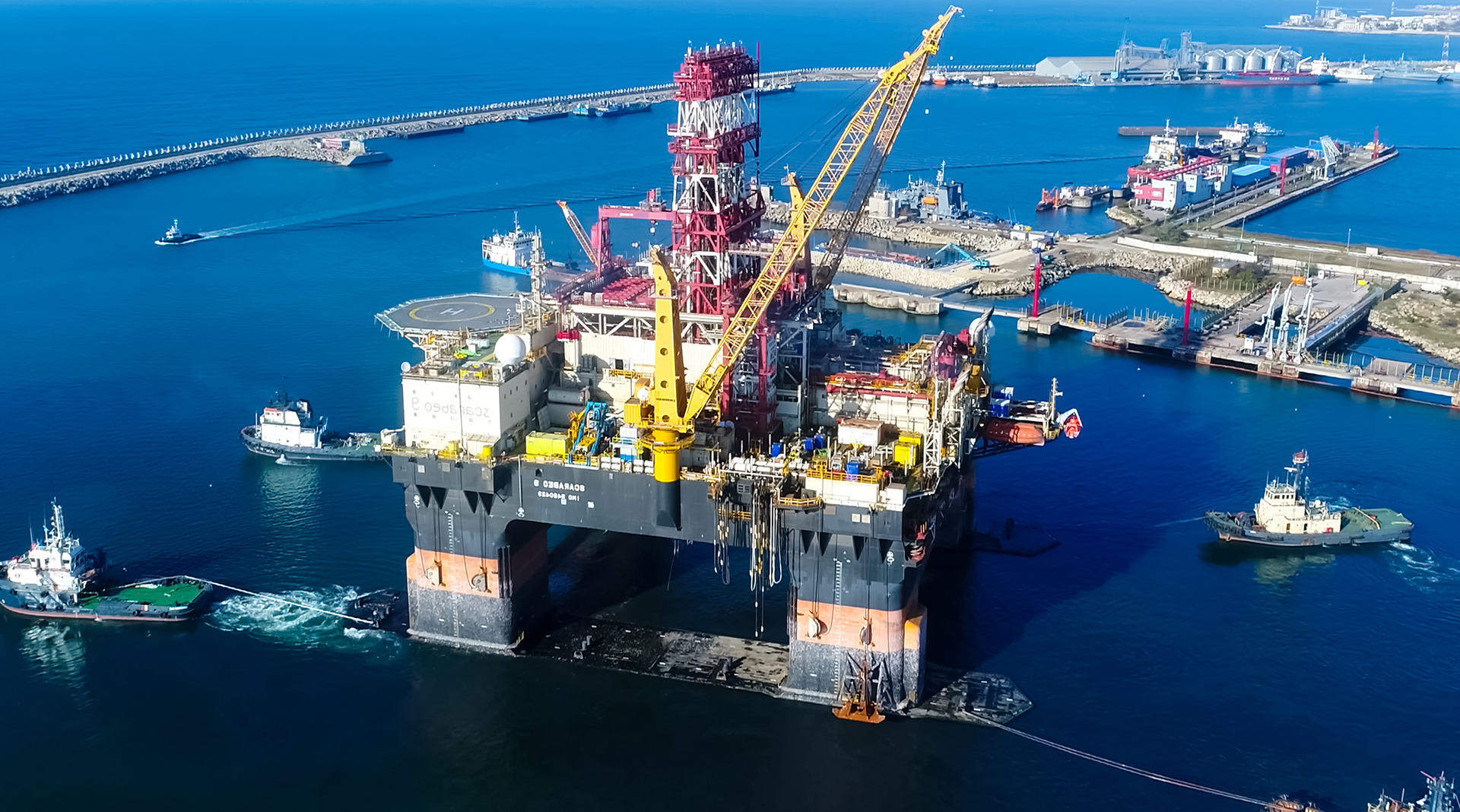
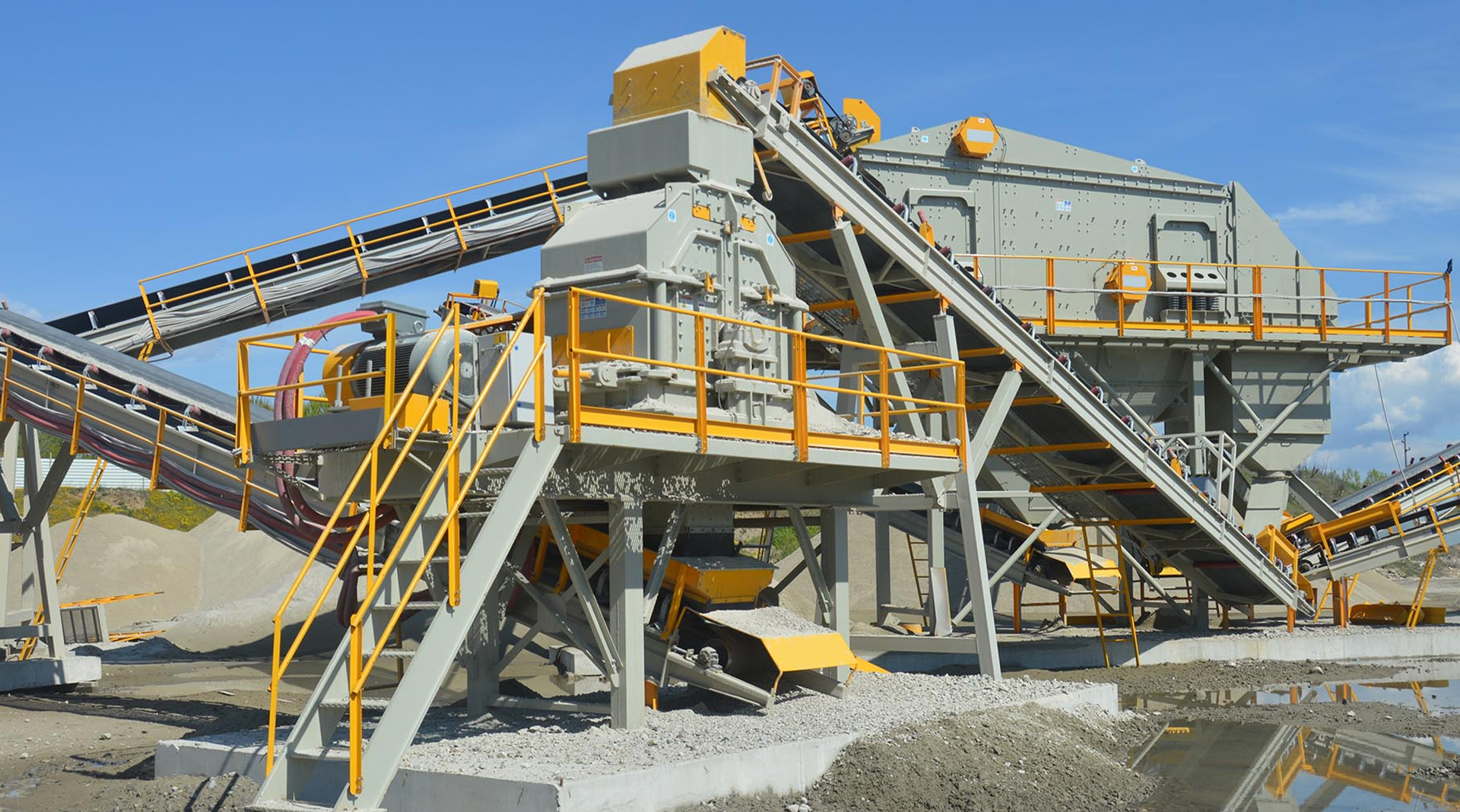
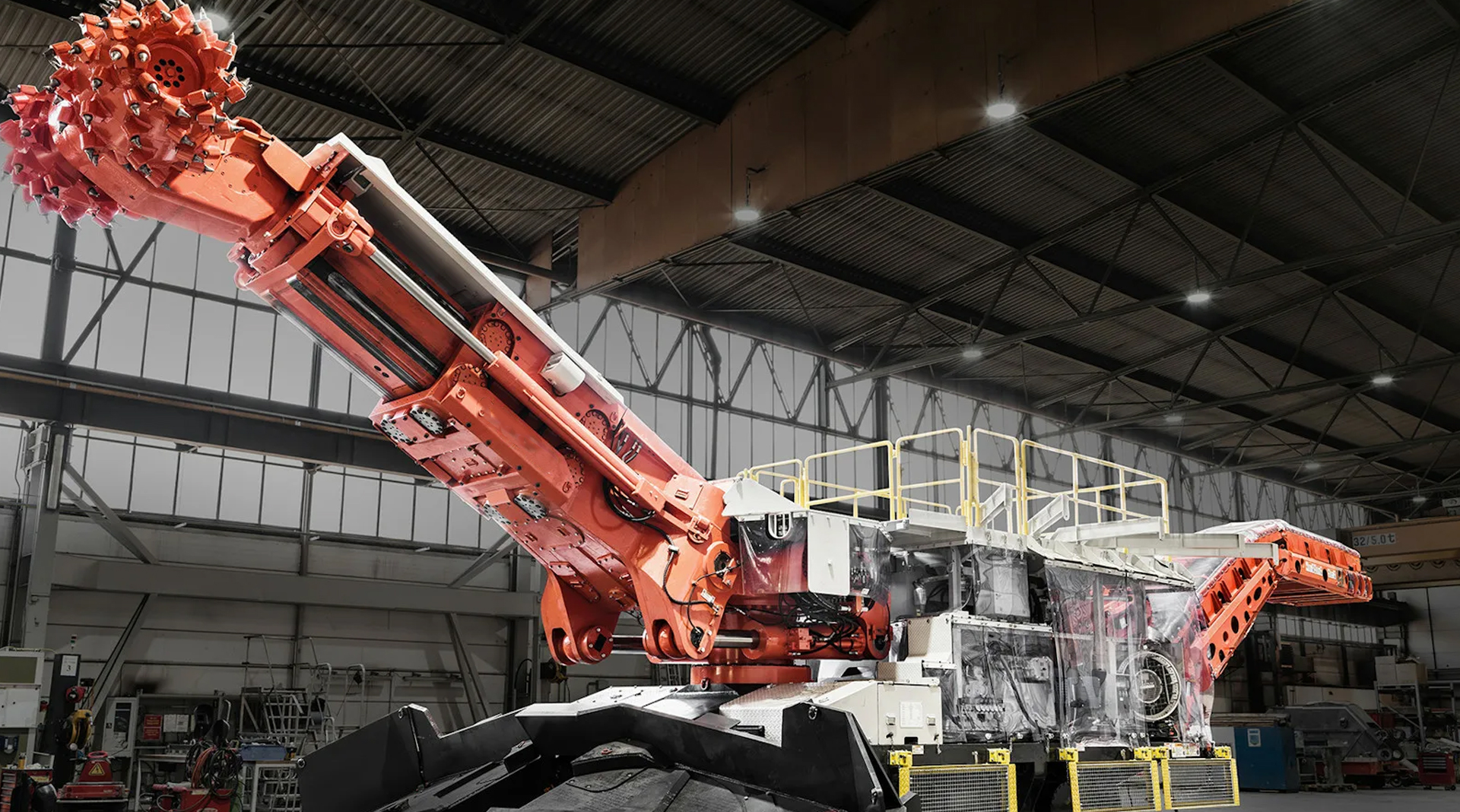
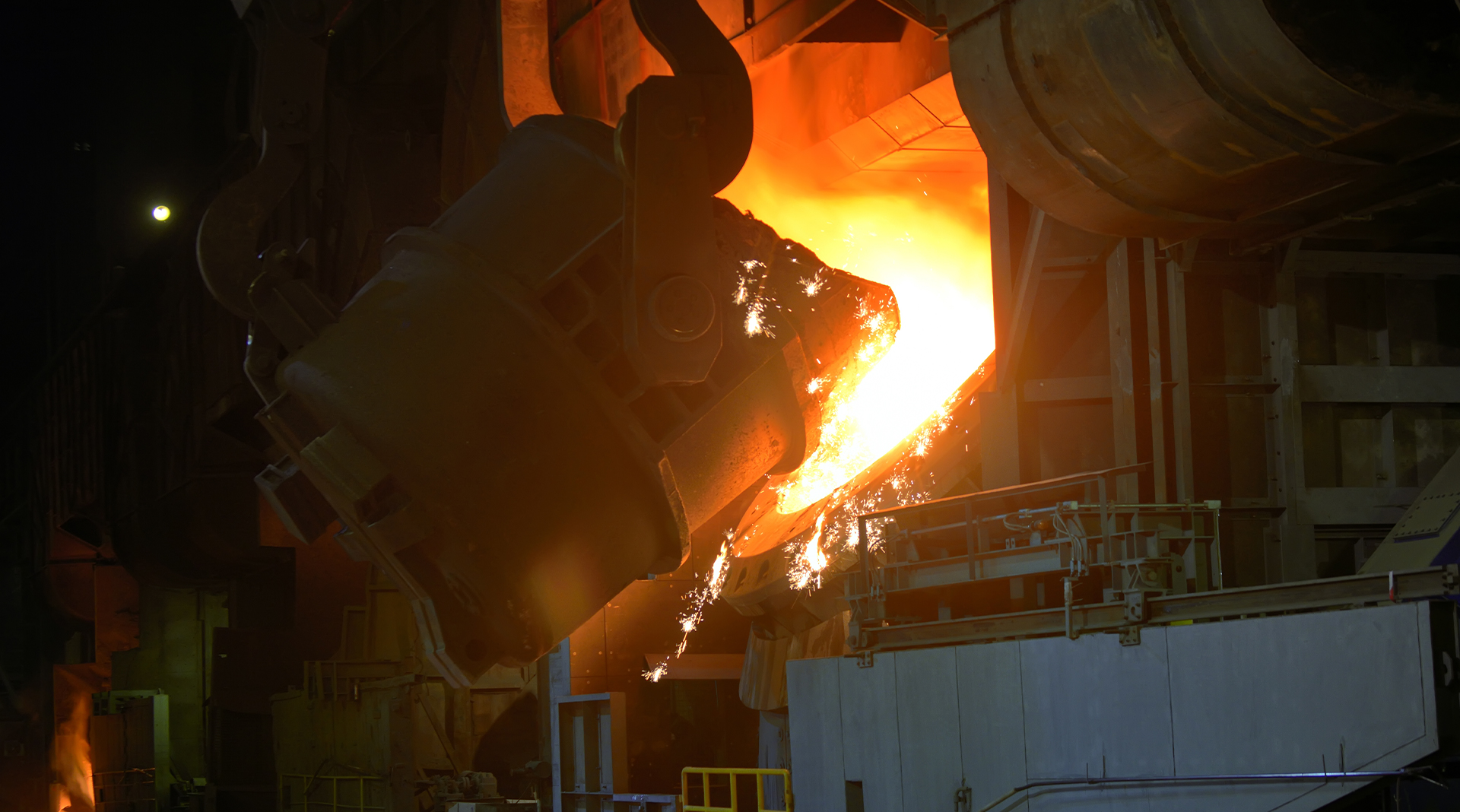
The specific properties of copper plates make them indispensable in heavy industry. For instance, in marine propulsion and sealing systems, the corrosion resistance of copper-nickel plates ensures longevity in saltwater environments. Similarly, in metallurgical machinery, the thermal conductivity of copper plates helps dissipate intense heat from furnaces and cooling beds. Companies like Yangzhou Yifeng Copper Products Co., Ltd. specialize in manufacturing these high-end alloy plates. Their products are integral to mining equipment, oil and gas rigs, and ship lock lifting systems, often serving Fortune 500 companies. This demonstrates that a copper plate is not just a raw material but a critical engineered component in global heavy industry.
Manufacturing and Quality Standards
The production of a high-quality copper plate involves precise metallurgical control. Modern manufacturers, such as the 30,000-square-meter facility operated by Yangzhou Yifeng, employ a team of technical experts to oversee the process. This often involves partnerships with research institutions—like the joint R&D base with Southwest Jiaotong University—to innovate in alloy composition and plate integrity. Key quality metrics include:
- Dimensional Tolerance: Precision in flatness and thickness, often controlled to within fractions of a millimeter.
- Mechanical Testing: Verification of tensile strength and yield point, especially for alloys used in load-bearing applications.
- Surface Finish: Ensuring the plate is free from defects like cracks, scales, or pits.
A Note on Global Supply
It is also crucial to source copper plates that meet specific international standards (like ASTM B152 for copper sheet, strip, and plate). This ensures compatibility with global engineering requirements, particularly for components used in offshore drilling platforms or export-oriented machinery.



 English
 日本語
日本語 русский
 Deutsch