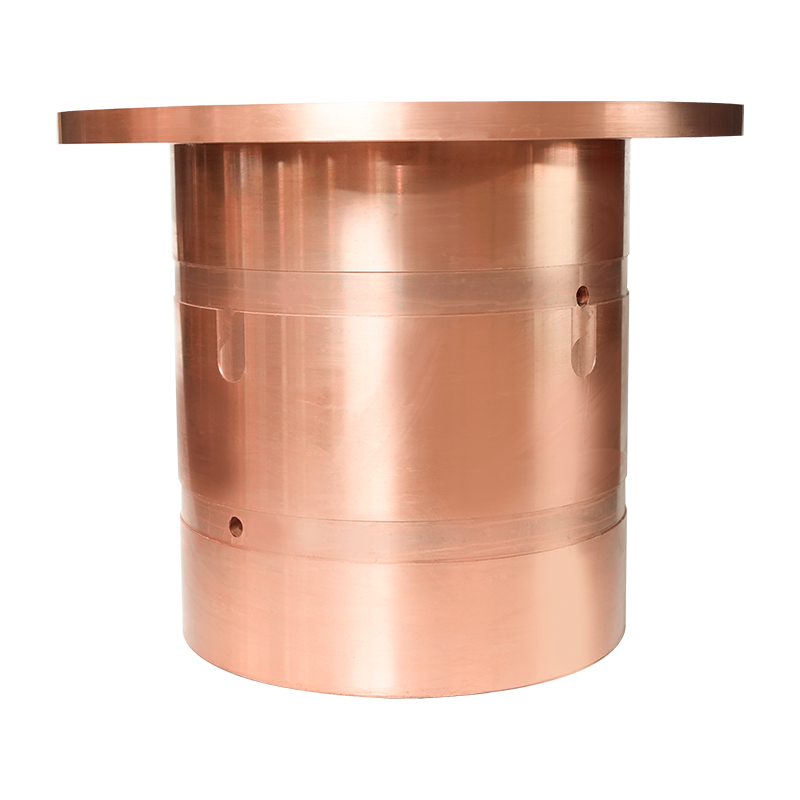
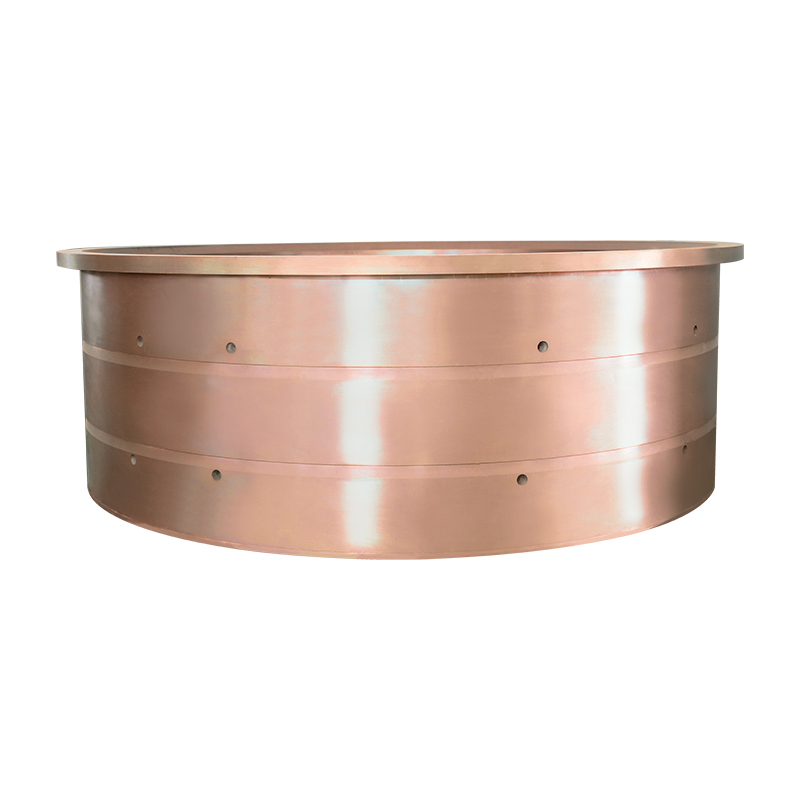
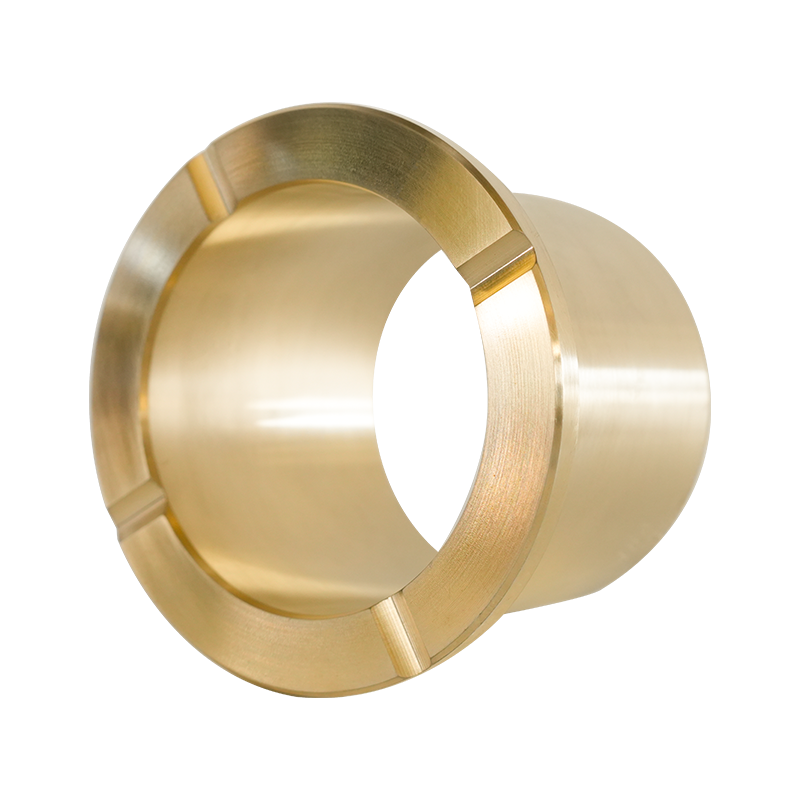
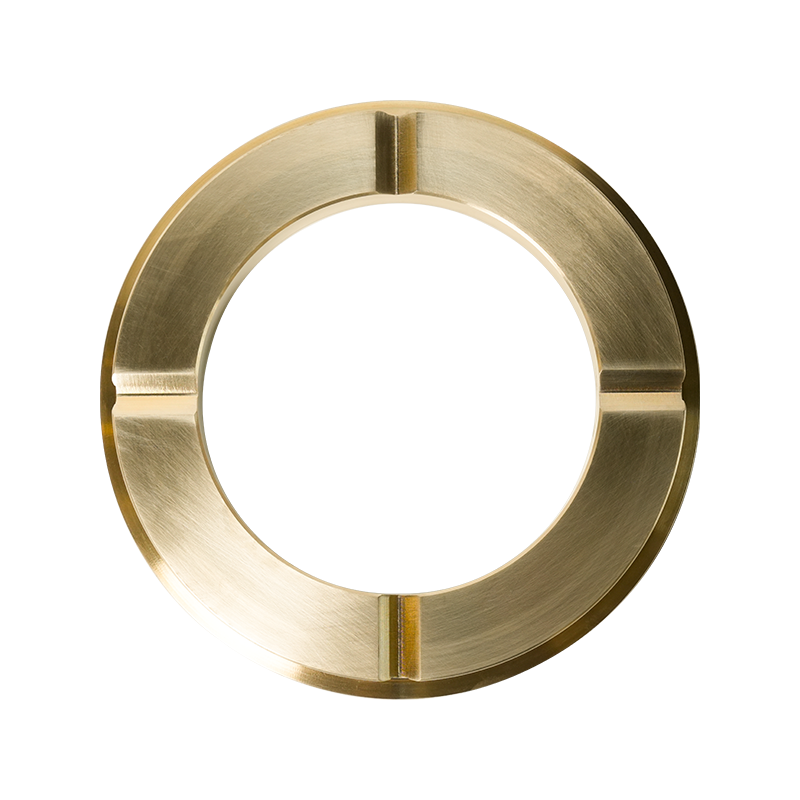
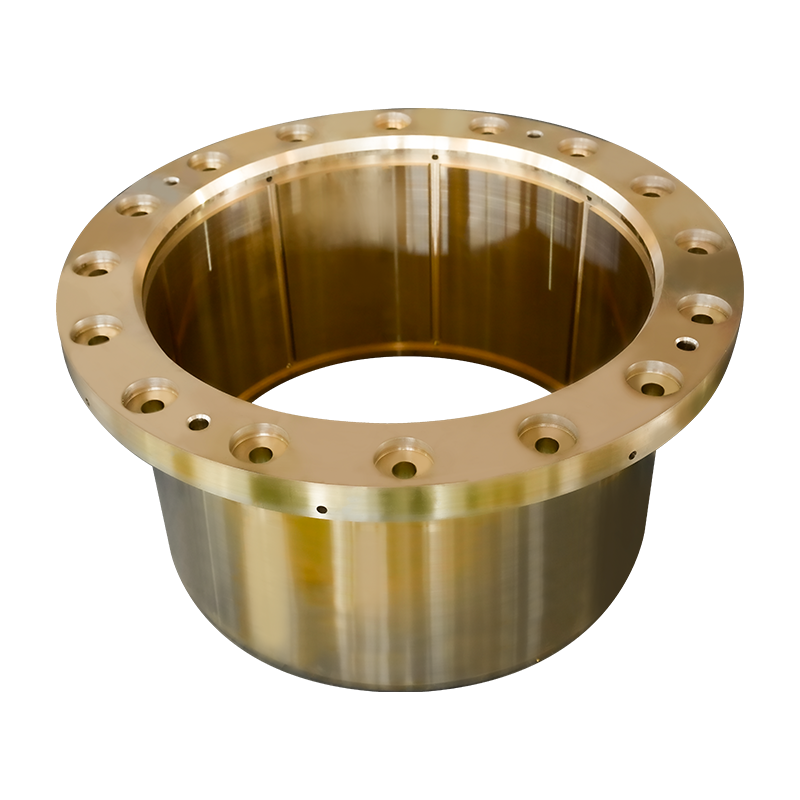
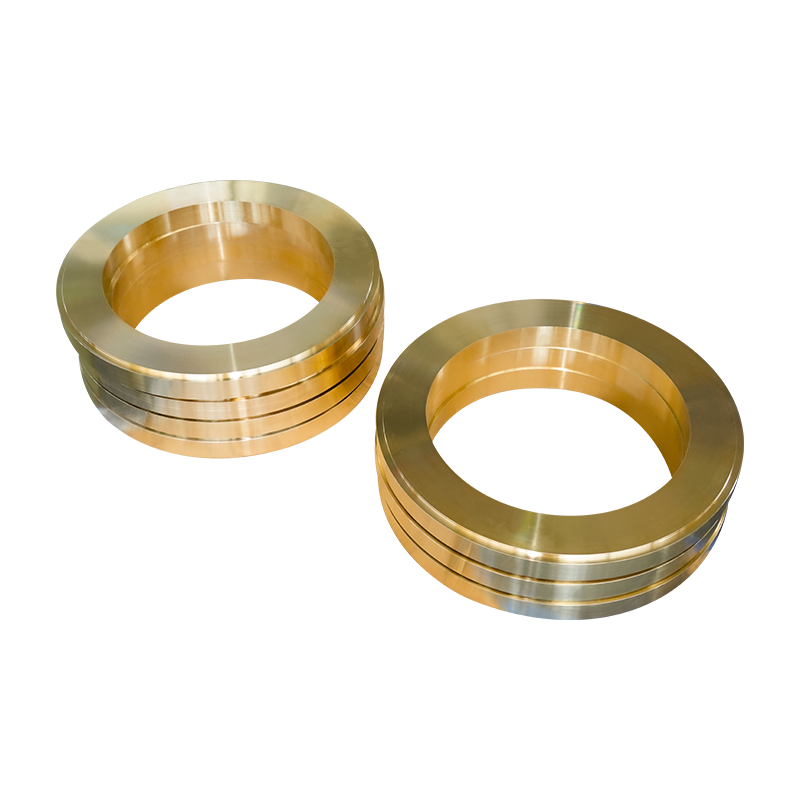
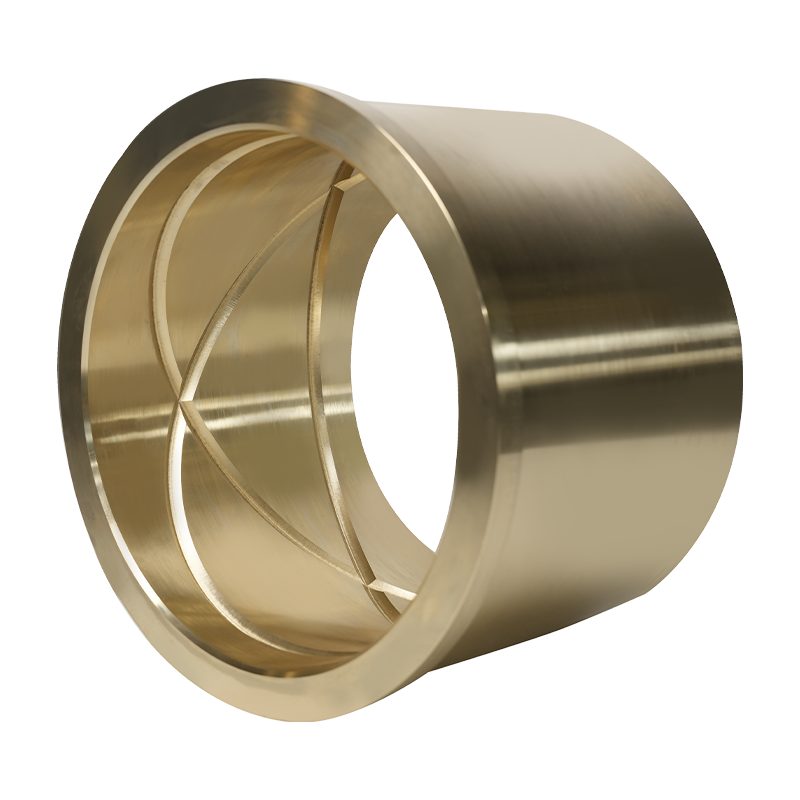
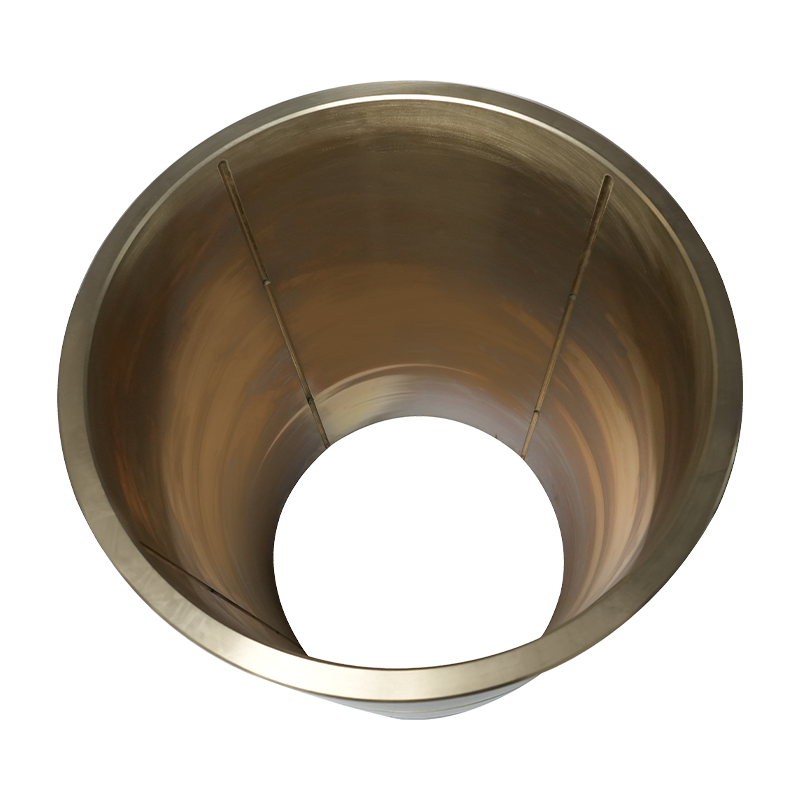
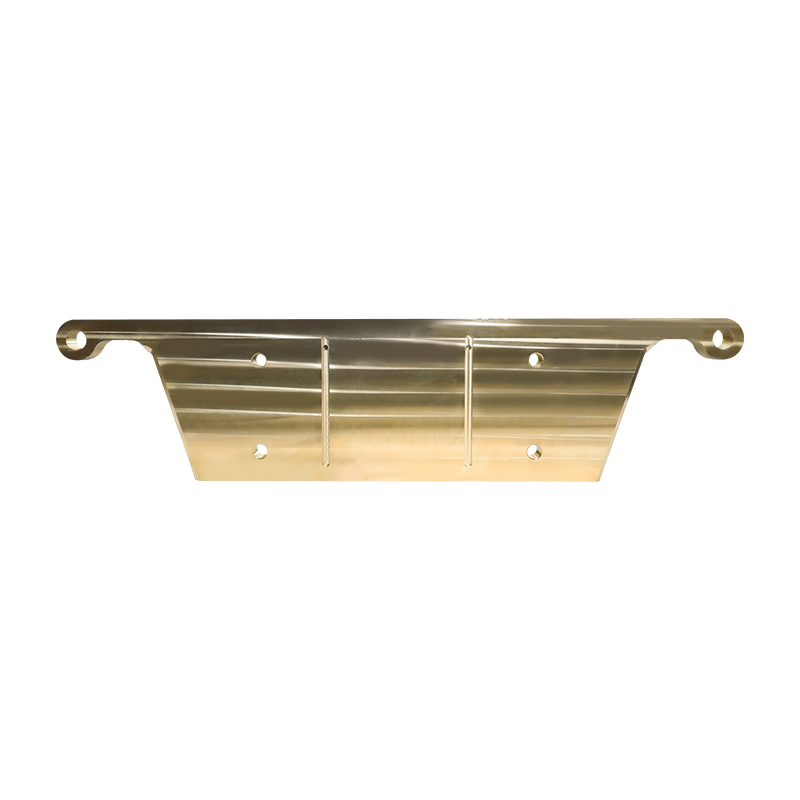
Conclusion: Choose a Copper Bush Based on Load, Speed, and Lubrication First
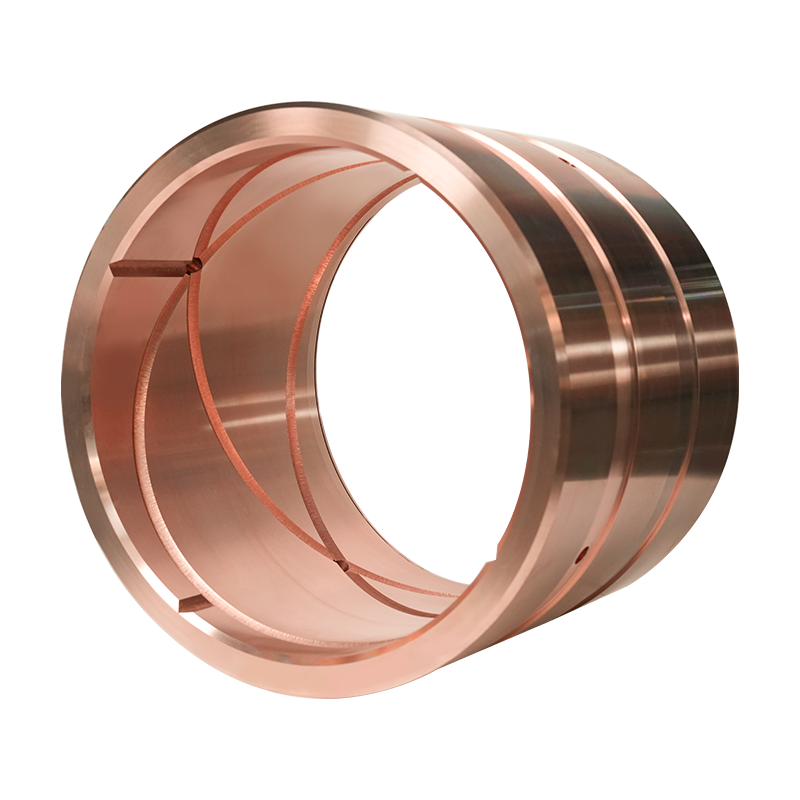
To select the correct copper bush, you must prioritize three measurable factors: maximum surface load (in N/mm²), sliding velocity (m/s), and operating temperature. For 90% of industrial applications, a C93200 (SAE 660) bronze bush offers the best balance of strength and embeddability. If your application is non-lubricated or water-lubricated, choose a C95400 aluminum bronze with a hardness of 170-240 HB. Always verify the PV value (Pressure × Velocity) does not exceed the material's limit—for standard phosphor bronze, this is typically 1.75 N/mm² × m/s.
1. Step-by-Step Method to Select the Right Copper Bush
Follow this practical four-step process used by maintenance engineers in heavy machinery and automotive sectors.
Step 1: Calculate the Required Load Capacity
Determine the specific load on the bush using: Load (N) / (Shaft Diameter (mm) × Bush Length (mm)). For example, a hydraulic cylinder pin with 12,000N force, 40mm shaft, and 50mm bush length gives 6 N/mm². Standard C93200 handles up to 35 N/mm² static and 20 N/mm² dynamic.
Step 2: Match Sliding Speed (m/s)
For rotational motion: V = (π × Shaft Diameter (m) × RPM) / 60. A 50mm shaft at 300 RPM gives 0.78 m/s. Copper bushes work best under 2.5 m/s for continuous operation. Above this, use graphite-plugged bronze or forced lubrication.
Step 3: Verify the PV Limit
Multiply Pressure (N/mm²) by Velocity (m/s). For the example above: 6 × 0.78 = 4.68. This exceeds the safe limit for unlubricated bronze (1.75) but is acceptable for oil-lubricated conditions (up to 6.0). Always consult the manufacturer's PV curve.
2. Common Copper Bush Alloys and Their Specific Uses
Different alloys serve different purposes. Using the wrong alloy is the #1 cause of premature bushing failure (31% of cases) according to a 2022 bearing failure analysis.
Table 1: Performance comparison of common copper bushing alloys
| Alloy (UNS) |
Hardness (HB) |
Max Load (N/mm²) |
Best Application |
| C93200 (SAE 660) |
65-80 |
35 |
General purpose, oil-lubricated |
| C95400 (Aluminum Bronze) |
170-240 |
80 |
High load, water or non-lube |
| C86300 (Manganese Bronze) |
225-285 |
100 |
Very heavy, slow-moving (construction) |
| C54400 (Phosphor Bronze) |
70-90 |
28 |
Precision instruments, corrosion resistance |
3. FAQ about Copper Bush: Performance, Failure, and Maintenance
These answers are based on field data from over 500 industrial maintenance reports.
Q1: What is the typical service life of a copper bush?
In properly lubricated machinery, a bronze bush lasts 15,000 to 40,000 operating hours. For example, in a centrifugal pump running at 1,450 RPM, expect 25,000+ hours before clearance exceeds 0.5mm.
Q2: Why does my copper bush fail within 500 hours?
The top three causes (responsible for 78% of early failures) are:
- Insufficient lubrication or wrong grease (use NLGI #2 with EP additives)
- Misalignment exceeding 0.05 mm per 100 mm of shaft length
- Operating temperature above 150°C (softens bronze)
Q3: Can a copper bush run without lubrication?
Yes, but only specific alloys. Standard C93200 requires lubrication. For dry running, use C95400 aluminum bronze or sintered bronze with graphite plugs (15-20% graphite volume). Maximum dry PV for these is 1.0 N/mm² × m/s – do not exceed.
4. Critical Dimensions and Tolerances for Correct Fitting
An incorrect press-fit is responsible for 22% of copper bush failures. Use these ISO guidelines:
- Housing bore: H7 tolerance (e.g., 50H7 = +0.025mm / 0mm)
- Bush outer diameter: u6 or r6 for press-fit (e.g., 50u6 = +0.087mm / +0.065mm)
- Interference: 0.0005 to 0.0015 mm per mm of diameter. For a 50mm bush, interference = 0.025 to 0.075mm.
- Shaft clearance after fitting: 0.0005 × shaft diameter minimum. A 50mm shaft needs at least 0.025mm radial clearance.
Always measure the bush ID after pressing it into the housing – it will shrink by approximately 70-80% of the interference amount.
5. When to Replace vs. Recondition a Copper Bush
A cost-saving rule used in heavy industry: replace if the diametral clearance exceeds 1.5% of the shaft diameter or if any crack or score depth >0.3mm is present. For a 100mm shaft, replace when clearance >1.5mm. Reconditioning (re-boring + undersized shaft) is only economical when the bush costs over $500 and the housing is undamaged.
As a final recommendation: Always keep a spare copper bush for critical equipment. Unexpected downtime costs an average of $2,300 per hour in manufacturing – a bronze bush is a low-cost insurance.



 English
 日本語
日本語 русский
 Deutsch