


 English
 日本語
日本語 русский
 Deutsch
Tin Bronze Bushing For Mining Equipment uses high-purity copper as the base material, and ...
Home / News / Industry News / What Is a Sleeve Bearing? A Practical Guide to Materials and Selection

Ship Propulsion And Sealing Device
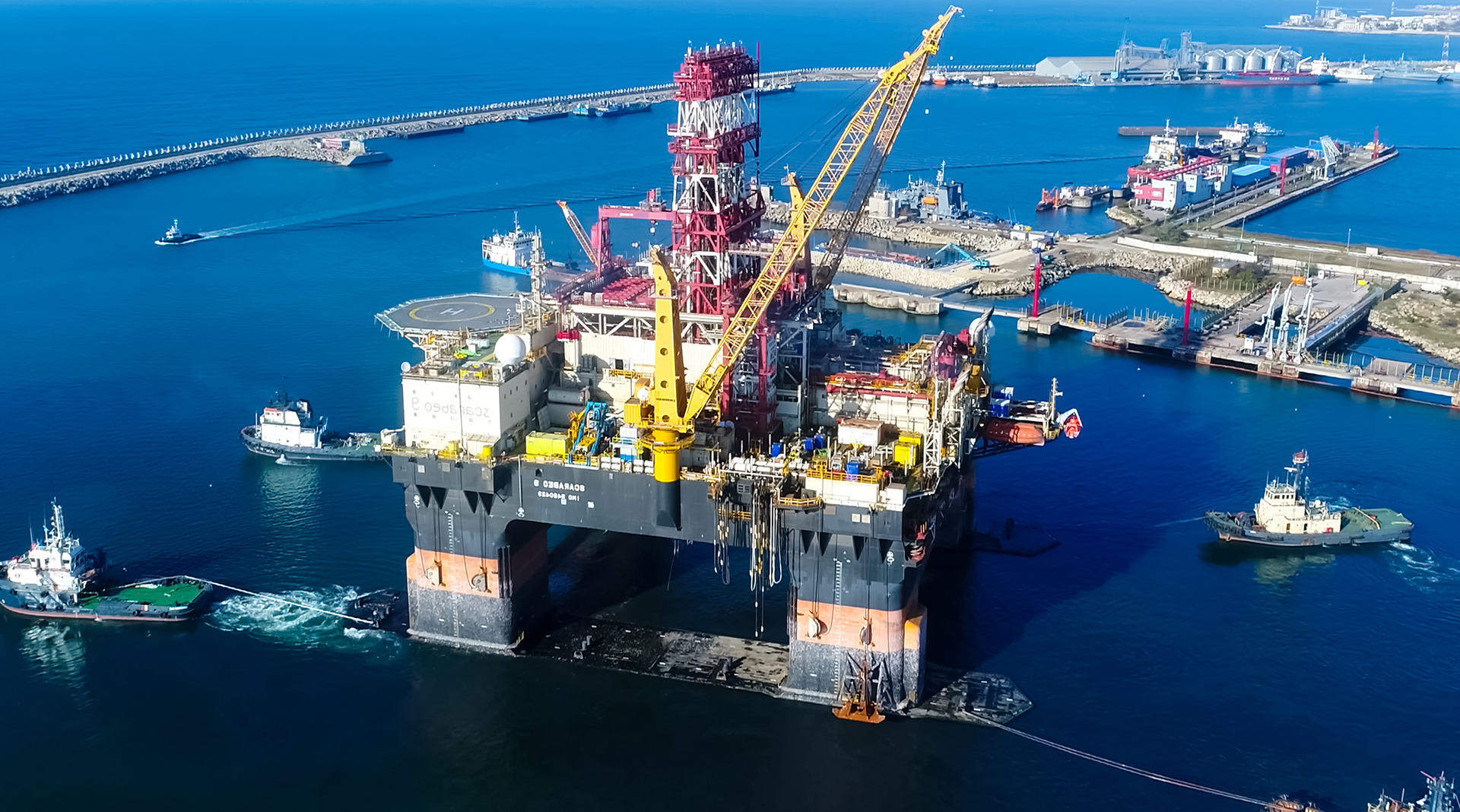
Ocean drilling and ship lock lifting equipment
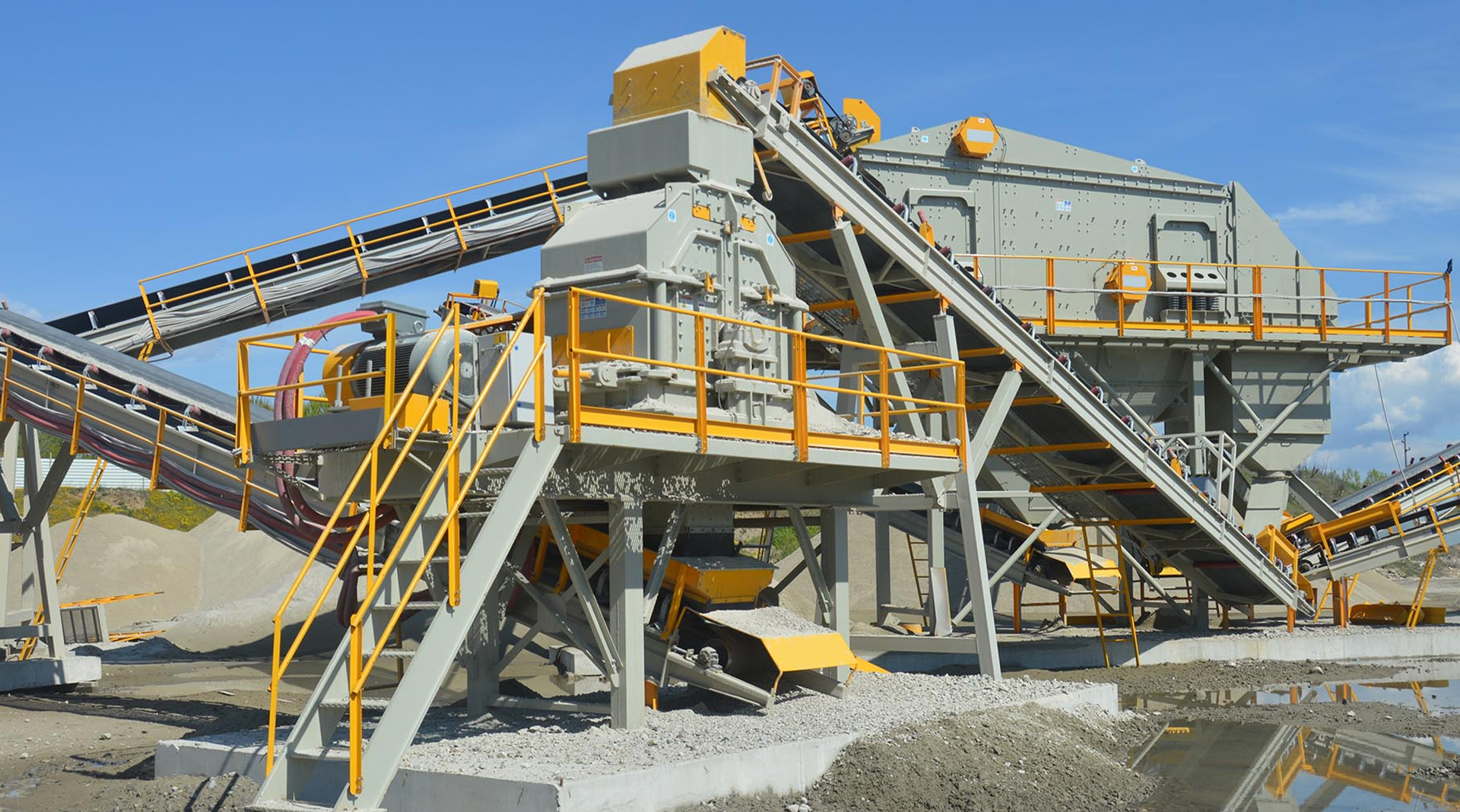
Mining equipment
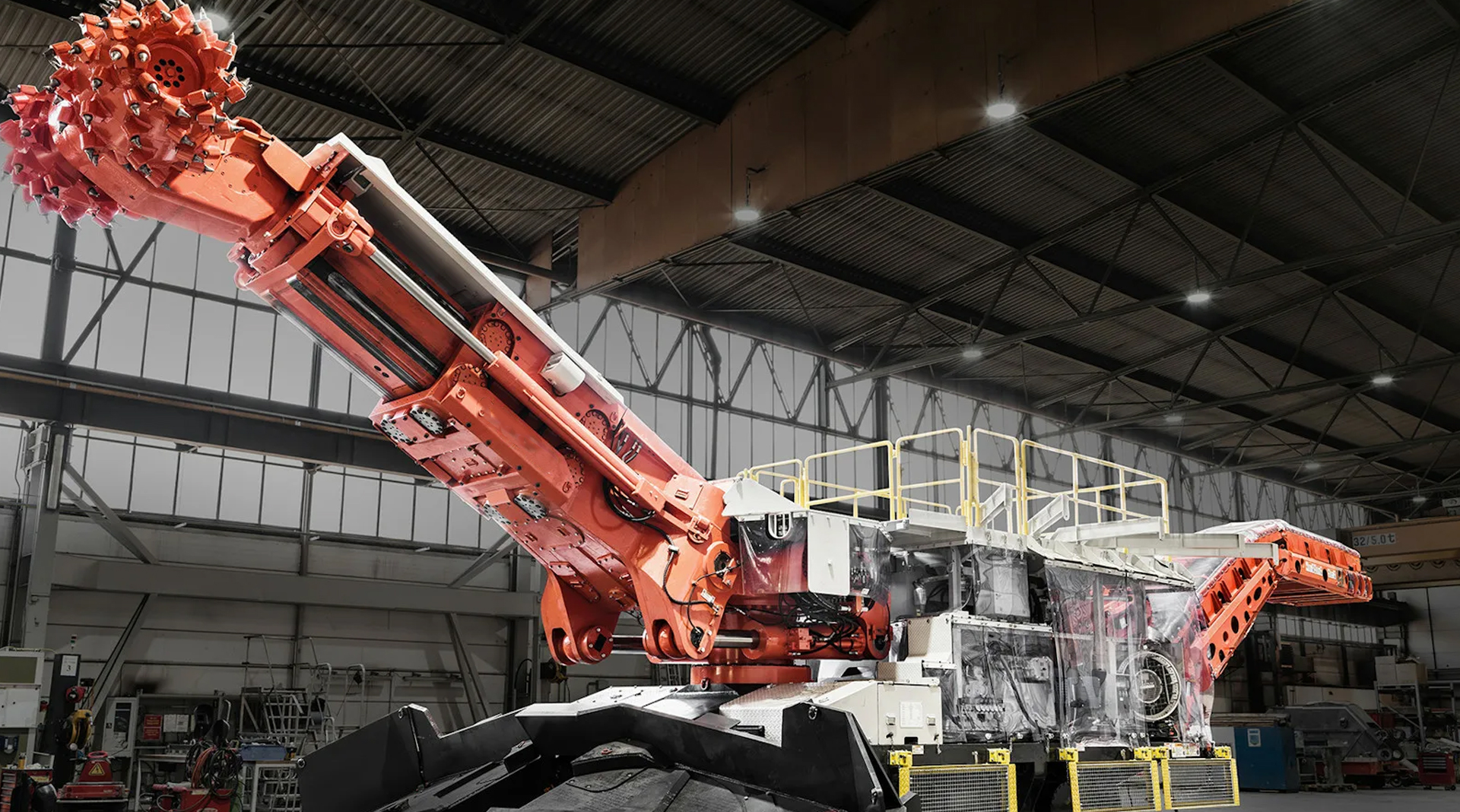
Construction machinery
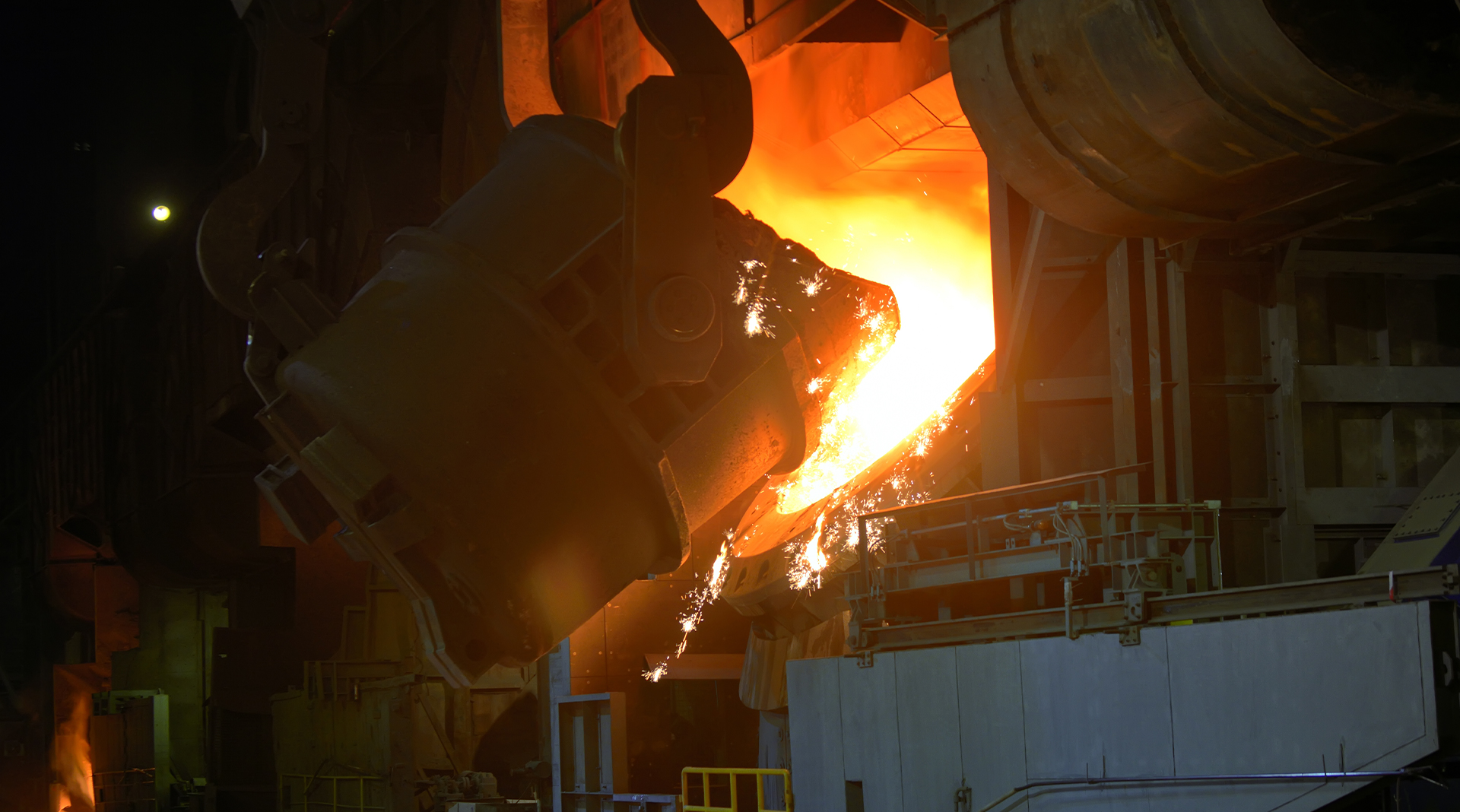
Oil and gas, metallurgical equipment
Content
A conveyor drive motor runs quietly for three years, then starts to rumble at low speed and hum at high speed. The maintenance crew pulls the end bell, and inside sits a bronze cylinder the size of a coffee cup with a scored bore and a film of black varnish. That cylinder is a sleeve bearing, and its failure explains almost everything about how the whole family behaves.
A sleeve bearing, also called a plain bearing, bushing, or journal bearing, is a one-piece cylindrical liner that carries a shaft on a film of oil, grease, or solid lubricant instead of on rolling elements. There is no cage, no rolling ball, and nothing that rotates except the shaft itself.
The short answer to what a sleeve bearing is comes down to three variables: clearance, lubricant film, and material. When those three are matched to the load and the speed, a copper alloy sleeve bearing can outlast a ball bearing several times over. When one of them is wrong, the same bearing can seize inside a single shift.
A sleeve bearing works by geometry rather than by rolling contact. The bore is machined a few hundredths of a millimetre larger than the shaft, which creates a converging gap in the direction of rotation. As the shaft turns, oil is dragged into that narrowing wedge, pressure builds, and the journal lifts off the metal. The shaft then rides on an oil film that is often only 5 to 25 microns thick.
At standstill and at very low speed, no film can form, so the load is carried by boundary additives in the grease or by the bearing material itself. This is why start-stop duty is far harder on a sleeve bearing than continuous running is.
Film thickness must stay larger than the combined surface roughness of the two parts plus the largest particle circulating in the oil. A 10 micron grit particle is bigger than many oil films, which is why filtration matters as much as alloy selection. Temperature closes the loop: hot oil is thin oil, and a thin film carries less load at the same speed.
Solid bushings are pressed or shrunk into a housing and replaced once the bore wears past tolerance. Split bushings exist for shafts that cannot be removed, such as crankshafts and long line shafts on older equipment.
A flange carries axial load as well as radial load. Kingpin, rudder, and hinge applications use flanged bushings because the assembly must also resist vertical movement without adding a separate thrust washer.
Graphite-plugged bronze, oil-impregnated sintered bronze, and PTFE-lined steel shells work where re-greasing is impractical: remote conveyors, subsea fixtures, and washdown areas in food plants. They trade peak load capacity for a maintenance interval measured in years rather than weeks. In dusty plants where lubrication points are frequently missed, an aluminum bronze or brass self-lubricating bushing is often the cheaper answer over five years of service.
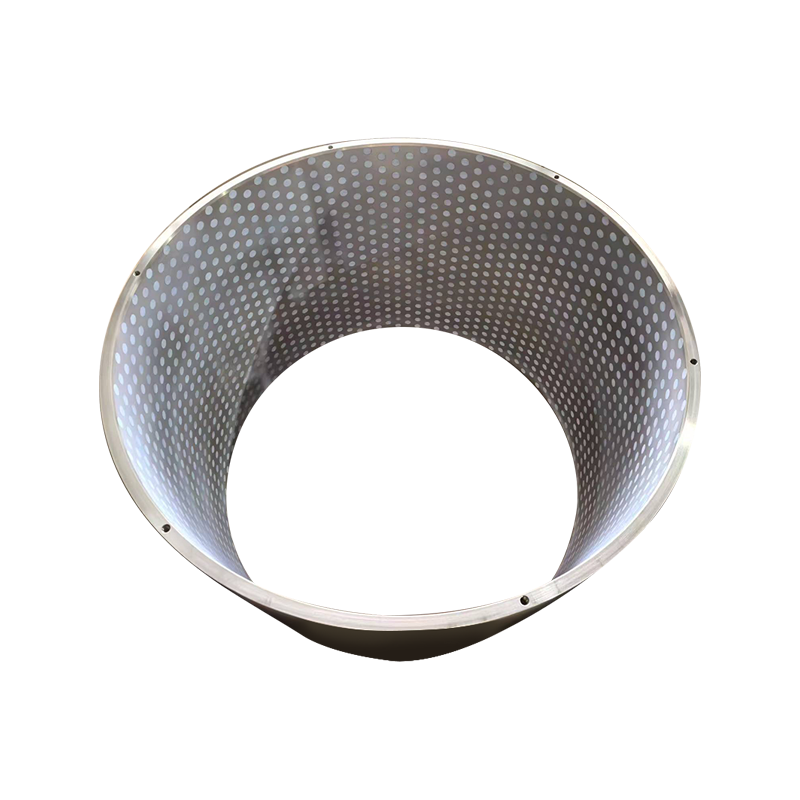 Self-Lubricating Brass Bushings For Engineering MachinerySelf-Lubricating Brass Bushings For Engineering Machinery is made of high-quality high-strength brass material, combined with embedded solid lubrication technology, it...View Product →
Thin babbitt layers bonded to a steel or bronze backing dominate engine main bearings and turbine journals, where conformability and embeddability matter more than raw strength.
Copper alloys dominate industrial sleeve bearings because they pull heat away from the film, embed hard particles instead of scoring the shaft, and hold a hydrodynamic film at moderate load.
| Material | Composition | Strength and wear | Lubrication | Typical service | Limitations |
|---|---|---|---|---|---|
| Tin bronze | Cu-Sn with lead and zinc | Moderate strength, excellent conformability and particle embedment | Oil or grease film required | Pump bearings, winch drums, anchor windlass, steering gear | Softens above roughly 250 degrees Celsius; poor dry running |
| Aluminum bronze | Cu-Al with iron and nickel | High strength and load capacity, strong corrosion and cavitation resistance | Oil, grease, or graphite plugs | Marine propulsion, hydraulic cylinders, rudder systems, crusher pins | Harder to machine; needs a hardened shaft surface |
| Brass | Cu-Zn, often leaded | Moderate strength, outstanding machinability | Oil, grease, or self-lubricating grades | Stern tube seals, light-duty pumps, valve stems | Lower wear resistance under heavy load; dezincification risk in seawater |
| Sintered bronze | Porous Cu-Sn, oil impregnated | Low to moderate | Oil stored inside the pores | Small motors, fans, appliances | Not for shock or heavy load; cannot be re-machined |
| Babbitt | Tin or lead based white metal | Very low strength, best conformability | Pressure-fed oil | Turbine journals, engine main bearings | Fatigue cracking under high load or heat |
| PTFE-lined steel | Steel shell with bronze and PTFE layer | Moderate, runs dry | None | Packaging, food equipment, light controls | Poor heat removal; low load and speed ceiling |
If the duty involves seawater, abrasive dust, or a load that reverses direction, aluminum bronze is usually the safer starting point. If the shaft is soft and the load is modest, tin bronze will embed contamination and forgive small alignment errors that a harder alloy would not.
The choice is rarely about quality. It is about noise, space, lubrication access, and how the part is expected to fail.
| Characteristic | Sleeve bearing | Rolling-element bearing |
|---|---|---|
| Starting friction | Higher, since contact is metal on metal until the film forms | Low and nearly constant |
| Noise and vibration | Quiet; the oil film damps vibration | Audible above a few thousand rpm |
| Radial space | Thin, often one wall thickness | Taller; needs shoulders and seals |
| Shock load | Spreads load across the film | Brinelling and race damage |
| Lubrication | Continuous oil feed or a self-lubricating liner | Sealed grease for life |
| Failure pattern | Gradual wear with measurable clearance growth | Sudden spalling or seizure |
| Large diameters | Cheaper and easy to split | Expensive and heavy |
Most failures are not material failures. They are lubrication, fit, or contamination problems that the alloy cannot compensate for.
In a mine where a crusher pin is greased weekly at best, an aluminum bronze self-lubricating bushing removes the lubrication step entirely and keeps the joint running until the next planned shutdown.
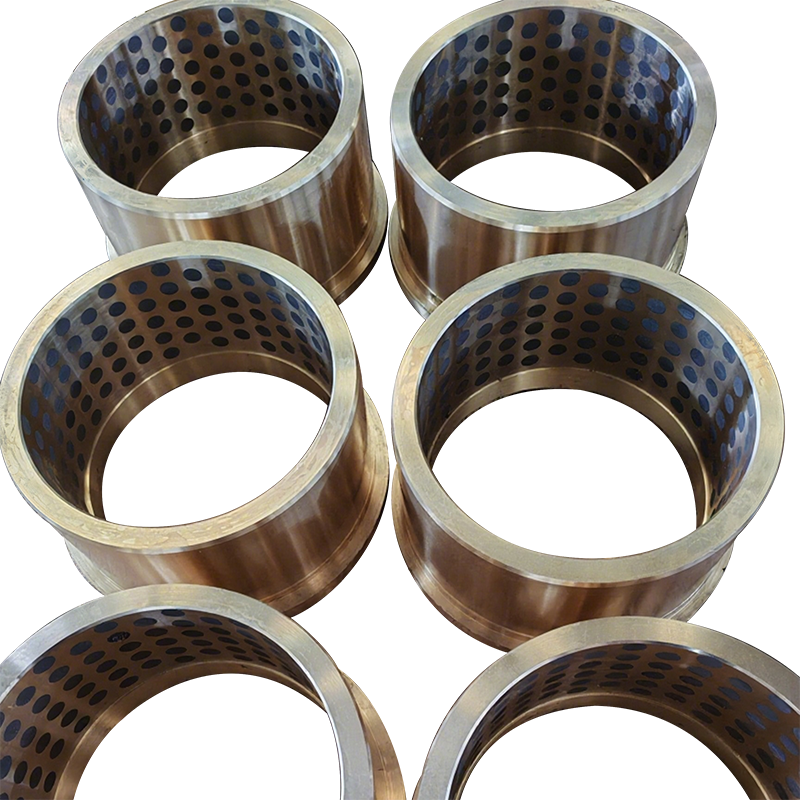 Aluminum Bronze Self-Lubricating Bushings For Mining EquipmentAluminum Bronze Self-Lubricating Bushings For Mining Equipment is a nickel-aluminum bronze self-lubricating bushing developed specifically for working conditions in mi...View Product →
Ship propulsion and steering systems are the classic case. A rudder stock, a hydraulic cylinder, an anchor windlass, and a stern tube seal all run at different loads, different speeds, and different corrosion exposure, yet each one asks for a copper alloy bushing sized to its own duty.
Mining and metallurgical equipment follow the same logic under harder conditions: high shock loads, abrasive dust, and long intervals between maintenance stops. Engineering machinery, wind power gearboxes, and gear hobbing machines use copper alloy worm gears and bushings where sliding contact and damping matter more than rolling efficiency.
The tin bronze bushing below is a typical example of material chosen for one specific duty rather than a general-purpose grade.
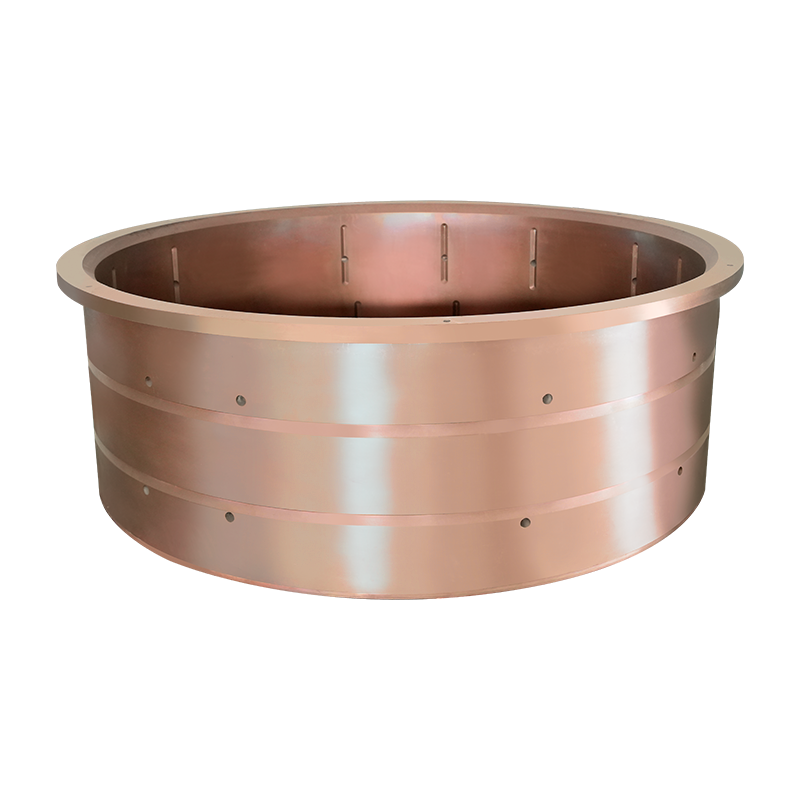 Tin Bronze Bushing For ship Propulsion SystemsTin Bronze Bushing For Ship Propulsion Systems is a high-performance wear-resistant component designed for key parts such as ship propulsion shafting, rudder systems, ...View Product →
Two suppliers can quote the same alloy name and deliver very different parts. Three details separate a bushing that runs for years from one that fails in months.
Yangzhou Yifeng Copper Products has cast and machined copper alloy components since 2005, including tin bronze, aluminum bronze, and brass bushings, self-lubricating bearings, marine sealing rings, and worm gears. The company profile describes a 30,000 square metre plant, more than 80 employees, and a research partnership with a university, which is the kind of background worth checking when a bushing sits inside an unrepairable assembly.
Strip the topic back to its essentials and a sleeve bearing is a controlled gap filled with a controlled film. Everything else, the alloy, the groove, the tolerance, the finish, exists to protect that gap.
If you are specifying one, start with the load and the lubrication route, then choose the alloy. If you are troubleshooting one, measure the installed clearance and look at the oil before you blame the material. For drawings, duty data, or a second opinion on a failed part, the engineering team can be reached through the contact page.
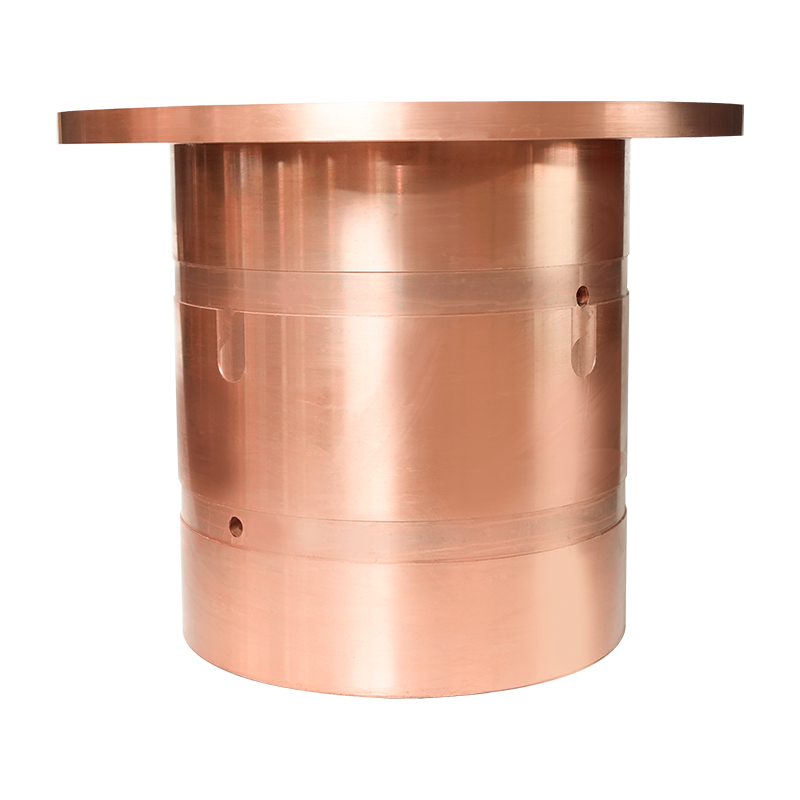
Tin Bronze Bushing For Mining Equipment uses high-purity copper as the base material, and ...
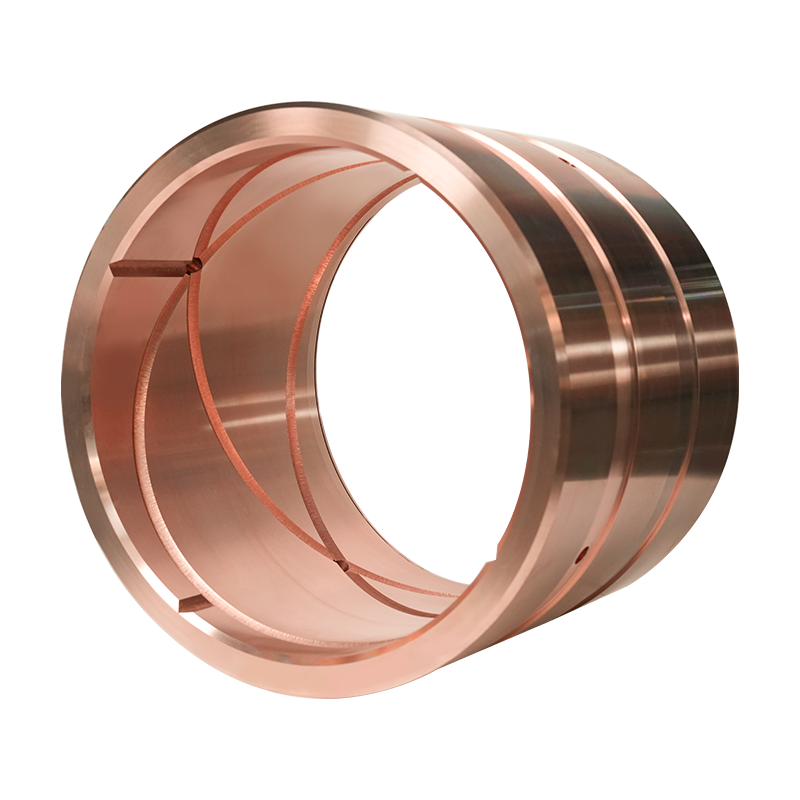
Tin Bronze Bushing For Engineering Machinery is made of high-quality high-purity copper su...
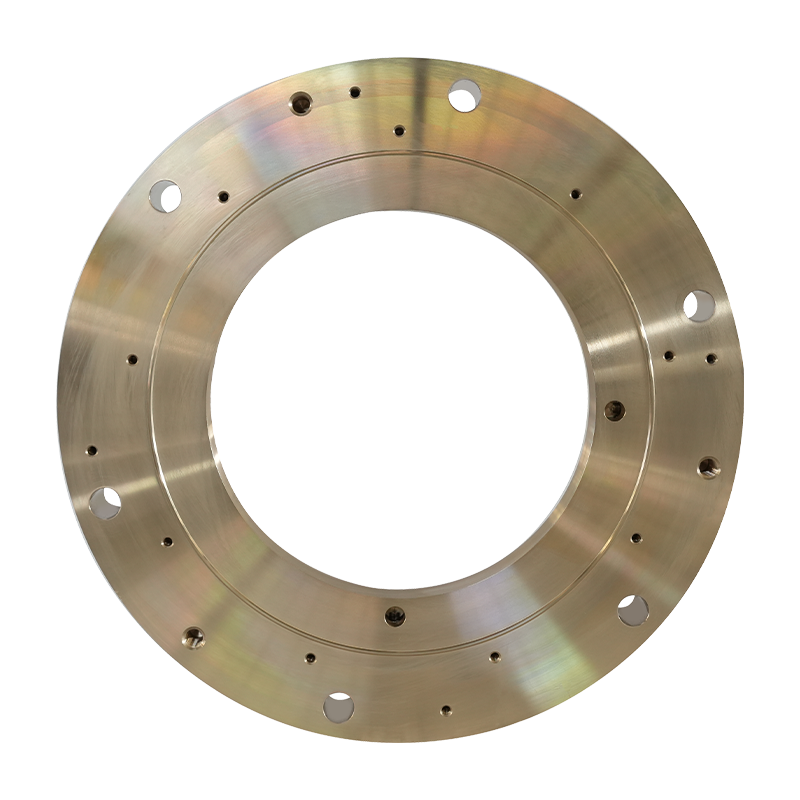
Marine Copper Alloy Sealing Ring Marine Sealing Ring is a key sealing component in the shi...
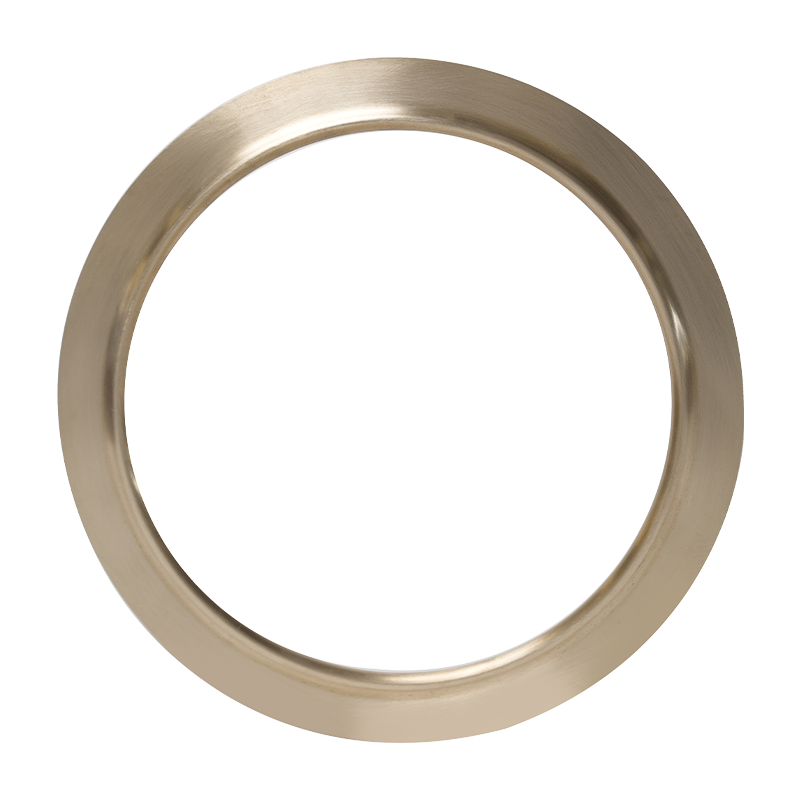
Propulsion Device Seal Marine Copper Alloy Sealing Ring is made of high-quality copper all...
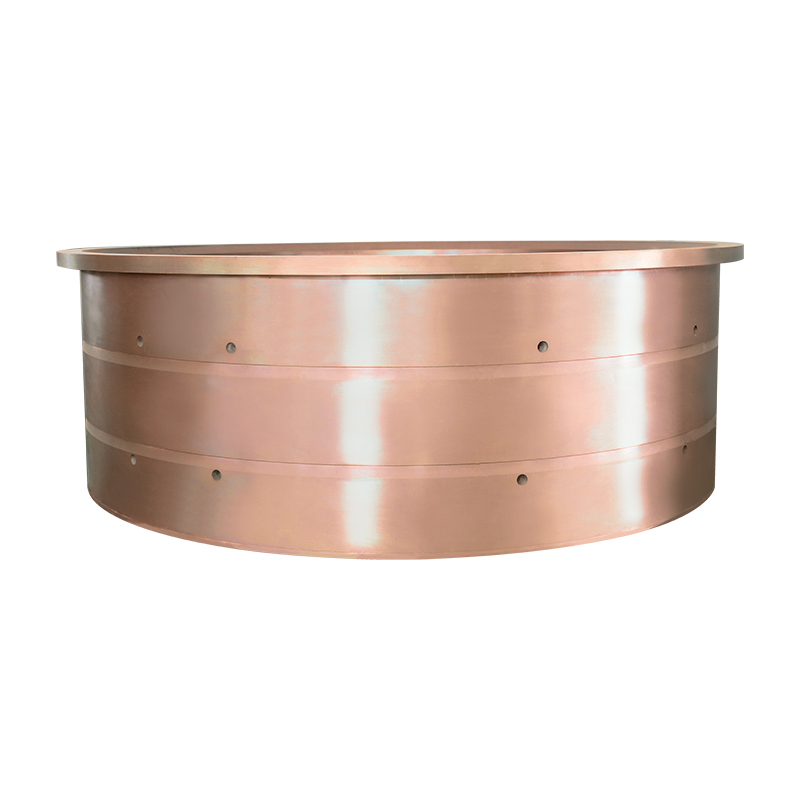
Anchor Winch Bearing And Tin Bronze Bushing is designed for heavy-load, high-speed, and hi...
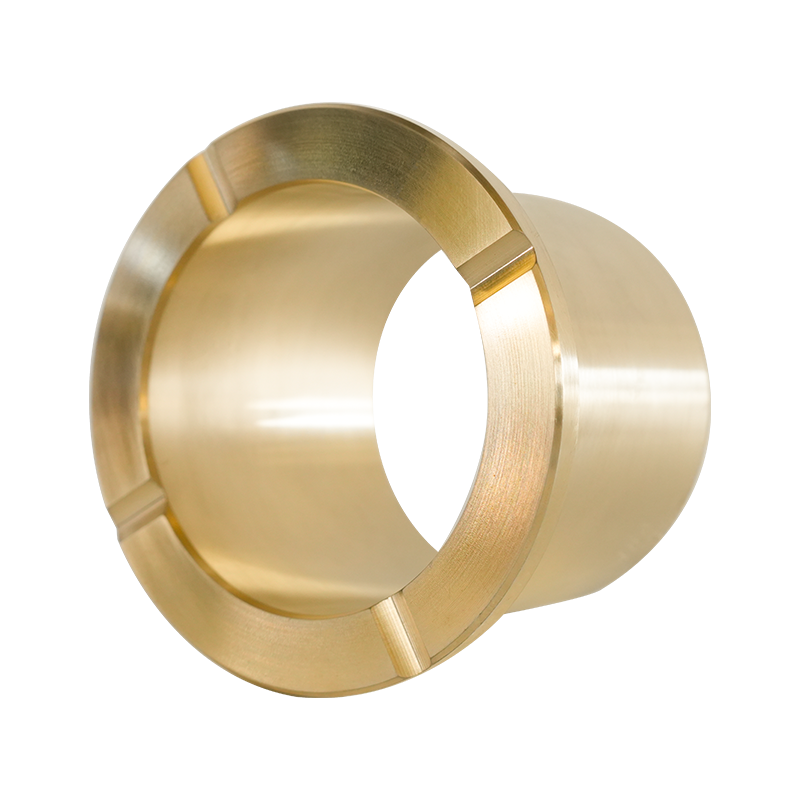
Mining Equipment Brass Bushing is specially designed for high-load and high-wear condition...
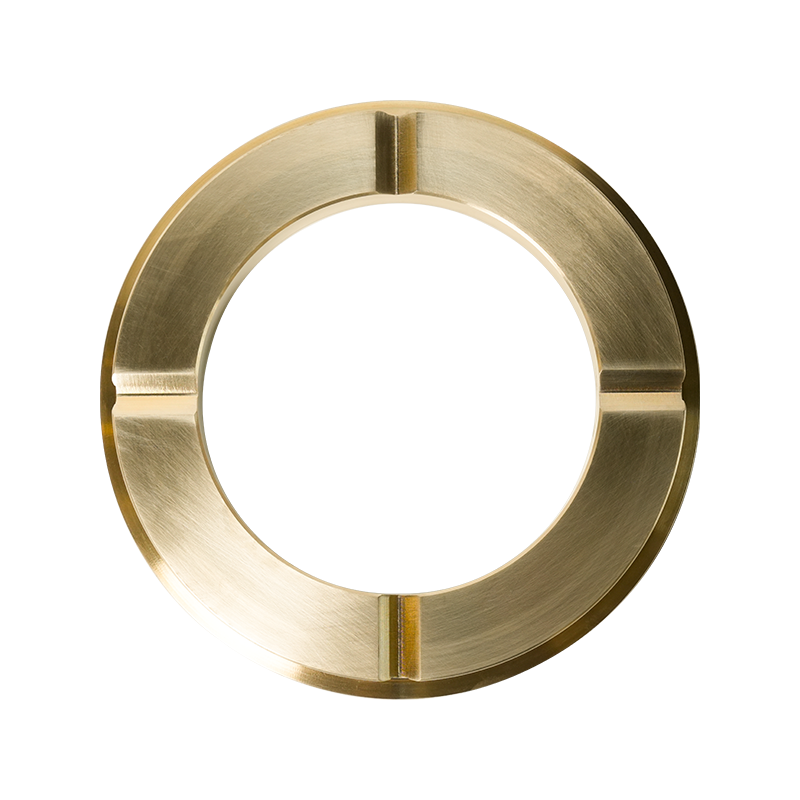
Engineering Machinery Brass Bushing is specially designed for high-load and high-wear work...
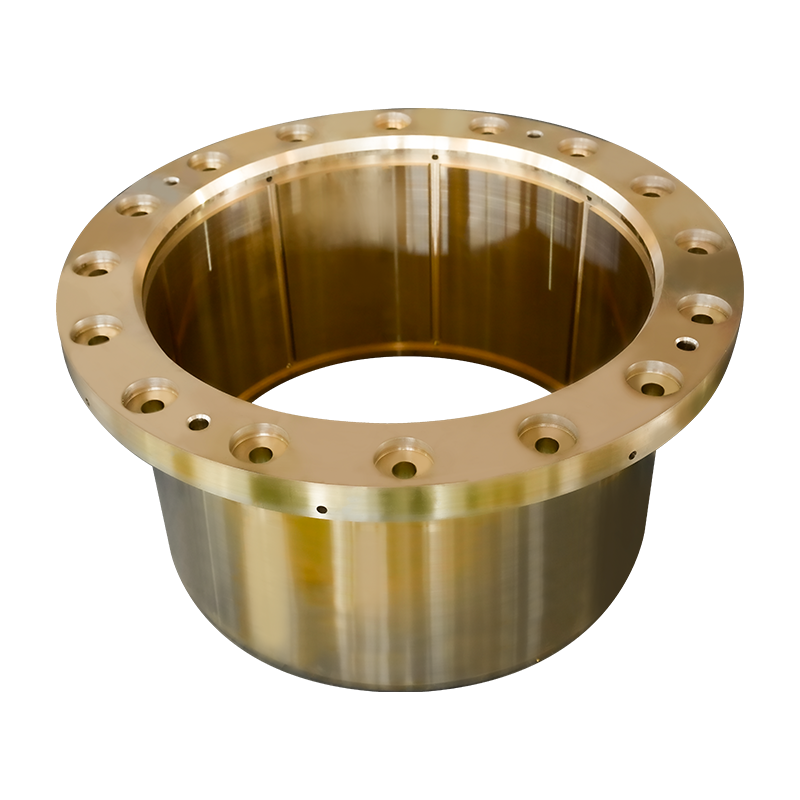
Metallurgical Equipment Brass Bushing is a high-performance brass bushing designed for wor...
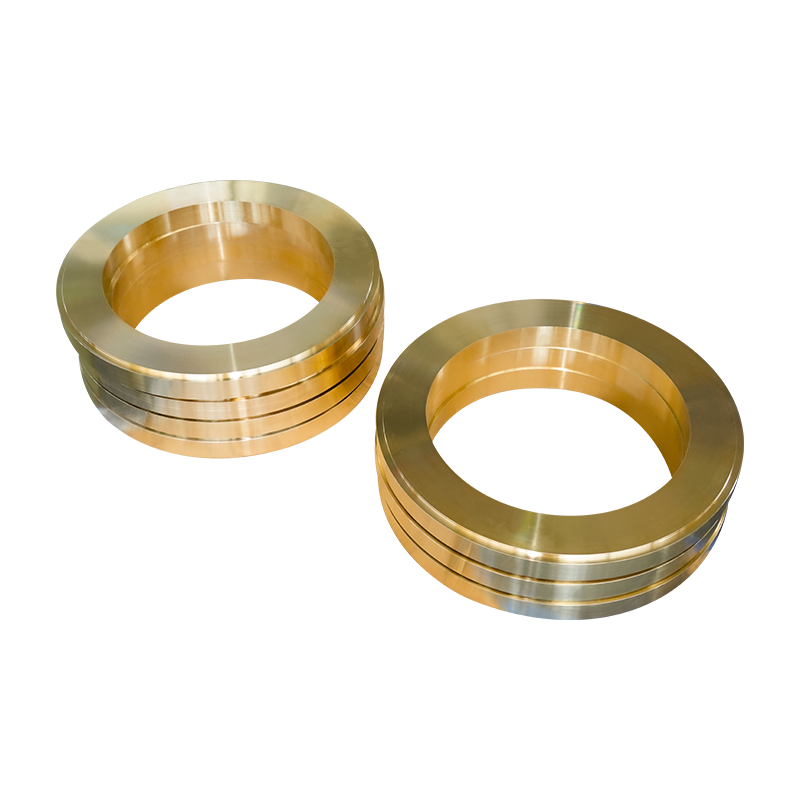
Stern Shaft Sealing Device Brass Bushing is a high-performance brass wear-resistant copper...
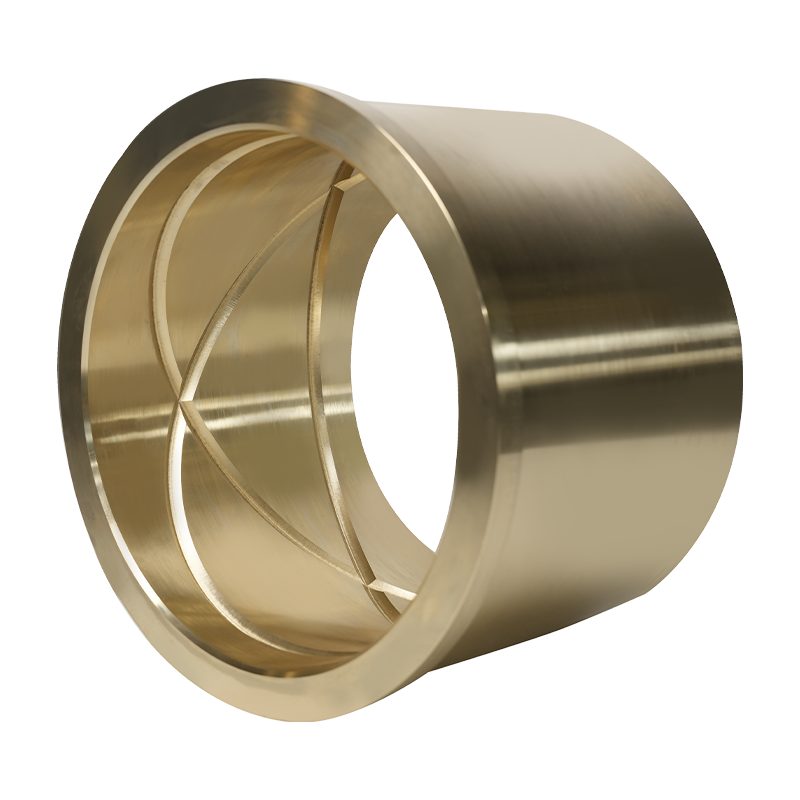
Aluminum Bronze Bushing For Rudder Transmission System is tailor-made for the Rudder trans...
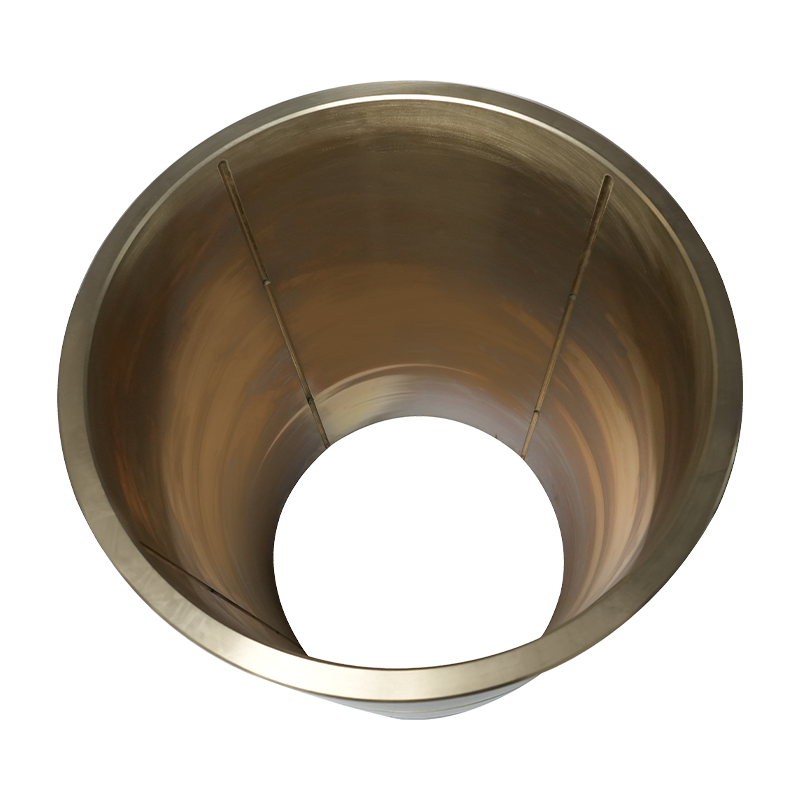
Aluminum Bronze Bushing For Ship Hydraulic Cylinders And Rudder Angle Feedback product is ...
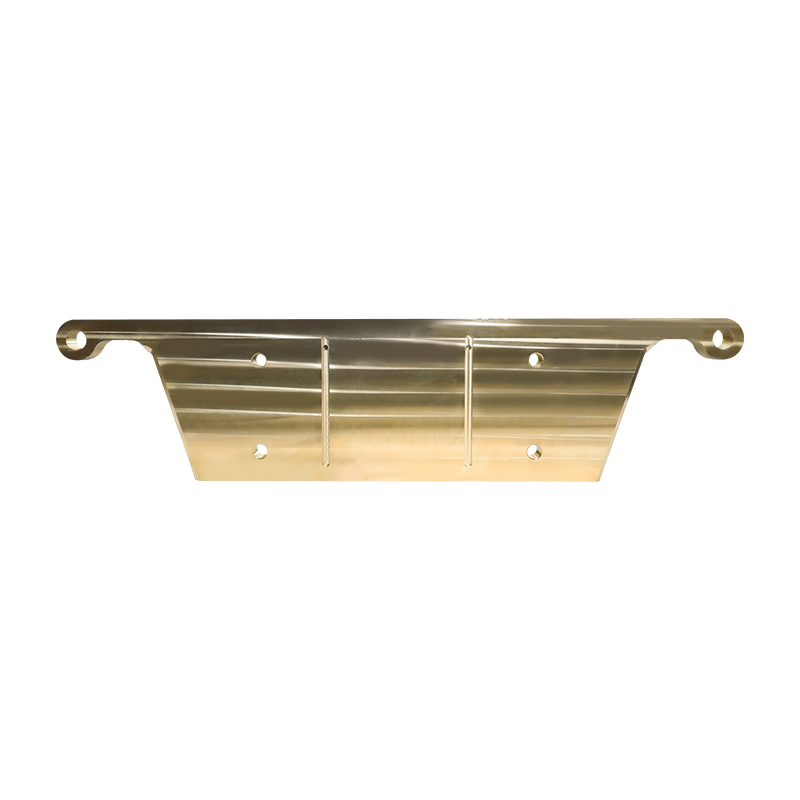
Mining Equipment Brass Plate is made of high-quality high-strength brass material, with we...
Copyright © YangZhou YiFeng Copper Products Co.,Ltd. All Rights Reserved
China copper casting manufacturers wholesale copper casting factory