


 English
 日本語
日本語 русский
 Deutsch
Tin Bronze Bushing For Mining Equipment uses high-purity copper as the base material, and ...
Home / News / Industry News / Bronze Flange Bearings: Alloy Selection, Tolerances and Installation Guide

Ship Propulsion And Sealing Device
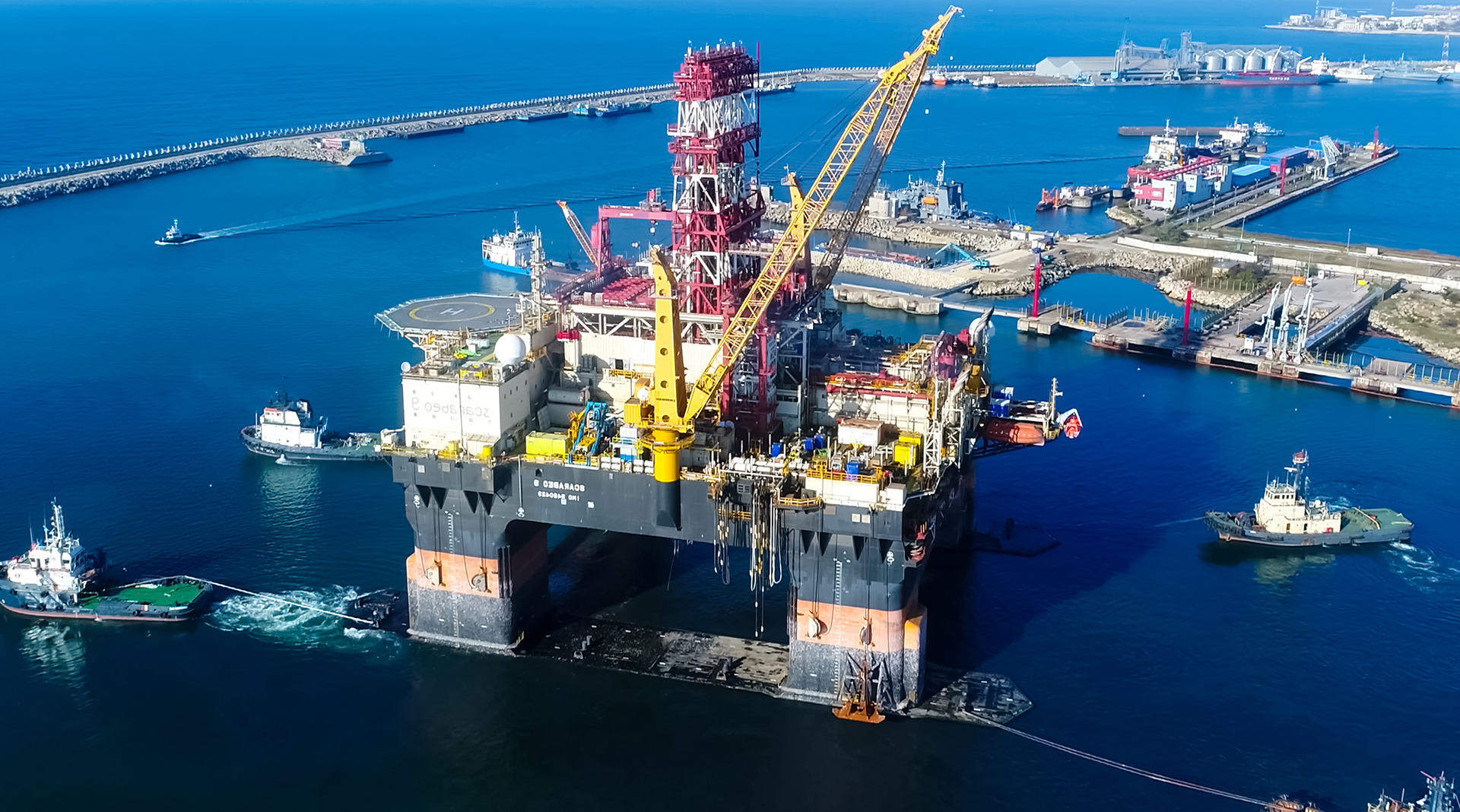
Ocean drilling and ship lock lifting equipment
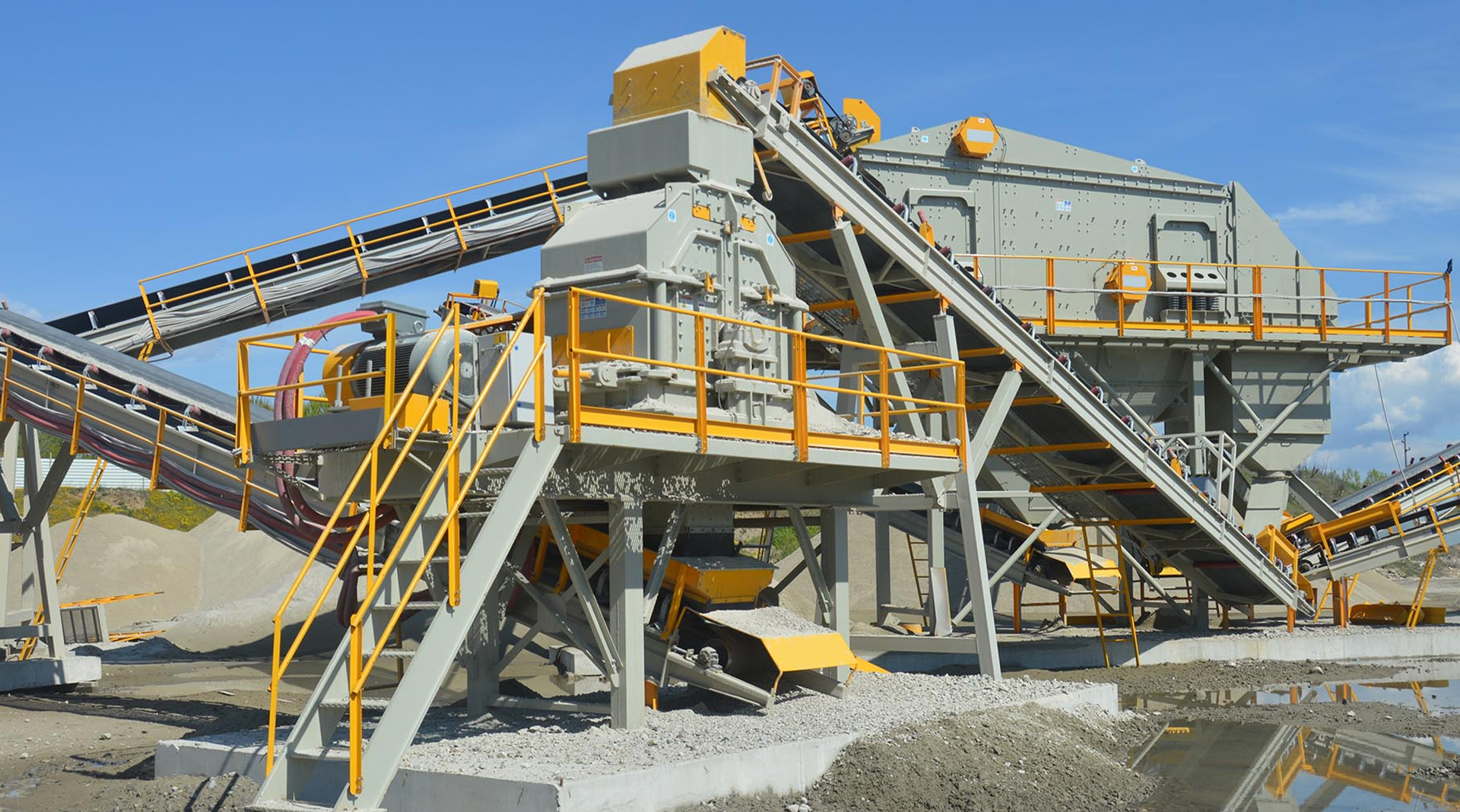
Mining equipment
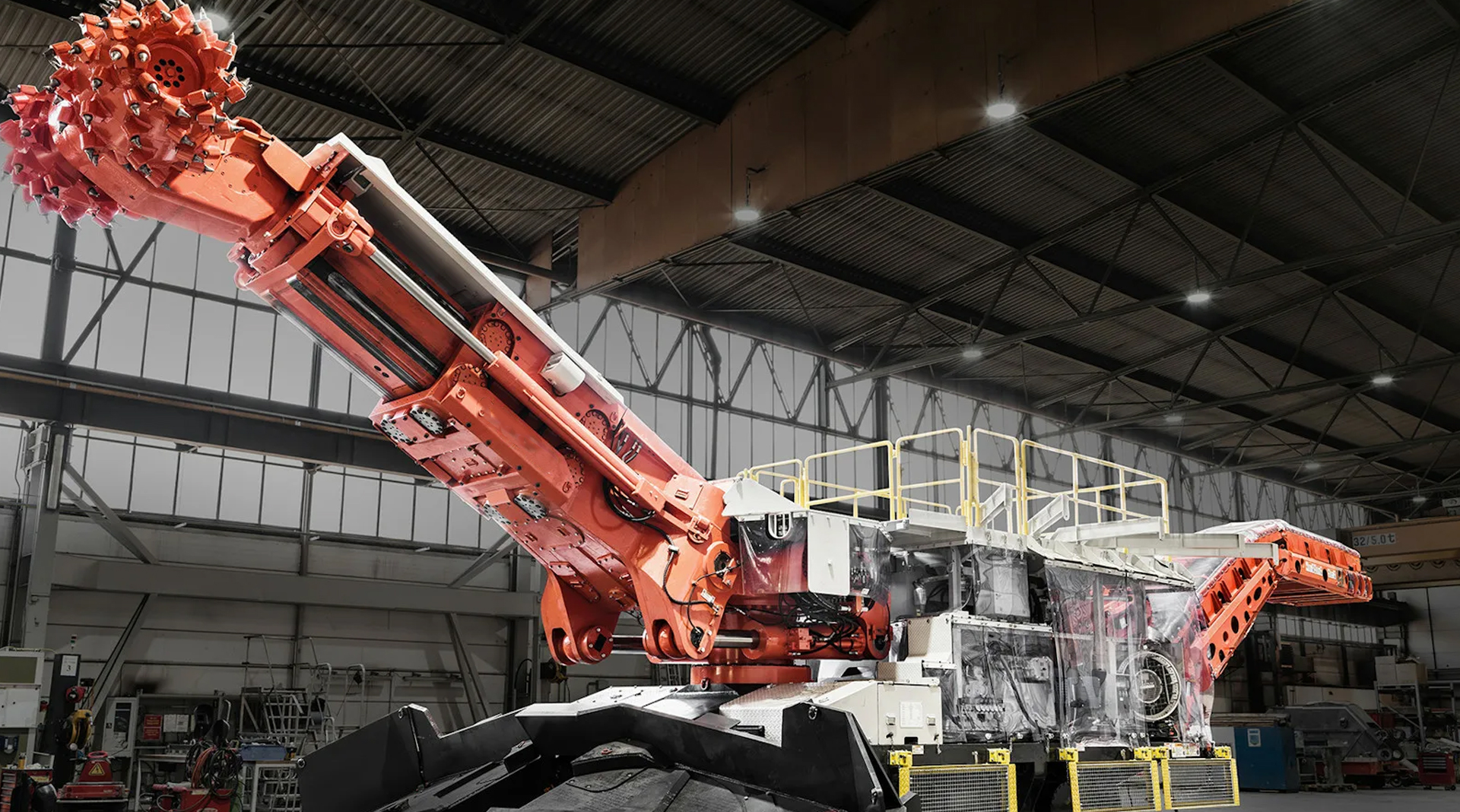
Construction machinery
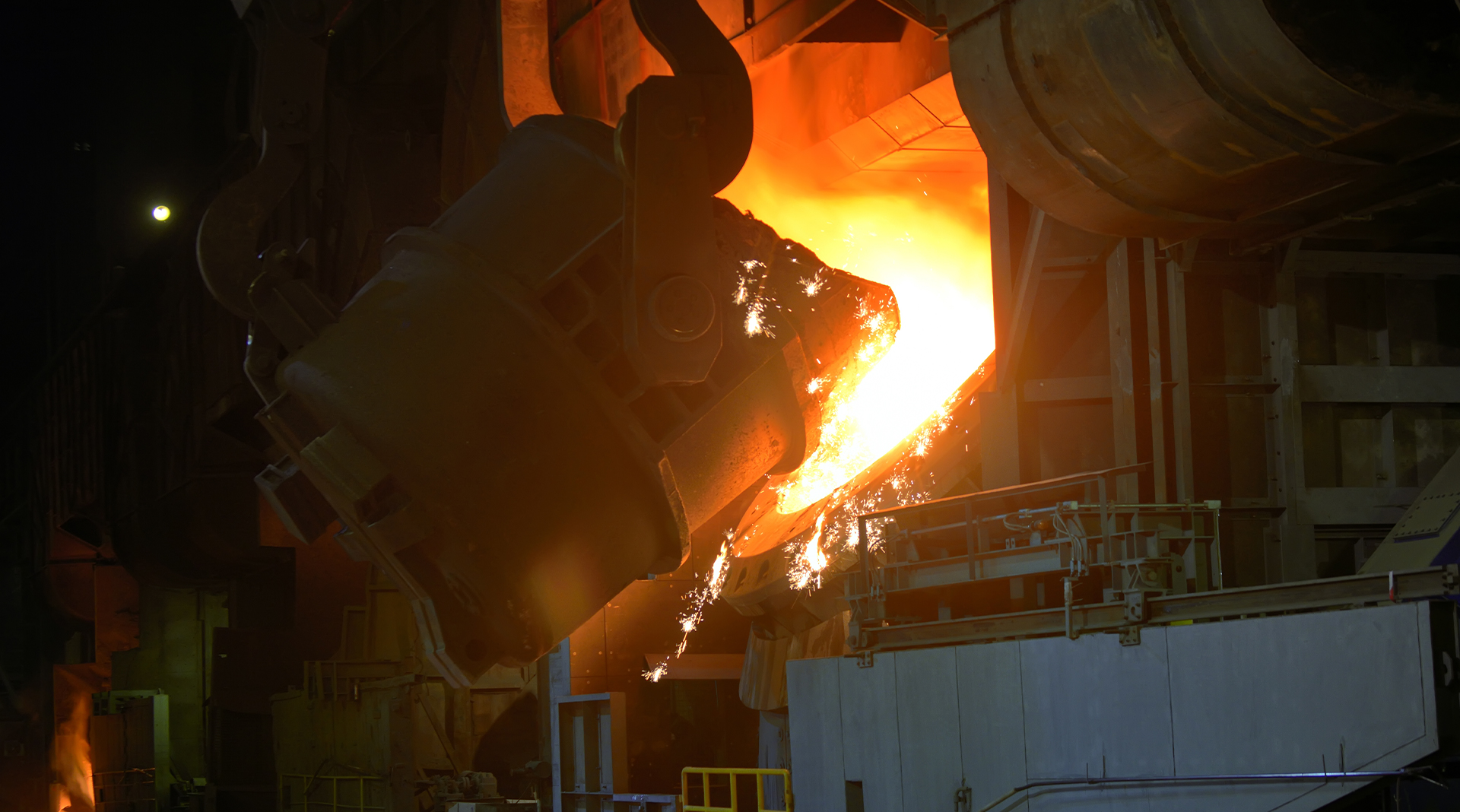
Oil and gas, metallurgical equipment
Content
A quarry maintenance team presses a 60 mm bore bronze flange bearing into a conveyor head pulley, tightens the housing bolts, and finds the flange cracked within a month. The bronze was not the weak point. The housing face behind the flange was neither flat nor square to the bore, so axial drag from the shaft loaded a thin cast edge instead of the full flange face.
That order of failure explains how bronze flange bearings should be selected. The alloy sets the ceiling on load, speed and corrosion resistance. The flange geometry, the press fit and the running clearance decide whether you ever reach that ceiling. A tin bronze flanged bearing with correct fits will outlast an aluminum bronze one with a cocked shoulder, every time.
A bronze flange bearing is a cylindrical sleeve with an integral radial flange at one end. The sleeve carries the radial load. The flange performs three separate jobs that are often blurred together during specification.
What the flange is not is a thrust bearing. Continuous axial loads above roughly 10 to 15 percent of the radial rating generally need a separate thrust washer or a rolling element arrangement.
| Consideration | Plain bronze sleeve | Flanged bronze bearing |
|---|---|---|
| Axial retention | Retaining ring, shoulder or end cap required | Held by the flange against the housing face |
| Axial thrust capacity | Minimal, set only by the end faces | Moderate, set by flange thickness and seat flatness |
| Housing machining | Bore plus retaining groove | Bore plus flat, square abutment face |
| Insertion depth control | Measured while pressing | Set by the flange in one pass |
| Typical use | Enclosed pivots, idler rolls | Conveyor pulleys, rudder stocks, crusher eccentrics, linkage pivots |
Most bronze flange bearing failures blamed on soft bronze trace back to the wrong alloy family for the environment rather than to a bad casting. Four families cover the large majority of industrial flange bearing orders, and each one fails in a different way.
| Alloy family | Hardness and load | Corrosion and temperature | Best fit | Watch out for |
|---|---|---|---|---|
| Leaded tin bronze (SAE 660 / C93200) | 60-80 HB, moderate load | Moderate corrosion, good to about 230 C | General machinery, conveyors, pumps | Lead content restricts potable water and some regulated products |
| High-lead tin bronze (C93600 type) | 55-70 HB, lower strength | Similar to SAE 660 | Light loads, easy machining, embeddability | Lowest fatigue strength of the family |
| Aluminum bronze (C95400, C95500, C95200) | 150-200 HB, high strength | Excellent seawater and cavitation resistance | Marine rudders, minerals handling, high shock | Machines slowly, embeds debris poorly, needs alignment |
| Manganese bronze (C86300) | 180-220 HB, very high strength | Fair corrosion, good at high load | Heavy thrust faces, worm gear rims | Poor value for light-duty pivots |
| Brass (C36000, C46400) | 80-120 HB, low to moderate load | Dezincification risk in seawater | Light pivots, fresh water, low cost | Strength drops quickly with temperature |
| Self-lubricating bronze (graphite plugged or oil impregnated) | Lower PV limit than solid bronze | Depends on plug material | Remote, hot or inaccessible positions | Not for high speed or heavy shock |
Two practical points follow. Leaded tin bronze remains the default for general machinery because it machines cleanly, embeds grit and tolerates marginal lubrication. Aluminum bronze costs more and machines slower, yet in salt spray or a shock-loaded eccentric position it can outlast three tin bronze replacements, provided the lubrication is clean and the shaft is aligned.
The alloy decision is usually made per subsystem, not per machine. The same vessel or crusher may run aluminum bronze at a heavily loaded rudder or eccentric position and tin bronze at lower-load pivots. Sourcing that mixed bill of materials is easier when a supplier organises its copper bushing range by alloy family first and by application second, because that is the order in which the selection is actually made.
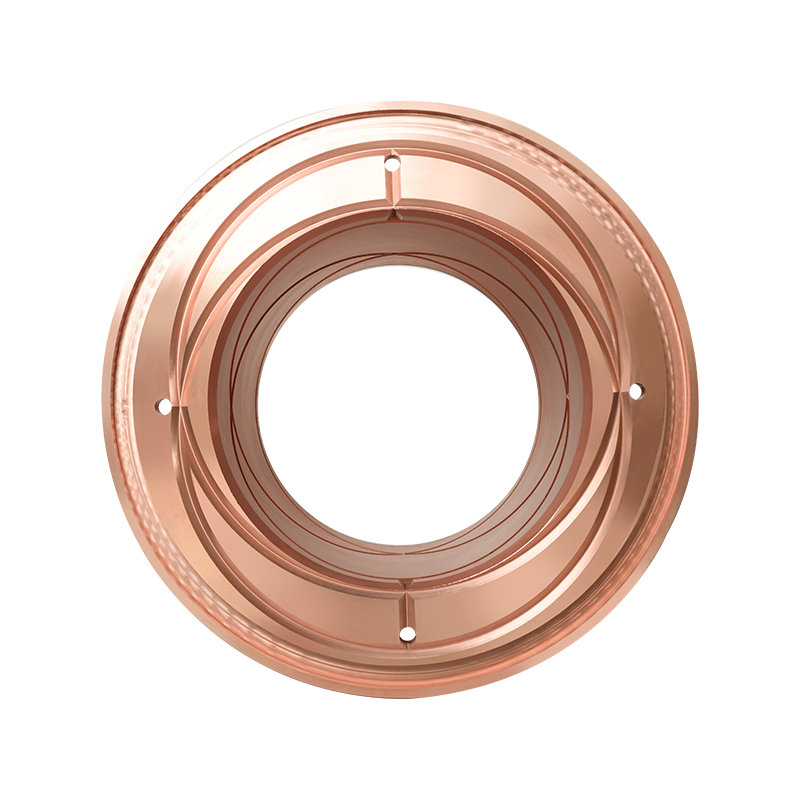 Tin Bronze Bushing For Mining EquipmentTin Bronze Bushing For Mining Equipment uses high-purity copper as the base material, and is refined by adding appropriate amounts of tin and other high-quality alloy ...View Product →
These are the numbers worth putting on a drawing or a purchase order. They are rules of thumb for cast bronze running on a hardened steel shaft, and they should be adjusted for temperature, lubrication and shock.
The trap that catches most buyers is post-fitting bore closure. Press a 60 mm bore bearing into an H7 housing with 0.05 mm interference and the bore closes by a comparable amount, roughly 0.04 to 0.06 mm. If the drawing specifies 0.08 mm running clearance and the bore was finished before pressing, the assembly can end up with almost no clearance and will seize on the first warm-up under load.
Bronze flange bearings tolerate marginal lubrication better than rolling elements, but they still follow a load and speed limit. Three configurations cover most industrial applications.
Typical catalogue limits for cast bronze sit around 3 to 5 MPa x m/s grease lubricated and 0.8 to 1.5 MPa x m/s dry with graphite plugs. The real number depends on the alloy, the shaft finish and how much heat the housing can carry away. Above those limits the bearing does not fail suddenly; clearance opens, wear accelerates, and the flange begins taking side load it was never designed to carry.
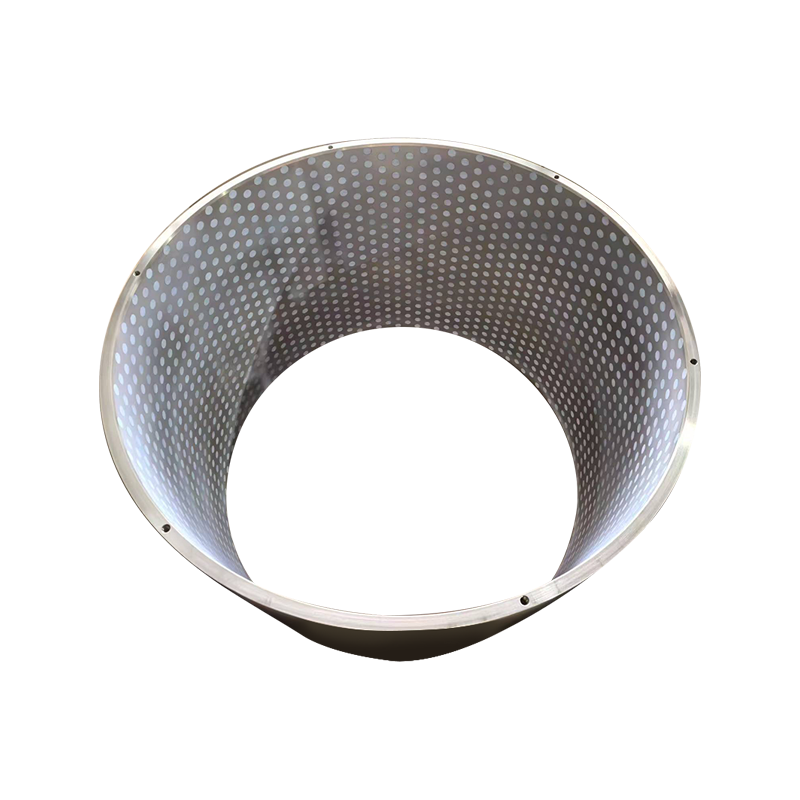 Self-Lubricating Brass Bushings For Engineering MachinerySelf-Lubricating Brass Bushings For Engineering Machinery is made of high-quality high-strength brass material, combined with embedded solid lubrication technology, it...View Product →
Flange bearings suit heavy loads, low to moderate speeds and poor maintenance access. A few sectors dominate the demand.
There are cases where a flanged bronze bearing is the wrong purchase. Continuous heavy axial thrust belongs on a thrust washer or a taper roller arrangement. High continuous speed belongs on a rolling element bearing that runs cooler. Very thin walls, below about 2 mm, crack at the flange root in cast bronze.
 Aluminum Bronze Bushing For Rudder Transmission SystemAluminum Bronze Bushing For Rudder Transmission System is tailor-made for the Rudder transmission system. It is based on high-quality copper, added with aluminum, iron...View Product →
A bronze flange bearing is a made-to-order part more often than a catalogue item, so the order document carries the quality of the result.
If a flange keeps cracking, stop changing alloys and start checking the seat. Flatness, squareness and interference account for more bronze flange bearing failures than load ratings do, and all three are measurable before the part is pressed in.
Yangzhou Yifeng Copper Products has been casting and machining copper alloy components since 2005 from a 30,000 square metre plant, with 5,000 tonnes of annual capacity and a technical team that includes 20 specialists, plus a joint research base with Southwest Jiaotong University. The company reports a customer base that includes Fortune 500 and global industrial groups, and its range covers tin bronze, aluminum bronze and brass bushings, self-lubricating bearings, marine copper alloy sealing rings and copper alloy worm gears. You can review the company background and capability if you are consolidating several bronze part numbers under one supplier.
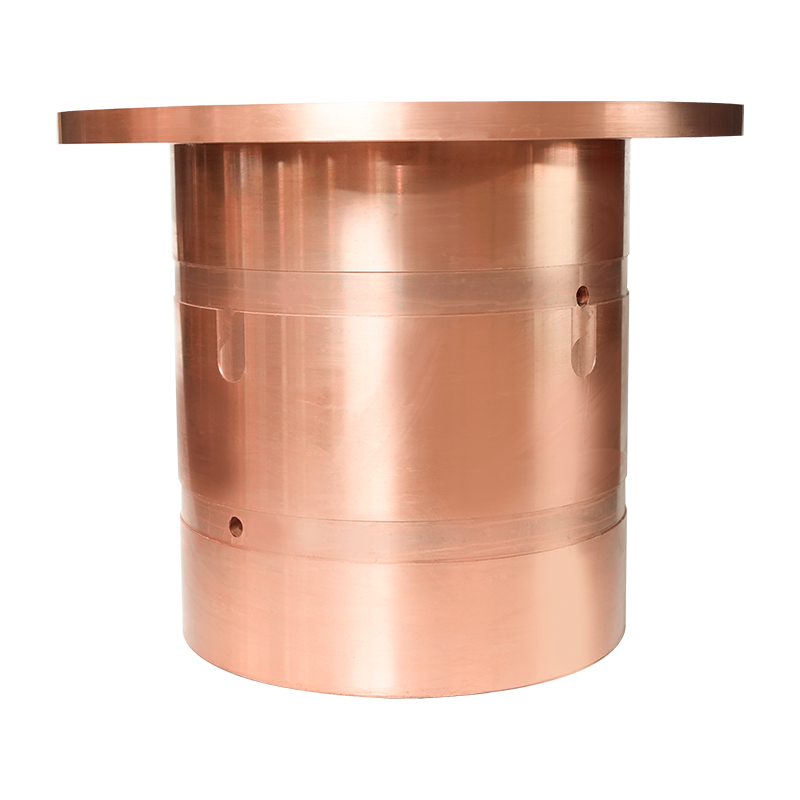
Tin Bronze Bushing For Mining Equipment uses high-purity copper as the base material, and ...
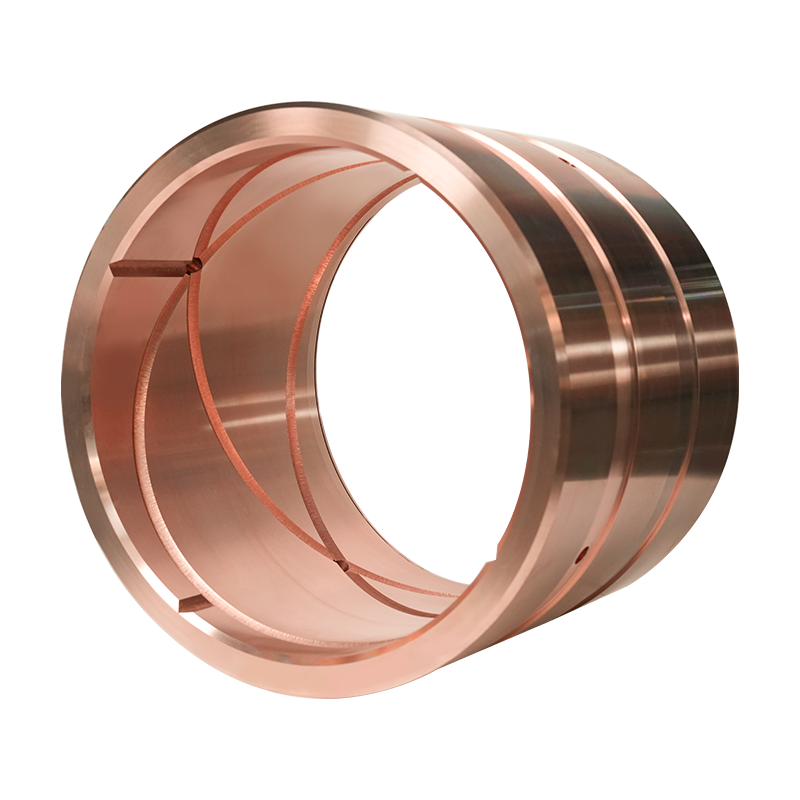
Tin Bronze Bushing For Engineering Machinery is made of high-quality high-purity copper su...
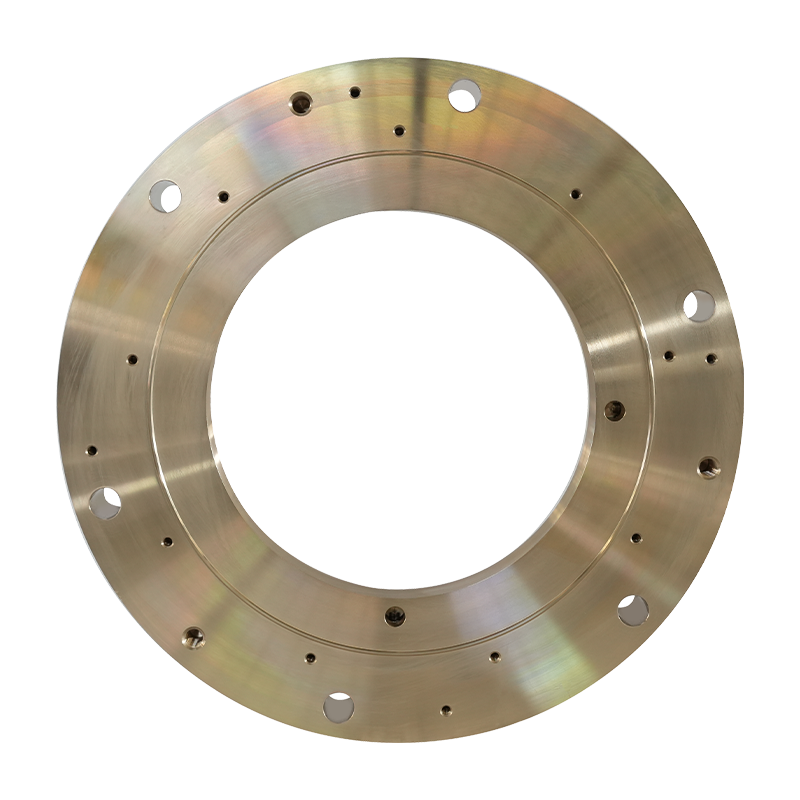
Marine Copper Alloy Sealing Ring Marine Sealing Ring is a key sealing component in the shi...
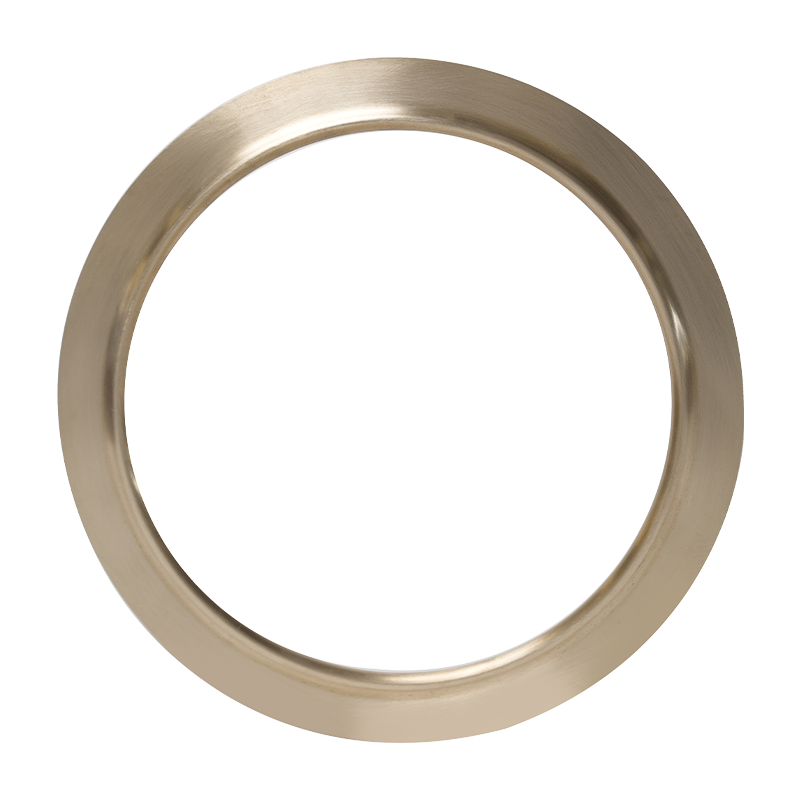
Propulsion Device Seal Marine Copper Alloy Sealing Ring is made of high-quality copper all...
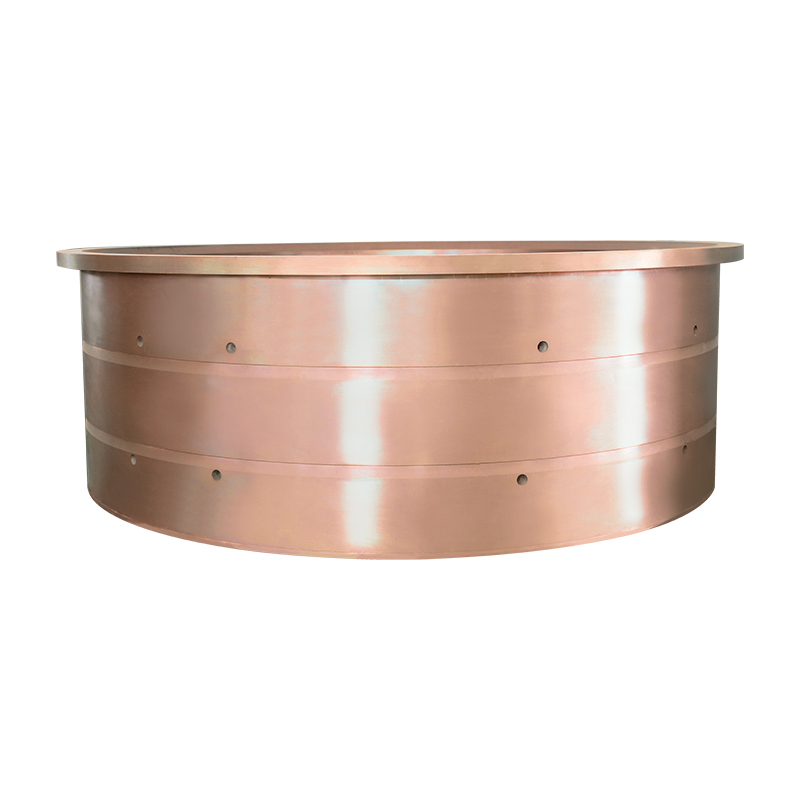
Anchor Winch Bearing And Tin Bronze Bushing is designed for heavy-load, high-speed, and hi...
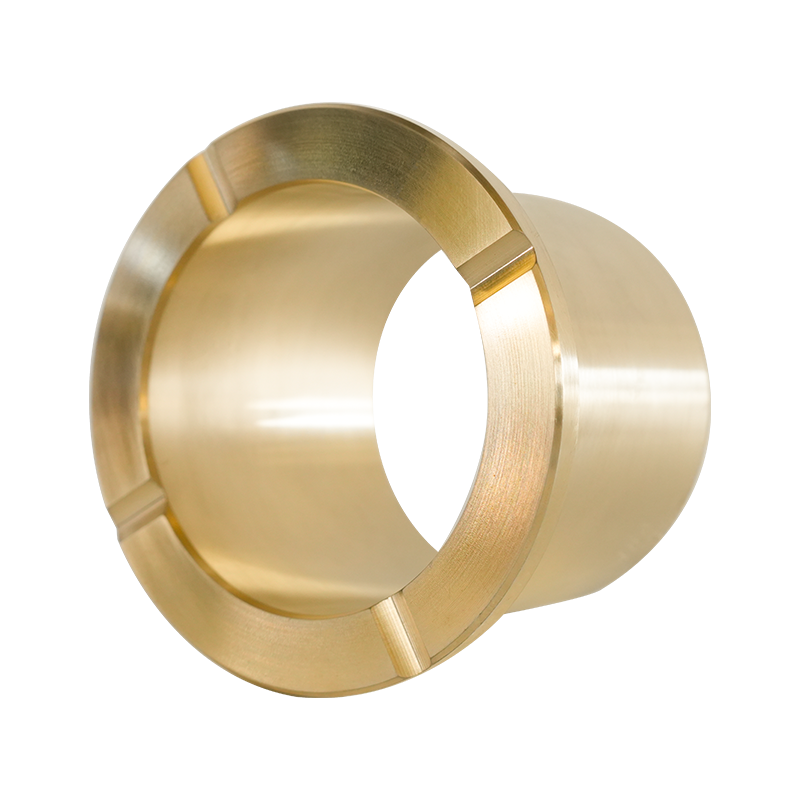
Mining Equipment Brass Bushing is specially designed for high-load and high-wear condition...
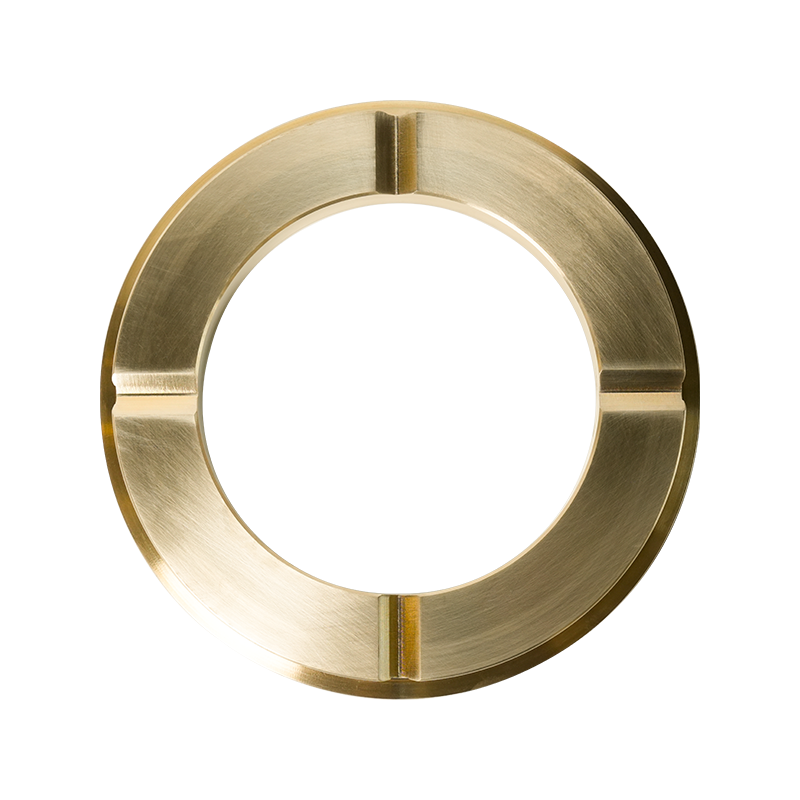
Engineering Machinery Brass Bushing is specially designed for high-load and high-wear work...
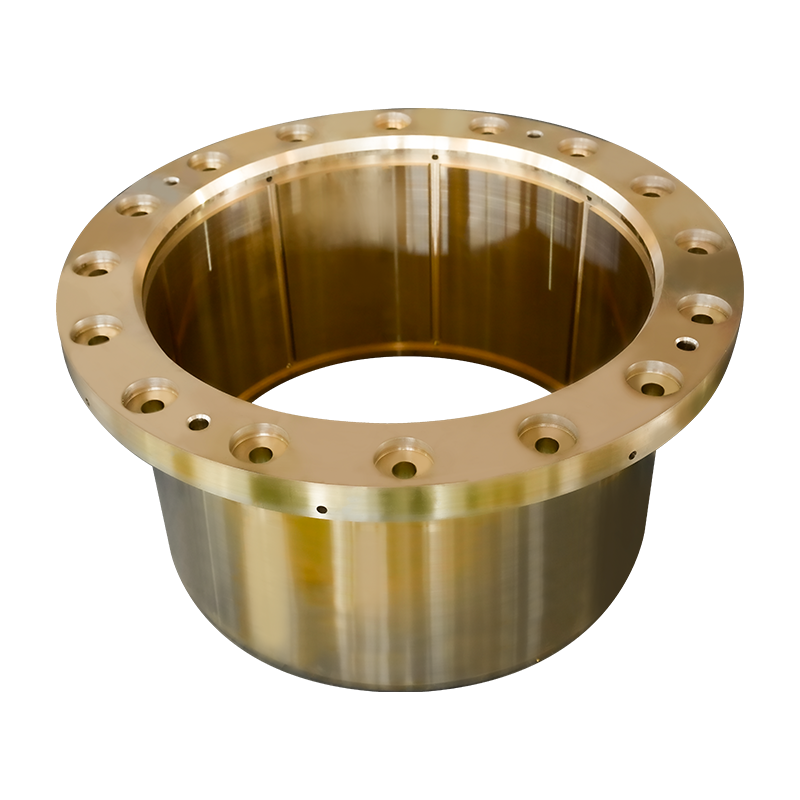
Metallurgical Equipment Brass Bushing is a high-performance brass bushing designed for wor...
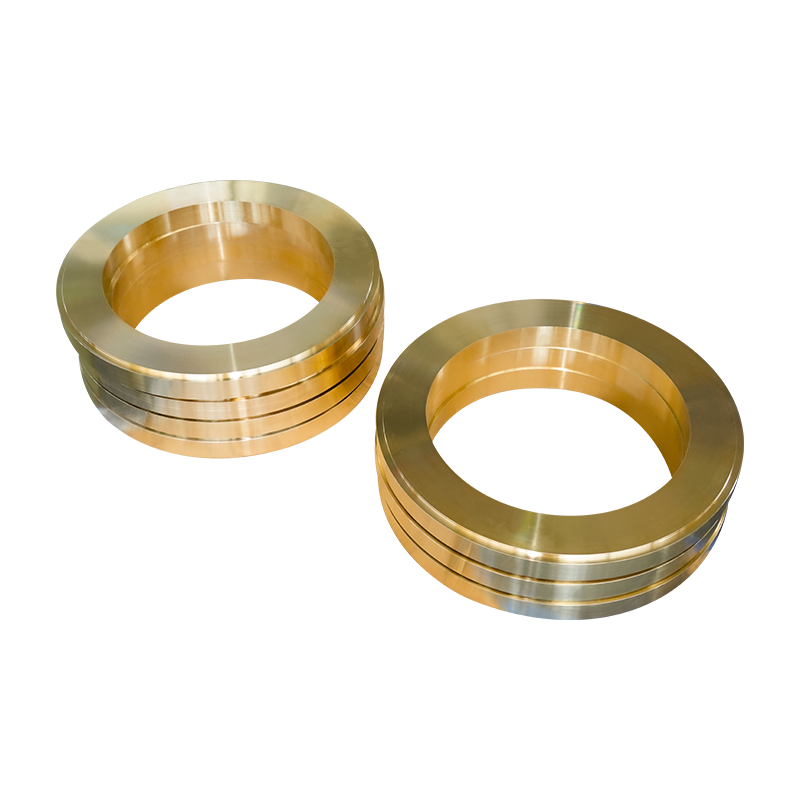
Stern Shaft Sealing Device Brass Bushing is a high-performance brass wear-resistant copper...
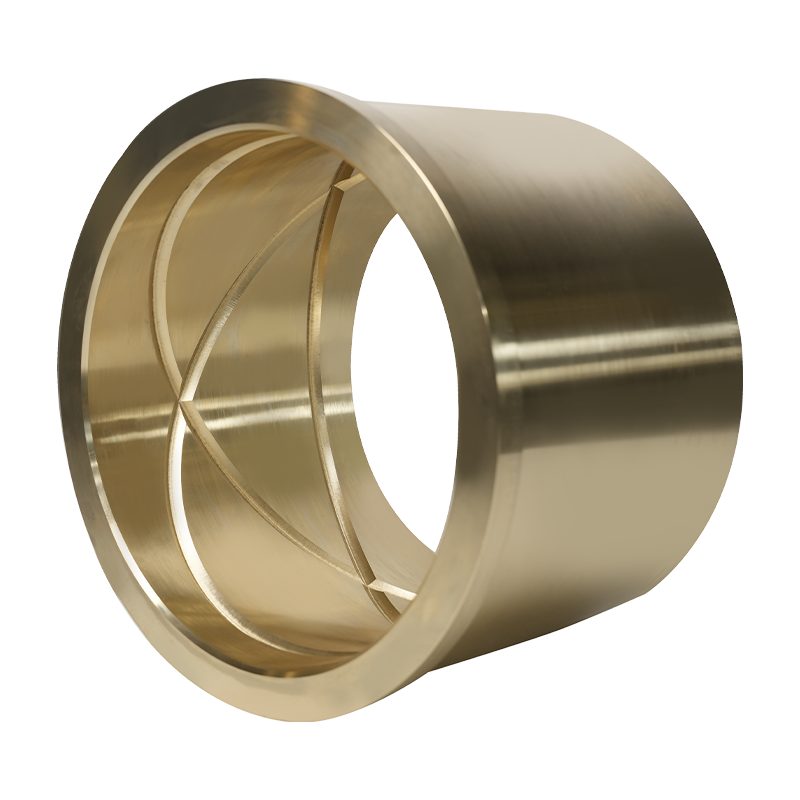
Aluminum Bronze Bushing For Rudder Transmission System is tailor-made for the Rudder trans...
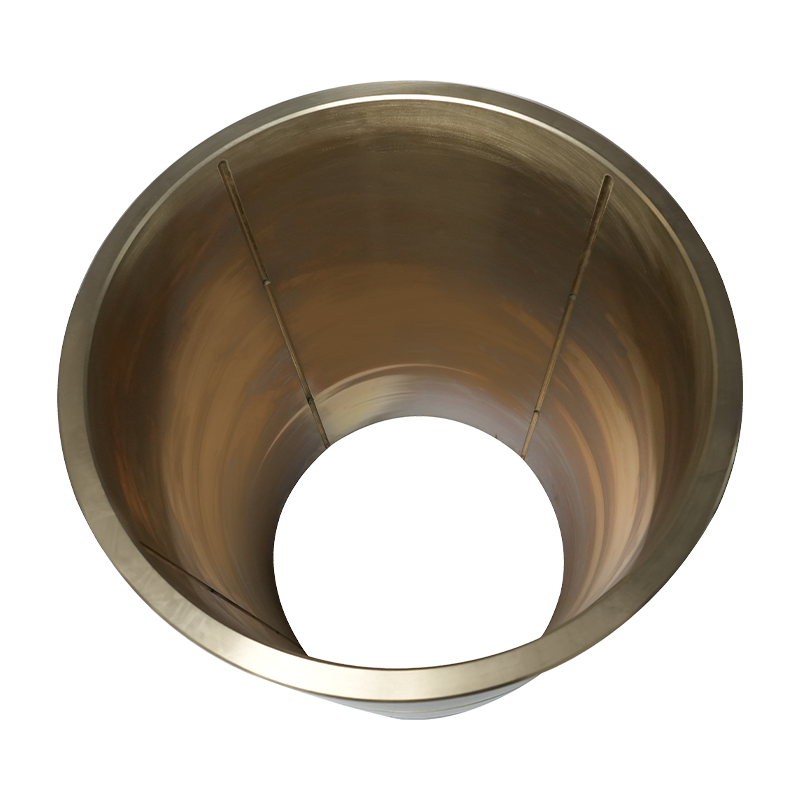
Aluminum Bronze Bushing For Ship Hydraulic Cylinders And Rudder Angle Feedback product is ...
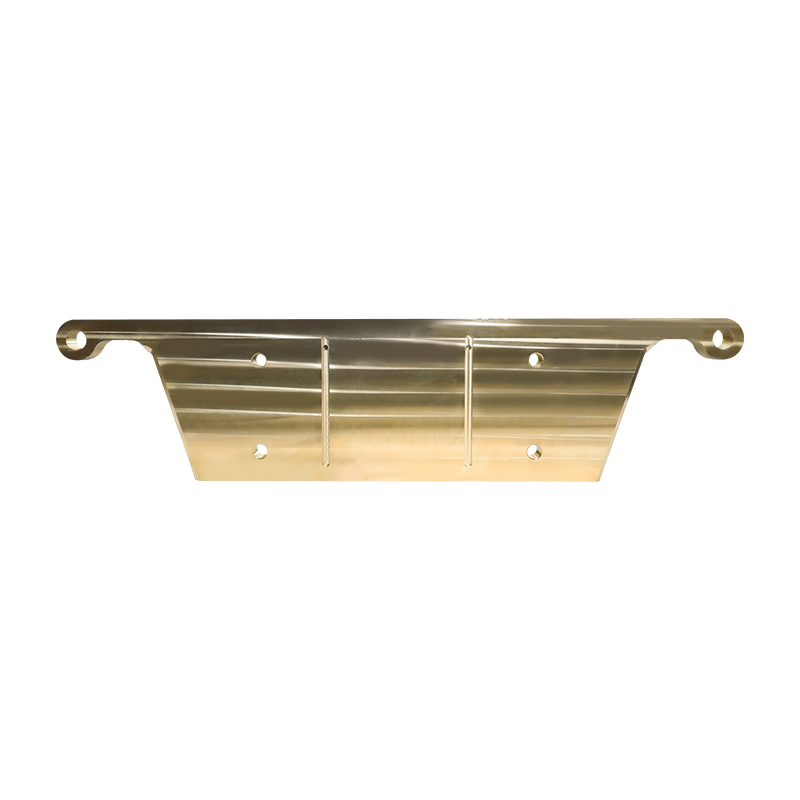
Mining Equipment Brass Plate is made of high-quality high-strength brass material, with we...
Copyright © YangZhou YiFeng Copper Products Co.,Ltd. All Rights Reserved
China copper casting manufacturers wholesale copper casting factory