


 English
 日本語
日本語 русский
 Deutsch
Tin Bronze Bushing For Mining Equipment uses high-purity copper as the base material, and ...
Home / News / Industry News / Journal Bearings: A Practical Guide to Materials, Selection, and Lubrication

Ship Propulsion And Sealing Device
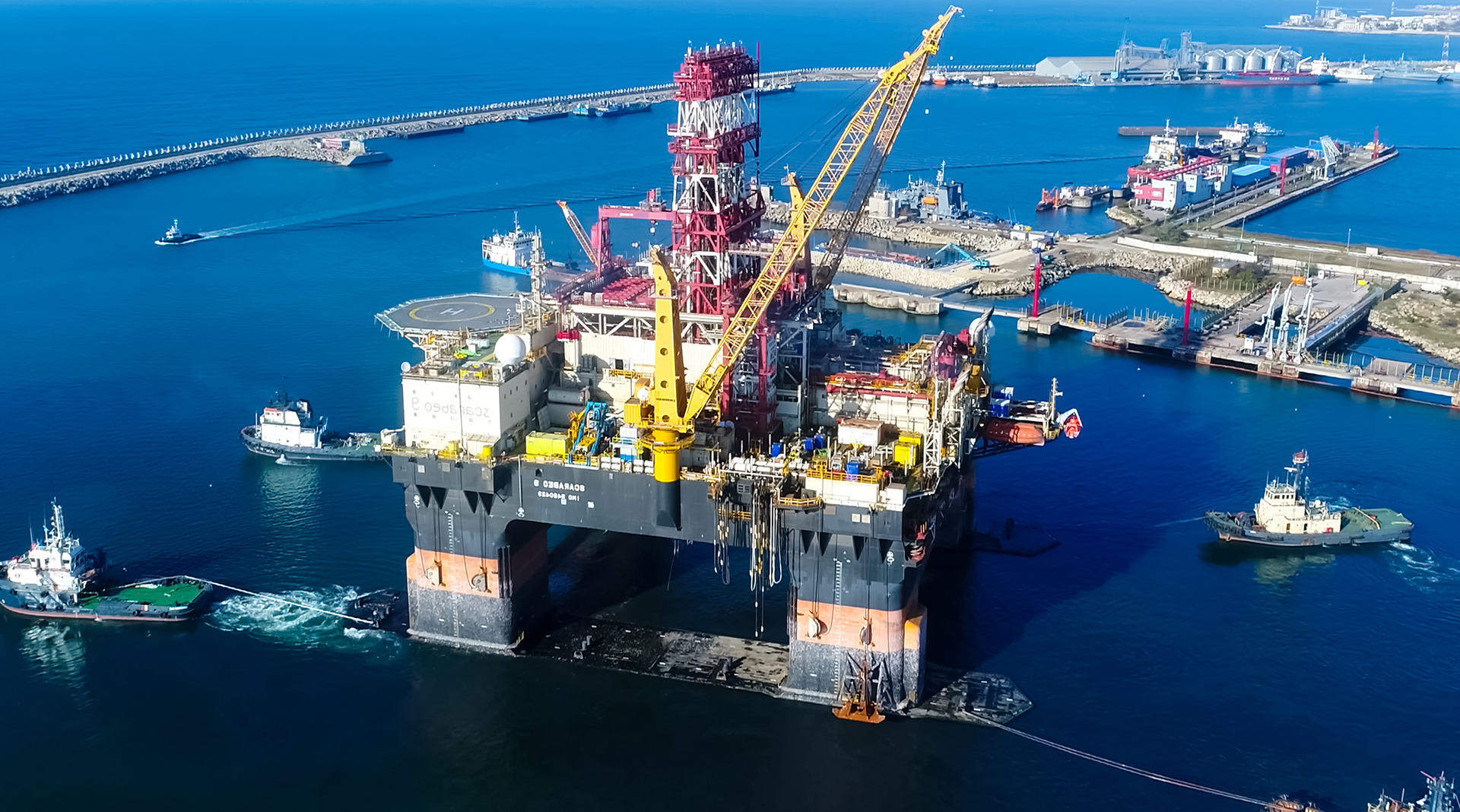
Ocean drilling and ship lock lifting equipment
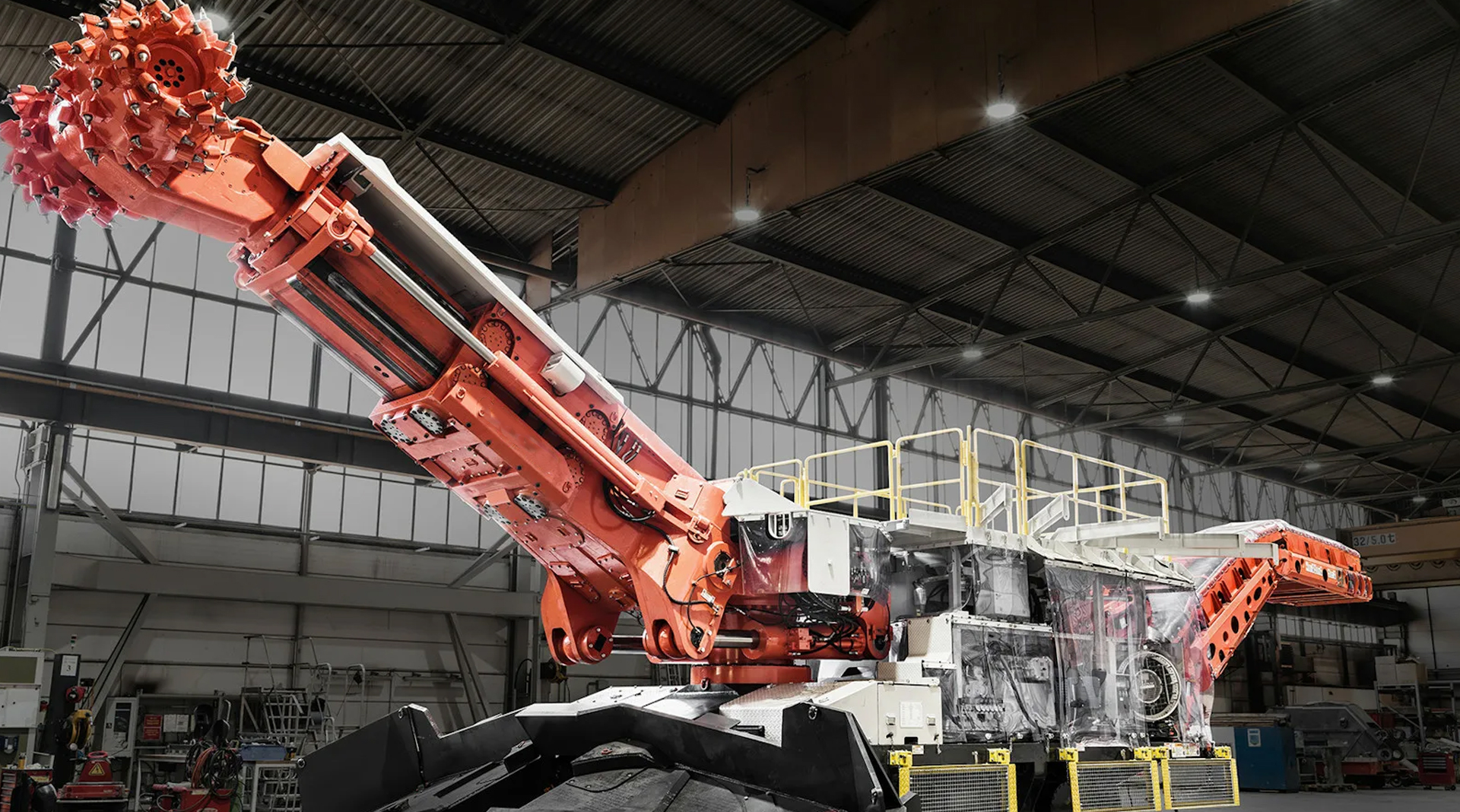
Mining equipment
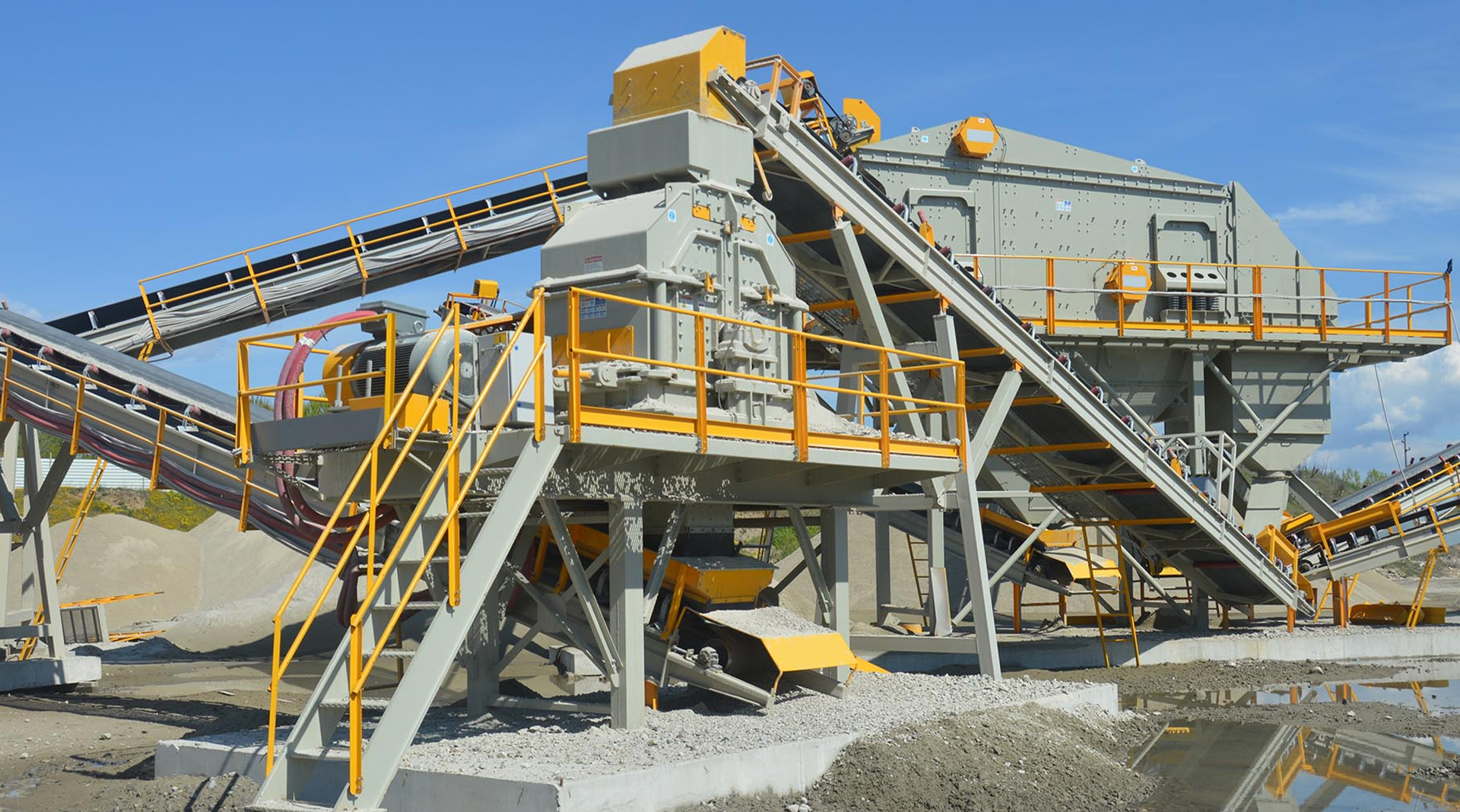
Construction machinery
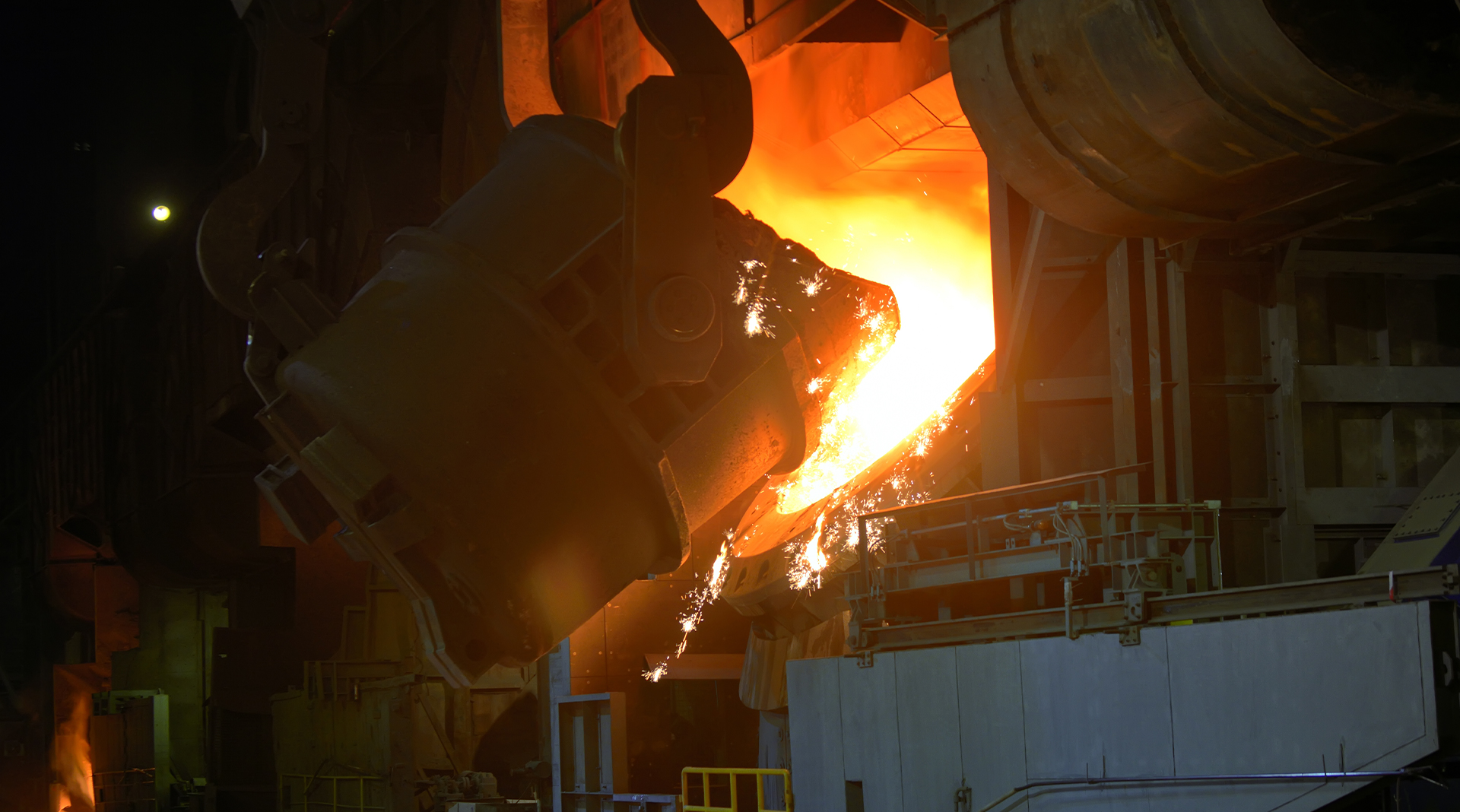
Oil and gas, metallurgical equipment
Content
Picture a 5 MW ball mill in a mining plant. The shaft is over 300 mm in diameter, rotating at a few hundred RPM, carrying a heavy radial load. The component that keeps it running month after month is often a simple bronze journal bearing: a cylindrical sleeve with a carefully machined bore. When it works, it is almost invisible. When it fails, the entire production line stops.
The conclusion you need up front: a journal bearing is not a commodity part. Its reliability comes from material choice, lubricating gap, surface finish, and operating conditions working together. If you get those right, a copper-alloy journal bearing can run for decades. This guide explains the fundamentals, the alloy options, the lubrication rules, and the selection steps that matter in real industrial environments.
A journal bearing, also called a plain bearing or sleeve bearing, supports a rotating shaft using a cylindrical sleeve. The rotating portion of the shaft is the journal, while the stationary sleeve is the bearing shell. Unlike ball or roller bearings, a journal bearing has no rolling elements. Instead, a thin film of lubricant separates the moving and stationary surfaces.
In normal service, the shaft does not contact the shell. As the journal rotates, it drags oil into a wedge-shaped gap. Pressure builds inside that oil film and lifts the shaft slightly off the bore. This hydrodynamic effect gives the bearing a stable, well-damped support point. The same principle works in a small pump and in a ship's propulsion shaft.
At low speed, during start-up, or after an oil pressure loss, the shaft may run in mixed or boundary lubrication. Here, the oil film is partially broken and the asperities of the journal and bearing surface touch. That is why material compatibility and surface finish matter; a well-chosen bronze alloy will survive repeated boundary contact without cracking or welding.
Journal bearings earn their place through several practical advantages:
No single journal bearing design fits every machine. The right geometry depends on shaft size, speed, maintenance philosophy, and whether you need to control rotating instability.
| Type | Best Suited To | Key Advantage |
|---|---|---|
| Full round sleeve | Continuous rotation, moderate loads, simple housings | Low cost and high static stiffness |
| Split (two-piece) | Large shafts, limited downtime, frequent inspection | Shell halves can be replaced without removing the shaft |
| Tilting pad | High-speed turbomachinery and dynamic stability problems | Suppresses oil whirl and oil whip |
| Flanged | Combined radial and light axial loads | Thrust faces are integrated with the cylindrical bore |
For most heavy-duty industrial positions, a full round or split bronze sleeve is the practical choice. Tilting pad designs are reserved for machines where speed and vibration demand active geometry.
Steel shells with soft babbitt liners are common in high-speed turbine bearings. But for medium to heavy loads in contaminated or mildly corrosive environments, solid copper alloys often win. They combine strength, embeddability, corrosion resistance, and the ability to run against a relatively simple shaft finish.
Tin bronzes, typically with 8 to 12 percent tin, are the classic marine and industrial bearing alloys. They resist seawater attack, handle moderate shock loads, and wear well against hardened steel journals. That is why tin bronze appears in ship propulsion systems, steering gears, and anchor winch bearings.
Aluminum bronzes, usually containing 8 to 11 percent aluminum plus iron and nickel, are stronger and harder than tin bronze. They tolerate higher unit loads and better resist wear in sandy or abrasive environments. You will find aluminum bronze bushings in mining, metallurgical, and construction machinery where downtime is expensive.
In self-lubricating versions, the bushing is machined with graphite or solid lubricant plugs. If oil pressure is lost during start-up or maintenance, the plugs prevent metal-to-metal contact. This feature makes aluminum bronze self-lubricating bushings a dependable choice for equipment that works in remote or heavy-impact operations.
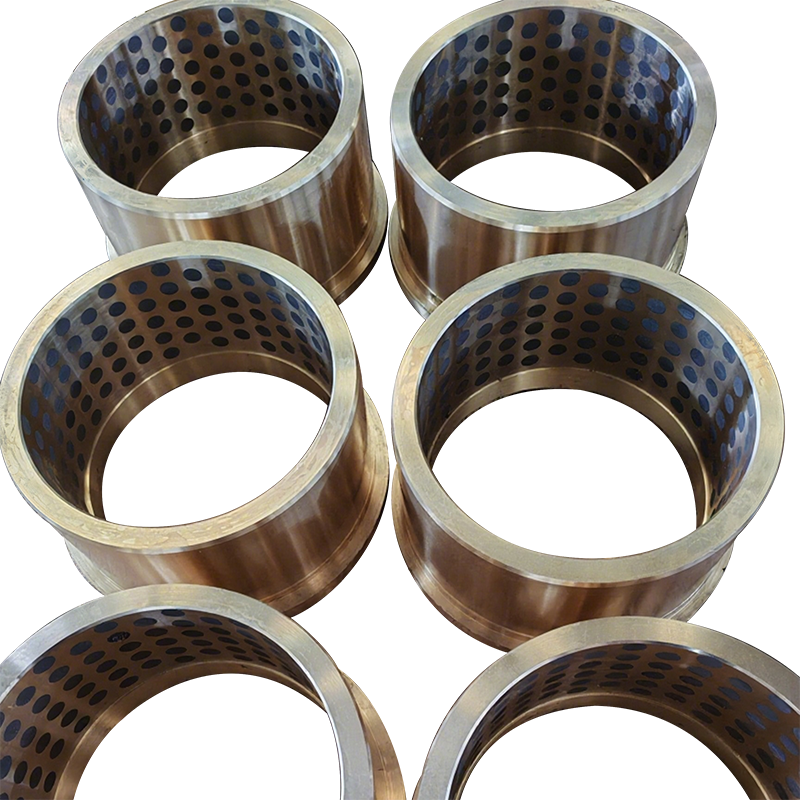 Self-Lubricating Aluminum Bronze Bushings for Mining EquipmentDesigned for heavy-load, low-speed, dusty, and corrosive mining conditions, these bushings use nickel-aluminum bronze with embedded solid lubricants to eliminate metal-to-metal contact and reduce maintenance in remote operations.View Product →
Brass is the economical copper alloy. It is easy to machine, dimensionally stable, and adequate for moderate loads in clean, well-lubricated joints. In many marine applications, brass bushings are still used in stern shaft sealing devices where the main requirement is a tight fit and low corrosion under normal conditions.
A journal bearing is only as good as its oil film. Too much clearance sacrifices load capacity and damping; too little clearance prevents enough oil from being drawn into the load zone. General practice for bronze bushings is a diametral clearance near 0.1 to 0.2 percent of shaft diameter. For a 100 mm shaft, that means 0.10 to 0.20 mm; for a 300 mm shaft, 0.30 to 0.60 mm. Always verify with the bearing manufacturer before machining housings.
| Shaft Diameter | Typical Diametral Clearance | Common Oil Viscosity |
|---|---|---|
| 50-100 mm | 0.05-0.20 mm | ISO VG 32-68 |
| 100-250 mm | 0.15-0.50 mm | ISO VG 68-150 |
| 250-500 mm | 0.30-0.90 mm | ISO VG 150-460 |
Oil lubrication is preferred when heat must be carried away, particles need to be filtered, or shaft speed is high. Grease works well in slow, intermittent duty because it stays in place and acts as a seal. If you change from oil to grease, re-check the cooling path and relubrication interval.
Surface finish and alignment complete the picture. Journals should be ground to about 0.4 to 0.8 microns Ra, and bores finished to a matching level. Misalignment of more than 0.01 mm per mm of length shortens bearing life significantly.
During the first 24 to 48 hours of service, a new bronze bearing should be run at reduced load and inspected for hot spots. This running-in phase allows the surfaces to establish a polished contact pattern. If temperature rises quickly, stop the machine and check alignment and clearance before continuing.
Most bearing failures follow a small set of patterns. The symptom tells you where to look first.
| Failure Mode | Typical Symptoms | Most Common Causes | Practical Response |
|---|---|---|---|
| Wiping or seizure | Scored bore, metallic debris, overheating | Oil starvation, start-stop contact, excessive misalignment | Restore lubricant flow, repair shaft, reduce start-up load |
| Lining fatigue or spalling | Cracks, pits or local loss of lining material | Repeated high cyclic loads, unsupported housing, thin oil film | Use a stronger copper alloy, enlarge bearing area, improve oil viscosity |
| Cavitation erosion | Honeycomb-like pits in the loaded zone | Rapid pressure changes in high-speed oil flow | Lower oil velocity, modify grooves, increase supply pressure stability |
| Corrosion or water ingress | Discoloration, rust particles, milky or sticky oil | Water contamination, aggressive process fluids, poor sealing | Upgrade sealing, use aluminum bronze or tin bronze, drain and replace oil |
If your bearing box has been losing oil slowly, check for water before assuming a material problem. Water ingress changes the oil's viscosity and attacks the alloy surface, turning a small leak into a full bearing replacement.
Start from the operating duty, not from a catalogue. A good selection is a sequence of narrowing decisions:
For shafts that operate in seawater or splash zones, tin bronze bushing alloys resist pitting and galvanic corrosion far better than steel or cast iron. That is why tin bronze bushings remain the standard in ship propulsion and steering systems.
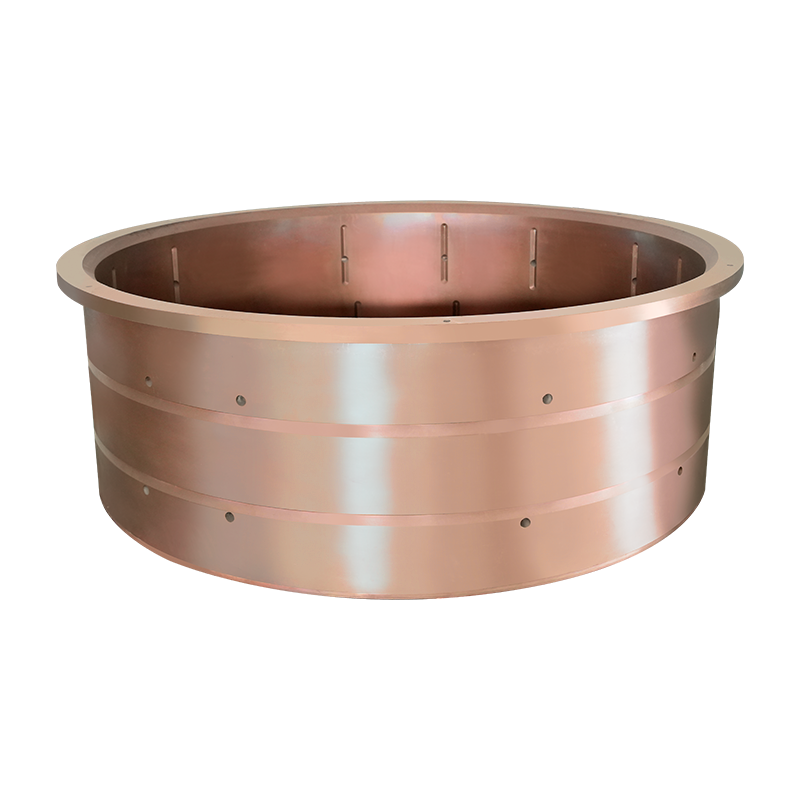 Tin Bronze Bushings for Ship Propulsion SystemsTin bronze bushings resist pitting and galvanic corrosion in seawater, making them the standard for ship propulsion and steering systems. Precision-cast with high-strength alloy, they ensure stable operation under impact loads and provide self-lubrication for intermittent lubrication.View Product →
In purchasing, beware of "equivalent" bushings with unverified alloy chemistry. A small difference in tin or aluminum content can change corrosion resistance and load capacity. Ask the supplier for material test reports, casting process details, and dimensional inspection data.
Material selection is only half the project. Machining tolerance, casting soundness and application support decide whether the part survives in your machine. Yangzhou Yifeng Copper Products has manufactured copper alloy parts for more than 20 years, with a 30,000 m² facility, in-house casting and machining, and over 80 employees including 20 technical specialists. Our factory produces bronze bushings, self-lubricating bearings, copper alloy sealing rings and worm gears for mining, marine, metallurgical, construction and oil and gas equipment.
In addition to standard part numbers, we support reverse engineering, custom alloy selection and prototype runs. Our engineering cooperation with Southwest Jiaotong University provides a channel for material research and problem solving. You can read more about our production history and engineering support on our company background page, or contact our engineering team when you need a custom bearing size or a faster replacement schedule.
The best journal bearing is easy to overlook: it is dimensionally accurate, made from the right alloy, correctly lubricated, and inspected on schedule. When those conditions are satisfied, the bearing simply does its job. When you need a supplier that engineers copper alloy bearings for real operating conditions, that is exactly the kind of task we take on.
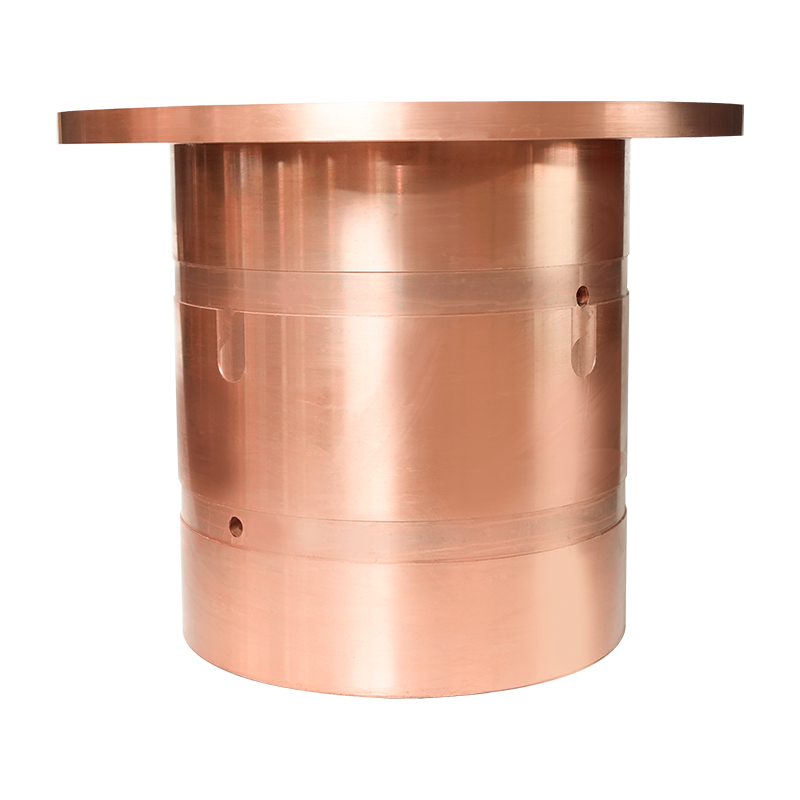
Tin Bronze Bushing For Mining Equipment uses high-purity copper as the base material, and ...
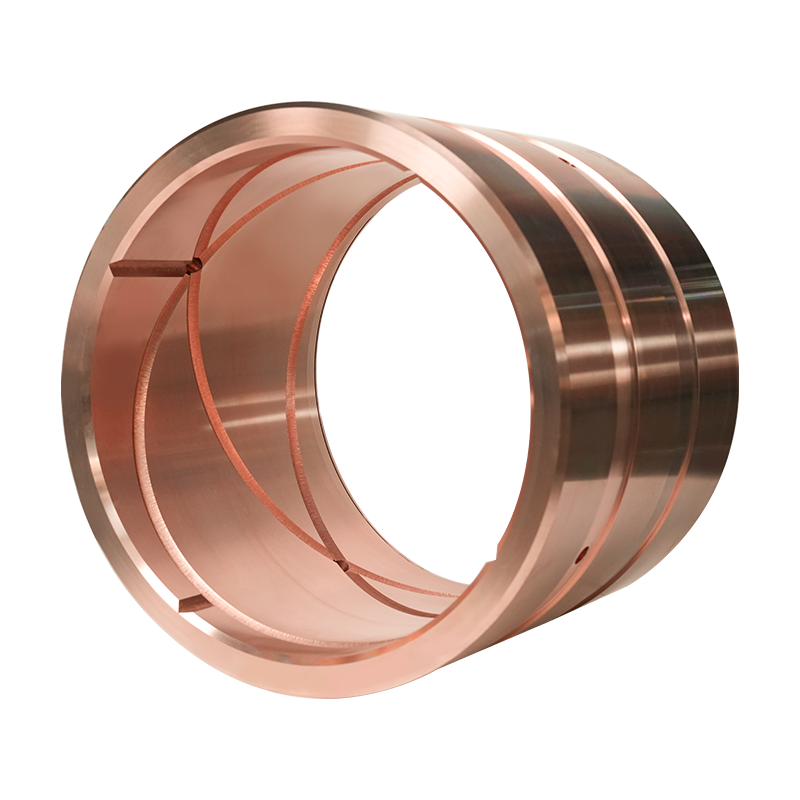
Tin Bronze Bushing For Engineering Machinery is made of high-quality high-purity copper su...
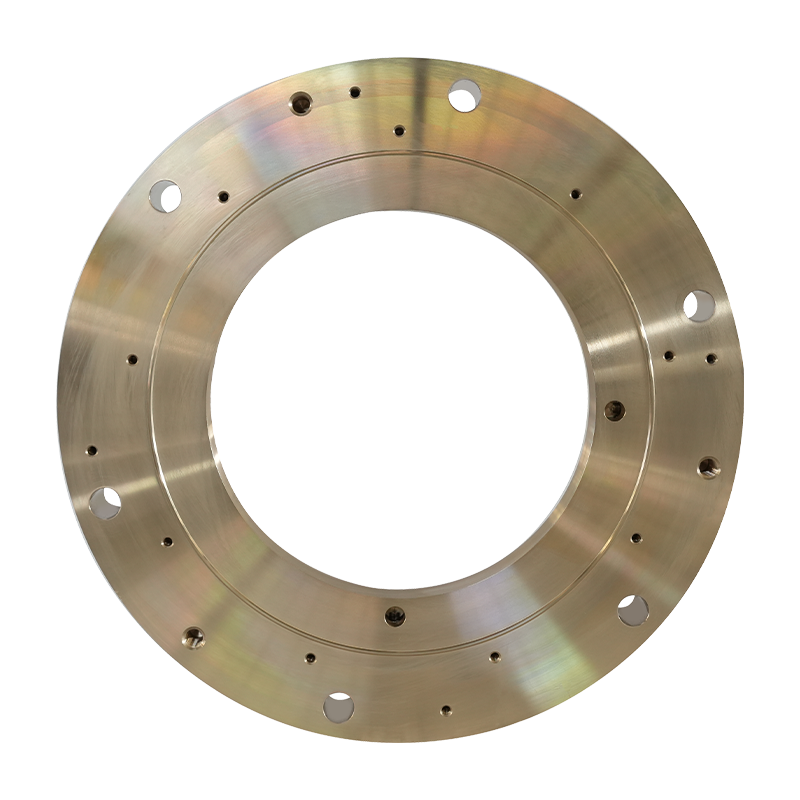
Marine Copper Alloy Sealing Ring Marine Sealing Ring is a key sealing component in the shi...
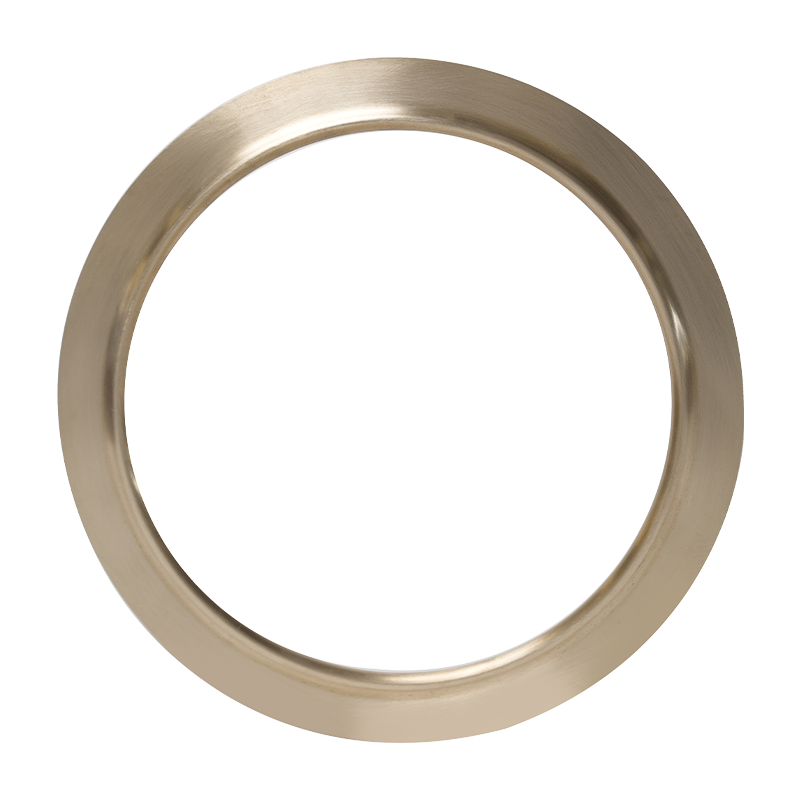
Propulsion Device Seal Marine Copper Alloy Sealing Ring is made of high-quality copper all...
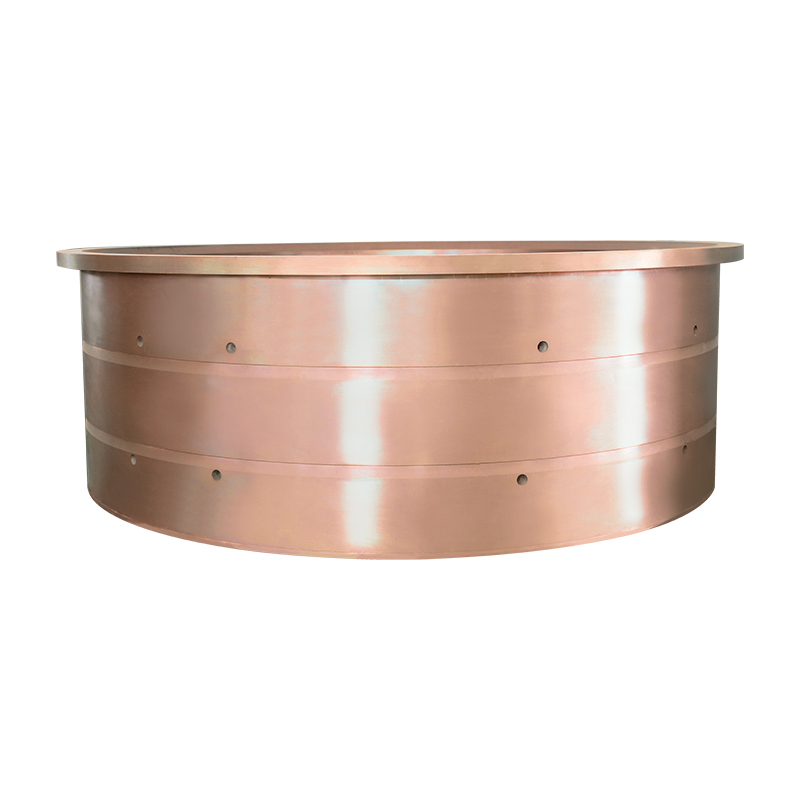
Anchor Winch Bearing And Tin Bronze Bushing is designed for heavy-load, high-speed, and hi...
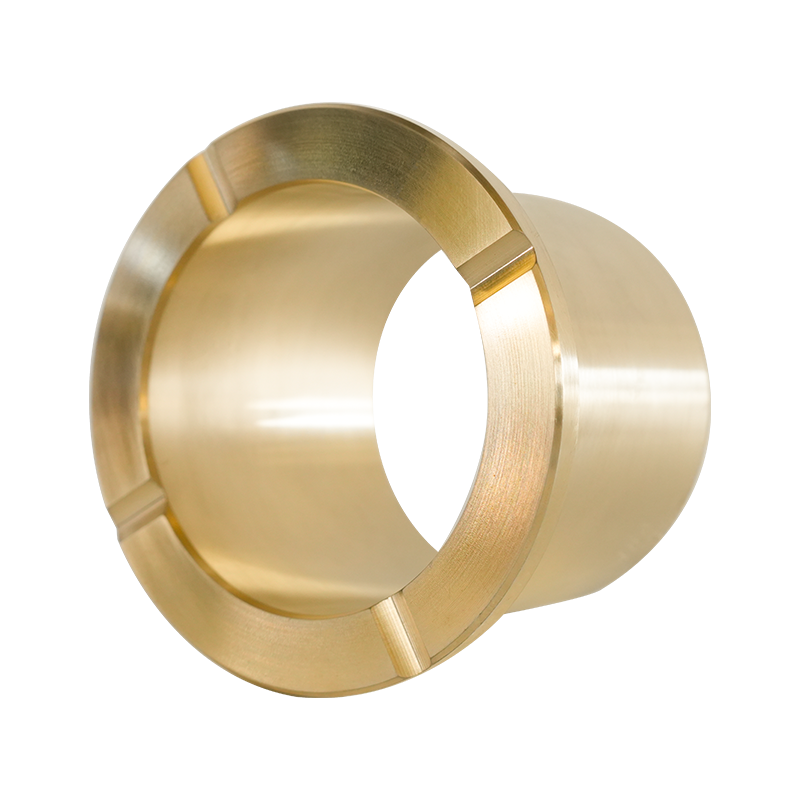
Mining Equipment Brass Bushing is specially designed for high-load and high-wear condition...
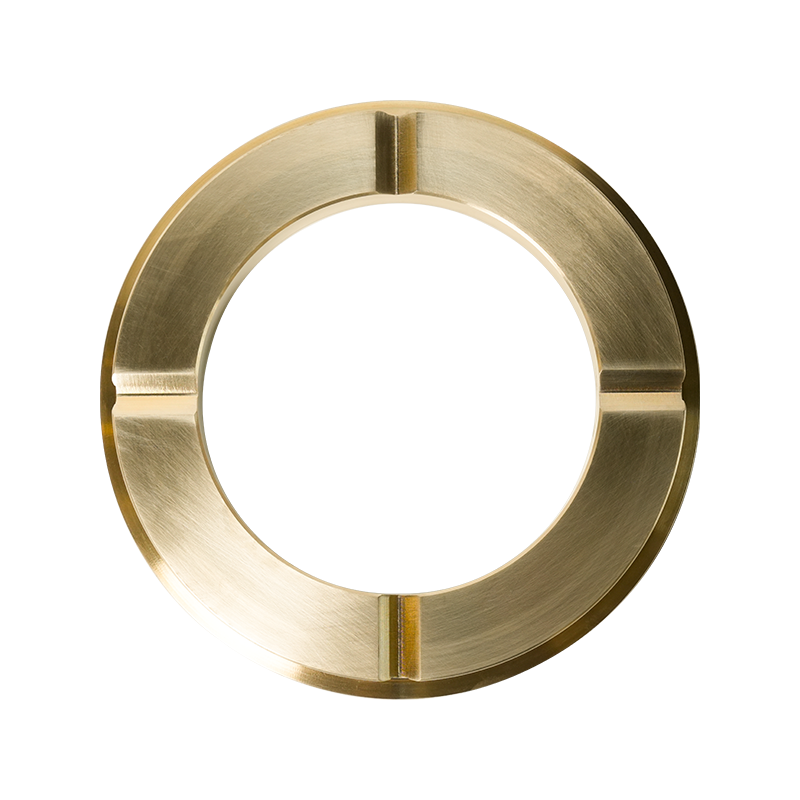
Engineering Machinery Brass Bushing is specially designed for high-load and high-wear work...
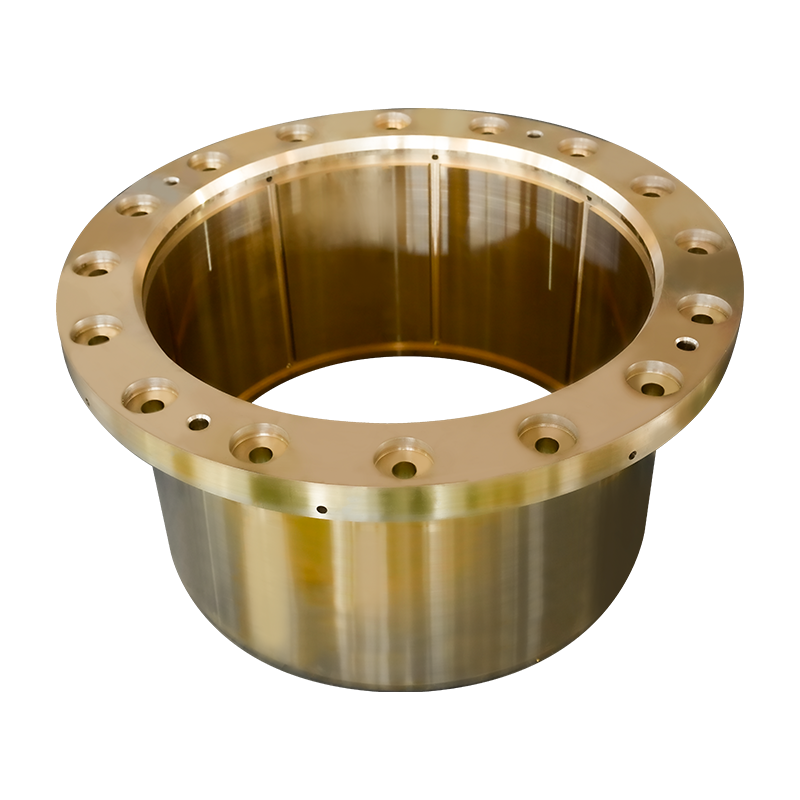
Metallurgical Equipment Brass Bushing is a high-performance brass bushing designed for wor...
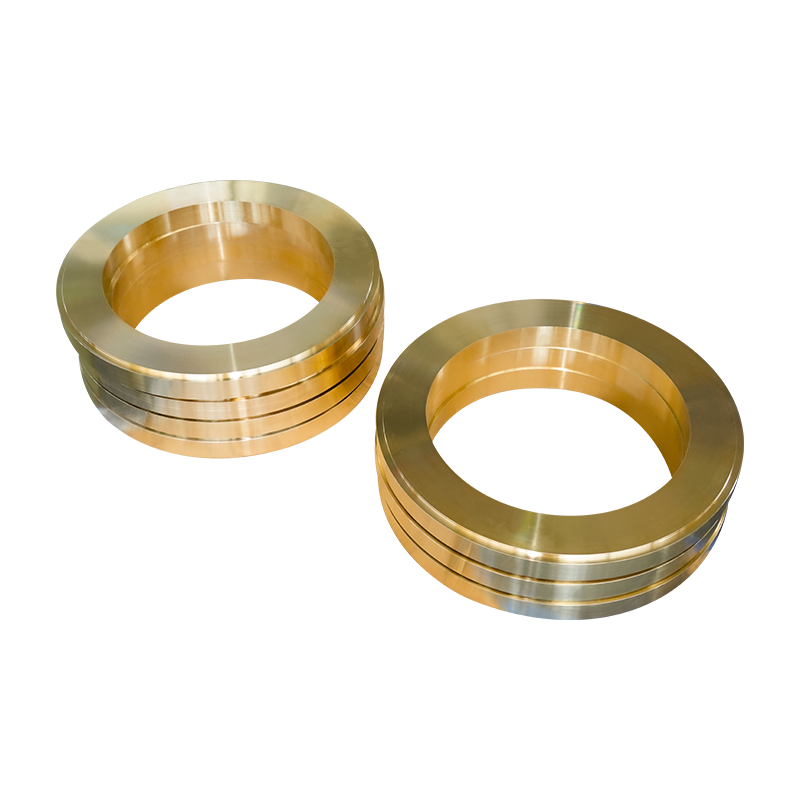
Stern Shaft Sealing Device Brass Bushing is a high-performance brass wear-resistant copper...
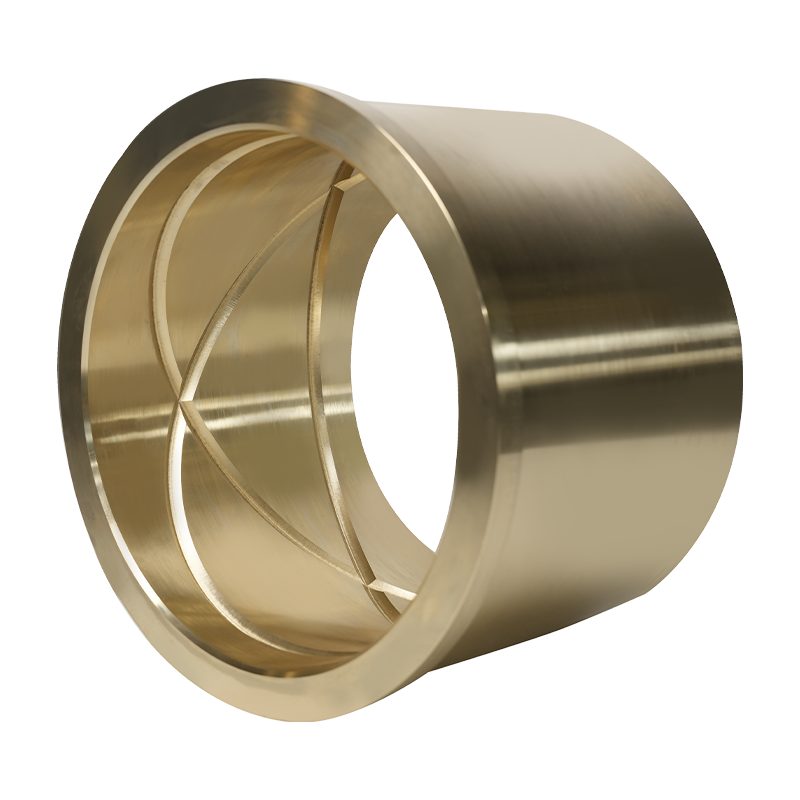
Aluminum Bronze Bushing For Rudder Transmission System is tailor-made for the Rudder trans...
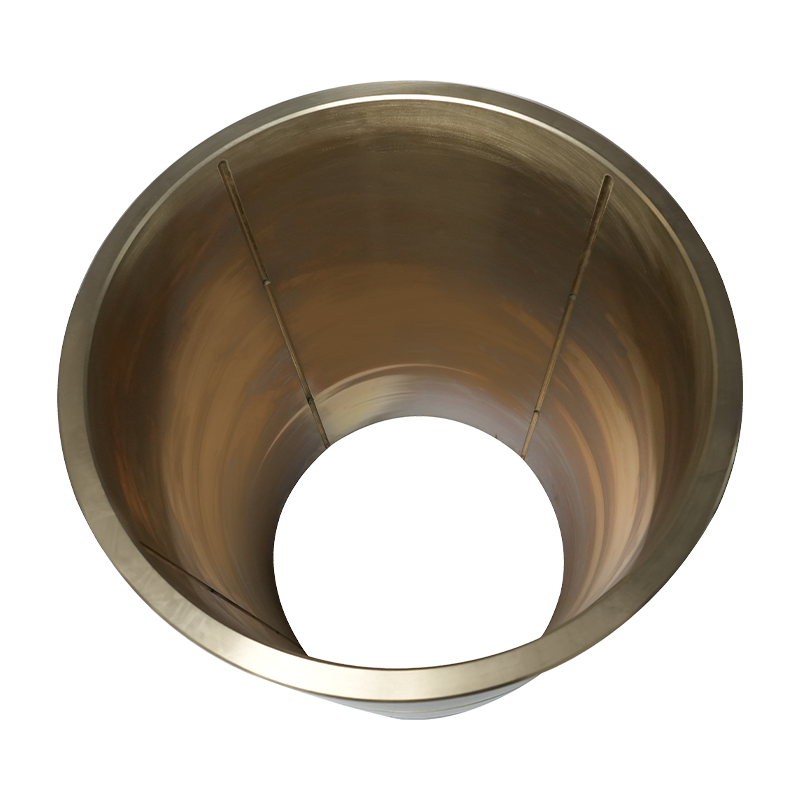
Aluminum Bronze Bushing For Ship Hydraulic Cylinders And Rudder Angle Feedback product is ...
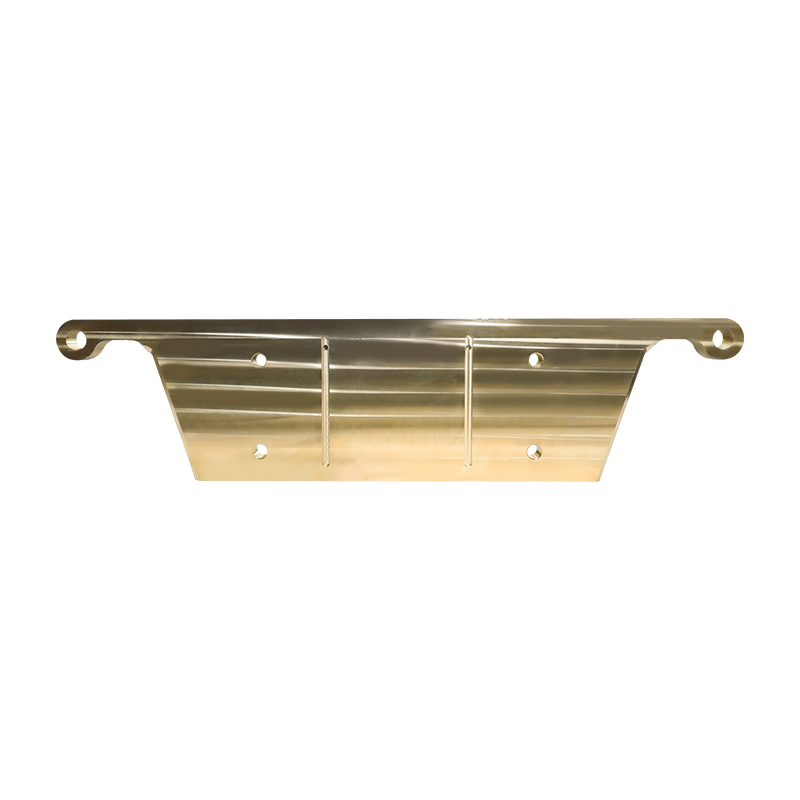
Mining Equipment Brass Plate is made of high-quality high-strength brass material, with we...
Copyright © YangZhou YiFeng Copper Products Co.,Ltd. All Rights Reserved
China copper casting manufacturers wholesale copper casting factory