


 English
 日本語
日本語 русский
 Deutsch
Tin Bronze Bushing For Mining Equipment uses high-purity copper as the base material, and ...
Home / News / Industry News / Melting Point of Bronze: Complete Guide to Alloy Temperatures and Grade Ranges

Ship Propulsion And Sealing Device
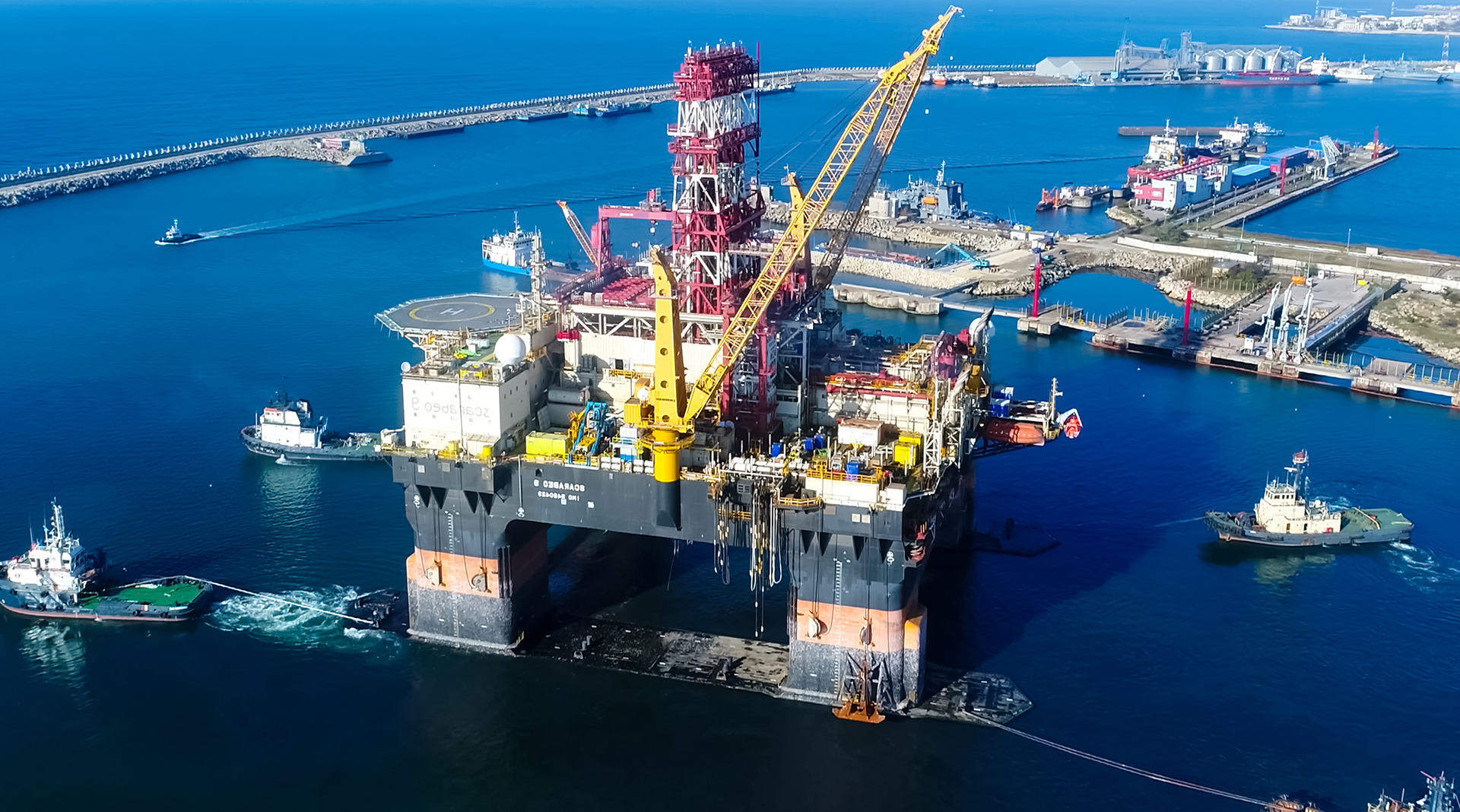
Ocean drilling and ship lock lifting equipment
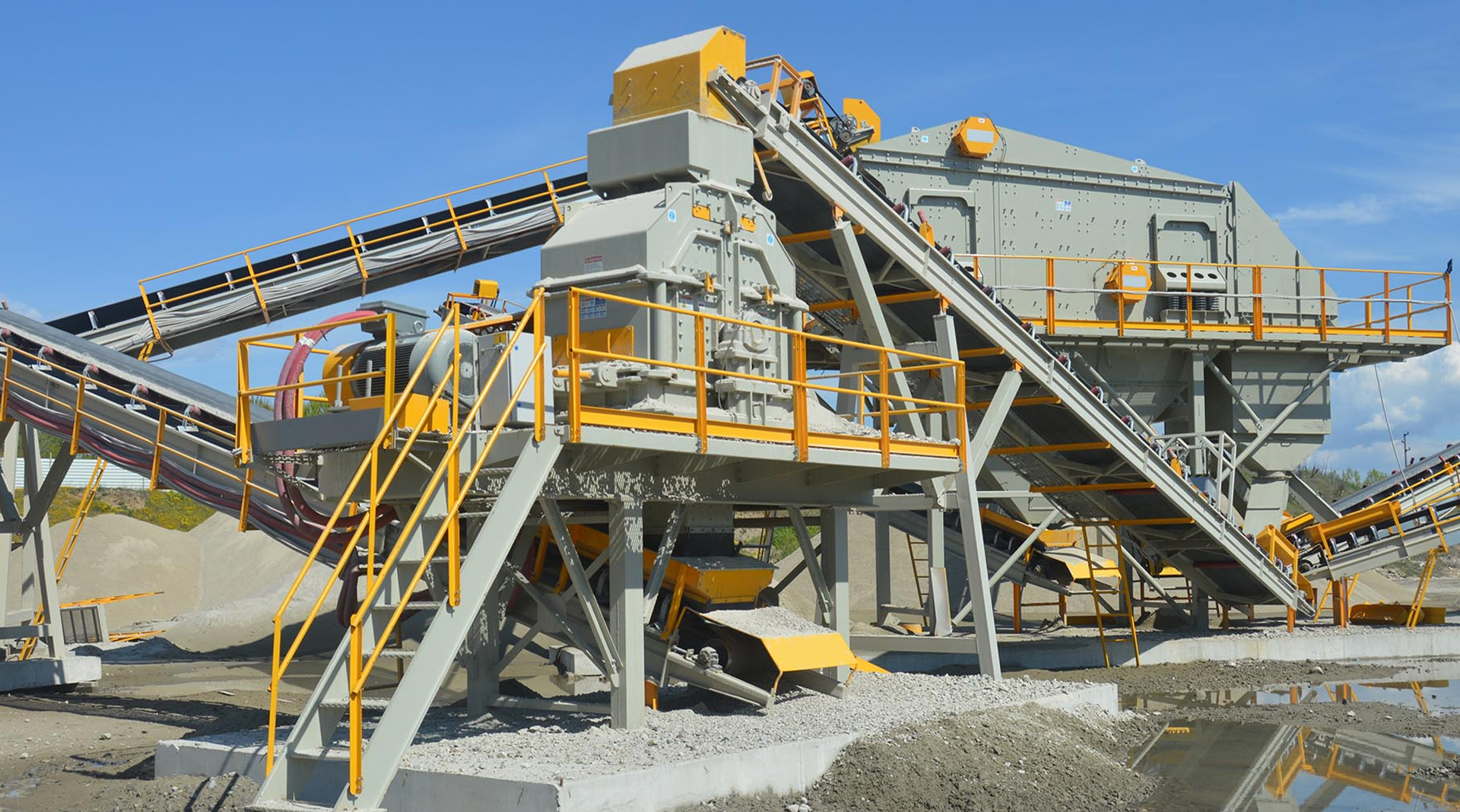
Mining equipment
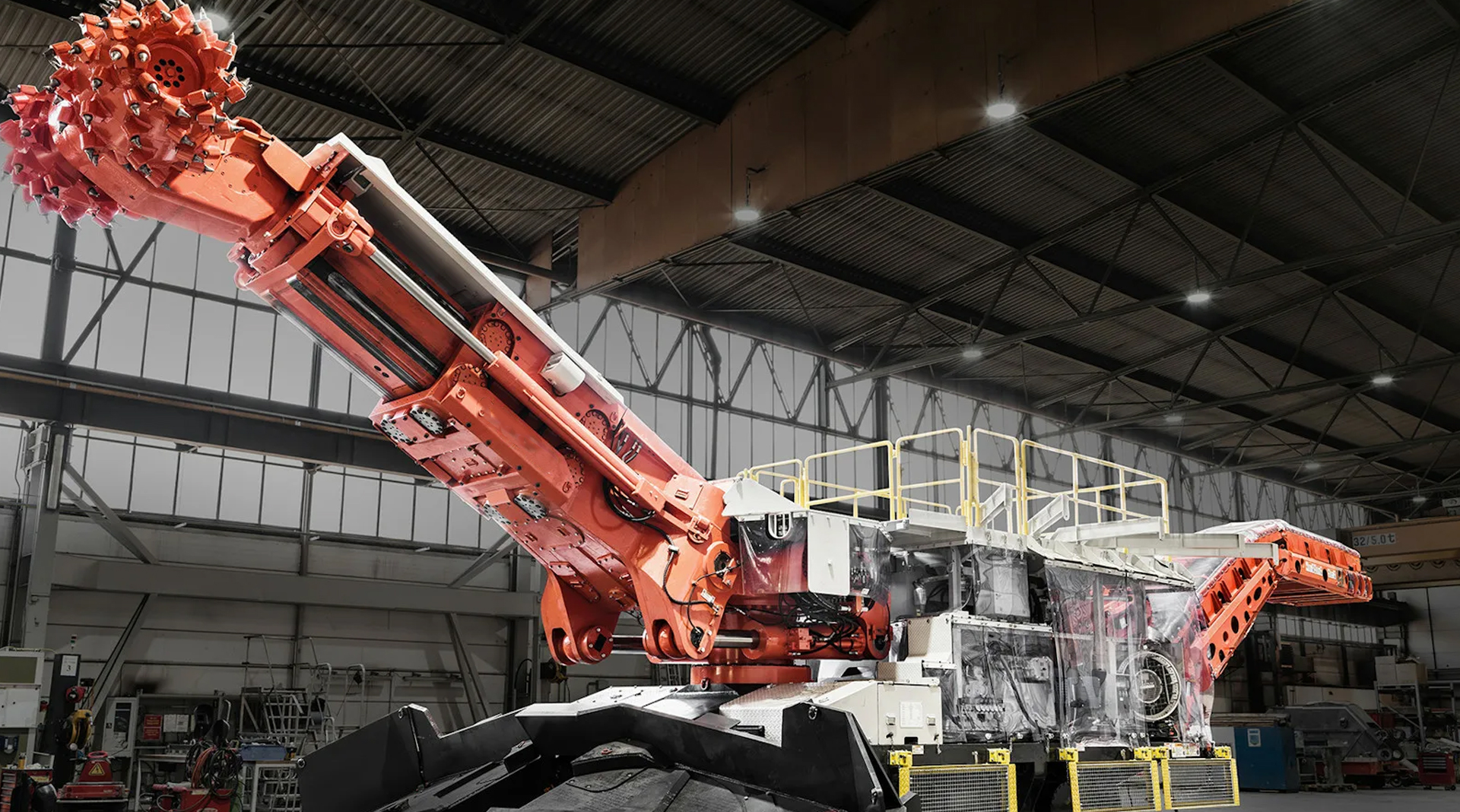
Construction machinery
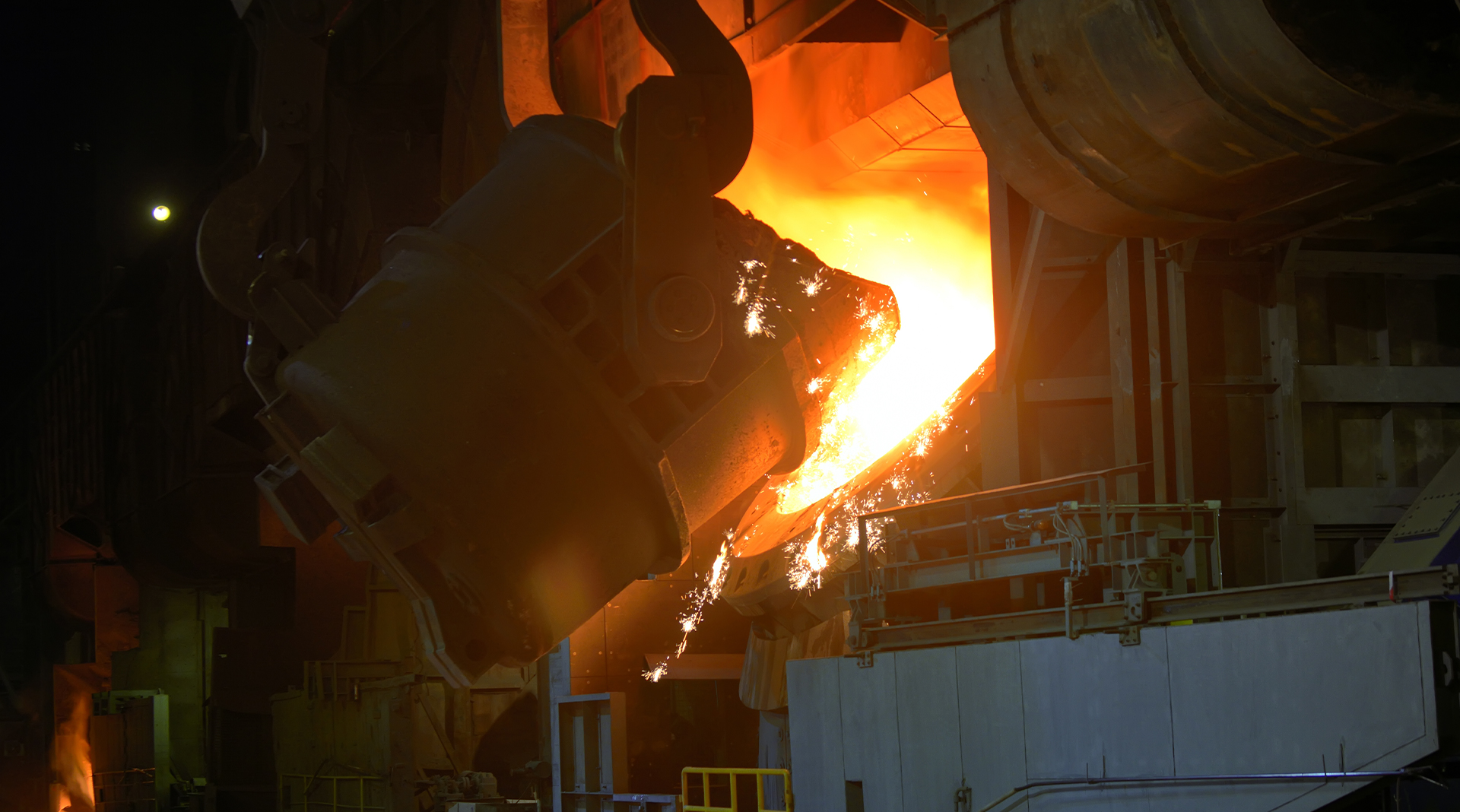
Oil and gas, metallurgical equipment
Content
Bronze has never had a single melting point. In practice, most bronze alloys melt between roughly 850°C (1,562°F) and 1,050°C (1,922°F), and a typical tin bronze with 12% tin melts near 900°C (1,652°F). That broad range is why “bronze” on a drawing is not enough for a foundry or a design review. The exact composition determines the component’s melting behavior, and that behavior determines how you cast, weld, machine, and eventually service the part.
For engineers and purchasers who work with bronze bushings, bearings, sealing rings, plates, and worm gears, the practical question is not “what is the melting point of bronze?” but “what is the melting point of the bronze grade I intend to use?”
The table below is a useful planning guide. Exact melting behavior depends on the supplier’s specification, heat treatment, and trace elements, so always confirm the grade before setting casting or operating limits.
| Bronze family | Typical composition | Representative melting range | Common applications |
|---|---|---|---|
| Tin bronze | 88% Cu / 12% Sn | ~900°C (1,652°F) | Marine bushings, steering gears, anchor winch bearings |
| Aluminum bronze | 90% Cu / 10% Al | ~1,027–1,038°C (1,881–1,900°F) | Rudder transmission systems, heavy-duty plates, mining equipment |
| Bearing bronze | Cu with Pb, Sn, Zn | ~977°C (1,790°F) | Sliding bearings under moderate loads |
| Leaded bronze | Cu with 18% Pb / 7% Sn | ~800–900°C (1,472–1,652°F) | Low-melting, free-machining bearing alloys |
| Phosphor bronze | Cu-Sn-P | ~950–1,050°C (1,742–1,922°F) | Corrosion-resistant components and spring-like parts |
The spread is not cosmetic. The difference between a leaded bronze at roughly 850°C and an aluminum bronze at roughly 1,038°C can change your casting approach, your tooling choices, and the thermal margin a component can tolerate in service.
Pure copper melts at 1,084°C (1,983°F). When you add tin, lead, aluminum, or other elements, you interrupt the regular arrangement of copper atoms. The material no longer changes from solid to liquid at one temperature. Instead, it has a solidus, the temperature at which melting starts, and a liquidus, the temperature at which the alloy is fully liquid.
This is why a single melting-point chart can only give averages. Even a simple tin bronze begins to melt at its solidus and only becomes fully fluid above its liquidus. Casting temperatures need to stay above the liquidus for the alloy to fill the mold completely.
The main alloying elements behave in predictable ways:
When a supplier reports “melting point approximately 950°C,” treat it as a useful simplification, not an absolute process limit. For engineering decisions, ask for the solidus and liquidus values and the recommended pouring temperature.
For a finished bronze component, the melting point does not set the maximum running temperature of the bearing surface. Most equipment operates far below that limit. But the melting range still matters for three practical reasons: it controls foundry practice, it identifies whether the alloy has enough thermal margin for the application, and it warns you about metallurgical changes if the part overheats during grinding, welding, or extreme sliding contact.
Tin bronze has a moderate melting range around 900°C, which makes it reliable to cast into bushing geometries and stable when exposed to seawater. It is a classic choice for ship propulsion systems, steering gear, and anchor winch bearings because the alloy still holds its bearing surface under heavy shock loads and in a corrosive environment.
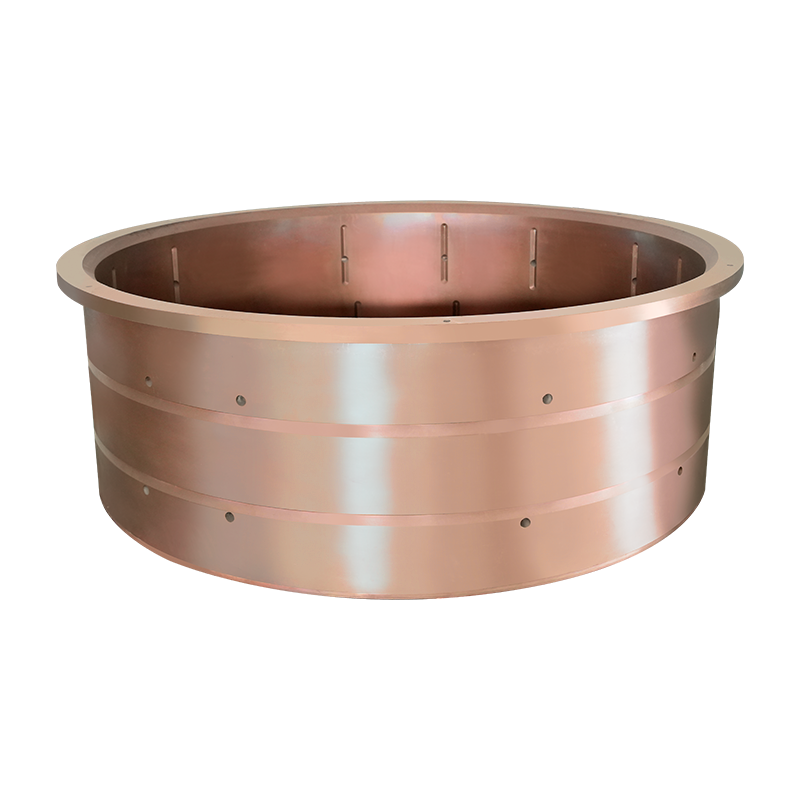 Tin Bronze Bushing for Marine Propulsion and Rudder SystemsThis seawater-resistant bushing is designed for ship propulsion shafting and rudder bearings, offering high wear resistance and self-lubricating properties to reduce friction and extend equipment life under heavy shock loads.View Product →
Aluminum bronze melts in a higher range, typically around 1,027–1,038°C. That extra thermal margin, combined with a protective oxide film, makes it useful in rudder transmission systems, ship hydraulic cylinders, and mining equipment where sand, water, and high local pressure attack the bearing surface.
 Aluminum Bronze Bushing for Rudder Transmission in Harsh ConditionsEngineered for rudder transmission systems, this bushing combines high strength, corrosion resistance, and fatigue tolerance, making it suitable for high-load, high-speed, and corrosive marine environments.View Product →
Worm gears slide against a steel worm and generate more frictional heat than standard gear sets. Bronze worm wheels are specified because of their low adhesion to steel, not because of an exceptionally high melting point. A copper alloy worm gear used in gear-hobbing machines and finishing machines must be poured cleanly and cooled under control, because porosity created during casting shortens gear life under repeated thermal cycling.
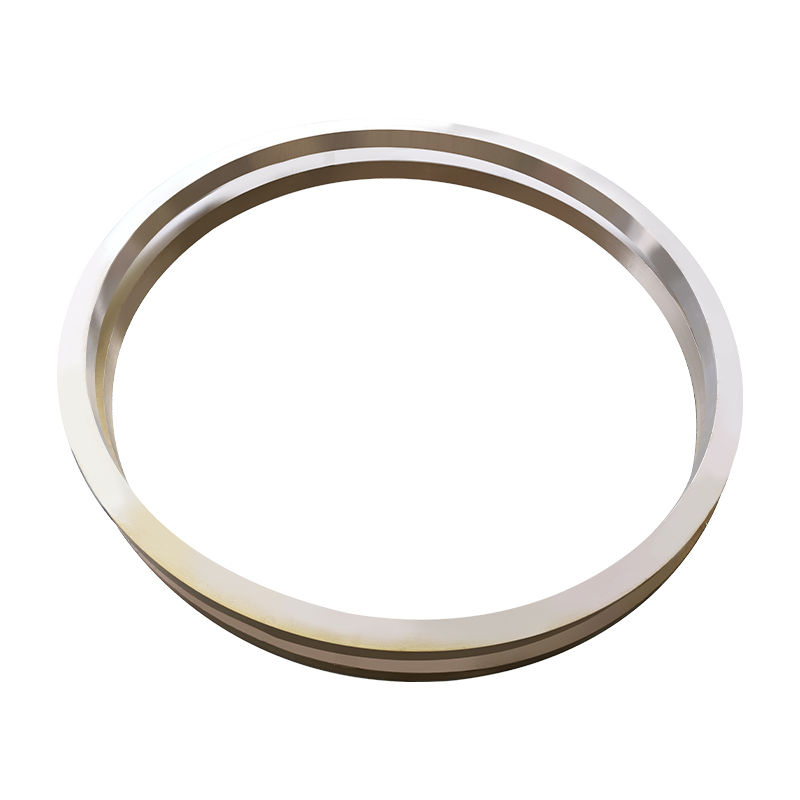 Copper Alloy Worm Gear for Precision Machine Tool DrivesPrecision-manufactured worm gear for gear hobbing and finishing machines, featuring high tooth accuracy and controlled casting to prevent porosity, ensuring reliable power transmission and long service life.View Product →
A melting-point chart tells you that bronze can melt between 850°C and 1,050°C, but it does not tell you whether the grade can survive abrasive slurry, saltwater, shock loading, or constant sliding contact. The engineering approach is to fix the operating conditions first—load, speed, temperature, corrosion, lubrication—and then choose the alloy with the right combination of melting range, mechanical strength, and wear resistance.
At Yangzhou Yifeng Copper Products, we have produced copper alloy components since 2005 and built our process around that selection logic. Each tin bronze, aluminum bronze, brass, self-lubricating, and worm gear grade is matched to its operating environment before it is cast or machined. For a closer look at how that experience shapes our material specifications, see our company background. If you are reviewing a new bronze component, contact our engineering team with the operating temperature, load, and environment, and we can help you translate a melting-point value into a practical bronze grade.
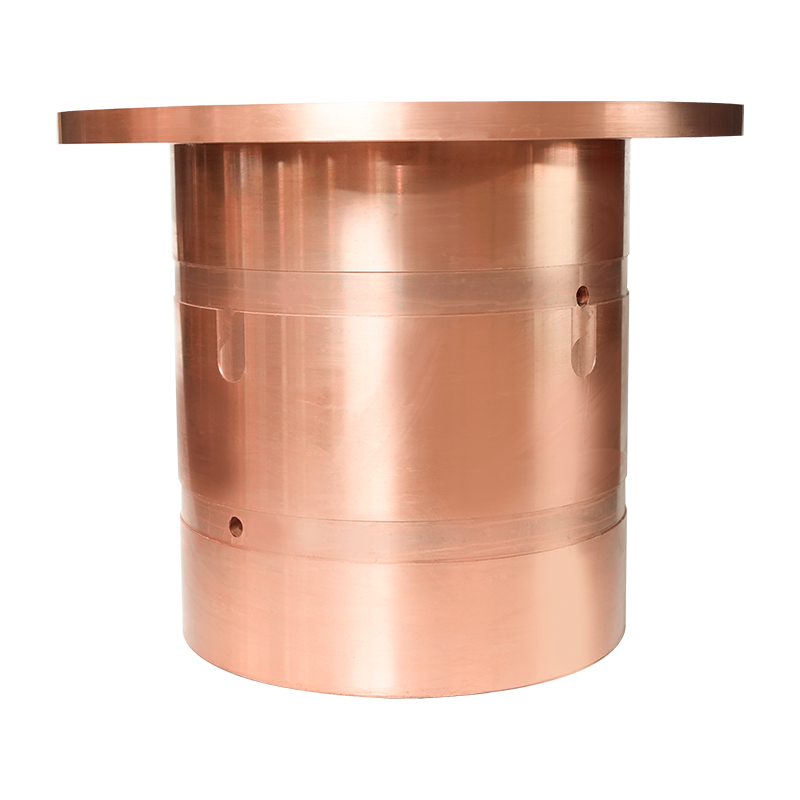
Tin Bronze Bushing For Mining Equipment uses high-purity copper as the base material, and ...
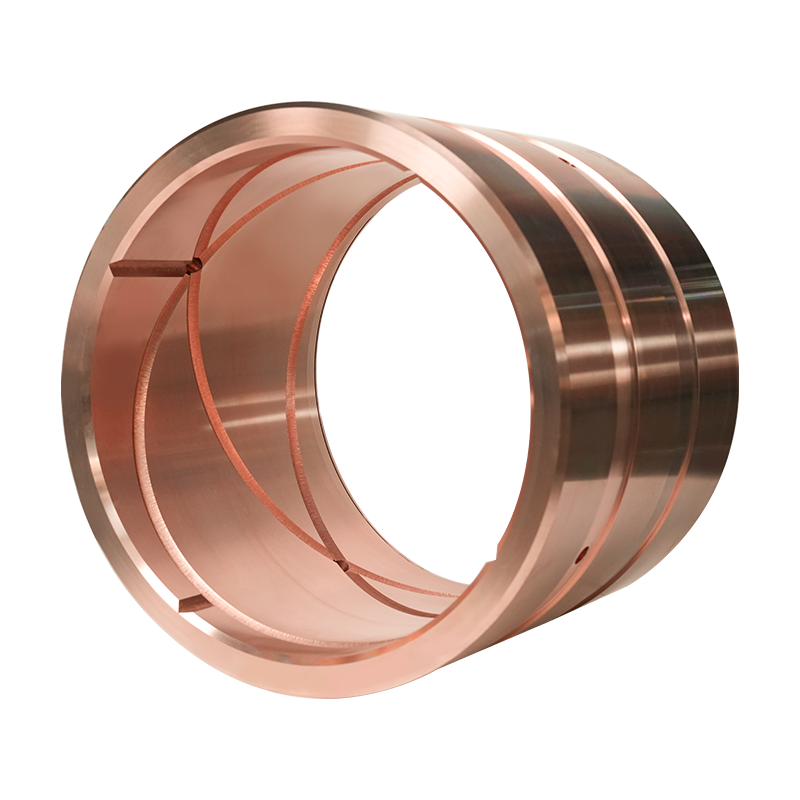
Tin Bronze Bushing For Engineering Machinery is made of high-quality high-purity copper su...
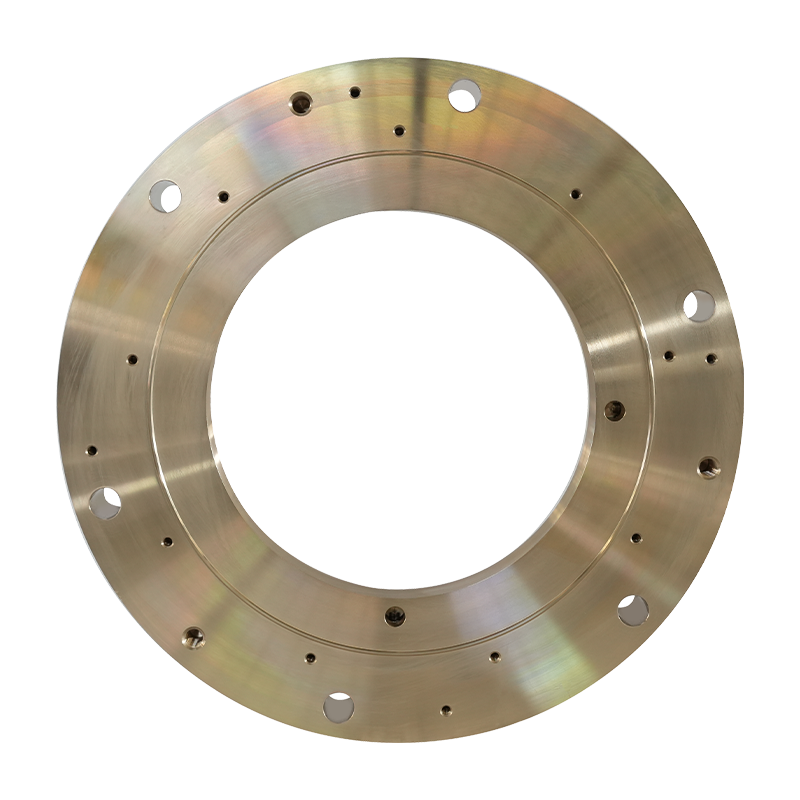
Marine Copper Alloy Sealing Ring Marine Sealing Ring is a key sealing component in the shi...
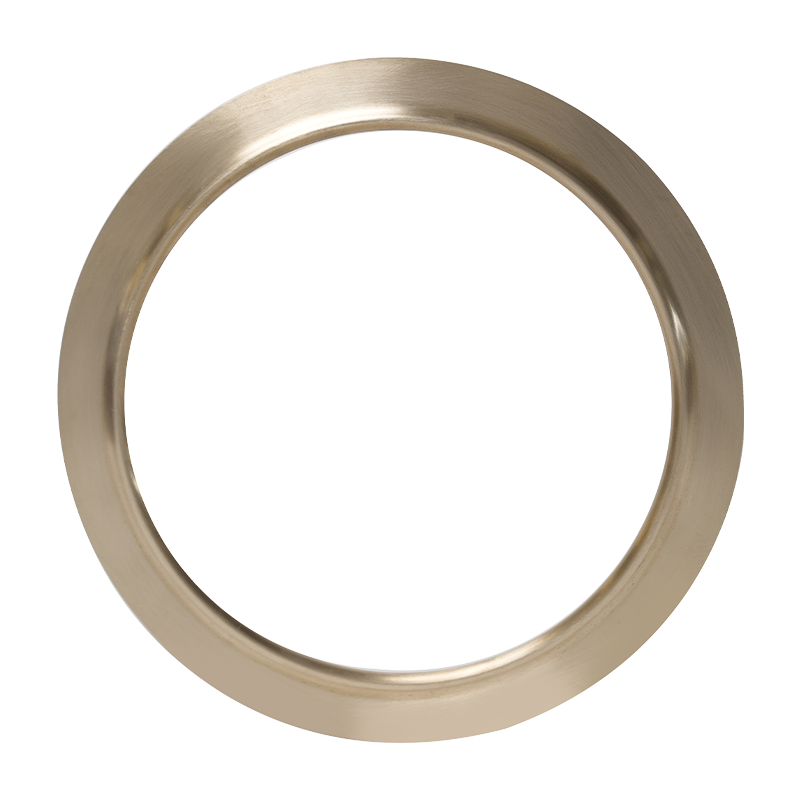
Propulsion Device Seal Marine Copper Alloy Sealing Ring is made of high-quality copper all...
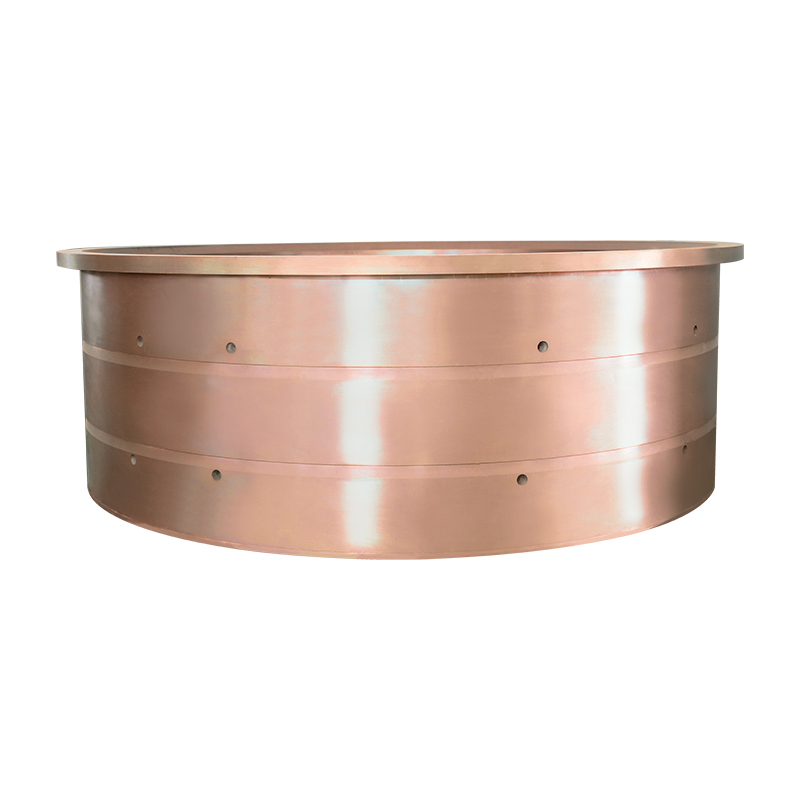
Anchor Winch Bearing And Tin Bronze Bushing is designed for heavy-load, high-speed, and hi...
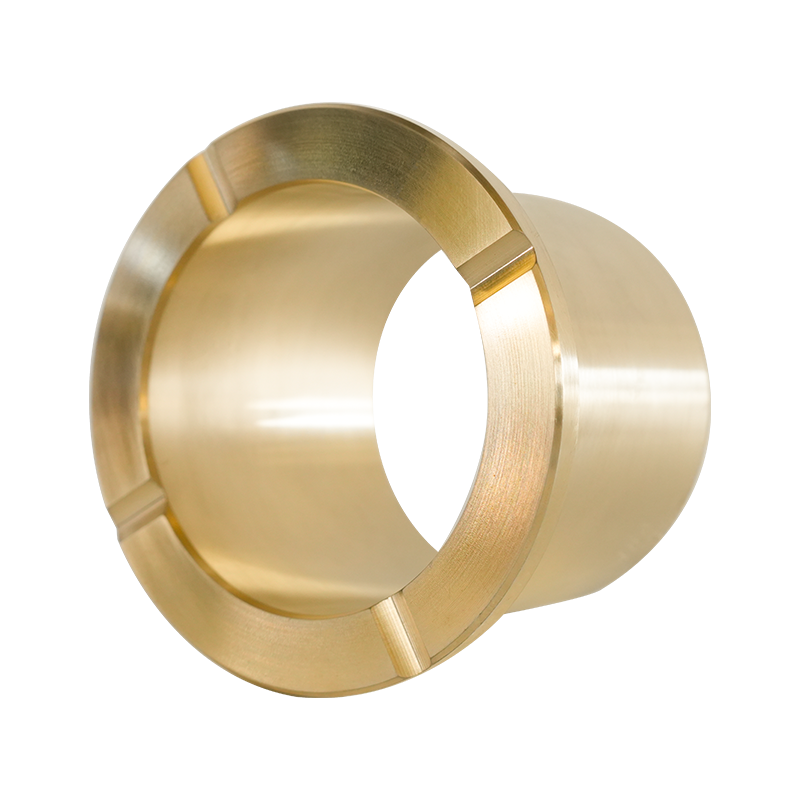
Mining Equipment Brass Bushing is specially designed for high-load and high-wear condition...
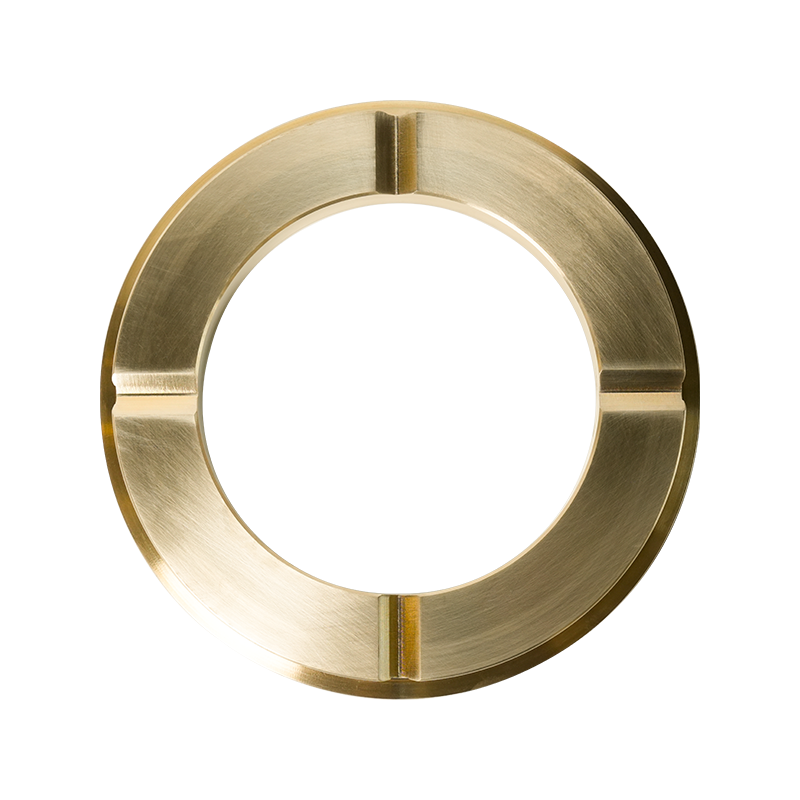
Engineering Machinery Brass Bushing is specially designed for high-load and high-wear work...
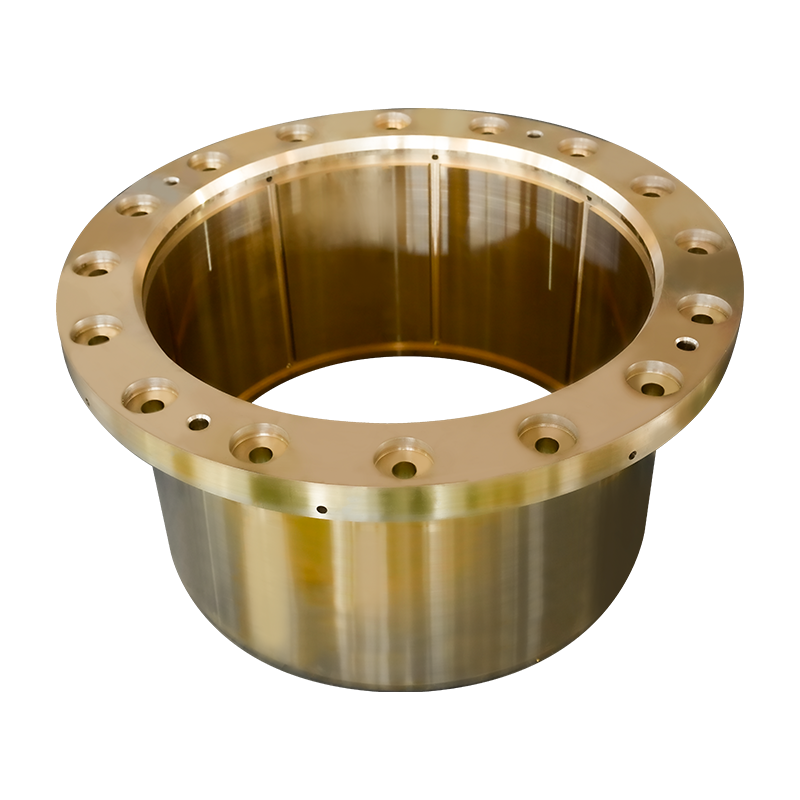
Metallurgical Equipment Brass Bushing is a high-performance brass bushing designed for wor...
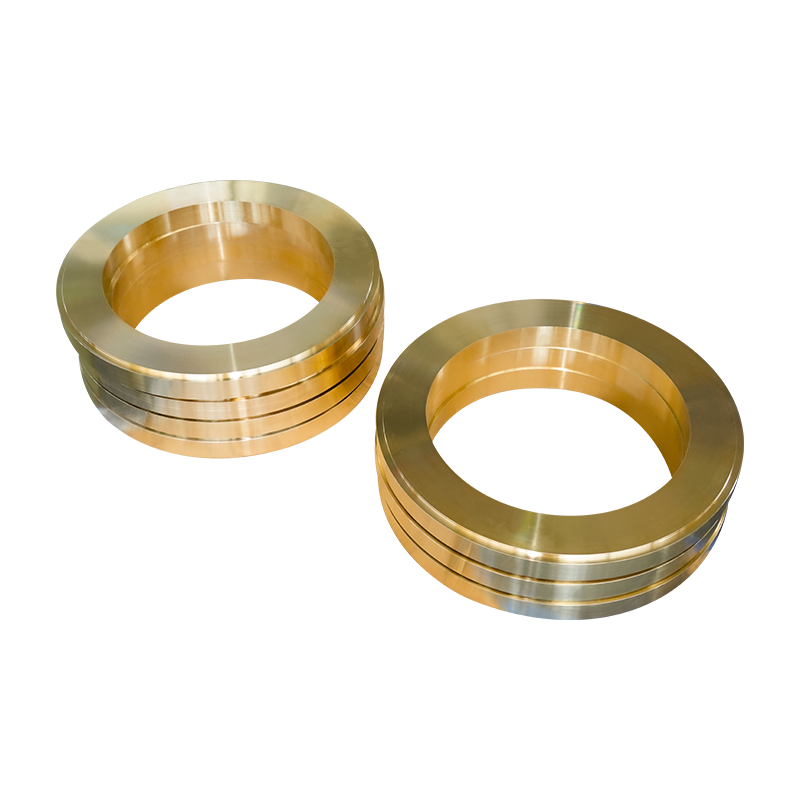
Stern Shaft Sealing Device Brass Bushing is a high-performance brass wear-resistant copper...
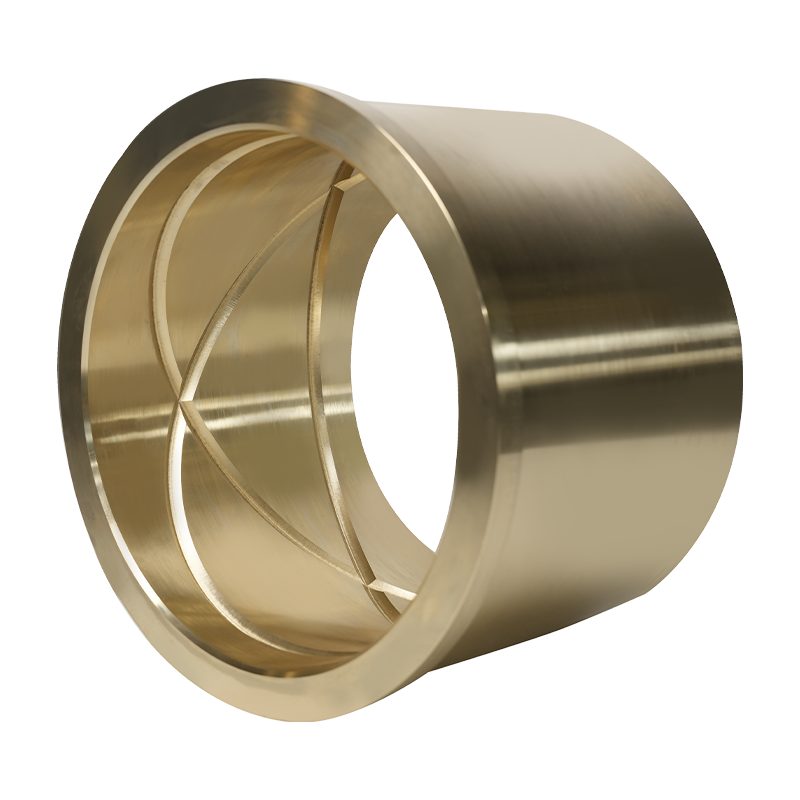
Aluminum Bronze Bushing For Rudder Transmission System is tailor-made for the Rudder trans...
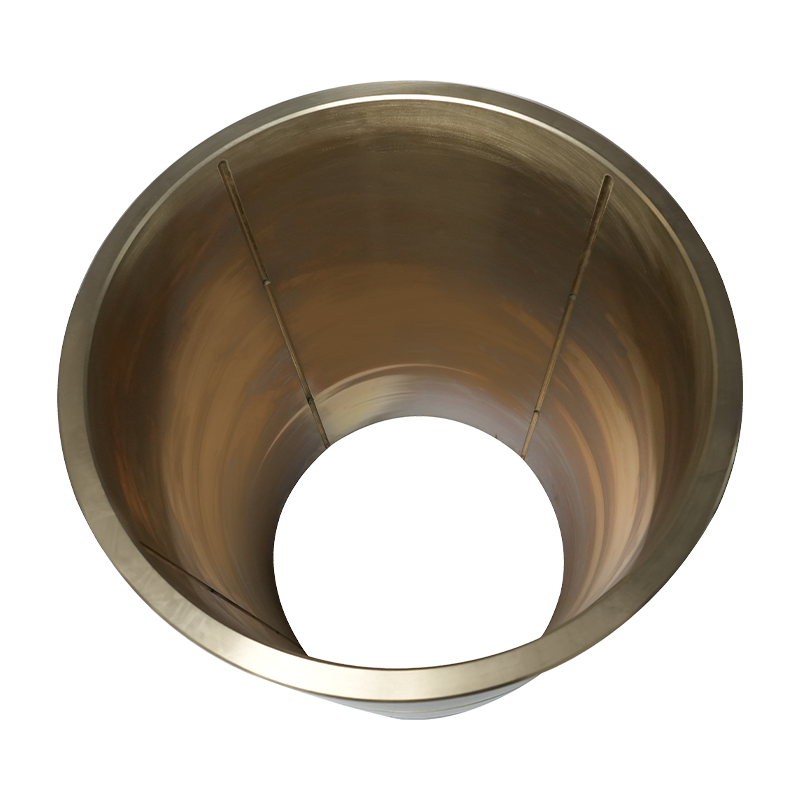
Aluminum Bronze Bushing For Ship Hydraulic Cylinders And Rudder Angle Feedback product is ...
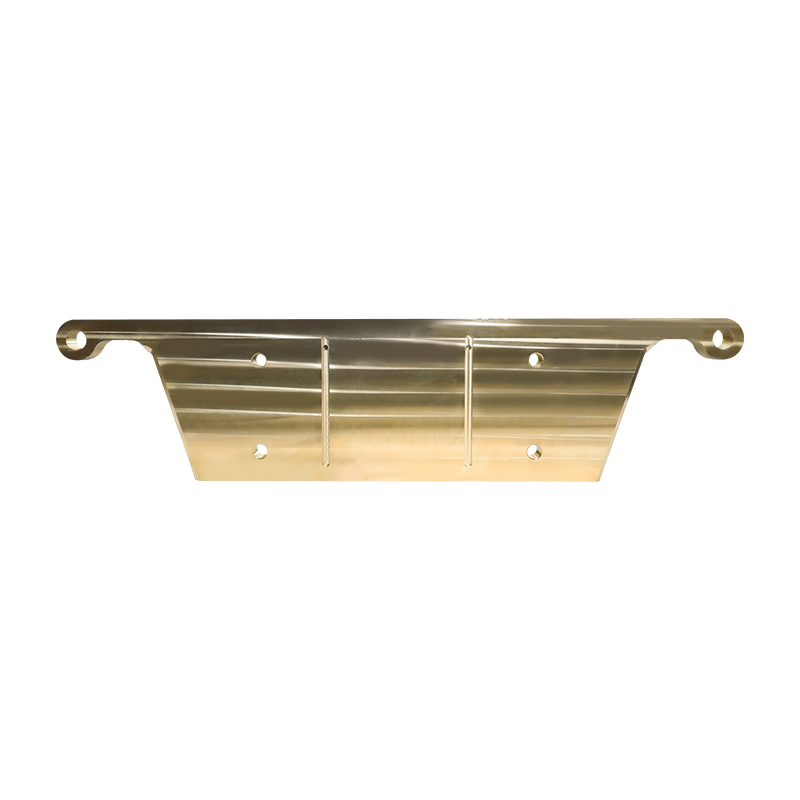
Mining Equipment Brass Plate is made of high-quality high-strength brass material, with we...
Copyright © YangZhou YiFeng Copper Products Co.,Ltd. All Rights Reserved
China copper casting manufacturers wholesale copper casting factory