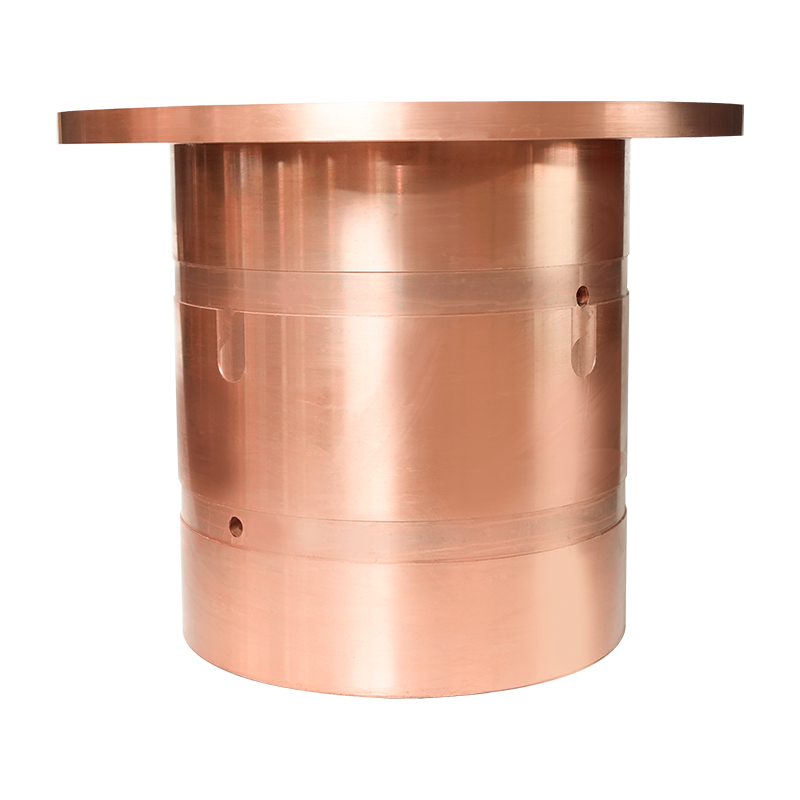
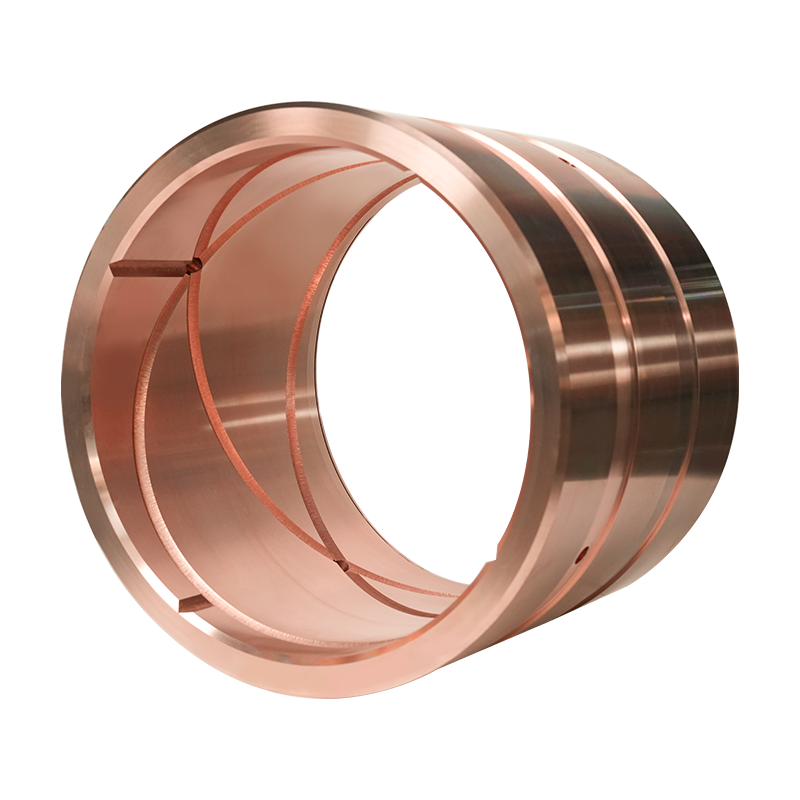
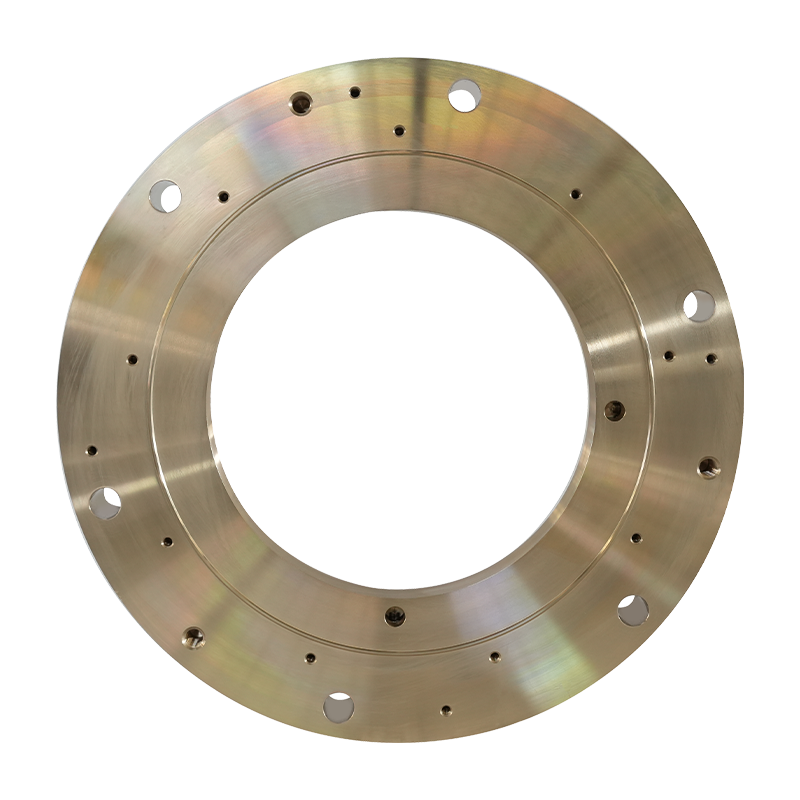
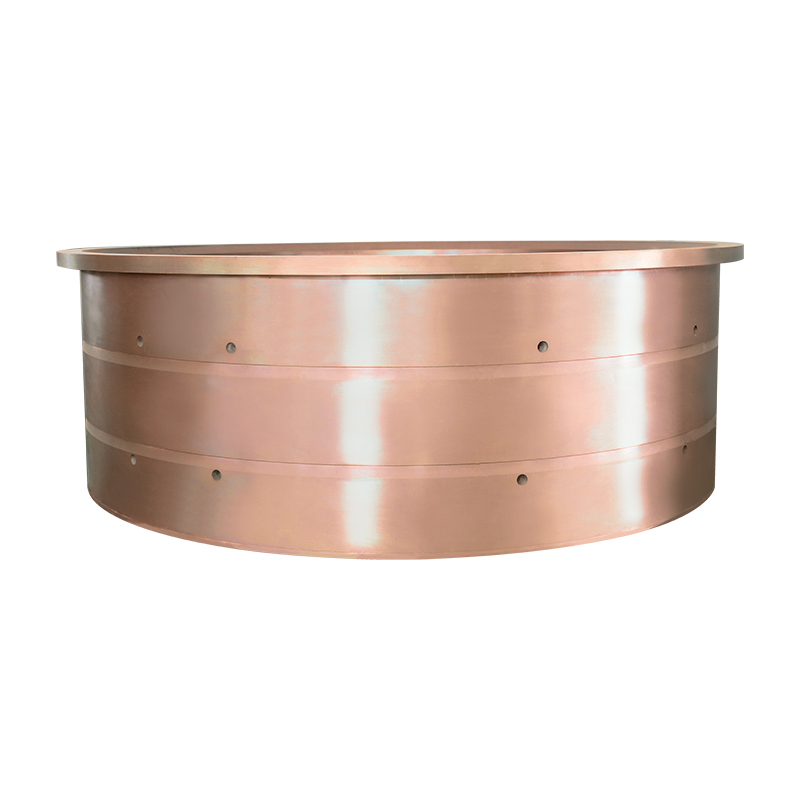
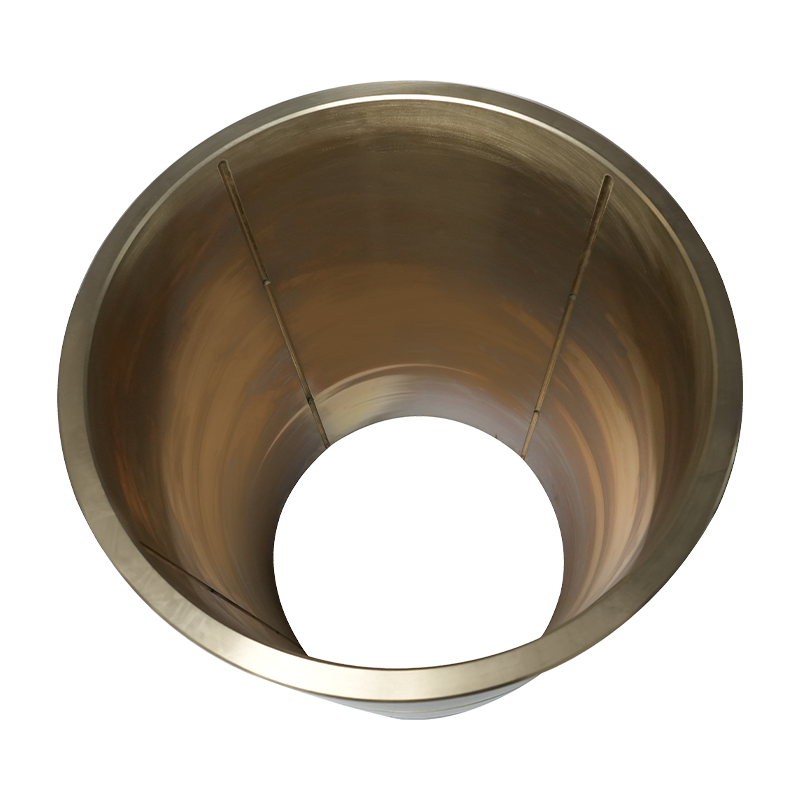
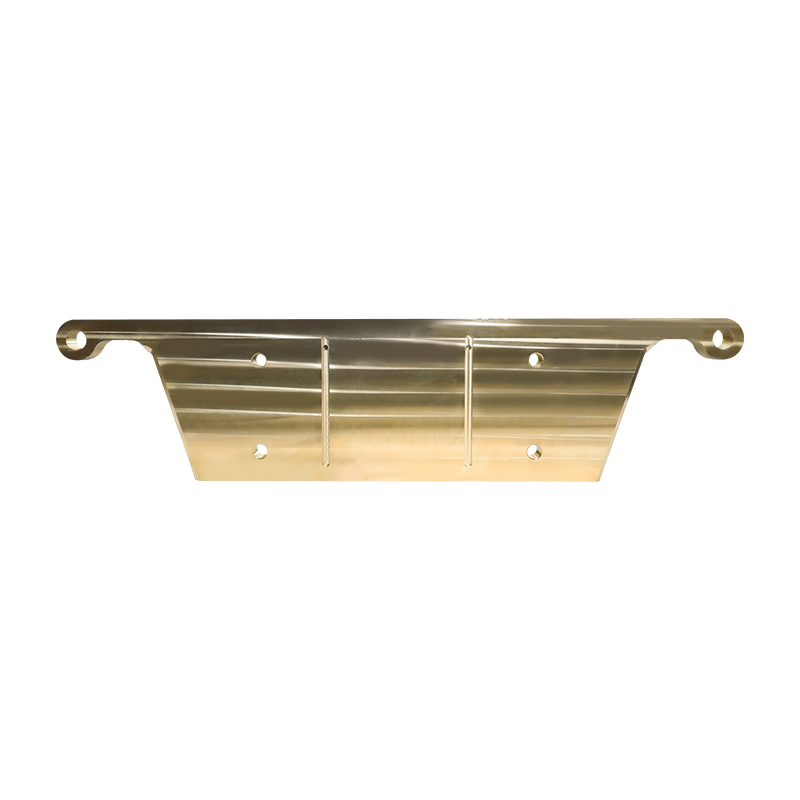
Copper plate is one of the easiest metals to bend cleanly in sheet metal bending because of its low yield strength and high ductility, but the bend quality still depends heavily on plate thickness, temper (soft-annealed versus hard-rolled), and bend radius. Soft-annealed copper plate can typically be bent to a radius as tight as 1 times the material thickness without cracking, while hard-rolled copper plate generally needs a radius of 2 to 3 times the thickness to avoid surface fracturing. Understanding these limits before bending — rather than after a part fails — is the difference between a clean fabrication run and a batch of scrapped copper plate.
Why copper plate behaves differently in a bending press
Sheet metal bending works by forcing a flat plate over a die until it takes a permanent angle, and the metal on the outer surface of the bend stretches while the inner surface compresses. Copper plate handles this stretching unusually well compared to many other metals because of its face-centered cubic crystal structure, which allows atoms to slip past one another under stress instead of fracturing. This is why copper plate can absorb tighter bend radii than steel plate of similar thickness without cracking along the bend line.
The tradeoff is that copper work-hardens as it bends. Each time the metal is deformed, the grain structure along the bend line becomes denser and less ductile, which is why a copper plate that bends easily on the first pass can become stiff and prone to cracking if the same bend line is reworked or bent back and forth multiple times.
Temper matters more than most fabricators expect
Soft-annealed copper plate
Annealing heats the copper plate and then cools it slowly, which resets the grain structure and removes the internal stress built up from rolling. This produces the most bendable form of copper plate, capable of tight radii and complex shapes with minimal cracking risk.
Half-hard and hard-rolled copper plate
Rolling copper without annealing leaves the grain structure compressed and strained, which increases strength and wear resistance but reduces how far the plate can bend before the outer surface splits. Fabricators working with hard-rolled copper plate typically need to plan for a larger bend radius and slower press speed to prevent visible cracking.
Minimum bend radius by thickness and temper
The most common cause of a failed bend is choosing a radius that is too tight for the plate's thickness and temper. The table below outlines commonly referenced minimum bend radius ranges for copper plate.
| Plate thickness |
Soft-annealed minimum radius |
Hard-rolled minimum radius |
| 0.5 mm |
0.5 mm (1t) |
1.0–1.5 mm (2–3t) |
| 1.0 mm |
1.0 mm (1t) |
2.0–3.0 mm (2–3t) |
| 2.0 mm |
2.0–2.5 mm (1–1.25t) |
4.0–6.0 mm (2–3t) |
| 3.0 mm |
3.0–4.0 mm (1–1.3t) |
6.0–9.0 mm (2–3t) |
General minimum bend radius guidance for copper plate by thickness and temper; actual limits vary by alloy purity and press setup.
These figures are general fabrication guidance rather than a fixed rule for every alloy grade, so it is standard practice to run a test bend on a sample piece of copper plate before committing a full production batch to a tight radius.
Springback: the hidden variable in copper plate bending
Springback is the tendency of a bent plate to relax slightly back toward its original flat shape once the bending force is removed. Copper plate generally has less springback than steel or aluminum of comparable thickness because of its lower yield strength, but it is rarely zero.
- Soft-annealed copper plate typically springs back only 1 to 3 degrees on a 90-degree bend.
- Hard-rolled copper plate can spring back 3 to 6 degrees or more, depending on thickness.
- Thicker plates generally show slightly more springback than thin sheet at the same temper.
- Overbending the plate by a few degrees beyond the target angle compensates for most springback in production.
Common defects when bending copper plate and how to avoid them
Surface cracking along the bend line
This usually happens when the bend radius is too tight for the plate's thickness and temper, or when the grain direction of the rolled copper plate runs parallel to the bend line instead of across it. Orienting the bend across the grain, rather than along it, meaningfully reduces cracking risk.
Die marking and surface scratching
Because copper plate is relatively soft, an unpolished or worn die can leave visible marks on the outer bend surface. Using a clean, properly finished die and applying a light forming lubricant reduces surface damage, which matters most for decorative or architectural copper plate applications.
Inconsistent angles across a long bend
On longer copper plate parts, uneven pressure along the press brake can cause the bend angle to vary from one end of the part to the other. Even tooling pressure and a rigid backstop setup keep the angle consistent across the full length of the bend.
Where bent copper plate is used and why the process matters
Bent copper plate shows up across electrical, architectural, and industrial applications precisely because sheet metal bending lets fabricators turn a flat plate into busbars, enclosure panels, roofing flashing, and structural brackets without cutting or welding every joint. Copper's high electrical and thermal conductivity means bent copper plate components are frequently used in busbar systems and heat-transfer parts, where a poorly executed bend that cracks the surface can create a weak point that affects both mechanical strength and current-carrying capacity.
A supplier that understands both the metallurgy and the fabrication side of copper plate can advise on the right temper, thickness, and bend radius for a specific application before production begins, which reduces scrap rates and rework. Reviewing a dedicated copper plate product line is a practical way to compare available thicknesses, tempers, and purity grades before finalizing a bending plan.
Practical checklist before bending copper plate
- Confirm the plate's temper — soft-annealed, half-hard, or hard-rolled — since this changes the safe bend radius significantly.
- Measure exact plate thickness rather than relying on nominal specification values.
- Select a bend radius at or above the minimum recommended for that thickness and temper.
- Orient the bend line across the rolling grain direction where possible.
- Run a test bend on a sample piece before committing to a full production batch.
- Account for springback by overbending slightly beyond the target angle.
- Inspect the outer bend surface for cracking or die marks immediately after the first test piece.
Key takeaways
Copper plate is well suited to sheet metal bending thanks to its ductility and relatively low yield strength, but successful results depend on matching the bend radius to the plate's actual thickness and temper rather than applying a single rule to every job. Soft-annealed copper plate tolerates radii as tight as one times the thickness, while hard-rolled plate generally needs two to three times the thickness to avoid cracking. Combining the correct radius with grain-aware bend orientation, a properly finished die, and a small overbend allowance to counter springback consistently produces clean, accurate bends across both thin sheet and heavier copper plate stock.



 English
 日本語
日本語 русский
 Deutsch