Quick Answer: What Actually Damages Bushings
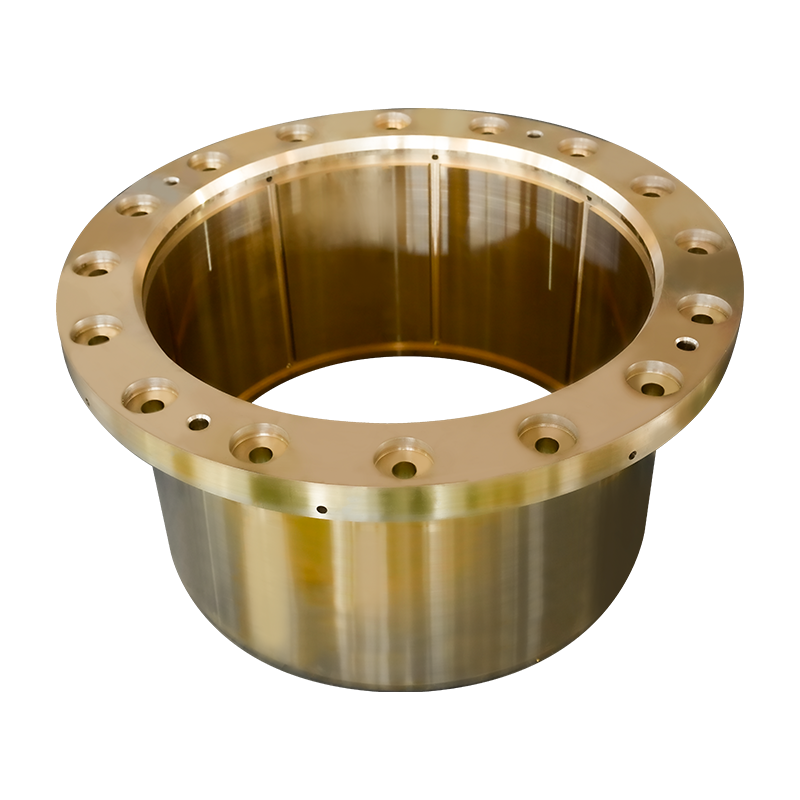
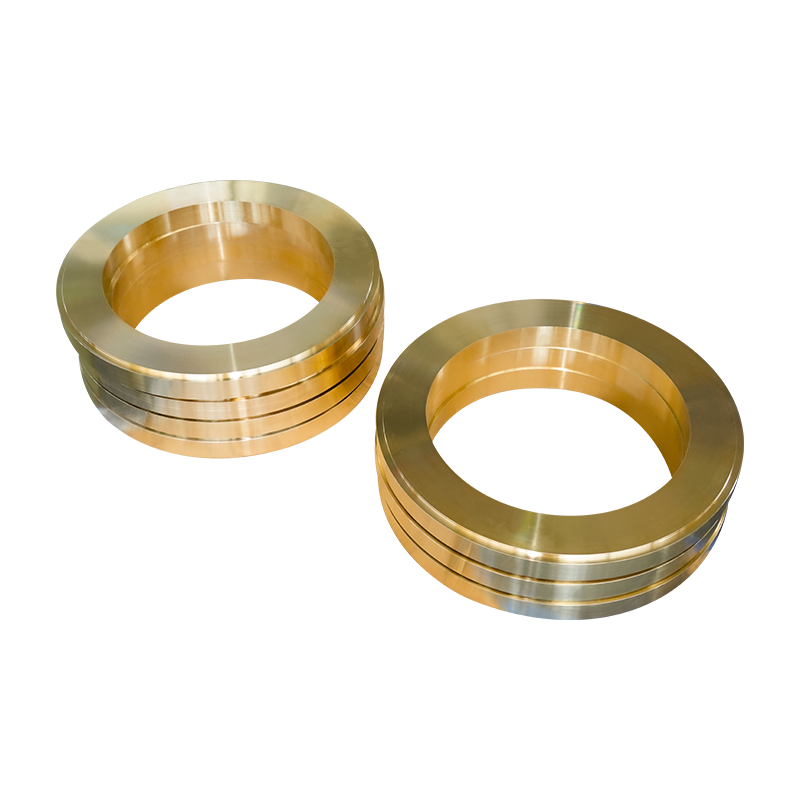
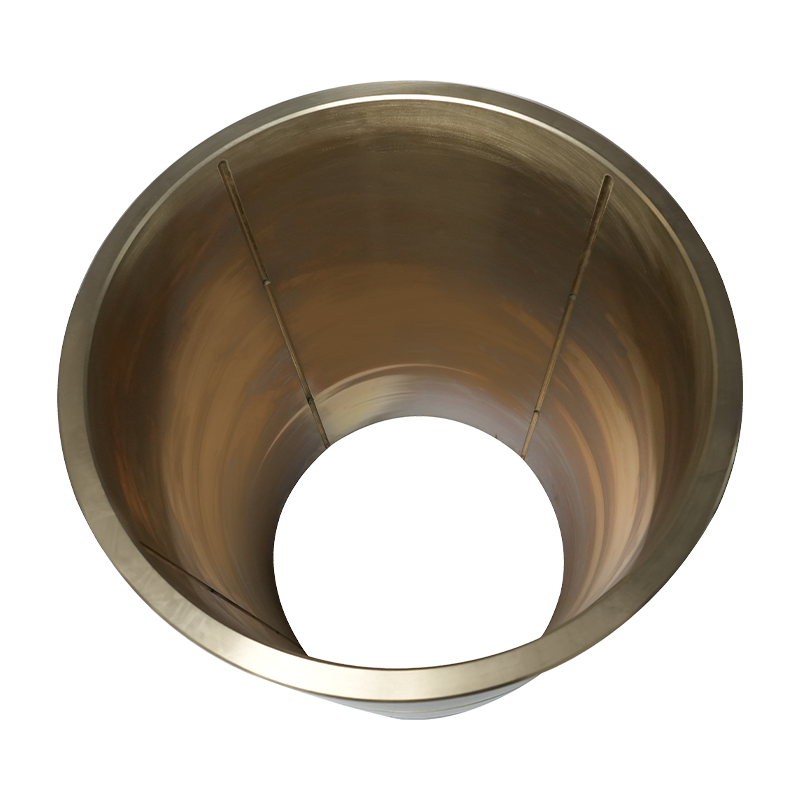
Most bushing failures trace back to one of six causes: misalignment between the shaft and housing, insufficient or contaminated lubrication, abrasive dirt or grit entering the sliding surface, mechanical overload beyond the rated capacity, corrosion from moisture or chemical exposure, and incorrect clearance during installation. A copper bushing is designed to wear slower than the shaft it protects, but any of these six conditions accelerates that wear far beyond its normal service life, sometimes cutting a rated lifespan of several years down to a few months. The sections below walk through each cause in detail, along with the warning signs and practical steps that reduce the risk of premature failure.
Shaft Misalignment and Uneven Load Distribution
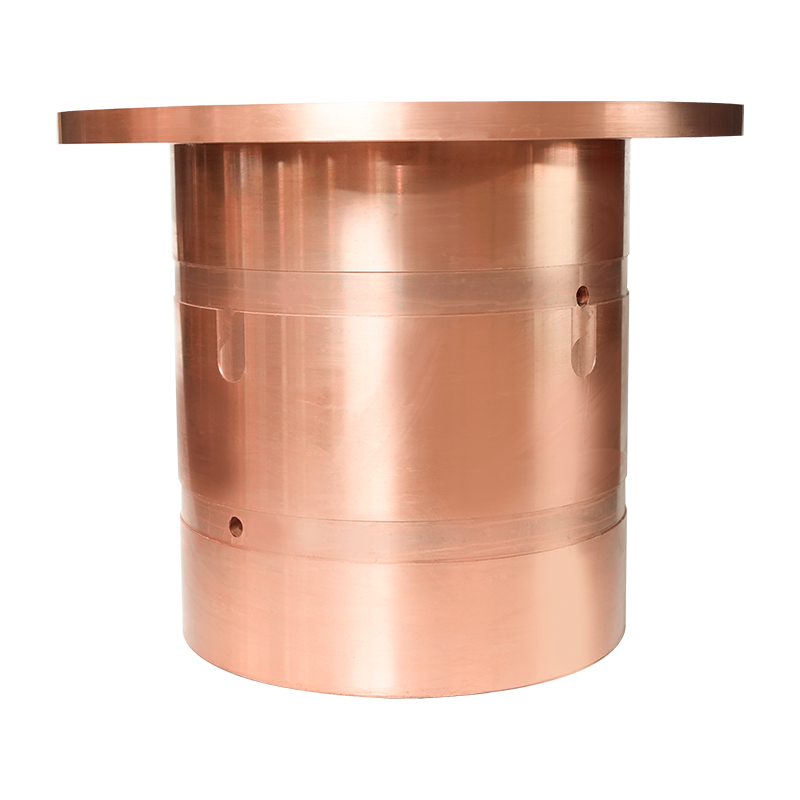
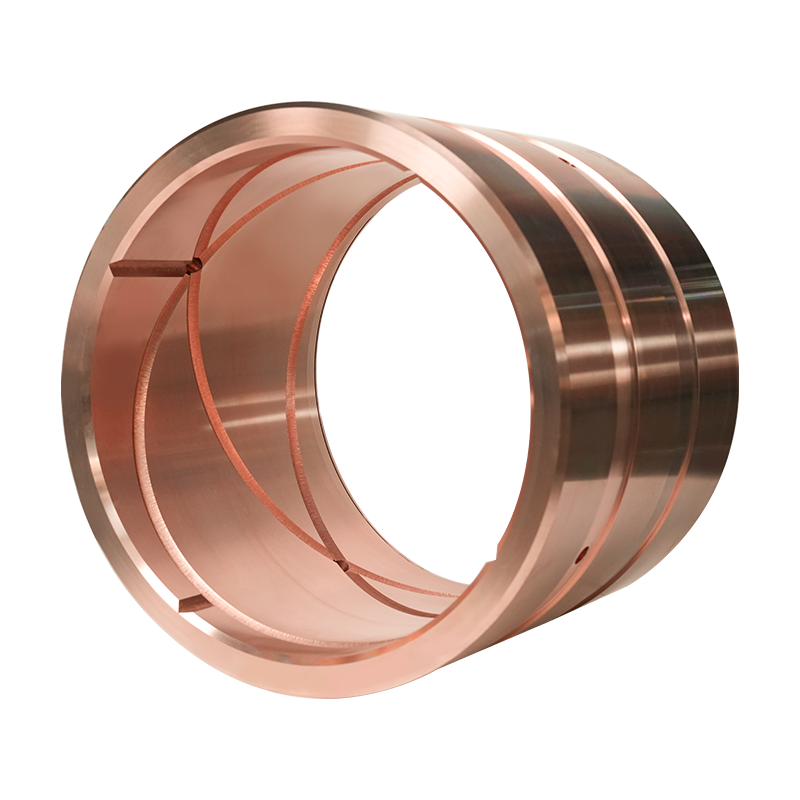
A copper bushing is machined to tight, uniform clearance around the shaft, so the load is meant to spread evenly across the full bearing surface. When the shaft and housing are even slightly out of alignment, the load concentrates on one edge of the bushing instead, wearing that section far faster than the rest.
Common Sources of Misalignment
- Housing bore wear that widens over time, allowing the shaft to shift off-center under load
- Improper installation where the bushing was pressed in at an angle rather than square to the bore
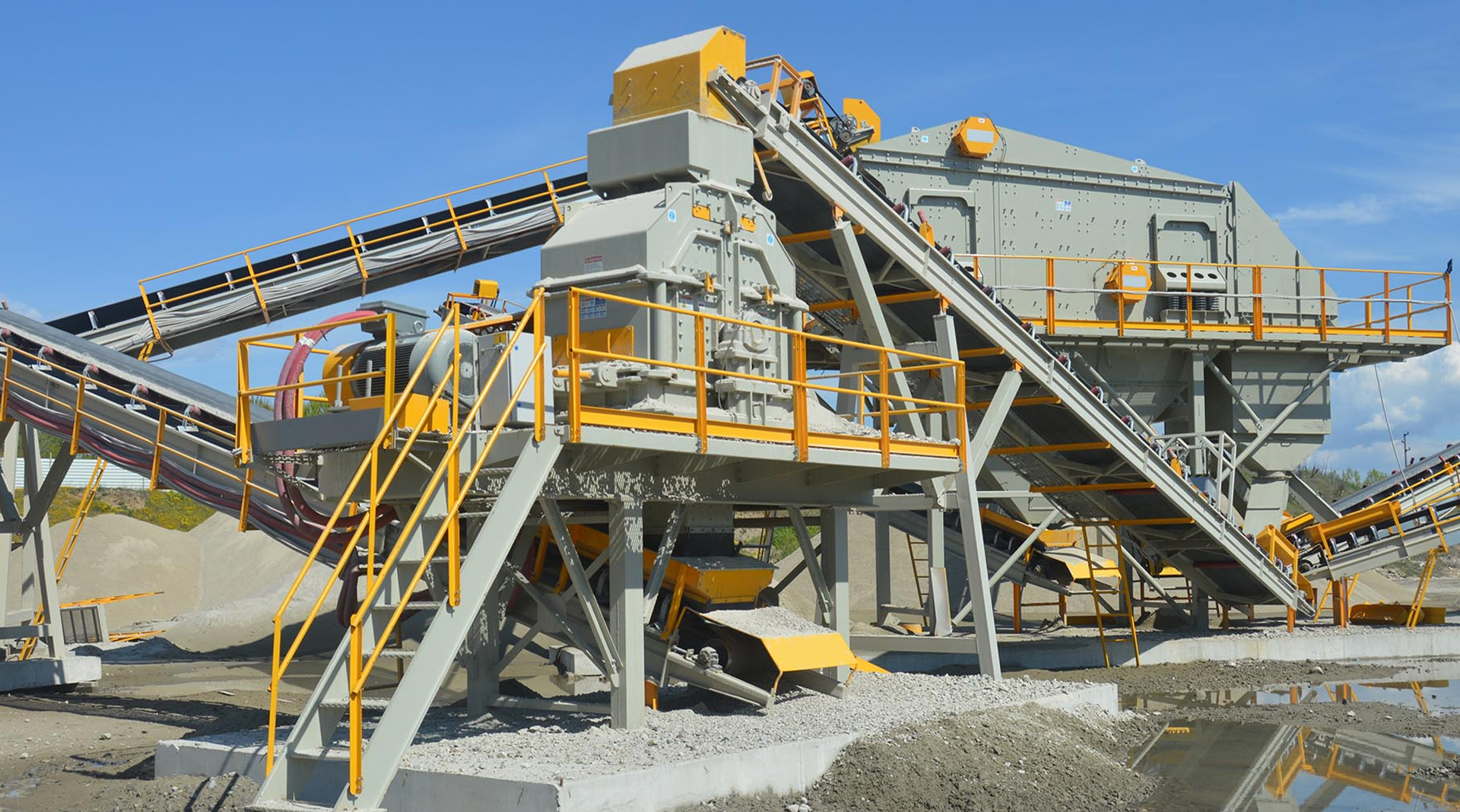
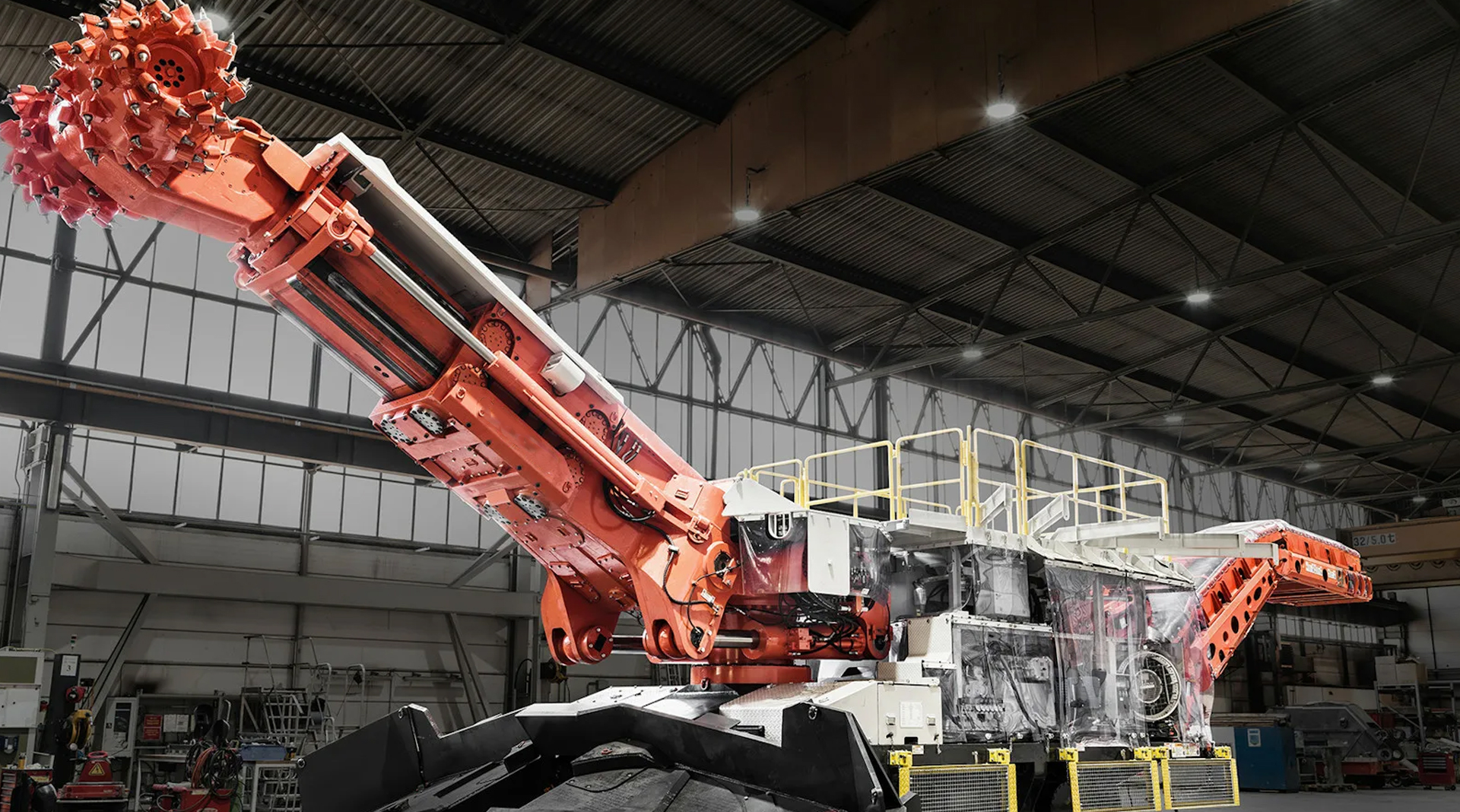
- Frame or housing deflection under heavy dynamic loads, common in mining and engineering machinery
Uneven wear patterns on a removed bushing — thinning on one side rather than around the full circumference — are a reliable indicator that misalignment, not general wear, is driving the failure.
Lubrication Failure and Dry Running
Lubrication is what keeps a shaft from making direct metal-to-metal contact with the bushing surface. When lubrication breaks down, friction and heat both rise sharply, and damage can progress from minor scoring to complete seizure within a short period of continued operation.
| Lubrication Problem |
Effect on the Bushing |
| Missed or infrequent grease intervals |
Gradual dry running, leading to scoring and heat buildup |
| Wrong grease viscosity for load and speed |
Film breakdown under pressure, causing localized wear |
| Water washout of grease in wet environments |
Loss of protective film, accelerating both wear and corrosion |
How common lubrication problems translate into bushing damage
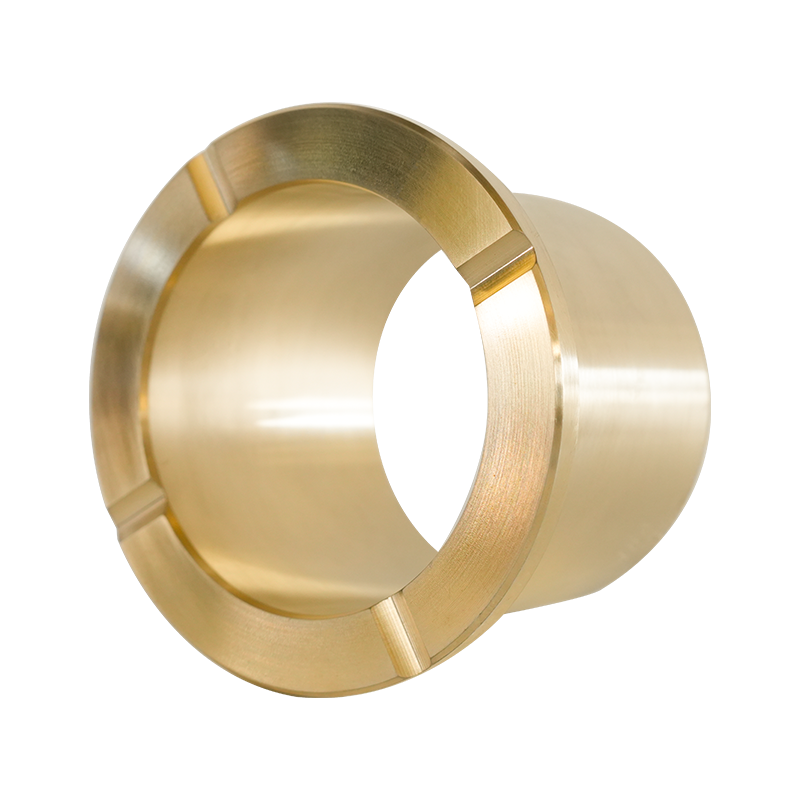
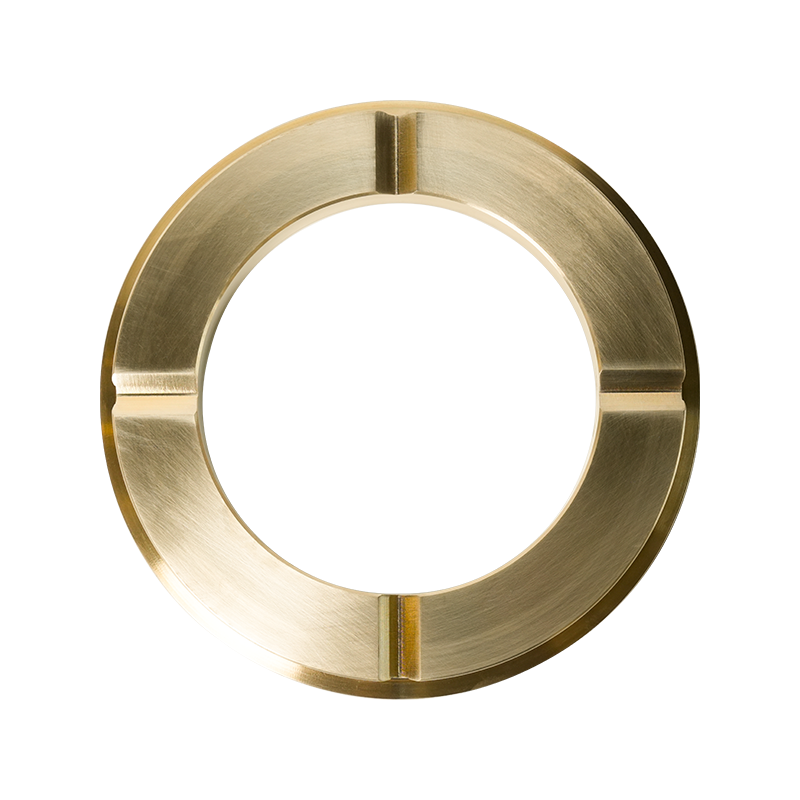
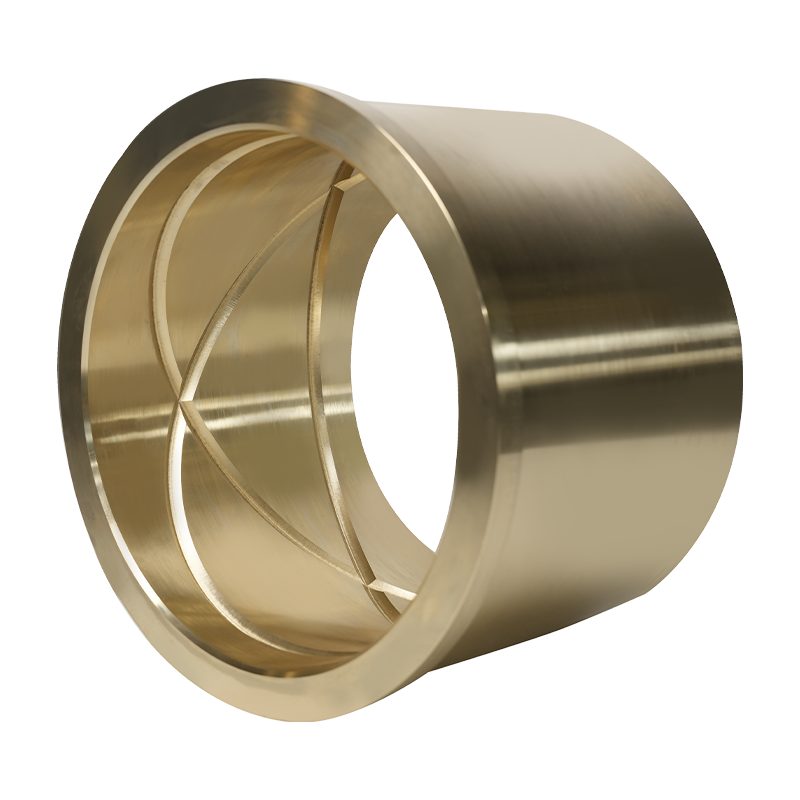
Self-lubricating copper bushing designs, which embed solid lubricant inserts directly into the alloy, reduce this risk in equipment where regular greasing is difficult or easily overlooked.
Abrasive Contamination From Dirt, Sand, and Debris
In outdoor and heavy-industry settings such as mining and engineering machinery, dirt and grit are often the real cause behind what looks like ordinary wear. Once abrasive particles get past the seal and into the lubricant film, they act like sandpaper between the shaft and the bushing surface.
This is one of the reasons alloy choice matters as much as seal design. A tin bronze copper bushing, for example, is valued in part for its embeddability — the ability of the softer alloy to absorb small hard particles into its surface rather than letting them continue grinding against the shaft, which protects the more expensive shaft at the cost of somewhat faster bushing wear.
Overloading Beyond Rated Capacity
Every bushing alloy has a rated load capacity based on its hardness, wall thickness, and alloy composition. Running equipment beyond that rated capacity, even occasionally, compresses and deforms the bearing surface in ways that do not reverse once the load returns to normal.
- Static overload from lifting or supporting loads beyond the equipment's rated limit, which can permanently deform the bushing bore.
- Repeated shock loading, common in mining and demolition equipment, which fatigues the alloy even when peak loads stay within the rated static limit.
- Sustained high-speed operation beyond design specifications, which raises operating temperature and accelerates both wear and lubricant breakdown at once.
Aluminum bronze alloys, with tensile strength that can exceed 600 MPa, are commonly specified for heavy-load applications precisely because they tolerate higher static and shock loading than standard tin bronze or brass bushings before deformation begins.
Corrosion From Moisture, Seawater, and Chemical Exposure
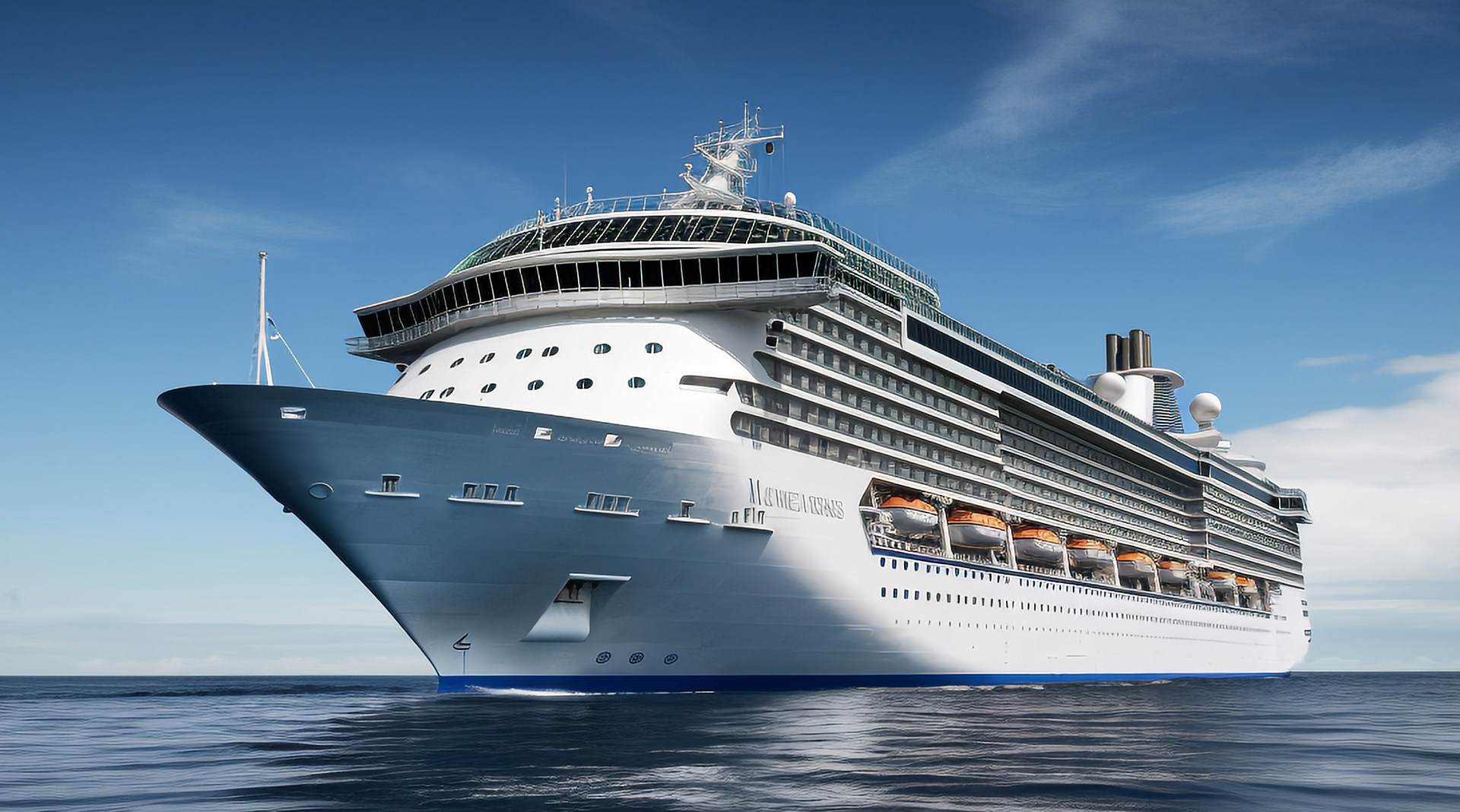
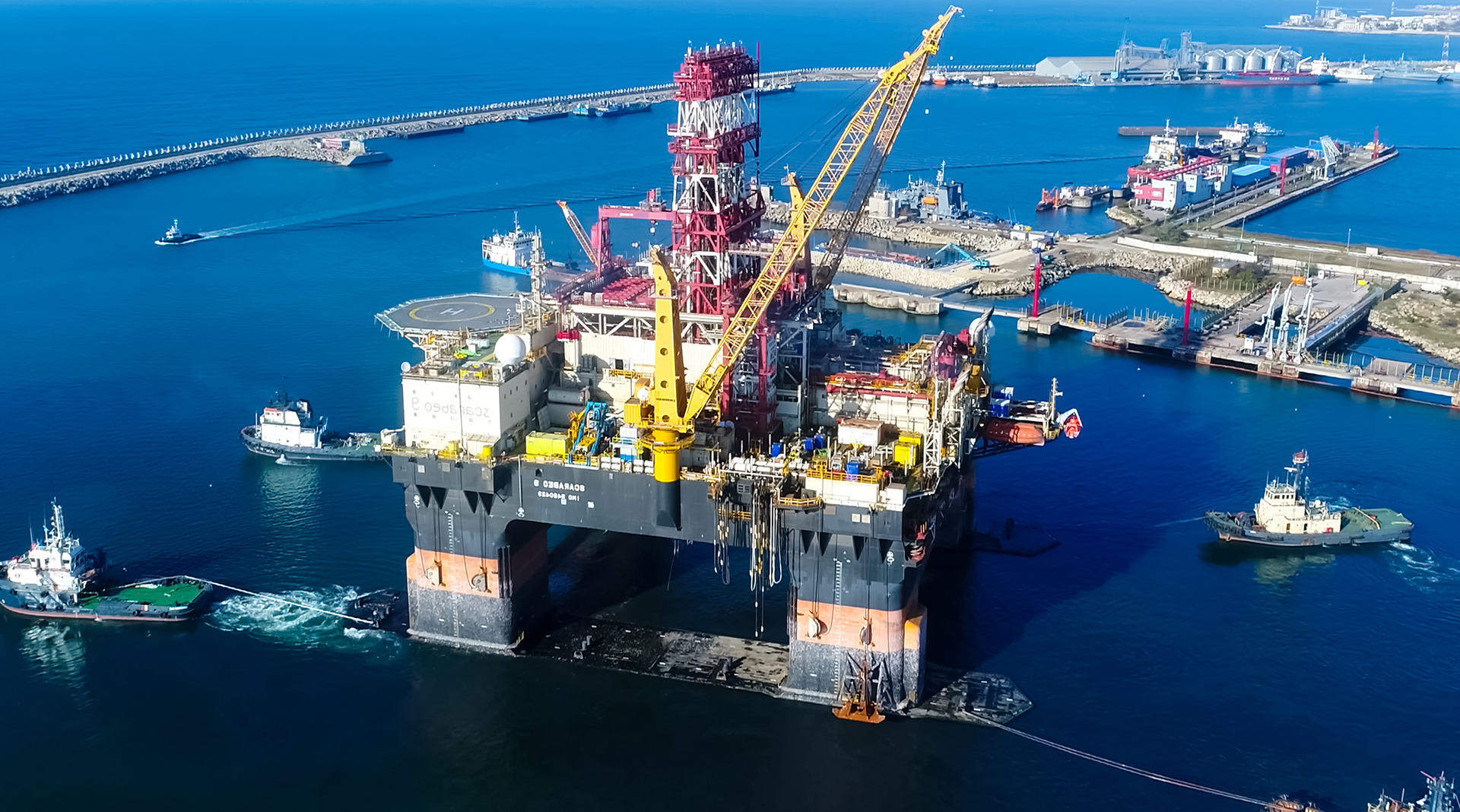
Corrosion damages a bushing differently than mechanical wear: instead of thinning evenly, it pits and roughens the bearing surface, which then accelerates abrasive wear on top of the corrosion itself. Marine propulsion systems, offshore platforms, and chemical processing equipment all put sustained corrosive pressure on any bushing installed in the system.
Alloy selection is the main defense here. Tin bronze grades containing roughly 5% to 10% tin offer strong resistance to seawater corrosion, which is why they are widely specified for ship propulsion sealing systems, while aluminum bronze grades with 8% to 10% aluminum content are generally favored where acid or alkaline chemical exposure is the bigger concern. Choosing the wrong alloy for the operating environment is one of the most common — and most avoidable — reasons a copper bushing fails well before its expected service life.
Incorrect Fit and Installation Clearance
Even a correctly specified alloy can fail early if it is installed with the wrong clearance. Too tight a fit restricts lubricant flow and can cause the bushing to seize against the shaft as thermal expansion narrows the gap further during operation. Too loose a fit allows excess shaft movement, leading to impact loading and accelerated wear on both the bushing and the shaft.
Because a copper bushing is typically manufactured to micron-level bore tolerances, installation clearance should always follow the manufacturer's specification for that specific shaft diameter and operating temperature range rather than a generalized rule of thumb.
Signs That a Bushing Has Already Been Damaged
- Visible grooves, scoring, or discoloration from heat on the bearing surface
- Increased radial play or looseness between the shaft and housing
- Unusual noise, vibration, or a grinding sensation during operation
- Metallic particles or discoloration appearing in the lubricant during routine checks
- Localized pitting or a rough, uneven surface texture consistent with corrosion damage
Catching these signs during scheduled maintenance, rather than after a shaft has already been scored, is what keeps a bushing replacement a routine repair instead of a much larger equipment overhaul.
Choosing the Right Copper Bushing Alloy for the Operating Environment
| Operating Condition |
Suggested Alloy Type |
| Seawater and marine propulsion exposure |
Tin bronze |
| Acidic or alkaline chemical environments |
Aluminum bronze |
| Outdoor mining and engineering machinery |
Brass or tin bronze |
| Hard-to-lubricate or low-maintenance systems |
Self-lubricating aluminum bronze or brass |
Matching copper bushing alloy families to common operating environments
Yangzhou Yifeng Copper Products Co., Ltd. manufactures tin bronze, brass, and aluminum bronze copper bushing products for mining equipment, marine propulsion systems, metallurgical machinery, and offshore drilling platforms, with alloy composition and bore tolerance adjusted to the load, corrosion, and lubrication conditions of each application. Matching the alloy to the operating environment before installation remains the single most effective way to prevent the damage patterns described above.



 English
 日本語
日本語 русский
 Deutsch