Do Worm Gears Increase Torque? Yes — Here's the Direct Answer
Worm gears do increase torque, and often by a dramatic margin. Because a worm gear set uses a screw-like worm to drive a toothed worm wheel, a single revolution of the worm advances the wheel by only one tooth (or a few teeth). This built-in speed reduction is converted almost directly into a torque multiplication. In practical terms, a worm gear with a 20:1 ratio can turn a modest 10 N·m input into roughly 140–180 N·m of usable output torque, depending on the efficiency of the set. This is why worm gear reducers are a standard choice wherever high torque, compact packaging, and quiet operation matter more than raw speed.
The sections below explain exactly how this torque gain happens, how to calculate it for your own application, and where a worm gear's trade-offs make it the right — or wrong — choice.
How a Worm Gear Converts Speed Reduction Into Torque
Torque multiplication in a worm gear set is a direct consequence of mechanical leverage inside the gear mesh. The worm behaves like a continuous screw thread; as it rotates, its thread pushes against the teeth of the worm wheel, forcing the wheel to rotate much more slowly than the worm itself.
Step 1 — The Worm Rotates at High Speed, Low Torque
The input shaft (the worm) typically comes from a motor and spins quickly, but it carries relatively little torque compared to what the system will ultimately deliver.
Step 2 — The Worm Wheel Advances Slowly, High Torque
Each rotation of the worm advances the worm wheel by only a small angular amount. Because energy is roughly conserved across the mesh, the drop in rotational speed shows up as a corresponding rise in output torque.
Step 3 — Friction Losses Are Absorbed, Not Eliminated
Unlike spur or helical gears, worm gears experience significant sliding friction at the tooth interface. Some of the theoretical torque gain is lost to heat, which is why real-world efficiency — not the gear ratio alone — determines the final torque delivered.
The Trade-Off: More Torque Often Means Lower Efficiency
It is important to understand that torque and efficiency move in opposite directions as the ratio increases. A worm gear optimized for maximum torque at very high ratios will usually run warmer and waste more input energy as heat than a lower-ratio set.
- Lower ratios (5:1–10:1) — higher efficiency, moderate torque gain, cooler running.
- Mid-range ratios (15:1–40:1) — balanced torque and efficiency, the most common choice for industrial gearboxes.
- High ratios (50:1 and above) — maximum torque multiplication, but efficiency can drop below 50%, requiring attention to cooling and lubrication.
Selecting the right ratio therefore means matching the torque requirement of the driven load to an efficiency level the system can tolerate thermally and energy-wise.
Where High-Torque Worm Gears Are Used
The torque-multiplying nature of worm gears makes them a natural fit anywhere a compact drive needs to move a heavy or resistant load slowly and steadily.
- Conveyor systems and material handling equipment that must start and hold heavy loads.
- Lifting and hoisting mechanisms, where the worm gear's self-locking behavior at high ratios also prevents the load from back-driving the motor.
- Precision indexing tables and rotary positioners that need slow, controlled, high-torque motion.
- Valve actuators and gate drives, where sustained torque under load is more important than speed.
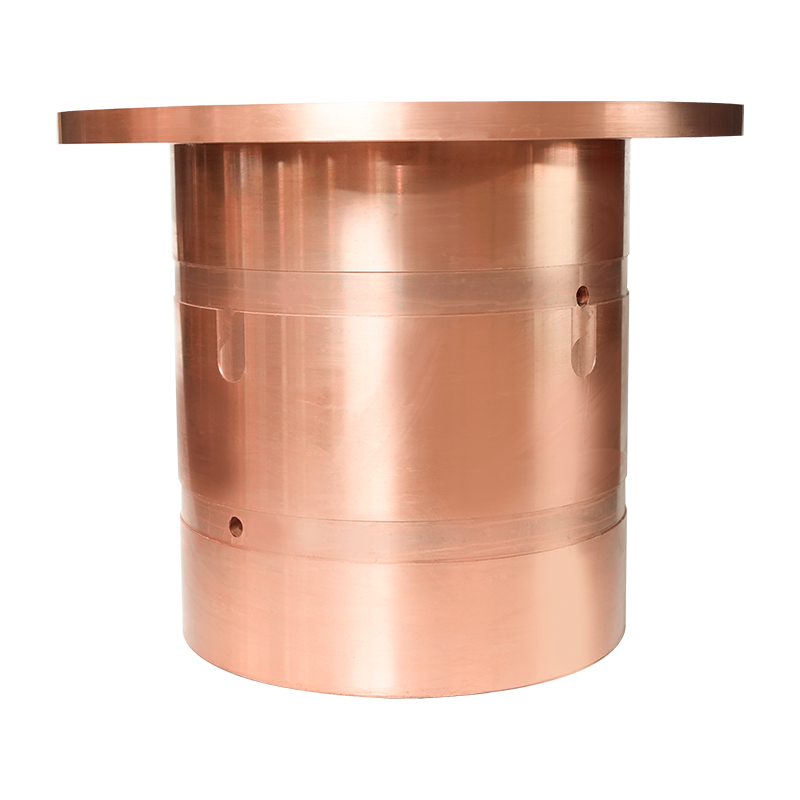
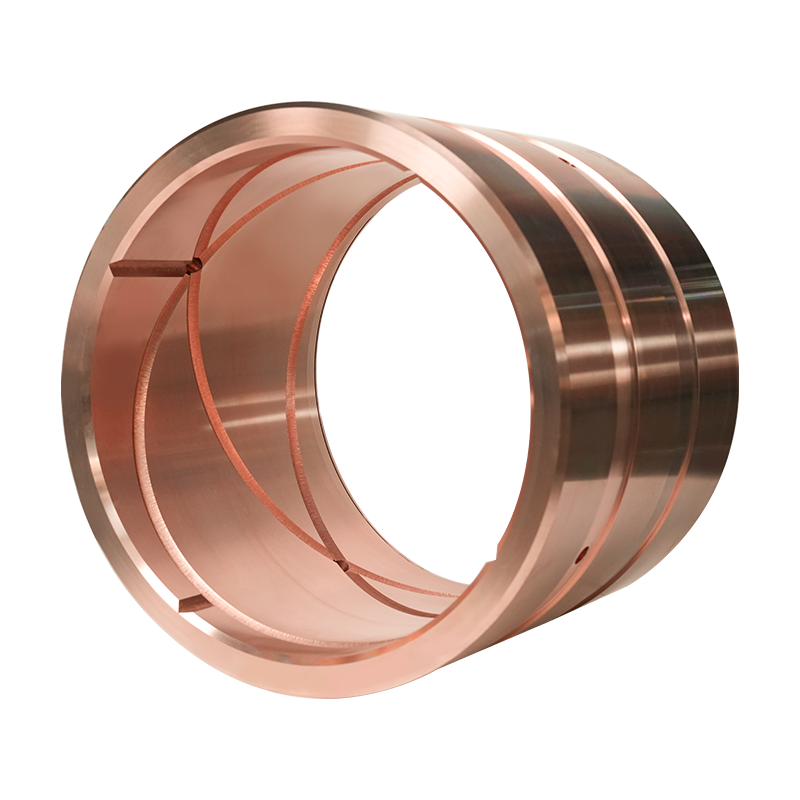
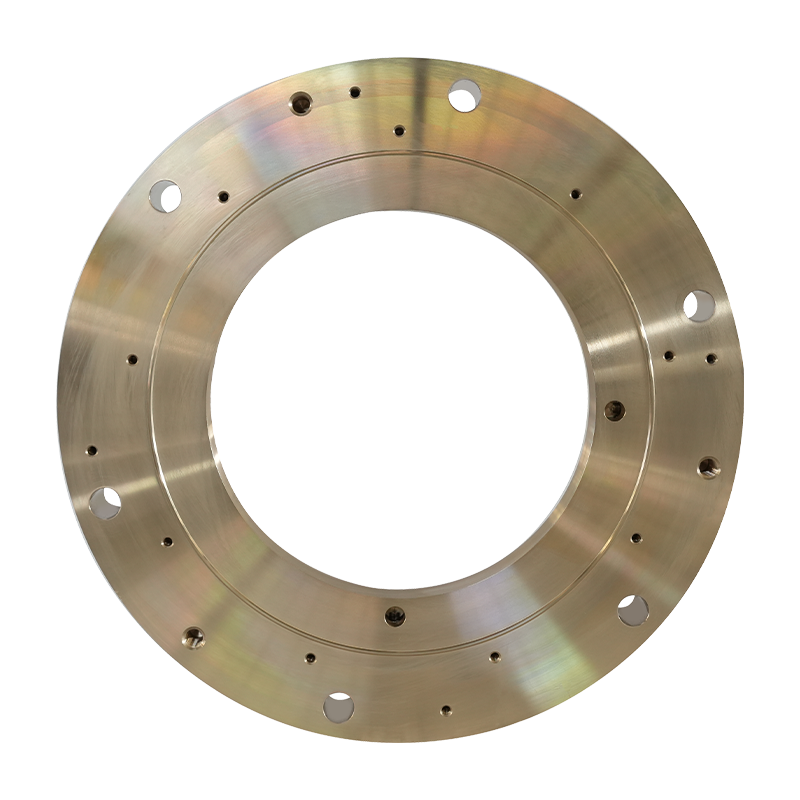
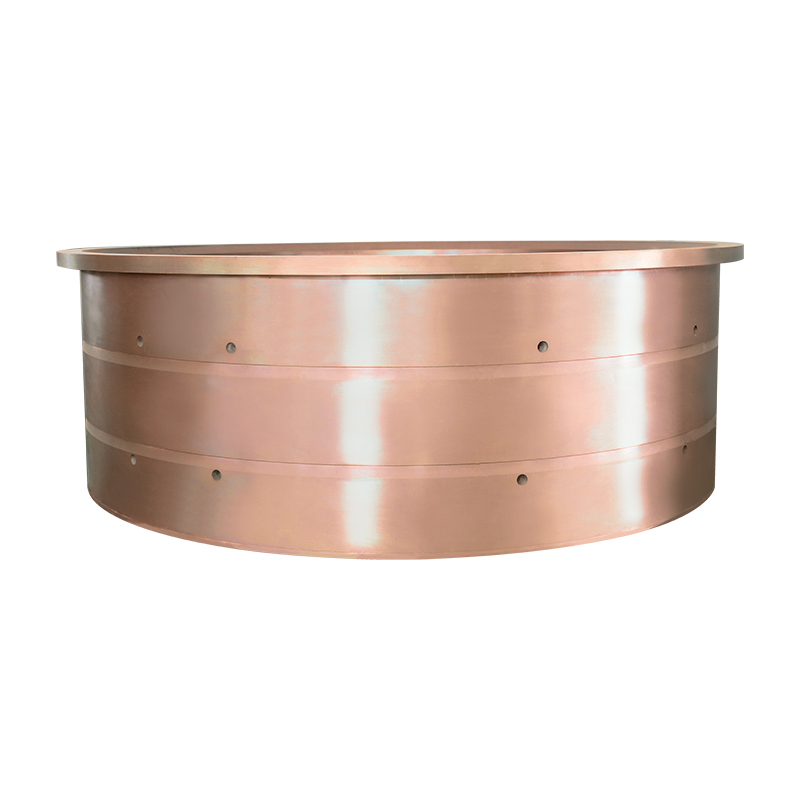
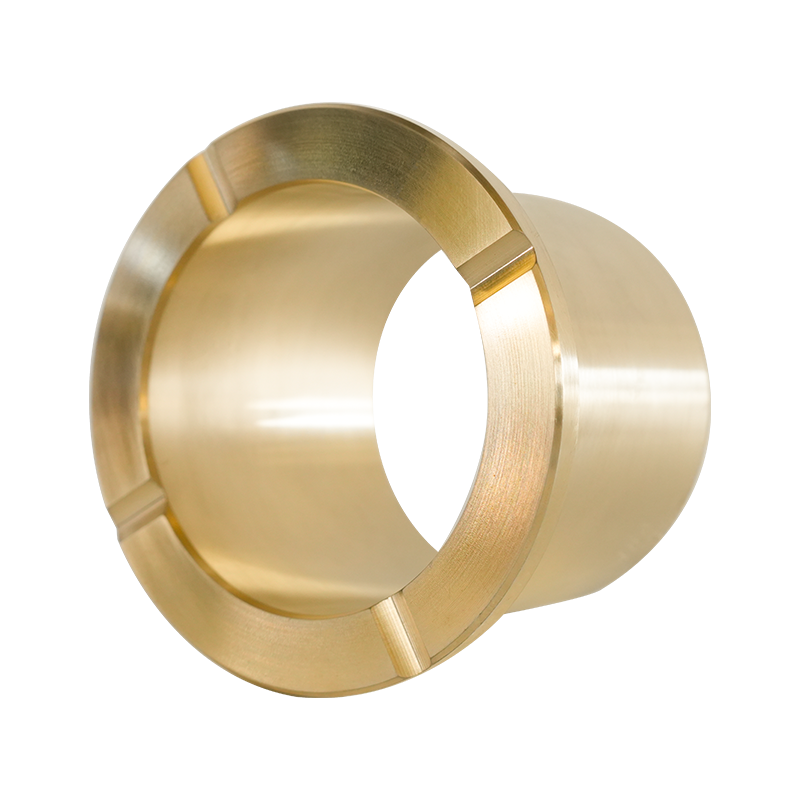
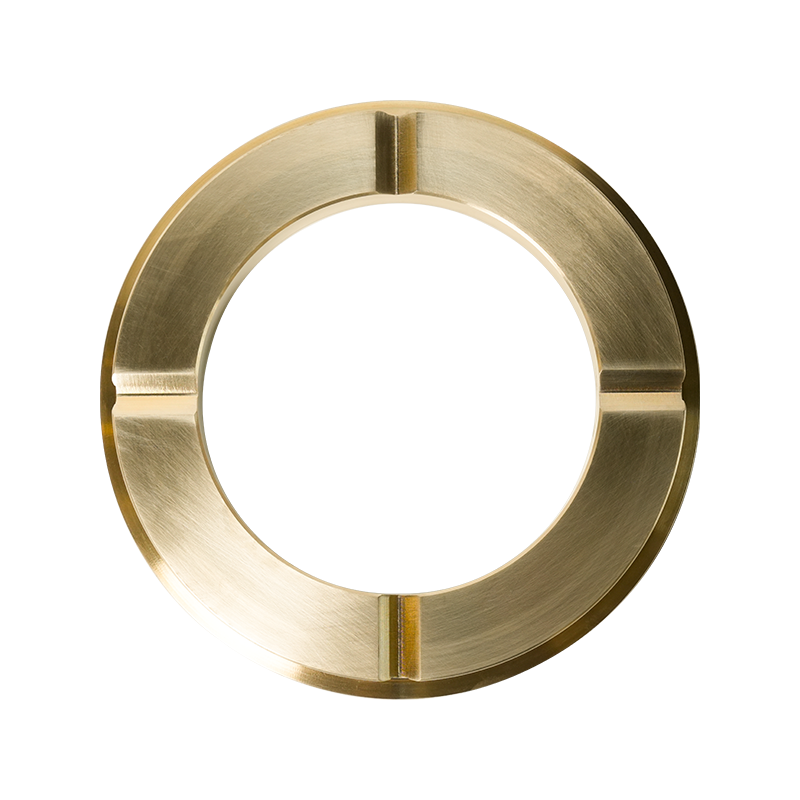
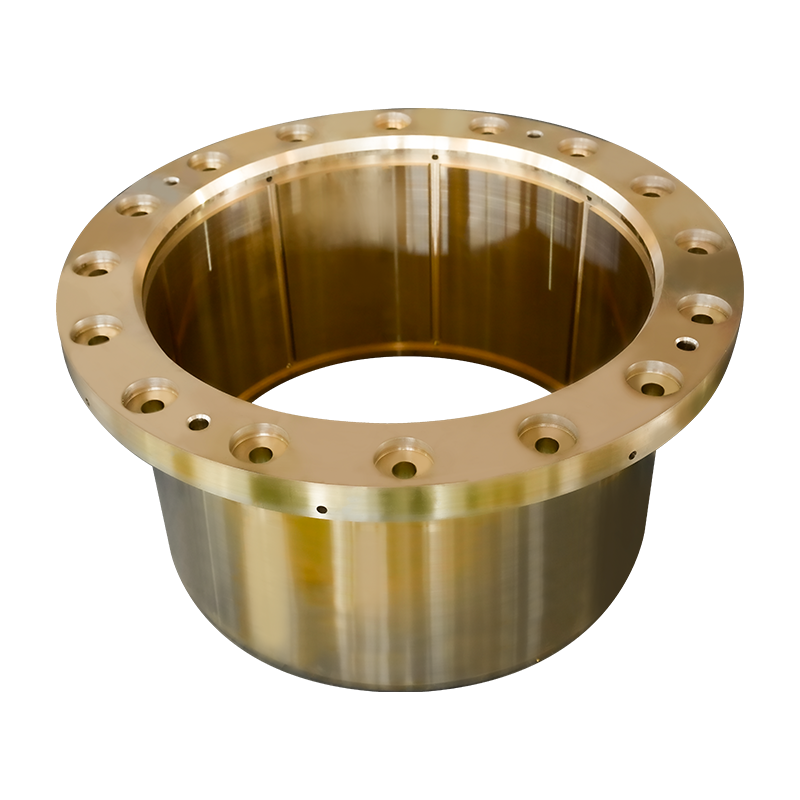
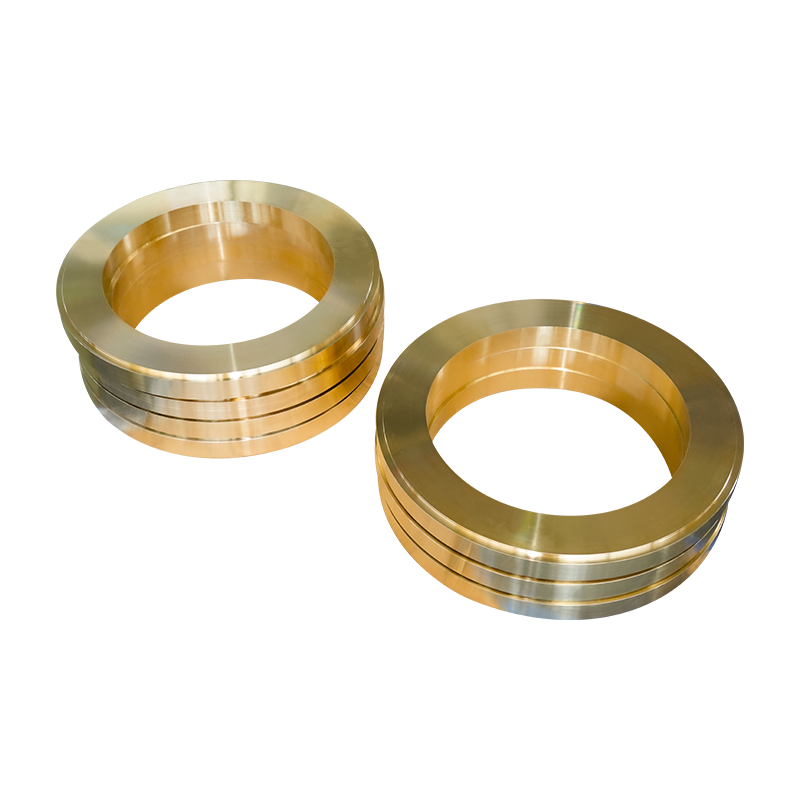
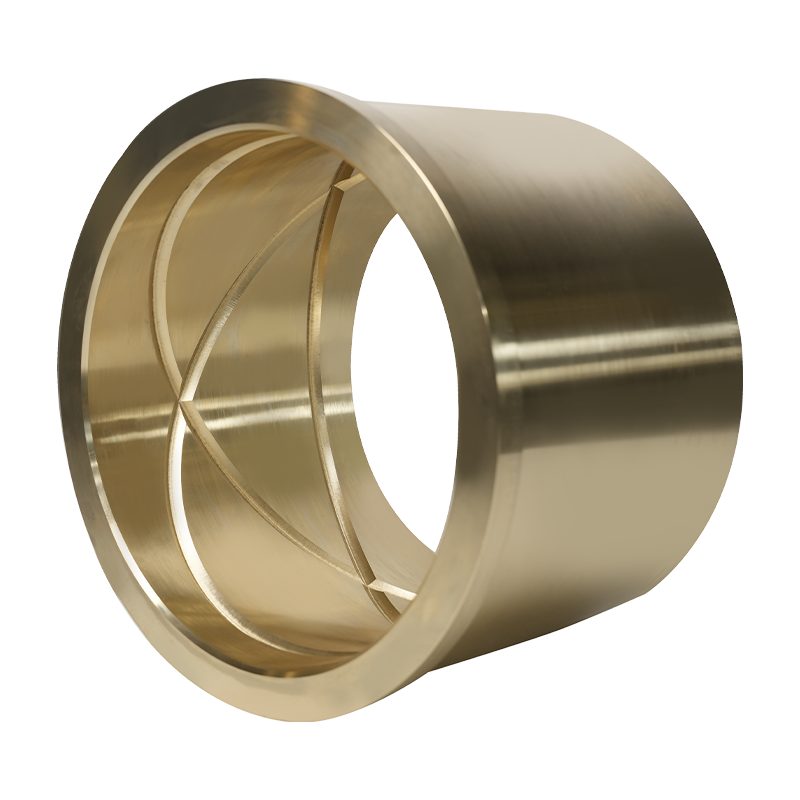
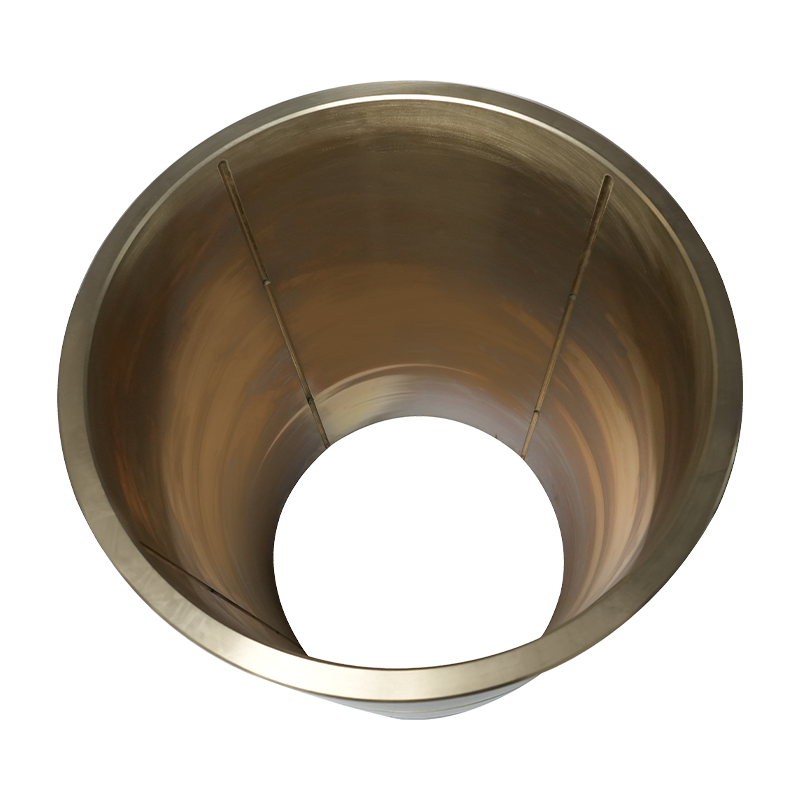
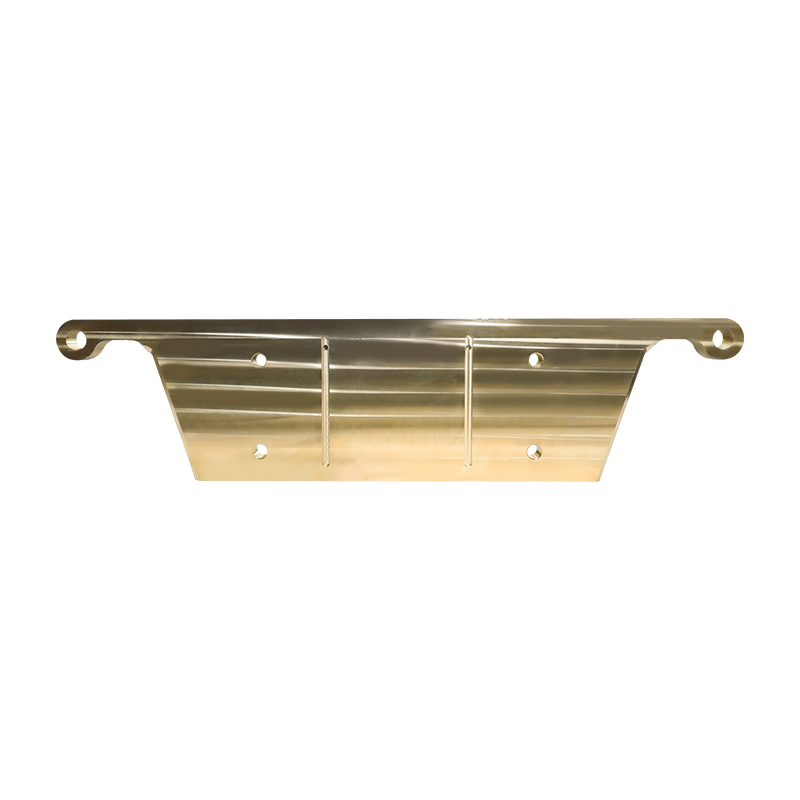
In many of these designs, the worm wheel is manufactured from a wear-resistant bronze or copper alloy paired with a hardened steel worm — a material combination chosen specifically because it withstands the sliding contact and heat generated while delivering high torque reliably over long service life.
When a Worm Gear May Not Be the Best Torque Solution
Despite the strong torque advantage, worm gears are not always the optimal answer. Their efficiency penalty means more input power is required to achieve the same output torque compared to helical or planetary gear systems. For continuous, high-duty-cycle operation where energy cost matters, or where reverse-driving the load intentionally is required, alternative gear types may outperform a worm gear despite its simplicity and compact size.
Frequently Asked Questions
Q1: Does a higher gear ratio always mean higher torque?
Generally yes, but only up to the point where dropping efficiency starts to offset the ratio's benefit. At very high ratios, torque still rises, but each additional ratio increase delivers a smaller net gain.
Q2: Can a worm gear hold a load in place without power?
In many high-ratio designs, yes. This is called self-locking, and it occurs when the lead angle of the worm is small enough that friction prevents the worm wheel from driving the worm backward — a useful safety feature in lifting applications.
Q3: What material combination gives the best torque performance?
A hardened steel worm paired with a bronze or copper-alloy worm wheel is the most widely used combination, balancing strength, wear resistance, and manageable friction under sustained torque loads.



 English
 日本語
日本語 русский
 Deutsch