What Are Metal Bushings? The Quick Answer
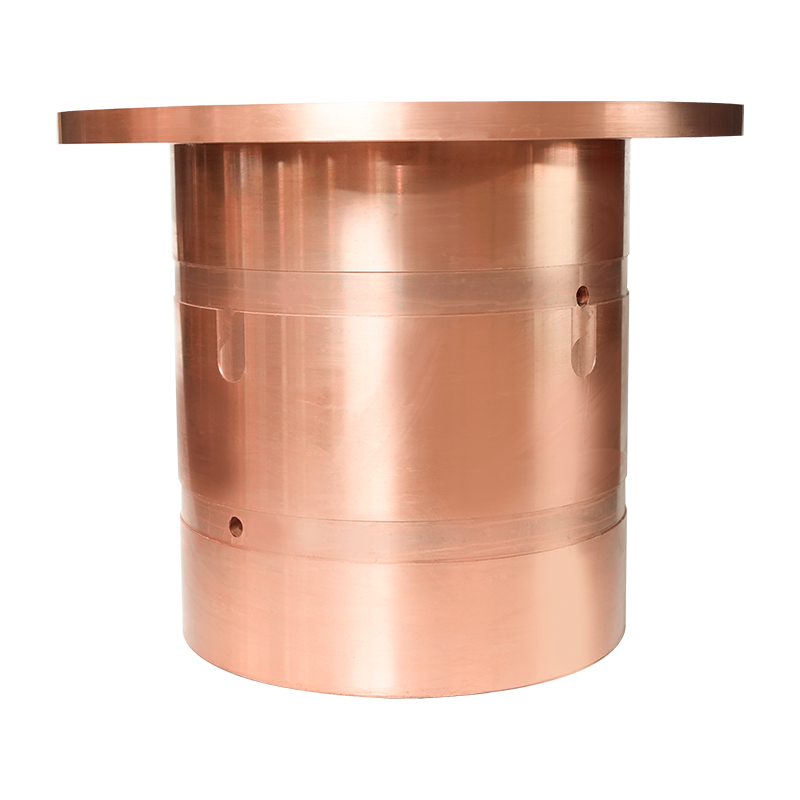
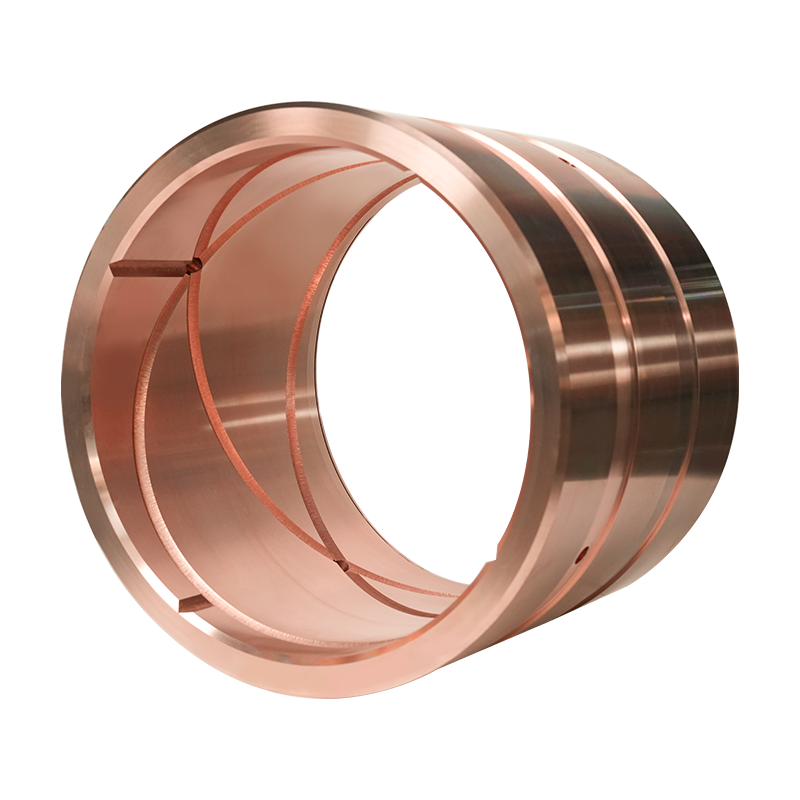
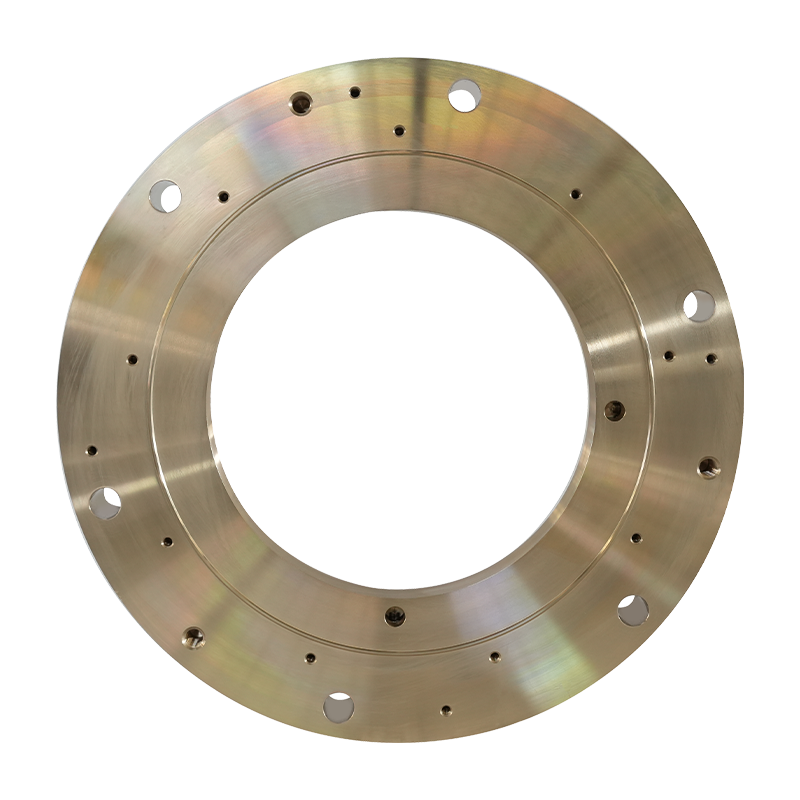
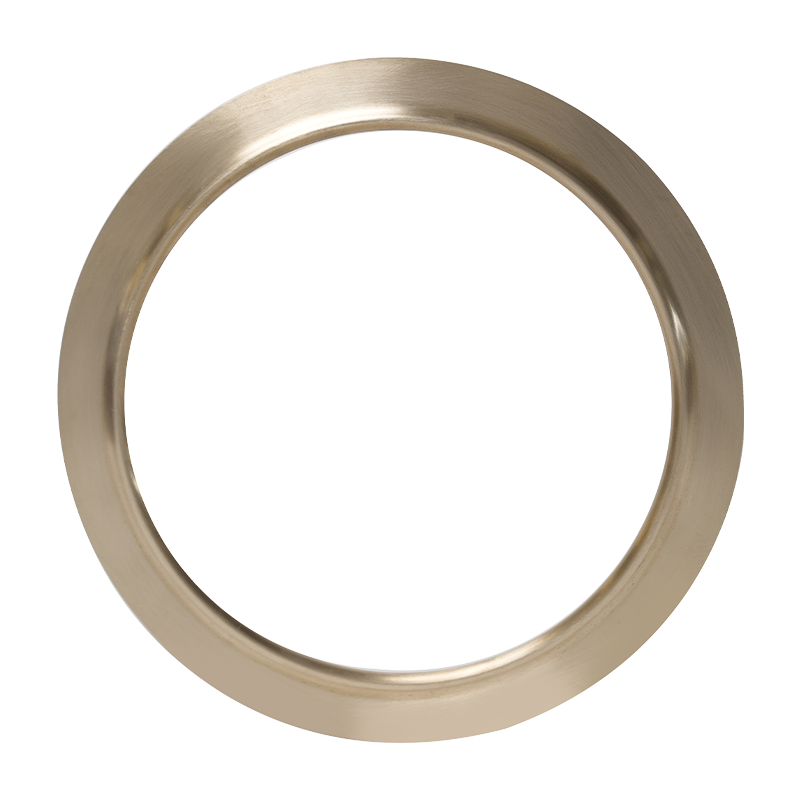
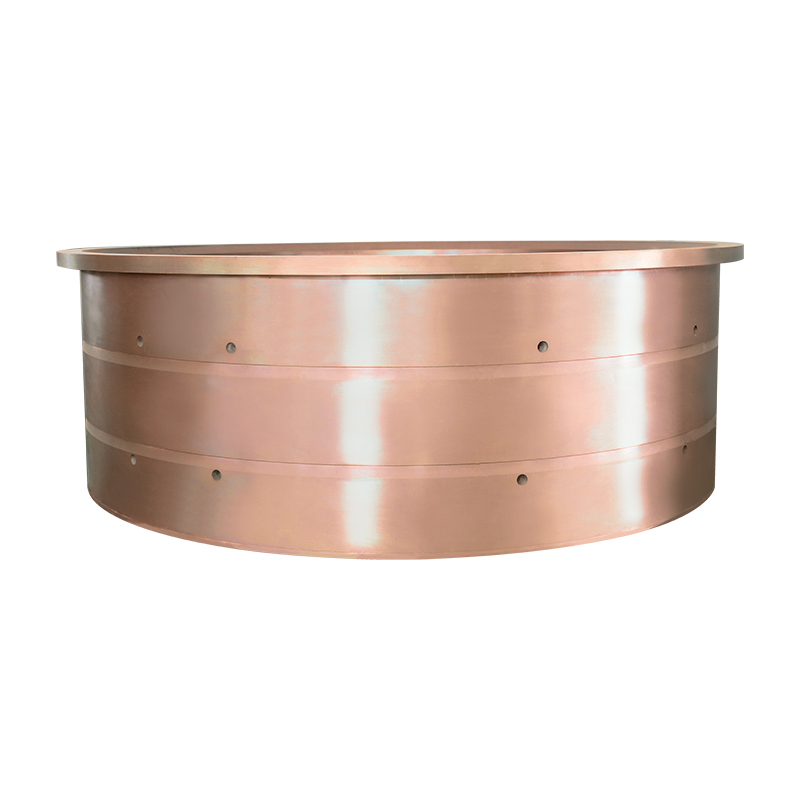
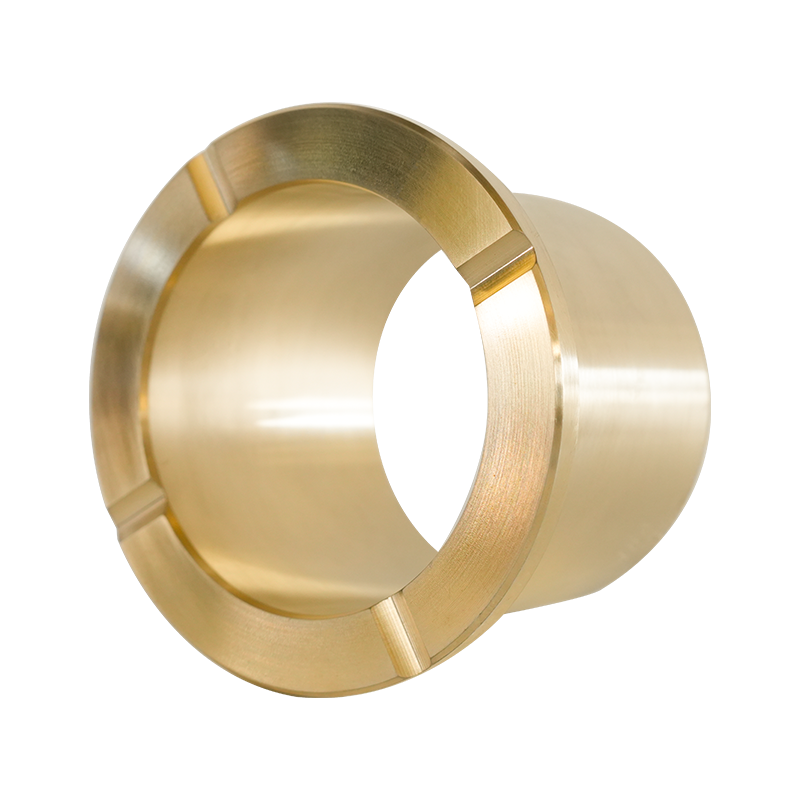
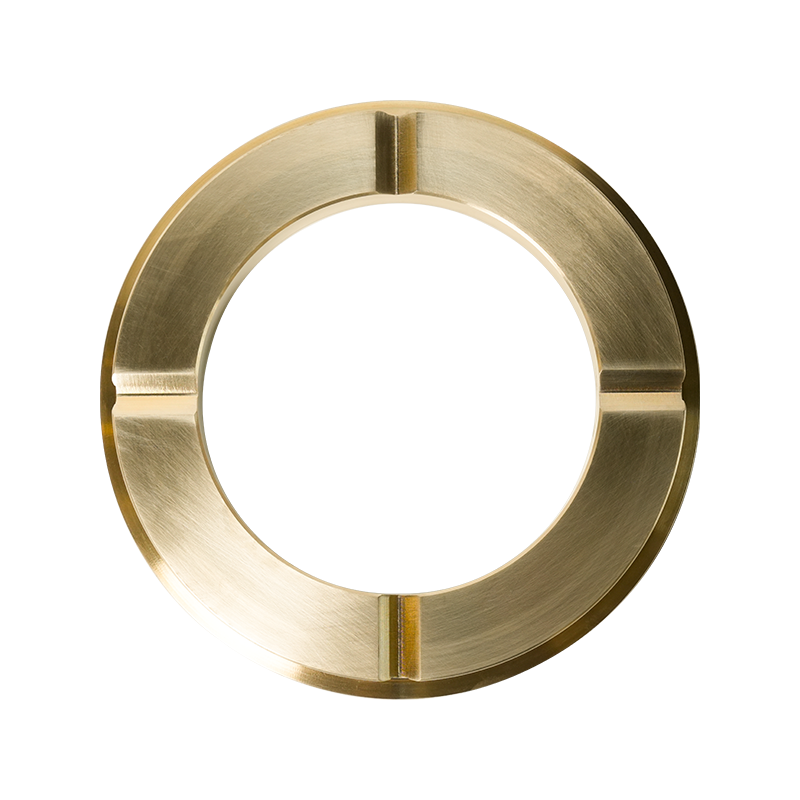
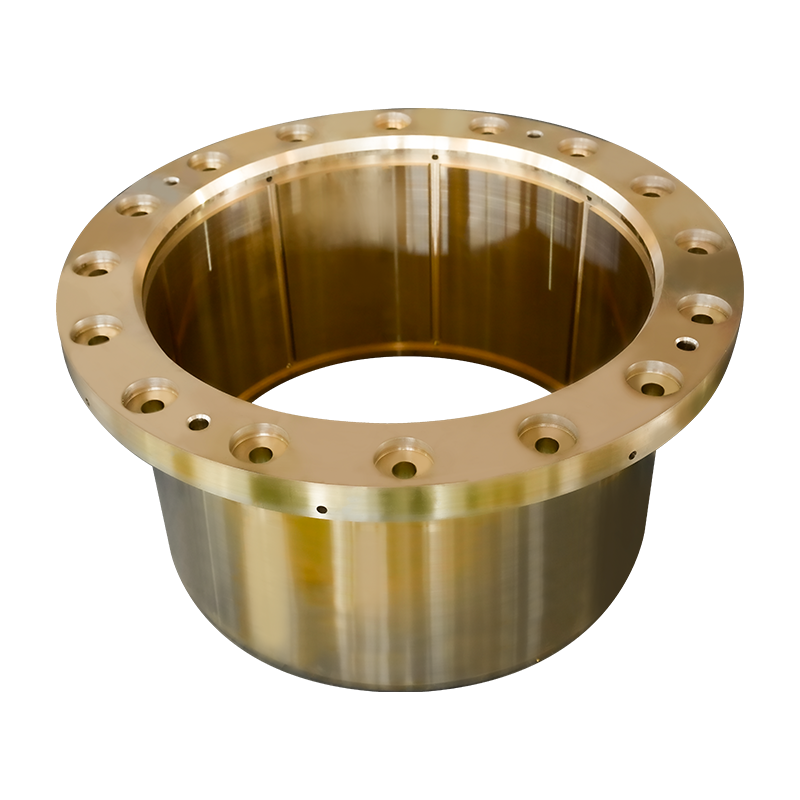
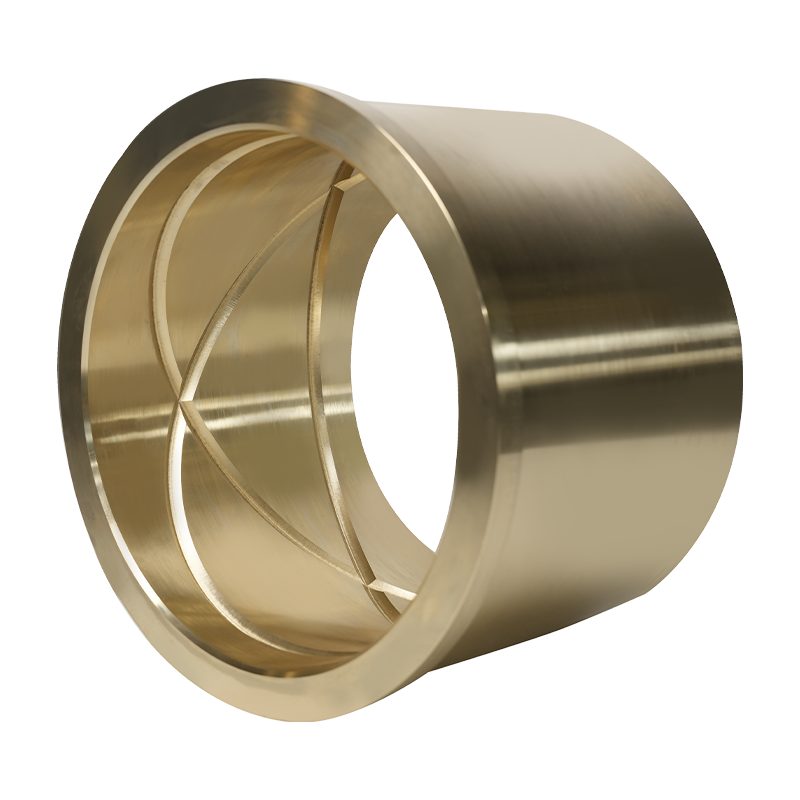
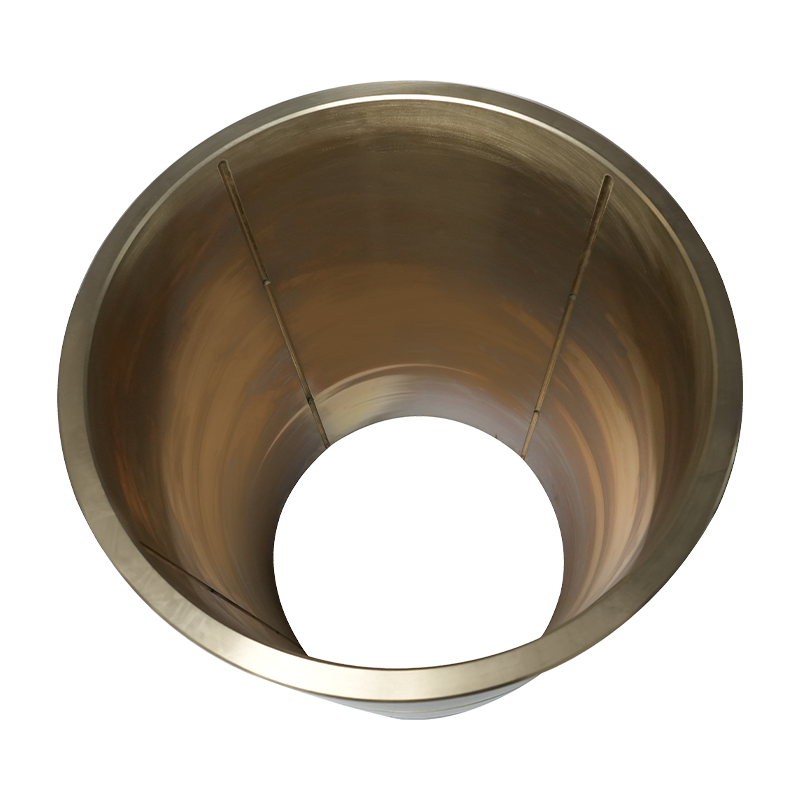
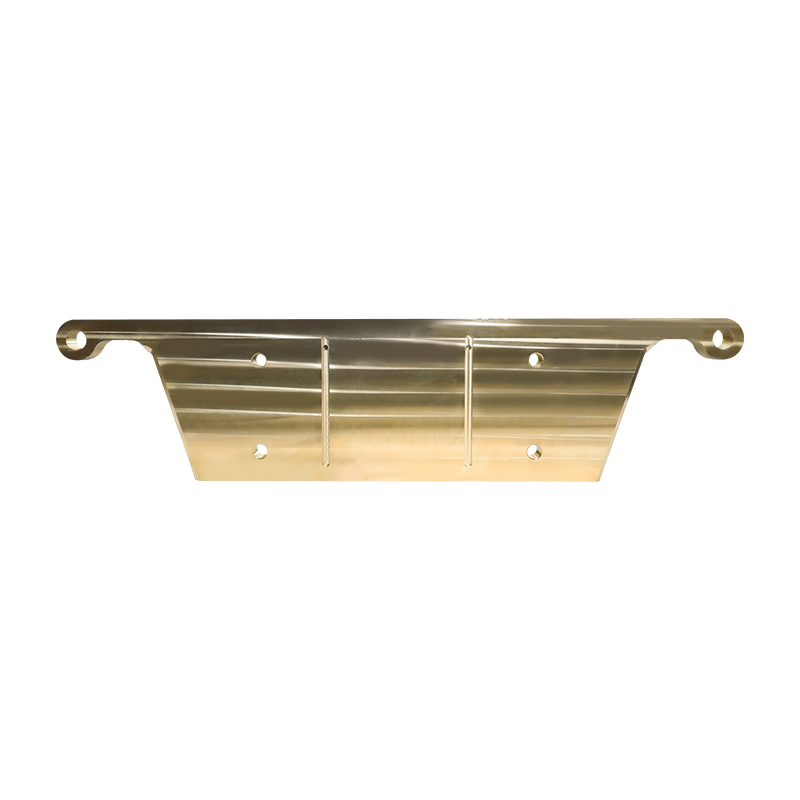
A metal bushing is a cylindrical sleeve, typically made of copper alloys, steel, or aluminum, inserted between two moving parts to reduce friction, absorb vibration, and protect a shaft or housing from wear. Among the many alloy options available, the Brass Bushing stands out as one of the most widely used metal bushing types because it balances load capacity, machinability, and cost more effectively than most alternatives.
In short: if a machine has a rotating or sliding shaft that needs protection from metal-to-metal contact, a metal bushing — often a brass bushing or bronze bushing — is the component doing that job. This article explains how these sleeve bushings work, why brass is such a common choice, and how to select the right bushing for demanding industrial equipment.
Functionally, a metal bushing acts as a sacrificial wear surface. Rather than allowing a hardened steel shaft to grind directly against an equally hard housing bore, engineers press a softer metal sleeve between the two. The bushing absorbs the wear, and because it is far cheaper and quicker to replace than a shaft or housing, routine maintenance becomes simpler and less costly over the life of the machine.
Main Types of Metal Bushings
Metal bushings are generally grouped by the base alloy used to cast or machine them. Each material offers a different balance of hardness, corrosion resistance, and load tolerance, which is why manufacturers rarely rely on a single type across all applications.
Comparison of common metal bushing materials and their typical properties
| Bushing Type |
Base Material |
Best Suited For |
| Brass Bushing |
Copper-zinc alloy |
Moderate speed, moderate-to-high load, oscillating motion |
| Bronze Bushing |
Copper-tin alloy |
Heavy load, low speed, high shock applications |
| Aluminum Bronze Bushing |
Copper-aluminum alloy |
High load, corrosive or high-temperature environments |
| Self-Lubricating Bushing |
Brass or bronze with embedded graphite |
Hard-to-lubricate or maintenance-limited assemblies |
Among these, the Brass Bushing remains the most commonly specified copper-alloy bushing across construction, mining, and metallurgical equipment because it offers a practical middle ground between the softer, more affordable bronze bushings and the harder, more expensive aluminum bronze options.
Steel and plain carbon-steel bushings also exist, but they are far less common in heavy machinery because steel-on-steel contact tends to gall and seize without a softer intermediate material. This is precisely why copper-based alloys, and brass bushings in particular, dominate the market for load-bearing sleeve bushings in rotating equipment.
Why Brass Bushing Is the Go-To Metal Bushing Choice
Compressive Strength and Wear Resistance
A Brass Bushing is manufactured from high-strength copper-zinc alloys such as C86300 or C36000, which give it strong compressive strength and good resistance to surface wear under repeated loading. This makes brass bushings well suited to machinery that experiences intermittent motion and oscillation rather than continuous high-speed rotation.
Cost-Effective Load Handling
Compared with tin bronze bushings, brass alloys are generally easier to cast and machine, which lowers production cost without sacrificing much load capacity. For equipment operators managing large fleets of construction or mining machines, this cost efficiency across dozens or hundreds of bushing bearings adds up significantly.
Stable Performance Under Shock and Vibration
Heavy equipment components such as excavator pins, crusher shafts, and lifting mechanisms are subject to constant vibration and mechanical shock. A properly specified brass bushing maintains dimensional stability and consistent clearance under these conditions, reducing the risk of unplanned downtime.
Key Advantages of Brass Bushings in Industrial Equipment
Engineers select brass bushings over other metal bushing options for several practical reasons that directly affect machine reliability and total cost of ownership.
- Reduced friction: the relatively soft brass surface allows shaft asperities to embed slightly, lowering adhesive wear on the shaft itself.
- Contaminant embeddability: hard particles such as dust or grit become trapped in the softer bushing material instead of scoring the shaft.
- Good conformability: brass bushings adapt to minor shaft misalignment, spreading load more evenly across the contact surface.
- Compatibility with lubricants: brass alloys retain and distribute oil films effectively, supporting stable boundary lubrication at startup and low speed.
- Machinability: brass bushings can be produced to tight tolerances economically, which shortens lead times for replacement parts.
How to Select the Right Metal Bushing for Your Machine
Choosing between a brass bushing, a bronze bushing, or a self-lubricating bushing depends on operating conditions rather than price alone. The following factors should guide the decision.
Load and Speed Profile
Low-speed, high-load applications such as excavator arms typically favor bronze or aluminum bronze bushings, while moderate-load, oscillating applications such as construction machinery joints are well served by a standard brass bushing.
Operating Environment
Equipment exposed to seawater, such as ship propulsion shafts and marine sealing devices, generally requires alloys with stronger corrosion resistance, while dry indoor machinery can rely on standard brass or bronze grades.
Maintenance Access
If regular lubrication is difficult to schedule, a self-lubricating brass bushing with embedded graphite plugs or oil-impregnated porosity can extend service intervals considerably.
Common Causes of Metal Bushing Failure
Even a well-chosen brass bushing can fail prematurely if operating conditions exceed its design limits. Recognizing the warning signs early helps prevent costly downtime.
- Shaft-to-housing misalignment, which concentrates load on one edge of the bushing bearing
- Insufficient or contaminated lubrication, leading to dry running and rapid material loss
- Abrasive dirt or debris entering the clearance gap between shaft and bushing
- Overloading beyond the rated compressive strength of the alloy
- Excessive operating temperature, which softens the alloy and accelerates wear
- Incorrect clearance fit during installation, causing uneven contact pressure
Brass bushings and other metal bushings are essential components across heavy industry, wherever rotating or oscillating shafts need reliable, low-maintenance support.
Typical industrial applications for brass bushings
| Industry |
Typical Component |
| Mining equipment |
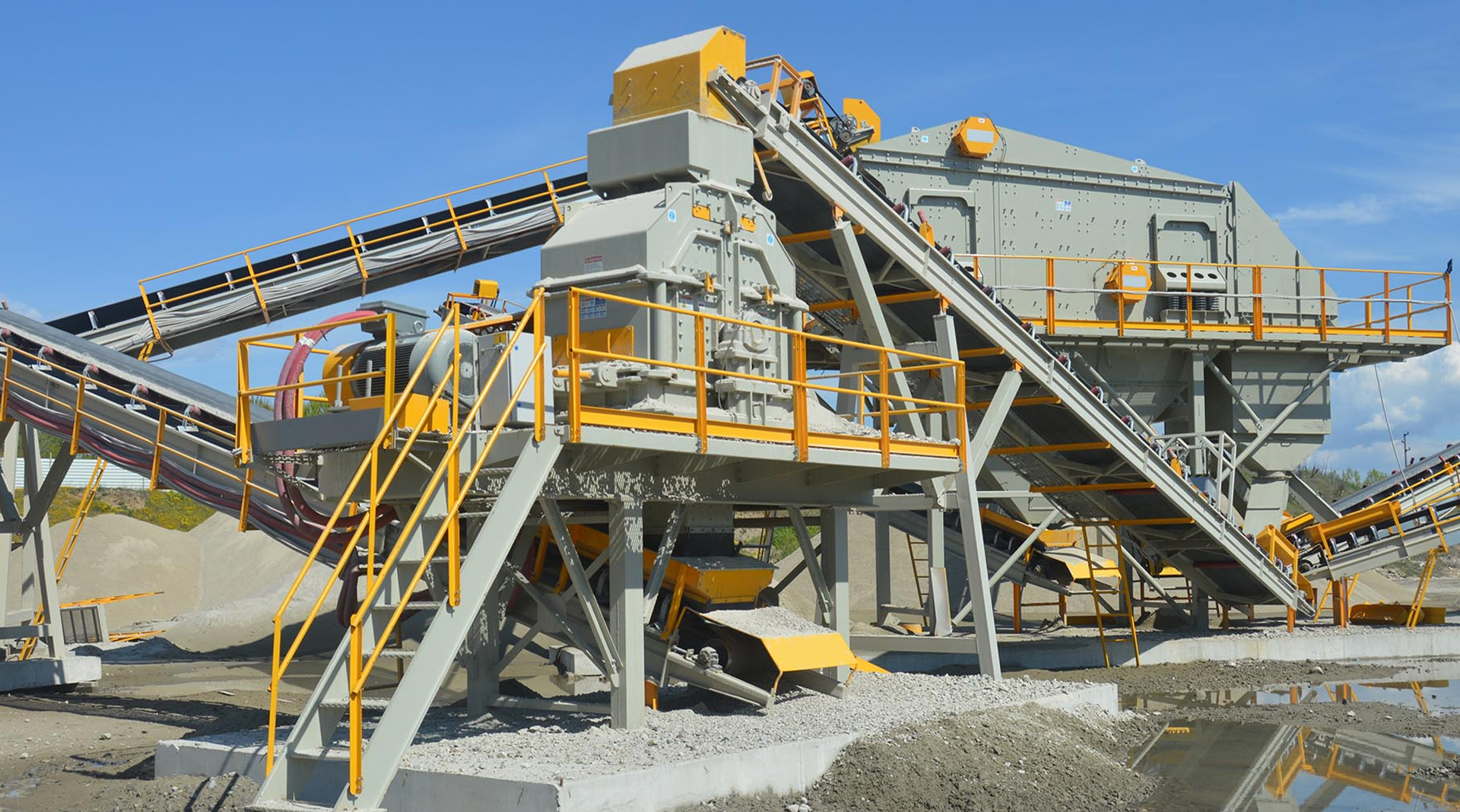
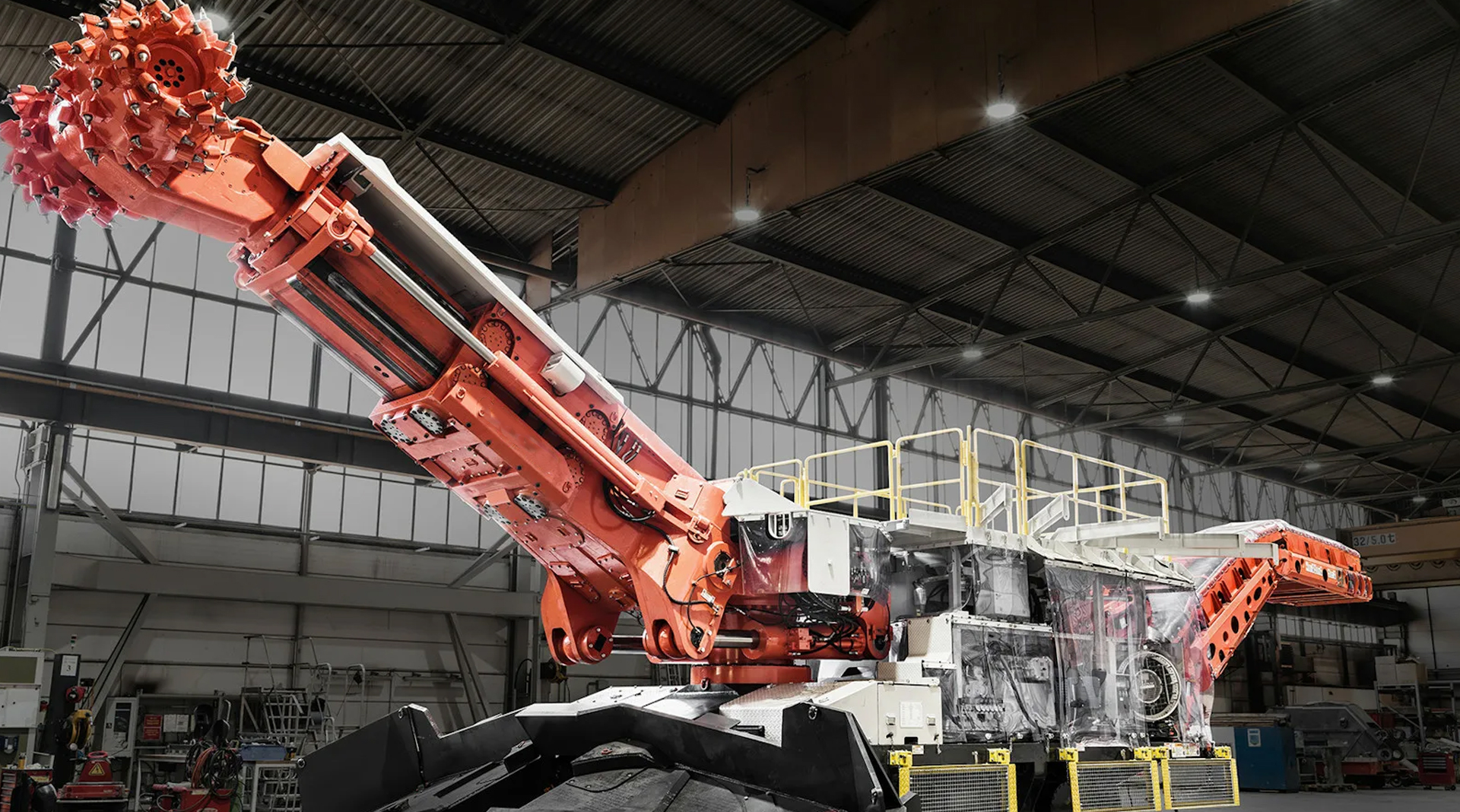
Crusher shafts, conveyor rollers, screen bearings |
| Construction machinery |
Excavator pins, articulated joint bushings |
| Metallurgical machinery |
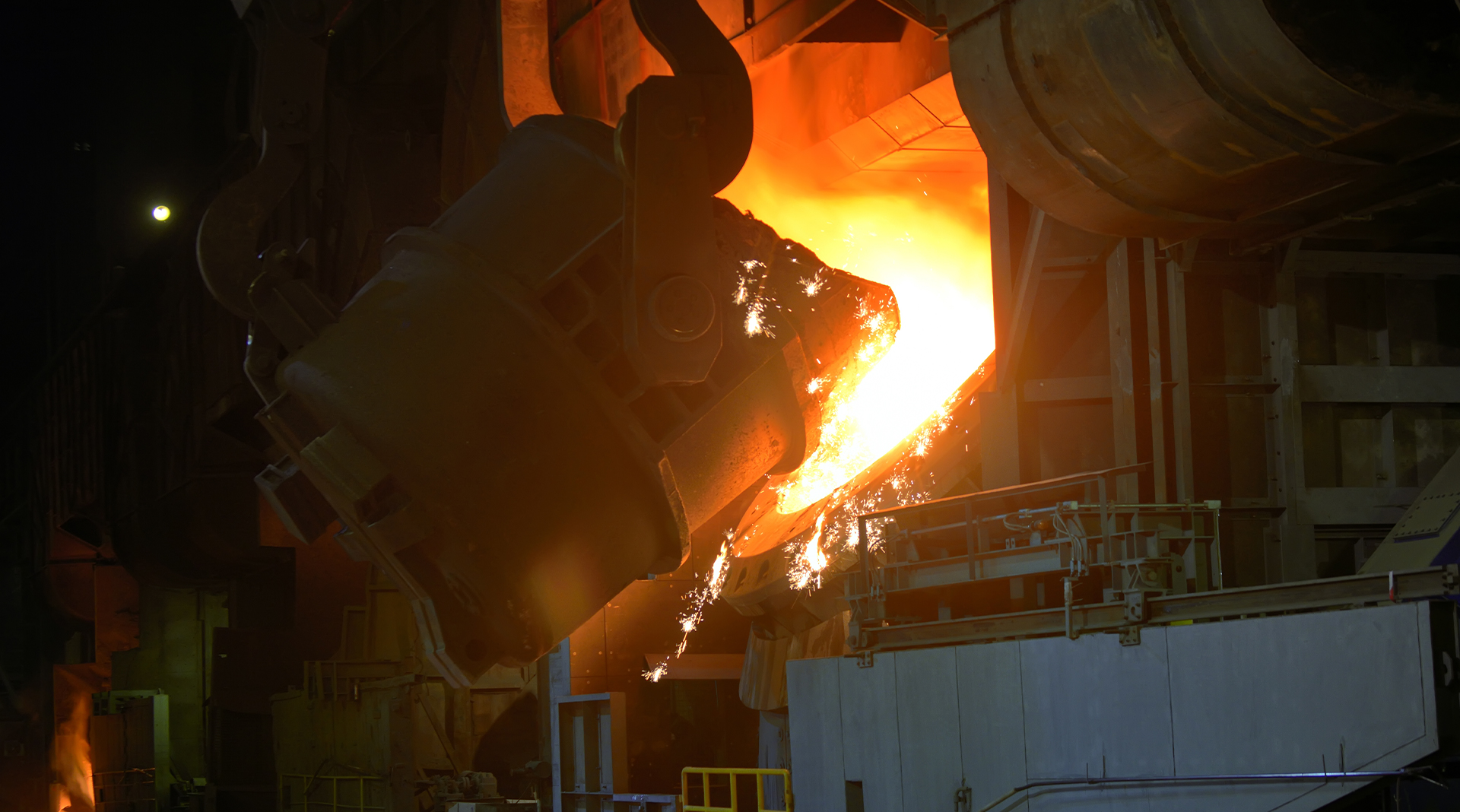
Rolling mill guides, casting equipment bearings |
| Marine and shipping |
Stern shaft sealing devices, propulsion system bushings |
| Oil and gas equipment |
Valve stems, drilling and pump components |
Sourcing Brass Bushings from a Specialized Supplier
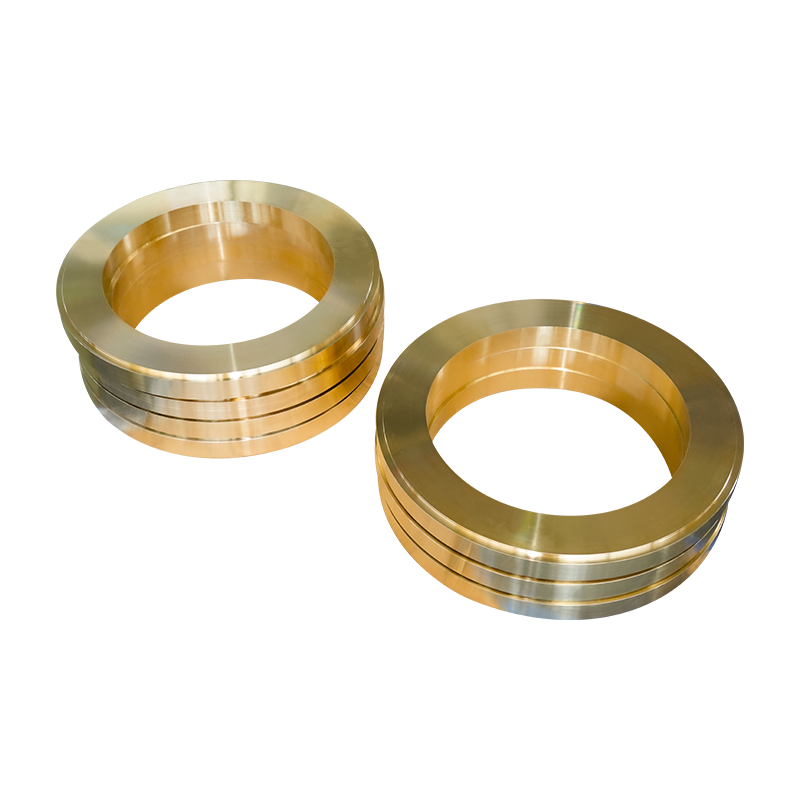
Because brass bushing performance depends heavily on alloy composition and casting quality, working with a manufacturer that specializes in copper alloy components can make a measurable difference in service life. Yangzhou Yifeng Copper Products Co., Ltd., based in Yangzhou, China, is one such producer, manufacturing brass bushings alongside tin bronze bushings, aluminum bronze bushings, and self-lubricating bushings for mining, marine, metallurgical, and oil and gas equipment.
Sourcing from a supplier with dedicated alloy control, such as C86300, C86200, C36000, and CAC301 grades commonly used for brass bushing production, helps ensure that replacement bushings match the compressive strength and wear characteristics required for heavy-duty equipment, rather than relying on generic stock that may not fit the application's load and environmental demands.
Installation and Maintenance Tips That Extend Bushing Life
A well-selected brass bushing can still fail early if it is installed or maintained incorrectly. Careful attention during fitting and routine service pays off in longer intervals between replacements.
Correct Press-Fit Clearance
Bushings are typically installed with an interference fit into the housing bore and a small running clearance against the shaft. If the bore is machined oversized, the bushing can rotate inside the housing, generating heat and wearing the outer surface rather than the intended inner bearing surface. Manufacturers commonly specify clearance in the range of 0.001 to 0.003 inches per inch of shaft diameter as a general starting point, though exact tolerances should always follow the equipment's engineering drawing.
Lubrication Scheduling
For grease-lubricated brass bushings, relubrication intervals should be tied to duty cycle and environmental exposure rather than a fixed calendar schedule. Equipment operating in dusty mining or construction environments generally needs more frequent lubrication than sealed indoor machinery, since contamination displaces the protective oil film faster than normal wear consumes it.
Periodic Wear Inspection
Measuring bore diameter at scheduled intervals allows maintenance teams to track wear trends and plan replacement before a bushing fails in service. A sudden increase in measured clearance, unusual noise, or visible scoring on the shaft are all signs that a bushing has moved past its useful service life and should be scheduled for replacement.
Key Takeaways on Metal Bushings
Metal bushings, and brass bushings in particular, remain one of the most practical solutions for reducing friction and wear in rotating or oscillating machinery. Choosing the right alloy — brass, bronze, or aluminum bronze — depends on load, speed, environment, and maintenance access rather than a single universal answer.
- Brass bushings offer the best balance of cost, strength, and machinability for moderate-load, oscillating applications.
- Proper alloy selection and installation clearance directly determine bushing service life.
- Sourcing from a specialized copper alloy manufacturer helps match material grade to real operating conditions.



 English
 日本語
日本語 русский
 Deutsch