


 English
 日本語
 русский
 Deutsch
Tin Bronze Bushing For Mining Equipment uses high-purity copper as the base material, and ...
Home / News / Industry News / Wind Turbine Bearings: Material Choices, Selection Rules and Sourcing Checks

Ship Propulsion And Sealing Device
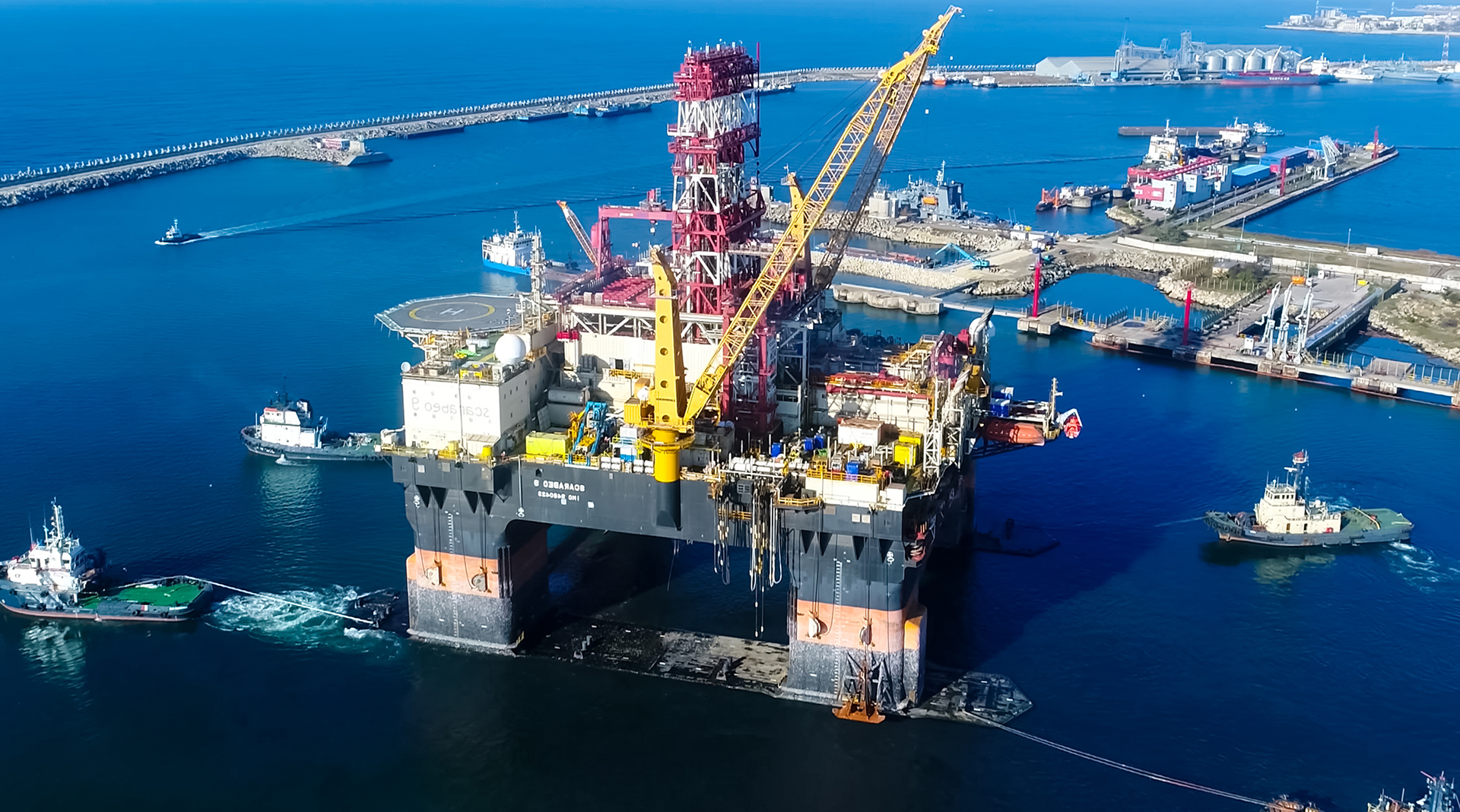
Ocean drilling and ship lock lifting equipment
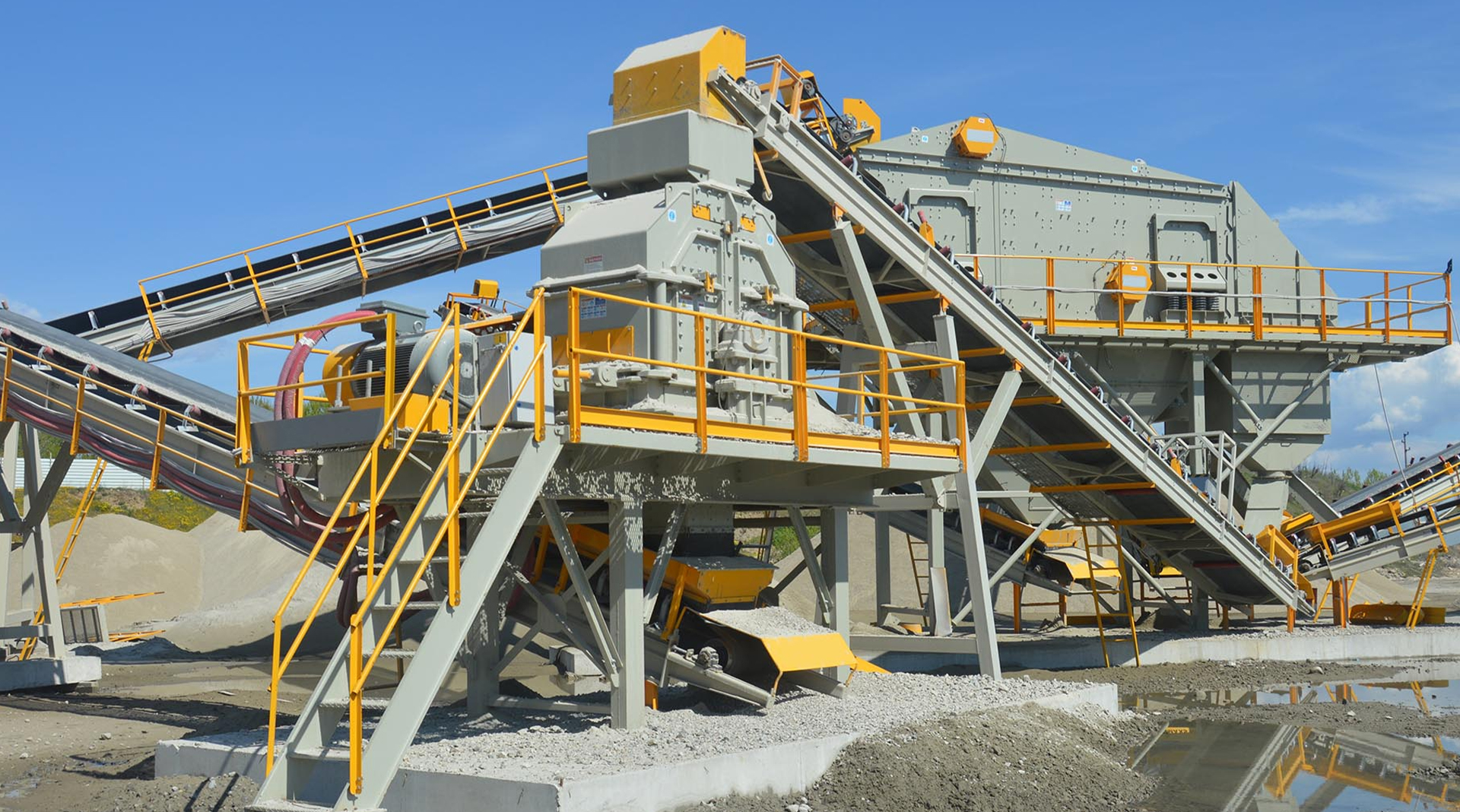
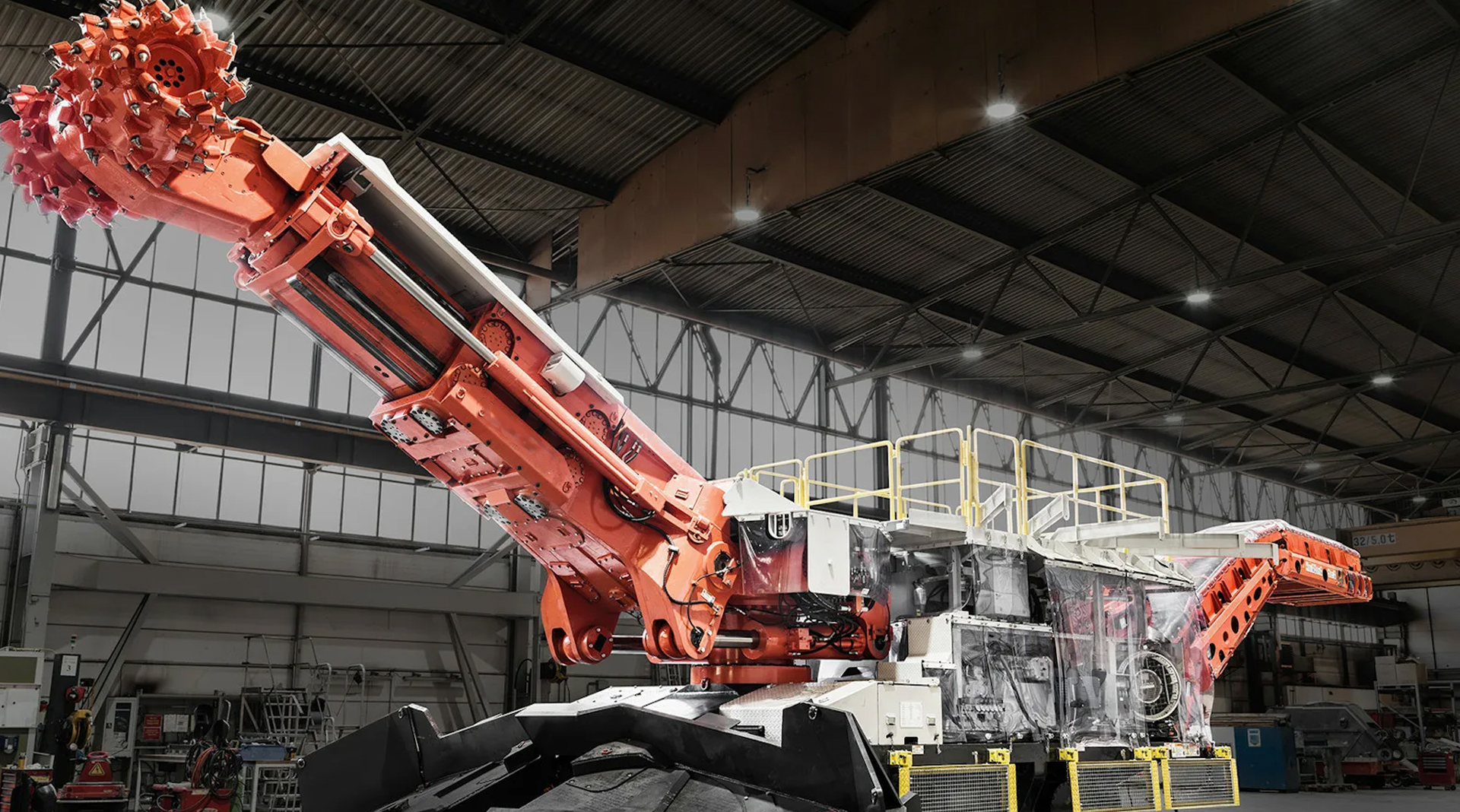
Mining equipment
Construction machinery
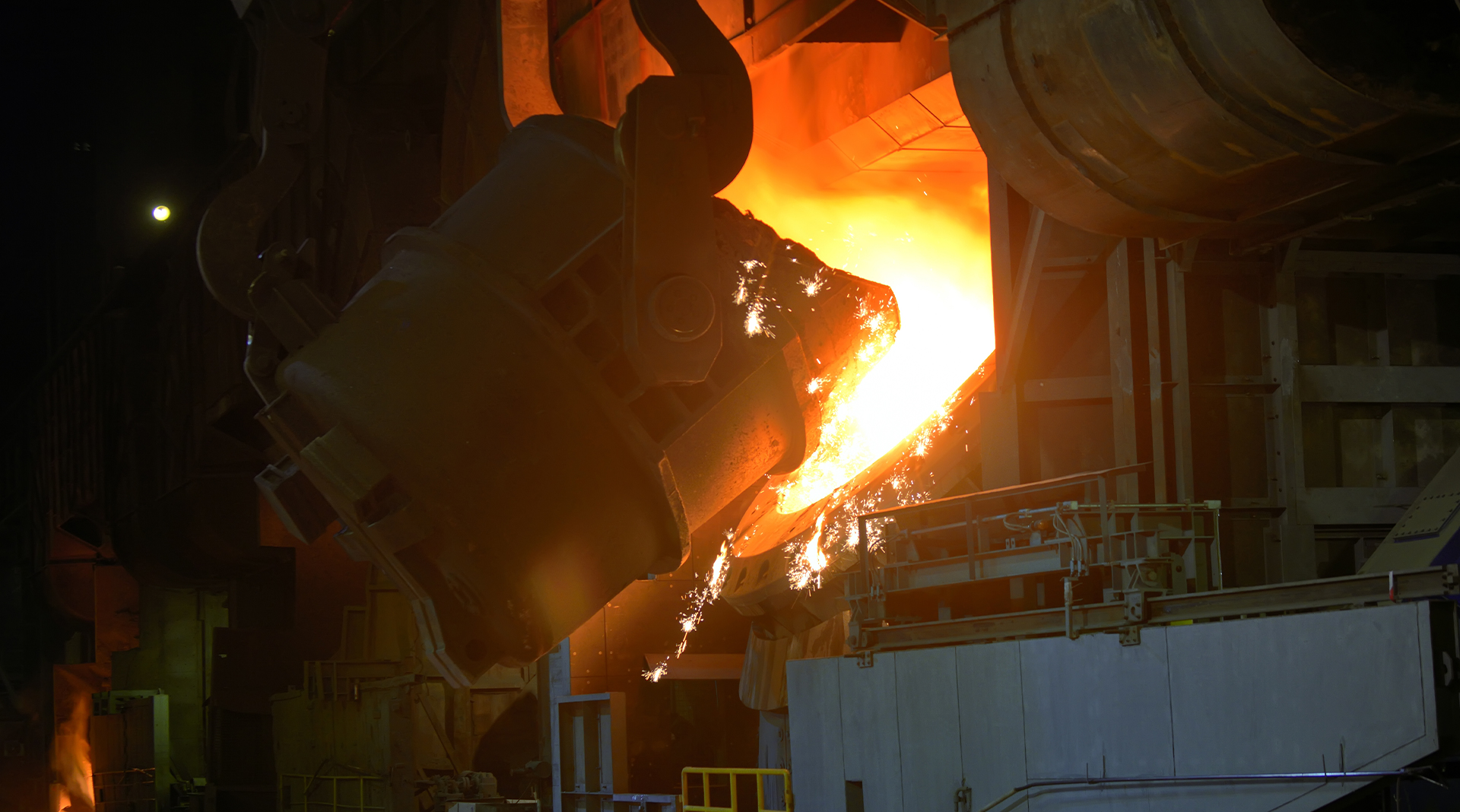
Oil and gas, metallurgical equipment
Content
A 3 MW turbine needs a pitch bearing replaced three years into service. The bearing itself may cost a few thousand euros; the crane, the downtime and the lost generation usually cost several times that. That single number explains why wind turbine bearings are less a catalogue purchase than a system decision — one where accessibility, lubrication reach and material pairing matter as much as the dynamic load rating printed on the datasheet.
The conclusion first: specify bearings by position and by maintenance reality, not by headline rating alone. A slewing ring that rocks through two degrees will fail from fretting long before it reaches its calculated L10 life, and a gearbox bearing sized perfectly for load will still fail if oil cleanliness slips a class. The sections below explain how to make those choices defensible in front of a technical review.
Wind turbine bearings rarely fail from simple fatigue. They fail from conditions that textbook life calculations handle poorly:
Design decisions follow directly: route lubrication points to the nacelle floor, choose materials that tolerate marginal lubrication, and treat sealing as a load-path component rather than an accessory bolted on at the end.
Position determines duty far more than turbine rating does. A 2 MW onshore platform and an 8 MW offshore machine share the same functional layout, and each location carries its own failure logic.
| Position | Typical type | Dominant load | Lubrication reality | What to watch |
|---|---|---|---|---|
| Main shaft | Spherical roller, tapered roller, two-row tapered | Radial load plus bending moment | Grease, hard to reach, often automated | Alignment and preload after a blade change |
| Gearbox planet and output | Cylindrical and tapered roller | High alternating load | Filtered oil bath | Cleanliness class, water ingress |
| Yaw | Four-point or crossed-roller slewing ring | Axial load plus tilting moment | Grease, short movements | Fretting where yaw angles stay small |
| Pitch | Slewing ring, sometimes plain bushes | Moment plus edge load | Grease or self-lubricating | Blade root bolt preload after replacement |
| Yaw and pitch drives | Worm gear pair | Sliding contact, low speed | Grease or oil | Bronze wheel wear rate and heat build-up |
| Generator | Deep groove or cylindrical roller | Radial load | Sealed for life | Electrical erosion of the raceway |
Rolling bearings carry the primary loads, but a nacelle also contains dozens of sliding interfaces: yaw drive worm gears, pitch linkage bushes, brake caliper guides, blade root bushes on some designs, and hydraulic cylinder eyes in the pitch system. These are the positions where a cast or machined bronze part often outperforms a hardened steel one — not because bronze is stronger, but because it tolerates boundary lubrication, embeds grit instead of scoring the shaft, and does not rust when a seal starts to weep.
In the yaw drive, the worm wheel is the sacrificial element. A tin bronze or aluminium bronze wheel running against a hardened, ground steel worm gives a sliding pair that is quiet, self-braking and comfortable at high ratios. Because the yaw system moves in short bursts and then sits still for hours, that bronze also has to resist fretting and lubricant starvation rather than pure fatigue.
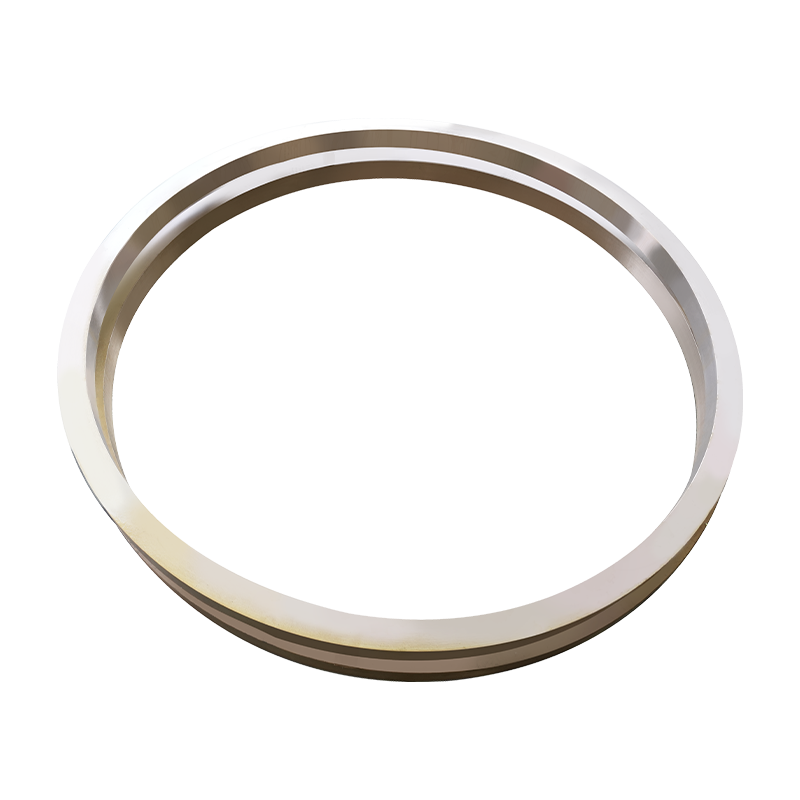 Copper Alloy Worm Gears for Wind Turbine Yaw and Pitch SystemsBronze worm gear for yaw and pitch drives, offering wear and anti-bite resistance, self-locking, and long-life operation in harsh wind conditions.View Product →
The same logic applies to bushes in linkage and auxiliary positions. A self-lubricating bronze bush with graphite plugs holds friction in a workable band even when the grease line never reaches it, which is why designers specify it for brake mechanisms, hatch hinges and other low-travel points scattered around the nacelle and tower base.
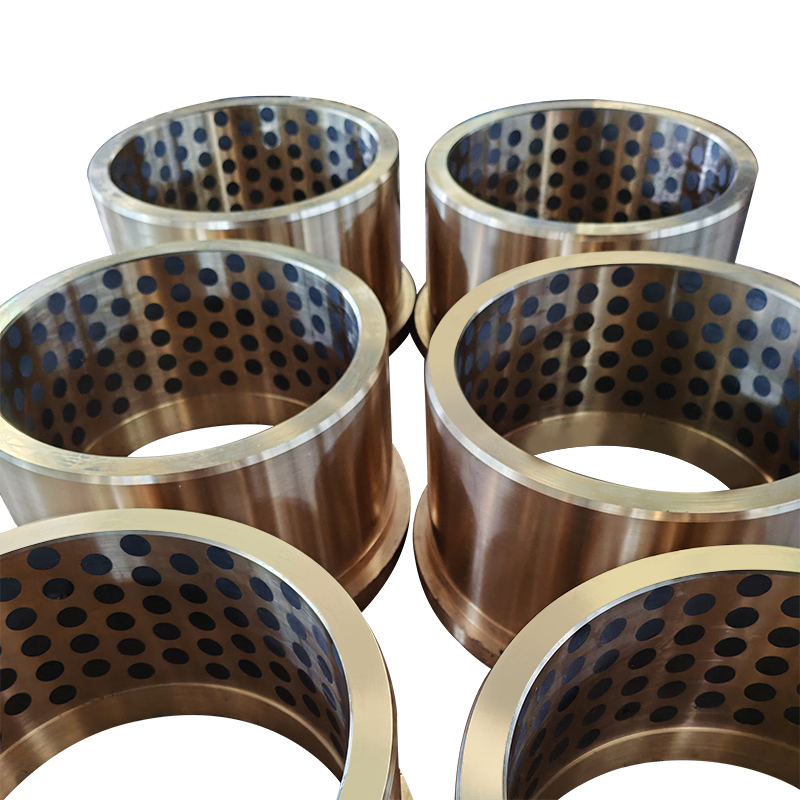 Aluminum Bronze Self-Lubricating Bushings for Special EquipmentSelf-lubricating aluminum bronze bushings with embedded solid lubricant, suited to heavy-load, corrosive or maintenance-unavailable positions where external grease may not reach.View Product →
Two bushes that both read 100 mm bore can differ in alloy, hardness and wall thickness tolerance enough to double the running clearance after pressing. On a turbine, that difference shows up as noise, heat, or a rework visit at height. A few checks close the gap before the purchase order is signed:
Most field complaints trace back to five mechanisms, and each has a design answer that costs far less than a crane:
Wind is a small-volume, high-consequence market, so suppliers are usually chosen on process control rather than on price per kilogram. Three questions separate a capable copper alloy foundry from a trading office. First, can it show the alloy and hardness for each batch rather than a generic certificate? Second, can it hold wall thickness and bore tolerance on a repeatable basis across a hundred pieces? Third, does it understand that a bush bound for a yaw drive is a different product from a decorative bronze sleeve?
Yangzhou Yifeng Copper Products has been casting and machining copper alloys since 2005, working from a 30,000 m² facility with more than 80 staff, 20 technical specialists and an annual capacity of roughly 5,000 tonnes. The company runs a joint research base with Southwest Jiaotong University and supplies bushings, plates, sealing rings and worm gears into marine, mining, metallurgical and wind applications. Buyers who want to audit the process before committing to a batch can review the plant profile on the factory page, and the background and quality approach are summarised in the company introduction.
Practical sourcing advice: request a first-article inspection for any new bronze grade, agree the acceptance criteria in writing, and keep a second qualified source for the wear parts that stop a turbine. Single-source anything in a nacelle and the lead time becomes a schedule risk rather than a purchasing detail.
Three points carry most of the decision. Specify each bearing by position and by how it will actually be maintained, because a pitch bearing and a gearbox bearing live in different worlds. Match material to lubrication reality, which is where bronze bushings and worm wheels often beat harder alternatives at sliding interfaces. And verify alloy, hardness and clearance with paper before the first article arrives, since every correction made on the ground is cheaper than the same correction made ninety metres up.
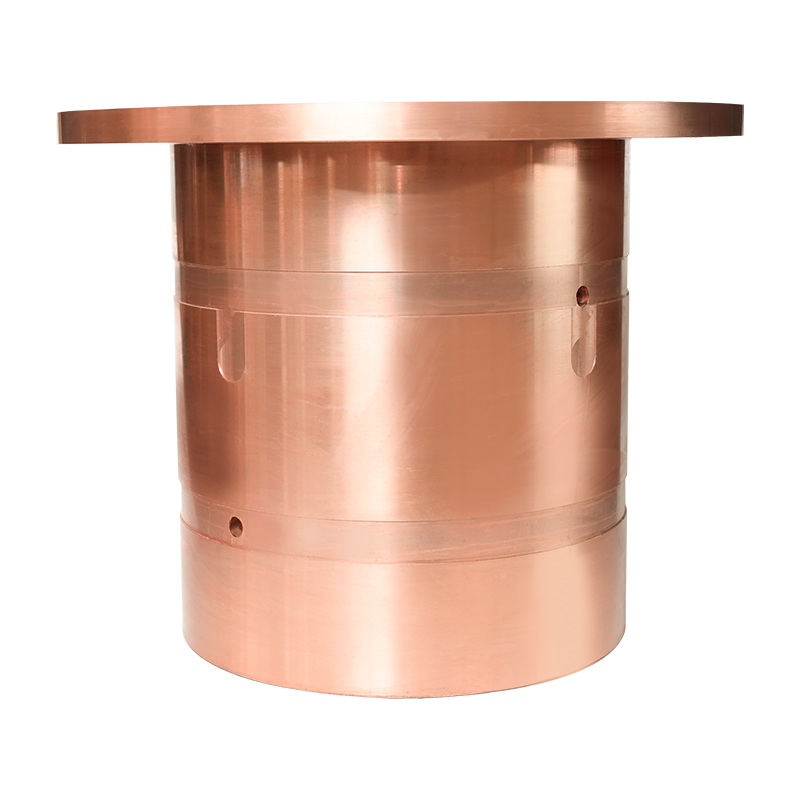
Tin Bronze Bushing For Mining Equipment uses high-purity copper as the base material, and ...
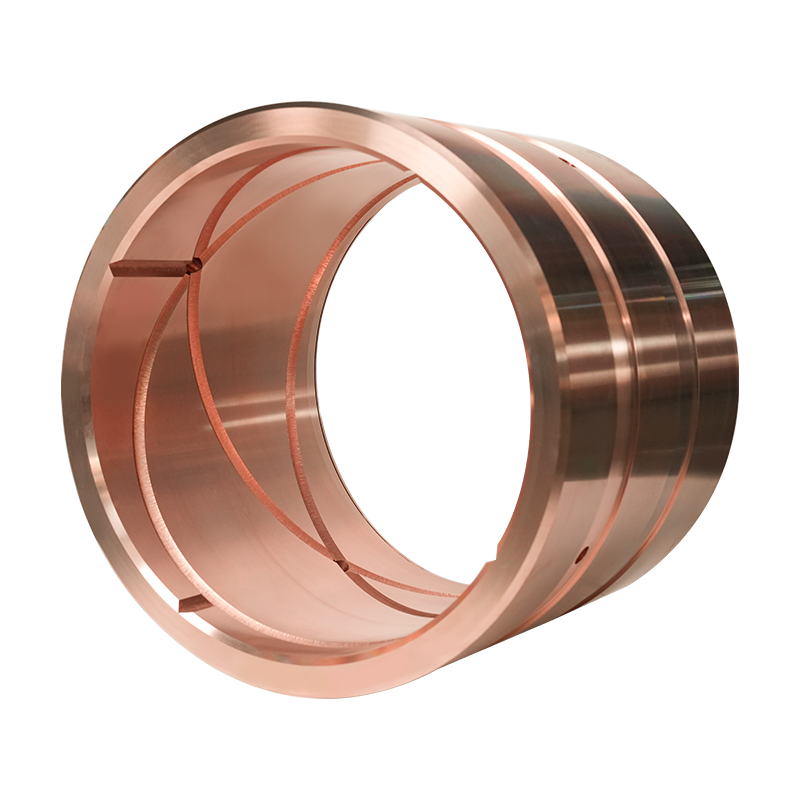
Tin Bronze Bushing For Engineering Machinery is made of high-quality high-purity copper su...
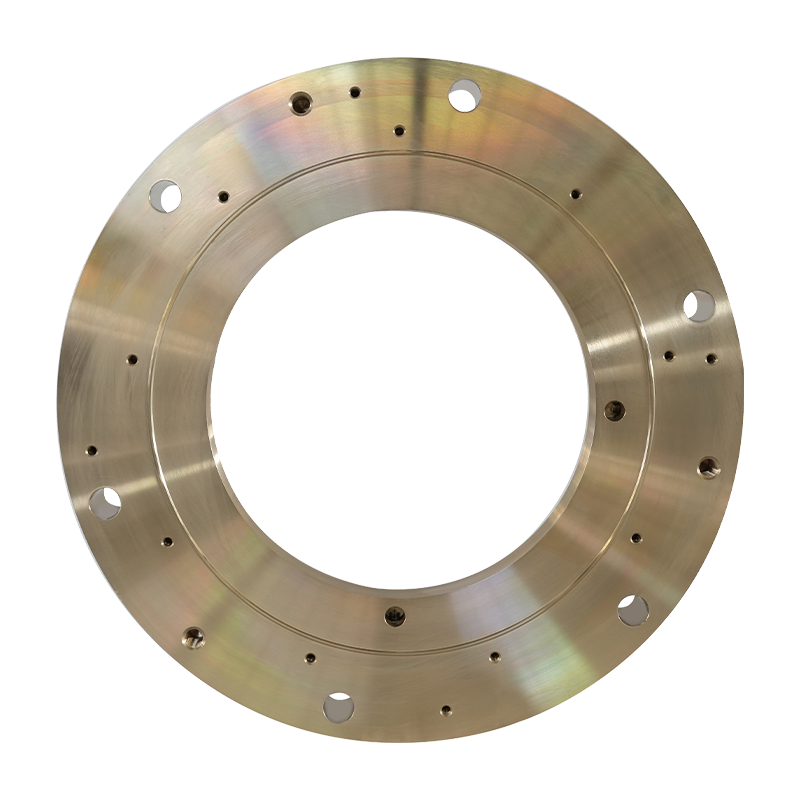
Marine Copper Alloy Sealing Ring Marine Sealing Ring is a key sealing component in the shi...
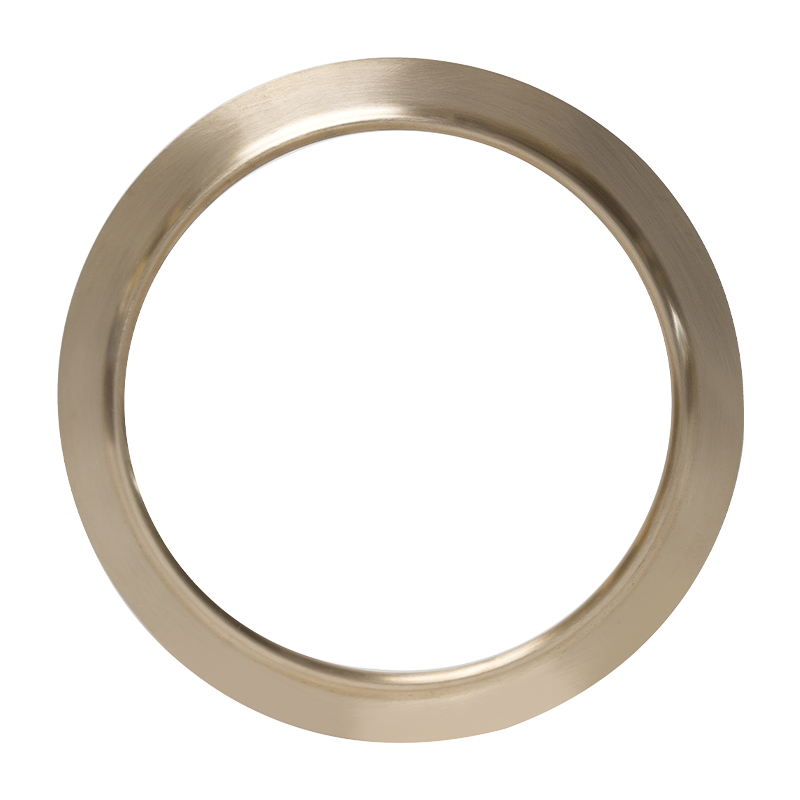
Propulsion Device Seal Marine Copper Alloy Sealing Ring is made of high-quality copper all...
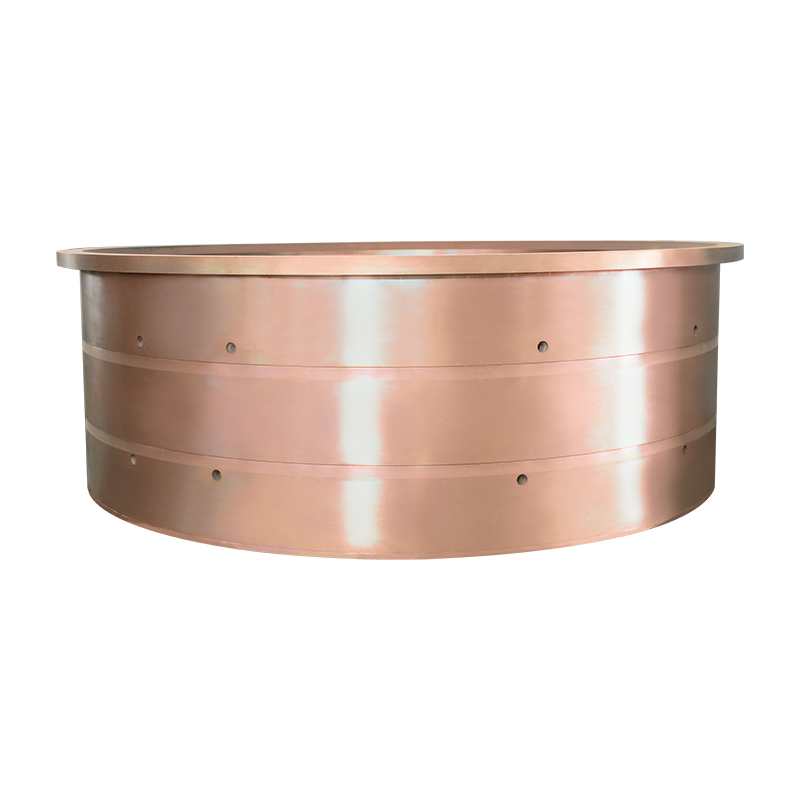
Anchor Winch Bearing And Tin Bronze Bushing is designed for heavy-load, high-speed, and hi...
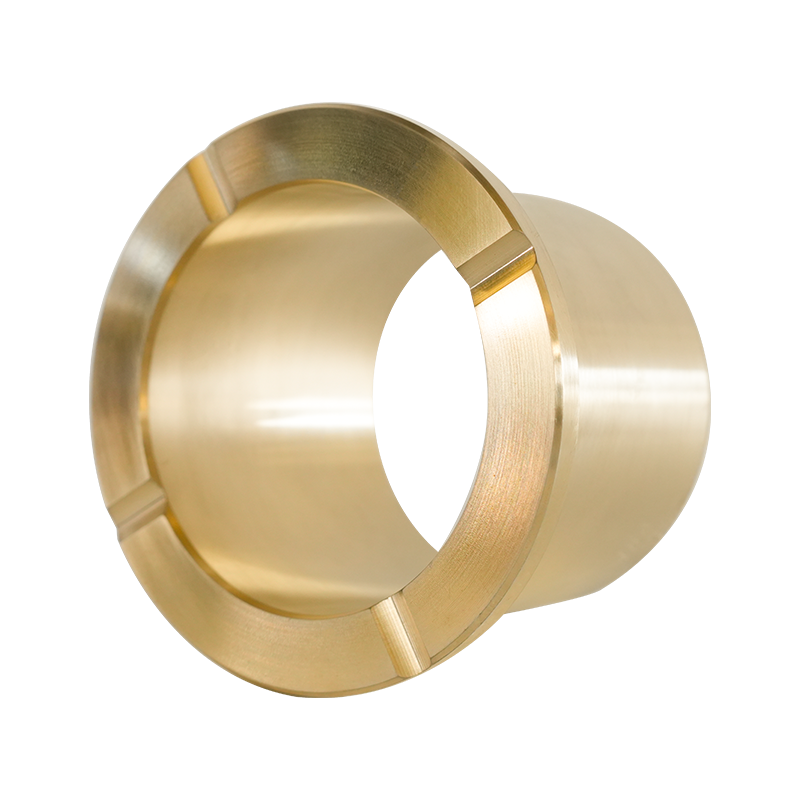
Mining Equipment Brass Bushing is specially designed for high-load and high-wear condition...
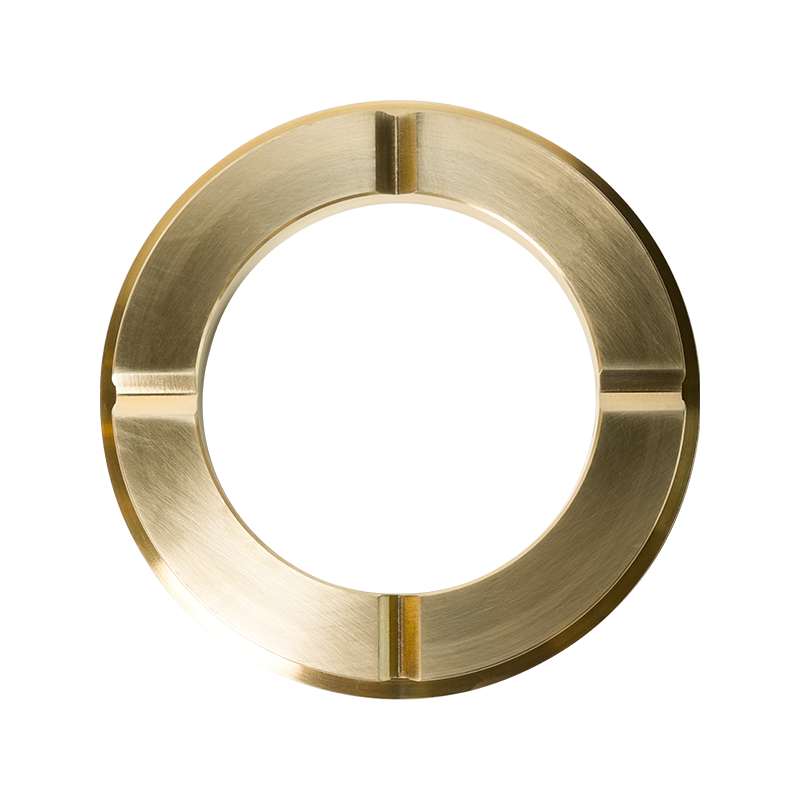
Engineering Machinery Brass Bushing is specially designed for high-load and high-wear work...
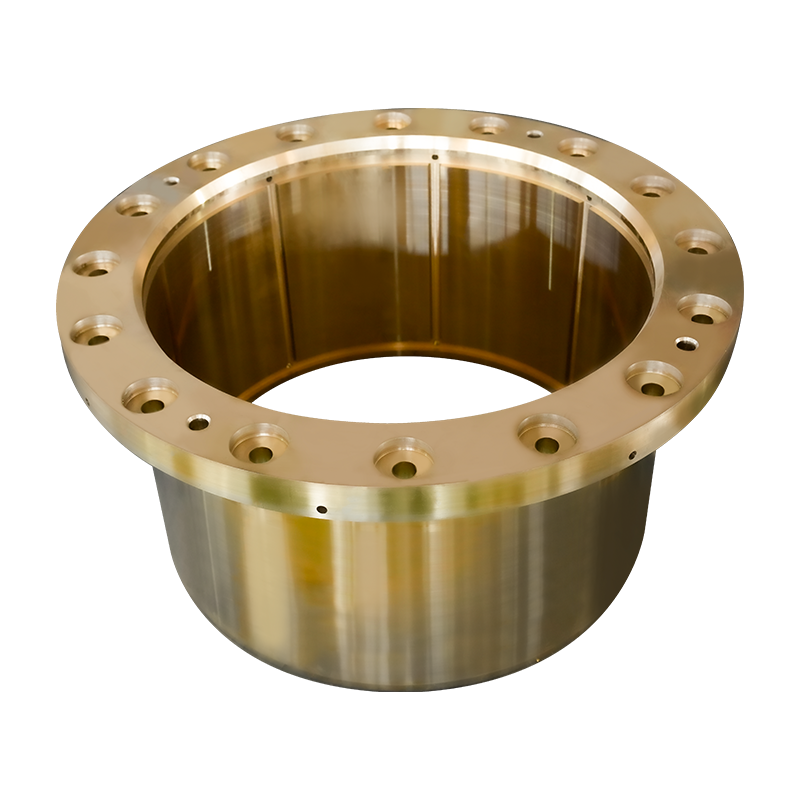
Metallurgical Equipment Brass Bushing is a high-performance brass bushing designed for wor...
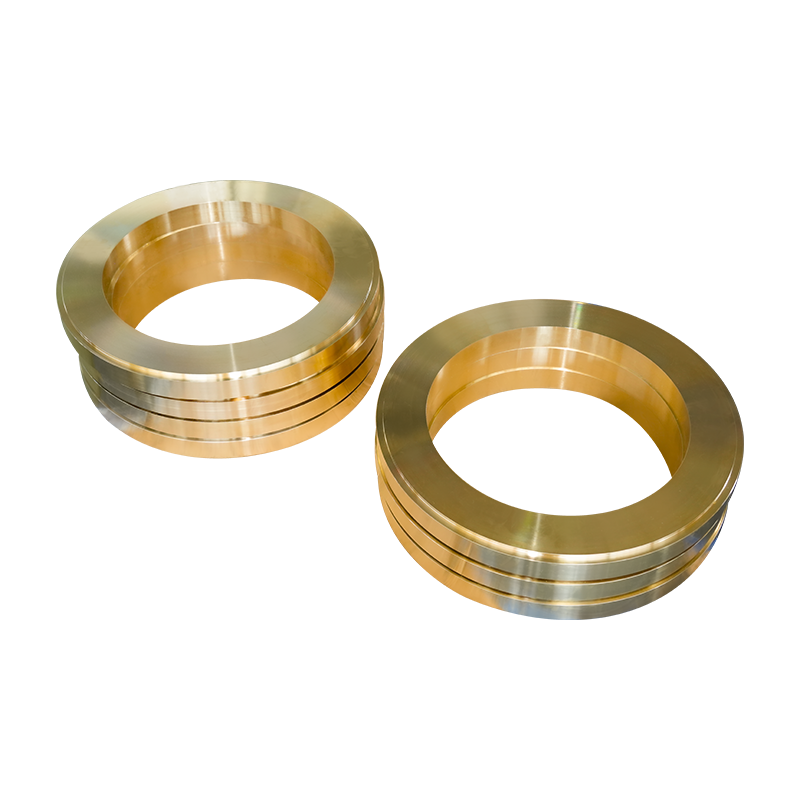
Stern Shaft Sealing Device Brass Bushing is a high-performance brass wear-resistant copper...
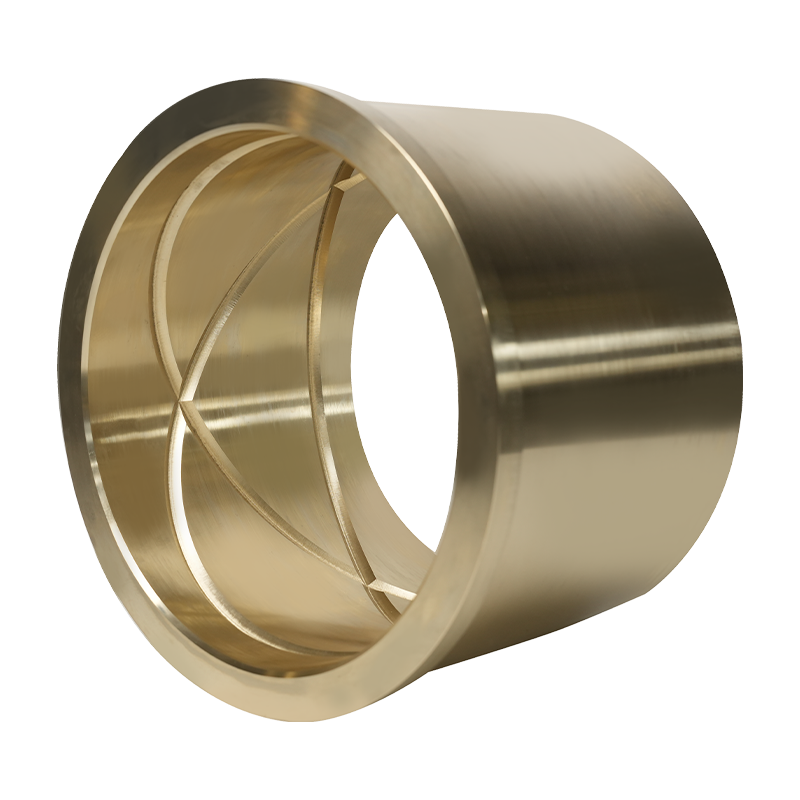
Aluminum Bronze Bushing For Rudder Transmission System is tailor-made for the Rudder trans...
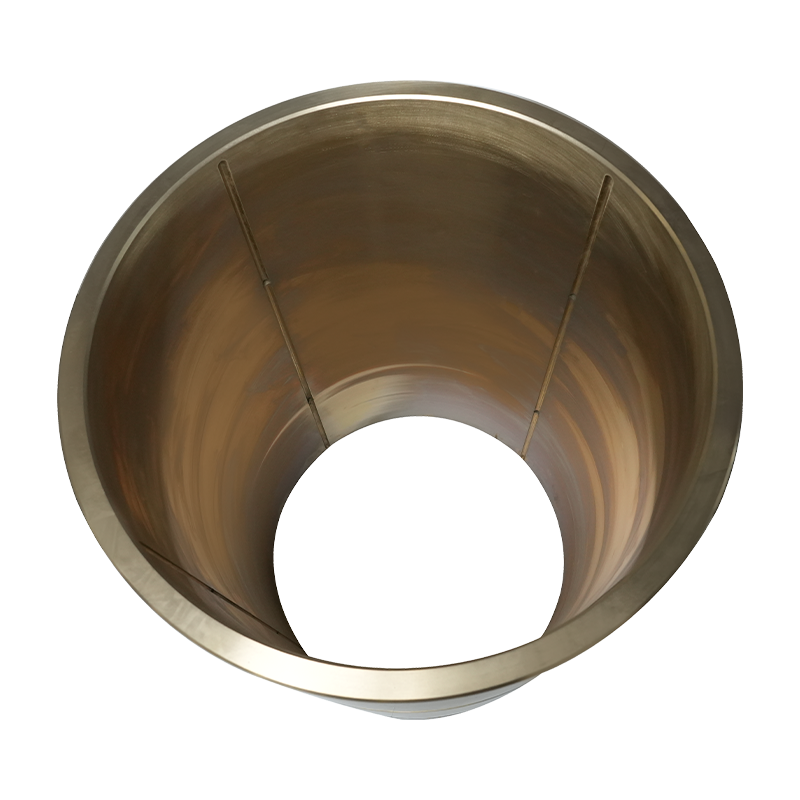
Aluminum Bronze Bushing For Ship Hydraulic Cylinders And Rudder Angle Feedback product is ...
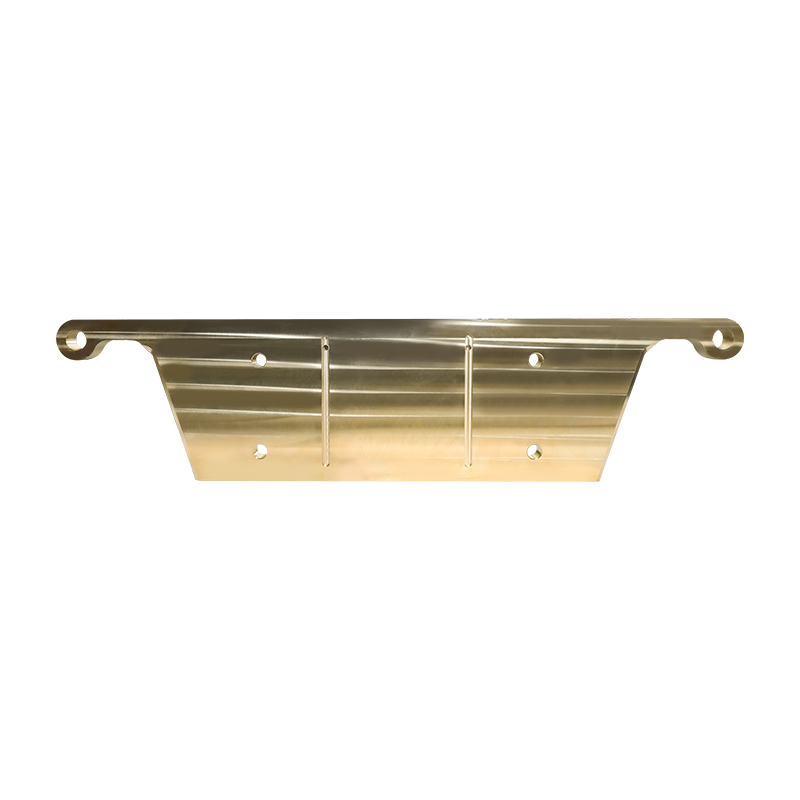
Mining Equipment Brass Plate is made of high-quality high-strength brass material, with we...
Copyright © YangZhou YiFeng Copper Products Co.,Ltd. All Rights Reserved
China copper casting manufacturers wholesale copper casting factory