


 English
 日本語
 русский
 Deutsch
Tin Bronze Bushing For Mining Equipment uses high-purity copper as the base material, and ...
Home / News / Industry News / Gunmetal Bronze Grades: Composition, Lead Content, and Industrial Part Selection

Ship Propulsion And Sealing Device
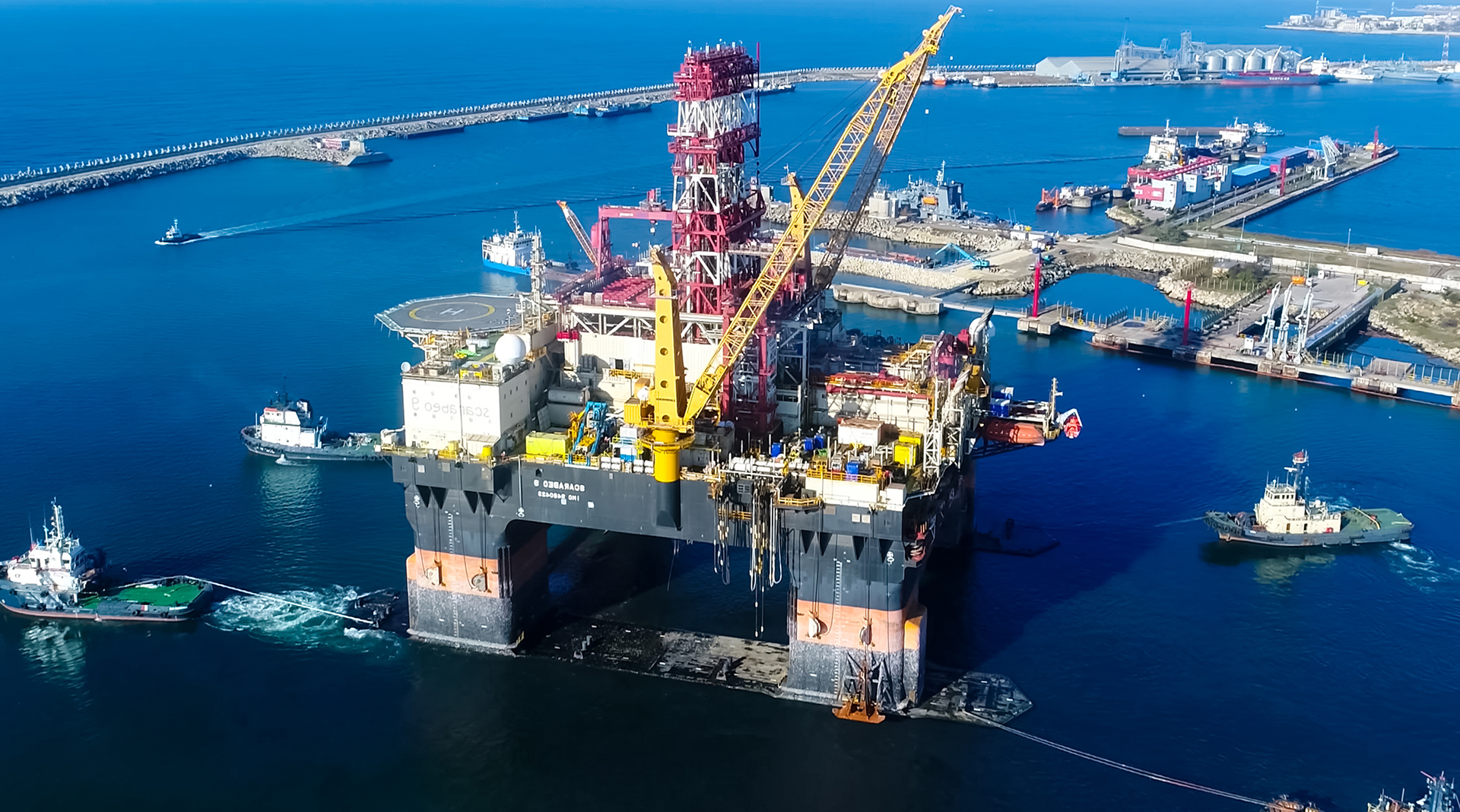
Ocean drilling and ship lock lifting equipment
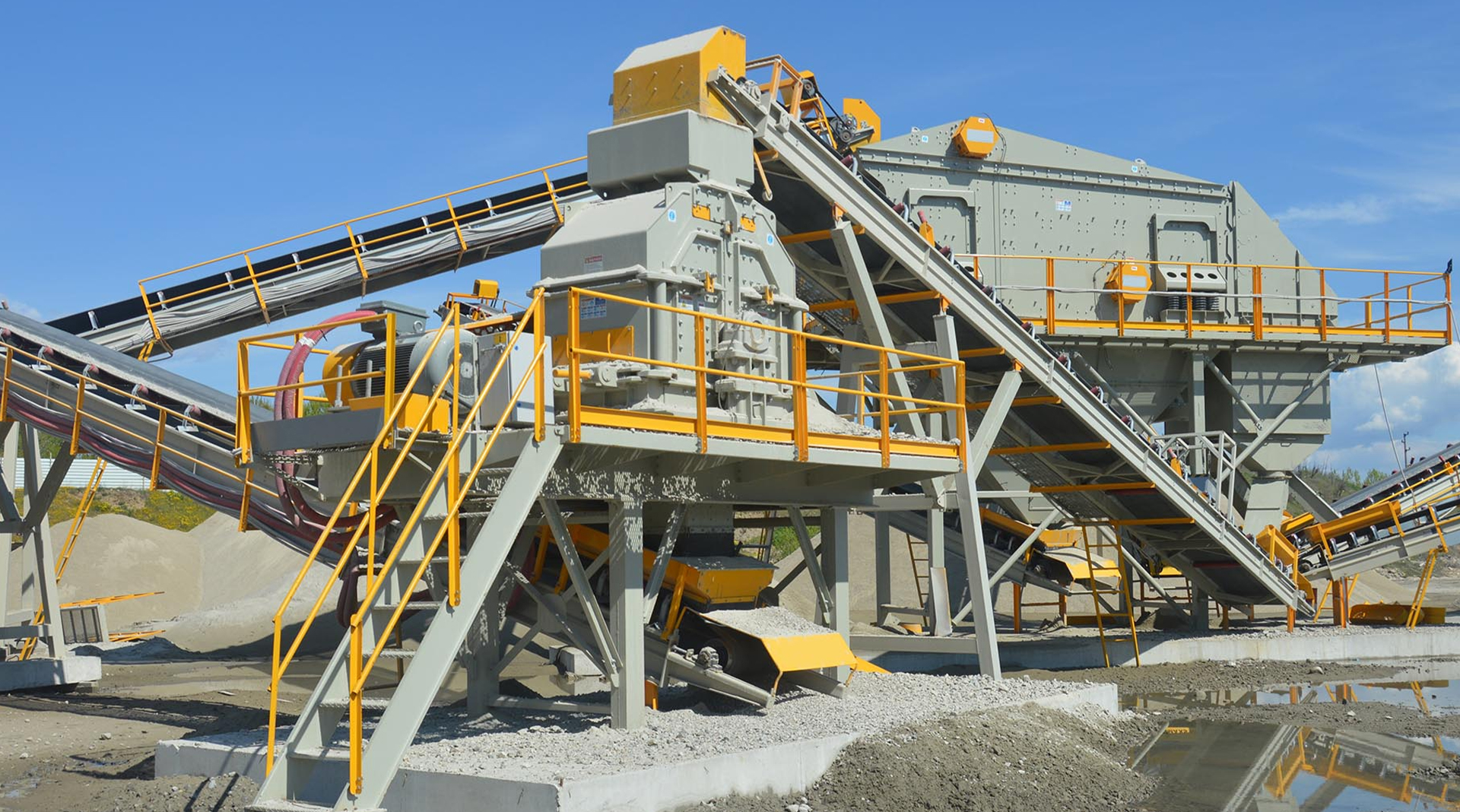
Mining equipment
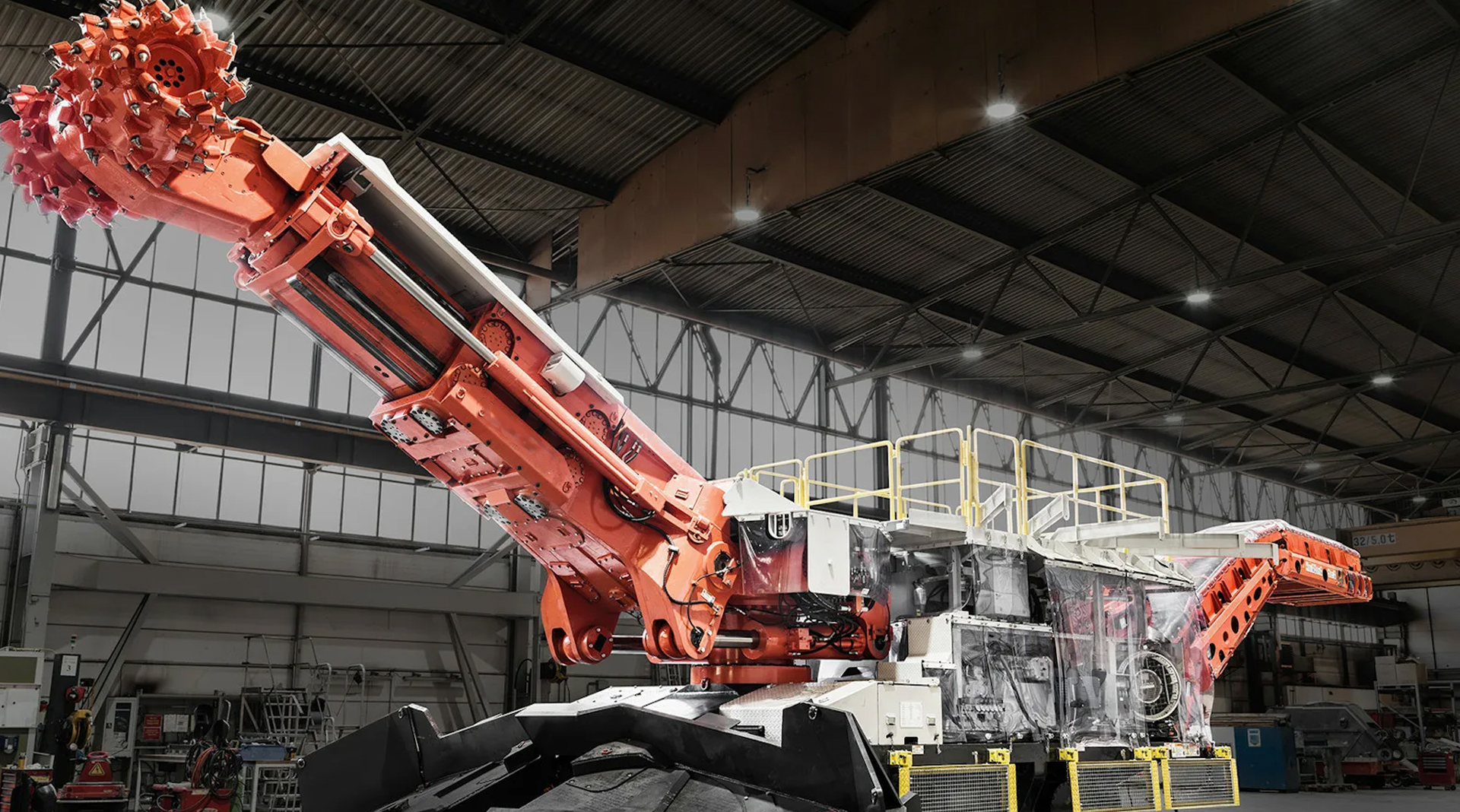
Construction machinery
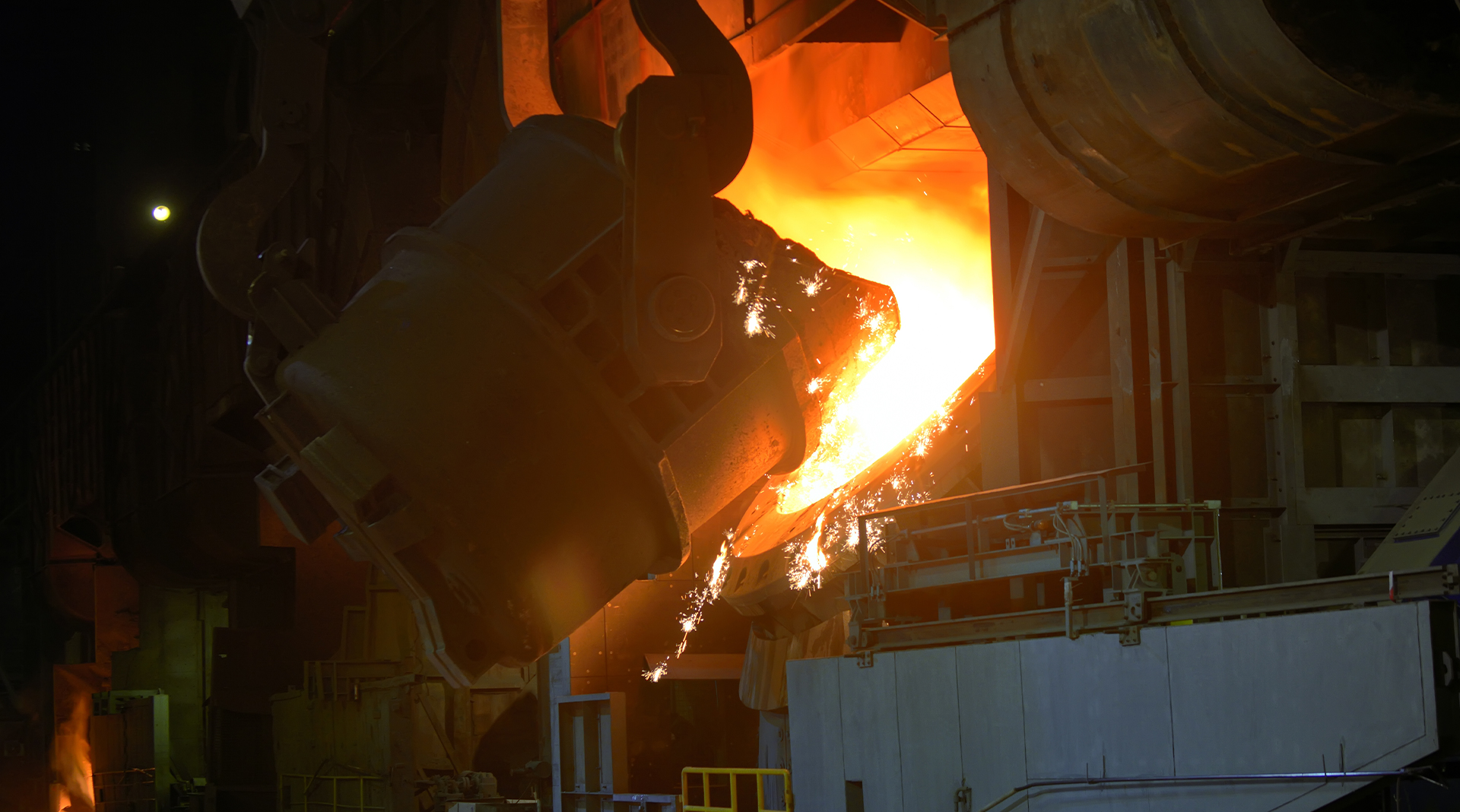
Oil and gas, metallurgical equipment
Content
A buyer sends out an RFQ for a gunmetal bronze bushing. One quote comes back as CuSn10Zn2, another as a leaded gunmetal with 5% lead, and a third as “red brass” with no chemistry at all. The drawings look identical, but the parts will not behave the same in a marine pump, a steering gear, or a worm gearbox. Gunmetal bronze is a family, not a single material. The grade, lead content, casting method, and inspection class decide whether the part runs quietly for years or becomes a maintenance item.
Gunmetal bronze is a copper alloy with tin and zinc as the main alloying elements. A common reference point is 88% copper, 10% tin, and 2% zinc, often called admiralty gunmetal. In the United States, the same family is sometimes called red brass, a naming habit that causes confusion because “red brass” can also mean other copper-zinc alloys. On a drawing, the safe approach is to specify the standard grade and chemistry limits, not just “gunmetal.”
| Family | Typical chemistry | Main effect | Watch point |
|---|---|---|---|
| Admiralty gunmetal | Cu 88, Sn 10, Zn 2 | Corrosion resistance and bearing behavior | Confirm casting soundness |
| Leaded gunmetal, LG2 type | Cu 85, Sn 5, Zn 5, Pb 5 | Machinability and pressure tightness | Lead restrictions |
| Low-lead gunmetal | Cu balance, Sn 8-11, Zn 2-5, Pb 1 max | Wear and corrosion balance | Fix chemistry and hardness |
The zinc does more than dilute copper. It improves fluidity in the mold and helps castings fill thin sections. Tin contributes strength, wear resistance, and corrosion resistance. Lead, when present, improves machinability and pressure tightness but raises regulatory questions. That is why two suppliers can both claim “gunmetal” and still deliver different hardness, elongation, and machining behavior.
Gunmetal was used for cannon and small arms before steel took over. The name stuck because the alloy was tough, castable, and resistant to corrosion. Today the same family appears in pump bodies, valve parts, marine fittings, bearing bushes, and worm wheels. The name is useful for history and shop-floor shorthand, but it is weak as a purchasing specification.
A practical RFQ therefore says: “Gunmetal bronze to CuSn10Zn2, sand cast, chemistry certificate per heat, hardness range agreed with the foundry, machined bore tolerance H7, pressure test at 10 bar.” That is a different conversation from “gunmetal, please quote.”
Different part families load the alloy differently. A bushing cares about bearing pressure, lubrication, and shaft hardness. A sealing ring cares about dimensional stability and corrosion. A worm gear cares about sliding contact, heat, and machining accuracy. The same gunmetal family can serve all three, but not with the same chemistry and casting route.
For oscillating or slow-rotating shafts, a tin-rich gunmetal with modest zinc gives a good balance of load capacity and corrosion resistance. If the bushing runs in a stern tube, steering gear, or deck machinery, the drawing should state the seawater exposure and the shaft material. A leaded grade may machine faster, but lead limits can rule it out for environmental or product-contact reasons.
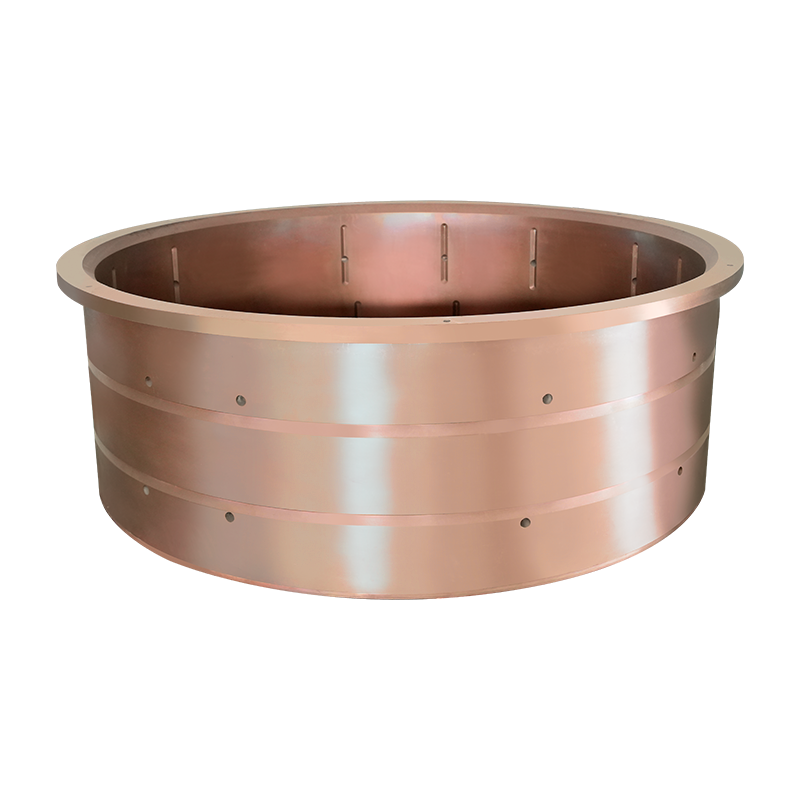 Tin Bronze Bushing for Ship Propulsion SystemsPrecision-cast tin bronze bushings for stern shaft, rudder, and propeller applications, offering seawater corrosion resistance and self-lubricating wear performance.View Product →
Marine sealing rings need a dense casting, stable dimensions, and resistance to crevice corrosion. Gunmetal with 10% tin and 2% zinc is a sensible starting point; leaded versions may be chosen for pressure tightness but need a compliance check. The bore and face runout matter as much as chemistry.
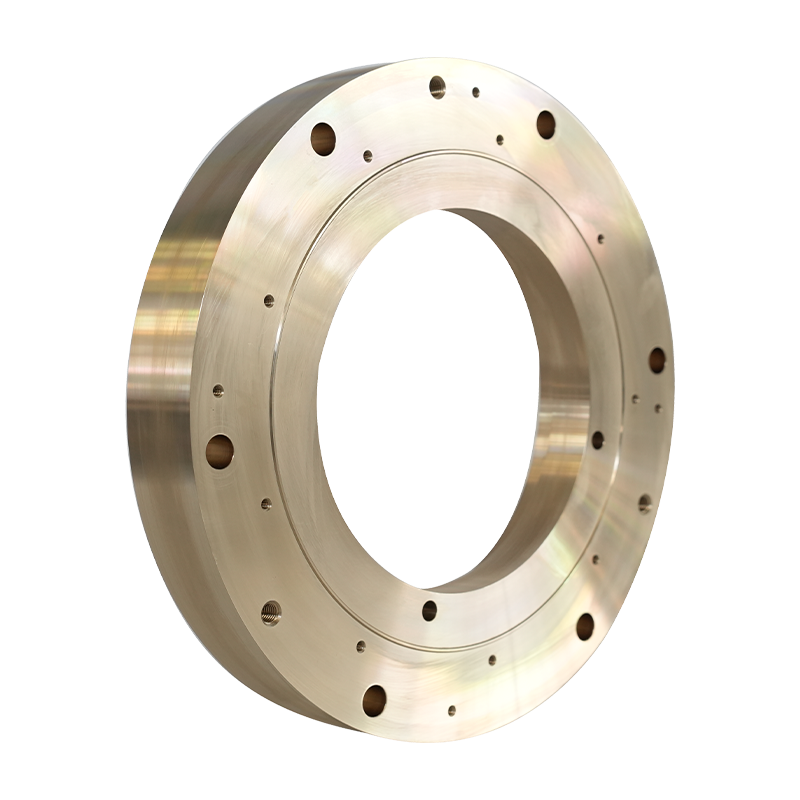 Marine Copper Alloy Sealing Ring for Stern ShaftsHigh-strength copper alloy sealing ring for stern shaft and stern tube lubrication, precision machined to resist seawater intrusion and oil leakage.View Product →
Worm gears depend on a low-friction copper alloy running against a hardened steel worm. Gunmetal can work in moderate-duty gearboxes, but the buyer should confirm the alloy’s hardness, microstructure, and machining quality. Porosity or a soft spot can show up as noise, heat, and premature wear.
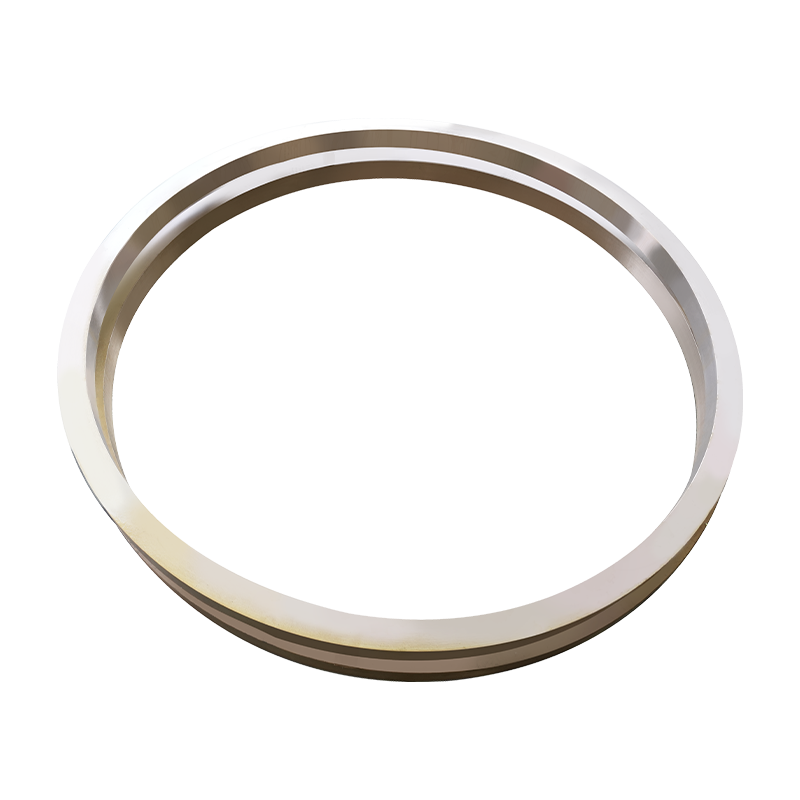 Copper Alloy Worm Gear for Engineering MachineryWorm gear for engineering machinery drives, using aluminum bronze or leaded tin bronze to resist adhesive wear in high-impact, high-temperature, dusty conditions.View Product →
Most price differences on gunmetal bronze parts come from four decisions: alloy chemistry, casting process, machining allowance, and inspection class. A cheap quote often moves one of those decisions without saying so.
A copper-alloy specialist with in-house casting and machining can control these variables, but the buyer still needs to put them in the purchase order. Yangzhou Yifeng Copper Products, for example, supplies tin bronze bushings, plates, marine sealing rings, and worm gears from a 30,000 m2 facility; the useful next step is to match the drawing to a fixed grade and inspection plan, not to ask for a generic “gunmetal” price.
Start with the part, not the alloy name. Write down the load, speed, lubrication, temperature, seawater or chemical exposure, and the consequence of failure. Then choose a gunmetal grade that meets those conditions and fix the casting and inspection requirements. If the application is a stern tube bushing or a marine sealing ring, ask for corrosion and pressure-tightness evidence. If it is a worm gear, ask for hardness and microstructure. If it is a high-volume machined bushing, ask for a lead-compliance statement before you approve the sample.
The cheapest reliable path is usually a short technical conversation before the RFQ: drawing, alloy, casting method, test plan, and batch traceability. That conversation prevents the classic mismatch where three suppliers quote three different gunmetals and the lowest price wins on paper only. For a specific part review, send the drawing and operating conditions through the contact page.
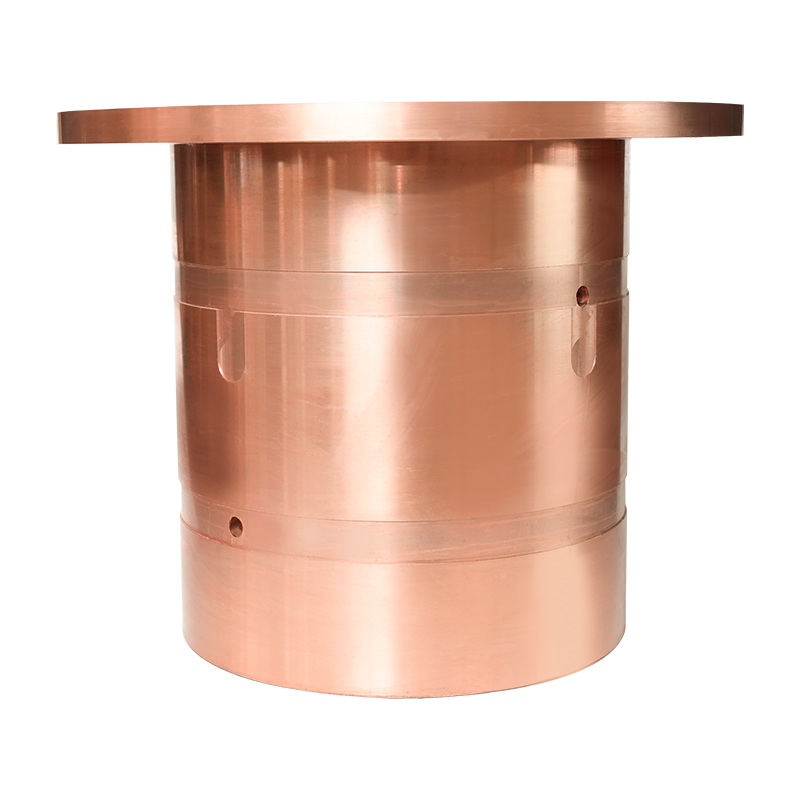
Tin Bronze Bushing For Mining Equipment uses high-purity copper as the base material, and ...
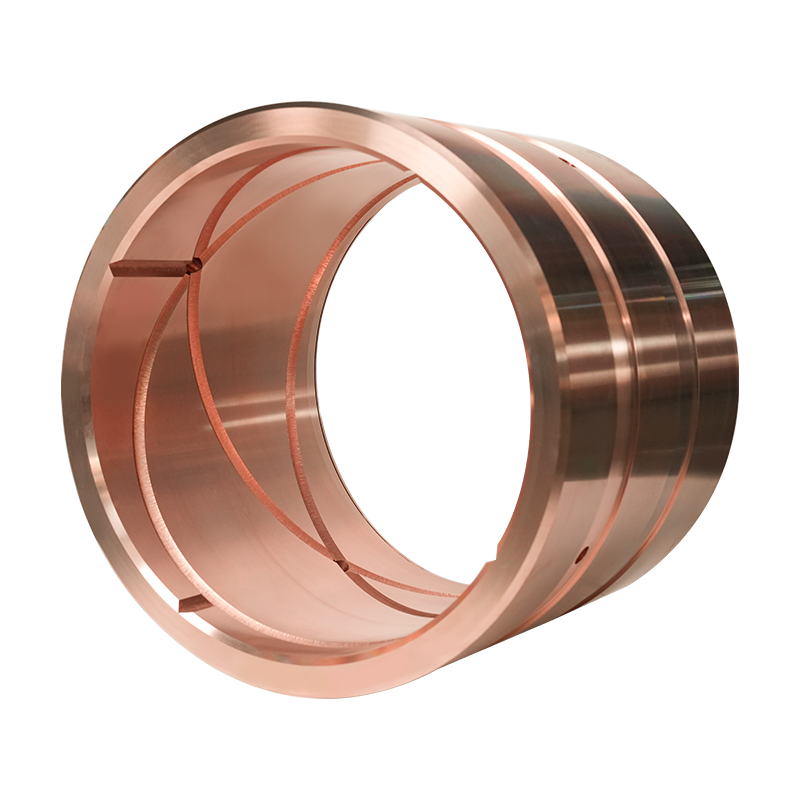
Tin Bronze Bushing For Engineering Machinery is made of high-quality high-purity copper su...
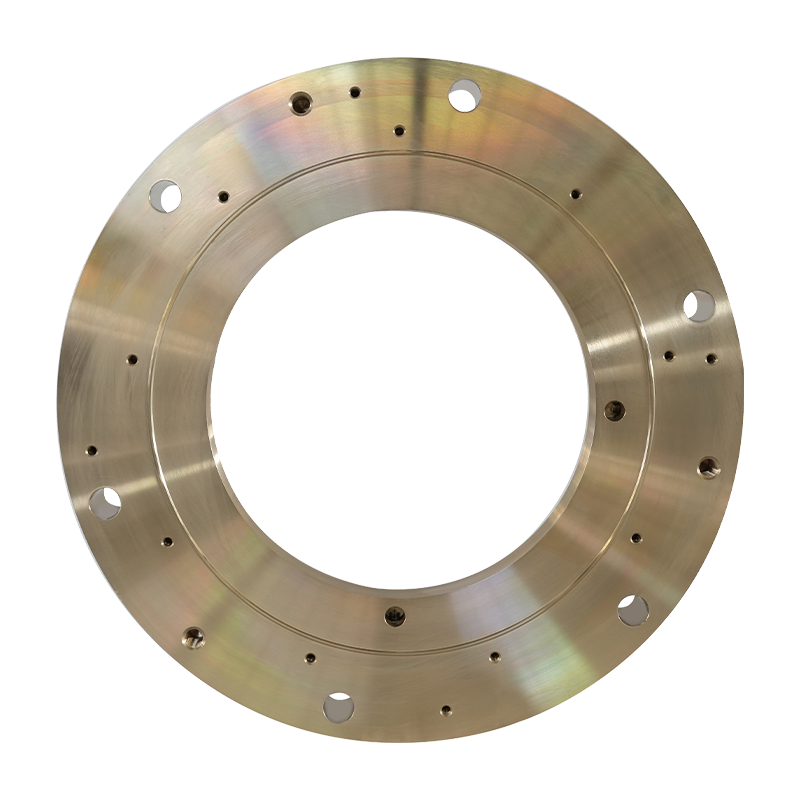
Marine Copper Alloy Sealing Ring Marine Sealing Ring is a key sealing component in the shi...
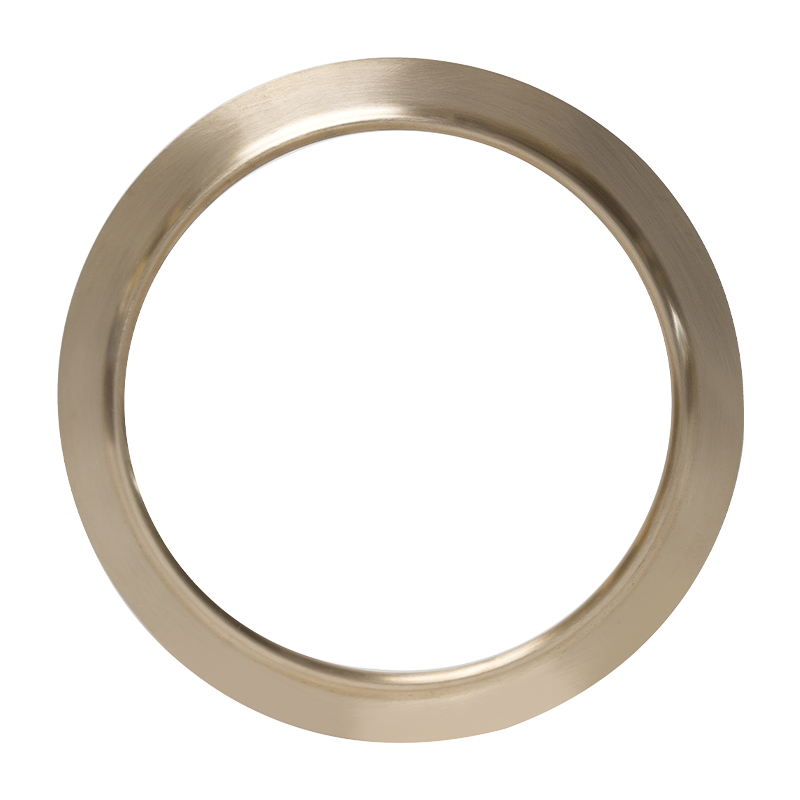
Propulsion Device Seal Marine Copper Alloy Sealing Ring is made of high-quality copper all...
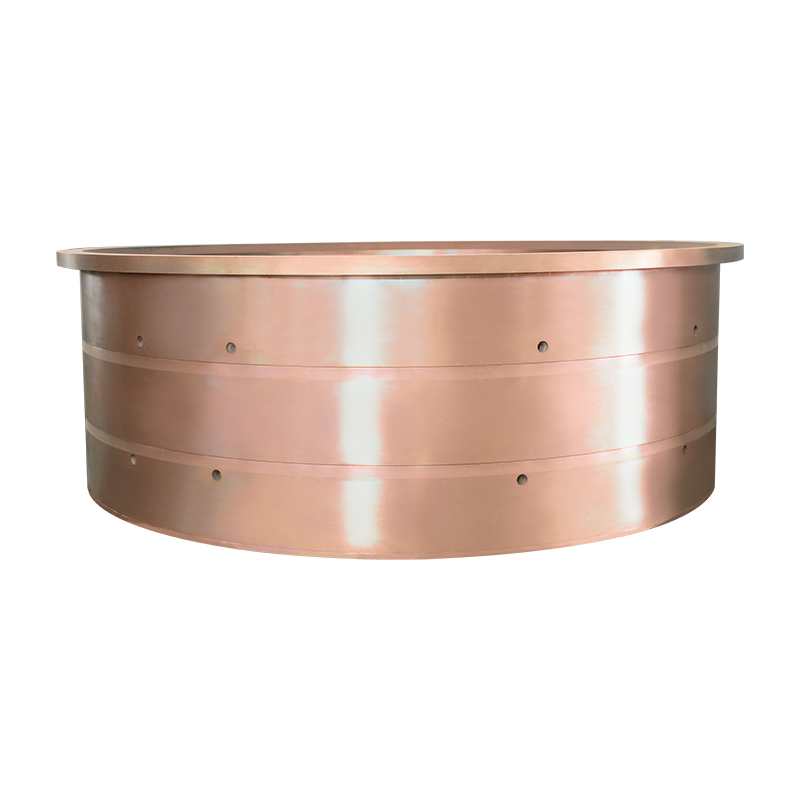
Anchor Winch Bearing And Tin Bronze Bushing is designed for heavy-load, high-speed, and hi...
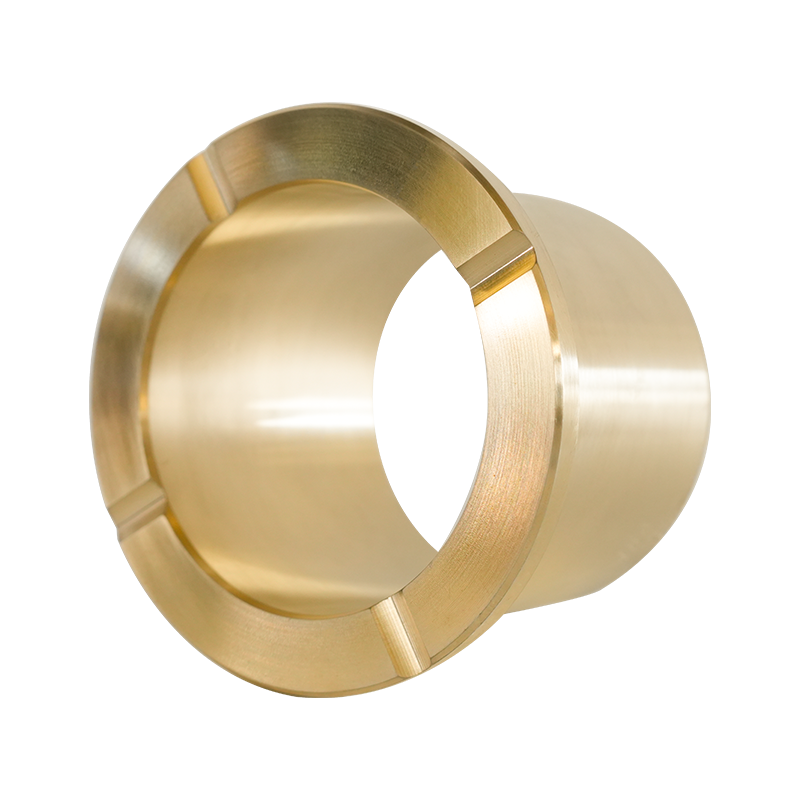
Mining Equipment Brass Bushing is specially designed for high-load and high-wear condition...
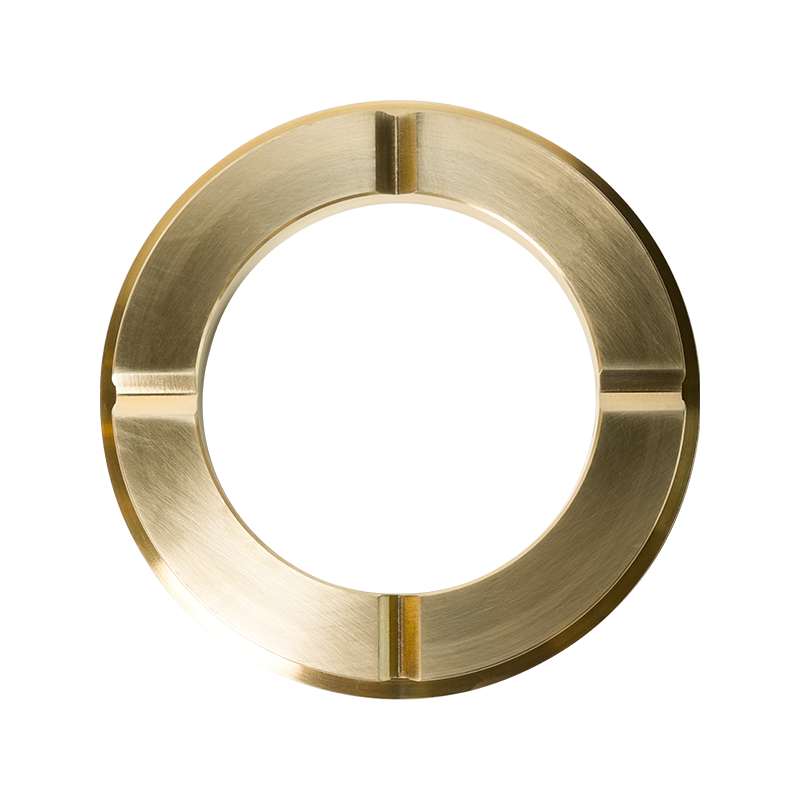
Engineering Machinery Brass Bushing is specially designed for high-load and high-wear work...
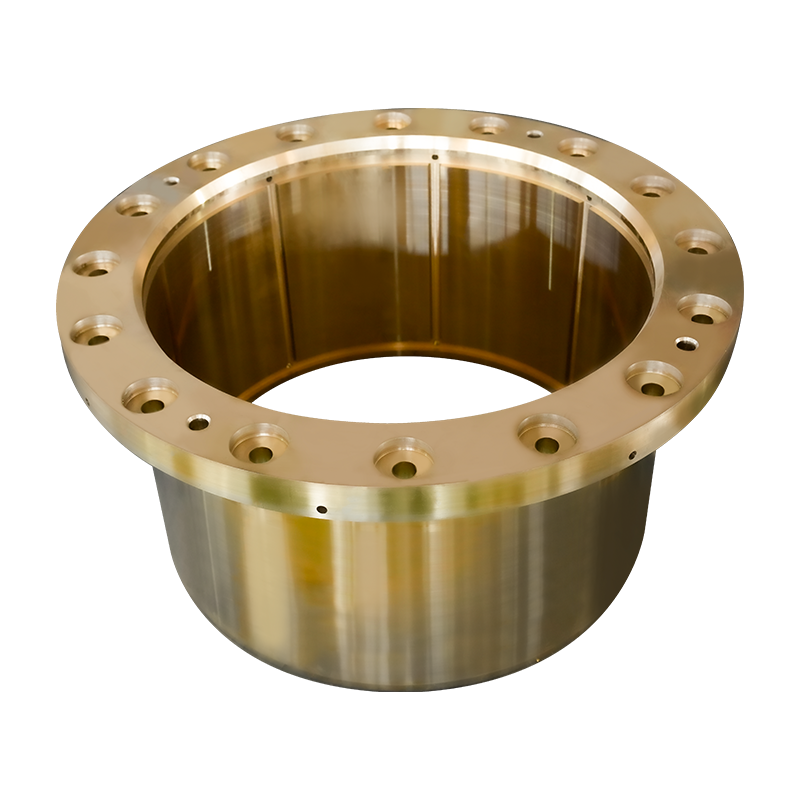
Metallurgical Equipment Brass Bushing is a high-performance brass bushing designed for wor...
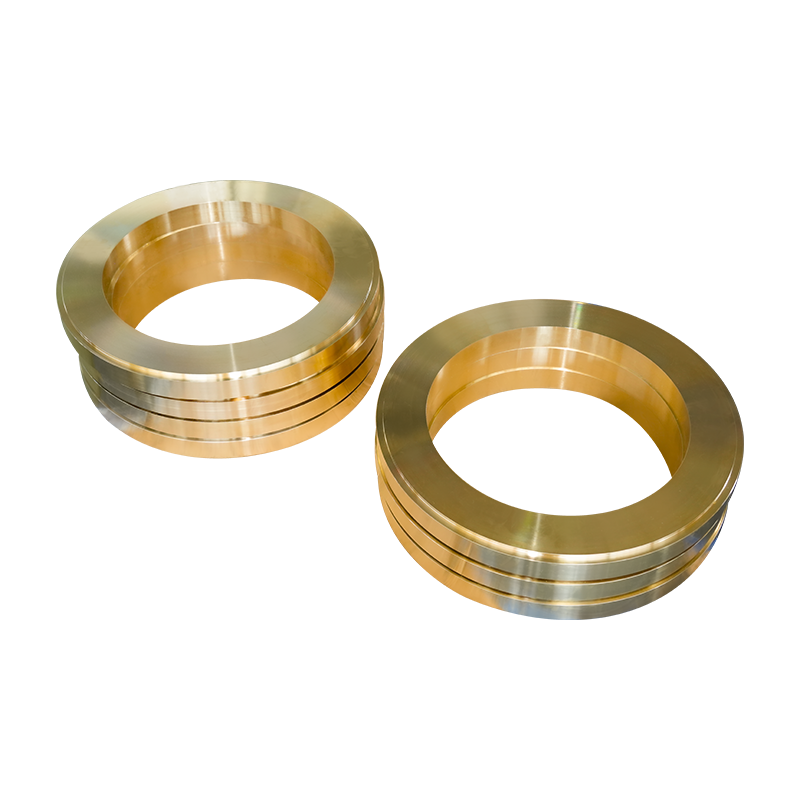
Stern Shaft Sealing Device Brass Bushing is a high-performance brass wear-resistant copper...
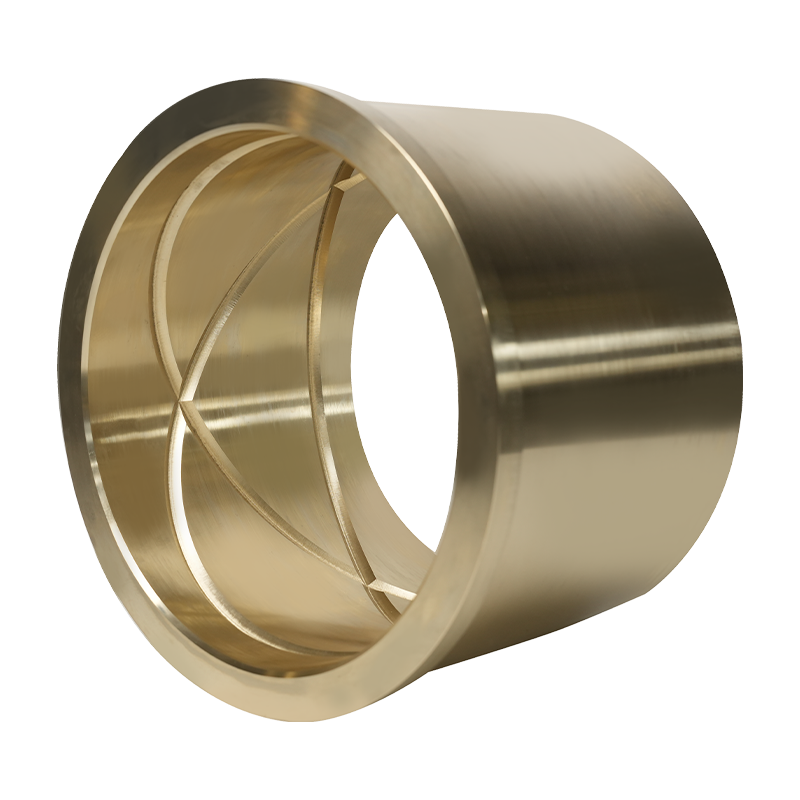
Aluminum Bronze Bushing For Rudder Transmission System is tailor-made for the Rudder trans...
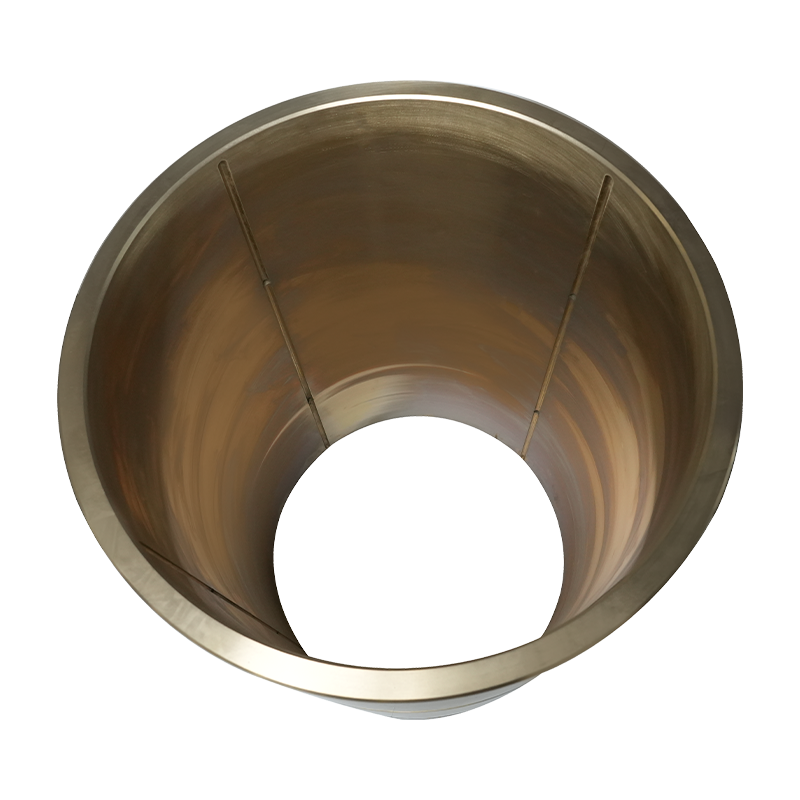
Aluminum Bronze Bushing For Ship Hydraulic Cylinders And Rudder Angle Feedback product is ...
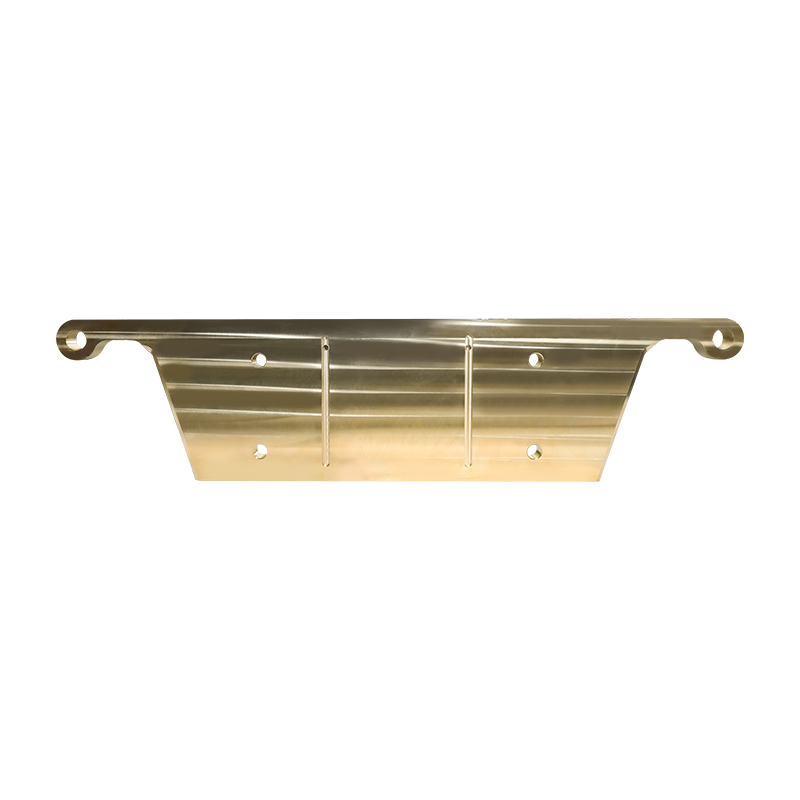
Mining Equipment Brass Plate is made of high-quality high-strength brass material, with we...
Copyright © YangZhou YiFeng Copper Products Co.,Ltd. All Rights Reserved
China copper casting manufacturers wholesale copper casting factory