


 English
 日本語
 русский
 Deutsch
Tin Bronze Bushing For Mining Equipment uses high-purity copper as the base material, and ...
Home / News / Industry News / Galvanic Corrosion Between Stainless Steel and Brass: Risks, Causes and Fixes

Ship Propulsion And Sealing Device
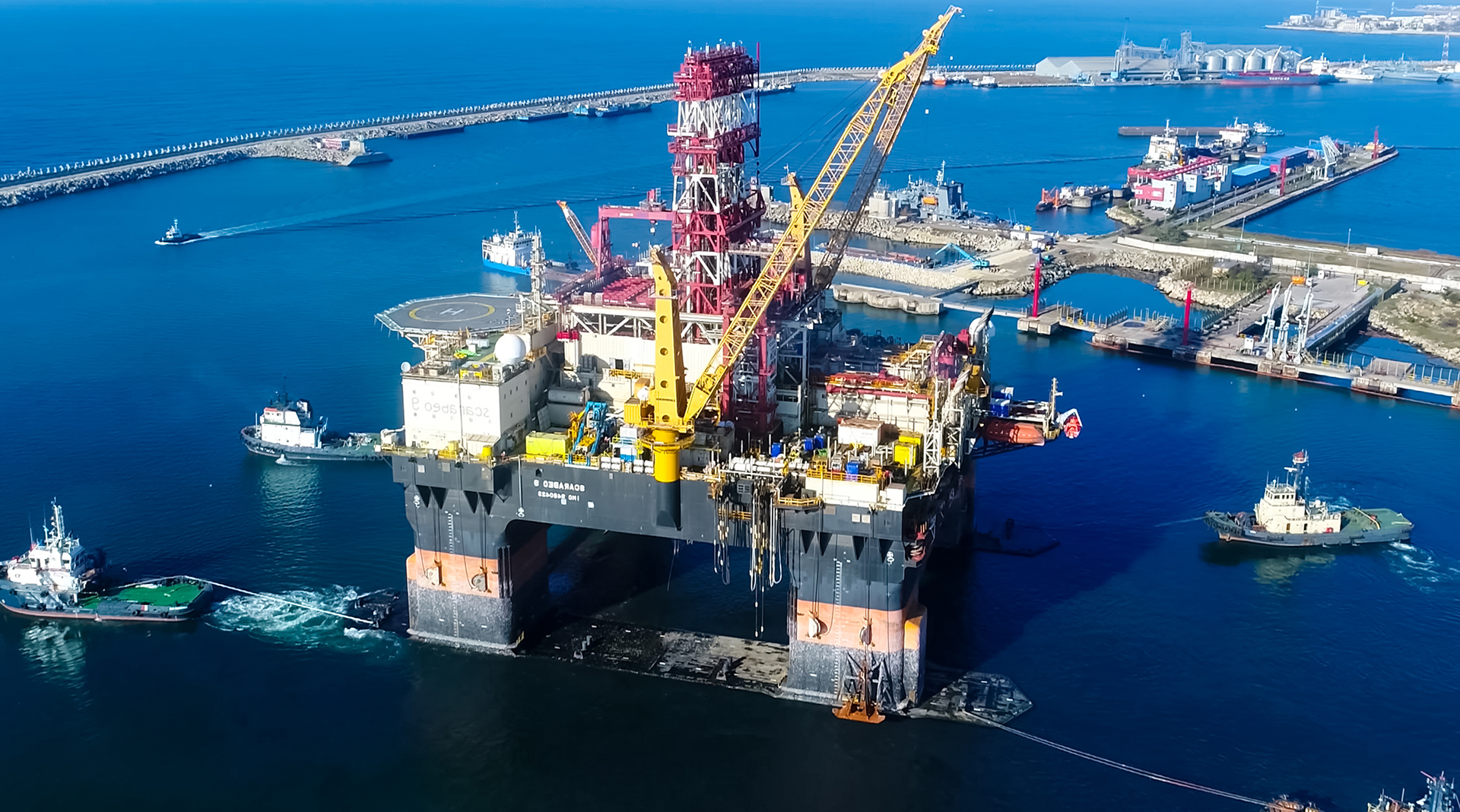
Ocean drilling and ship lock lifting equipment
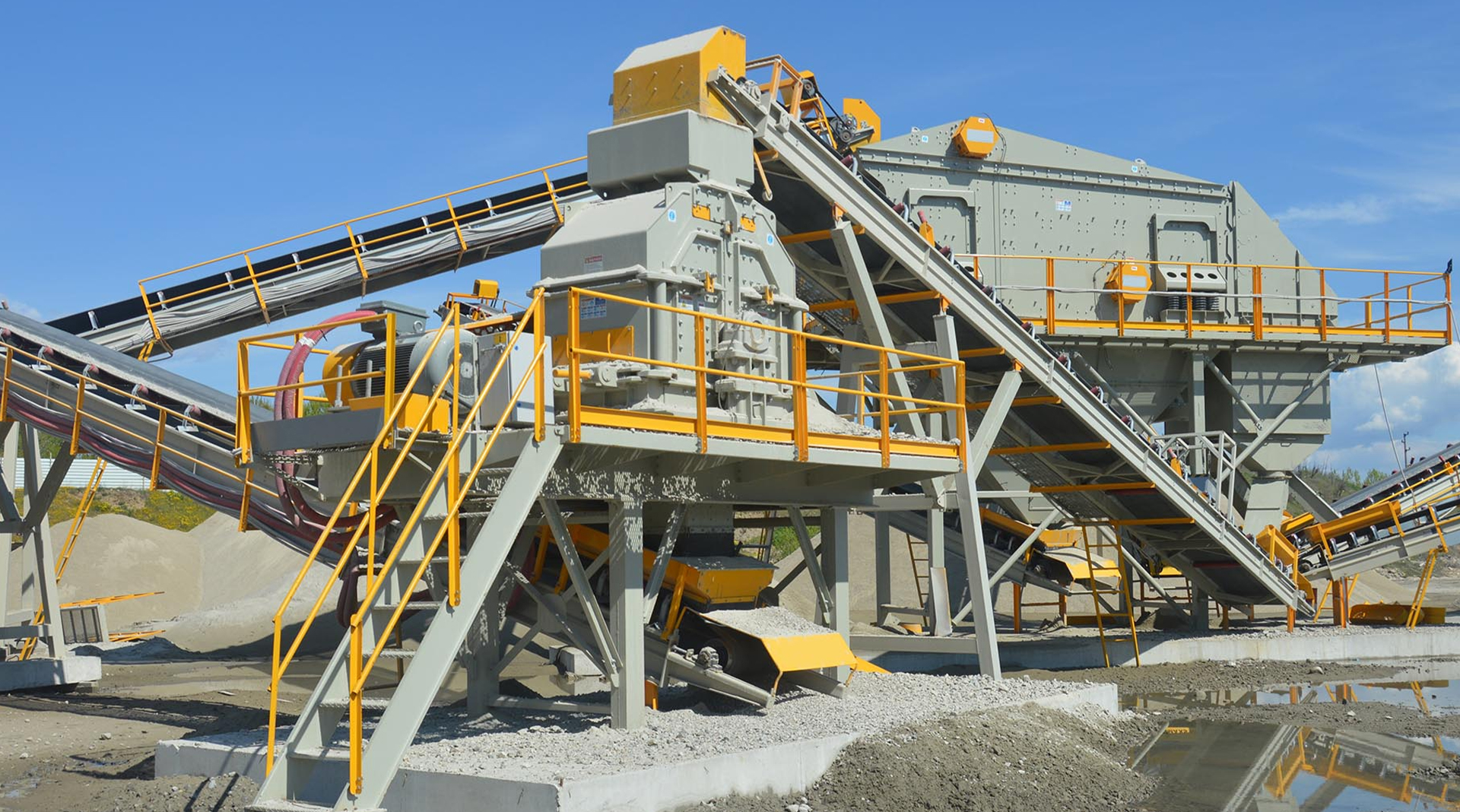
Mining equipment
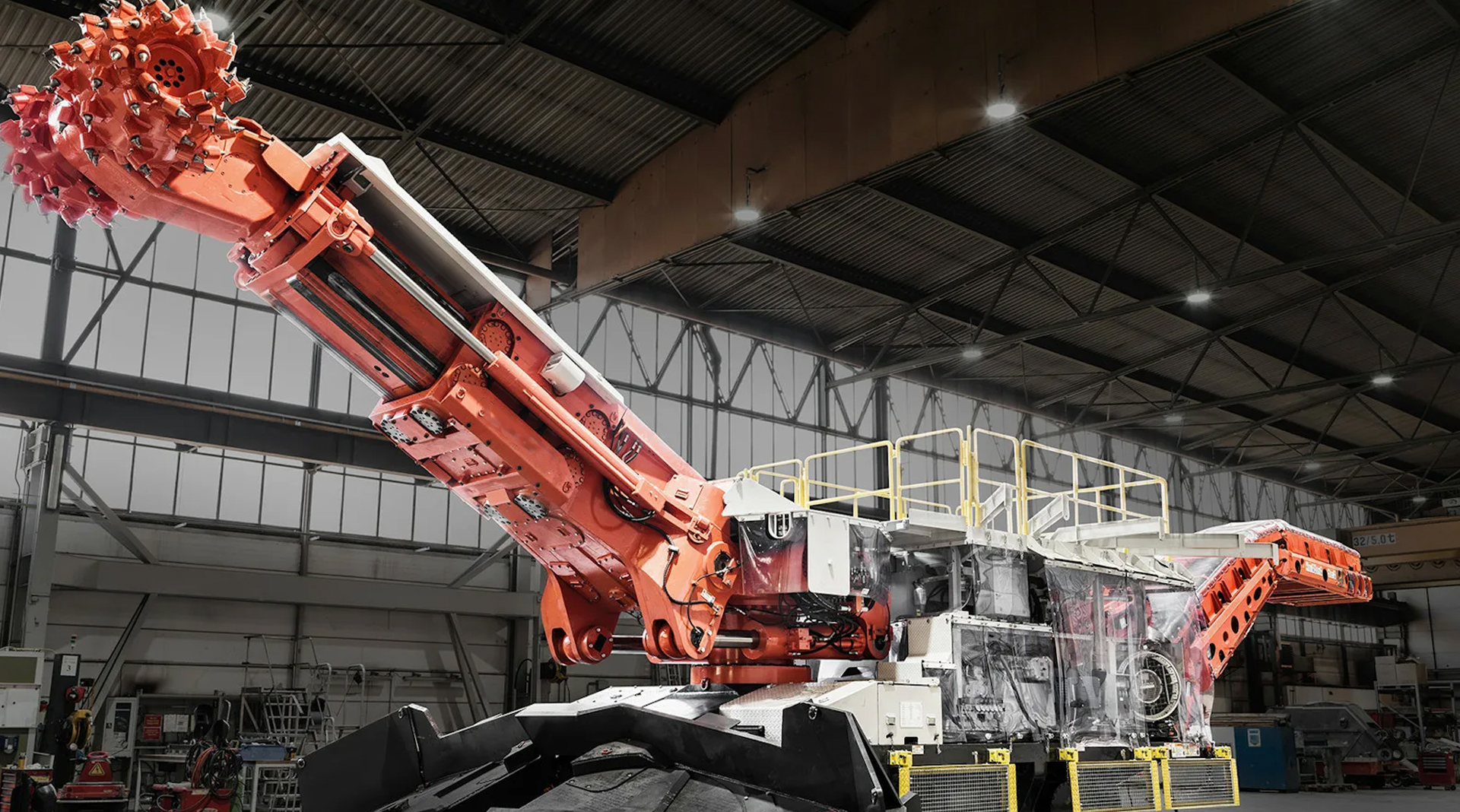
Construction machinery
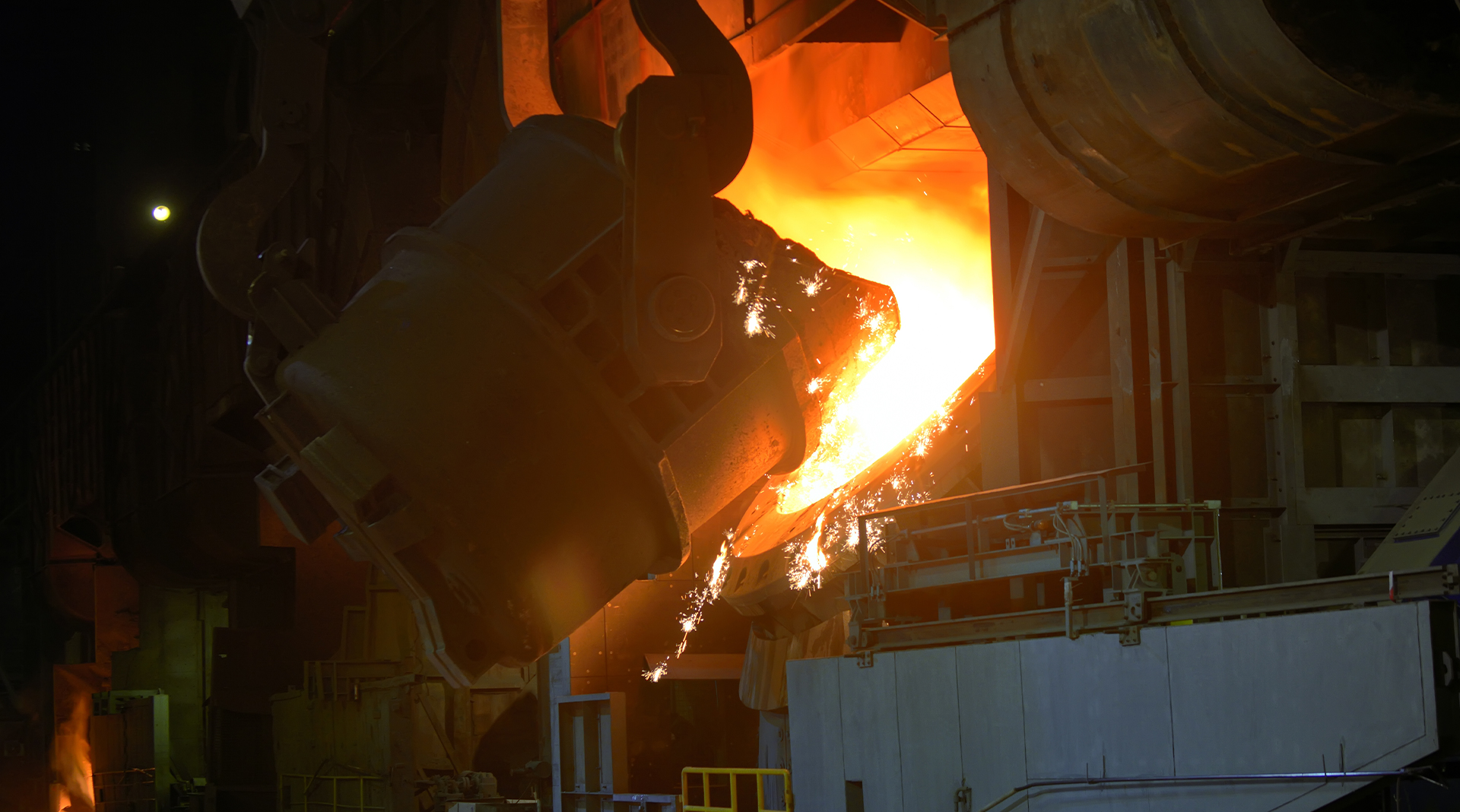
Oil and gas, metallurgical equipment
Content
A 316L stainless seawater line, a brass valve body bolted to the flange, and eight months of service. The stainless flange face still looks like stainless. The brass is chalky, the thread crests have turned pink, and green crust sits in the joint gap. Nobody overtightened anything and nobody ignored a datasheet. The two parts simply became a battery the moment seawater filled the gap between them.
Brass is the anode in that couple, so the brass will lose metal wherever it is wetted and electrically connected to stainless steel. Expect dezincification at the joint face, thread loss on fasteners, and a stainless surface that stays bright while the copper alloy quietly thins underneath it. What follows covers how fast that happens, where the couple hides in real equipment, and which countermeasures are actually worth the money.
In a brass-to-stainless joint filled with an electrolyte, current leaves the brass, travels through the water to the stainless, and returns through the metal path. Three consequences follow.
The galvanic series ranks metals by potential in seawater. The wider the gap between two materials, the harder the anodic one is driven.
| Material | Potential (V, SCE) | Behaviour when coupled to 316L |
|---|---|---|
| Magnesium alloys | -1.60 | Extreme couple, never acceptable |
| Zinc | -1.05 | Sacrificial, consumed by design |
| Aluminum alloys | -0.80 | Severe risk, isolate or avoid |
| Mild steel and cast iron | -0.65 | Heavy metal loss at the joint |
| Aluminum bronze (C95400) | -0.33 | Moderate risk, anode side |
| Tin bronze (C90500) | -0.31 | Moderate risk, anode side |
| Naval brass (C46400) | -0.29 | Moderate to high risk, anode side |
| Copper (C11000) | -0.25 | Mild risk in seawater |
| 316L stainless, passive | -0.05 | Cathode, largely protected |
| Titanium | +0.05 | Strong cathode, drives the partner hard |
Two rules of thumb are worth remembering. Pairs less than about 0.25 V apart in seawater are usually tolerable without special measures; pairs more than 0.5 V apart need isolation or a material change. Brass against 316L sits at roughly 0.24 to 0.30 V, right on the line, which explains why one installation runs fifteen years and another fails in two.
Water chemistry decides which of those you get. Seawater at around 50 mS/cm carries the couple easily, while clean fresh water below a few hundred microsiemens per centimetre barely completes the circuit at all.
The most useful number on a drawing is the ratio of cathodic to anodic wetted area. Current density on the anode scales roughly with that ratio, and small anodes attached to large cathodes are how good designs fail early.
A 10 mm brass drain plug in a 300 mm stainless manifold can see a cathode-to-anode ratio near 100:1. The plug dissolves at something approaching a hundred times its normal rate, and the failure arrives in months rather than years.
A large brass housing with a small stainless thermometer pocket keeps the anode generous and the current spread out. Metal loss per unit area stays low, though pitting still concentrates at threads and crevices.
Practical targets: keep the wetted anode area at least equal to the cathode area wherever the joint must stay wet, avoid small brass inserts in large stainless bodies, and count every stainless surface the water touches rather than just the mating face. A stainless cap screw in a brass housing looks harmless until a few square millimetres of thread have to serve a cathode many times their size.
In ships and process plants the brass-stainless interface usually hides in one of five places.
For stern tube and rudder work the bushing alloy is chosen for load and seawater resistance first, then checked against the shaft material. A brass bushing in a stern shaft sealing device is workable in many designs, but the drawing should name the shaft grade, the water chemistry and the isolation method so the couple is a decision rather than an accident.
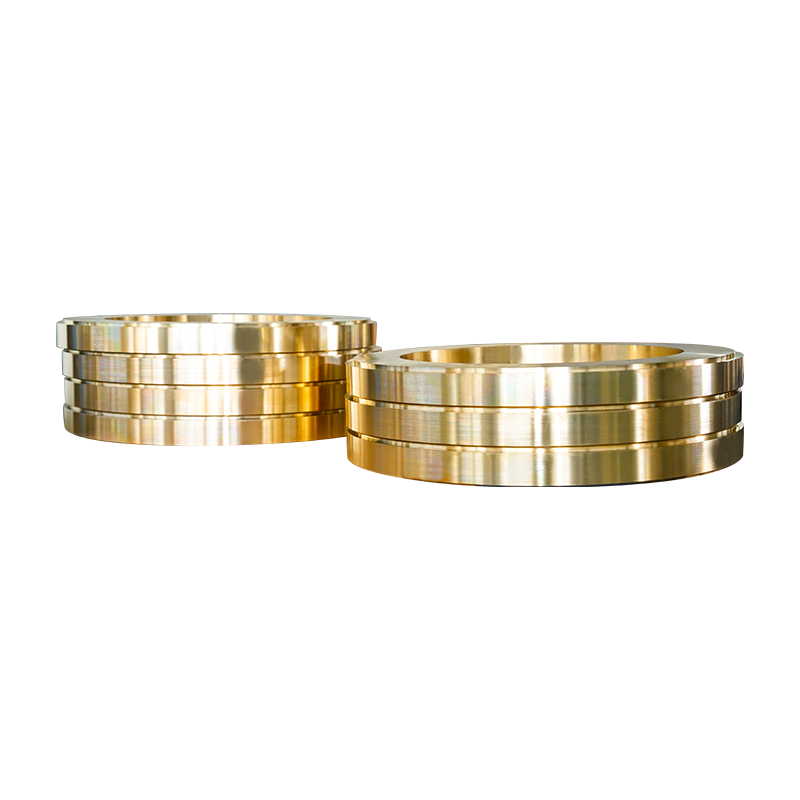 Brass Bushing for Stern Shaft Sealing SystemsPrecision-machined naval brass or aluminum bronze bushing for stern shaft sealing support, offering seawater corrosion resistance and optional self-lubricating or grooved designs.View Product →
Order matters here, because the cheapest fix is the one that actually gets fitted on the shop floor.
Alloy choice moves the copper part along the series and changes how it fails.
| Alloy family | Typical UNS | Seawater behaviour | Reasonable use |
|---|---|---|---|
| Free-machining brass | C36000 | Poor, dezincifies quickly | Dry internal parts only |
| Naval brass | C46400 | Moderate, tin addition helps | Valve bodies with isolation |
| Tin bronze | C90500 / C93200 | Good | Bushings and worm wheels |
| Aluminum bronze | C95400 | Good strength, moderate resistance | Heavy-duty bushings, wear plates |
| Nickel-aluminum bronze | C95800 | Best of the cast bronzes in seawater | Rudder bearings, seawater pumps |
| Copper-nickel 90/10 | C70600 | Excellent when flowing | Piping and heat exchanger tubes |
Brasses above roughly 15% zinc are the most vulnerable in chloride service, and dezincification-resistant grades rely on small arsenic, antimony or phosphorus additions to suppress it. If the part sees seawater, a DZR grade or a bronze is the safer line item on the order.
Rudder and steering assemblies show the logic well: moving a trunk bearing from free-machining brass to aluminum bronze raises strength and seawater tolerance in one step, and the remaining couple to the stainless rudder stock is manageable with an insulating sleeve or a coated bore.
 Aluminum Bronze Bushing for Rudder Transmission SystemsCustom aluminum bronze bushing for rudder transmission under high load, speed and temperature, with wear and corrosion resistance for marine service.View Product →
"Brass" is not a specification. An order that says only "brass bushing" will get whatever machines easily, which is usually the grade least suited to a wet stainless interface.
This is the level of detail a copper alloy supplier should be able to argue about before quoting. Yangzhou Yifeng Copper Products, founded in 2005 and working from a 30,000 square metre plant with a 5,000 tonne annual capacity and 20 technical specialists, builds its range around exactly this conversation: alloy selection, then bushings, plates, self-lubricating bearings, marine sealing rings and worm gears for mining, marine, metallurgical, oil and gas, construction and wind power equipment. More on the engineering background sits on the company profile page.
Seawater-wetted seal rings make the point neatly. The alloy, the bore finish and the isolation from the stainless housing all have to be agreed at drawing stage, because no amount of careful assembly rescues a couple that was specified wrong.
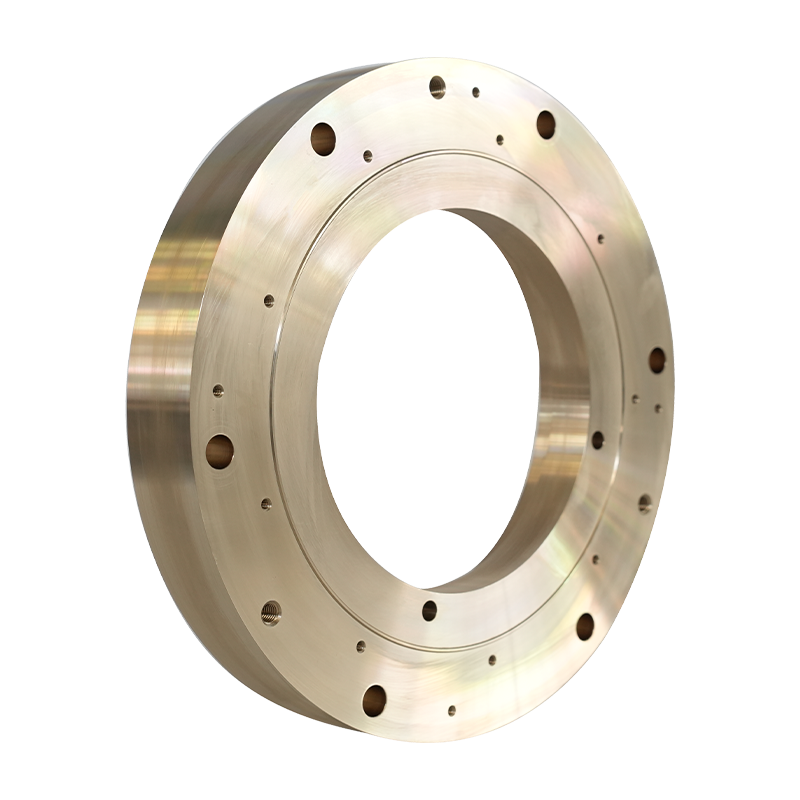 Marine Copper Alloy Sealing Ring for Stern ShaftsHigh-strength copper alloy sealing ring for stern shaft and stern tube systems, precision-machined to resist wear and corrosion and help prevent leakage.View Product →
Brass against stainless steel is a modest couple by the numbers and a persistent one in practice. The voltage is small, but it never rests while the joint is wet, and it always spends the brass. Choose the alloy by name, keep the anode area generous, insulate where the water sits, and inspect the joint on purpose rather than waiting for the green crust to announce itself.
If you are working through a specific shaft, housing or seal geometry and want the alloy and the isolation hardware matched to it, the engineering team can be reached through the contact page.
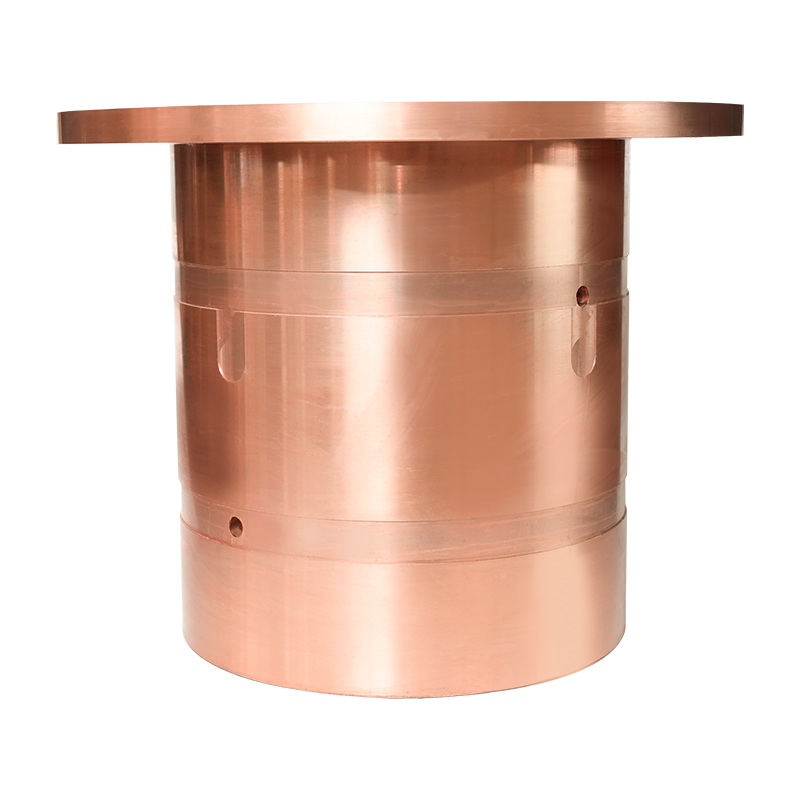
Tin Bronze Bushing For Mining Equipment uses high-purity copper as the base material, and ...
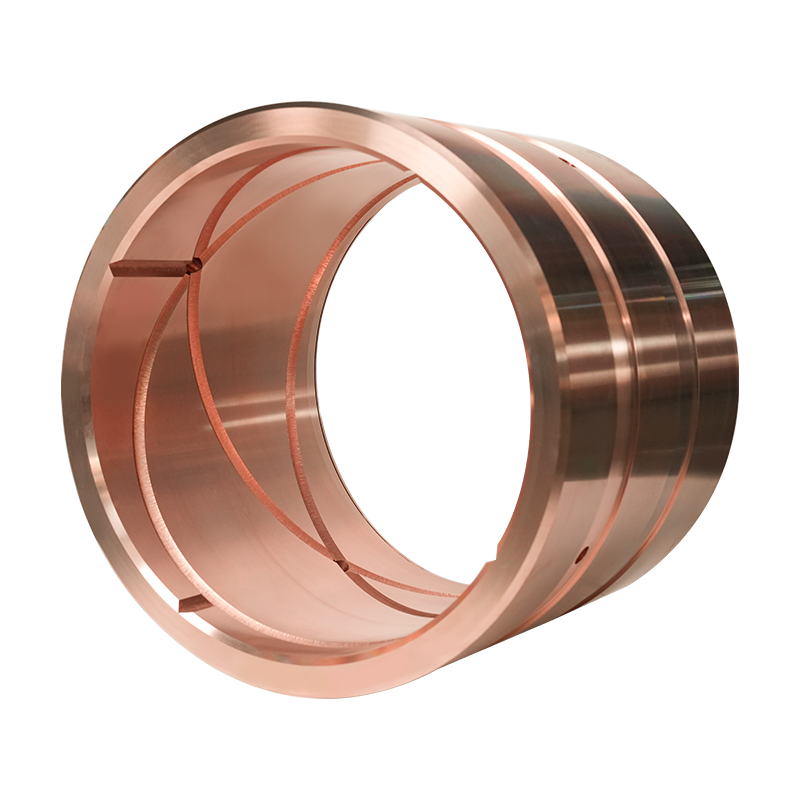
Tin Bronze Bushing For Engineering Machinery is made of high-quality high-purity copper su...
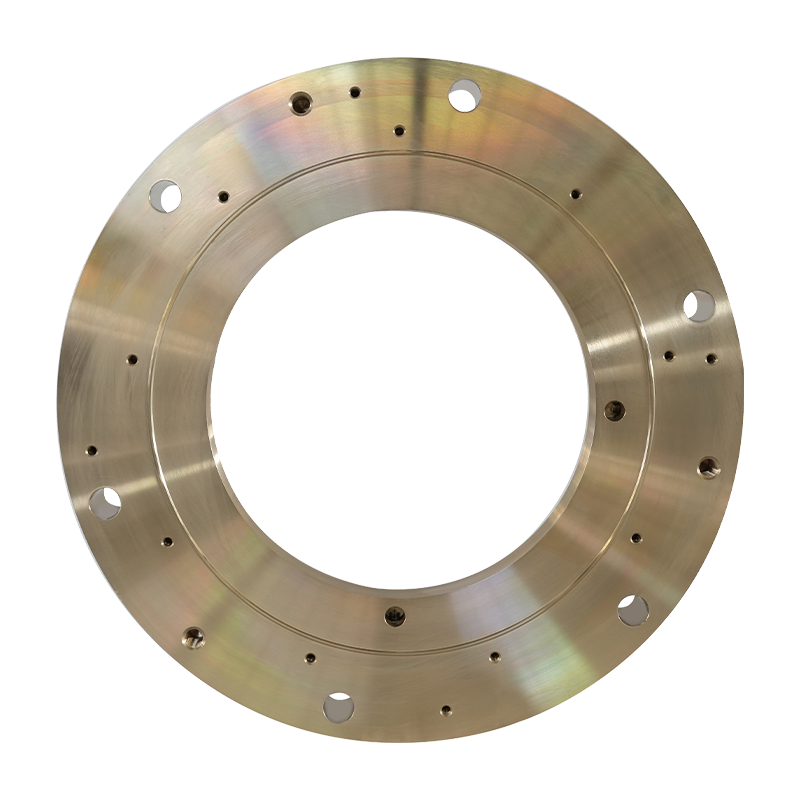
Marine Copper Alloy Sealing Ring Marine Sealing Ring is a key sealing component in the shi...
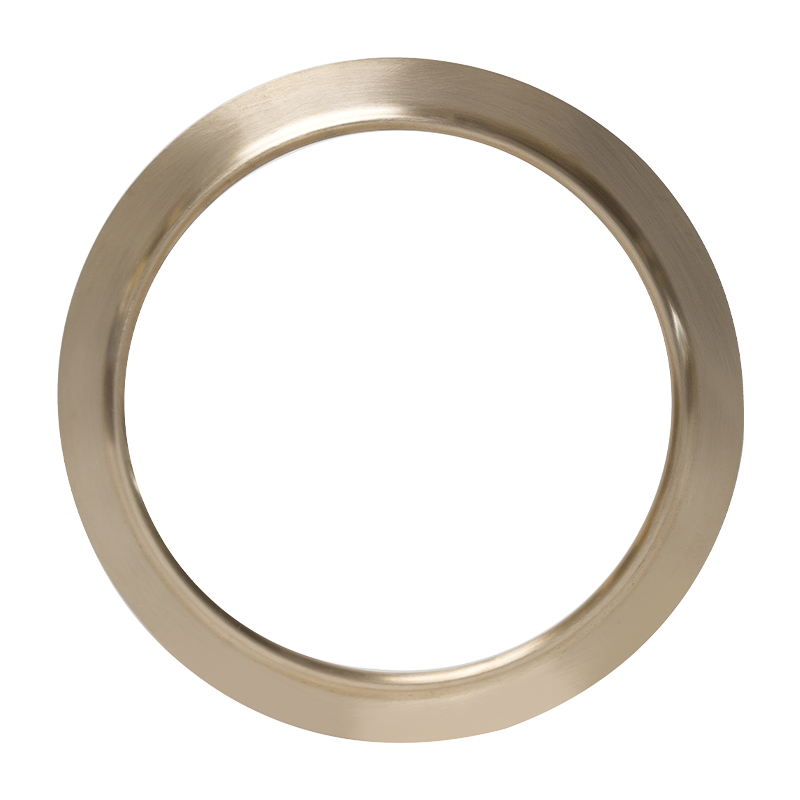
Propulsion Device Seal Marine Copper Alloy Sealing Ring is made of high-quality copper all...
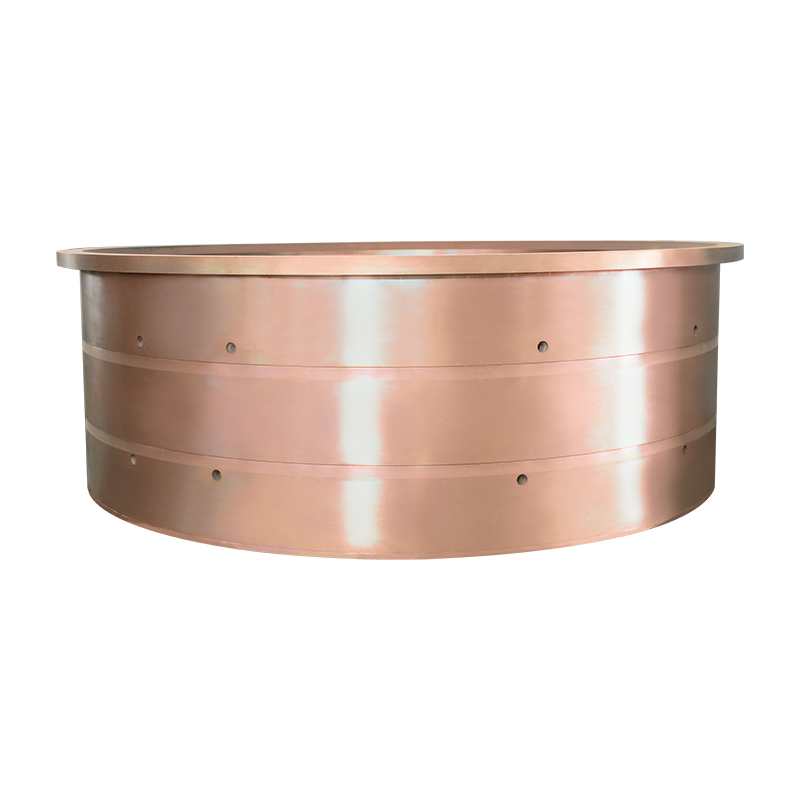
Anchor Winch Bearing And Tin Bronze Bushing is designed for heavy-load, high-speed, and hi...
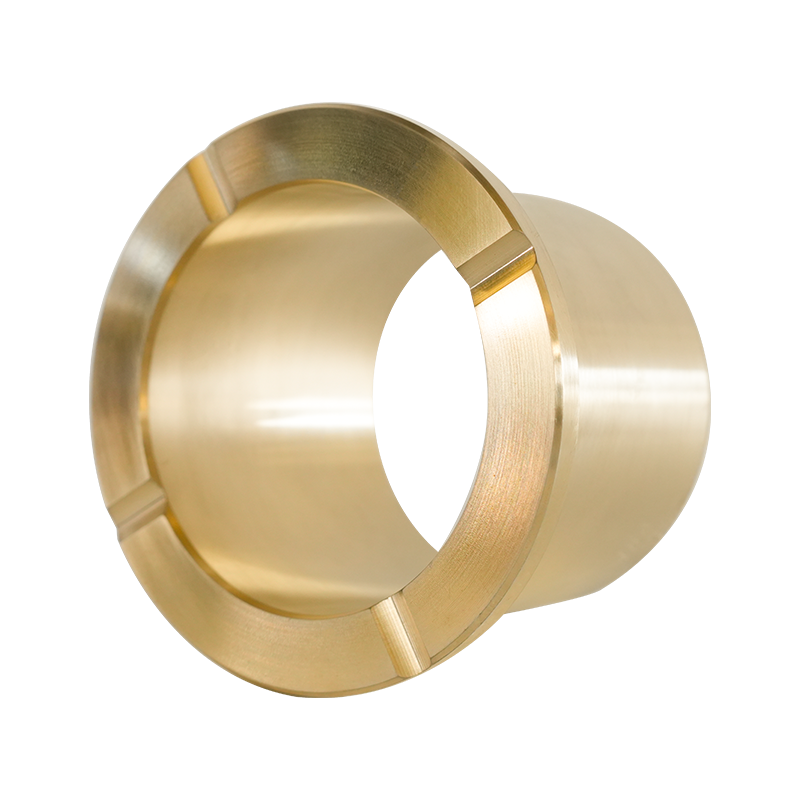
Mining Equipment Brass Bushing is specially designed for high-load and high-wear condition...
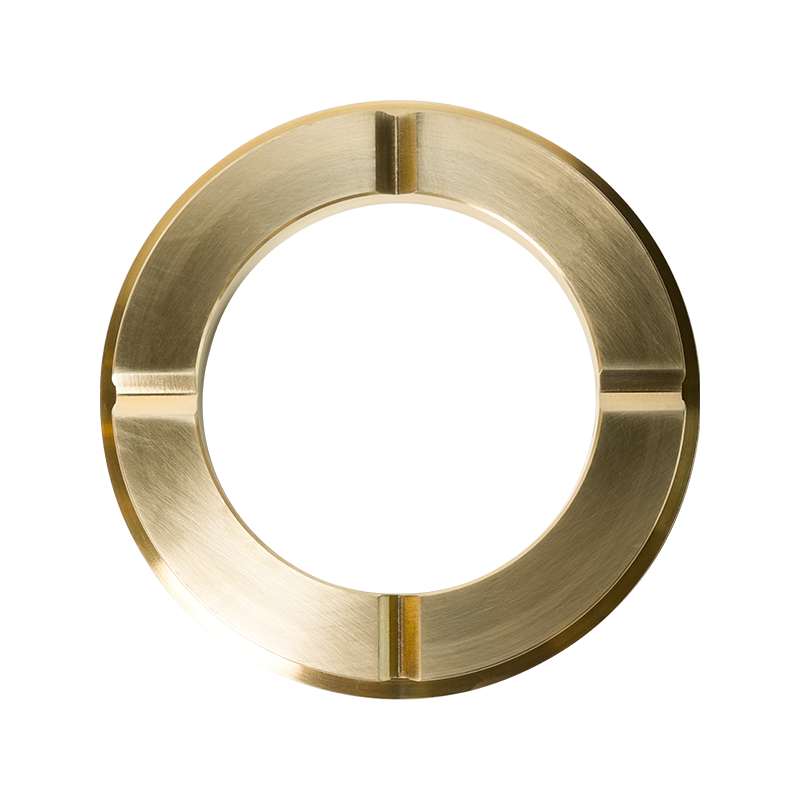
Engineering Machinery Brass Bushing is specially designed for high-load and high-wear work...
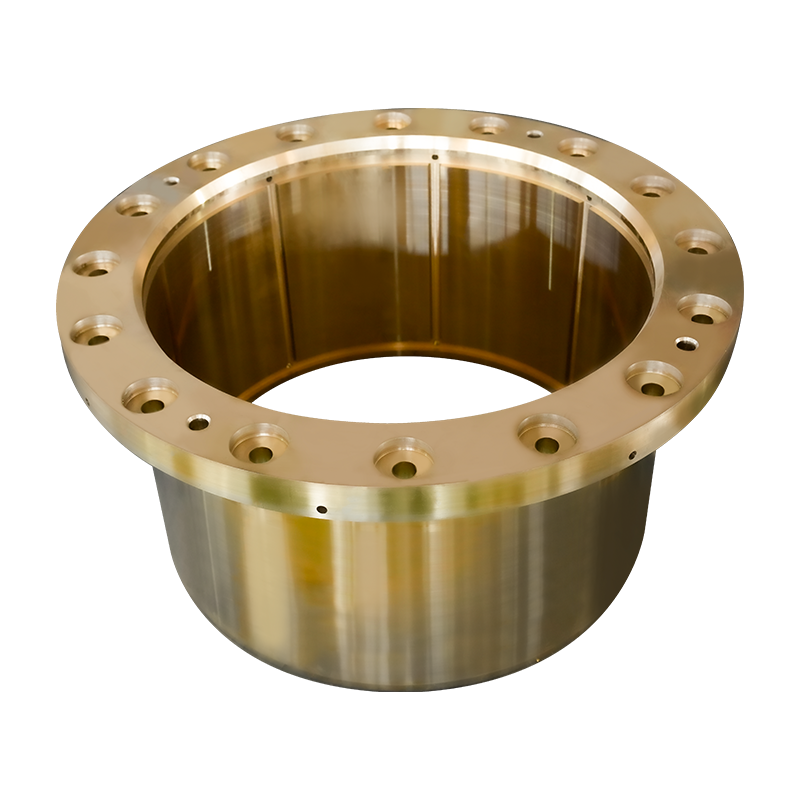
Metallurgical Equipment Brass Bushing is a high-performance brass bushing designed for wor...
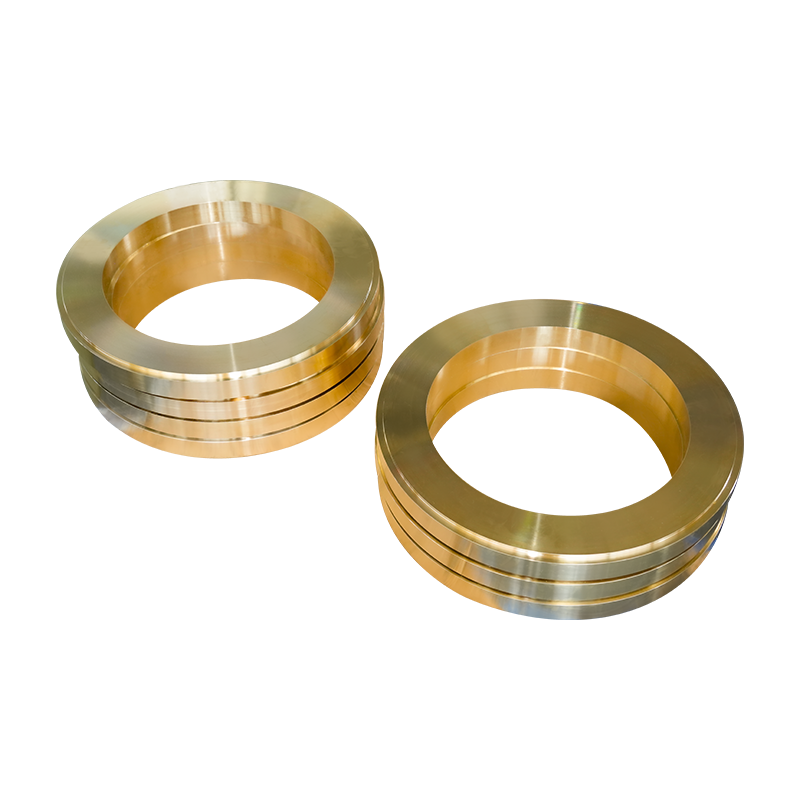
Stern Shaft Sealing Device Brass Bushing is a high-performance brass wear-resistant copper...
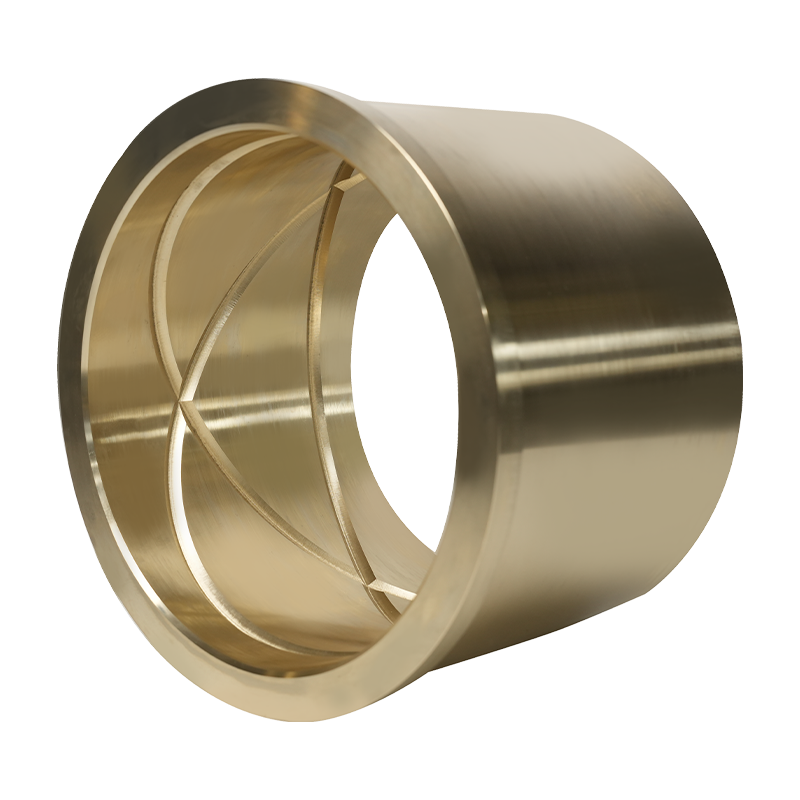
Aluminum Bronze Bushing For Rudder Transmission System is tailor-made for the Rudder trans...
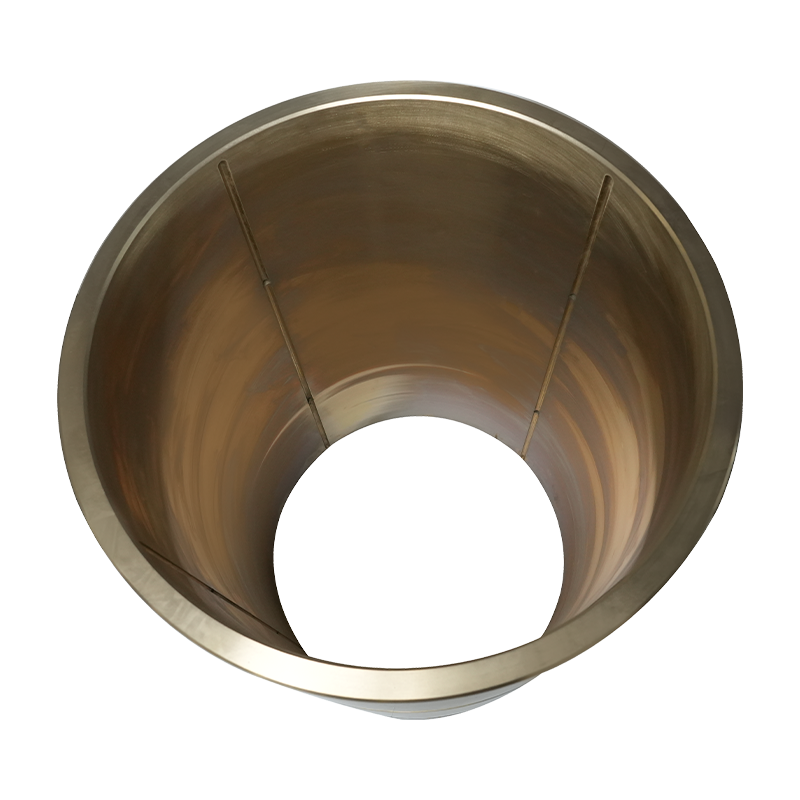
Aluminum Bronze Bushing For Ship Hydraulic Cylinders And Rudder Angle Feedback product is ...
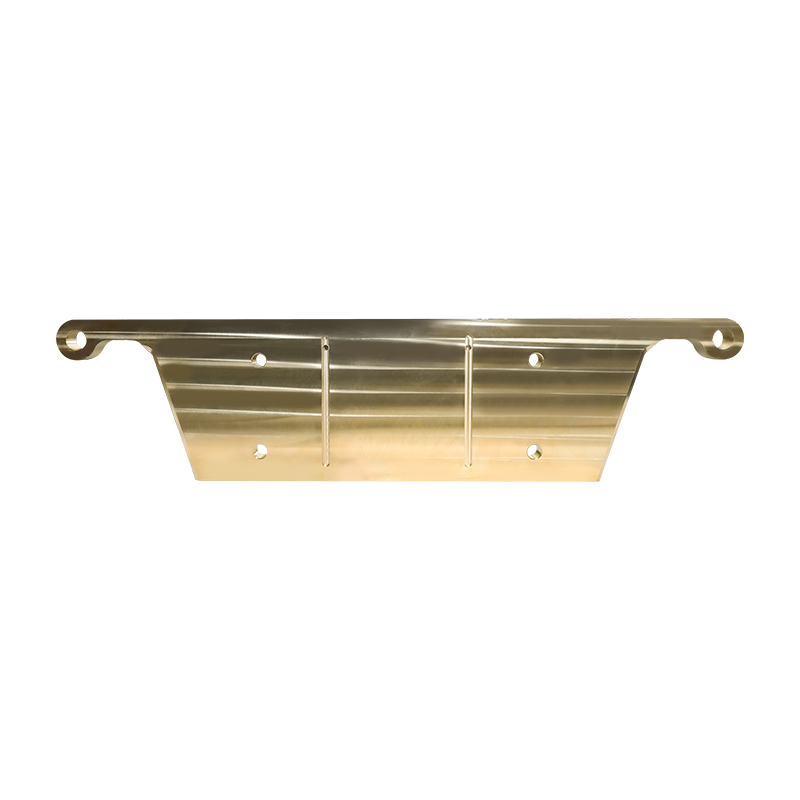
Mining Equipment Brass Plate is made of high-quality high-strength brass material, with we...
Copyright © YangZhou YiFeng Copper Products Co.,Ltd. All Rights Reserved
China copper casting manufacturers wholesale copper casting factory