


 English
 日本語
 русский
 Deutsch
Tin Bronze Bushing For Mining Equipment uses high-purity copper as the base material, and ...
Home / News / Industry News / Copper vs Bronze vs Brass: Composition, Properties and Alloy Selection

Ship Propulsion And Sealing Device
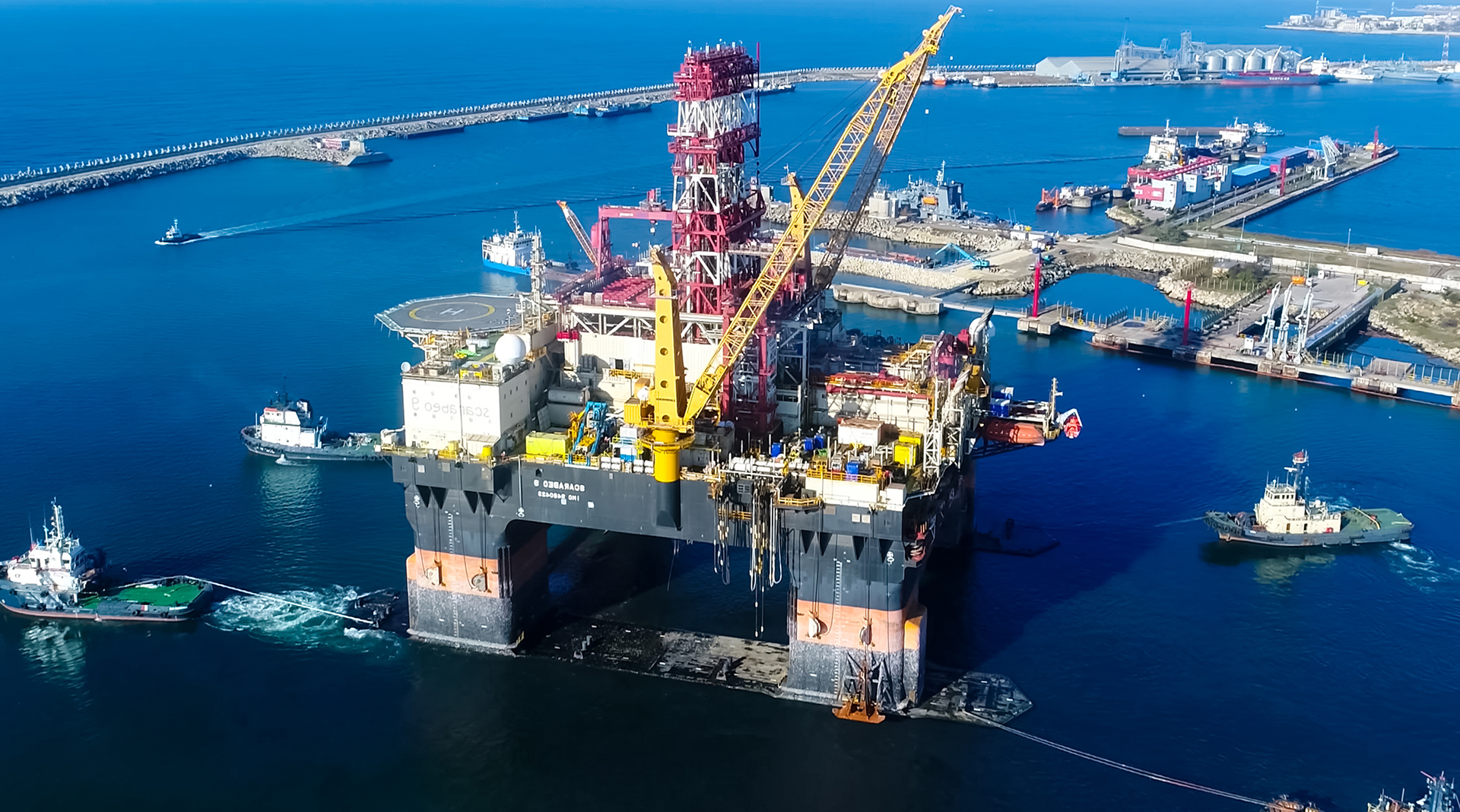
Ocean drilling and ship lock lifting equipment
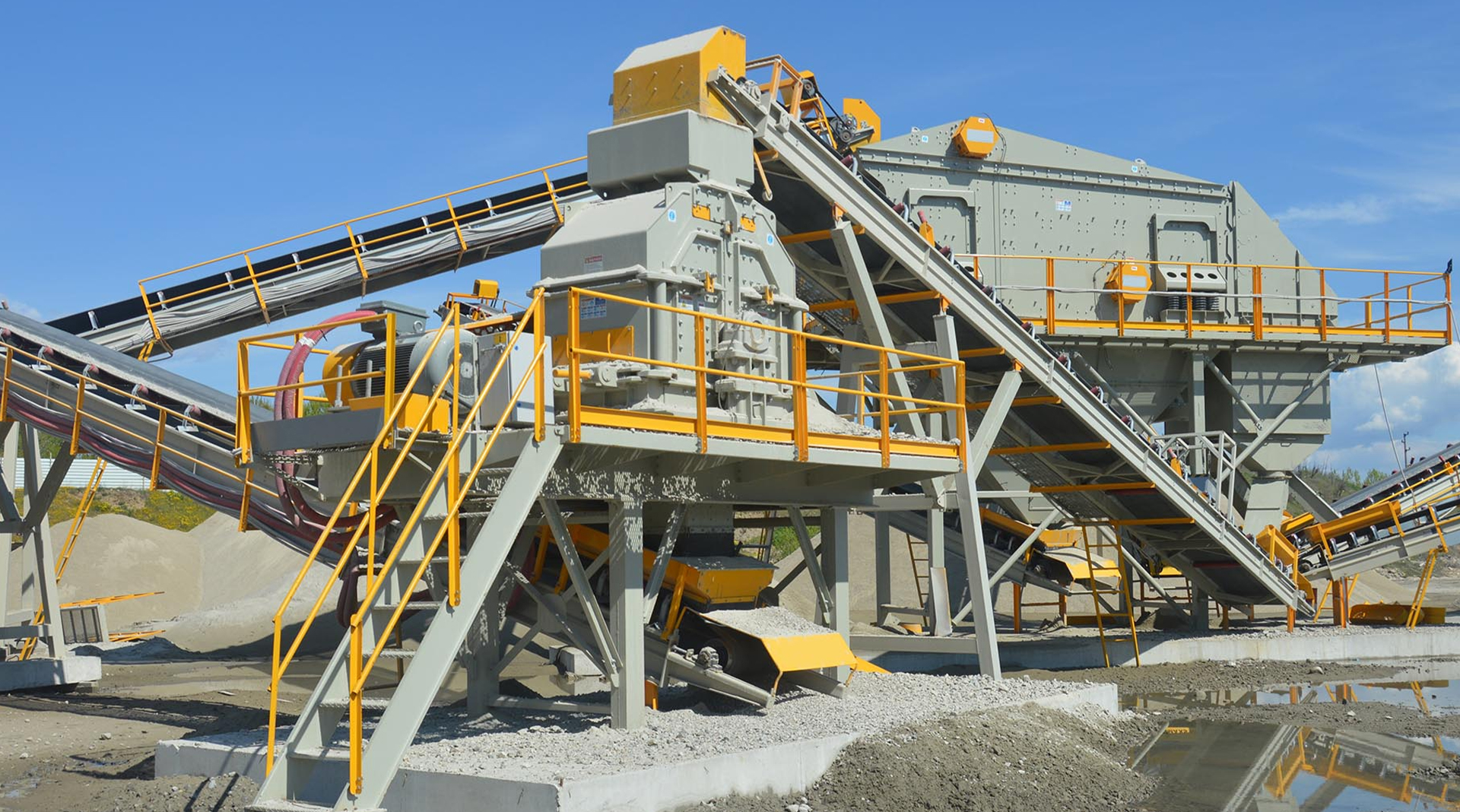
Mining equipment
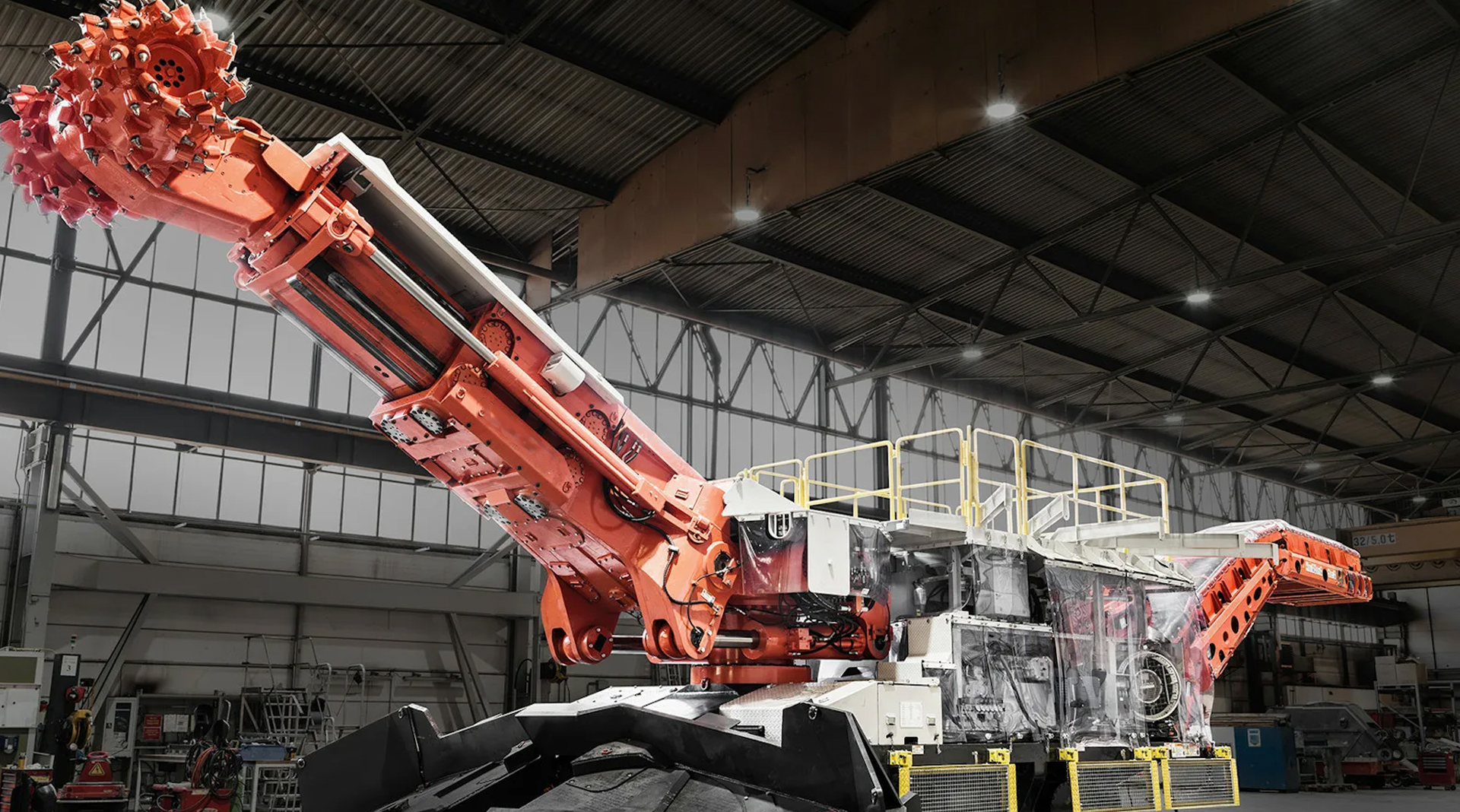
Construction machinery
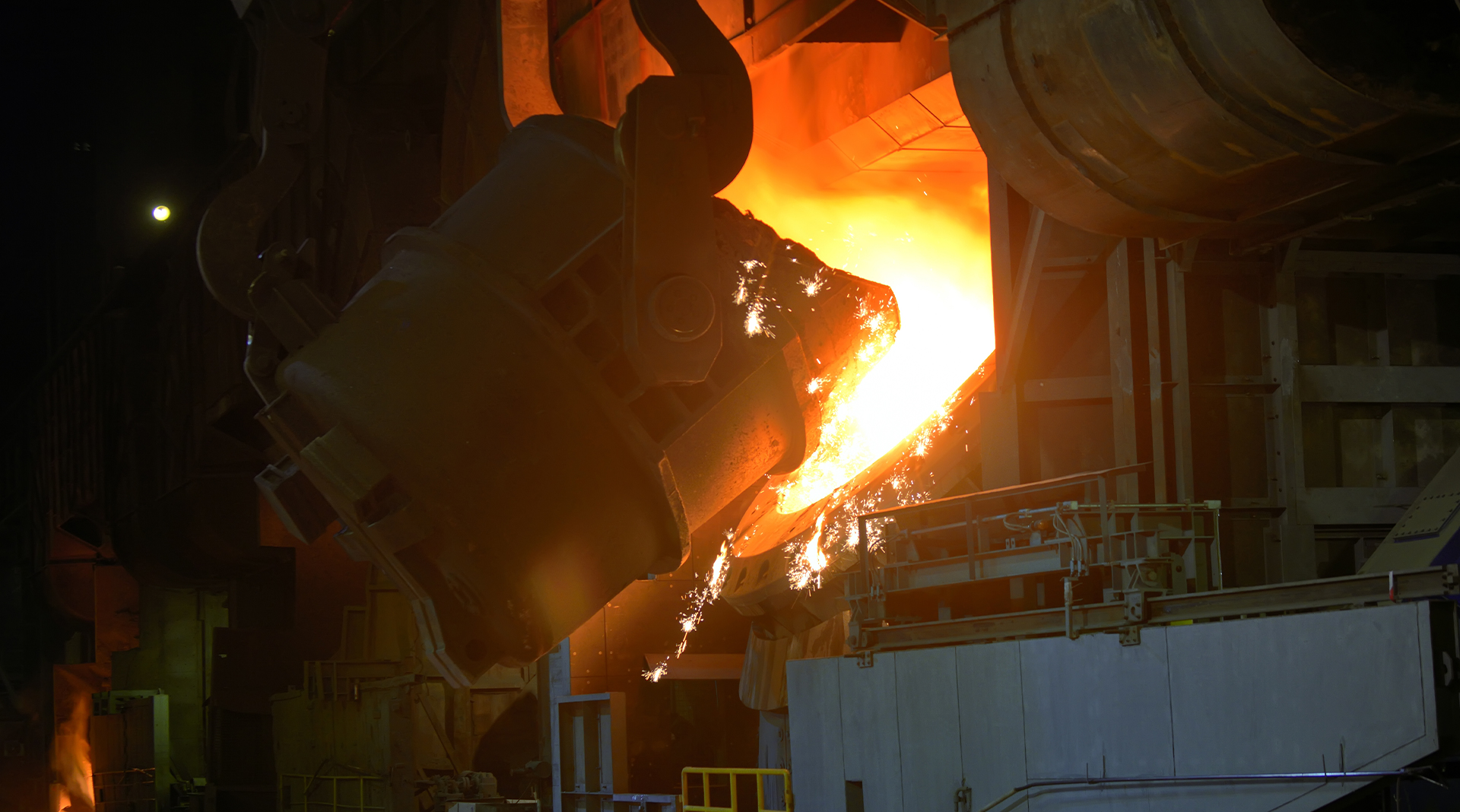
Oil and gas, metallurgical equipment
Content
A maintenance team pulls two bushes from the same ball mill trunnion. They look alike, weigh the same, and cost within ten percent of each other. One ran fourteen months; the other seized in nine weeks. Both arrived on drawings marked simply “bronze”.
That single word is usually where the trouble starts. Copper, bronze and brass are three different answers to three different engineering questions. Copper is the unalloyed metal, typically 99.9% pure. Bronze is copper alloyed mainly with tin, or in the aluminium bronze family with aluminium and iron. Brass is copper alloyed with zinc, often with a few percent of lead added for machinability. The colour tells you almost nothing; the alloy designation tells you everything.
The practical rule we give customers is simple: select by the environment the part will meet, then check the machining and cost consequences, and never accept “bronze” as a complete specification. A 90/10 copper-zinc alloy is still sold as “commercial bronze” even though it is metallurgically a brass, and a “manganese bronze” is almost always a high-strength brass as well.
The table below uses four widely purchased grades so the comparison stays concrete: electrolytic copper, a general-purpose leaded tin bronze, a cast aluminium bronze, and free-cutting brass.
| Attribute | Copper (C11000) | Tin bronze (C93200) | Aluminium bronze (C95400) | Brass (C36000) |
|---|---|---|---|---|
| Main alloying addition | None, 99.9% Cu | Tin 6–8%, plus lead and zinc | Aluminium 10–11.5%, iron 3–5% | Zinc balance, lead 2.5–3.7% |
| Tensile strength | 220–260 MPa | 240–290 MPa | 550–650 MPa | 340–420 MPa |
| Brinell hardness | 45–55 HB | 65–80 HB | 170–195 HB | 90–115 HB |
| Seawater behaviour | Corrosion resistant but soft | Moderate; lead phase limits use | Excellent, resists erosion-corrosion | Poor; dezincification risk |
| Machinability (free-cutting brass = 100) | About 20 | 70–80 | 40–50 | 100 |
| Bearing behaviour | Galls and work-hardens | Excellent embeddability | High load capacity, needs a hard shaft | Fair with continuous lubrication |
| Relative metal cost | Highest per kilogram | Medium | High | Low to medium |
| Typical industrial use | Busbars, electrodes, gaskets | General-purpose bushes and washers | Marine and heavy-load bushes, worm wheels | Fittings, valve bodies, fast-machined bushes |
Brass is the cheapest of the three to machine and the easiest to braze, which is why it appears everywhere in general engineering. In stagnant or warm seawater, however, the zinc is selectively leached out, leaving a porous copper sponge that looks intact until it crumbles. Ammonia and amine-bearing process fluids cause the same problem in a different form, and cold-worked brass parts crack along grain boundaries when residual stress is left in. Stress-relief annealing and a dezincification-resistant grade solve it, but the material is no longer the low-cost option.
Leaded tin bronze is the classic bushing alloy because it beds in, tolerates misalignment and traps abrasive particles instead of scoring the shaft. Its limit is pressure and speed combined. Push it into high-load, low-speed duty with edge loading and it deforms permanently; run it dry and the lead-tin phases smear. Hardness of 70 HB is a feature, not a defect — just match it to a ground shaft around 200 HB and keep the PV within the bearing supplier’s chart.
With roughly 600 MPa tensile strength and 180 HB hardness, aluminium bronze handles shock, slow oscillation and seawater erosion that would destroy tin bronze. It is also less forgiving. Shaft hardness generally needs to reach 300 HB or better, alignment must be right, and lubrication grooves must actually deliver oil to the loaded zone. Fit it to a soft shaft and the shaft wears instead of the bush.
Pure copper is chosen for electrical and thermal reasons. As a bearing material it work-hardens and galls, and its wear rate under boundary lubrication is poor. Specify it when current, heat or a soft conformable contact surface matters, not when you need a long-wearing sliding surface.
Purchase price per tonne is the least reliable way to compare these metals. Four factors usually decide the real cost of a finished part.
Cast versus wrought supply is the other hidden variable. A cast bush may need more stock allowance and machining, while a continuously cast or extruded bar gives tighter as-supplied tolerance and less waste.
The same three metals keep reappearing in our order book for very different reasons. Our copper bushings are cast and machined for exactly these kinds of split decisions, and the case pattern is worth walking through.
A rudder stock bushing sees slow oscillation, seawater and occasional shock from wave load. Tin bronze survives in protected, well-lubricated stern arrangements, but the erosion-corrosion on an exposed rudder pintle usually pushes the choice to aluminium bronze. The trade-off is a hardened stock surface and a generous grease path.
 Aluminum Bronze Bushing for Rudder Transmission SystemsA custom aluminum bronze bushing for rudder transmission systems, suited to marine rudder loads where wear and seawater corrosion resistance matter.View Product →
Inside a stern tube the environment is oil, not seawater, and the priority shifts to conformability and dirt tolerance. A leaded tin bronze with good embeddability protects an expensive shaft, and the surrounding seal faces are a separate material question. This is where a designer should not simply upgrade to the hardest alloy available.
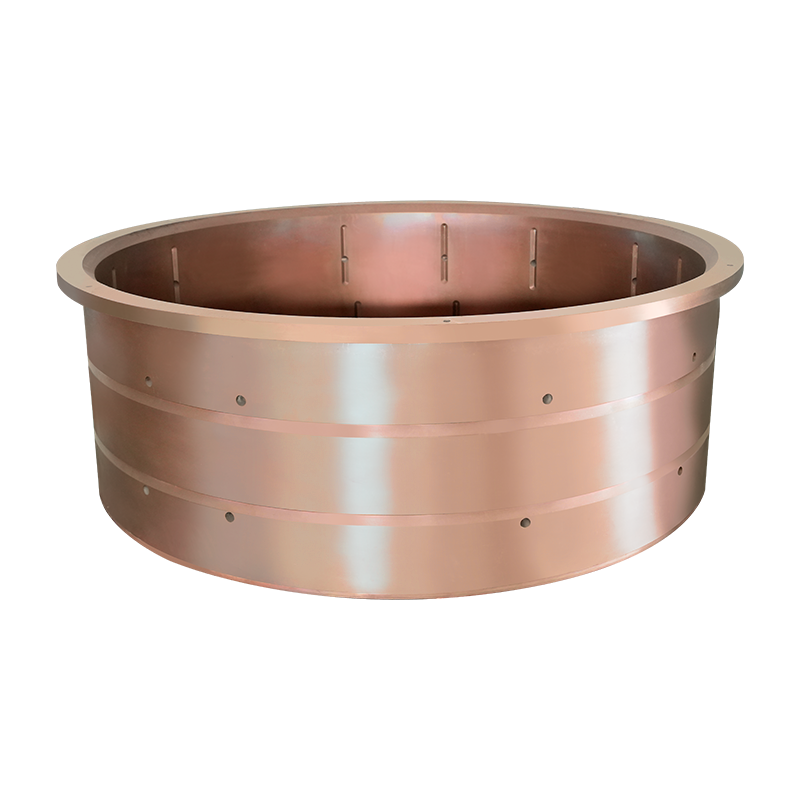 Tin Bronze Bushing for Ship Propulsion SystemsPrecision-cast tin bronze bushing for ship propulsion shafting, offering self-lubrication and seawater corrosion resistance in stern-tube bearing service.View Product →
Worm wheel rims are usually a centrifugally cast bronze running against a hardened steel worm. Aluminium bronze gives higher load capacity for shock-loaded lifting and turbine drives; tin bronze gives better sliding behaviour and lower friction at moderate load. The pair must be specified together, because the wheel alloy and the worm hardness decide whether the drive wears in or wears out.
Graphite-plugged bushes take the same brass or aluminium bronze base and insert solid lubricant plugs through the wall. They make sense where grease access is impossible, where the maintenance interval is longer than the plant shutdown cycle, or where lubricant contamination is unacceptable — crusher pivot points, kiln damper linkages, submerged gate bearings.
Two constraints decide whether they work. First, the shaft: a ground surface around Ra 0.4–0.8 µm and reasonable hardness is required, otherwise the plug material simply polishes the shaft away. Second, the duty cycle: continuous slow oscillation suits plugged bronze well, while high-speed continuous rotation generally does not. Water washout of the graphite film is also real, so submerged applications need a base alloy that tolerates the fluid on its own.
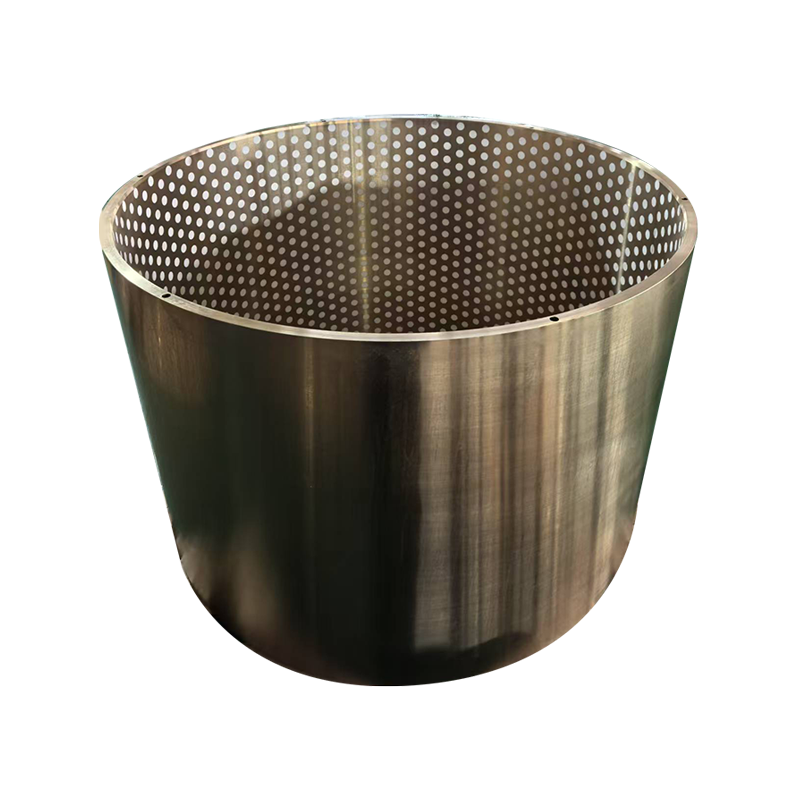 Self-Lubricating Brass Bushings for Mining EquipmentBrass bushings with embedded lubricating columns for mining machinery, reducing external lubrication needs in heavy-load, low-speed and corrosive operating conditions.View Product →
Where these conditions are met, the cost of the plugs is easily repaid by removing a lubrication point from the maintenance schedule.
Most of the failures we are asked to investigate trace back to a purchase order that named a colour rather than an alloy. A complete line item usually carries these details:
Adding the mating shaft material and hardness to the same document closes the loop, because every one of these alloys is only half of a wear couple. If a drawing has been circulating for years with only “bronze” on it, that is worth correcting before the next order rather than after the next seizure. Our engineers can review the duty and confirm a grade in writing — contact the team with the drawing, the load and the fluid.
Copper conducts, tin bronze beds in, aluminium bronze resists, and brass machines fast and cheaply. None of them is the better metal in the abstract; each one is the right answer to a particular combination of load, speed, fluid and maintenance access.
If the part runs in seawater with shock load, start with aluminium bronze and check the shaft hardness. If it runs lubricated at moderate load, a leaded tin bronze will usually outlast and out-price the alternatives. If it is a small, high-volume fitting, brass wins on cycle time. And if nobody can reach the grease nipple, a plugged self-lubricating grade is the only sensible conversation left.
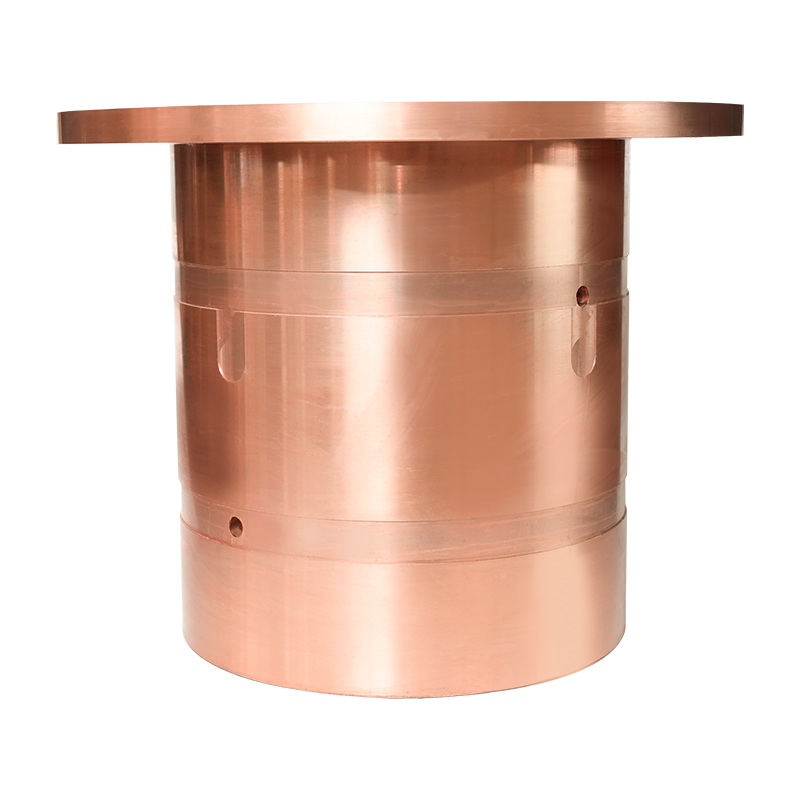
Tin Bronze Bushing For Mining Equipment uses high-purity copper as the base material, and ...
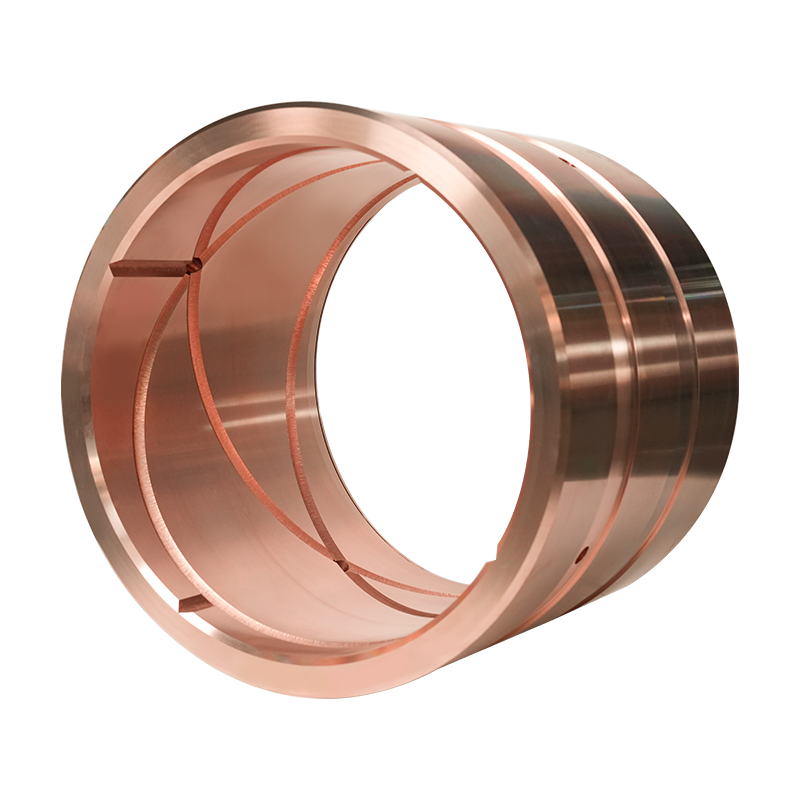
Tin Bronze Bushing For Engineering Machinery is made of high-quality high-purity copper su...
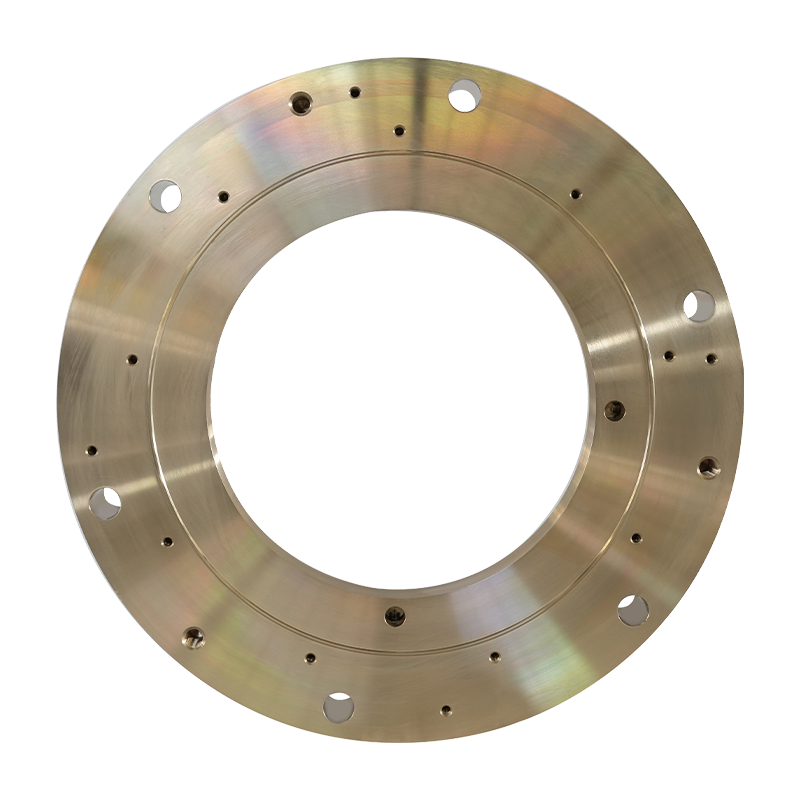
Marine Copper Alloy Sealing Ring Marine Sealing Ring is a key sealing component in the shi...
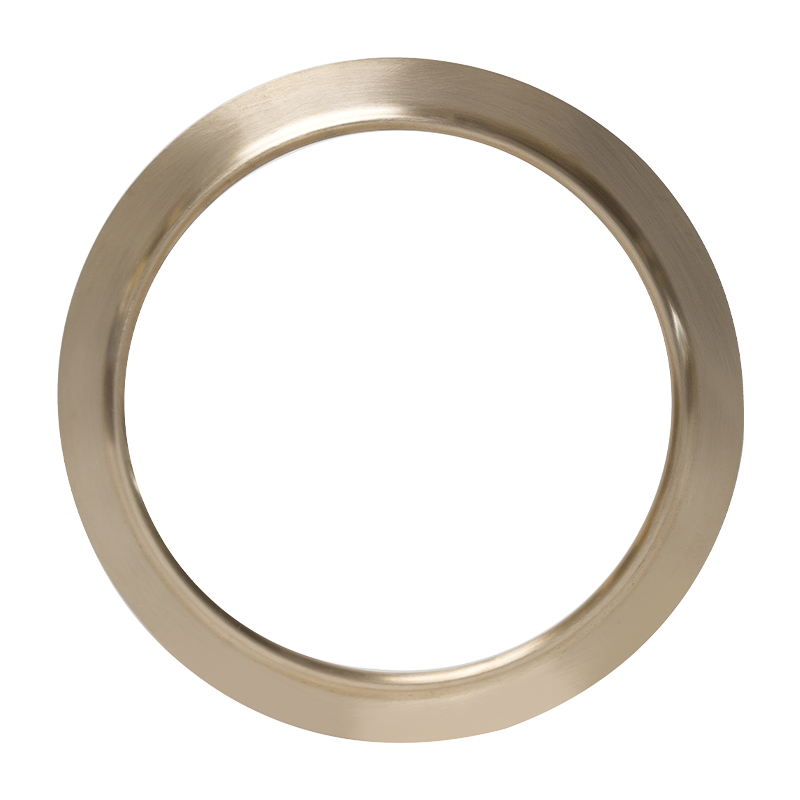
Propulsion Device Seal Marine Copper Alloy Sealing Ring is made of high-quality copper all...
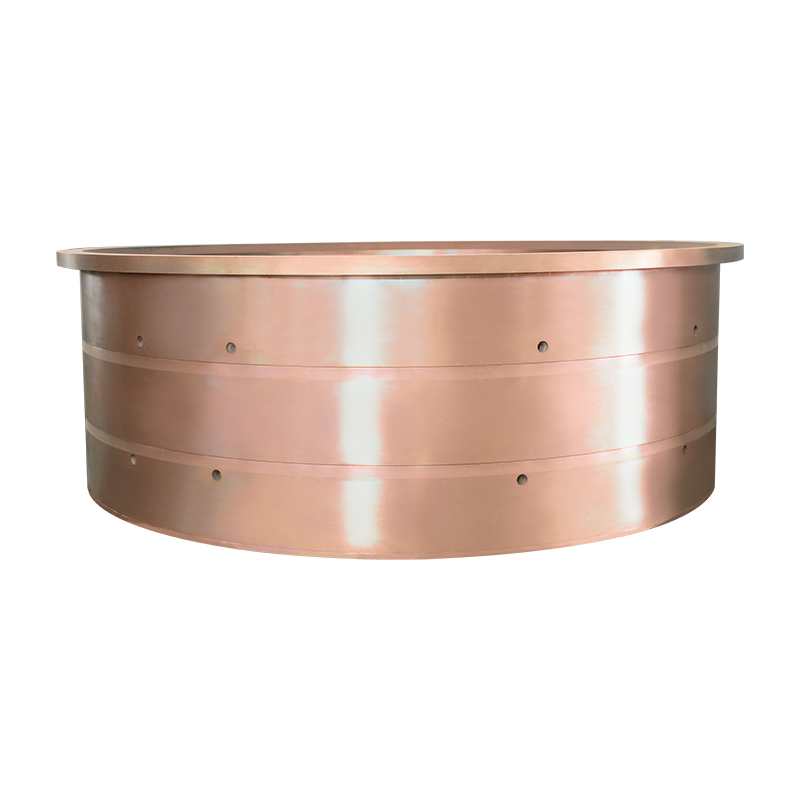
Anchor Winch Bearing And Tin Bronze Bushing is designed for heavy-load, high-speed, and hi...
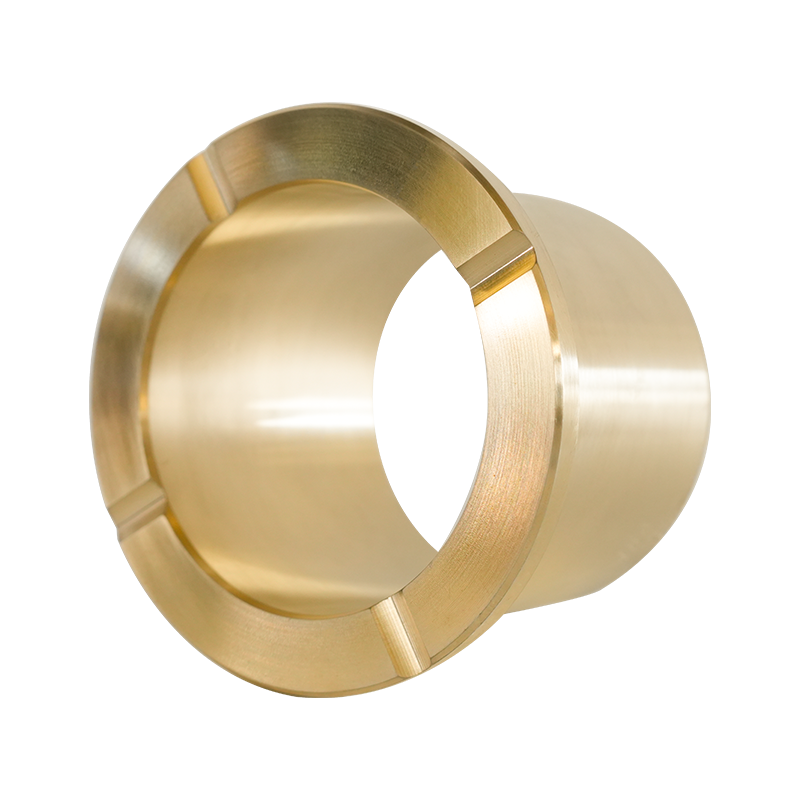
Mining Equipment Brass Bushing is specially designed for high-load and high-wear condition...
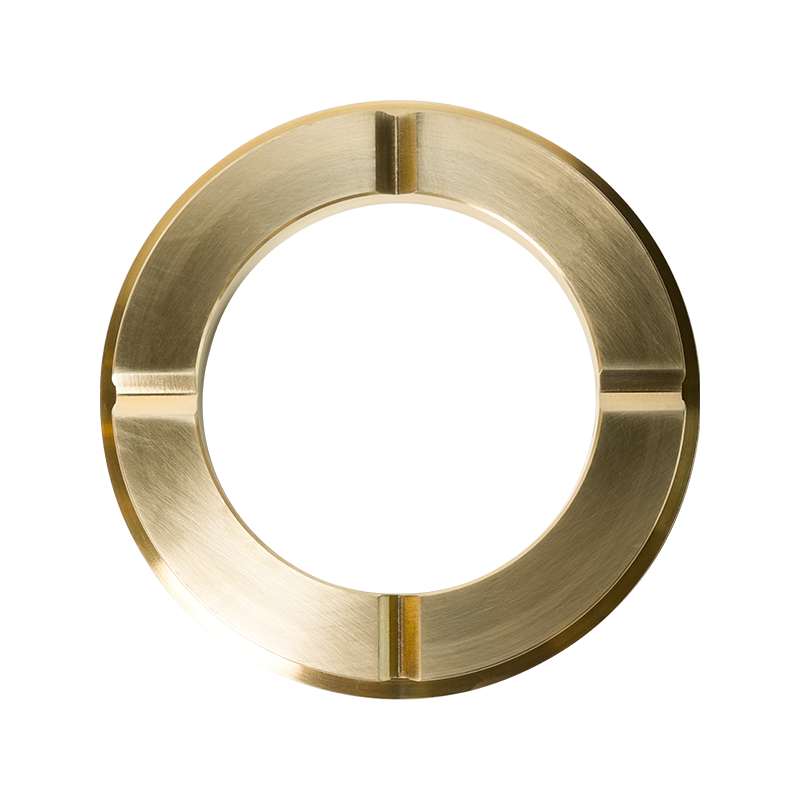
Engineering Machinery Brass Bushing is specially designed for high-load and high-wear work...
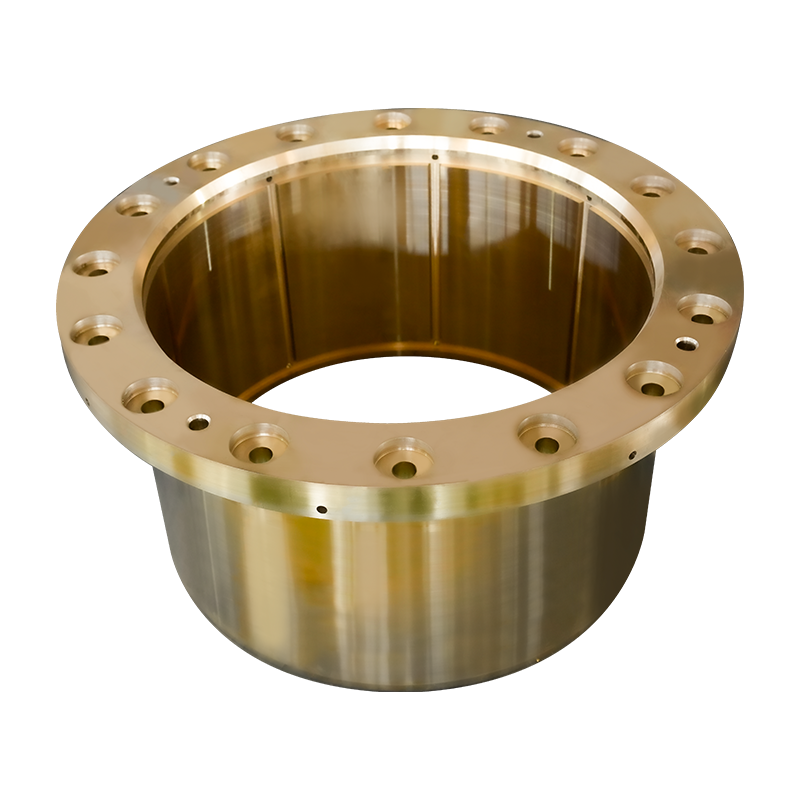
Metallurgical Equipment Brass Bushing is a high-performance brass bushing designed for wor...
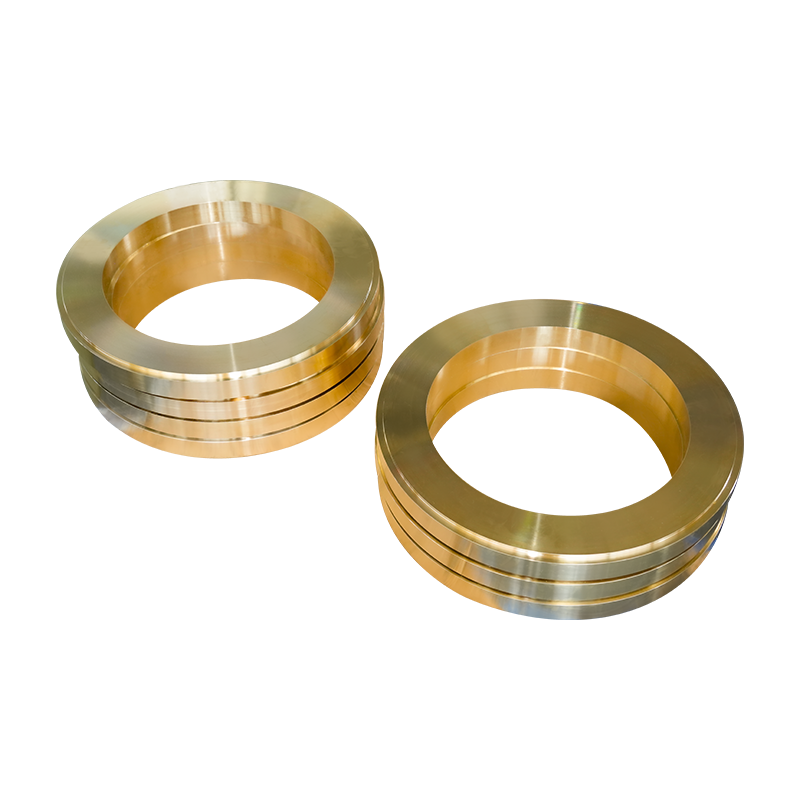
Stern Shaft Sealing Device Brass Bushing is a high-performance brass wear-resistant copper...
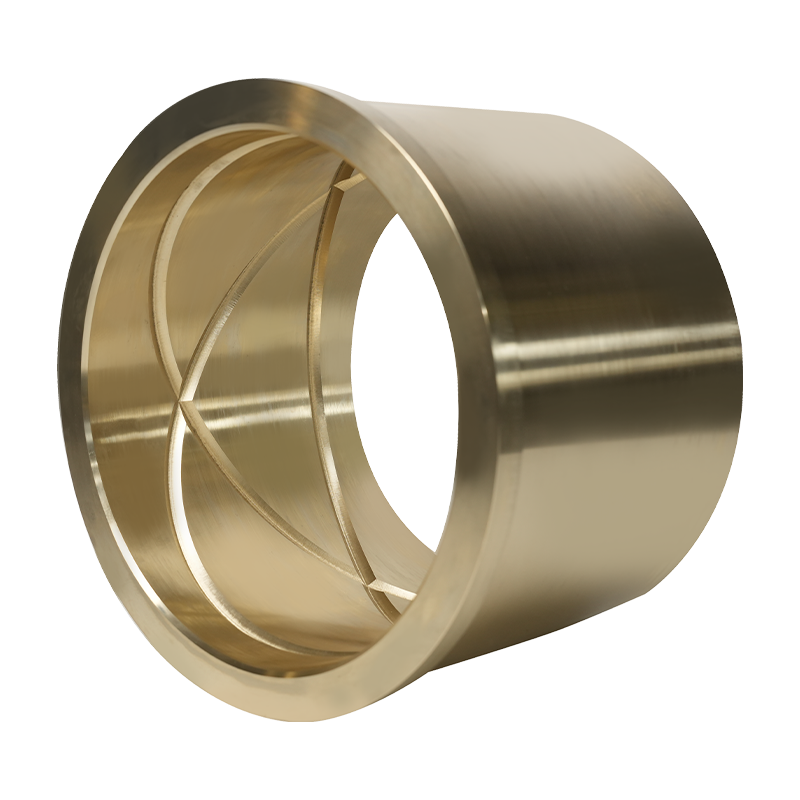
Aluminum Bronze Bushing For Rudder Transmission System is tailor-made for the Rudder trans...
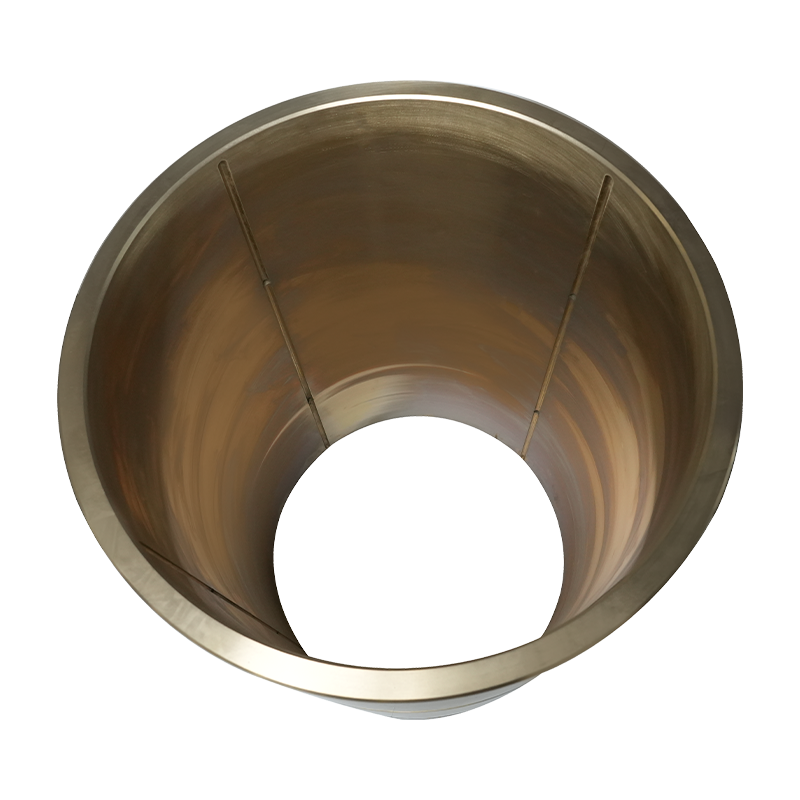
Aluminum Bronze Bushing For Ship Hydraulic Cylinders And Rudder Angle Feedback product is ...
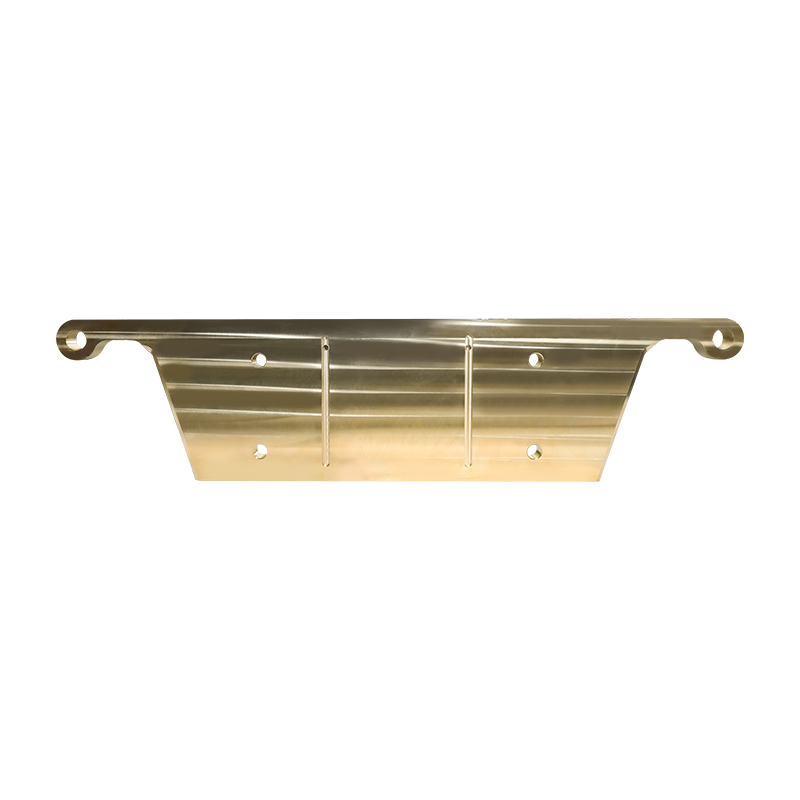
Mining Equipment Brass Plate is made of high-quality high-strength brass material, with we...
Copyright © YangZhou YiFeng Copper Products Co.,Ltd. All Rights Reserved
China copper casting manufacturers wholesale copper casting factory