


 English
 日本語
 русский
 Deutsch
Tin Bronze Bushing For Mining Equipment uses high-purity copper as the base material, and ...
Home / News / Industry News / bushing and sleeve: Applications, Selection Criteria, and Practical Guidance

Ship Propulsion And Sealing Device
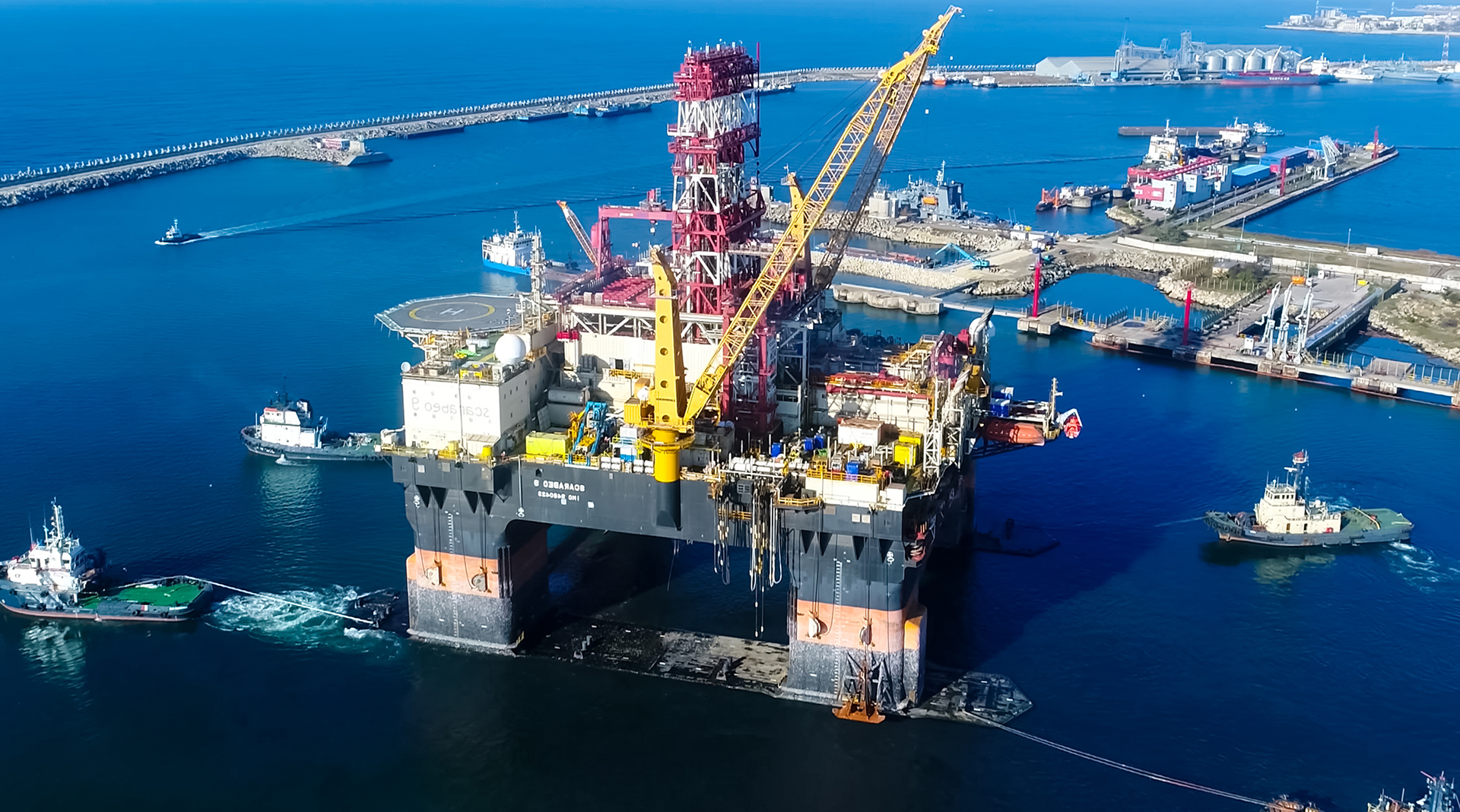
Ocean drilling and ship lock lifting equipment
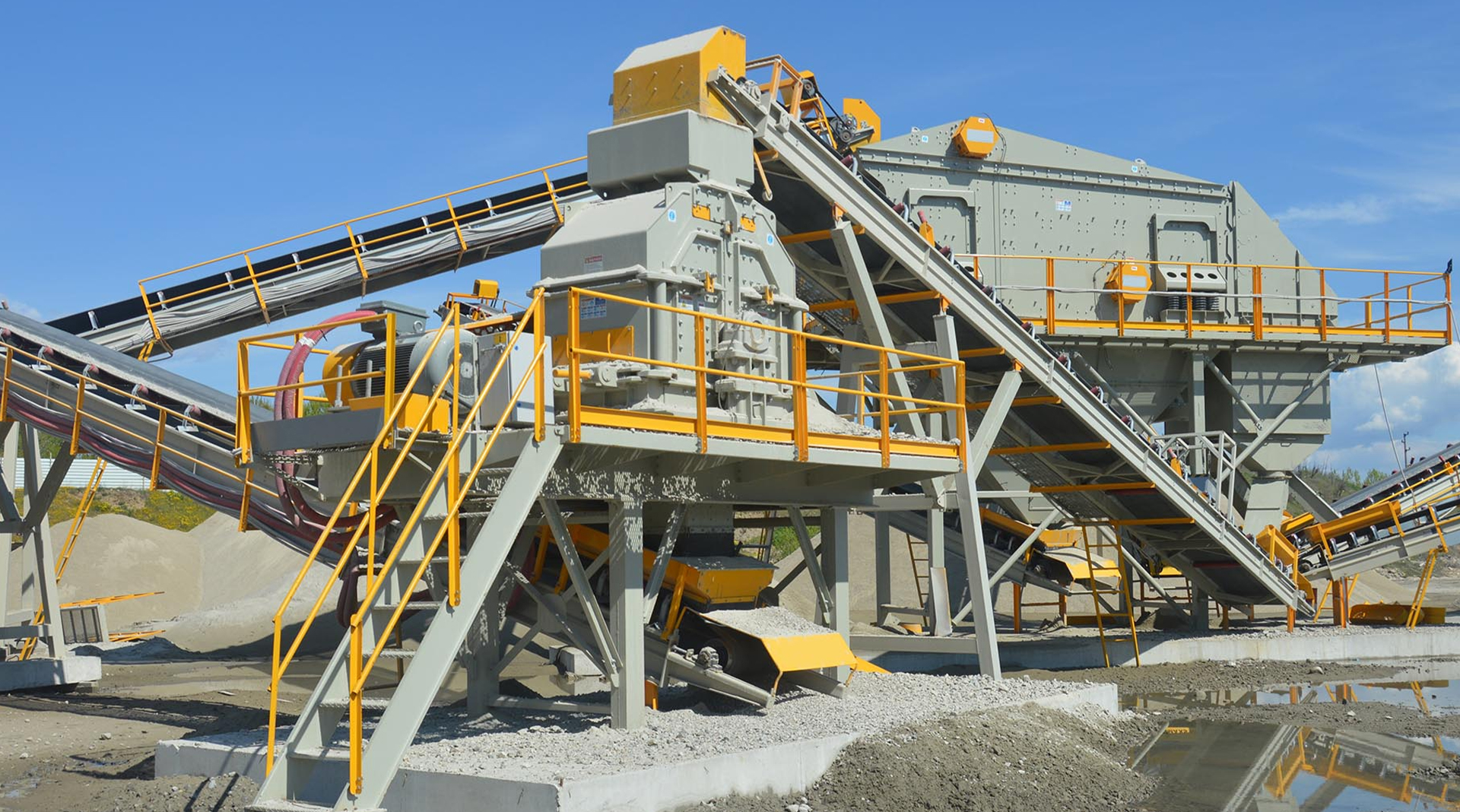
Mining equipment
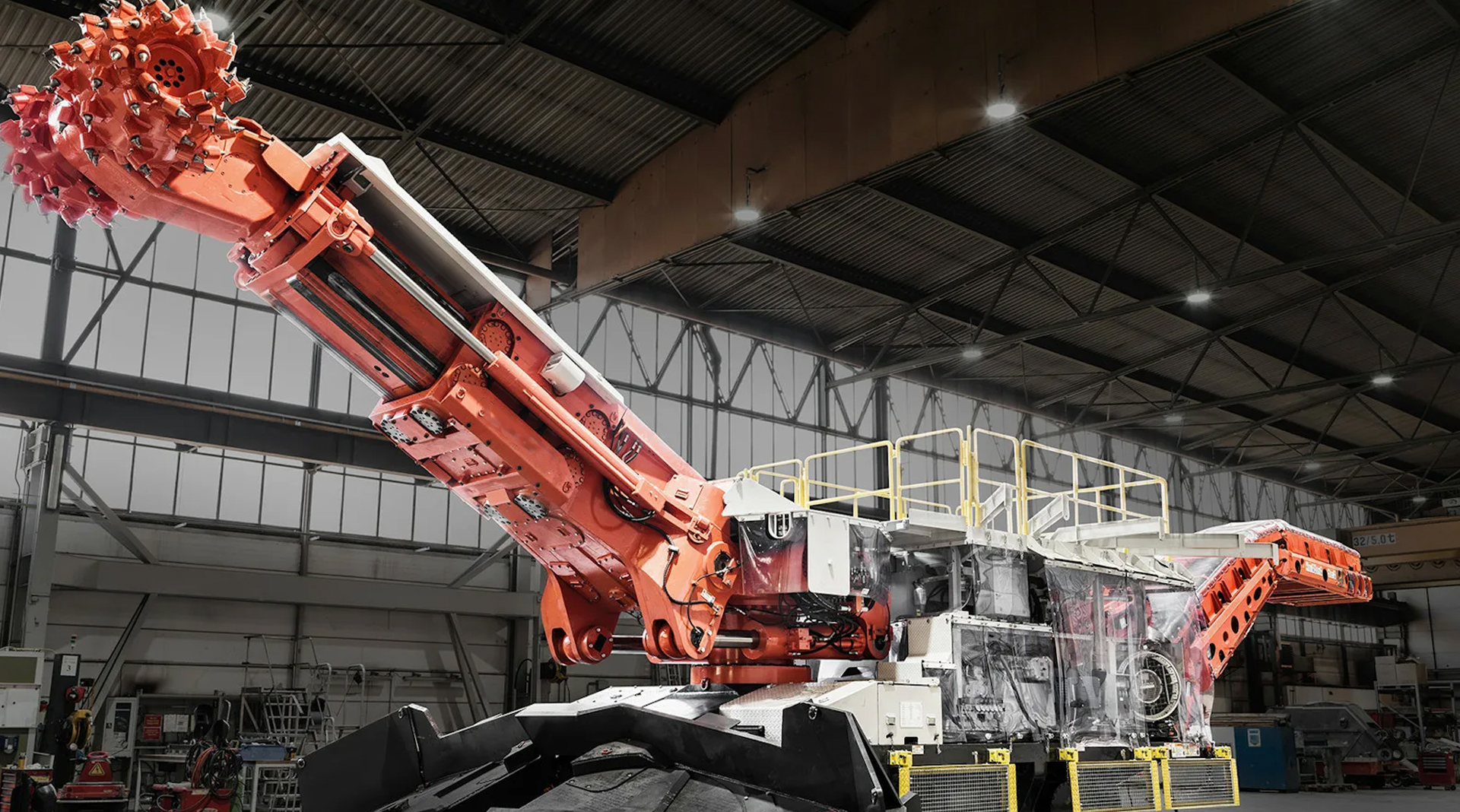
Construction machinery
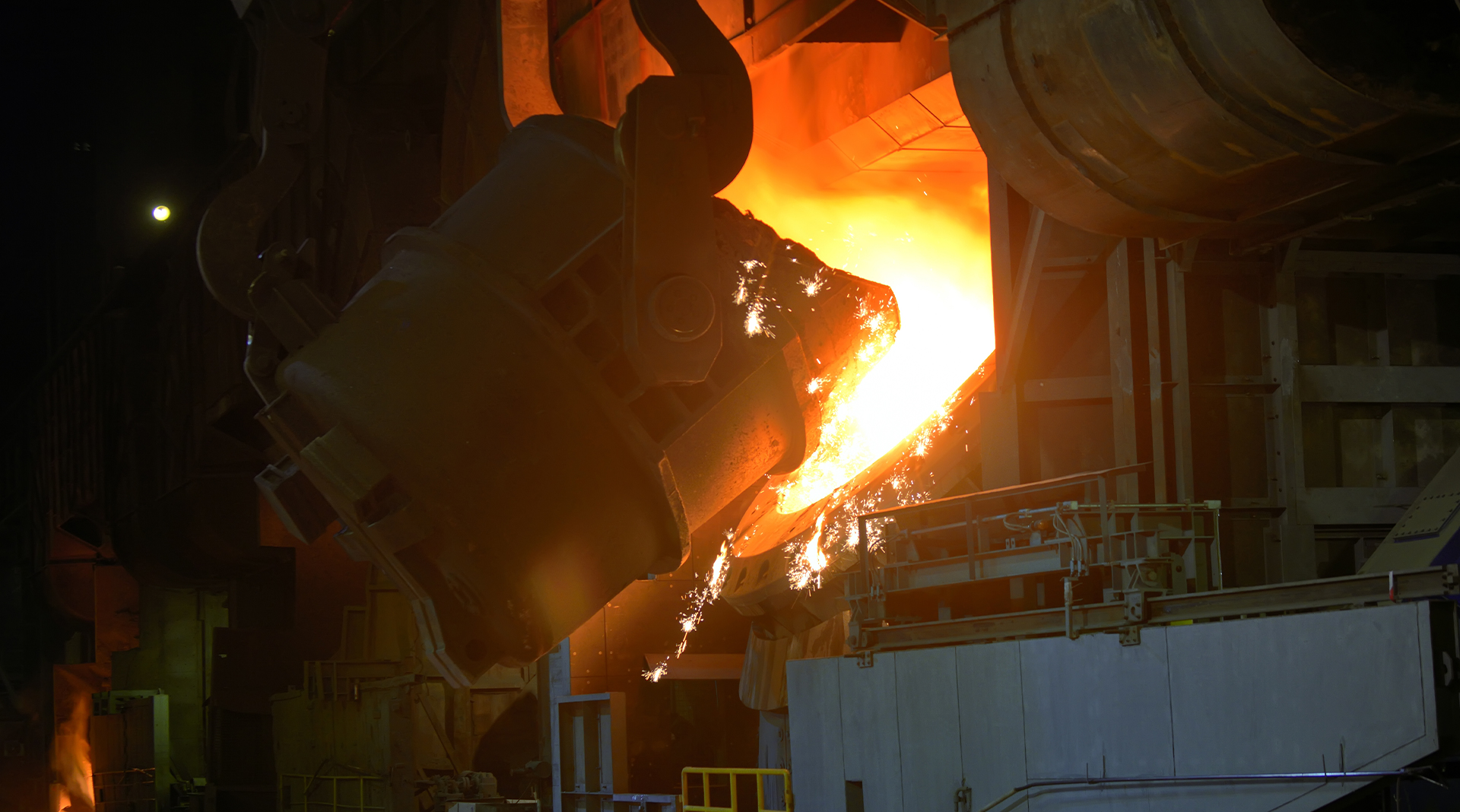
Oil and gas, metallurgical equipment
Content
During a recent maintenance review for a mining excavator, we found that the pin joints in the boom assembly had worn beyond your machining tolerance. The replacement part specified on the drawing was a "sleeve bearing." The purchasing engineer, however, had ordered a "bushing." They are the same component, or are they? This ambiguity is common across machine shops, and it costs time when procurement and engineering use different terms for the same bronze cylinder. The short answer is that bushing and sleeve are often used interchangeably, but subtle engineering conventions separate them. The longer answer involves tolerances, lubrication, material selection, and the type of motion you need to support.
At their core, both bushings and sleeves are cylindrical liners that reduce friction between moving parts. They fit inside a housing or bore and provide a bearing surface for a shaft or pin. They support either rotating motion, such as a shaft turning inside a bronze sleeve, or sliding motion, as seen in a hydraulic cylinder rod moving linearly. Because they are plain bearings, they have no rolling elements, so they transmit load through a thin film of lubricant or through the material itself when self-lubricating.
From a functional standpoint, a bushing is any removable plain bearing sleeve. A sleeve bearing, in turn, is a specific class of bushing designed to run on a shaft with a relatively small clearance. In many industrial catalogs, the word "sleeve" emphasizes the geometry of a straight cylinder, while "bushing" implies the function of a replaceable wear part. For example, a flanged bushing has an integral collar that locates it axially; a sleeve bearing is usually straight and press-fit into the housing.
To decide which term to use for your spare parts list, the practical difference matters less than the operating conditions. Engineers interpret the two names based on how the part is mounted and loaded. The table below summarizes the typical distinctions found in bearing catalogs and machine drawings.
| Aspect | Bushing | Sleeve Bearing |
|---|---|---|
| Primary definition | Removable bearing liner | Plain bearing wrapping around a shaft |
| Common geometry | Cylindrical, flanged, thrust | Usually straight cylindrical |
| Typical fit | Press fit or slip fit in housing | Slip fit over shaft, tight in housing |
| Motion handled | Rotating or sliding | Primarily rotating |
| Typical materials | Bronze, brass, steel-backed | Bronze, bimetallic, polymer |
| Replacement | Quick replacement part | Wear component in a bearing assembly |
In practice, many suppliers list the same part under both names. The distinction is most useful when you specify tolerances: a sleeve bearing often has a tighter recommended clearance because it is expected to maintain a hydrodynamic oil film. A bushing may allow more clearance, especially when the shaft is slow-moving or oscillating.
Bushings and sleeves appear in several standard configurations. Each shape solves a specific mounting challenge and affects load capacity in a different way.
 Self-Lubricating Brass Bushing for Heavy MachineryThis brass bushing embeds solid lubricant for maintenance-free operation in high-load, dusty conditions. It suits excavators and crushers where re-greasing is impractical, reducing downtime and extending equipment life.View Product →
For high-cycle equipment such as excavators and crushers, self-lubricating designs reduce downtime because they eliminate the need for re-greasing from difficult access points. They work particularly well when the motion is partially oscillating or when the bearing is sealed.
Material choice governs load capacity, corrosion resistance, and wear rate. Although steel-backed and polymer bushings exist, copper alloys remain the benchmark for heavy industrial service because they combine high strength with good embeddability and thermal conductivity.
Three alloys dominate the bushing and sleeve market:
 Aluminum Bronze Bushing for Rudder TransmissionEngineered for marine rudder systems, this bushing offers high strength, corrosion and fatigue resistance. It withstands high load and temperature, ensuring reliable transmission while protecting the shaft in demanding environments.View Product →
When you choose a material, also check the shaft hardness. A softer bronze bushing protects an expensive shaft by wearing preferentially. If your shaft is already hardened or coated, a harder alloy like aluminum bronze can be used without risk of galling.
Bushings and sleeve bearings prove themselves wherever maintenance access is hard and loads are high. In mining equipment, boom joints and bucket pivots use heavy flanged bronze bushings because they tolerate shock loads and momentary misalignment. In metallurgical plants, continuous casters rely on self-lubricating bushings in areas where lubricant would burn or wash away.
Marine applications are especially demanding because both seawater corrosion and abrasive contaminants are unavoidable. Ship steering gear, rudder transmissions, and propeller shaft seals often pair a tin bronze bushing with a copper alloy sealing ring. The sealing ring prevents ingress of seawater while the bushing maintains the shaft's alignment.
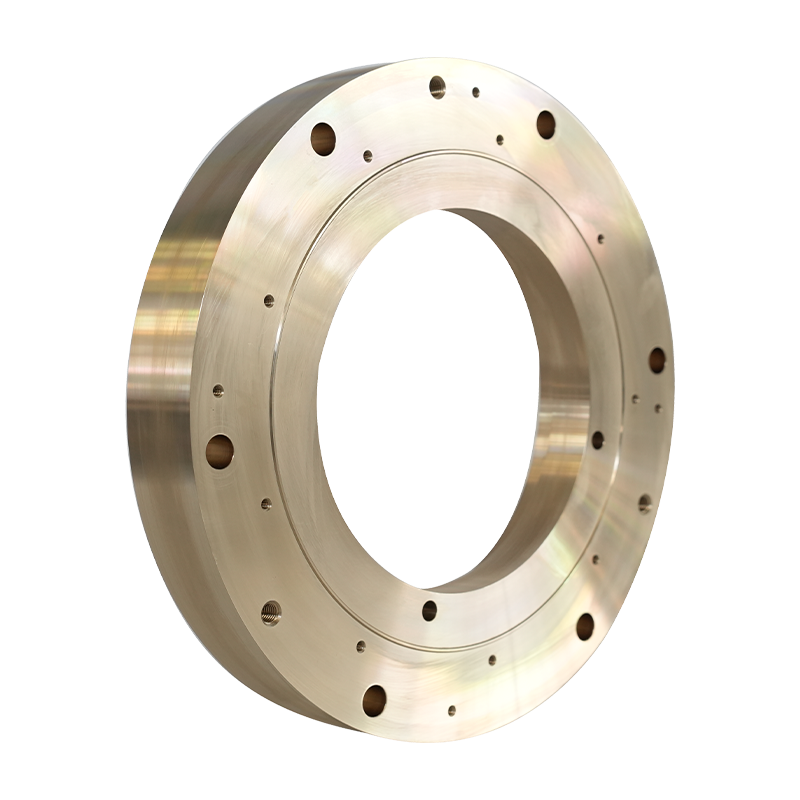 Marine Copper Alloy Sealing Ring for Stern ShaftThis sealing ring prevents seawater ingress and oil leakage in ship propulsion systems. Precision-machined for a tight fit, it reduces friction and wear, ensuring long-term stable operation of stern shaft assemblies.View Product →
Construction machinery, such as excavators, loaders, and drilling attachments, uses a wide range of copper bushings on pins and hydraulic cylinder trunnions. Because these components see rocking motion rather than continuous rotation, engineers prefer materials that can survive boundary lubrication and occasional contamination.
Selecting a bushing is not a one-specification decision. The fastest way to avoid early failure is to work through the following factors before you buy.
Once these factors are clear, you can specify the alloy, the geometry of plain, flanged, or split, and the internal clearance. A reputable manufacturer can review your application parameters and suggest a cost-effective grade that still meets the duty cycle.
Yangzhou Yifeng Copper Products has manufactured copper alloy components since 2005, focusing on cast and machined bushings, plates, self-lubricating bearings, and marine sealing rings. With a 30,000 square meter facility and 5,000 tons of annual production capacity, the company supports both standard catalog parts and custom geometries. Its engineering team is experienced in material selection and tolerance design, which helps buyers avoid the common pitfalls of oversized clearances, improper alloy choice, or poor shaft finish.
If you are deciding between a bushing and a sleeve bearing for a new machine or a retrofit, the fastest path is to send your load and speed data to a technical supplier. You can learn more about the company's capabilities on the about page or discuss your specific application directly through the contact page. Getting the material, fit, and lubrication right on the first pass reduces downtime and spare part cost for the entire life of the equipment.
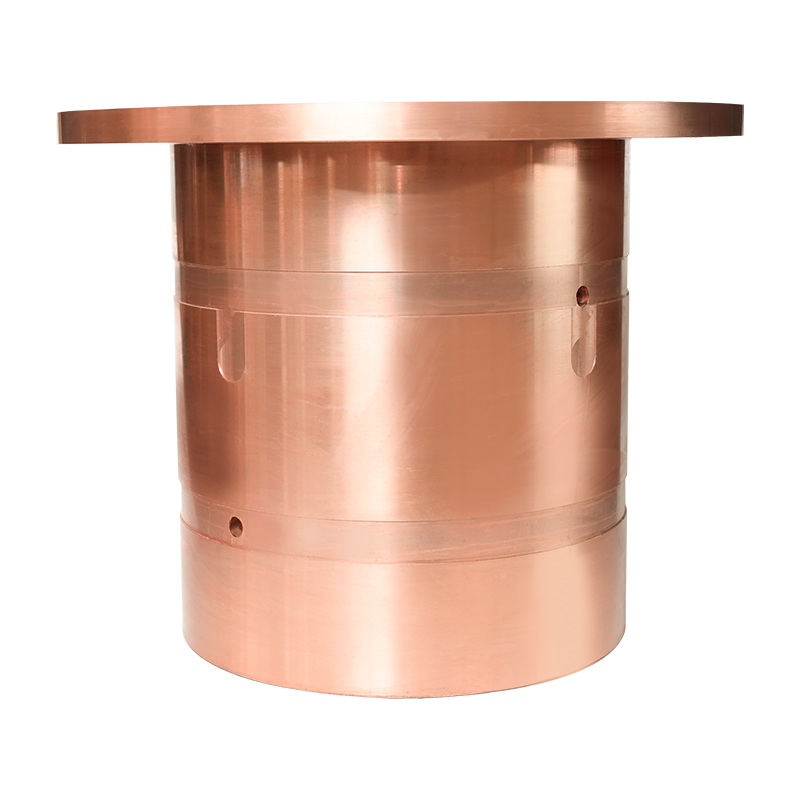
Tin Bronze Bushing For Mining Equipment uses high-purity copper as the base material, and ...
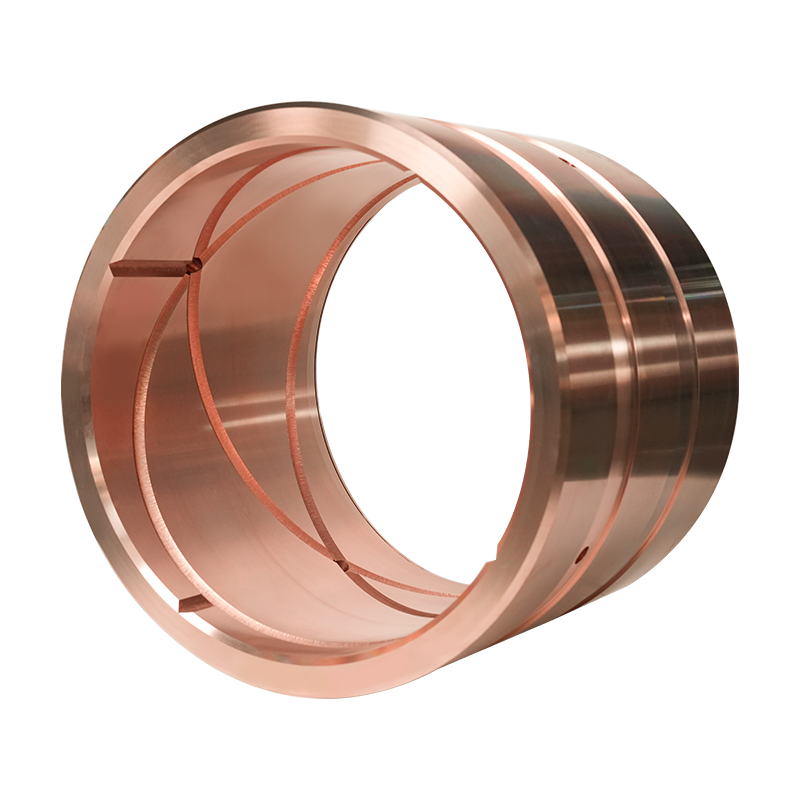
Tin Bronze Bushing For Engineering Machinery is made of high-quality high-purity copper su...
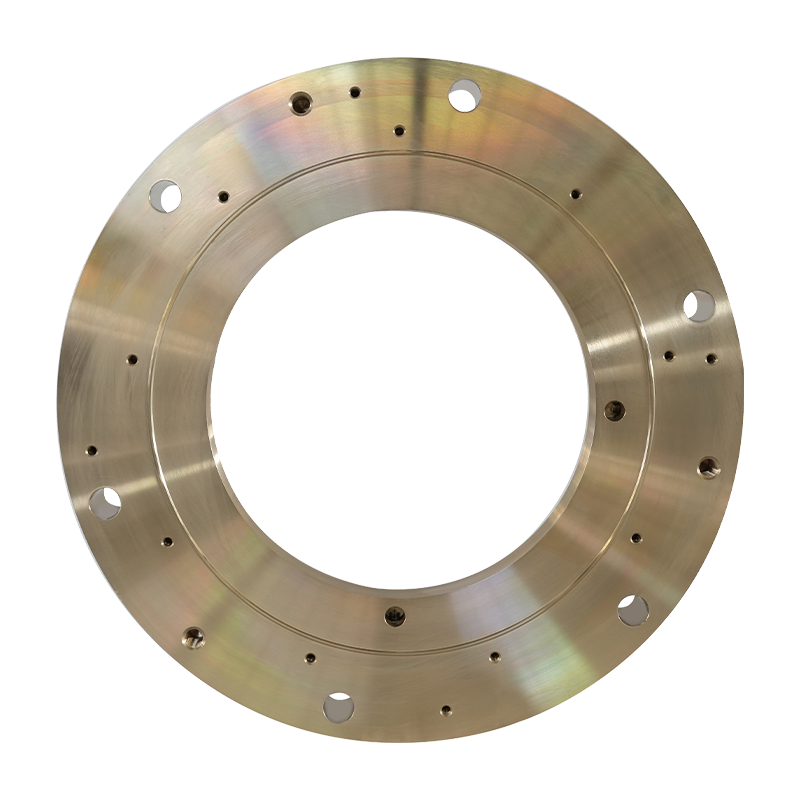
Marine Copper Alloy Sealing Ring Marine Sealing Ring is a key sealing component in the shi...
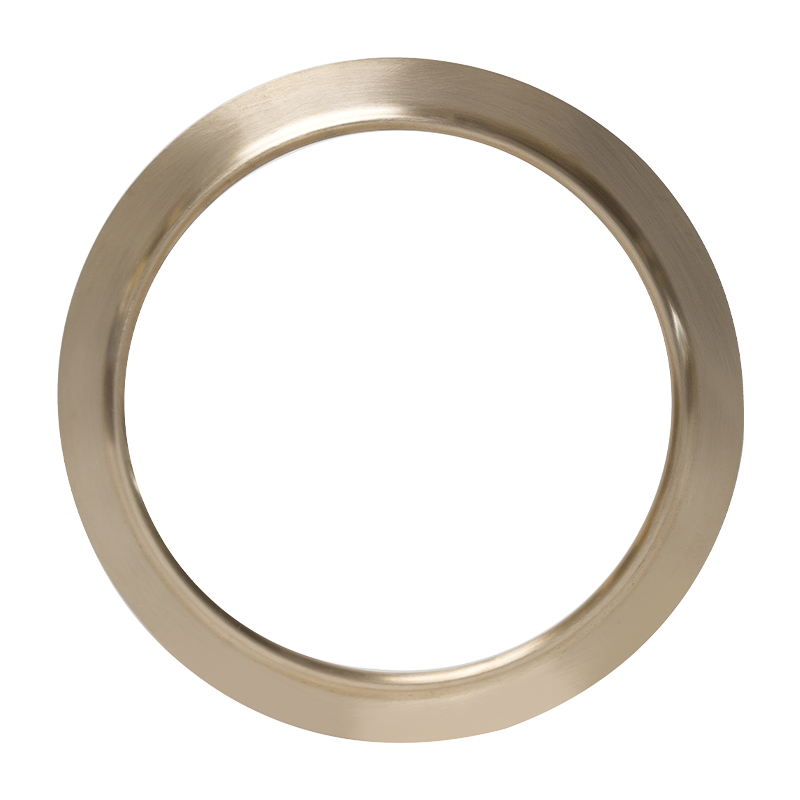
Propulsion Device Seal Marine Copper Alloy Sealing Ring is made of high-quality copper all...
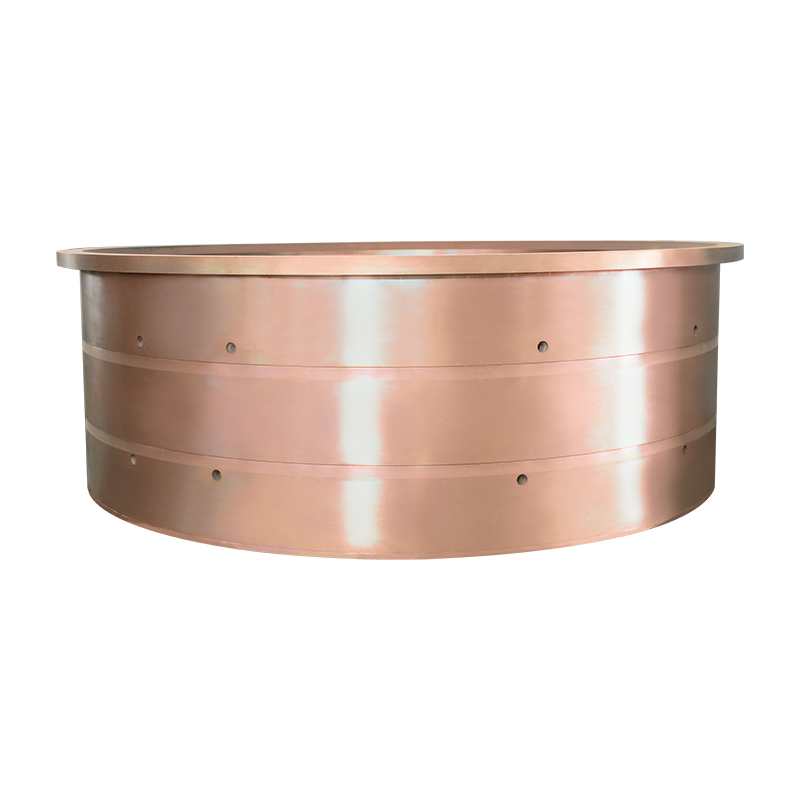
Anchor Winch Bearing And Tin Bronze Bushing is designed for heavy-load, high-speed, and hi...
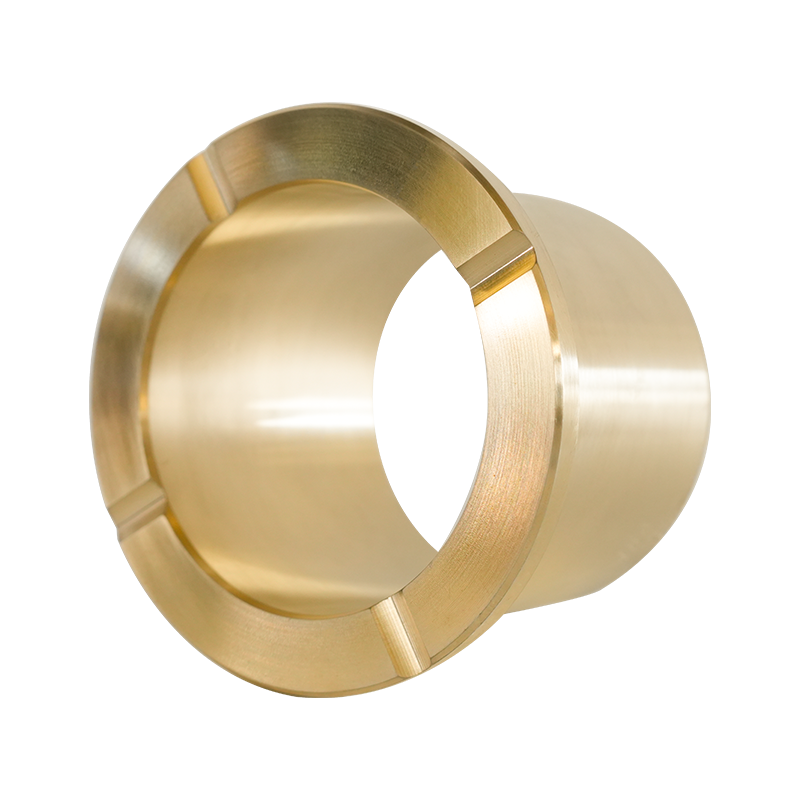
Mining Equipment Brass Bushing is specially designed for high-load and high-wear condition...
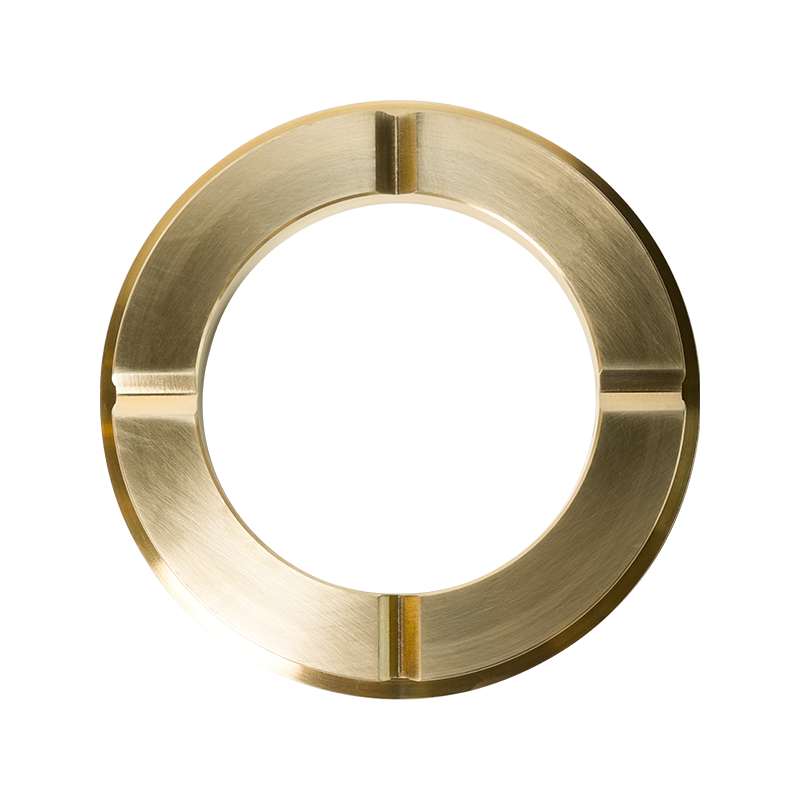
Engineering Machinery Brass Bushing is specially designed for high-load and high-wear work...
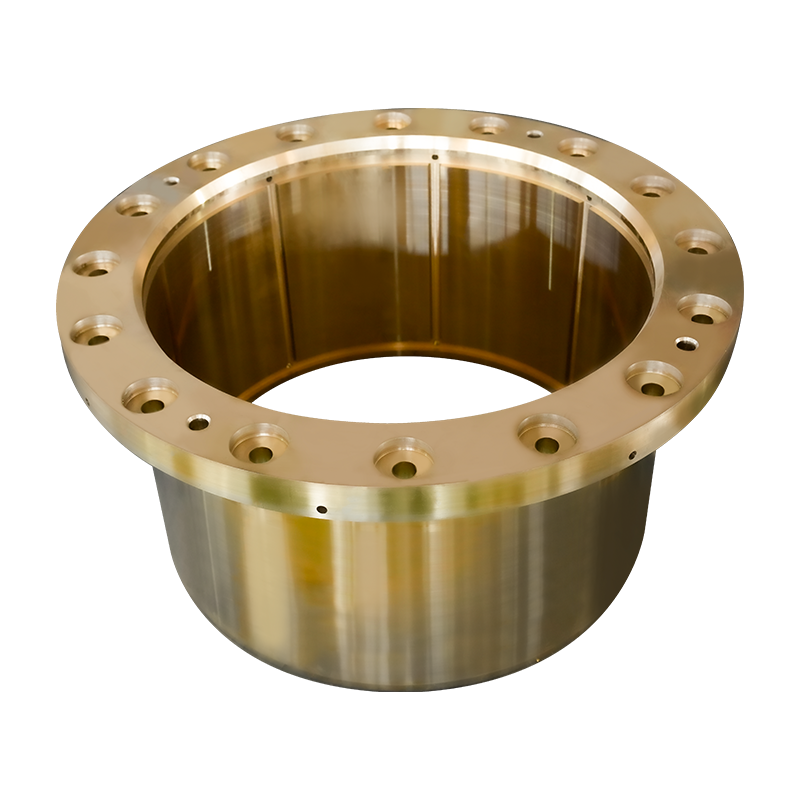
Metallurgical Equipment Brass Bushing is a high-performance brass bushing designed for wor...
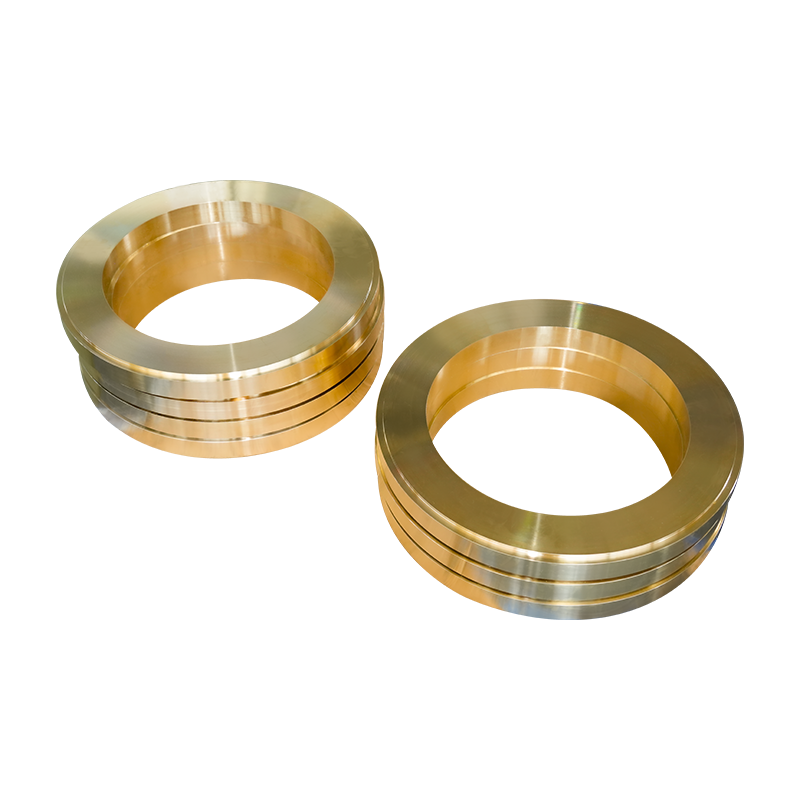
Stern Shaft Sealing Device Brass Bushing is a high-performance brass wear-resistant copper...
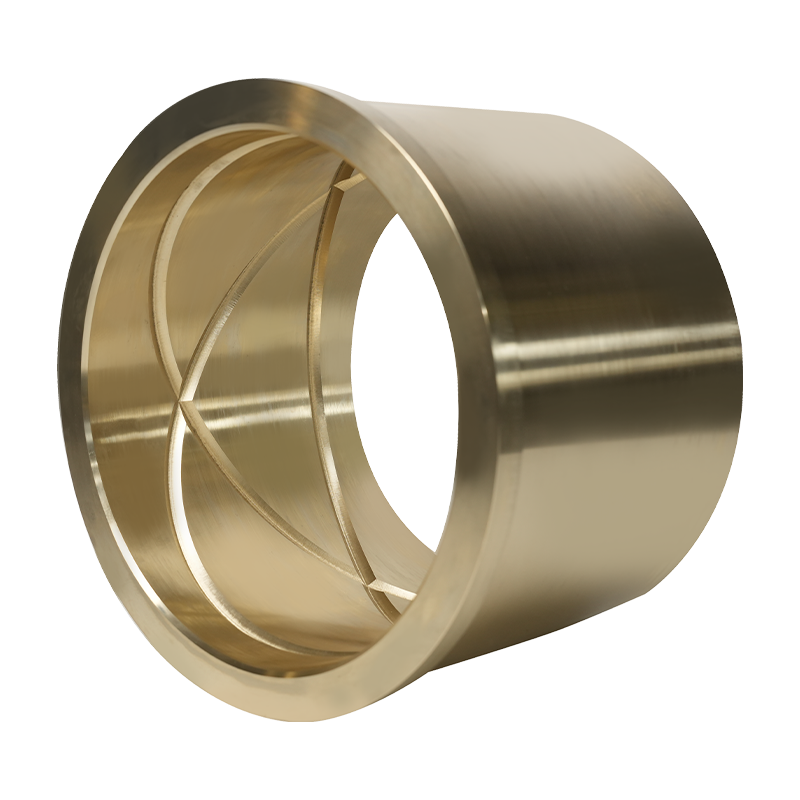
Aluminum Bronze Bushing For Rudder Transmission System is tailor-made for the Rudder trans...
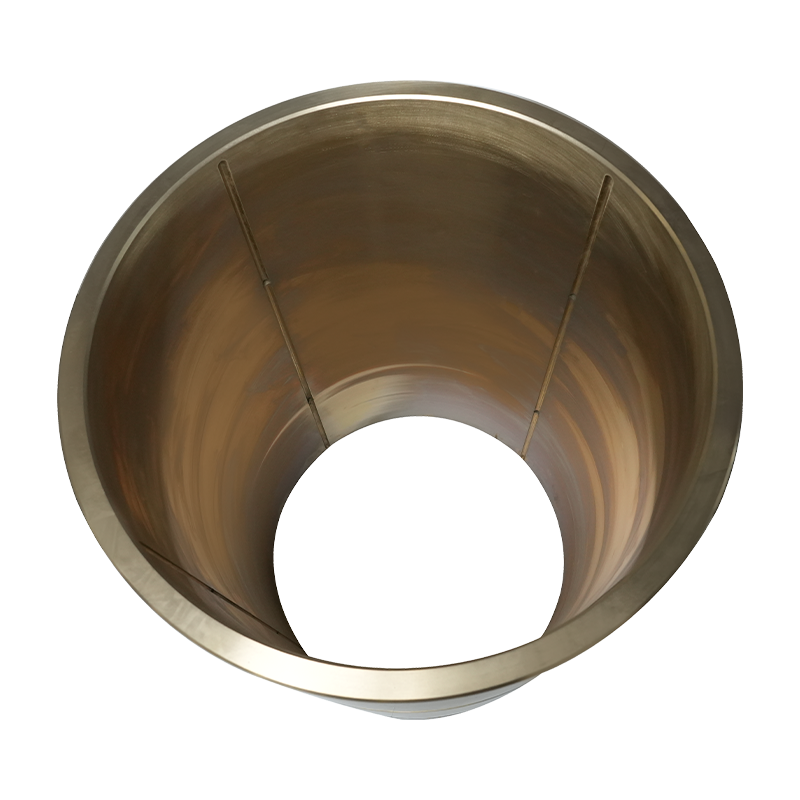
Aluminum Bronze Bushing For Ship Hydraulic Cylinders And Rudder Angle Feedback product is ...
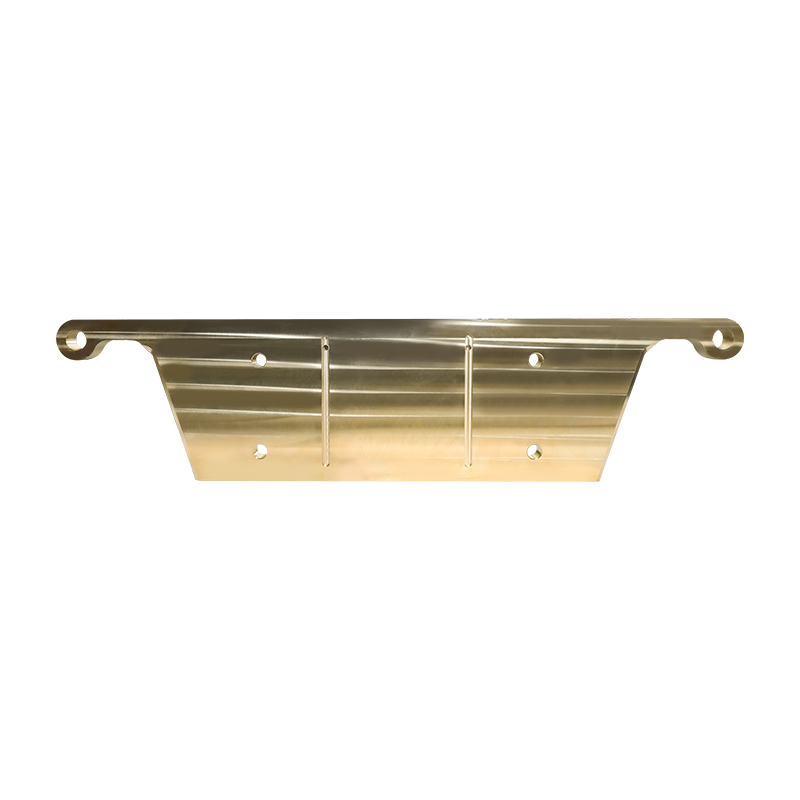
Mining Equipment Brass Plate is made of high-quality high-strength brass material, with we...
Copyright © YangZhou YiFeng Copper Products Co.,Ltd. All Rights Reserved
China copper casting manufacturers wholesale copper casting factory