


 English
 日本語
 русский
 Deutsch
Tin Bronze Bushing For Mining Equipment uses high-purity copper as the base material, and ...
Home / News / Industry News / Copper vs Brass vs Bronze: Key Differences for Industrial Component Selection

Ship Propulsion And Sealing Device
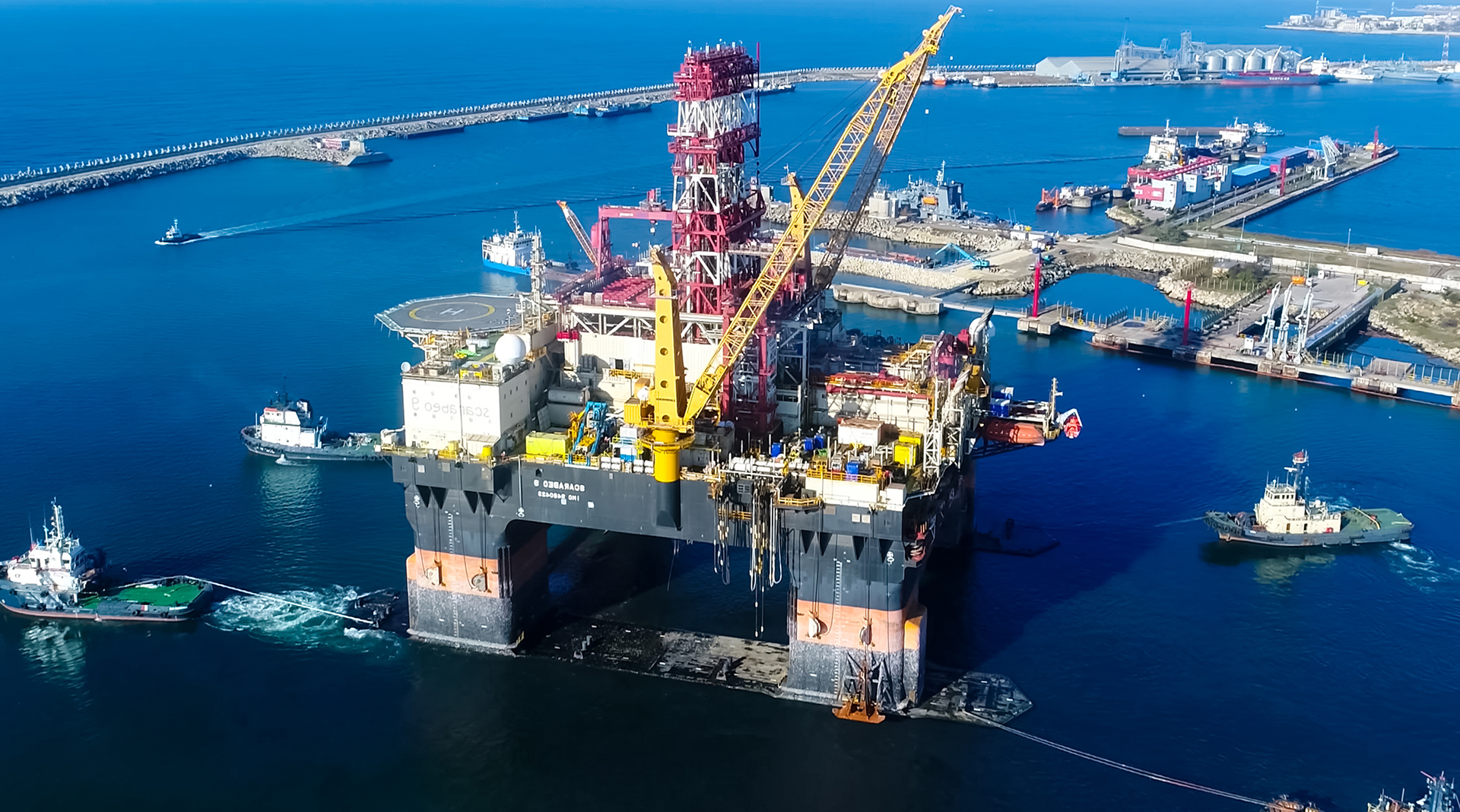
Ocean drilling and ship lock lifting equipment
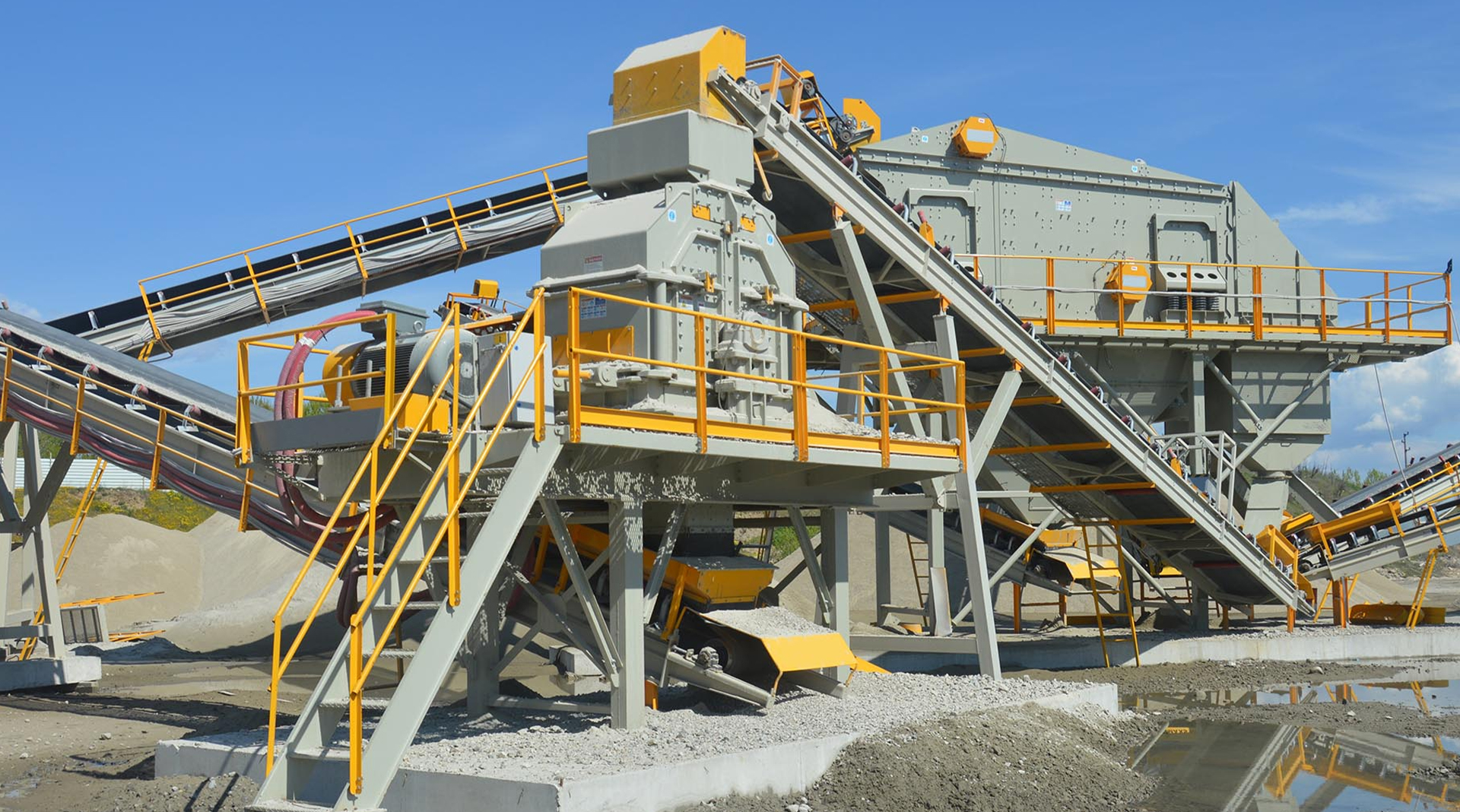
Mining equipment
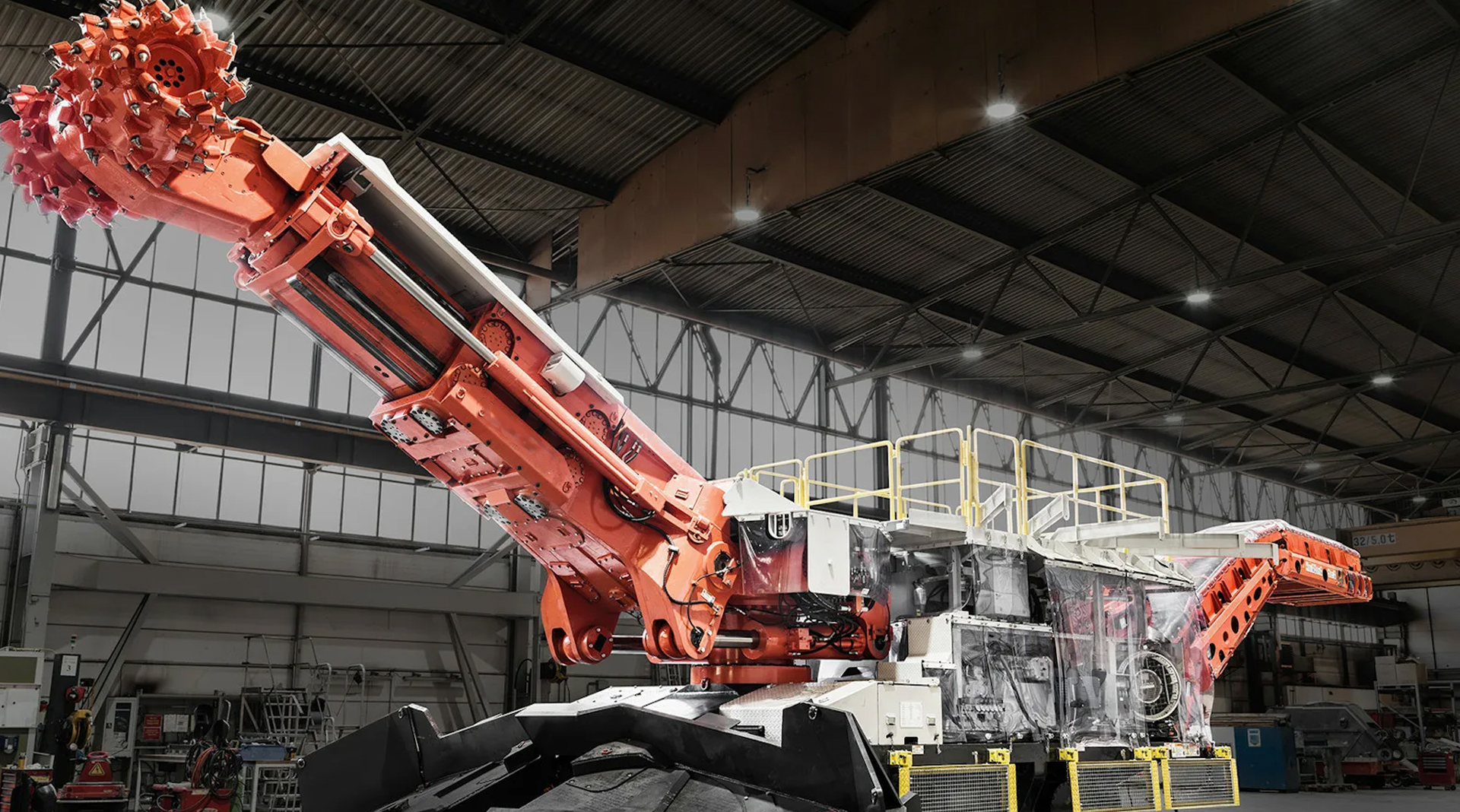
Construction machinery
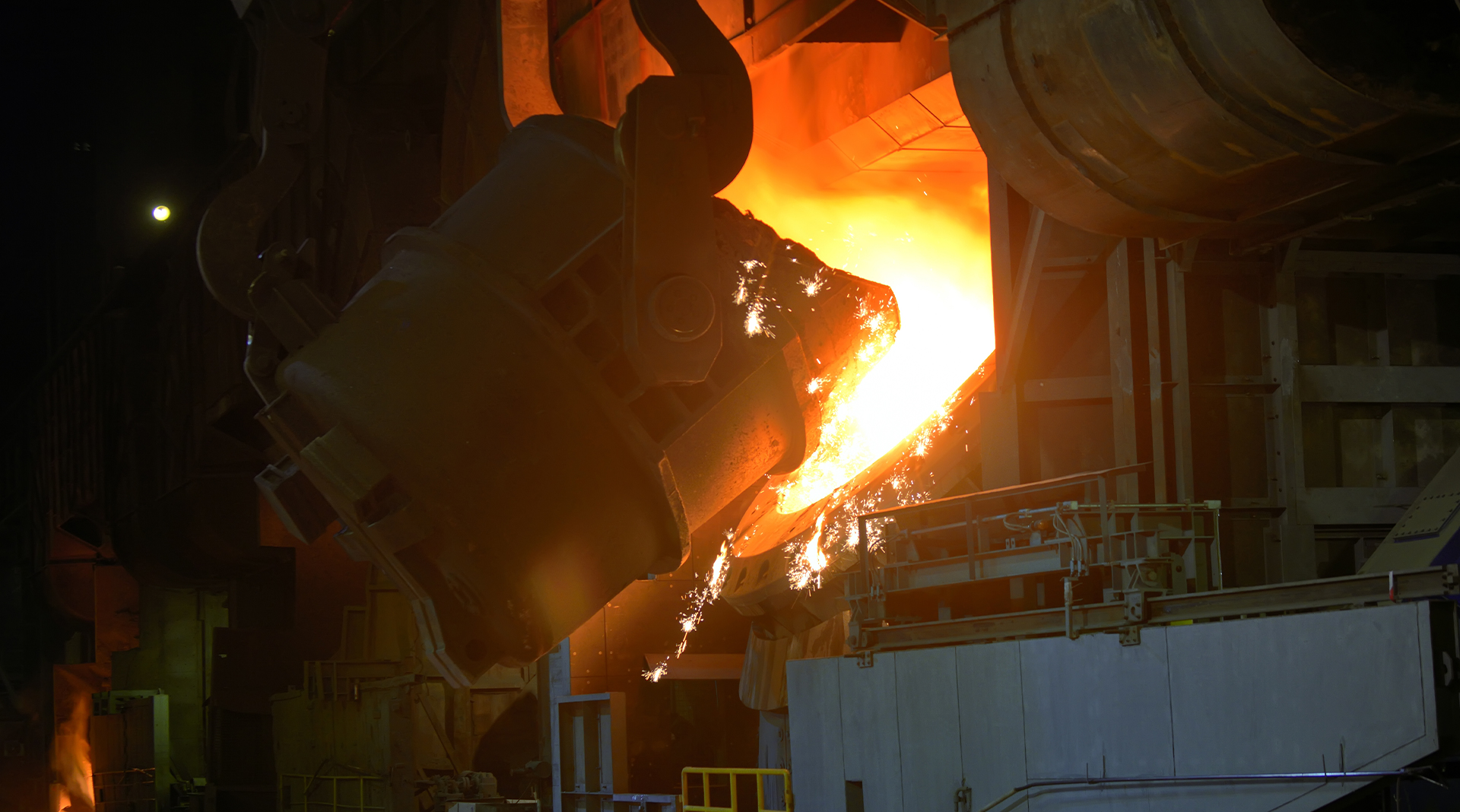
Oil and gas, metallurgical equipment
Content
A bearing sleeve on a dock crane fails after only four months. The OEM drawing specifies bronze, but the replacement supplier delivered brass as a "compatible upgrade". Both are copper-based, the parts look similar, and the cost saving looked reasonable — until the machine stopped.
This scenario appears in maintenance departments across mining, marine, metallurgy, and construction industries. The practical answer to copper vs brass vs bronze is direct: copper is a pure element, brass is a copper-zinc alloy, and bronze is a copper-tin or copper-aluminum alloy. That difference in composition changes strength, corrosion resistance, machinability, and cost enough to decide whether a component runs for years or fails within months.
Copper is an elemental metal, not an alloy family. Commercial copper grades are more than 99% pure and are selected mainly for electrical and thermal conductivity. Because pure copper is soft, it shows up in cables, busbars, heat exchangers, and roofing far more often than in load-bearing mechanical parts.
Brass begins with copper and adds zinc, typically between 10% and 40%. Zinc strengthens the metal while keeping it formable and easy to machine. Higher zinc content produces harder, stronger brass at the cost of some ductility. This balance makes brass a favorite for valves, fittings, fasteners, and light-duty sleeves.
Bronze replaces zinc with tin, aluminum, silicon, or manganese. Aluminum bronze containing 9–14% aluminum is the grade most common in industrial bushings and wear parts, because it combines high strength, fatigue resistance, and corrosion resistance in a single material.
The table below summarizes typical ranges. Specific alloy grades and heat treatments shift these numbers, so treat the table as a selection guide rather than a final specification.
| Property | Copper | Brass | Bronze |
|---|---|---|---|
| Base composition | >99% Cu | Cu + 10–40% Zn | Cu + Sn, Al, or Si |
| Typical color | Reddish-orange | Bright yellow-gold | Reddish-brown |
| Yield strength | 33–300 MPa | 75–550 MPa | 110–750 MPa |
| Corrosion resistance | Good; forms patina | Moderate; dezincification risk | Excellent in seawater (Al-bronze) |
| Electrical conductivity | ~100% IACS | 23–44% IACS | <15% IACS |
| Machinability | Fair | Excellent | Fair to good |
| Relative cost per ton | Moderate | Lower | Higher |
Copper has a warm salmon-red tone and slowly develops a green patina in outdoor or marine exposure.
Brass is the brightest of the three — pale yellow to gold, highly reflective when polished.
Bronze sits darker: brown, reddish-brown, or even blackish, depending on the alloying elements.
Color is a useful first clue, but not a reliable verdict. Oxidation, lighting, and protective oil films can make brass look bronze and bronze look copper. When material identity affects safety or warranty, confirm the grade with a spectrometer or a mill certificate rather than by eye.
For heavily loaded parts, bronze is the workhorse. Bronze bushings, gears, and bearings reach yield strengths up to 750 MPa, and their sliding wear resistance is clearly superior to brass. Aluminum bronze, in particular, resists galling and plastic deformation when the shaft is slightly misaligned or the lubrication film thins.
Brass remains a solid choice for moderate loads in dry or clean environments. Valve guides, light-duty sleeves, and instrument components work well in brass because the forces are contained and dimensional stability is easy to maintain.
This is why aluminum bronze bushings are standard in rudder transmission systems, ship lifting devices, and other high-load pivot points where a single failure would stop the entire machine.
 Aluminum Bronze Bushing for Rudder Transmission SystemsDesigned for high-load rudder pivot points, this bushing combines high strength, wear and corrosion resistance, and self-lubricating properties, making it reliable for harsh marine and chemical environments where failure is not an option.View Product →
Aluminum bronze forms a dense, self-healing oxide film that resists pitting, crevice corrosion, and chloride attack. That is why the alloy appears in marine seals, ship hydraulic cylinders, and offshore drilling equipment.
Brass is less forgiving in aggressive water. Zinc can leach out of the alloy over time — a process called dezincification — leaving a weak, porous copper skeleton that cracks under stress. Standard brass is therefore risky for submerged components. Dezincification-resistant brass grades exist, but they must be specified and verified deliberately.
A ship illustrates the practical split: brass suits stern shaft sealing devices where moderate duty and machinability matter, while tin bronze is used for propulsion shafts and drive components where vibration and cyclic loads are severe.
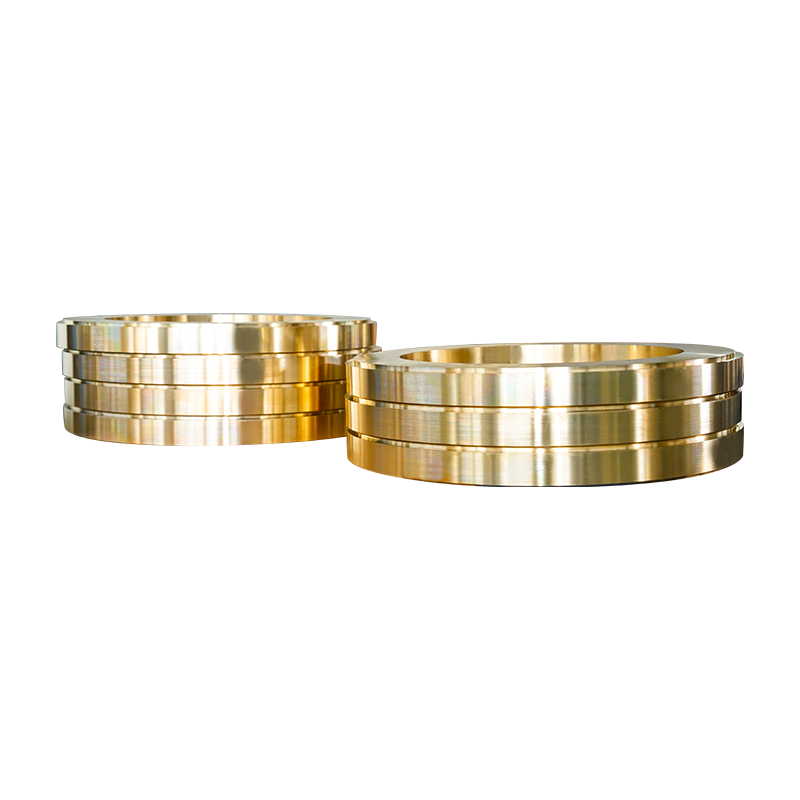 Brass Bushing for Stern Shaft Sealing DevicesEngineered for marine stern shaft sealing, this brass bushing offers seawater corrosion resistance, precision matching, and optional self-lubricating features, supporting reliable sealing and shaft stability during long-term underwater service.View Product →
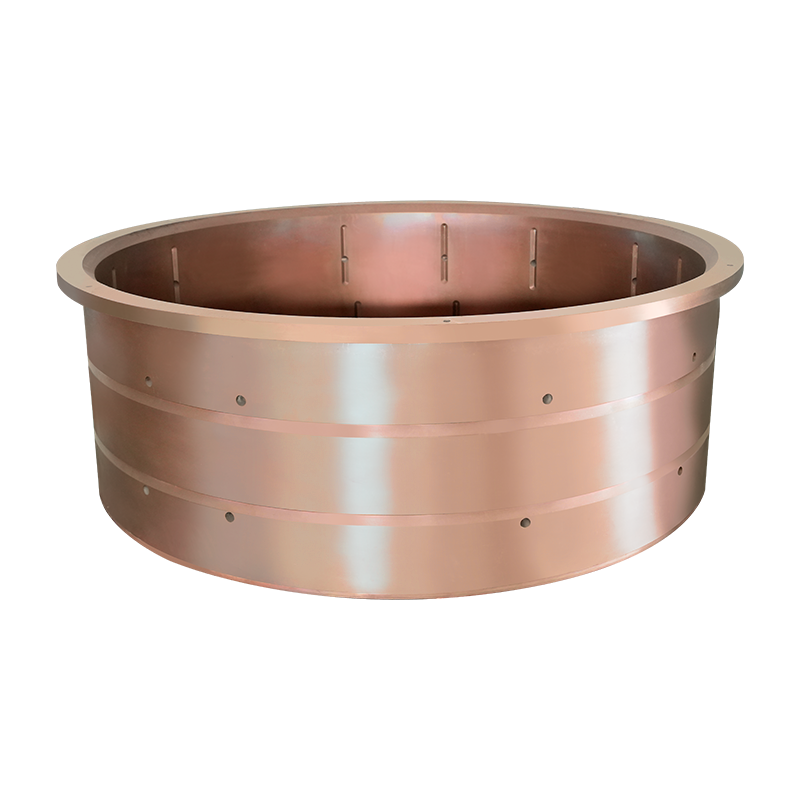 Tin Bronze Bushing for Ship Propulsion SystemsPrecision-cast tin bronze bushing for propulsion shafts and rudder bearings, providing seawater corrosion resistance, high wear and fatigue resistance, and self-lubrication suitable for high-load, low-speed marine operations.View Product →
Brass is the easiest copper alloy to machine. Free-cutting grades produce long tool life, predictable chip breaking, and clean finishes. Bronze and copper are harder to cut — they form stringy chips, require slower speeds and sharper tools, and increase the risk of scrap. For a production run of thousands of parts, the machining cost difference can outweigh the raw material price gap. That is one reason brass dominates high-volume, precision-machined fitting components.
Raw material indexes place copper at roughly $8,000–$10,000 per ton, bronze at $7,000–$9,000, and brass at the lower end of that range. But raw metal is a small fraction of the cost of a finished component.
A brass bushing that saves $20 in material but fails in six months, halting a production line for a full shift, has erased that saving many times over. Compare total cost of ownership — material, machining, installation, downtime, and replacement frequency — before finalizing the alloy.
The decision can be reduced to three practical scenarios:
For marine propulsion, mining, metallurgical, and construction equipment, a bearing failure is expensive. Confirm the alloy grade with a materials engineer before committing to production, and ask for a mill certificate or a documented test report with every batch.
The difference between copper, brass, and bronze is not an academic exercise. It determines whether a bushing wears evenly, whether a sealing ring survives seawater, whether a worm gear handles the torque, and whether the supplier can deliver consistent quality across thousands of parts.
At Yangzhou Yifeng Copper Products, we have manufactured copper alloy bushings, plates, self-lubricating bearings, marine sealing rings, and worm gears for over 20 years. Our engineers review the working condition of each component before recommending a grade, and our factory in Jiangsu supports the whole chain from material selection to finished machining. If you are evaluating materials for a new design or troubleshooting a failed part, contact our engineering team or read more about our manufacturing capabilities.
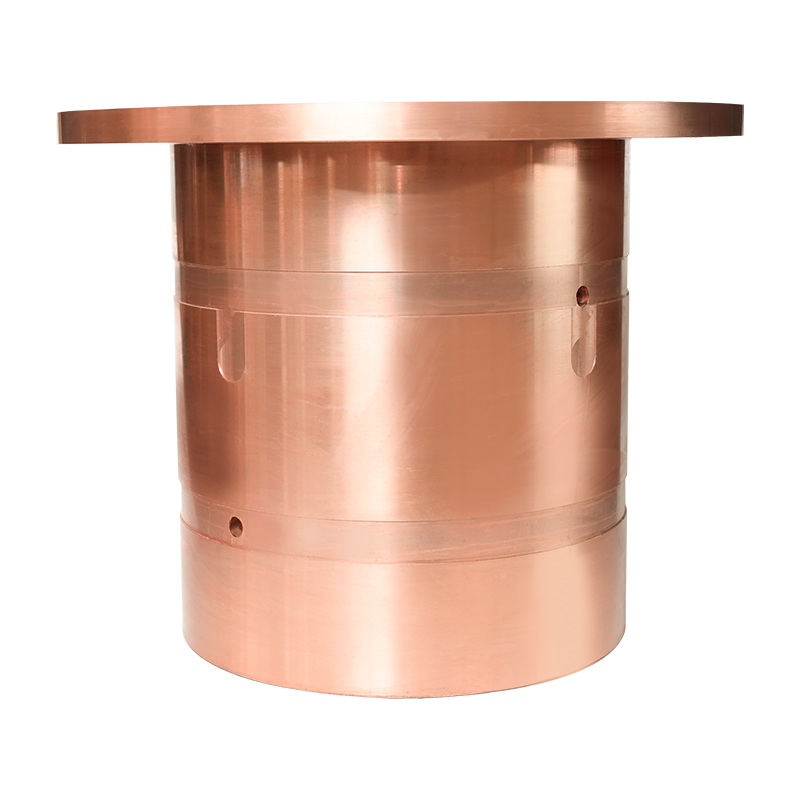
Tin Bronze Bushing For Mining Equipment uses high-purity copper as the base material, and ...
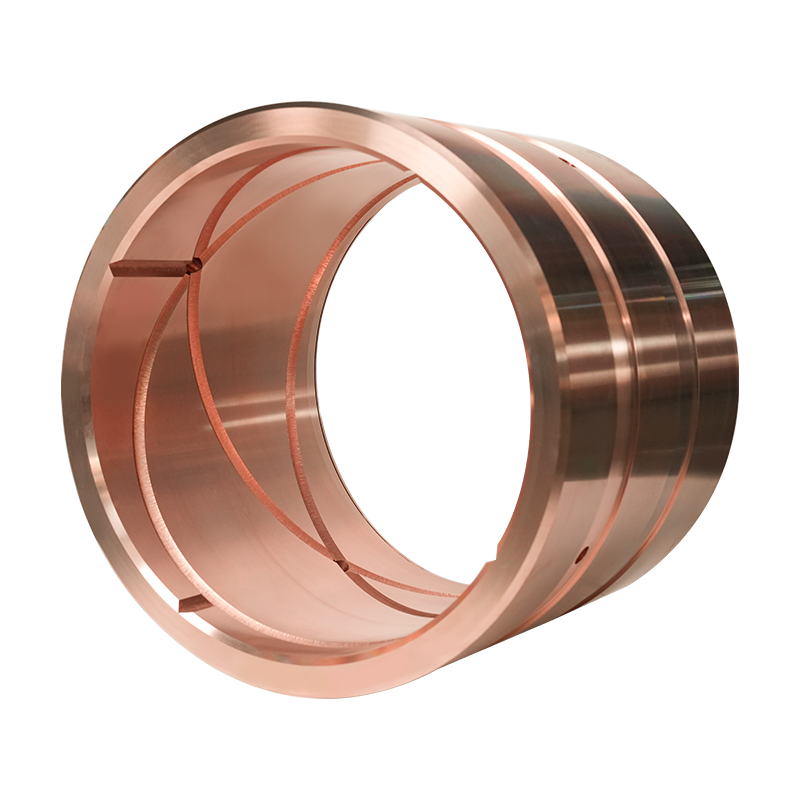
Tin Bronze Bushing For Engineering Machinery is made of high-quality high-purity copper su...
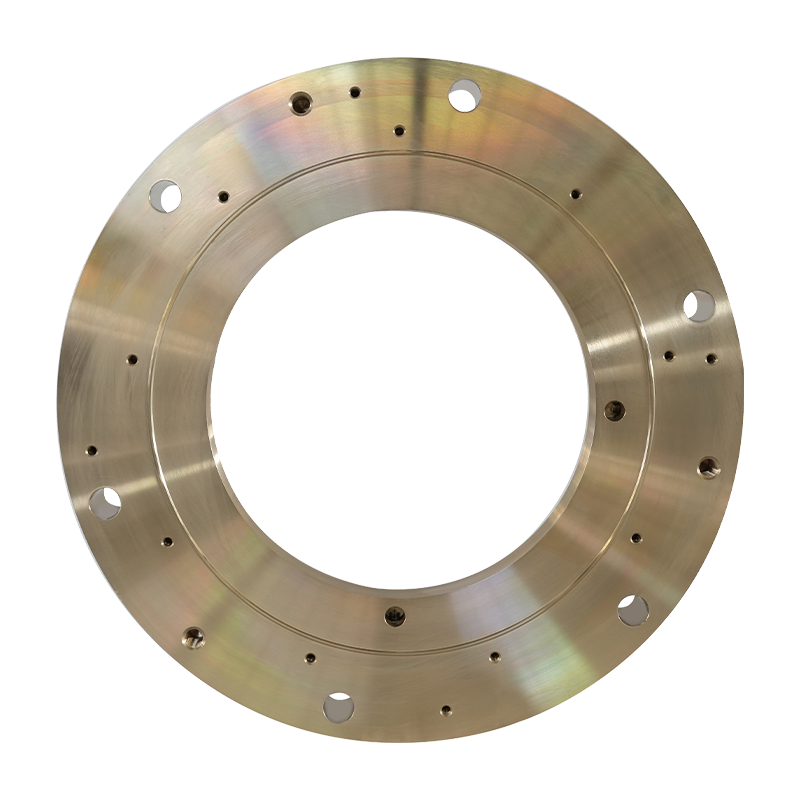
Marine Copper Alloy Sealing Ring Marine Sealing Ring is a key sealing component in the shi...
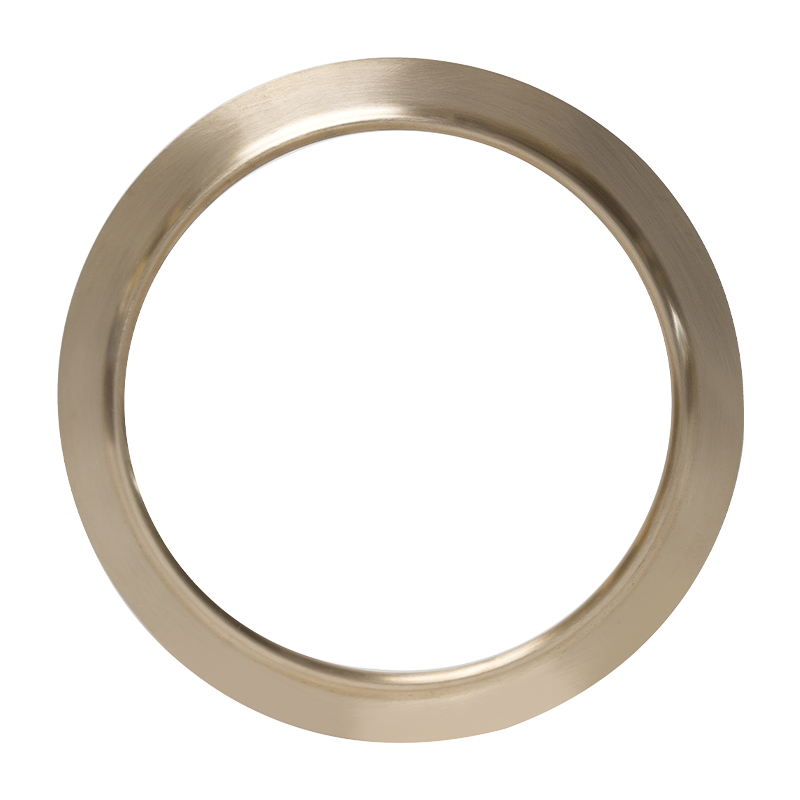
Propulsion Device Seal Marine Copper Alloy Sealing Ring is made of high-quality copper all...
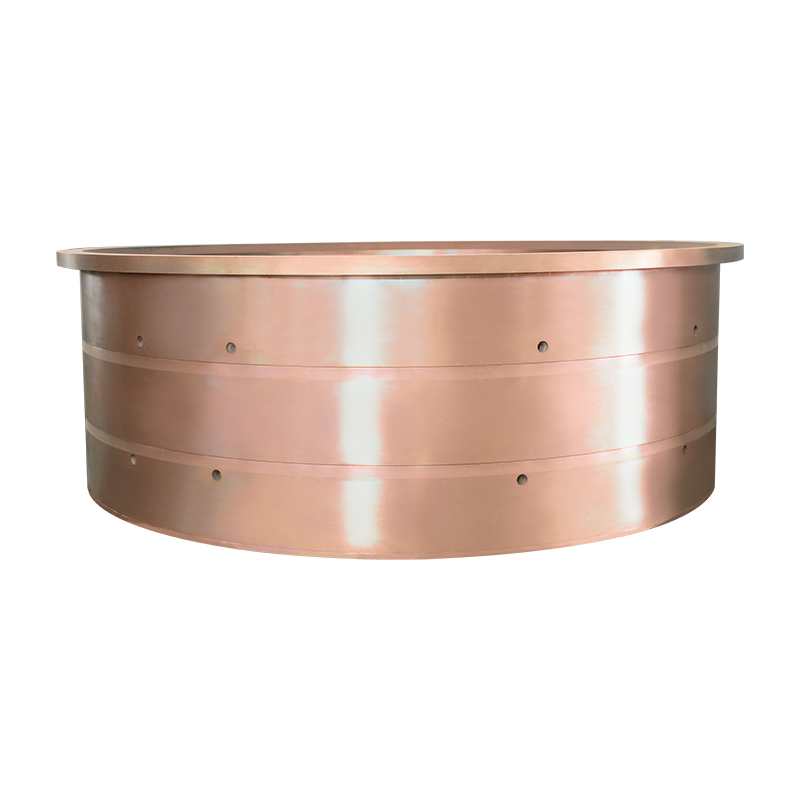
Anchor Winch Bearing And Tin Bronze Bushing is designed for heavy-load, high-speed, and hi...
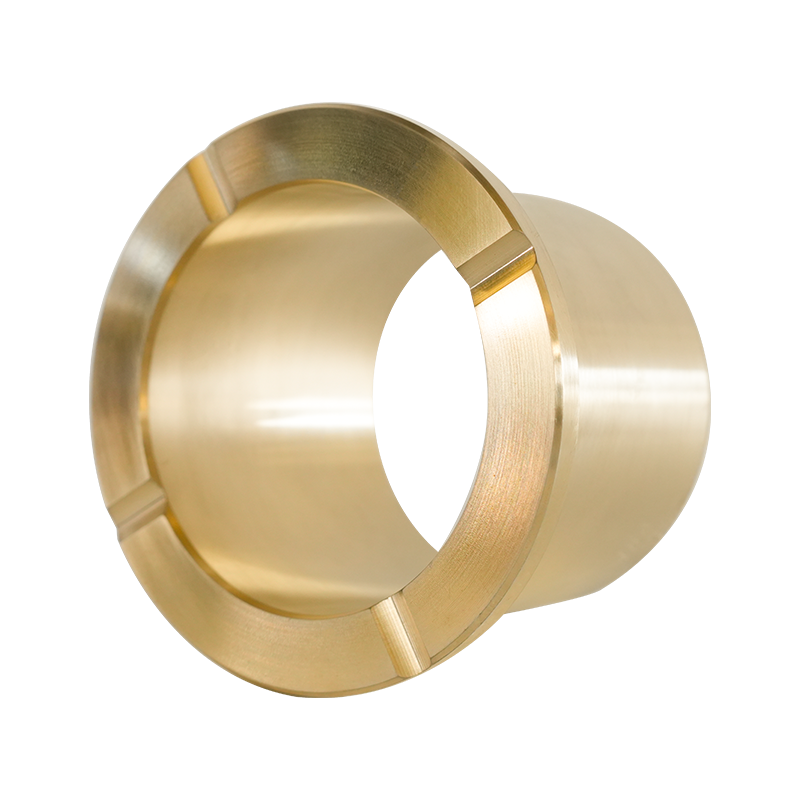
Mining Equipment Brass Bushing is specially designed for high-load and high-wear condition...
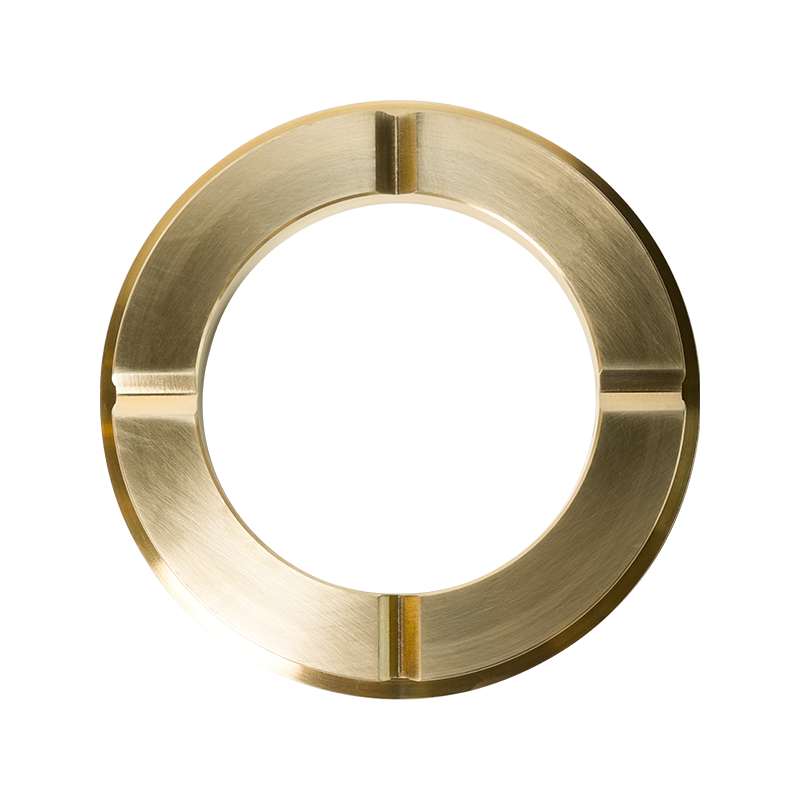
Engineering Machinery Brass Bushing is specially designed for high-load and high-wear work...
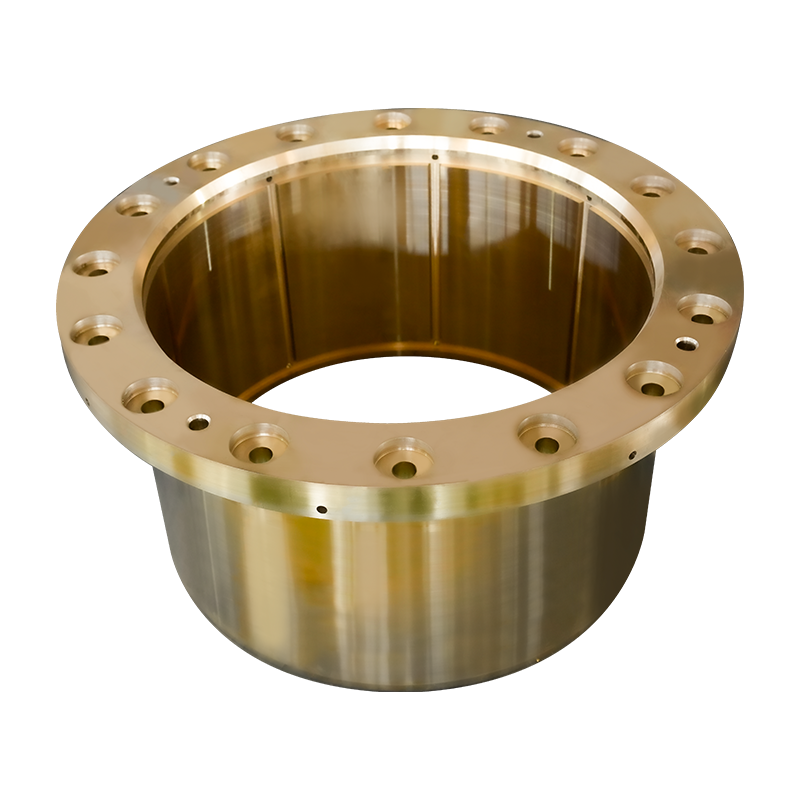
Metallurgical Equipment Brass Bushing is a high-performance brass bushing designed for wor...
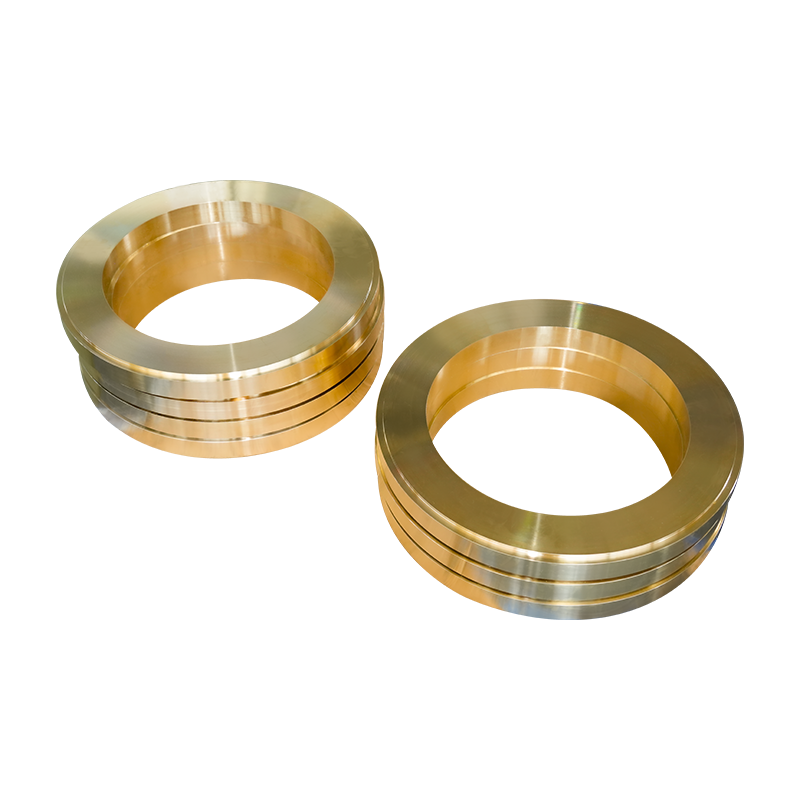
Stern Shaft Sealing Device Brass Bushing is a high-performance brass wear-resistant copper...
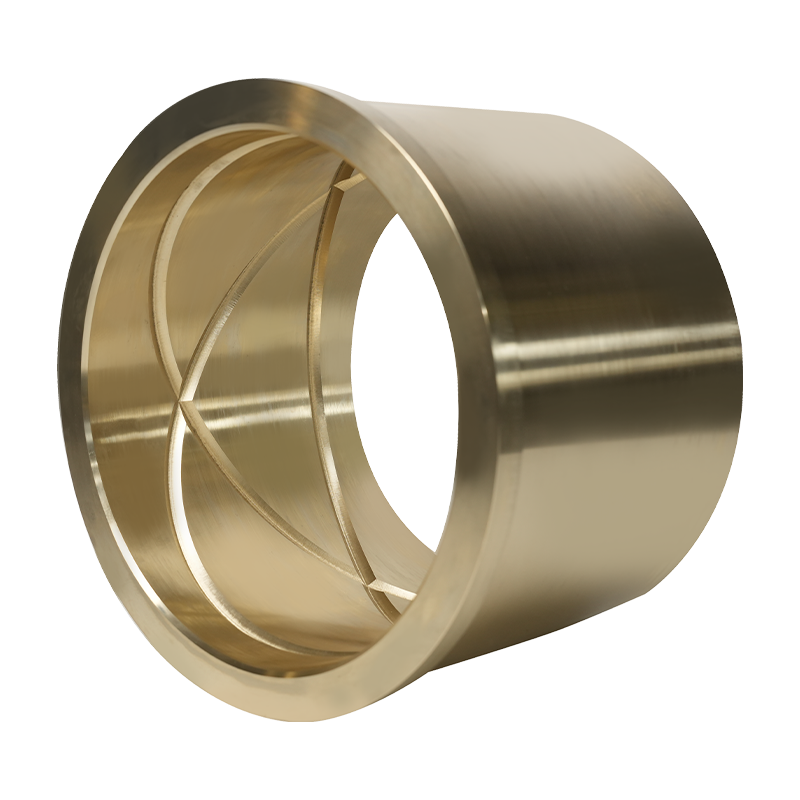
Aluminum Bronze Bushing For Rudder Transmission System is tailor-made for the Rudder trans...
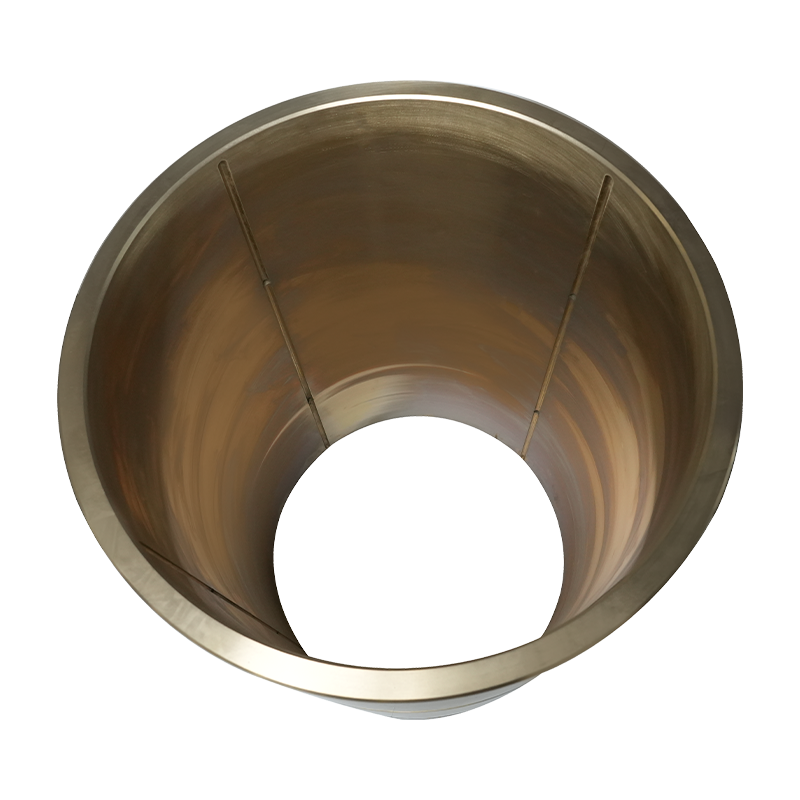
Aluminum Bronze Bushing For Ship Hydraulic Cylinders And Rudder Angle Feedback product is ...
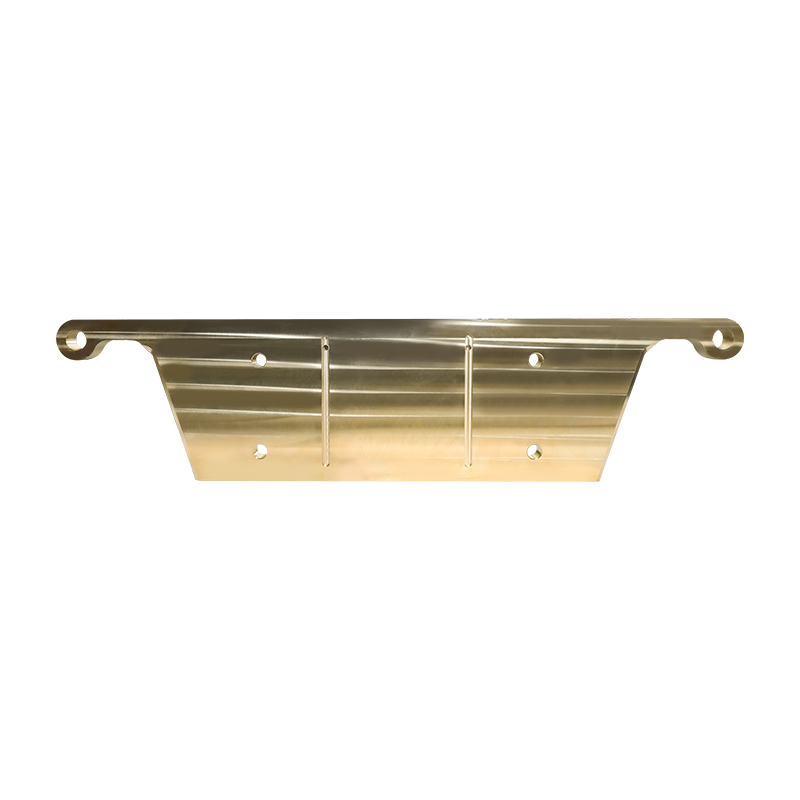
Mining Equipment Brass Plate is made of high-quality high-strength brass material, with we...
Copyright © YangZhou YiFeng Copper Products Co.,Ltd. All Rights Reserved
China copper casting manufacturers wholesale copper casting factory