


 English
 日本語
日本語 русский
 Deutsch
Tin Bronze Bushing For Mining Equipment uses high-purity copper as the base material, and ...
Home / News / Industry News / Naval Brass Explained: Grades, Properties, and Industrial Selection Guide

Ship Propulsion And Sealing Device
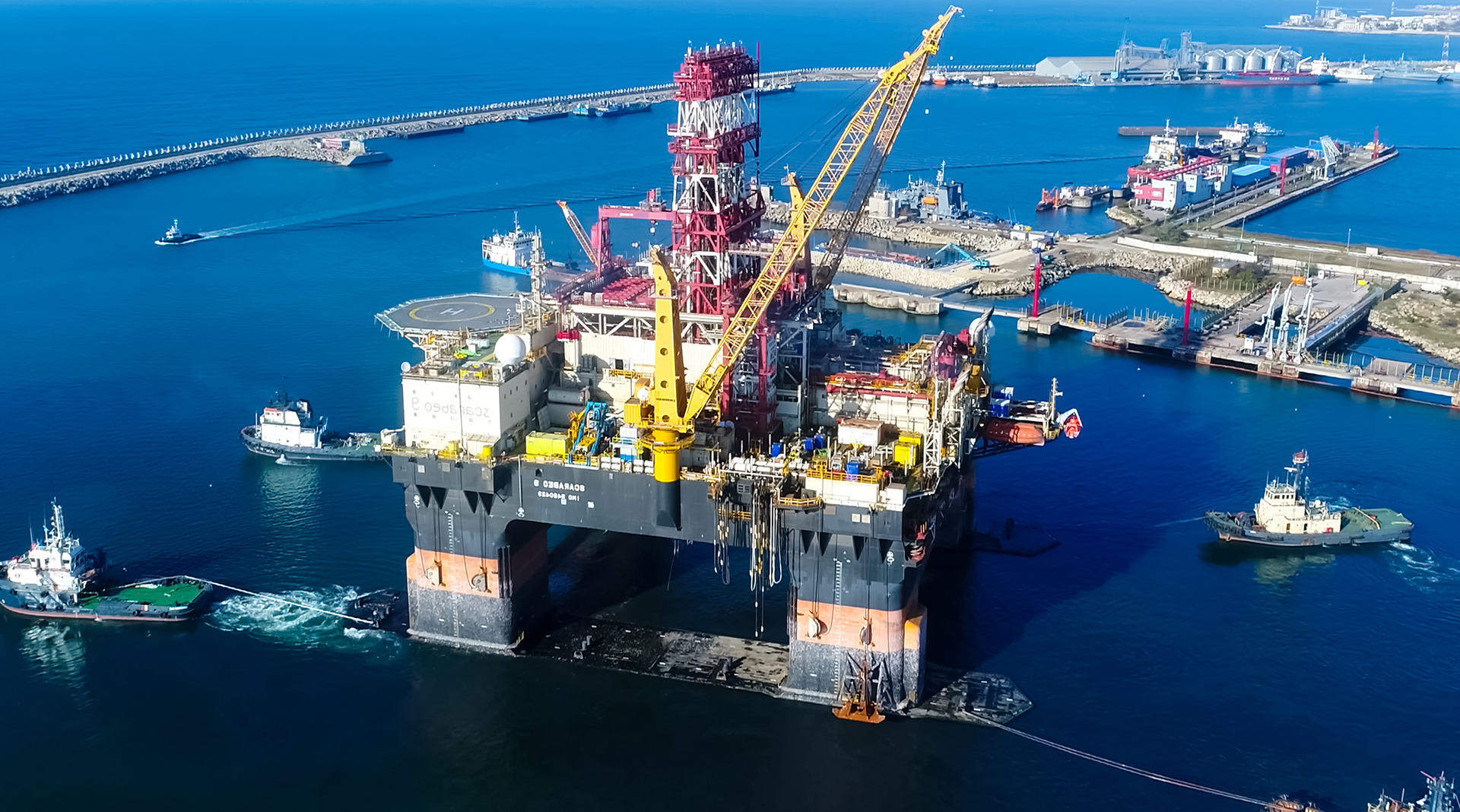
Ocean drilling and ship lock lifting equipment
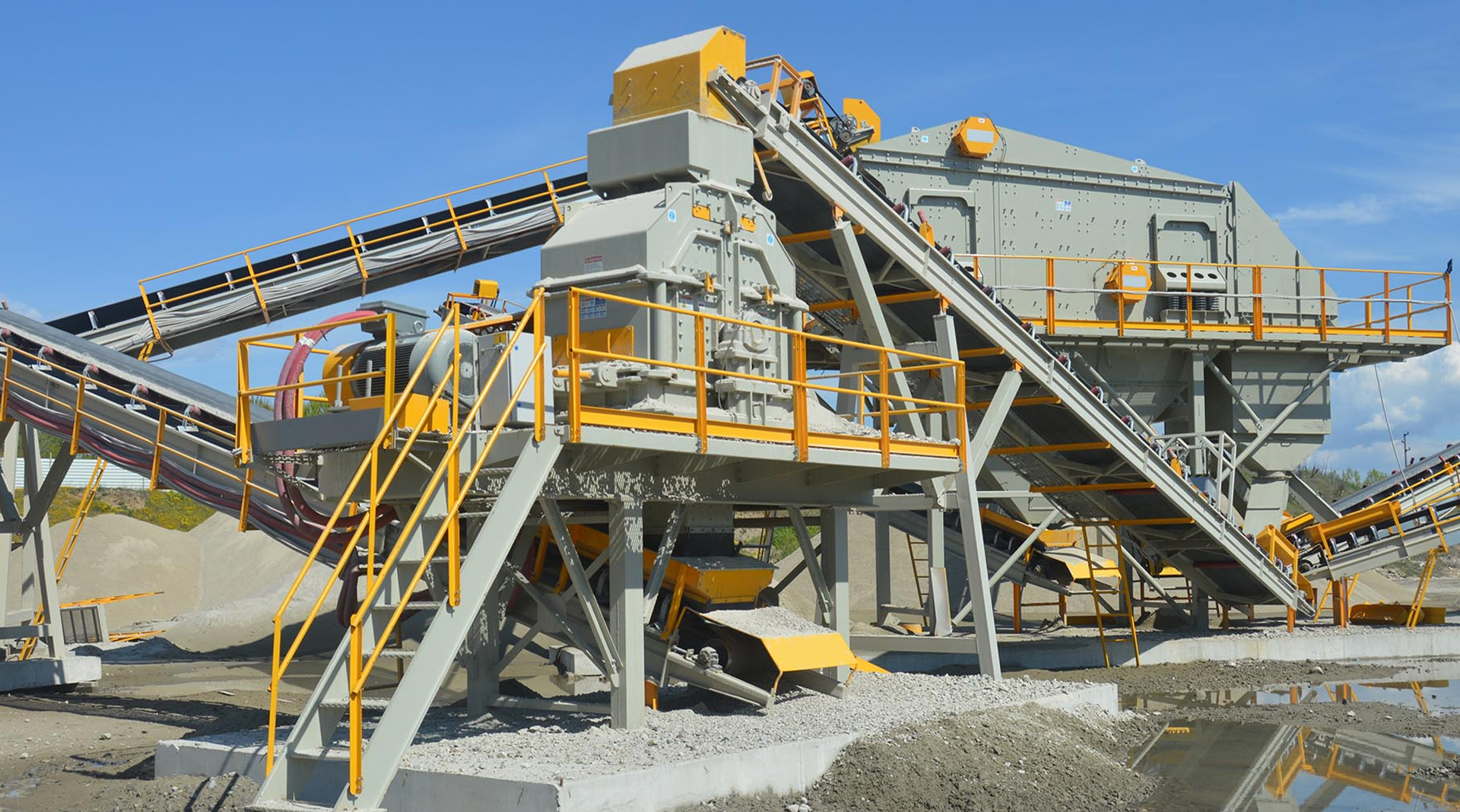
Mining equipment
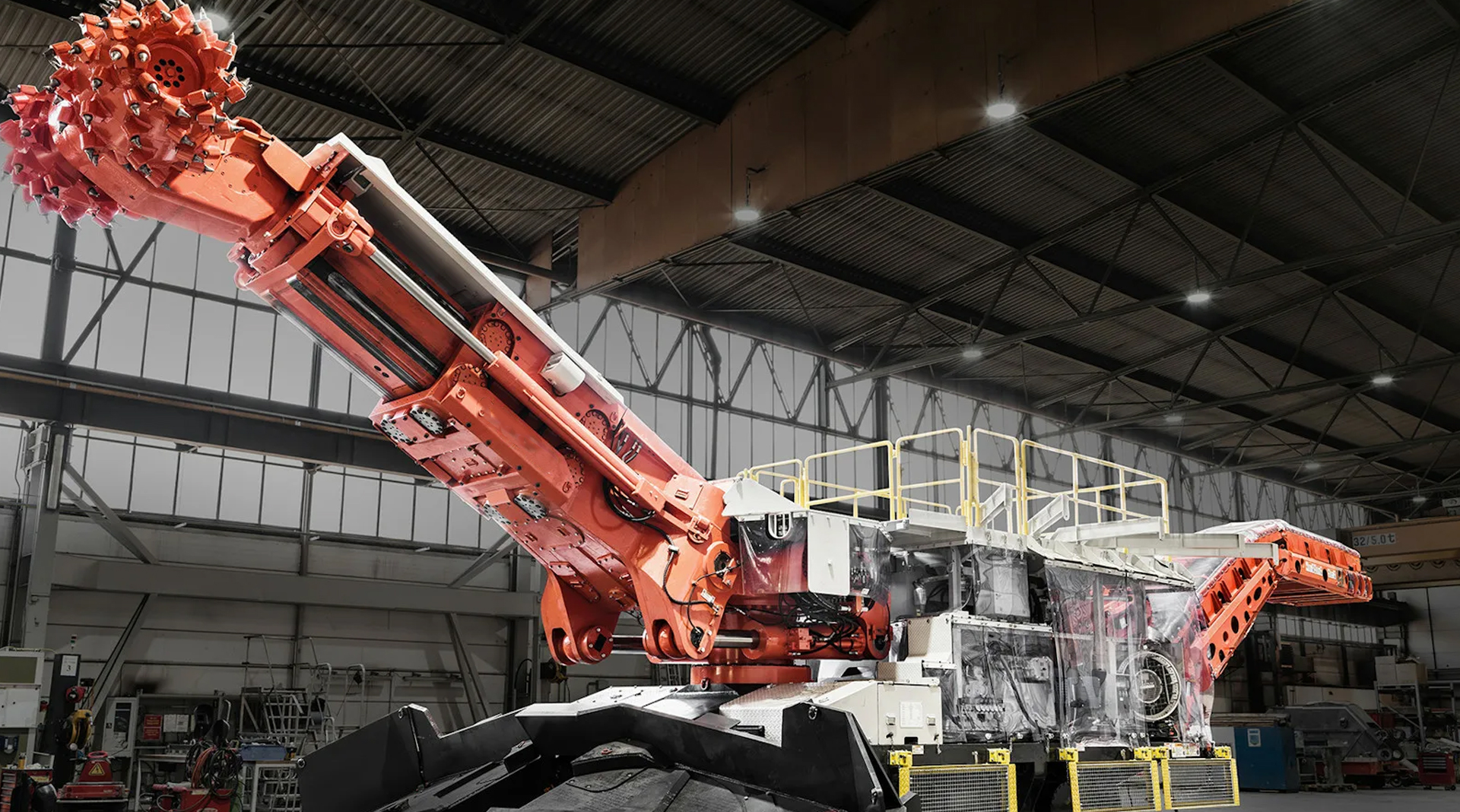
Construction machinery
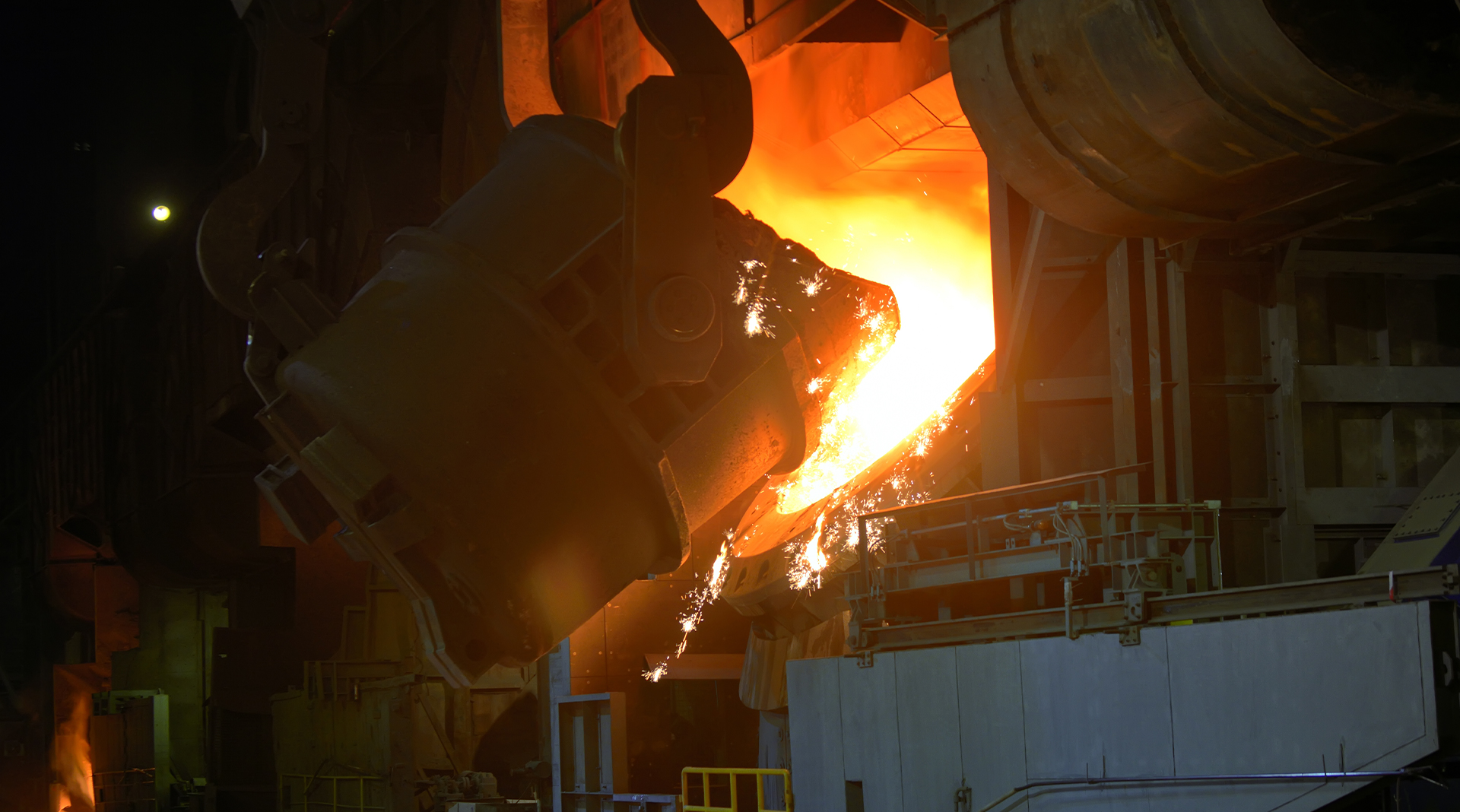
Oil and gas, metallurgical equipment
Content
A drawing arrives at a purchasing desk with one line in the material block: Naval brass, UNS C46400, temper H02. The part is a rudder carrier bushing on a 12,000 dwt coastal tanker, and the wording was copied from an earlier project. Before the purchase order goes out, somebody has to answer a practical question: will that single line give the yard a bushing that survives until the next dry-docking, or will it return as a warranty claim two years into service?
The short answer is that naval brass is the right family of material for marine hardware exposed to moving seawater, but the alloy name on its own is not a specification. Four variables decide how the finished part behaves: tin content, temper, lead level, and the way the shape was formed. Control all four and naval brass is one of the most forgiving copper alloys in a shipyard. Leave any of them loose and the failure shows up in the place that is hardest to inspect.
Naval brass belongs to the alpha-beta family of copper-zinc alloys, so its microstructure contains both a soft copper-rich alpha phase and a harder beta phase. Its defining feature is a deliberate tin addition of roughly 0.5 to 1.0 percent on top of a 60/40 copper-zinc base. The tin does not merely sit in the structure; it changes the behaviour of the protective surface film, which is why the alloy tolerates seawater far better than ordinary 60/40 brass of similar strength.
| Element | UNS C46400 | UNS C46500 |
|---|---|---|
| Copper (Cu) | 59.0 - 62.0 | 59.0 - 62.0 |
| Tin (Sn) | 0.50 - 1.00 | 0.50 - 1.00 |
| Lead (Pb) | 0.20 | 0.20 |
| Iron (Fe) | 0.10 | 0.10 |
| Arsenic (As) | - | 0.02 - 0.06 |
| Zinc (Zn) | Remainder | Remainder |
Wrought bar, plate, and tube are normally supplied to C46400 or to the arsenic-bearing C46500, which offers extra resistance to dezincification. Cast versions with similar chemistry are covered by other designations and should be specified and verified separately rather than assumed to match the wrought grade on the drawing.
The most common field failure of brass in seawater is not a crack or a wear scar. It is dezincification. Zinc is leached out of the alloy, leaving a spongy, copper-coloured layer with almost no load-bearing capacity. It progresses fastest in stagnant water, in polluted harbours, and wherever the surface stays covered by deposits for long periods. Tin raises resistance to this attack, and the arsenic addition in C46500 raises it further.
That claim can be tested rather than trusted. ISO 6509 exposes a polished specimen to a copper chloride solution for 24 hours and then measures the depth of the dezincified layer under a microscope. Marine specifications frequently cap that depth at 100 to 200 micrometres, and a mill certificate quoting the measured value is far more useful than a general statement that the alloy is seawater resistant.
Temperature and flow matter as much as chemistry. Every additional 10 degrees Celsius above ambient noticeably accelerates the reaction, which is why a bushing that stays cool and washed by moving water outlasts an identical part sitting in a warm, slow-moving line. Moving seawater keeps the surface clean and oxygenated; a dead leg lets chlorides concentrate under deposits and starts the process that ends with a pink, porous bore.
Three copper-zinc alloys appear on the same drawings and are routinely substituted for one another. The differences are large enough to change a maintenance interval.
| Alloy | UNS | Nominal composition | Tensile strength | Typical marine duty |
|---|---|---|---|---|
| Naval brass | C46400 / C46500 | CuZn39Sn1 | 380 - 550 MPa | Bushings, wear rings, shaft sleeves, valve trim |
| Muntz metal | C28000 | CuZn40, no tin | 370 - 460 MPa | Hull sheathing, large plate, non-critical fittings |
| Admiralty brass | C44300 / C44400 | CuZn28Sn1 with inhibitor | 340 - 470 MPa | Condenser and heat exchanger tubes |
Muntz metal is the dangerous substitution because it looks similar, machines easily, and costs less. It performs acceptably on a hull where water is constantly renewed, but in a bearing housing or a sealing pocket with restricted flow it dezincifies. The field tell is a pink, coppery surface after a few years of service; the laboratory tell is a portable X-ray fluorescence reading with no tin peak at all. Admiralty brass, by contrast, is a tube alloy: more ductile and lower in strength, and a poor choice for a load-carrying bearing.
It is easy to over-apply a good alloy. Naval brass is not the right choice when any of the following applies:
For heavily loaded, slow-moving duty such as steering gear and propulsion shaft bearings, the better answer is usually a tin bronze or an aluminium bronze rather than a naval brass. Ship propulsion system bushings, for instance, are commonly specified in tin bronze precisely because the combination of steady load and marginal lubrication punishes a beta-phase brass.
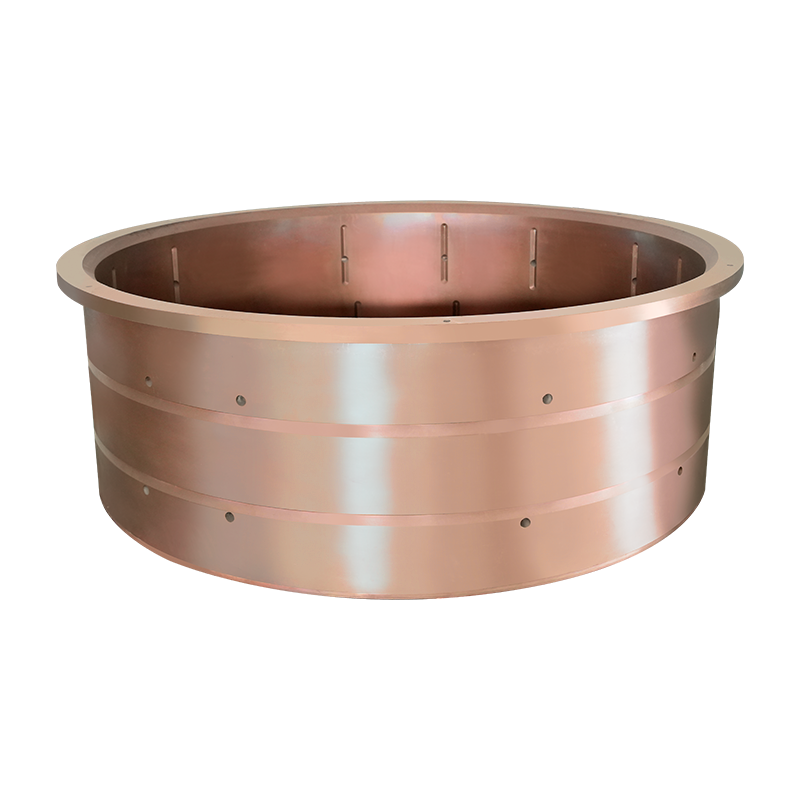 Tin Bronze Bushing for Ship Propulsion SystemsPrecision-cast tin bronze bushing for propulsion shafting, rudder systems, and propellers, offering seawater corrosion resistance, wear resistance, and self-lubrication in high-load, low-speed marine conditions.View Product →
Naval brass earns its cost where the section is thin, the load is steady, and the environment never dries out. Typical applications on a commercial vessel include:
Dimensions deserve as much attention as chemistry. A bushing wall that is too thin will ovalise under load and lose its clearance; a common starting point is a wall thickness of roughly one tenth of the bore diameter, then verified against the housing stiffness. Diametral running clearance for a bronze bushing on a steel shaft usually falls near 0.1 to 0.2 percent of shaft diameter, and the bushing should always be softer than the journal it runs against. Where a stainless shaft is involved, that hardness gap is easy to lose and worth confirming on the finished bore rather than on the master heat.
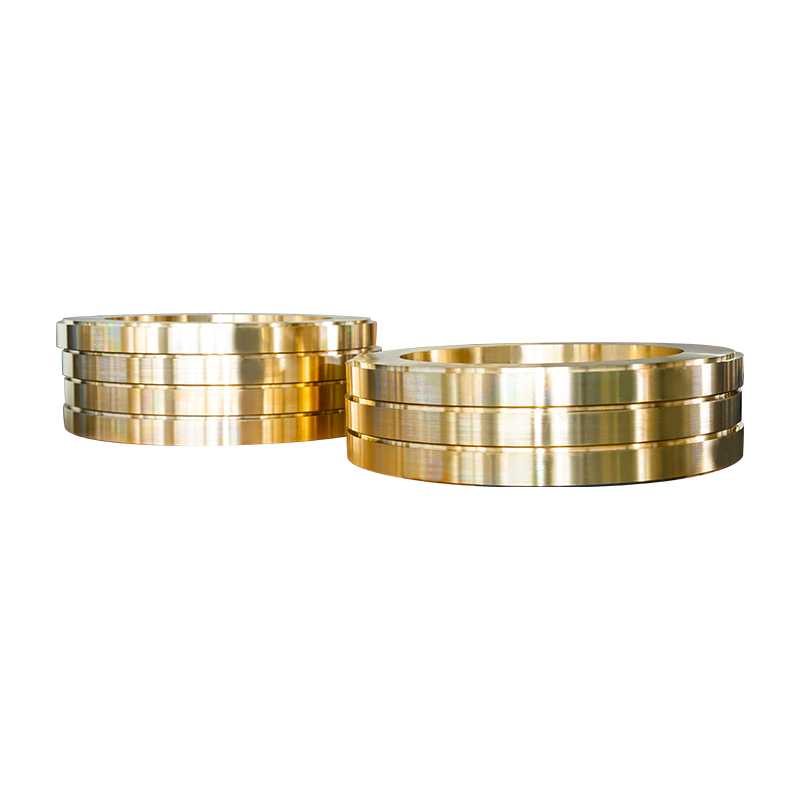 Stern Shaft Sealing Device Brass BushingPrecision-machined brass or aluminum bronze bushing for stern shaft sealing support; worth reviewing for wall thickness, clearance, seawater corrosion resistance, and optional lubrication.View Product →
Wrought bar and plate are homogeneous and predictable. Castings are cheaper near net shape but demand good risering and feeding, because tin segregates during solidification and shrinkage porosity in way of a bearing surface becomes a fatigue origin. Hot working of naval brass sits roughly between 700 and 800 degrees Celsius, with stress relief afterwards in the 300 to 400 degree range to remove the residual stresses that would otherwise distort a bore after machining.
Machining is the other cost centre. With lead capped at 0.20 percent, naval brass machines at a fraction of the speed of free-cutting brass, and shops that run it at free-cutting parameters burn tool life and generate torn threads. A leaded naval brass grade recovers most of that productivity where the corrosion demand allows it. Finishing is equally unforgiving on ring-shaped parts: flatness of a sealing face and concentricity of a bore are the two features that decide whether a seal weeps in service.
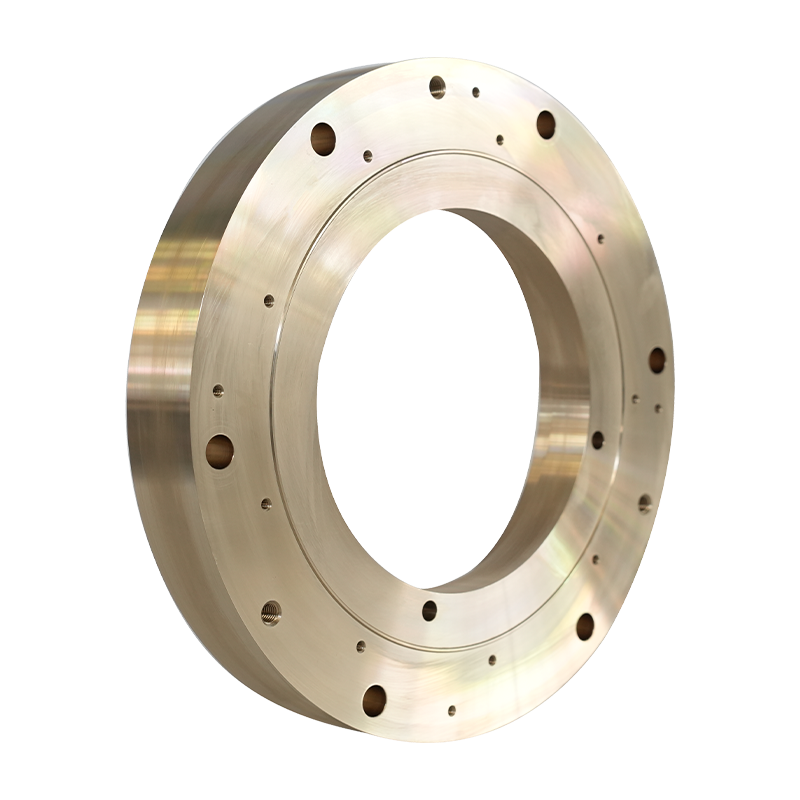 Marine Copper Alloy Sealing Ring for Ship PropulsionHigh-strength copper alloy sealing ring for stern shaft and stern tube protection; precision fit and customizable dimensions help prevent seawater ingress and lubricating oil leakage.View Product →
Most disputes over naval brass parts trace back to documentation rather than to the alloy itself. A short checklist closes the gap:
A copper alloy parts supplier used to marine programmes will normally provide these as a matter of routine, and a supplier that treats them as unusual requests is telling you something about how the parts were made. Buyers who compare only price per kilogram tend to pay the difference later, in dry-dock labour.
Naval brass has been on ships for more than a century because it solves a specific problem well: a tin-bearing, alpha-beta brass that resists dezincification in moving seawater while remaining strong enough for bushings, wear rings, and sealing components. It is not a universal marine metal, and it is not self-specifying.
The reliable route is to fix the chemistry with a measured tin range, choose the temper against the actual load and clearance, prove dezincification resistance with a test rather than a datasheet claim, and match the forming route to the wall thickness and quantity required. Do that, and the single line on the drawing turns into a part that is still doing its job when the vessel comes back for survey.
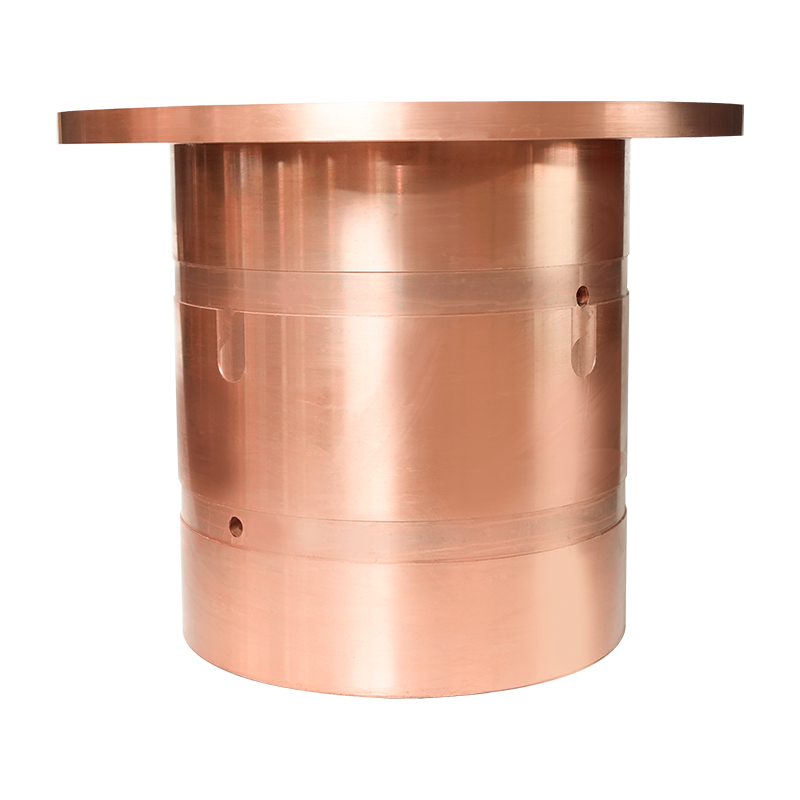
Tin Bronze Bushing For Mining Equipment uses high-purity copper as the base material, and ...
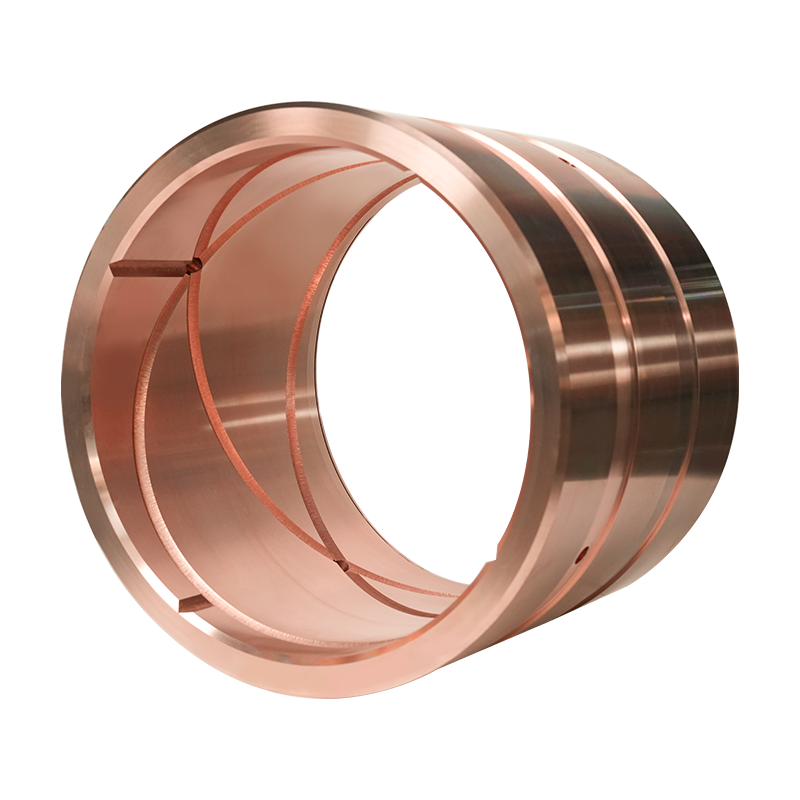
Tin Bronze Bushing For Engineering Machinery is made of high-quality high-purity copper su...
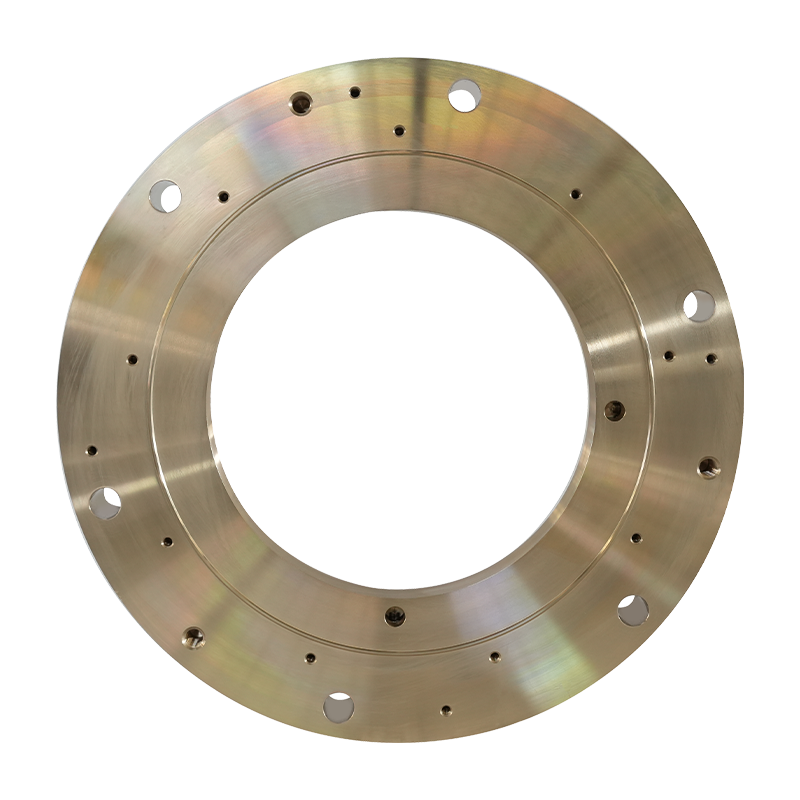
Marine Copper Alloy Sealing Ring Marine Sealing Ring is a key sealing component in the shi...
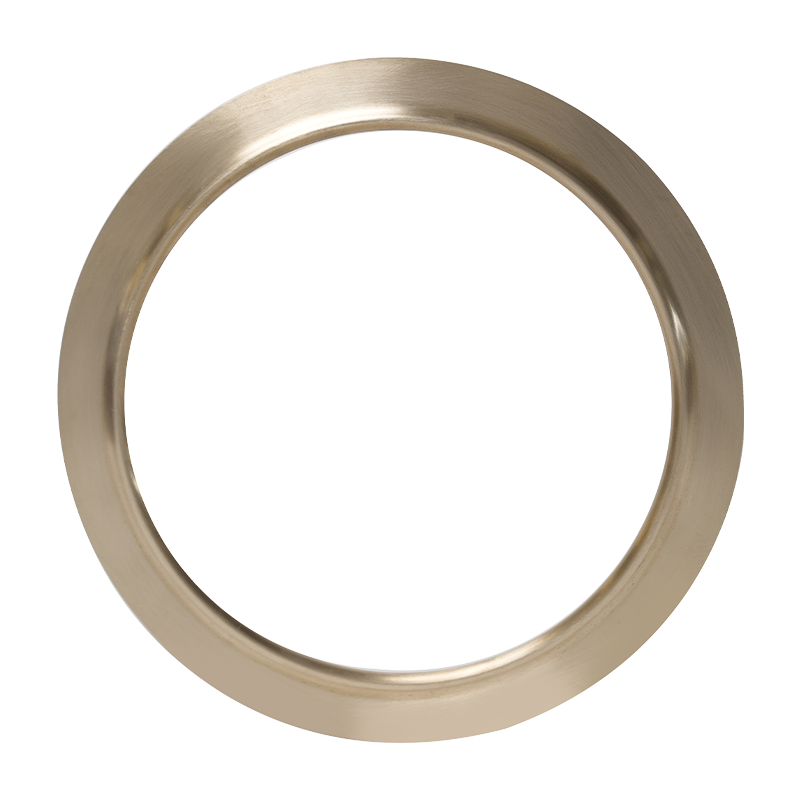
Propulsion Device Seal Marine Copper Alloy Sealing Ring is made of high-quality copper all...
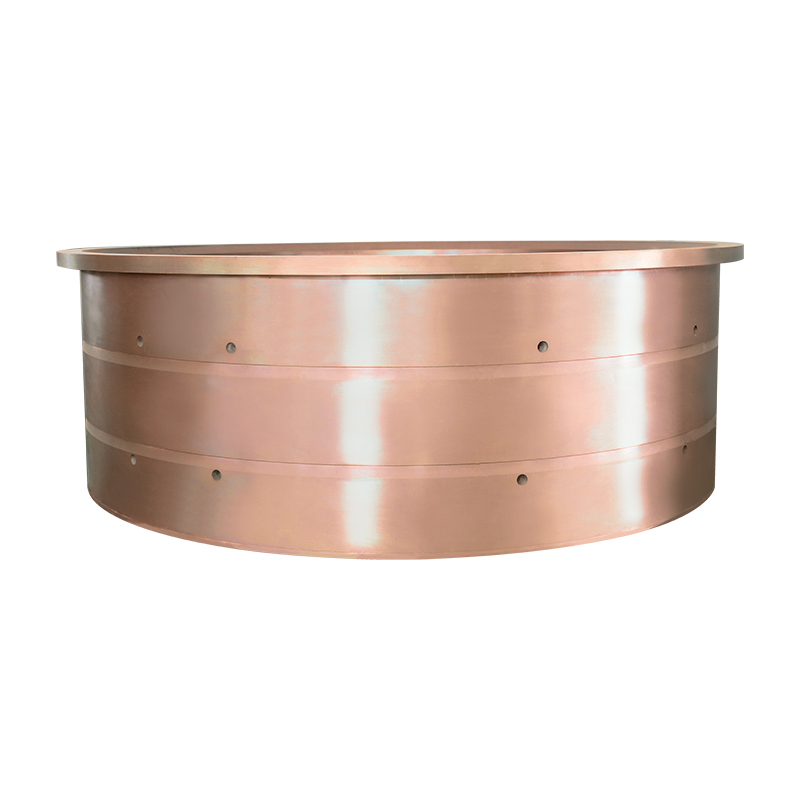
Anchor Winch Bearing And Tin Bronze Bushing is designed for heavy-load, high-speed, and hi...
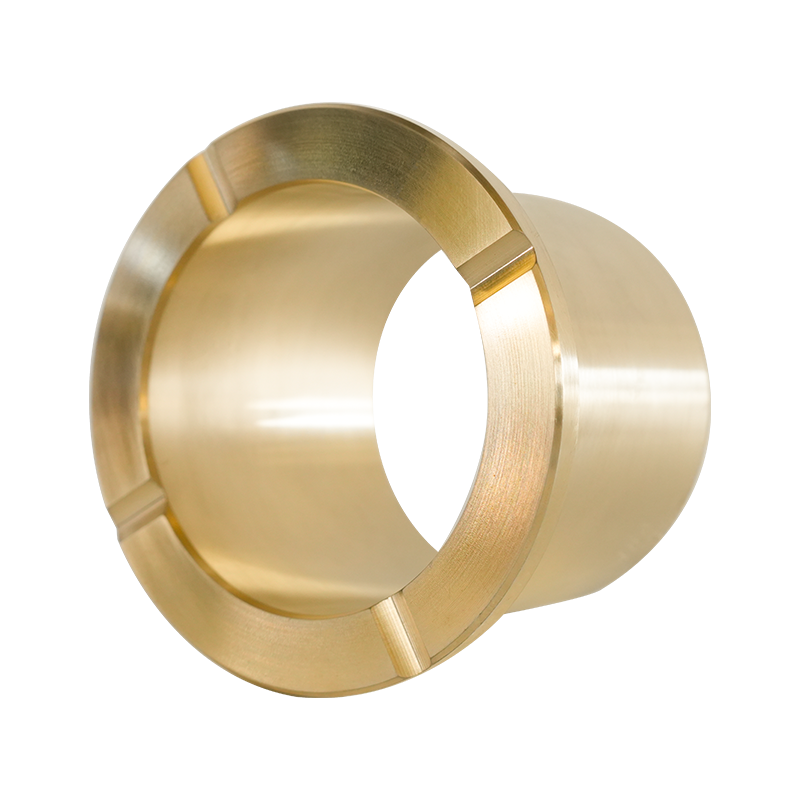
Mining Equipment Brass Bushing is specially designed for high-load and high-wear condition...
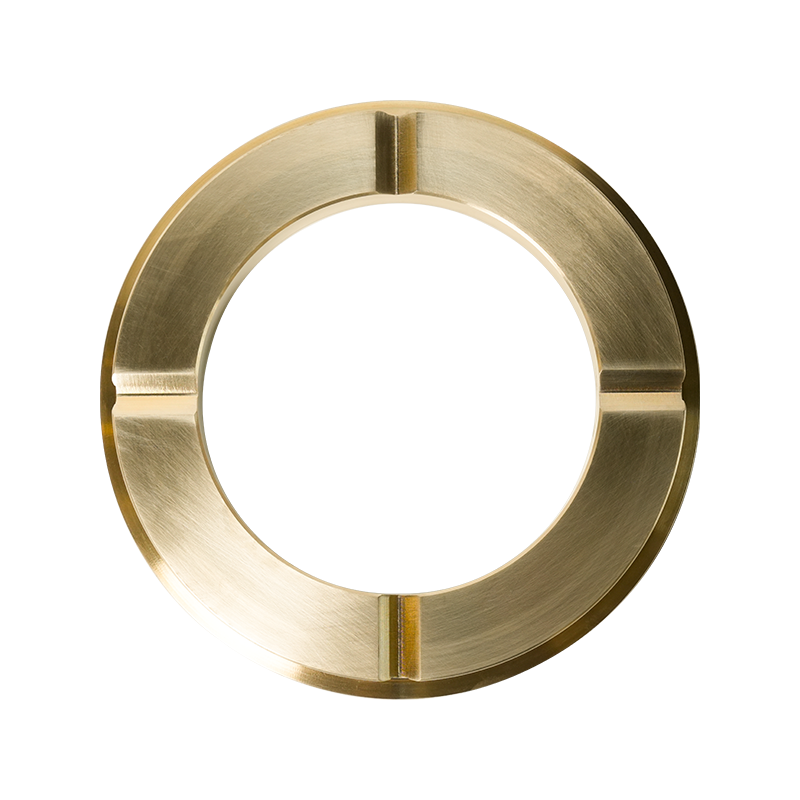
Engineering Machinery Brass Bushing is specially designed for high-load and high-wear work...
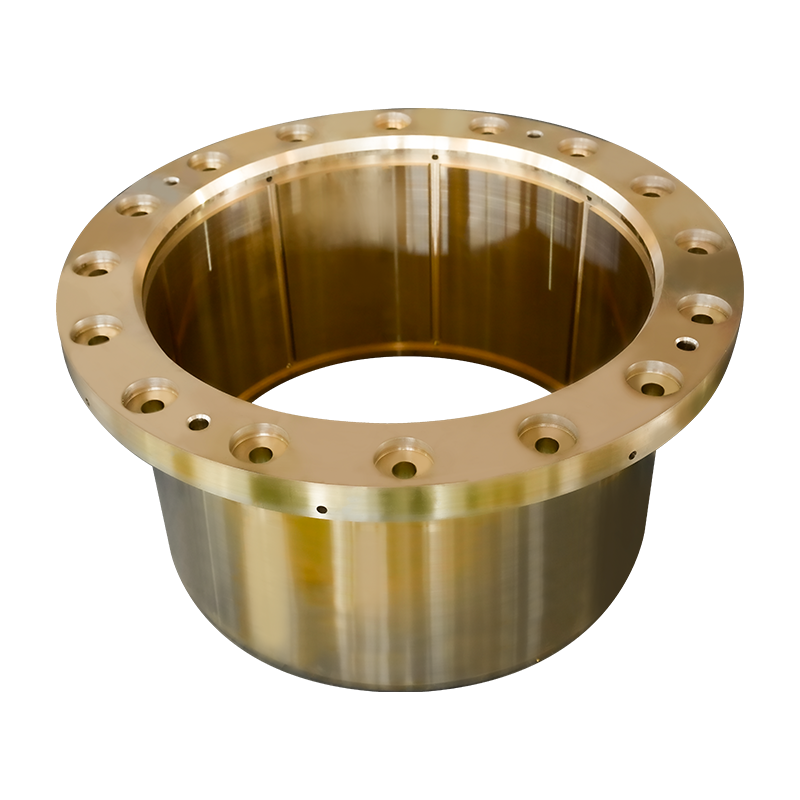
Metallurgical Equipment Brass Bushing is a high-performance brass bushing designed for wor...
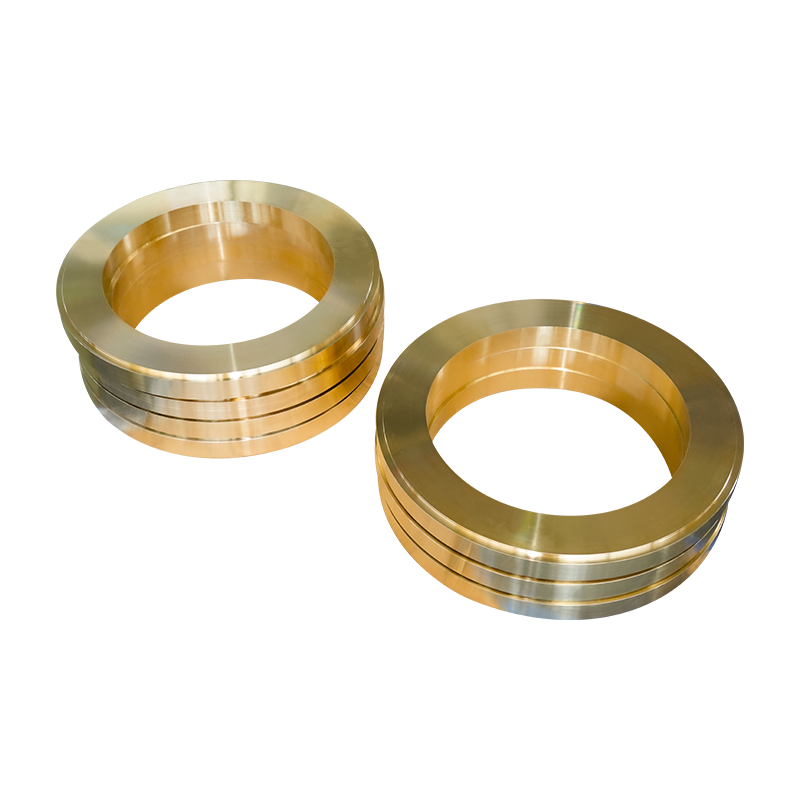
Stern Shaft Sealing Device Brass Bushing is a high-performance brass wear-resistant copper...
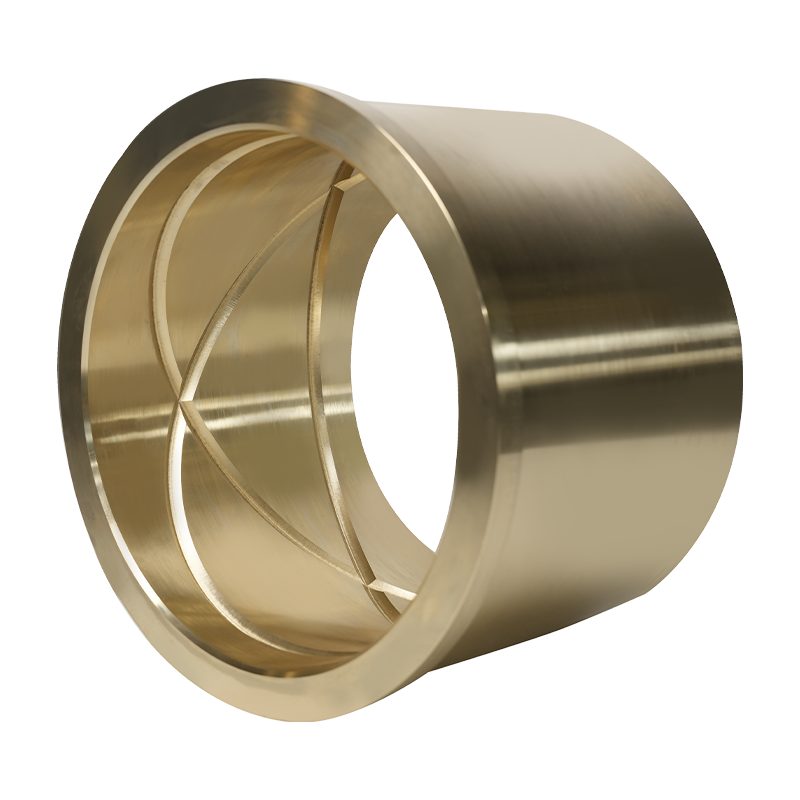
Aluminum Bronze Bushing For Rudder Transmission System is tailor-made for the Rudder trans...
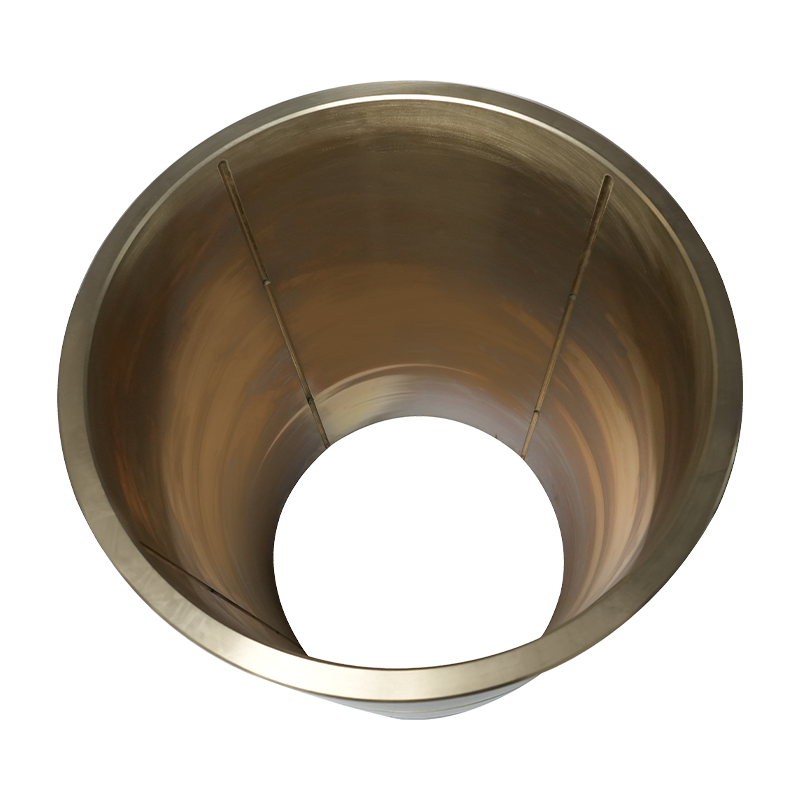
Aluminum Bronze Bushing For Ship Hydraulic Cylinders And Rudder Angle Feedback product is ...
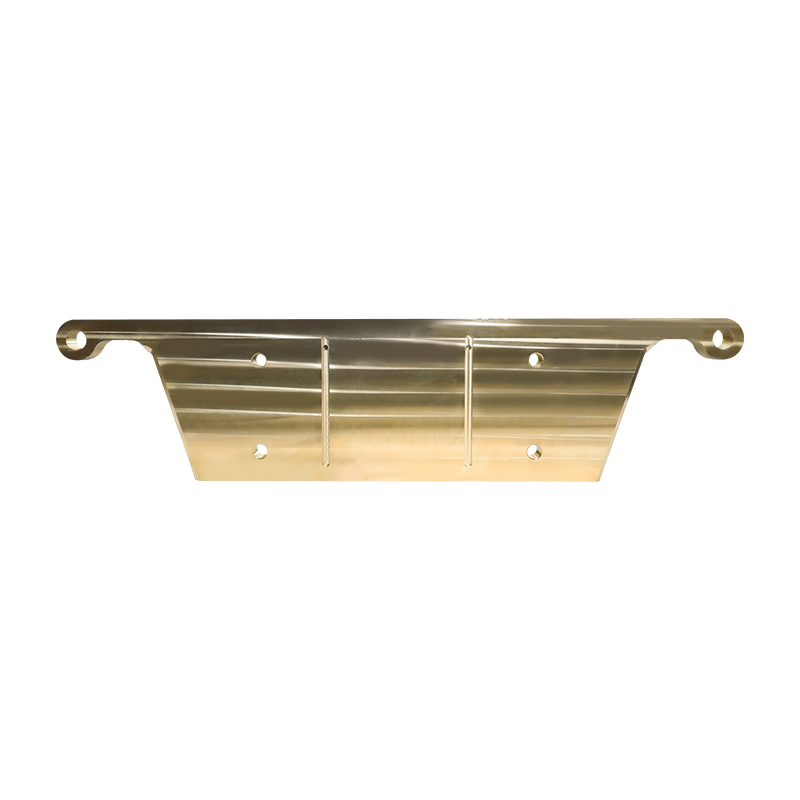
Mining Equipment Brass Plate is made of high-quality high-strength brass material, with we...
Copyright © YangZhou YiFeng Copper Products Co.,Ltd. All Rights Reserved
China copper casting manufacturers wholesale copper casting factory