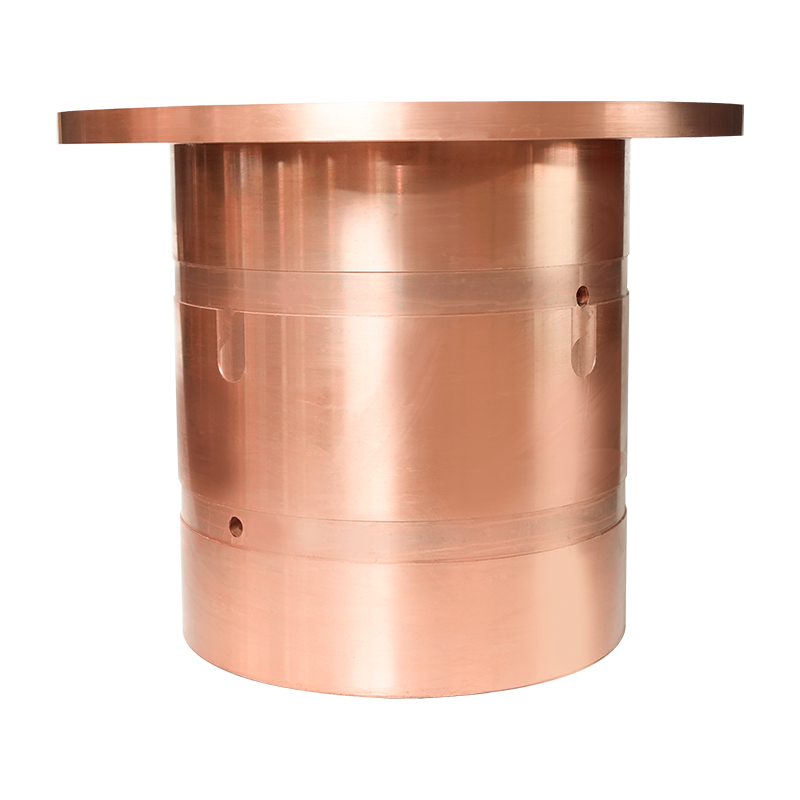
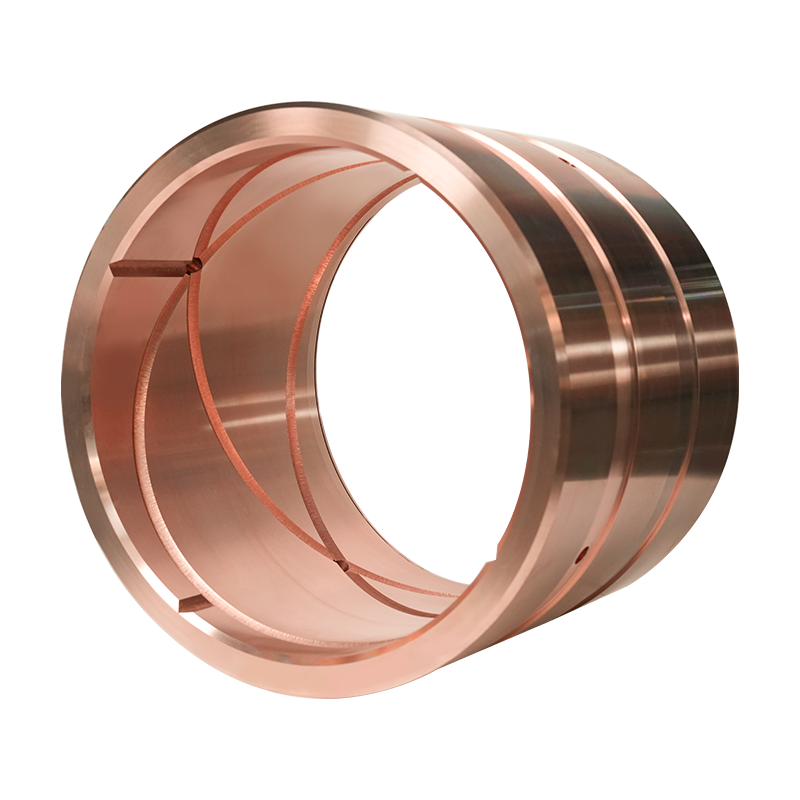
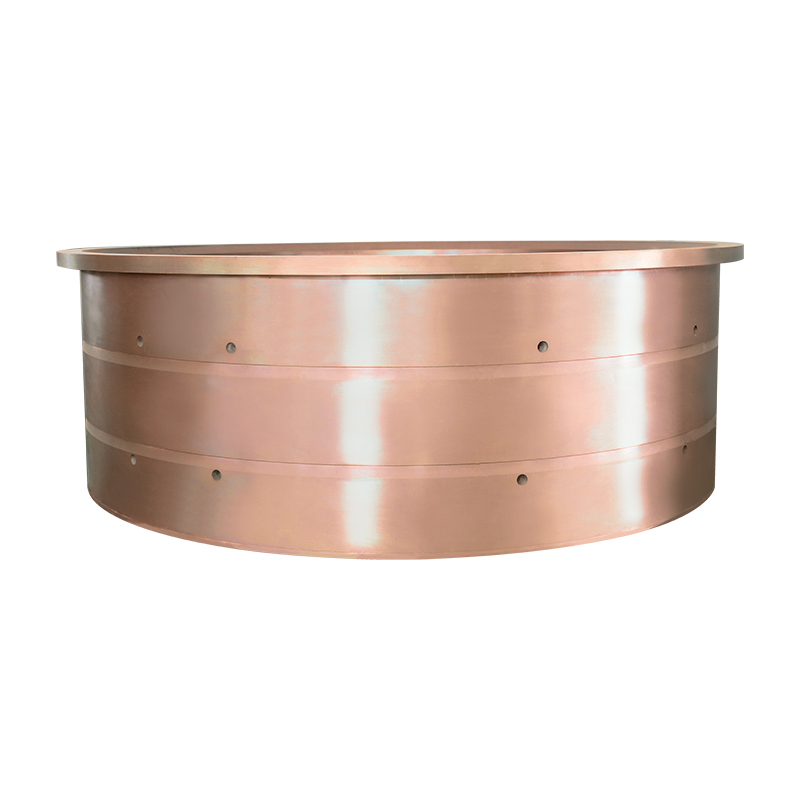
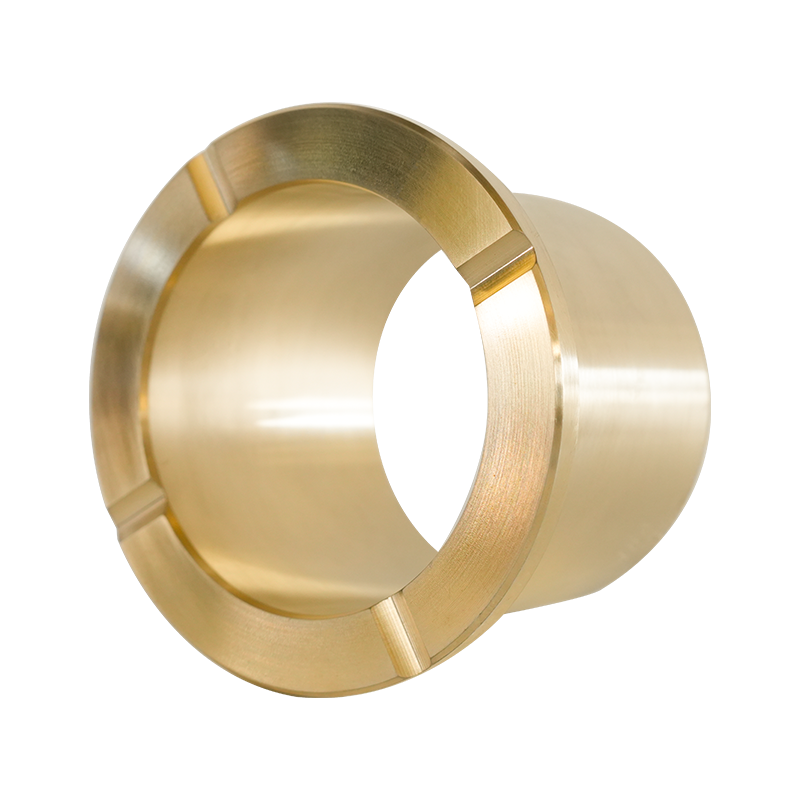
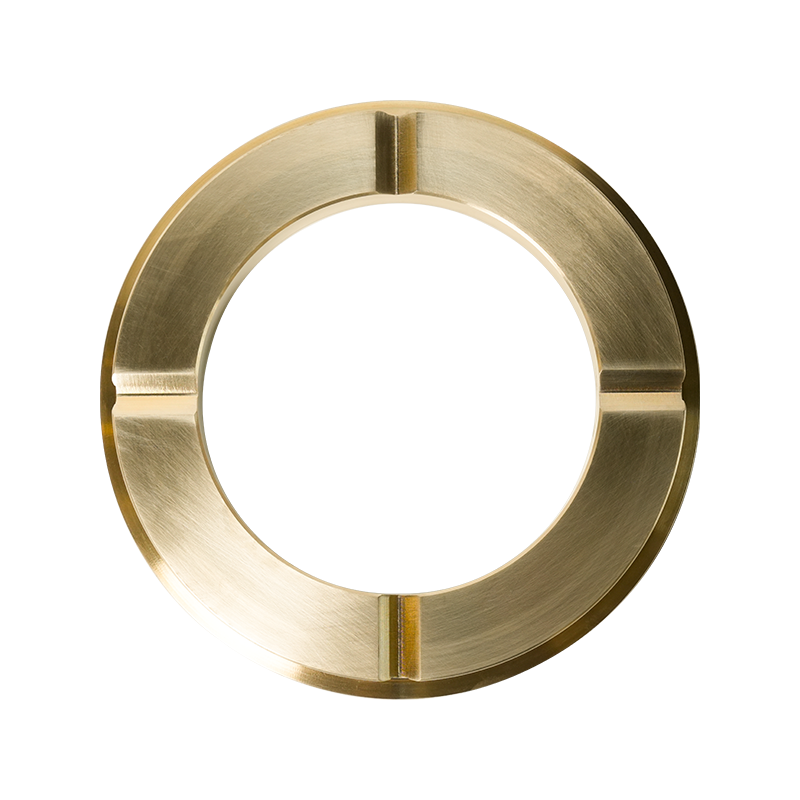
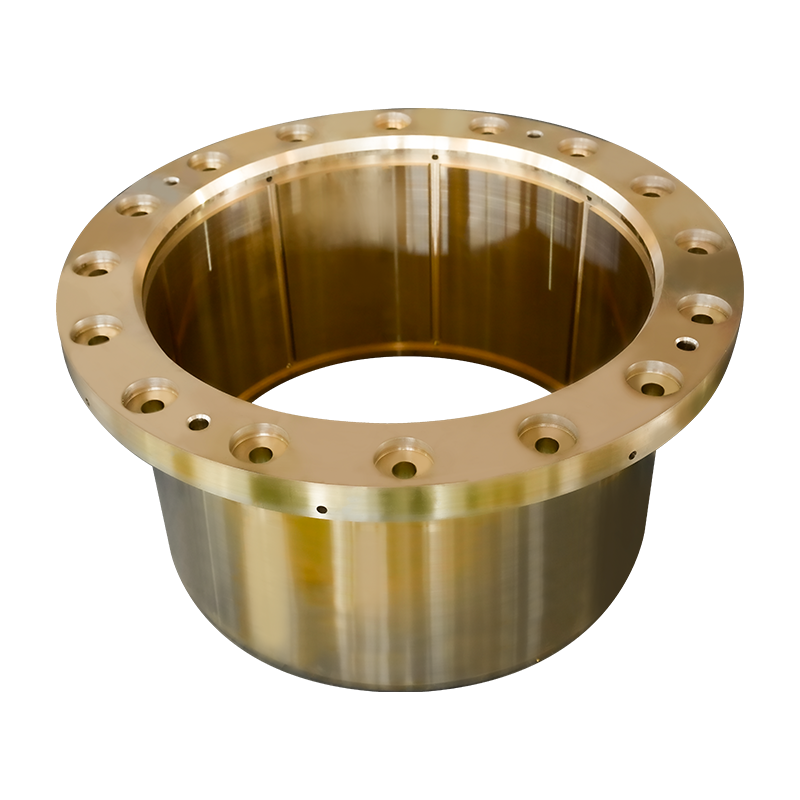
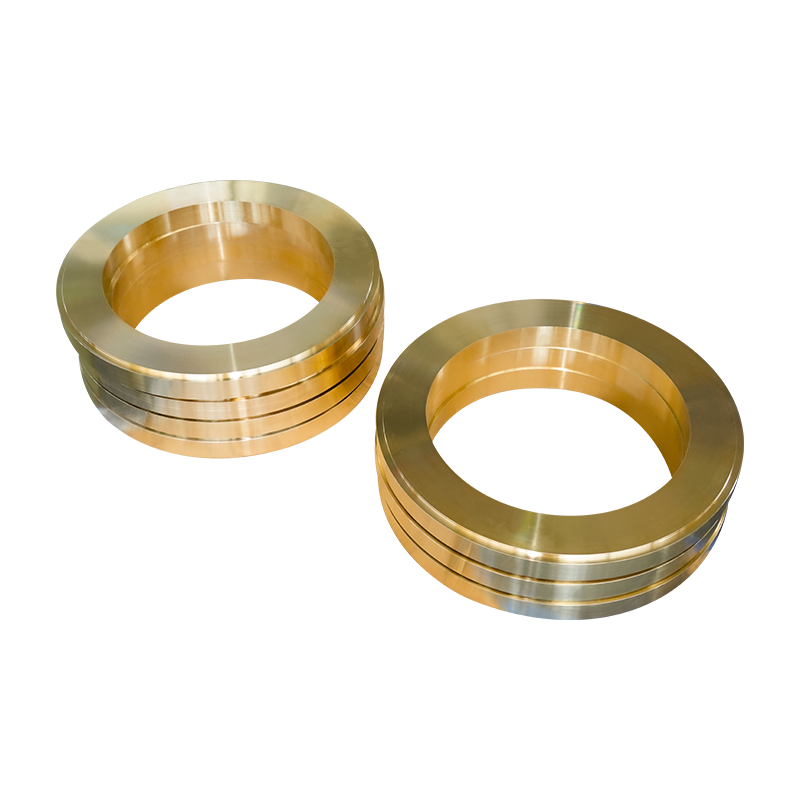
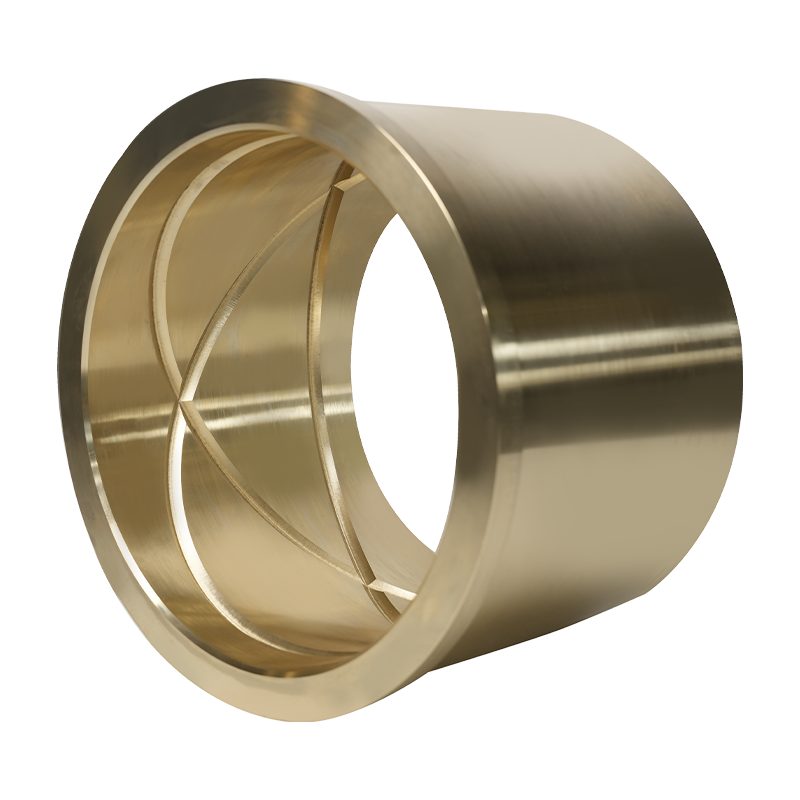
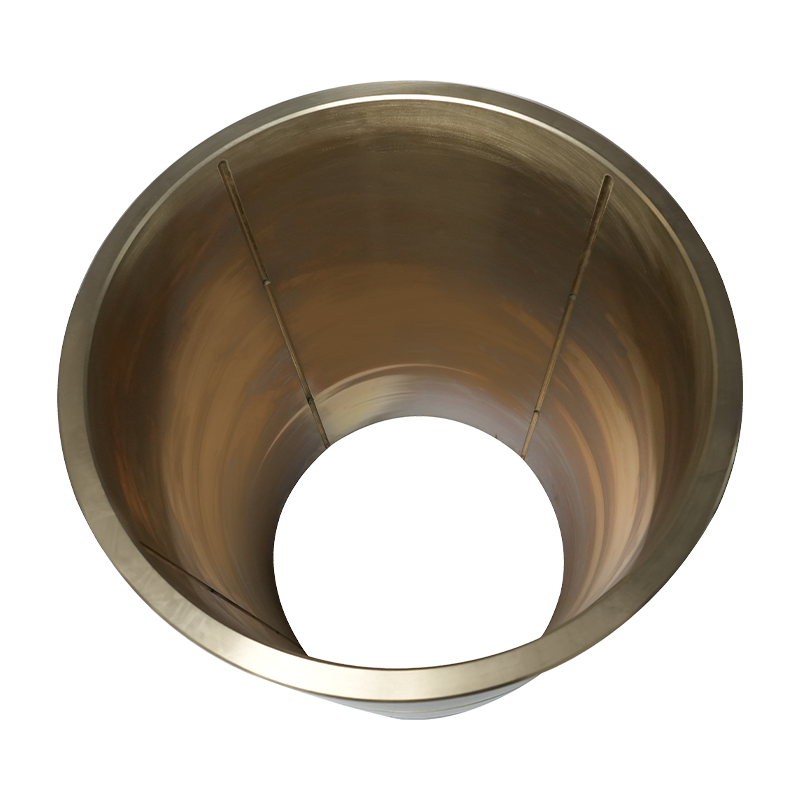
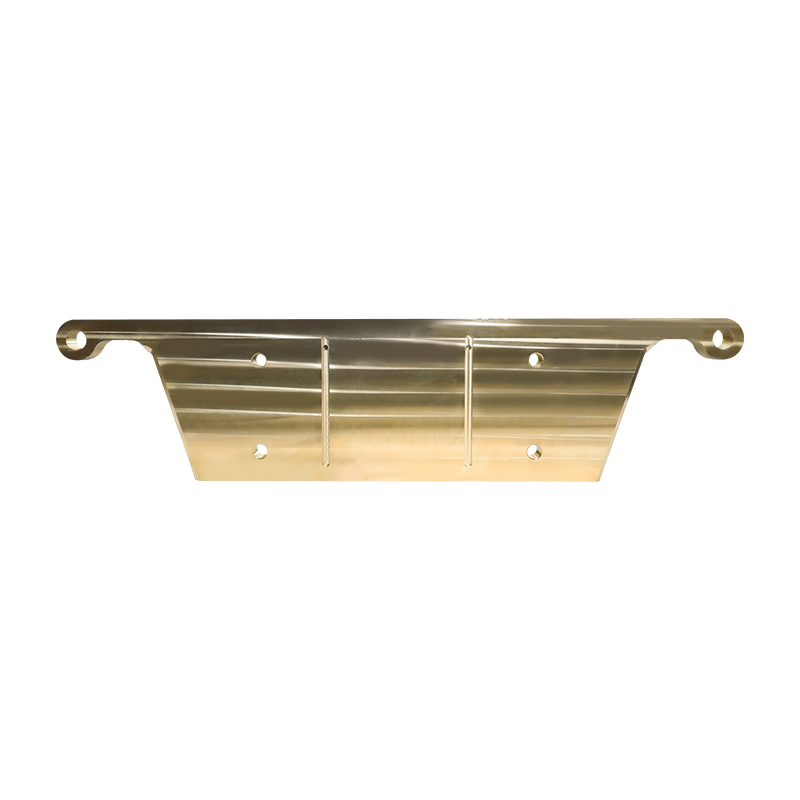
The primary function of a copper bush is to reduce friction and wear between moving parts while providing load-bearing support and precise alignment. Unlike rolling-element bearings, copper bushes (often made from bronze or copper alloys) operate as plain bearings, where a shaft slides directly against the bush's inner surface. For example, in an automotive suspension system, a single copper bush can handle radial loads up to 300 N/mm² and last over 50,000 km with proper lubrication. Their self-lubricating variants (e.g., sintered bronze) can operate for 1,000+ hours without external oiling.
The Five Critical Functions of Copper Bushes in Machinery
Copper bushes serve multiple engineering purposes. Below is a breakdown of their five most vital roles, supported by typical performance data.
1. Load Support & Stress Distribution
Copper bushes spread applied forces over a larger surface area, preventing shaft indentation or housing damage. A standard C93200 (SAE 660) bronze bush can support compressive loads of 35,000 psi (241 MPa) continuously. For instance, hydraulic cylinder pivots use copper bushes to handle peak forces of 15 tons without plastic deformation.
2. Friction Reduction & Anti-Seizure Protection
The embedded graphite or oil pores in self-lubricating copper bushes lower the coefficient of friction to 0.05–0.10 under boundary lubrication—significantly lower than steel-on-steel (0.58). This prevents galling or seizure. In gearbox applications, this friction reduction improves energy efficiency by 8-12% compared to unlubricated steel bushes.
3. Precise Shaft Alignment & Vibration Damping
Copper bushes maintain concentricity between shafts and housings with clearances as tight as 0.025–0.075 mm. Additionally, the material's natural damping capacity (about 10-15% of critical damping) absorbs micro-vibrations. For example, in electric motor mounts, copper bushes reduce noise by 3-5 dB(A) compared to rigid steel bushings.
4. Corrosion & Wear Resistance
Copper alloys naturally form a protective patina. A copper bush made of C95400 aluminum bronze resists saltwater corrosion at rates below 0.05 mm/year. In abrasive environments (e.g., agricultural machinery), hardened copper bushes show wear rates of only 0.003 mm per 100 hours of operation, extending component life by 3-5x over standard steel.
5. Thermal Conductivity & Heat Dissipation
Copper bushes conduct heat 4-5 times better than stainless steel (approx. 60-120 W/m·K vs. 15 W/m·K). This property prevents hot spots in high-speed applications. For example, a copper bush in a conveyor roller running at 1,500 RPM keeps the shaft temperature below 85°C even under continuous load, whereas a steel bush would exceed 140°C.
Copper Bush vs. Other Bushing Materials: A Data Comparison
Choosing the right bushing material directly impacts maintenance cycles and downtime. The table below contrasts copper bushes with three common alternatives.
Table 1: Performance comparison of copper bush vs. other plain bearing materials under standard conditions (load: 50 N/mm², speed: 1 m/s, dry running)
| Property |
Copper Bush (C93200) |
Steel Bush (1045) |
PTFE Liner |
Nylon 6/6 |
| Max Load (psi) |
4,000 |
6,000 |
1,500 |
1,000 |
| Friction Coefficient (lubricated) |
0.08 |
0.58 |
0.04 |
0.20 |
| Max Operating Temp (°C) |
260 |
300 |
120 |
90 |
| Wear Rate (mm/1000h) |
0.03 |
0.12 |
0.05 |
0.22 |
| Relative Cost (1 = lowest) |
3 |
1 |
4 |
2 |
As shown, copper bushes offer the best balance of load capacity, temperature resistance, and wear life for most industrial applications, despite being more expensive than plain steel.
FAQ About Copper Bushes: Practical Answers
Based on real engineering queries, here are the most frequently asked questions regarding copper bush selection, maintenance, and failure modes.
Q1: When should I replace a copper bush instead of just relubricating it?
Replace the copper bush if the radial clearance exceeds 0.2 mm (for shafts 20-50mm diameter) or if you observe copper-colored debris in the lubricant. A simple rule: if the shaft can be moved more than 1.5% of the shaft diameter laterally, the bush is worn out. For a 40mm shaft, that’s 0.6 mm of play.
Q2: Can I use a copper bush without any lubricant?
Only if you choose a self-lubricating sintered copper bush (e.g., Oilite®). These bushes have 15-25% porosity by volume, filled with SAE 30 oil. They can run dry for short periods (30 minutes), but continuous dry operation will reduce life to 200 hours instead of 4,000+ hours with proper lubrication. Standard solid copper bushes must be greased or oiled.
Q3: Why does my copper bush overheat even with grease?
The most common cause is insufficient radial clearance. For high-speed applications (>500 RPM), the clearance should be 0.001–0.002 inches per inch of shaft diameter. For example, a 2-inch shaft needs 0.002-0.004 inches clearance. Second, check for misalignment: angular errors above 0.5 degrees cause edge loading and local temperatures >150°C.
Q4: Are copper bushes recyclable?
Yes. Copper alloy scrap retains about 95% of its original value. A used copper bush weighing 0.5 kg contains roughly 0.4 kg of pure copper and 0.05 kg of tin. Many machine shops accept worn bushes for recycling, reducing raw material costs by 30-40% for new castings.
Q5: What is the typical lifespan of a copper bush in heavy machinery?
In hydraulic excavator pivot points (load: 80 MPa, oscillation: 10°/sec, greased weekly), copper bushes last 8,000–12,000 hours before reaching 0.3mm wear. In less demanding applications like conveyor rollers (low load, clean environment), lifespans exceed 50,000 hours (approx. 6 years of continuous operation).
Practical Selection Criteria: Which Copper Alloy to Choose?
Not all copper bushes are equal. The alloy composition dramatically changes performance. Use this quick guide:
- C93200 (SAE 660) – General-purpose, 83% Cu, 7% Sn, 7% Pb. Max load: 35 MPa. Ideal for moderate speeds (<2 m/s).
- C95400 (Aluminum Bronze) – High strength, 83% Cu, 11% Al, 4% Fe. Max load: 100 MPa. Best for heavy-duty hydraulic applications.
- C86300 (Manganese Bronze) – Extreme load, 64% Cu, 23% Zn, 14% Mn. Max load: 140 MPa. Used in bulldozer and crane pivots.
- Sintered Bronze (Oil-impregnated) – Self-lubricating, 89% Cu, 10% Sn. Max speed: 4 m/s (without external oil). Ideal for hard-to-reach positions.
For example, a paper mill roller running at 3 m/s would fail with C93200 (max 2 m/s) but operates for years with a sintered bronze bush. Always match the alloy's PV value (Pressure × Velocity) to your application.



 English
 日本語
日本語 русский
 Deutsch