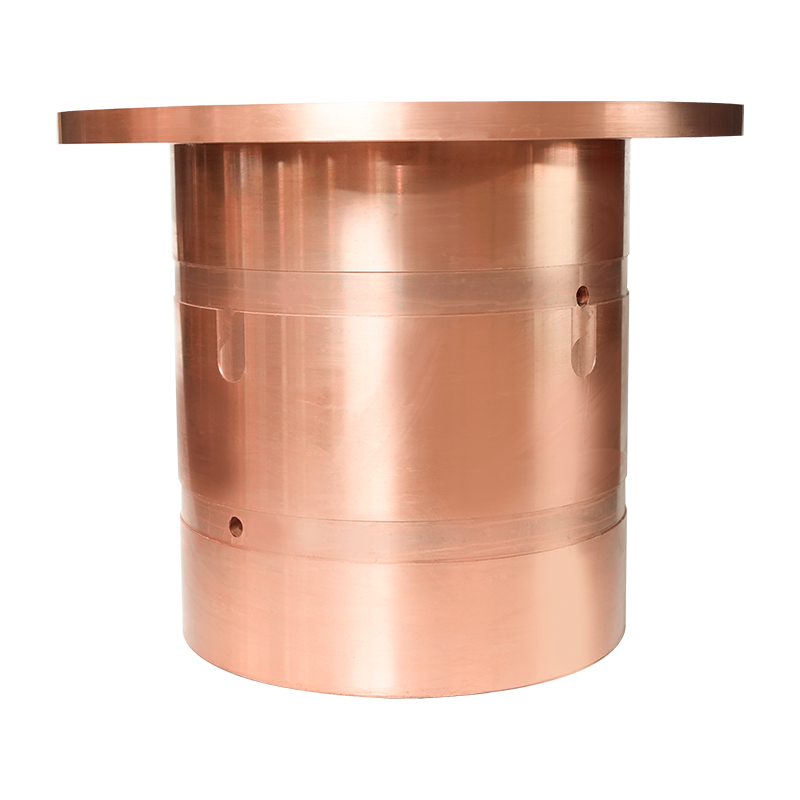
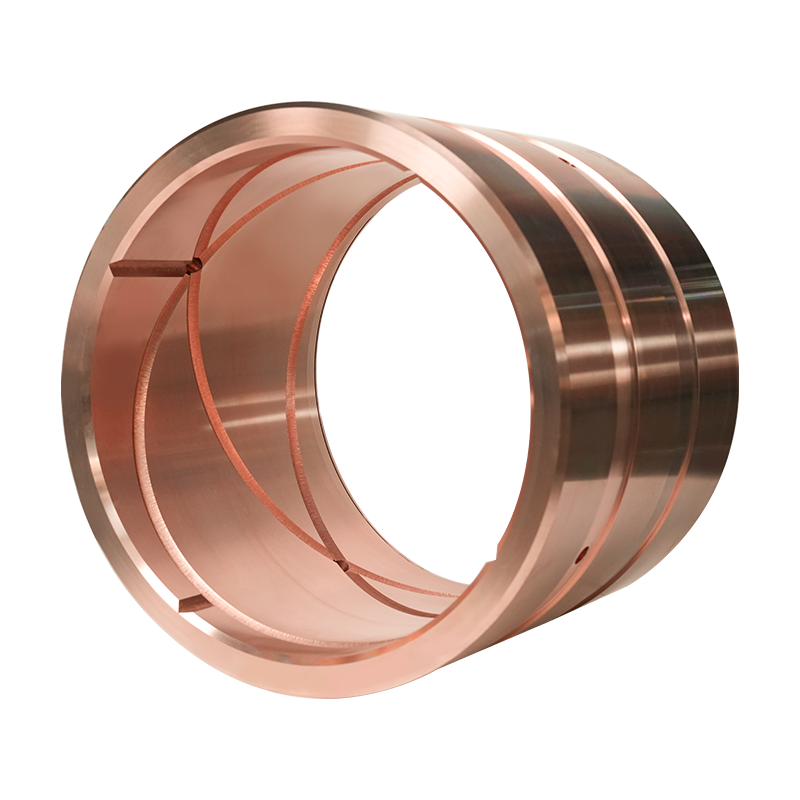
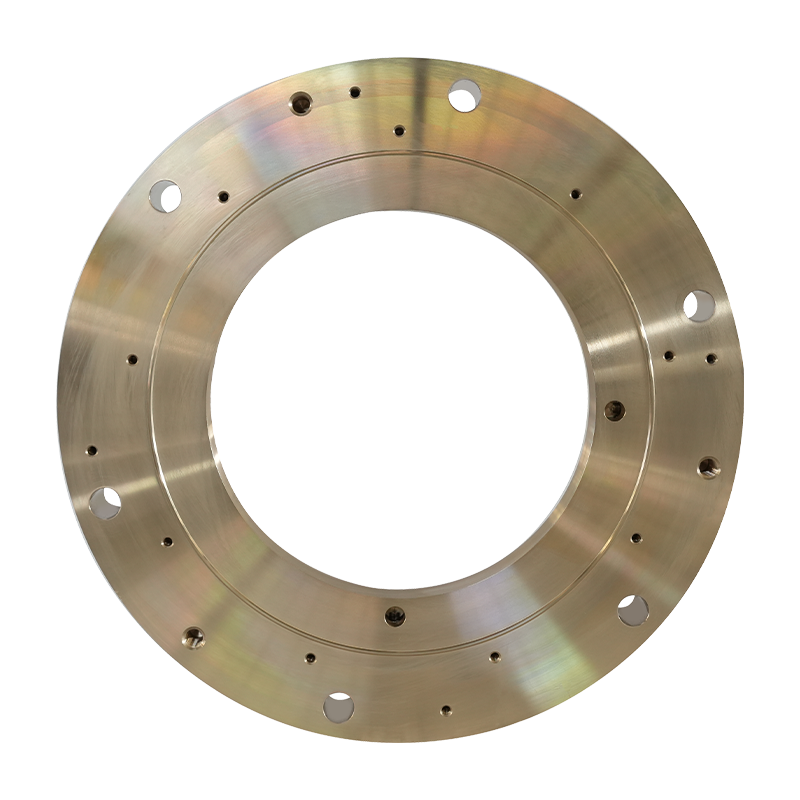
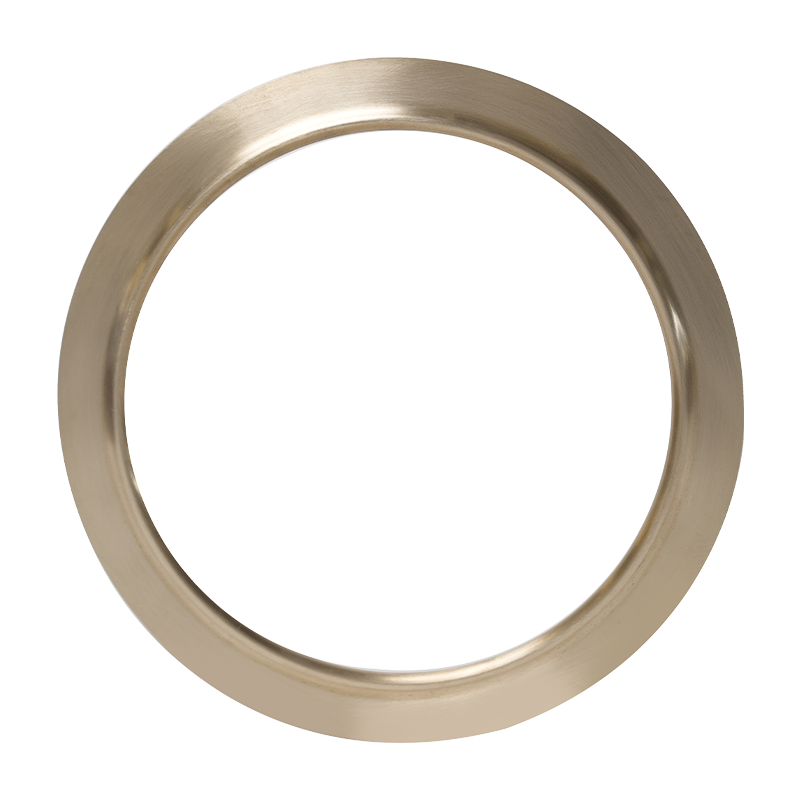
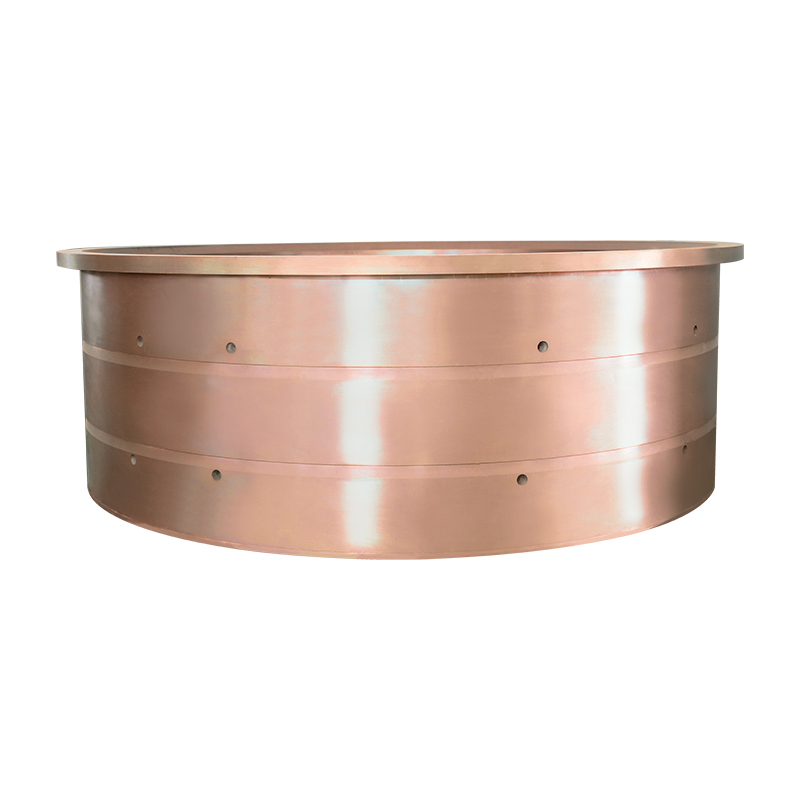
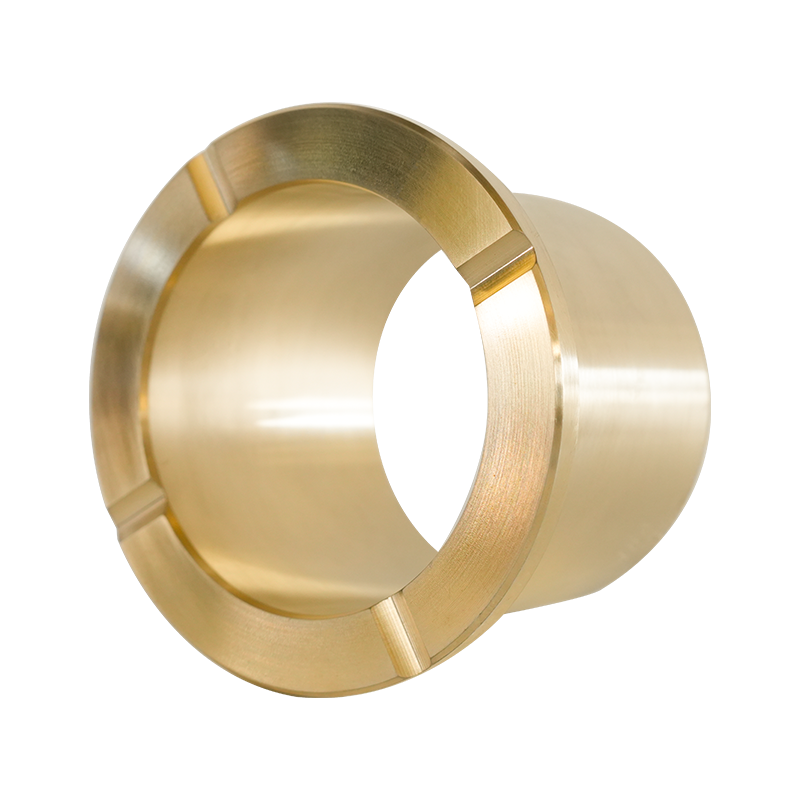
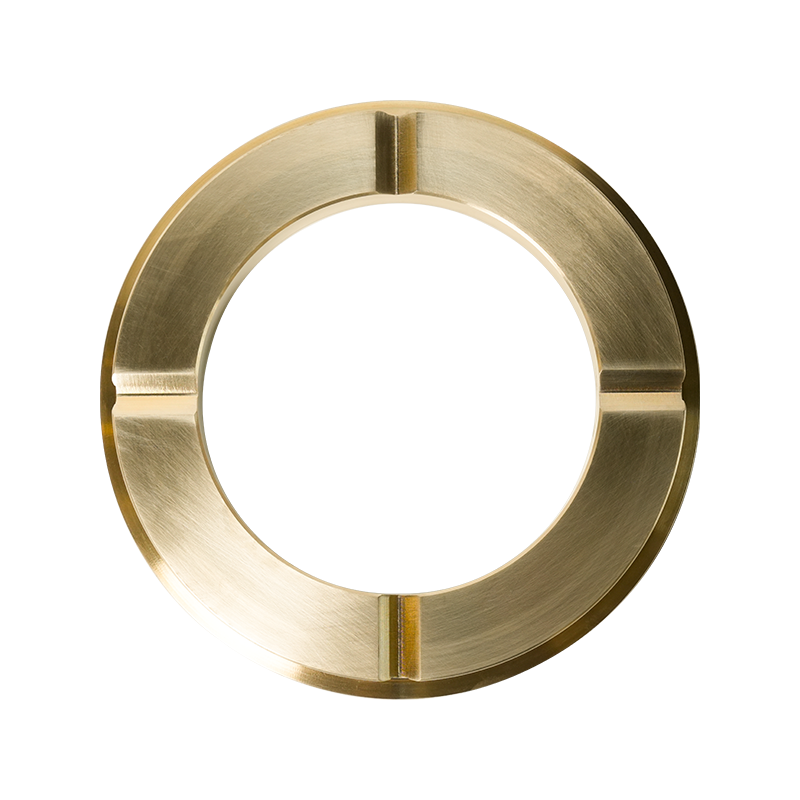
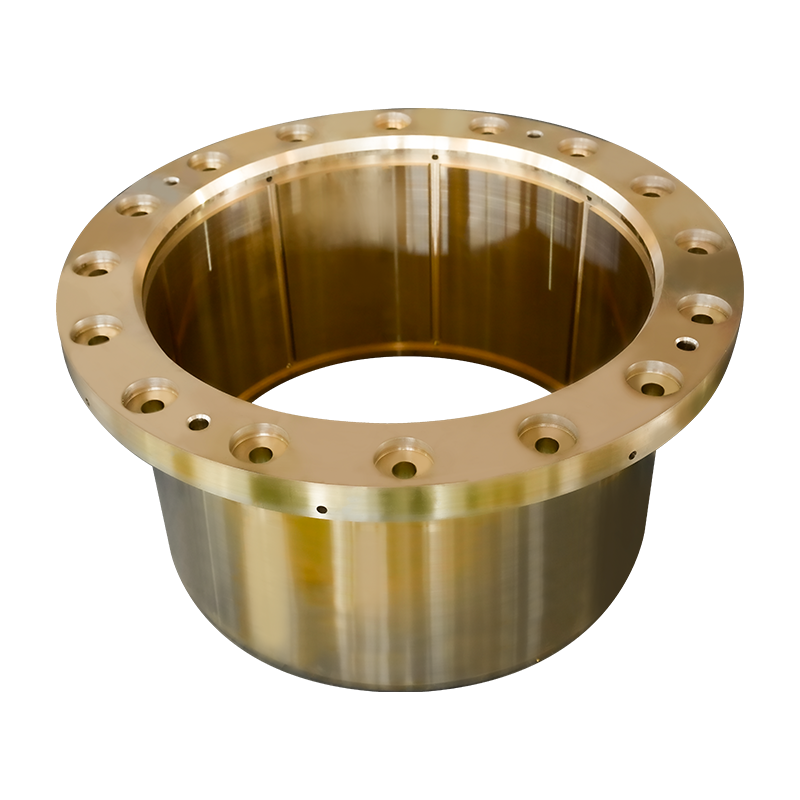
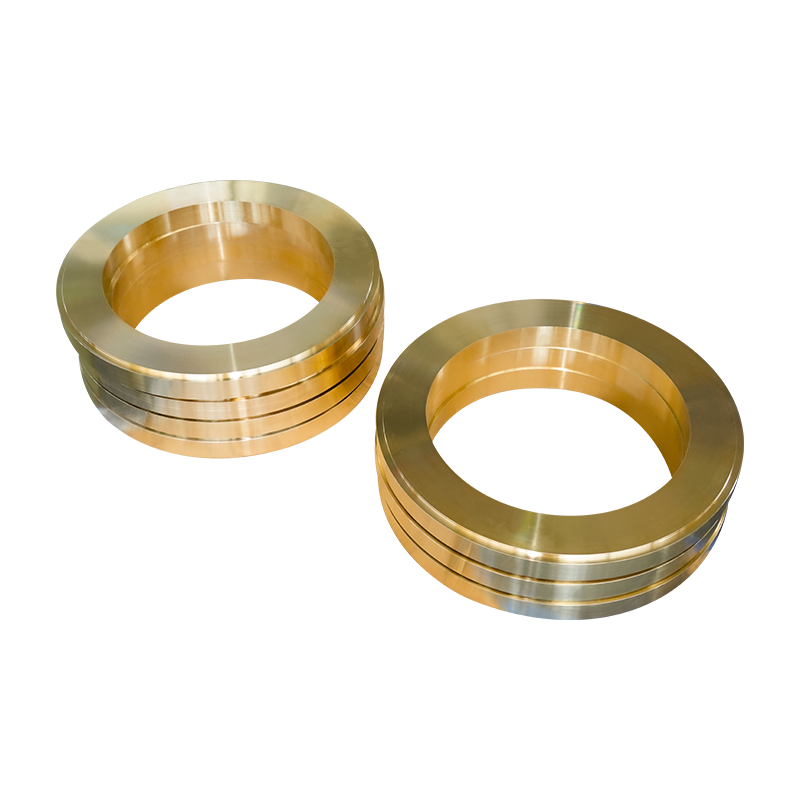
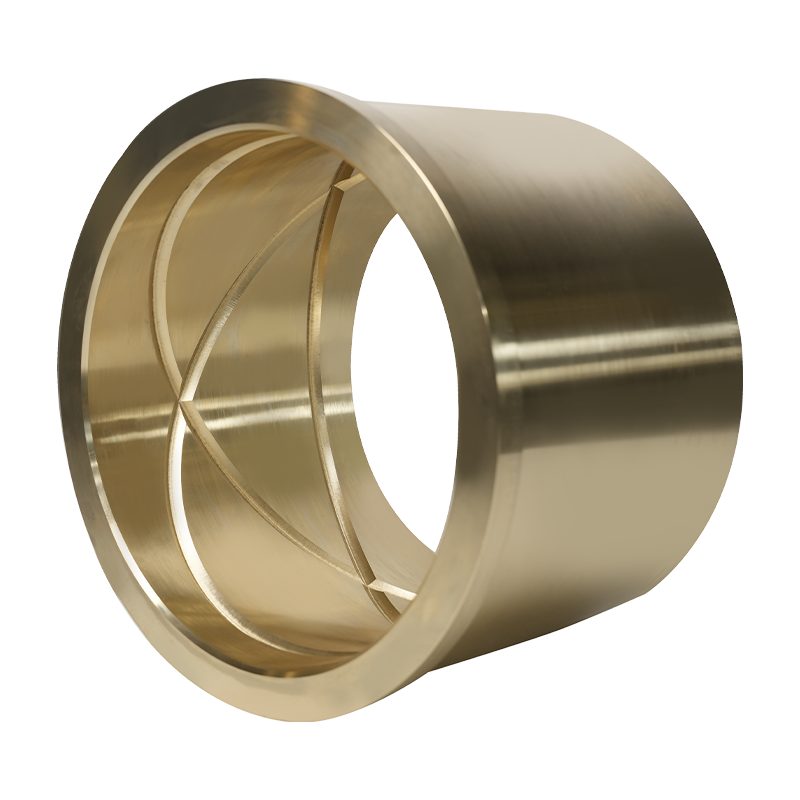
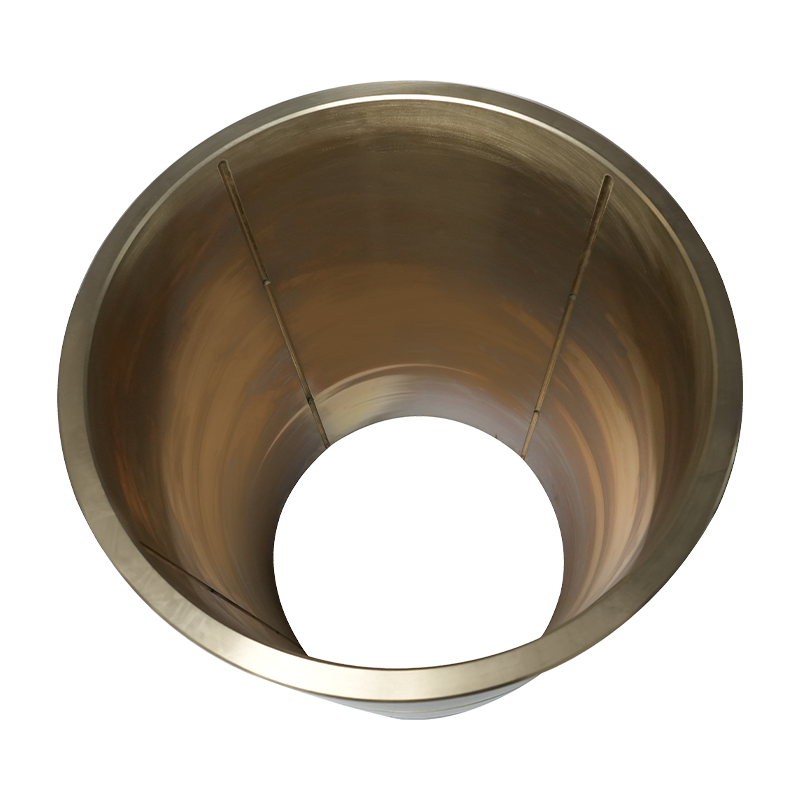
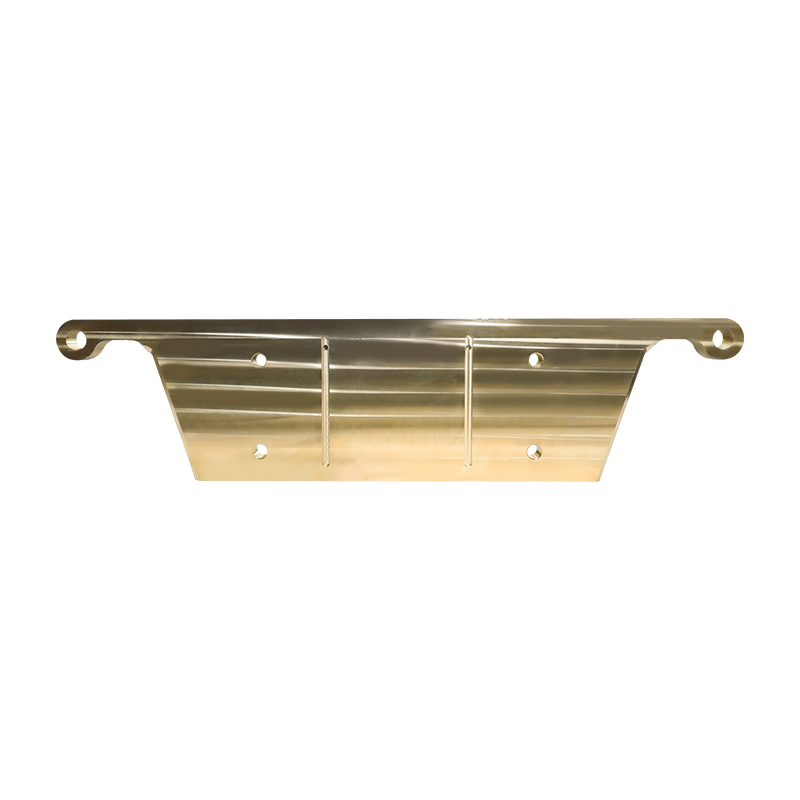
1. Material Advantages: Made of high-quality copper alloy, it combines wear and corrosion resistance with high compressive strength, enabling it to maintain long-term sealing performance in corrosive media such as seawater, oil and gas.
2. Operating Environment: Designed for high-pressure, high-temperature, and high-speed operating conditions, it is commonly found in critical areas such as valves, pumps, and hydraulic systems.
3. Sealing Mechanism: After press-fitting, a uniform pre-stress is generated, ensuring a close fit between the sealing surface and the workpiece, preventing leakage and maintaining stable mechanical operation.
4. Company Advantages: Yangzhou Yifeng Copper Products Co., Ltd. boasts a 30,000-square-meter production facility and over 80 employees, including 20 technical experts and 7 engineers with intermediate professional qualifications. With a complete process chain from material research and development to precision machining, we can provide customers with customized services for high-end marine copper alloy sealing rings.
How is the impact resistance of sealing Marine Copper Alloy Sealing Ring evaluated under extreme sea conditions?
1. Material Impact Toughness Test
References to the impact performance report for PTFE (polytetrafluoroethylene) sealing rings indicate that they possess "excellent impact resistance" and maintain structural integrity under high-temperature and high-pressure environments. Similar copper alloy sealing rings were subjected to impact tests (such as drop hammer and shock wave) to verify their deformation and rupture thresholds under transient high loads.
2. Cyclic Loading Leakage Test
A high-pressure cyclic system was established in the laboratory to simulate the pressure fluctuations caused by ocean wave impact. Leakage rate measurements (e.g., using the He gas pressure drop method) were used to evaluate the sealing performance of the sealing rings under cyclic pressures exceeding 10 MPa.
3. Wear and Clearance Monitoring
Numerical simulations (finite element method) and actual wear tests were used to observe the change in the sealing ring clearance with the number of impacts. When the clearance increases to 0.2 mm, the risk of leakage increases significantly, requiring prompt replacement or re-pressing.
4. Field Measurement and Life Prediction
Used sealing rings were retrieved on-site and measured for surface microcracks, hardness changes, and other indicators using ultrasonic or optical scanning. Combined with laboratory data, a life curve was fitted to provide reliable maintenance interval recommendations.



 English
 日本語
日本語 русский
 Deutsch